· 21 min read
How can event organizers measure sales when tracking cookies are blocked?
You're selling tickets, the payments are coming through, and your advertising dashboard is telling a different story. Maybe it reports fewer purchases than your ticketing account. Maybe several channels each claim the same sale. Then someone suggests replacing your tracking setup, and suddenly you're being asked to spend more money before you can explain the money you've already spent.
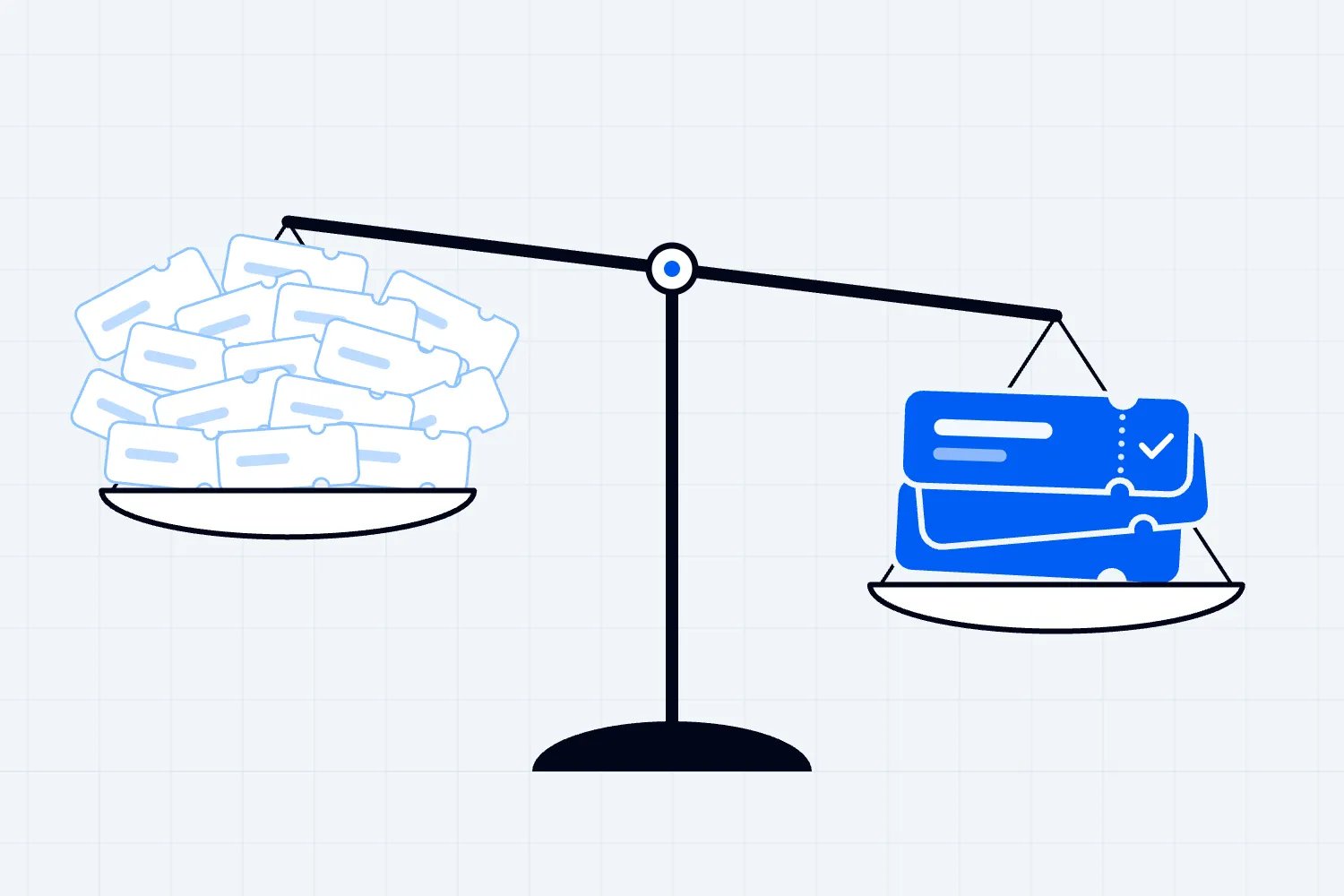
Start with the orders. You can measure how many tickets sold and what those sales earned without knowing every buyer's browsing history. The harder question is which marketing caused those purchases, and you need a combination of recorded campaign information, platform reports and sensible tests to answer it. Some sales will remain unattributed. That doesn't make them imaginary or your marketing useless.
Cookieless event marketing means planning for those gaps instead of treating complete tracking as a condition for running an event business. This guide explains what you can know, what you can reasonably infer, and how to make spending decisions when the two don't match.
First, what does "cookies are blocked" actually mean?
A cookie is information a website stores in a browser and can read again later. A first-party cookie relates to the site you're visiting. A third-party cookie is accessed in the context of another site, which can make it useful for recognizing the same browser across websites. Those differences matter, because blocking third-party cookies doesn't mean a buyer has blocked every cookie or prevented checkout from recording an order.
Also, forget the old countdown to every browser switching off third-party cookies. In its April 2025 Chrome update, Google said it would maintain users' existing choice and wouldn't introduce a new standalone cookie prompt. Chrome's Incognito mode already blocks third-party cookies by default. You shouldn't build a measurement plan around a universal cutoff that Google hasn't announced.
Other browsers behave differently. WebKit's tracking prevention documentation says its Intelligent Tracking Prevention blocks third-party cookies by default, with specific mechanisms for granting access. It also describes restrictions on browser storage and tracking through decorated links. So "first-party" doesn't automatically mean information will remain available indefinitely.
For your event, several problems can look alike in a report. A visitor might refuse advertising consent. A browser extension might block the code that sends a purchase notification. A link might lose its campaign information during a redirect. Someone might discover the event on their phone and buy on a laptop. Or the tracking setup might simply be broken.
Ask which of those happened before paying for a fix. A new connection cannot recover a campaign label that nobody recorded, and a healthy checkout shouldn't depend on a buyer accepting advertising tracking. You want people to buy successfully while their choices determine which optional measurement happens around that purchase.
Your order records answer a different question from attribution
Attribution means assigning credit for a purchase to a marketing interaction, such as an ad click or an email. Your order records establish that a purchase happened. Keep those jobs separate when you review results, because a channel can lose credit without the event losing a sale.
Start by deciding what you're counting. An order is a purchase transaction; a ticket is admission for one person. Someone buying four tickets produces one order and four tickets. Complimentary admissions, abandoned checkouts and unpaid reservations need separate treatment. If your campaign report counts purchases and your sales report counts tickets, comparing the totals will create a problem that has nothing to do with cookies.
For a hypothetical comedy night, suppose you have 120 paid orders containing 180 tickets. Eight tickets are later refunded. You now have 172 paid tickets remaining, but you need the order details to know how many orders were fully refunded. Subtracting eight from the order count would be wrong. An order with a partial refund may still contain several valid tickets.
Keep the original purchase date and the later refund date available in whatever reporting your platform provides. During the campaign, you might review newly paid orders each day. After the event, you should also review what remained after refunds. Explain which version you're using so your team doesn't interpret a later adjustment as a sudden disappearance of demand.
The same goes for money. Gross ticket revenue, money paid out to you and profit are different amounts. Taxes, processing charges, discounts and refunds can change what remains. Your payout can also arrive on a different date from the purchase. Choose the sales measure that suits the decision rather than assuming every dashboard's "revenue" means the same thing.
Work out what a ticket can afford to cost you
If the purpose of measurement is deciding whether to buy more advertising, a beautifully attributed sale can still be a bad sale. You need to know how much money each additional ticket leaves after the costs associated with selling and serving it.
Here's a deliberately simplified example, not an industry benchmark. You retain $40 of ticket revenue after discounts and the charges you've included in your calculation. Another attendee costs $10 in costs that rise with attendance. That leaves $30 before advertising and before paying the event's fixed costs. Spending $35 to acquire that ticket leaves you worse off, even if the ad platform accurately records the purchase.
Now suppose you spend $600 over a reporting period and sell 60 net paid tickets during that period. Dividing spend by tickets gives $10 of advertising spend per ticket sold overall. That's a useful description of the period, but it doesn't establish that advertising produced all 60 tickets. Existing fans, partner activity and people who would have bought anyway are included.
A channel's reported acquisition cost answers a narrower question using its own credited conversions. Label that number separately. If you call both measures "cost per ticket," somebody will eventually compare them as if they were interchangeable and make a budget change on the wrong basis.
Your allowable acquisition cost also depends on how much remains to cover the venue, production and other committed costs. Don't spend the whole $30 just because it is positive before those bills. Decide how much an extra sale needs to contribute, then set the advertising limit accordingly. The calculation becomes more useful as the event's price and remaining capacity change.
Use campaign links, but understand what they remember
Campaign links add labels to a destination URL so a reporting system can recognize where a visit came from. UTM parameters are one common format. Google's campaign URL documentation explains labels such as source, medium and campaign, and notes that values are case sensitive.
For your event, choose names another person can understand next month. A partner newsletter should have a different label from your own newsletter, and an advertisement should be distinguishable from an unpaid post. Keep the event name consistent. Otherwise, one campaign can appear as several rows because somebody changed the capitalization or invented a new abbreviation.
You don't need a naming exercise for every possible interaction. Start with the links you control and the decisions you actually expect to make. If you want to compare two creative treatments, distinguish those links. If the same poster appears in several places and you're only evaluating the poster campaign overall, a shared destination may be sufficient.
The label arriving on a page isn't the same as a permanent record attached to a buyer. Your setup must read it, retain it where permitted and associate it with the completed order. If the buyer returns another day without the original link, that connection may be missing. Switching devices creates another gap. UTMs don't solve either problem by themselves.
Don't put names, email addresses or other personal information in campaign labels. Links can be copied, forwarded and recorded by systems beyond your own. Use a campaign name that describes the promotion rather than the person clicking it, and check your privacy requirements before retaining information about an individual's journey.
Test the complete purchase journey before changing your budget
The first thing you want to do is follow your own advertisement through to a completed purchase. Use the actual route a buyer takes, including the event page, checkout and confirmation. Looking at a tag on the homepage tells you very little about whether a purchase is recorded correctly.
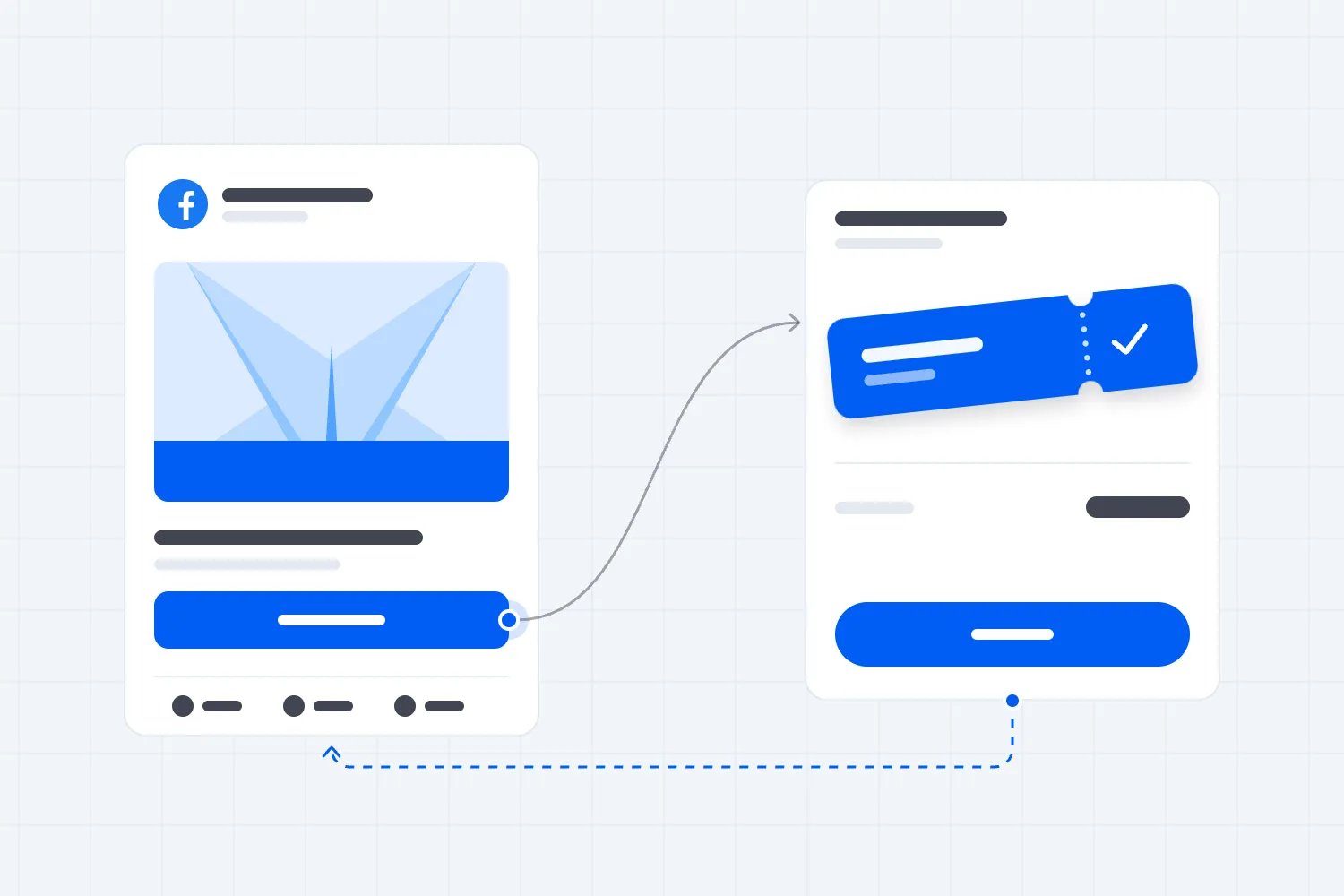
If you send people through your website before checkout on a different domain, check that handoff specifically. The campaign information may reach the first page and disappear before payment. An embedded checkout may behave differently again. Ask your provider which setup it supports and what your team needs to configure, rather than assuming one working route proves all routes work.
Test the choices a real buyer can make. Accepting optional tracking and refusing it should both allow a legitimate purchase. The expected measurement can differ. Write down what should happen in each case before checking the result, so a missing advertising notification after refusal isn't automatically treated as a fault to bypass.
Where your provider supports a test mode, use it. If a real purchase is necessary, keep a record of it and handle any refund through the normal process. Make sure that transaction doesn't become evidence that a campaign is performing well. The aim is to understand whether your system records a purchase once, with the right amount, in the expected places.
Also check what happens when the confirmation page reloads. Your order system should still show the same transaction. If an advertising report gains another purchase, ask the provider how it prevents duplicate notifications. You want a repeatable check your team can run after a checkout change, not a one-off reassurance from whoever installed the code.
Read sales totals and credited purchases together
Suppose your event sells 100 net paid orders during a hypothetical week. Browser-based advertising tracking credits 55 purchases, and a different report credits 75. Those figures alone don't tell you which system is correct about advertising effectiveness. They tell you that you're looking at different records or rules.
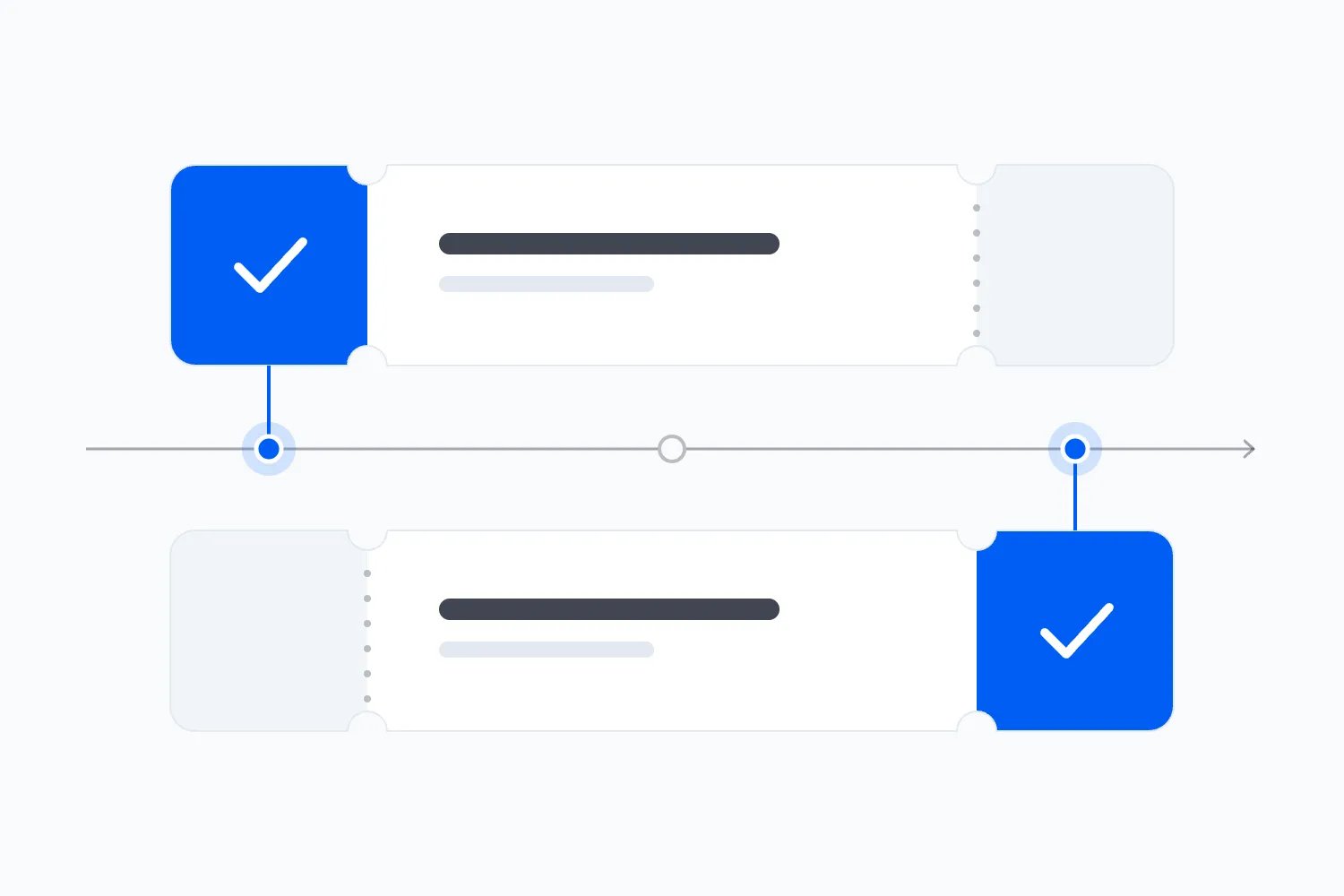
Before comparing, align the dates, time zone, order definition and refund treatment. Check whether a platform assigns a conversion to the day someone clicked or the day someone bought. Ask how long after an interaction it can claim credit, and whether seeing an ad without clicking can qualify. Those reporting choices can produce differences even when no purchase notification is missing.
Don't add the credited purchases from every ad platform and present the result as unique orders. A buyer can see one advertisement, search for the event later and click another. Both platforms may claim a conversion under their own rules. Your ticketing system should still record the actual order once.
For a weekly review, show actual sales and each attribution report as separate measures with their definitions. An unexplained gap deserves investigation, particularly if it changes suddenly. But forcing the figures to match by adjusting a multiplier creates confidence you haven't earned. The missing share may vary by browser, campaign, audience and consent choices.
A stable mismatch can still be useful for comparing performance over time if the setup and audience remain reasonably consistent. A change in tracking breaks that comparison. Record when you changed the consent banner, installed a new connection or altered the checkout route before announcing that the campaign improved.
Check whether the missing signal would change your decision
Suppose a hypothetical workshop has $900 of advertising spend, 90 paid orders and 120 tickets sold after refunds. Browser tracking credits 30 orders to advertising. Dividing $900 by 30 produces a reported cost of $30 per credited order. Dividing the same spend by all 90 orders produces $10 per order sold overall. Neither calculation tells you the cost of an additional order caused by advertising.
The difference matters when somebody asks to double the budget. If you believe advertising caused every order, you're assuming existing customers and other promotion contributed nothing. If you believe it caused only the credited orders, you're assuming every missing connection represents a purchase advertising didn't influence. Both assumptions can be wrong at the same time.
Before you decide, ask what other evidence you have. Were the orders concentrated after the campaign launched? Did the offer change? Was a popular speaker announced? Did your customer newsletter go out? Write down those events rather than selecting the one explanation that makes your preferred channel look best.
You may still choose to continue. Set a spending limit the event can afford and a date to review actual paid sales again. That makes the uncertainty manageable while you improve measurement, without pretending a dashboard has answered a question it cannot resolve.
Server connections can help, but they need a real purchase and permission
A server connection sends information from a business system to an advertising platform rather than relying entirely on code running in the buyer's browser. That can help when browser notifications are unreliable. It still needs an accurate purchase record and enough permitted information for the receiving platform to do useful matching.
Google's enhanced conversions documentation describes using hashed first-party customer information to supplement conversion measurement. Hashing transforms a value, such as an email address, into a different representation so systems can match it. It doesn't establish that an advertisement caused the purchase, and it isn't a promise that every buyer can be matched.
Ask what happens when the same purchase is sent through the browser and a server connection. The provider needs a supported way to identify the duplicate so one transaction doesn't become two conversions. Also ask how refunds and changed order values are handled. More purchase notifications are only useful when they improve the report's accuracy.
You shouldn't have to implement this yourself if your ticketing provider already supports the connection you need. Ask for the documented setup and a test result from your own event. If the provider doesn't support it, establish the cost and responsibility before hiring someone to build around the checkout. Access to payment records is not automatic access to every advertising integration.
Consent still matters. The UK's ICO says advertising storage and access technologies require consent, including associated measurement. Its guidance covers more than conventional cookies. A server connection isn't a general exemption from the rules governing collection, sharing and use, and the requirements for your audience need checking before implementation.
Customer information isn't anonymous just because it is hashed
You already need certain information to fulfill an order and communicate with the person who bought it. Using that information for advertising matching is a further decision. Don't assume that collecting an email for ticket delivery gives you unrestricted permission to send it to advertising platforms or use it for every future campaign.
The ICO's explanation of anonymisation distinguishes anonymous information from pseudonymous information, which can still relate to an identifiable person. That matters when a supplier describes hashed customer information as anonymous. Ask what is being shared, who can match it and what permissions and notices apply.
For your team, the practical work is to choose the information you genuinely need, document its purposes and make the relevant choices clear to buyers. Limit who can access customer details. Avoid assembling a new collection of personal information just because a tracking consultant says it could improve a match score.
This also affects reporting. A contractor deciding which poster sold better usually needs campaign results, not a spreadsheet of every buyer's email address. Share the least detailed information that allows the person to do their job. Less copying means fewer places to correct or delete information when circumstances change.
Keep the customer question simple when you evaluate a new tool. Would a buyer understand the proposed use from the explanation you've provided, and can your team honor their choice throughout the setup? If nobody can explain the answer without referring you to several suppliers, resolve that before turning the connection on.
Codes and buyer answers add context, with their own gaps
A partner code can connect an order to a particular promotion even if browser tracking misses the journey. It is especially useful when you're paying a commission or evaluating a partnership. Agree what counts before the campaign starts, including refunds, shared codes and purchases made outside the stated period.
A code tells you which code was used. It doesn't prove that the partner introduced the buyer to your event. Someone may find it on a discount site after already deciding to buy. A loyal customer may use a friend's code. Treat those as possible explanations when the reported performance looks stronger than the audience or activity would suggest.
You also pay for a discount on buyers who would have paid full price. Include that cost when reviewing the promotion. If you can identify a partner through a dedicated link without lowering the price, consider whether the discount has a commercial purpose beyond making tracking easier. Measurement shouldn't create an unnecessary reduction in revenue.
A brief "How did you hear about this event?" question can explain journeys that links miss. Keep it optional where appropriate, offer clear choices and allow people to say they don't remember. Ask after purchase if including it during checkout would add friction. Check whether your platform offers a suitable question before commissioning a separate survey.
Expect imperfect recall. A buyer may remember the artist's post but forget the advertisement that first introduced the event. Someone buying for a group might answer for themselves rather than everyone attending. Use the responses to notice patterns and investigate opportunities, not to allocate every dollar of revenue with false precision.
Leave unknown sales visible instead of inventing their source
If a report says "direct" or "unknown," your conclusion should be that the source isn't available under that report's rules. It doesn't mean the buyer had no contact with your marketing. People share links in private conversations, return through bookmarks and switch between apps and browsers before paying.
Keep unknown sales in the sales total and keep them visible in the source report. Excluding them makes the known channels look like the whole business. Distributing them proportionally across those channels assumes the missing buyers behave like the observed buyers, which you haven't established.
You can still investigate. Did the unknown share rise after a new redirect? Did a partner post an unlabelled link? Did someone replace the newsletter's campaign URL? Those are practical faults you can fix. A gradual difference between mobile and desktop may need a more careful technical review rather than a last-minute change to campaign spend.
Don't add code redemptions, survey answers and advertising conversions together as extra sales. They can all describe the same order. Keep them as different pieces of evidence unless your system can connect them reliably and you have a clear reporting rule. Otherwise, a buyer who saw your ad and used a partner code will make two channels appear to have sold one ticket each.
The useful result is a report that admits its limits and still supports a decision. You might know the partner generated recorded code orders, hear buyers mention the artist's video and see total sales improve. That justifies examining the combination further; it doesn't justify claiming every unknown order for your favorite campaign.
A small test can answer more than a complicated attribution model
The commercial question is often whether spending more produced additional purchases. A test can help answer that without identifying every individual journey. You compare groups or periods with a deliberate difference in marketing, then look at actual purchase outcomes and the money left after costs.
For an email campaign, a randomly selected holdout is a group you don't send the message to during the test period. Compare its purchase rate with the group that received the email. If the groups were comparable and nothing else treated them differently, the difference gives you evidence about the email's contribution.
Our guide to testing ticket-sales email offers develops this approach for paid events. The principle also helps you recognize a weak test. Sending an email on Friday and comparing sales with a quiet Tuesday mixes the email's effect with the day, the approaching event and anything else that happened.
Small events need restraint here. If each group produces only a few orders, one group booking can change the apparent result. Don't describe that as a conclusive winner. Decide in advance how long you can run the test, how much uncertainty you can tolerate and which result would actually change your next decision.
Paid advertising tests can be harder because audiences overlap and platforms control delivery. Use supported experiment tools where appropriate, and get help with larger decisions. For a small local event approaching its date, a cautious budget change with a written review point may be more practical than an experiment that won't produce enough evidence before ticket sales close.
Keep the comparison fair as the event gets closer
An event has a sales deadline, changing prices and limited inventory. Those conditions complicate comparisons even when tracking works. A campaign running during an early release isn't necessarily better because its reported acquisition cost is lower than a campaign selling the last expensive tickets. Compare the money retained as well as the number of purchases.
Capacity matters too. If only a handful of seats remain, advertising can take credit for purchases you would have received anyway. Spending more to sell out a few hours earlier may have little commercial value. If you're behind the sales pace needed to cover costs, the same extra purchases can matter a great deal. Explain that context alongside the report.
Check group purchases separately when they materially affect the result. A campaign with fewer orders may have sold more tickets because buyers booked together. Another may attract single buyers at a higher retained price. You don't need to identify every browsing interaction to see that an order count alone would miss those differences.
When reviewing repeat events, compare equivalent points before the event and note changes in price, program and audience. Last month's sold-out final week isn't a sensible baseline for this month's opening day. Use earlier results as context and a planning aid, while leaving room for what changed.
How Loopyah fits into this measurement process
Your ticketing platform should reduce the work of finding out what sold. Loopyah's ticket-selling platform shows which posts and emails sold your tickets. Start with the recorded sales when you assess the event's position, then examine the source information available for your particular setup. Ask how it is collected and what it can miss.
If managing advertising across several accounts is the burden, the Loopyah AI Ads Agent, currently in early access, connects to Meta, Google and TikTok, monitors campaigns and explains optimization changes. You provide the budget and creative. You still need to understand which sales measure you're using and how consent affects the information available for your campaign decisions.
When choosing any setup, ask for a demonstration using your actual checkout route and reporting needs. Can you distinguish orders from tickets? Can you identify refunded sales? How are overlapping platform claims presented? A clear answer to those questions is more useful than a promise to recover a particular percentage of missing conversions.
Make the next review useful enough to change a decision
Before your next campaign review, agree on the paid sales total, the costs included and the reporting period. Check one real purchase journey, then write down the source information each report can observe. Use that shared understanding when somebody proposes increasing spend or turning a channel off.
Agree who owns each correction. Your ticketing provider may need to investigate duplicate purchase notifications, while your team can fix an unlabelled partner link. Your agency may need to explain its attribution settings. Sending everyone the same unexplained screenshot usually delays the answer because each person assumes someone else understands the discrepancy.
Keep the original reports when you investigate, including the date range and settings used. If a supplier changes the setup, record what changed and when, then check a new purchase. Historical reports may not repair themselves. Ask whether the fix affects earlier data before comparing the revised figure with the old one. This gives you a usable history at the next event and prevents your team from repeatedly paying to diagnose the same fault whenever someone new takes responsibility for reporting and campaign reviews.
Keep a short record of the decision and what would change it. You might continue a campaign while fixing a broken checkout handoff, reduce a promotion whose discounts leave too little money, or repeat a partner arrangement after checking its refunded orders. Each action should follow from a specific finding.
After the event, revisit the result with refunds included and record what you want repeated at the next launch. You won't recover every buyer's history. You can still build a much better account of what sold, what it cost and which marketing deserves another test before you commit more money.

Author: By the Loopyah Content Team
The Loopyah Content Team shares expert insights, practical guides, and industry updates to help event organizers create unforgettable experiences and stay ahead in the event planning world.