· 27 min read
How to release production holds after your final stage layout is confirmed
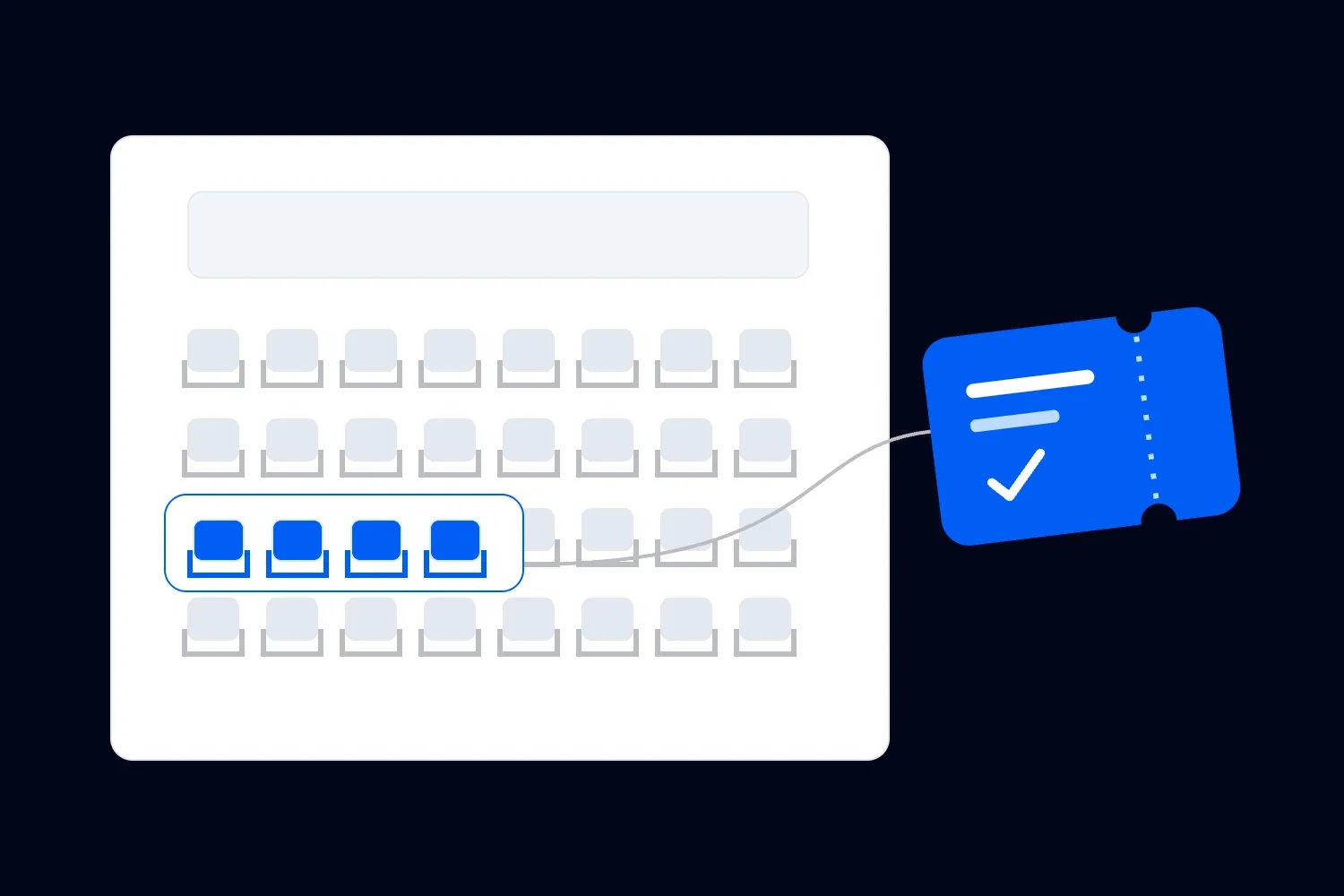
Production has moved the camera platform. The stage extension is smaller than expected. You can see empty chairs on the plan, and ticketing wants to know whether those seats can go on sale before the next email goes out.
Release production holds only after the people responsible for the actual layout have approved the specific seats, the inventory owner has checked existing commitments, and the buyer's offer matches the experience those seats provide. A final drawing helps you identify what to inspect. It doesn't, by itself, confirm that every chair shaded as held is ready to sell.
The useful question is which seats are now suitable and available for this performance. That means checking the built production, recording the decision against exact seat numbers, then making a controlled change in ticketing. If a camera is still moving or an access route remains unresolved, leave the affected seats held while the rest of the review continues.
Here's how to work through that decision, including a release record your team can use, a fictional financial example, and what to do when production changes after customers have bought the tickets.
Start by finding out why each seat was held
A production hold is inventory kept off public sale because the event's technical or physical requirements may need it. Cameras, sound equipment, lighting positions, scenery and stage extensions can all affect the seating offer. Sometimes the equipment occupies a seat location. Sometimes it blocks the view from chairs that remain physically in place.
Don't assume every hold in the system has that purpose. Artist guests, sponsor commitments, relocation reserves and an unpaid group booking may appear beside production holds on somebody's spreadsheet. They have different owners and release conditions. A production manager approving a sightline doesn't cancel an artist's guest entitlement or establish that a group has declined its booking.
Start with the original reason and the current owner. Ask who requested the hold, which event and performance it applies to, and what must happen before it can be reconsidered. Where a request only says "production", obtain the missing detail before treating it as spare stock. An unexplained hold is a question to investigate.
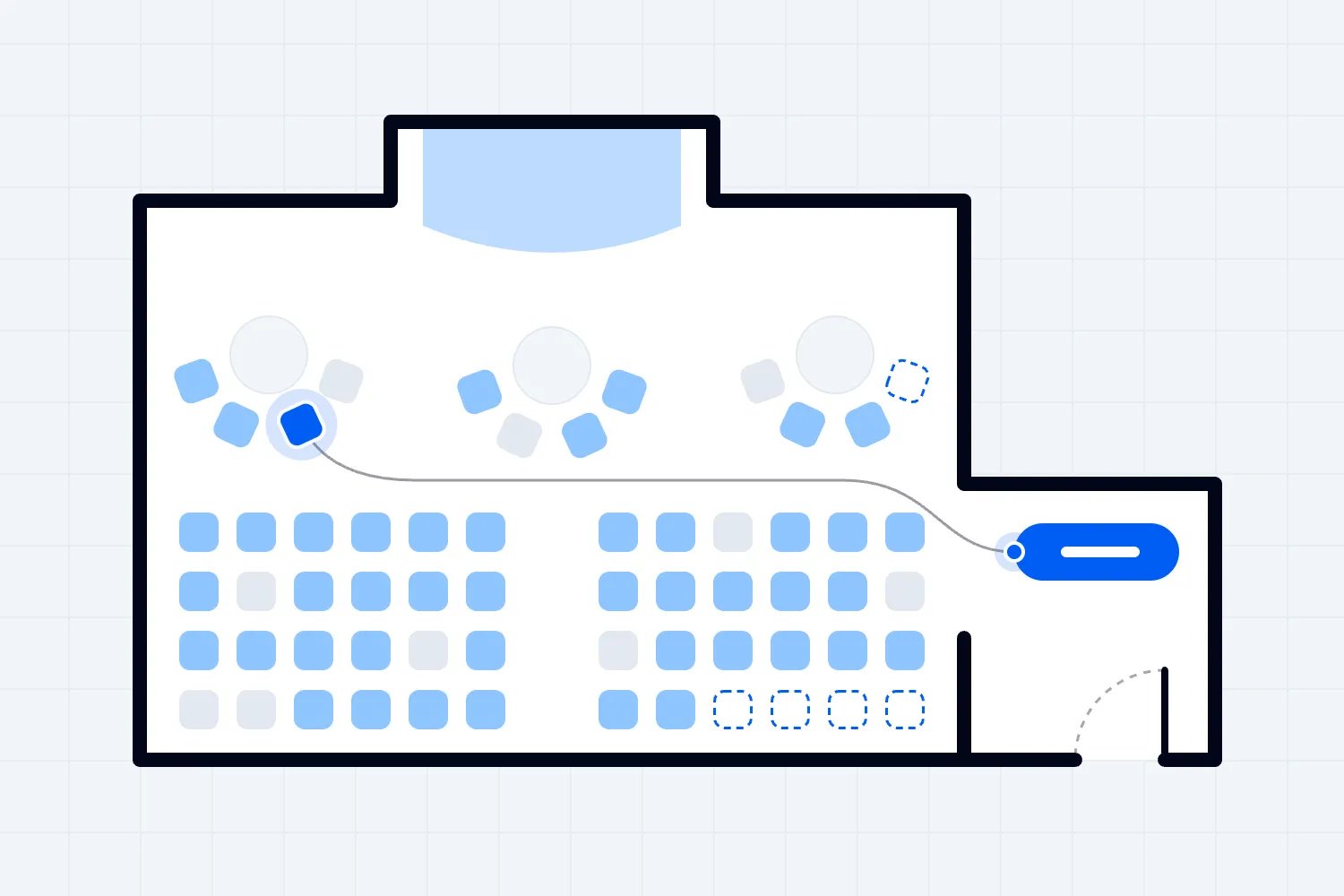
Use exact section, row and seat identifiers. A note that says "rear stalls" may include a camera footprint, a clear neighbouring row and places kept for customer moves. Those locations can have different outcomes after the same inspection. You want the release decision to identify them without relying on a colleague pointing at a printout.
The broader ticket management guide explains how admissions, orders and stock fit together. For this review, the extra requirement is a reason attached to each affected location. Ticketing should know what it is waiting for and who can supply the answer.
Keep a distinction between a physical seat and a saleable admission. A chair may still exist behind a sound desk, but that doesn't make it a suitable customer position. Equally, moving a desk doesn't automatically increase the event's permitted audience. The venue must confirm what the revised arrangement allows before anyone increases stock.
If you inherit the event late, resist clearing unfamiliar holds to make the sales report look better. Contact the requesters, check the current production information and record what remains unresolved. You can release approved groups separately. There's no commercial benefit in replacing an untidy hold record with customer bookings you later have to undo.
Agree what confirmed means for this production
A plan can be final for the scenic designer while camera positions remain provisional. A touring production may have approved its own design without approving how it fits your room. Before arranging a release review, agree which elements need to be settled for the seats under consideration.
Identify the relevant drawing and its revision. Connect it to the correct venue, date and performance, then ask about changes that haven't reached the drawing yet. The most recent email attachment isn't necessarily the accepted production arrangement. Someone needs authority to confirm which information the team is building from.
Ask what will be installed at show time, including temporary additions. A camera without its working platform, an unraised screen or an empty lighting position can make an early inspection misleading. Include the equipment's operating position and any expected movement. The audience experiences the performance, rather than the quiet room before rehearsal.
Great Britain's HSE includes audience capacity, routes and the position of structures within its venue and site design guidance. Use the venue's competent people to assess your actual configuration and the requirements that apply locally. This article's release process doesn't calculate a safe capacity or approve a seating layout.
Agree who can confirm each part. The production lead can establish equipment positions and show requirements. The venue's responsible people can confirm the relevant layout and operational conditions. The access lead should review changes affecting accessible provision. The inventory owner can then reconcile commitments and authorise the ticketing change within their remit.
For a small venue, the same person may perform several roles. Keep the decisions distinct even if you don't need several signatures. "Approved" should still tell you what was checked, against which arrangement, and whether any condition remains. A familiar person's name isn't a substitute for that information.
Set the review around the actual build. Some groups can be cleared from reliable confirmed information earlier; others need an installed inspection or rehearsal. Don't promise the marketing team a release time that depends on work production hasn't completed. Give them a decision time and explain which stock is still conditional.
When a supplier or artist changes something afterwards, the affected approval needs another look. State that trigger in advance. Otherwise ticketing may quite reasonably keep selling from the last approved plan while production assumes everyone noticed the new position in a group chat.
Inspect the seats from the customer's position
Walk the affected locations with the relevant production and venue people. Bring the seat list and the accepted plan. Check that section names, row labels and physical seat numbers match the ticketing map before assessing the view. A perfect inspection of the wrong row won't protect the people who buy the released seats.
For seated events, assess from the actual seated position using the intended furniture. A view from the aisle, a standing position or the next row isn't the same offer. Where likely differences in eye height affect the finding, discuss them with the people assessing the location instead of treating one observer as representative of every attendee.
Check what the audience needs to see. A singer remaining at centre stage creates a different viewing requirement from a dance performance using the full width. A presentation may depend on readable slides or captions. A live demonstration may require a view of the work surface rather than just the presenter's face.
Look at the whole operating footprint. A camera platform can be clear of the chair while the operator or moving camera interrupts the view. Ask about normal show movement, the position of cable protection, and whether staff need to work beside the audience. Check the boundaries of a group carefully; the first apparently clear seat beside an obstruction deserves its own attention.
HSE's guidance on crowd controls inside a venue advises good sightlines to stage areas and appropriate routes through the venue. For our release review, that means checking the customer's usable position alongside the venue's access and circulation assessment. Good visibility cannot compensate for a route that needs to remain clear.
Also ask what changes when the audience arrives. A position that depends on another row remaining empty isn't a clear-view seat if you plan to sell that row. A view through an open door won't remain available when the door closes. Record the real performance conditions, including any reliance on a screen or other production provision.
Where an inspection cannot settle the answer, keep those specific seats unavailable and name the missing information. "Awaiting camera operating position at rehearsal" is useful. "Check later" leaves the next colleague guessing whether the delay concerns the view, the layout or a commercial commitment.
Photographs can support the review if the venue permits them, but label their location and configuration. They help explain what was inspected; they don't turn a provisional layout into an approved one. Keep the written outcome with the seat identifiers so the decision remains usable after somebody closes the photo album.
Give each group a clear outcome
After the inspection, divide the reviewed locations by decision. Some can become ordinary saleable seats. Others may be suitable only with an accurate restricted-view offer. Some remain needed for equipment or operations. Others stay pending because a relevant condition hasn't been resolved.
Be specific about the reason for each outcome. "Keep held for camera platform" is different from "keep held pending moving-camera test". The first is a confirmed requirement. The second is an unfinished decision with a next action. That distinction helps ticketing answer a customer asking whether more seats might become available without making a promise.
A restricted view needs a separate commercial and customer-information review. The production team can describe the obstruction, but somebody still has to decide whether the remaining experience is suitable to offer and how to explain it before purchase. Our guide to selling restricted-view seats covers that work in detail.
Don't use a discount to resolve uncertainty. If you don't know what the buyer will see, a cheaper ticket simply gives an unknown experience a lower price. Keep the seat held until you can describe the limitation accurately, or decide not to offer it. The customer's budget doesn't tell you what information they need.
Accessible seating and companion provision require their own review. They are not a spare production reserve. For US events covered by the relevant ADA requirements, the Department of Justice's ticket-sales guidance describes specific conditions for releasing unsold accessible seating to people who don't need its features. A production signoff doesn't replace those conditions. Check the applicable obligations with the venue and appropriate advisers.
Keep operational reserves explicit too. You may retain suitable seats for customer relocations or other agreed needs. Record who controls them and when they will be reviewed. Quietly folding them into the public release can leave front of house with no agreed remedy when a real problem appears.
Use a common status vocabulary that your team understands. Four plain outcomes are enough for this process: ready for ordinary sale, ready subject to a defined offer, remain unavailable, and pending further review. Add the specific condition rather than inventing a large set of abbreviations nobody remembers at the box office.
Reconcile the seats before increasing availability
Now compare the approved locations with the current inventory. You are checking whether the seats are both suitable and uncommitted. Physical approval answers the first question. Ticket records, contractual commitments and current selling authority answer the second.
Take a fresh inventory position for the named performance. Check completed orders, active reservations, partner allocations, guest commitments and any supported temporary purchase holds. The exact checks depend on your selling setup. Avoid relying on an export taken before the inspection if other people have continued making bookings.
If an approved seat has already been promised to a guest, don't release it a second time. Resolve the existing commitment with its owner and use the agreed process before making it available elsewhere. A blank customer-name field may mean the guest hasn't been assigned yet, rather than that the seat is free.
For independently selling partners, confirm their authority over the affected seats. A partner's unsold location can still be reserved under its agreement. Returning that authority is a separate step from production approval. Your own system showing a hold doesn't prove that nobody else can issue a valid ticket for the same position.
Check the total after the proposed change. Seats moving from production hold to public availability should reduce the relevant hold balance by the same quantity. They should not appear as an unexplained addition beyond the approved layout. Keep any separately authorised capacity revision identifiable so the team can distinguish it from a change in stock status.
Use a before-and-after record. It should show the seats involved, their old status, their new status and the remaining inventory in each affected group. Verify the meaning of the system control you're editing. A field for the maximum total isn't interchangeable with a field for additional available seats.
Where more than one person can edit stock, agree who is making this change and how others will be informed. You don't need to stop unrelated sales across the whole event for every release. You do need a way to prevent another editor or independent seller from making a conflicting change to the same seats during the operation.
Finish reconciliation before sending the public announcement. A marketing deadline can create pressure to say the release is ready while ticketing is still resolving a duplicate commitment. Keep the campaign prepared, then approve sending once the live offer has passed its checks. Customers should reach availability you have actually opened.
Work through a complete release example
Let's use a fictional seated concert with a venue-approved layout of 600 audience positions. This is an invented inventory example, not a capacity recommendation. Before the review, 500 places are in the paid-ticket inventory, 40 are committed to guests, 40 are production holds and 20 are retained for agreed operational needs.
Those categories add to 600. The 500 paid places include both tickets already sold and places still available. Guest and operational places remain within the same audience total. We're assuming no unresolved purchases or overlapping commitments in this example so we can follow the production decision clearly.
The team inspects the 40 production holds after confirming the stage and camera arrangement. It approves 24 for ordinary sale. Eight remain occupied by the required camera footprint. Four have a restricted view and are kept unavailable while the selling offer is reviewed. Another four remain pending a rehearsal check. All four groups still account for the original 40.
For the first release, only the 24 ordinarily saleable seats move. Paid-ticket inventory becomes 524. Guest commitments stay at 40, operational places stay at 20, and the remaining unavailable production-related balance is 16. Again, the total is 600. Nothing in the release creates an extra audience position.
Suppose production later confirms the four pending seats are suitable for ordinary sale. After a fresh commitment check and approval, paid inventory could become 528 and the remaining production-related unavailable balance would become 12. That later possibility isn't part of the first public release, and it shouldn't appear in the first announcement as guaranteed availability.
If the four restricted-view seats are eventually offered, they need their own accurate description and approved price. They don't inherit the ordinary seats' offer simply because they came from the same original hold. The camera footprint stays unavailable while that physical requirement remains.
At each stage, the record should explain the change without requiring somebody to reconstruct the arithmetic. A number called "production released" is useful only if you can connect it to the exact seats, the decision and the stock movement. Use the same identifiers in the inspection record, ticketing change and front-of-house plan.
Estimate the money you could keep from the release
An approved release creates an opportunity to sell. It doesn't create revenue until customers buy, and gross ticket sales don't tell you what the extra activity contributes. Estimate the money left after the costs that change because you offer these seats.
Continue with the first 24 seats in our fictional example. Assume you retain $50 per completed ticket after transaction costs and applicable sales tax, then spend $5 per additional attendee on a variable event cost. The contribution before any extra fixed release cost is $45 per sold ticket. All amounts here are invented USD planning assumptions.
If opening this group requires $180 of additional fixed work, four completed sales cover that cost because four times $45 equals $180. Selling all 24 would contribute $1,080 before that work and $900 afterwards. Selling two would leave a $90 loss on this incremental calculation. These figures don't show the profit of the whole concert.
Decide which costs are actually additional. If the relevant staff are already paid for the period and the review fits their work, the cash cost may differ from a release requiring extra paid hours. You can still account for staff time when judging whether repeated releases are worth the effort. Label cash spending and allocated time clearly.
Consider whether more sales create a step in cost. An extra section might require an additional usher, a different entrance arrangement or another service position, depending on the approved operation. Include the whole extra cost when that change is necessary. Don't spread an imaginary average across the seats and miss the actual commitment.
Discounts change the calculation too. If six of the 24 sell with a $10 reduction in retained revenue and the other assumptions remain unchanged, the full-group contribution after the $180 cost falls from $900 to $840. Check how a real discount affects fees and tax before using the same subtraction in your event's budget.
If you release only part of the approved group for sale, keep the rest's status clear. You may choose a smaller commercial release because demand is uncertain or the operational cost changes at a particular boundary. Physical approval permits consideration of those seats; it doesn't require you to sell every one immediately.
Use the estimate to decide what work and promotion are justified. Don't use it to pressure a technical reviewer to clear seats. The financial question starts after suitability and availability have been established. If only a smaller group qualifies, recalculate using that group rather than carrying the original hoped-for revenue into the plan.
Build the offer around the seats you approved
Configure the released locations using the exact approved seat and section identifiers. Check the date and performance as carefully as the quantity. Recurring events can have almost identical maps while using different stage arrangements, and a copied setting can open the right seats on the wrong night.
Loopyah's seat charts let buyers choose exact seats and let organizers price different sections. That connects the reviewed physical locations with the offer customers select. The production and venue team still supplies the facts about which locations are suitable for this event; the seating tool doesn't perform that assessment for you.
Keep the configuration proportionate to the distinction buyers need. Ordinary seats matching an existing category may use that category. A genuinely different experience needs an appropriate description and price decision. Don't create a premium category just because the seats were released late, or imply they offer a better view without checking.
Where the ticketing process supports seat-specific notes, test how they appear. If it doesn't present an important limitation at the decision point, change the selling arrangement before opening the affected seats. A longer event description won't necessarily help a buyer who enters directly at seat selection.
Read the entire customer offer, including the amount payable. The US FTC's fees rule guidance explains upfront total-price requirements for covered live-event tickets. Check the rules applying in your market and event category. A late release uses the same obligation to present an accurate price as the original sale.
Test adjacent seats and mixed orders. If a customer selects one newly released seat and one existing seat, the correct locations, descriptions and prices should remain understandable in the order summary. Make sure a released seat hasn't accidentally become a general-admission ticket without its assigned position.
Test the actual supported purchase path before announcement. Check the map at phone width, select the intended locations, review the summary and confirm the resulting ticket information through the platform's test process where available. Don't create a live paid booking merely to obtain a screenshot if a supported preview or test route will establish the same thing.
Keep evidence of the checked offer with the release record. That can be a dated preview or configuration reference showing the locations and customer information. It gives support and front of house a reliable account of what was offered, rather than asking them to interpret the internal production plan.
Explain why more tickets are available
People who previously saw the event listed as sold out may wonder why tickets have returned. Tell them what changed in ordinary language. "A small number of seats are now available following the final production review" can explain the situation when that is accurate. Avoid suggesting a bigger room or extra performance if neither has been added.
Use quantities only when you can support them at the point the message is seen. A scheduled email saying "24 seats left" can become inaccurate as other buyers complete purchases. You can describe the released group without pretending its starting quantity will remain the current balance throughout the campaign.
The UK's Competition and Markets Authority discusses scarcity messages and countdowns in its guidance on urgency claims. Keep release messaging accurate and check applicable local rules. An internal wish to sell the new seats quickly doesn't establish a genuine deadline for customers.
If you use a waiting list, decide the release order and communication plan before opening the seats. Explain any genuine purchase window clearly and check that its implementation matches the promise. Don't tell one group it has exclusive access while the same seats are already available through a public link.
This is also a good moment to review what buyers understand about the event. Loopyah's Worth It Event Index asked 500 US consumers on February 11, 2026 how often the experience matches what an event advertises. The chart below shows the raw respondent shares. It describes that general sample, rather than production-hold buyers or the effect of clearer release messages.
| Label | Respondents |
|---|---|
| Always | 17.4 |
| Most of the time | 55 |
| About half the time | 18.4 |
| Sometimes | 9.2 |
| Never | 0 |
The practical task is to make the released offer specific enough for someone to choose. Name the performance, the relevant section and any important viewing condition. A buyer shouldn't have to infer that "production release" means a restricted view, nor should you attach that warning to ordinary seats with no such limitation.
Coordinate the send with ticketing and support. Marketing needs the approved customer wording and the actual opening time. Support needs an answer to why stock is available and who handles questions about the view. If further seats remain pending, staff can say they're under review without promising another release.
Use a release record somebody else can follow
The release record should be short enough to use during a busy build and complete enough for a deputy to act on. It connects the physical decision, inventory check and actual selling change. Keep it with the event's controlled working information rather than leaving the only approval inside an individual's messages.
For the first release in our example, a usable record would identify the named concert and performance, the accepted layout revision, and the 24 exact seats approved for ordinary sale. It would state that eight camera positions, four restricted-view seats and four pending seats remain unavailable under this review.
Then add the people confirming the relevant conditions. Record who checked the physical layout and view, who confirmed access and operational requirements within their responsibility, and who reconciled existing commitments. Where one person holds more than one role, record the scope of their confirmation clearly.
The inventory section should state the before-and-after balances and the effective time. In our example, paid inventory moves from 500 to 524, the production-related unavailable balance moves from 40 to 16, and guest and operational commitments remain unchanged. Add the actual system evidence after the change instead of treating the proposed figures as proof it happened.
Use these fields for your own record:
Event, venue, performance date and time, with the relevant time zone.
Exact section, row and seat identifiers, and the accepted layout reference.
What was inspected and the configuration in which it was inspected.
The decision for each group, including conditions and seats remaining unavailable.
Responsible confirmations for production, venue, access and inventory as applicable.
Current commitments checked and any unresolved issue preventing release.
Approved price category and customer description for the released locations.
Before-and-after inventory, person making the change and effective time.
Purchase-path verification, announcement approval and front-of-house briefing.
Changes that require another review and the person receiving those reports.
Don't turn every field into an attachment somebody must open. Put the decisive seat list and outcome directly in the record, then link the relevant evidence. A colleague covering the box office should be able to establish what can be sold without searching the complete production email history.
Before using the process live, ask your deputy to explain the proposed release from the record alone. Which seats are opening? Which remain unavailable? What has to happen if the camera moves? If their answers differ from yours, fix the record while the places are still held.
Decide whether a very late release is still workable
A group can become physically suitable so late that there is little time to sell and support it properly. Treat that as a fresh operational decision. Ask whether ticketing can verify the change, customers can understand the offer and the door team can receive it before those buyers arrive.
Suppose the rehearsal ends shortly before doors and clears the four pending seats in our example. That finding doesn't require you to launch an email campaign immediately. You might keep them unavailable, offer them through an already prepared and checked selling route, or retain them for an agreed operational purpose. Choose the option the team can actually deliver.
Don't assume selling at the box office avoids the checks. The customer still needs the right seat, the right description and a valid ticket, while the central inventory must reflect the sale. If online and door sales are both operating, they need coordinated authority over those same places. Otherwise a small late release can be sold twice through two apparently sensible decisions.
Set the latest workable release point during preparation, based on the tasks your operation needs to complete. It isn't a universal number of minutes before the show. A venue with a rehearsed process may handle changes differently from a temporary space using separate sellers and printed plans. Explain the conditions rather than copying another organizer's cutoff.
Give the person authorising the release permission to decline it when the remaining work cannot be completed. The cost includes a rushed configuration, unclear customer information and staff trying to catch up during arrivals. Four potential sales may be attractive, but they don't justify opening locations your team cannot reliably deliver.
Record the decision even when the answer is to keep the seats off sale. You can then improve the next event's review timing without pretending the seats were physically unsuitable. Perhaps the technical approval arrived too late, perhaps the buying route wasn't ready, or perhaps demand no longer justified the extra work. Those are different problems with different fixes.
Brief front of house before the new buyers arrive
The release isn't finished when the seats appear online. Front of house needs the same configuration that ticketing has just sold. Update the relevant seating plan and explain the newly available locations, particularly if ushers previously expected those rows to stay empty or contain equipment.
Confirm access to the released area and the operational arrangements the venue has approved. Staff need to know which routes serve it, whether any positions remain blocked, and who can answer a question about an obstruction. Don't leave them to distinguish sold chairs from production space by checking whether somebody is already sitting there.
Explain any approved restrictions in the same language buyers saw. Staff may naturally try to reassure a customer, but "it should be fine" can contradict a clear warning. Give them the facts and the route for resolving a complaint. They don't need to defend a seat description they weren't involved in writing.
Keep relocation authority explicit. Identify who can offer an alternative, which locations remain available for that purpose and how the original ticket position is recorded after a move. A quiet-looking seat may still belong to somebody arriving late. Moving one customer there without checking can create another dispute during the performance.
Brief the support contact and box office too. A buyer might call shortly after the announcement asking whether released seats have the same view as an earlier category. Staff should refer to the approved location information, then escalate anything it doesn't answer. Avoid promising a sightline based solely on the ticket's price.
For events with several performances, carry the release through only to the dates actually approved. A successful first night can supply useful observations, but it doesn't establish that a different camera arrangement on the second night is equivalent. Keep the working plans clearly identified by performance so the door team uses the right one.
Record the briefing in a practical form. A revised plan with a short change note is often easier to act on than a long narrative. Keep the release record available for questions, and identify the person responsible during doors. The customer should meet a team that knows why their seat is available and what it offers.
Reopen the review when production changes
Suppose the camera platform returns to a larger footprint after the 24 seats go on sale. Start by identifying the affected locations and stopping further affected sales through the supported controls. Notify the people responsible for production, venue operations, inventory and customer support. Establish which seats have sold before deciding the remedy.
An unsold seat can be put back on hold through the appropriate process. A sold seat represents a customer commitment that needs separate handling. Don't delete it from the seating plan and assume the ticket disappears, or leave the buyer to discover at entry that their location now contains equipment.
Ask whether production can retain the approved arrangement. If it can't, have the responsible teams agree the available alternatives and the customer remedy under your terms and applicable law. Any replacement needs a suitable location and accurate information about differences. A more expensive category name alone doesn't prove an alternative meets the person's needs.
Contact affected buyers through the appropriate support process before they travel where possible. Explain the actual change and the options that have been authorised. Keep the customer's access requirements in the review and handle personal information through the normal protected process. A public comment thread isn't the place to negotiate somebody's seating needs.
Update ticket and seating records so the remedy reaches the door. Check that cancelled or replaced credentials behave as intended, and that a replacement doesn't leave two usable admissions for the same commitment. Brief the exception desk about any case still being resolved, using only the information staff need.
After the event, compare the released seats' sales and contribution with the cost of the review, promotion and any remedies. Ask production and front of house which assumptions held and which locations caused questions. Keep customer observations attached to the relevant seats without assuming that a lack of complaints proves every view was acceptable.
Carry verified findings into the next production's starting information, with the configuration they describe. Reuse the process and permanent venue facts, then review the elements the new show changes. Before your next release, obtain a current seat list and ask each responsible person what still prevents those locations from being sold. Open only the groups for which the answer has been resolved and recorded.

Author: By the Loopyah Content Team
The Loopyah Content Team shares expert insights, practical guides, and industry updates to help event organizers create unforgettable experiences and stay ahead in the event planning world.