· 21 min read
How to produce a ticketed outdoor theatre performance

You've found a garden, courtyard or park that would make a brilliant setting for your production. The director can already picture the opening scene. Then you start asking where the cast will change, whether the back row will hear the dialogue and what happens to the money if a performance gets cancelled.
That's where open air theatre planning needs to begin. Before you sell tickets, establish that the site can support the production, that your audience can see and hear it, and that the budget can survive the weather arrangements you're offering. Develop the show and the site plan together, because each changes what the other can deliver.
An attractive outdoor location can justify the trip and make the performance feel special. It can also require you to hire facilities an indoor theatre already has. The mistake is agreeing a cheap site fee, pricing the tickets and discovering the real production cost afterwards.
This guide is for producers running paid outdoor performances, whether you're creating a short run in a new location or adapting a production for an established open air venue. We'll work through the decisions that affect the audience experience and the production's finances, including a fictional example showing why a nearly sold out run can still be vulnerable.
Choose the production and site together
The first thing you want to do is write a practical description of the show. Include its duration, cast, movement, sound, lighting, scenery and backstage needs. Describe what happens during the performance, rather than handing the venue a poster and asking whether it fits.
A small cast performing mainly spoken dialogue has different requirements from a musical with costume changes and amplified instruments. A production that depends on darkness may be difficult to schedule around late sunsets and an early noise curfew. A story requiring the audience to notice a small object needs a different viewing arrangement from broad physical comedy.
Take the director, production manager and relevant technical leads to the site before making firm commitments. Walk through actual scenes. Where does an actor enter? Can the audience see a costume change through the trees? Does a delivery route cross the space you're imagining as an auditorium? These questions are much cheaper to answer before you've announced the venue.
Visit at the time you expect to perform. A peaceful morning inspection won't tell you about evening traffic, restaurant music, sports practice or the setting sun behind the actors. Ask the site owner what else operates nearby and what has caused problems at previous events. Their experience is useful, but test the conditions your own production depends on.
Agree what the hire includes in writing. You need access dates, working hours, permitted activities, utilities, storage and responsibilities for reinstating the ground. Clarify who can approve changes and who owns each problem when something stops working. A statement that the venue is suitable for events tells you very little about whether it can support your particular show.
Compare possible sites using the total production requirement. Suppose one courtyard includes secure changing rooms and nearby toilets, while a cheaper garden requires both to be hired. Obtain the relevant quotations before deciding the garden saves money. Include delivery, collection, installation time and any extra staffing. The production needs the cost of a usable venue, not a comparison of two rental fees.
It's also worth asking which parts of the artistic idea are essential. If the audience needs intimacy and a natural setting, a smaller, simpler site may deliver both. You don't have to preserve an early seating ambition when it creates a distant back row, extra amplification and a budget that demands almost perfect sales.
Establish the seats you can actually sell
Capacity is the number your approved plan can accommodate safely, with the necessary facilities and access. Your paid inventory is the part of that capacity available to sell after production requirements and legitimate holds. Neither figure should come from counting chairs on a supplier's quotation.
Plot the stage, audience area, exits, backstage, toilets, catering and technical positions on one current plan. Include the mixing desk and equipment that could block views. Leave room for queues and people moving during the interval. Have the relevant venue and safety specialists confirm the arrangement before loading ticket quantities.
Britain's Health and Safety Executive says event site design should consider ground conditions, topography, underground services and how the site copes with extreme weather. Those details affect where structures can go. They may also mean that the area which looks best for the audience is unsuitable for the proposed stage or seating.
Test sightlines at seated eye level using the intended chairs. Put people in front of you and check the action at the edges of the performance space, not only a performer standing in the centre. If your audience brings blankets or chairs, define where different heights can go. Otherwise the audience will discover the seating problem while trying to solve it themselves.
General admission can work well when the viewing quality is reasonably consistent and the seating rules are clear. Reserved seating is useful when buyers need certainty about their position and companions. Either way, describe what you're selling honestly. A ticket for a patch of grass shouldn't look like a promise of a supplied chair.
If some positions have a restricted view, decide whether the remaining experience is good enough to sell. Disclose the restriction clearly if you do sell them. Reducing the price doesn't restore a missing scene, and the extra revenue may be poor compensation for a disappointed buyer.
Before opening sales, agree how seating changes will be controlled. Put a date or version on the approved plan and nominate the person who can authorise revisions. If the sound desk moves, check the affected views and update the available seats before taking more bookings. When a buyer has already purchased an affected position, deal with that booking directly instead of assuming they'll accept whatever space remains.
Make dialogue intelligible across the audience
An outdoor audience needs to follow the words. Start by testing that basic requirement before discussing the size of the sound system. Ask a performer to speak representative dialogue at the intended playing positions while someone listens throughout the audience area.
Test quiet exchanges as well as projected speeches. Listen from the rear, the sides and any accessible viewing positions. Include likely background noise and check what happens when a performer turns away. A successful test at one position doesn't establish that every ticket gives someone a workable experience.
Bring in a sound professional who understands theatre. They need the stage layout, cast movements, costume information, audience plan and local restrictions. Let them specify microphone coverage and loudspeaker placement for clear speech across the site. Hiring a louder system without this work can leave the front rows uncomfortable while the back still misses dialogue.
Sound also affects the site plan. A generator positioned for convenient cabling may be audible in every quiet scene. A catering queue beside the audience can produce a steady conversation behind an emotional exchange. Moving those activities may help more than changing the sound equipment, so resolve their positions together.
Agree how sound will be checked and monitored during performances. HSE's event noise guidance distinguishes risks to workers and audiences from environmental noise nuisance, which is usually handled by local authorities. You need to address all the requirements that apply locally, rather than treating one acceptable reading at the sound desk as permission for everything else.
Give the sound team time to work with the cast in costume. Microphone placement, movement and changes need rehearsal. Keep the audience layout available to them throughout, because a late addition of seats can create a new coverage problem after everyone thinks the technical work is finished.
Plan for daylight, darkness and the interval
Choose the performance time with the artistic and operating requirements in front of you. If the lighting design depends on darkness, check local sunset information for the actual dates. If you need to finish by a particular time, include the interval and a realistic allowance for delays before choosing the advertised start.
Consider the audience before darkness too. Low sun can make a stage difficult to watch or leave part of the seating exposed to uncomfortable heat. Walk the proposed layout at the relevant time and ask whether changing its orientation or the schedule would improve the experience. Confirm any change with the technical and safety teams.
Separate performance lighting from the lighting people need to move around. Your audience still needs to find toilets, read signs and leave after the curtain call. Backstage crews need to handle equipment and guide performers safely while maintaining the production's intended appearance. Include those jobs in the lighting brief and power plan.
The interval needs its own rehearsal on paper. Estimate the demand for toilets and refreshments against the facilities you're providing, then decide whether the interval allows the audience to use them and return. A bar that takes too long to serve people can delay the second half and push the performance towards its finishing deadline.
Check access for people arriving late or leaving early. Decide where ushers can hold latecomers without blocking routes or disturbing a scene, and agree suitable admission points with the stage manager. Publish the policy before booking if late admission is restricted. The box office shouldn't be discovering the production's answer while someone is already waiting at the gate.
Give the cast a workable backstage
Backstage is often where an outdoor site stops looking inexpensive. Performers need appropriate changing facilities, privacy, toilets and somewhere to wait between entrances. Costumes, props and equipment need suitable storage. List these requirements explicitly and check what the venue provides before arranging extra hire.
Walk the route between changing areas and the stage in performance order. Include quick changes, large props and moments when several people move at once. A route that looks fine during an empty site visit may fail when a costume rail, cable ramp and waiting cast occupy it together.
Ask your suppliers and technical leads to confirm how temporary structures will be designed, installed, checked and used. Record their operating limits and the actions required when conditions approach those limits. Adding a side covering or scenic panel later can change the conditions the structure was designed for, so route changes through the people responsible for it.
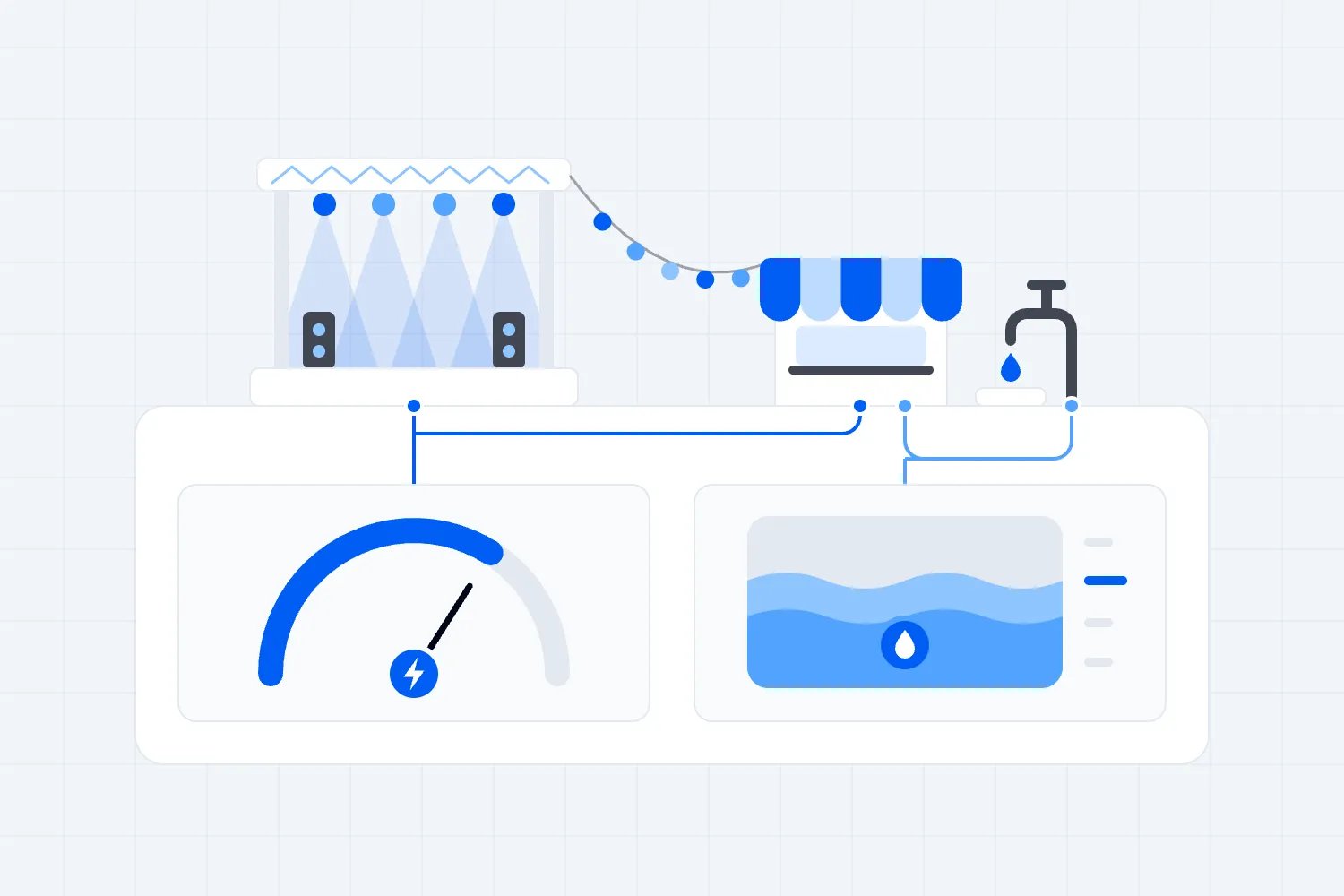
Create a technical plan for electricity and water with competent suppliers. Specify the equipment, working environment, expected use and arrangements for failure. Our guide to outdoor event power and water develops those requirements. The important production decision is who can stop the show when a failure affects safety or the ability to deliver the performance.
Protect rehearsal time from unfinished construction. The cast shouldn't be testing entrances while another team is still moving heavy equipment through the same space. Set handover points for the site, stage and technical systems so the stage manager knows what is ready to use and what remains closed. Include the dismantling arrangements too, especially if the venue expects the site returned immediately after the final show.
For a run over several days, decide what stays on site overnight and who is responsible for securing it. Ask whether suppliers need access between performances and whether the venue has other users during the day. Cast and crew should know where personal belongings go and who can enter changing areas. Give each department a clear reset routine so the next performance starts with the right props, working equipment and dry costumes in their agreed places.
Make access part of the complete visit
Start at the point where the audience arrives. Follow the route through ticket checks, seating, toilets and departure, including the arrangements during poor weather. A suitable viewing space doesn't solve an inaccessible path across wet ground or a toilet someone can't reach.
Ask the venue and access advisers to assess the proposed layout and facilities. Confirm what assistance your team can provide and train the people who will provide it. Avoid describing a site simply as accessible when the buyer needs specific information about surfaces, gradients, distances and facilities to decide whether it works for them.
For US assigned seating, the Department of Justice's accessible ticket sales guidance explains requirements for comparable buying methods, sales conditions and information. Apply the rules for your location and event. Don't turn an ordinary online purchase into a lengthy private exchange just because someone needs an accessible space.
The access plan also needs to survive a weather decision. If your audience must move to shelter, check how everyone will get there and whether assistance is available. A route that depends on a staff member who is simultaneously shutting down the stage needs a different arrangement.
Publish confirmed details before people pay, with a contact route for questions the page cannot answer. Then make sure your front of house team has the same information. Buyers shouldn't arrive after receiving a helpful email and discover that nobody on site recognises the arrangements they were promised.
Decide what weather changes the performance
Rain is only one issue. Your plan may need to address wind, lightning, heat, waterlogged ground and conditions affecting equipment or access. Work with the relevant specialists on the actual site and production. A phrase such as weather permitting doesn't tell anyone when to act.
Define the actions for foreseeable conditions, who monitors them and who can require a stop. Structural suppliers should provide the relevant limits for their equipment and site arrangements. Qualified advisers should help you establish the wider response. Don't copy a wind threshold from another event or let a forecast percentage decide every operational question.
Use authoritative weather information appropriate to your location. The US National Weather Service's lightning guidance for organised outdoor activities recommends a specific plan with a designated monitor, stop and restart criteria, and identified safe shelter. It explains that small rain shelters aren't safe lightning shelter and recommends waiting at least 30 minutes after the last thunder before resuming outdoor activities.
Work backwards from the time people need to reach the agreed safe places. A nearby building is useful only if you have permission to use it, adequate capacity and a workable way to move everyone there. Tell staff how they will direct people and how they will account for performers, crew and audience members needing assistance.
A safe restart also needs enough time to finish the show within the permitted operating hours. If the interruption uses the remaining time, continuing may no longer be an option. Agree who makes that call and how the decision reaches the audience. Commercial pressure grows once people are seated, which is exactly why these decisions need to be settled earlier.
Check the budget against losing a performance
Build the normal production budget first. Include rights, site hire, staffing, technical services, seating, temporary facilities, marketing, insurance and the work before and after the run. Separate costs you commit to regardless of attendance from costs that change with each performance or buyer.
Then calculate how much each paid ticket contributes after the applicable deductions and attendance costs. Use the actual mix of ticket prices and concessions you expect. The community theatre ticket sales guide develops the sales side. For an outdoor production, you also need to see what happens when the planned seats disappear because a performance cannot go ahead.
Consider a fictional run with three performances and 200 paid places available at each. Suppose the average contribution from a paid ticket is $20 and the fixed costs still payable are $9,000. There is no other income in this example. These are invented planning figures, not industry benchmarks or Loopyah prices.
If all 600 places sell and every performance happens, ticket contributions total $12,000. Cancel one performance and fully refund its tickets, and the maximum contribution from the remaining 400 places is $8,000. Even selling every remaining place leaves the production $1,000 short of the assumed fixed costs.
The chart compares those calculated maximum contributions. For this simplified test, fixed costs remain $9,000 in every scenario and a cancelled performance contributes nothing. Real cancellation charges, recoverable expenses, refund costs and variable costs must be calculated under your own agreements.
| Label | Maximum ticket contribution | Fixed costs |
|---|---|---|
| Three performances happen | 12000 | 9000 |
| One performance cancelled | 8000 | 9000 |
| Two performances cancelled | 4000 | 9000 |
This doesn't mean every outdoor production needs an indoor replacement. It means you need a financial answer to the scenario before committing the money. You might reduce fixed costs, secure confirmed non-ticket income, arrange suitable insurance or change the run. A reserve can absorb a loss, but it doesn't turn that loss into profit.
Ask suppliers about cancellation dates and charges before signing. Ask an insurance adviser what is covered, excluded and required under the actual policy. Keep enough available money to meet obligations if income is delayed or refunded. Money already collected for a future performance may still be money you have to return.
You can use the same fictional figures to test the ordinary sales target. At $20 contribution per ticket, covering $9,000 requires 450 paid tickets across the run. That's three quarters of the 600 places available. Compare that requirement with evidence from similar productions, the audience you can reach and the dates you're selling. Don't count invited guests or unpaid reservations as paid tickets just because they occupy places.
Now look at the schedule of spending. If substantial supplier balances fall due before you expect ticket income, the production needs money available earlier. A balanced final budget won't pay an invoice that's already due. Map those dates alongside rights payments, refunds and any confirmed sponsorship receipts so you know whether the plan can be financed as well as sold.
Confirm permissions and cancellation terms before launch
Site permission and performance rights are separate questions. Confirm that the landowner permits the event and that the relevant authorities approve the activities and structures where required. Our outdoor event permits guide helps you organise those conversations. Start early enough to change the proposal if an important condition cannot be met.
Use the rules for your actual jurisdiction. For example, GOV.UK's entertainment licensing guidance describes circumstances where performances of plays don't require an entertainment licence in England and Wales. That doesn't establish permission to occupy a site, sell alcohol or ignore other applicable requirements. Ask the relevant authority about the complete proposal rather than relying on the word theatre.
Check the rights for the work itself. Concord Theatricals' introduction to theatrical licensing explains that a licence is an agreement with the rights holder to perform a copyrighted work. Confirm your dates, location, permitted version and publicity requirements with the relevant licensor. Ask specifically about changes, added performances and the recording or promotional material you want to use.
Write cancellation, postponement and interruption terms that match applicable consumer law and the arrangements you can actually deliver. Have the relevant adviser check them. Explain what buyers can expect, how they will be notified and how the applicable refund or exchange process works. A sentence saying that all weather risk belongs to the customer isn't a substitute for workable terms.
If you're offering another performance as an option, check its capacity, permissions, cast and staffing. You can't promise everyone a place on an already busy date. Decide how you'll handle buyers who cannot attend the alternative, and make sure the budget reflects your obligations rather than assuming every customer will accept a move.
Be careful about calling every interruption a cancellation. A short pause followed by a complete performance is a different situation from abandoning the show halfway through. Your terms and team instructions need to address those possibilities without making promises that conflict. Agree how the decision will be recorded, who will approve the buyer response and what information the box office needs. After an abandonment, people may ask whether they should leave, wait or return tomorrow. Give staff an agreed answer rather than leaving them to interpret a policy while facing an upset audience. Include this decision in the team briefing before each performance starts.
Sell the experience you've confirmed
Once the production plan is settled, the booking page should make the evening easy to understand. Describe the show, dates, running time and interval, then explain the outdoor arrangements. Tell buyers whether seating is supplied, what the surface is like and what they may bring.
Be specific about the facilities and restrictions people will care about. Include toilets, refreshments, arrival routes, late admission and any limits on chairs, umbrellas or picnics. If the audience is exposed to the weather, say so plainly. Beautiful venue photography shouldn't leave someone assuming they're buying a covered seat.
For an approved reserved layout, Loopyah's seating charts let you map the venue, assign categories and prices, and let buyers select available seats. You still need to confirm that the physical layout delivers the promised view and access. The useful connection is that buyers can choose from the actual seating offer instead of negotiating ordinary seat choices through messages.
Publish the weather terms where buyers can read them before paying. Send arrival and operating updates through the channels you've promised, keeping the booking page current too. Agree who maintains each source of information so an old social post doesn't contradict the latest instructions.
Prepare the messages for a delay or cancellation before opening night. They need the affected performance, the decision, the next action and the route for further information. Avoid promising an update time your team cannot meet. People can make travel decisions more easily when you're clear about what has been decided and what is still being assessed.
Think through a buyer who has booked for a group. Your message may reach the purchaser while several companions are already travelling separately. Ask the purchaser to share the update, but also maintain the promised public information channel so people can verify the decision themselves. Keep a record of what was announced and when. That helps the box office answer questions consistently afterwards.
Rehearse the operation before the first audience
Run a production rehearsal in the site conditions you intend to use. Test the sound, lighting, entrances and costume changes together. Then rehearse the audience operation with the people who will actually manage it. Knowing the plan exists isn't the same as knowing what to do when the gates open.
Walk a buyer's journey with front of house. Check the entrance, ticket problem process, seat finding, toilets and departure. Test staff communications at the locations where they'll work. Assign responsibility for an unanswered call or failed radio so a small fault doesn't leave someone waiting without instructions.
For entry, check the site's connection where staff will actually scan tickets and handle questions. Confirm the supported arrangements for a connection failure with your ticketing provider before the event. Keep the resolution process separate from the main queue so one booking query doesn't stop everyone behind it. Staff need to recognise the correct performance, seating area and any relevant entitlement on the ticket. If you sell at the gate, ensure those sales use the same remaining inventory as advance bookings and stop when the approved allocation is exhausted. Test this before opening night.
Hold a weather exercise with the decision makers. Give them a plausible interruption and ask each person what they do next. Who stops the performance? Who speaks to the audience? Who directs the cast? Who checks that the agreed routes are usable? Resolve conflicting answers while everyone has time to discuss them.
Leave enough time between the technical rehearsal and opening to fix what it reveals. If dialogue disappears whenever the cast moves downstage, you need another sound test after the adjustment. If an entrance takes longer in costume, rehearse the revised timing. A long problem list at the end of rehearsal doesn't help unless someone owns each fix and confirms the result before the audience enters.
Before each performance, confirm that the site, technical systems and staffing arrangements are ready under the agreed checks. Brief the team on changes since the previous show. A repaired cable route, different weather outlook or new cast member can affect a procedure that worked yesterday.
After the first performance, ask for specific faults and fix them before the next audience arrives. Check where people missed dialogue, struggled to find a route or misunderstood the seating. Keep the commercial review just as concrete, including actual costs and available paid places. Outdoor theatre becomes a repeatable business when the next production starts with those answers, rather than the same expensive surprises.

Author: By the Loopyah Content Team
The Loopyah Content Team shares expert insights, practical guides, and industry updates to help event organizers create unforgettable experiences and stay ahead in the event planning world.