· 21 min read
How to plan power and water supplies for an outdoor event
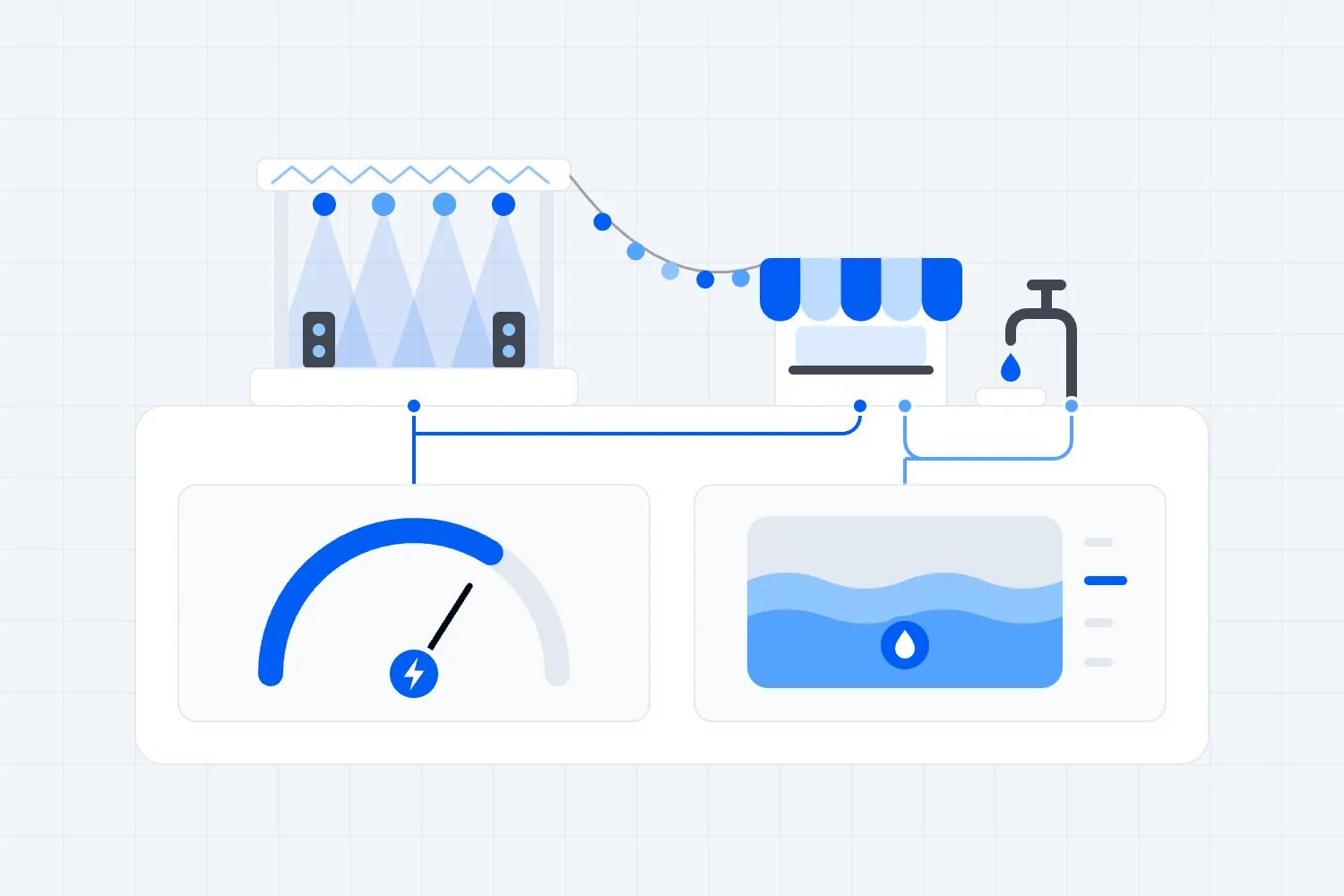
Plan outdoor event power and water by listing who needs each service, when they need it, and what happens if it fails. Then get competent suppliers to verify the site's capacity, design the temporary systems, and agree the backup arrangements before you commit to the layout.
A field can look perfect for your event and still be expensive to operate. The stage fits. The view is great. Then your caterers need power, the nearest water connection is across the access road, and nobody has checked where wastewater can go. That's when a cheap venue starts eating your budget.
The first thing you want to do is turn those unknowns into decisions. This guide walks you through the site survey, supplier brief, power demand, water provision, contingency planning, and the handover before doors open. You don't need to become an electrician. You do need to know what you're buying and who is responsible for making it work.
Start with the event you are actually running
Write a short operating brief before requesting quotes. Include the event dates, public opening hours, maximum attendance, expected attendance, crew numbers, trader numbers, and whether anyone stays overnight. Add the build and breakdown timetable. Your audience might attend for an evening, but the refrigeration may run before they arrive and after they leave.
Describe the format in ordinary language. A daytime food festival with electric cooking has different demands from an evening concert with a licensed bar. A campsite adds overnight services. A seated performance has a different arrival pattern from an event where ticket holders come and go throughout the day.
Separate the maximum number of people allowed on site from your sales forecast. Suppliers need to understand both. A cautious ticket forecast is useful for your budget, but it isn't permission to provide services that cannot support the attendance you might legally admit. Agree the planning basis with your event safety adviser and relevant authorities.
Your ticket plan belongs beside this brief. If you use Loopyah to sell event tickets, use the event's ticket types and sales information to inform the commercial forecast. Include crew, artists, traders, and other people outside paid admissions separately. A ticket count alone won't describe everyone using the site.
Set a deadline for changes. A sponsor bringing an activation van or a caterer swapping equipment can change utility requirements. Tell everyone that extra equipment needs approval before installation. Otherwise, the agreed plan becomes a rough memory by the time the site opens.
Survey the site before you promise the layout
Walk the site with the venue owner and the people supplying temporary utilities. Bring a provisional plan, but expect to move things. A useful survey answers whether a proposed connection can deliver what you need at the point of use, during the hours you need it.
For electricity, ask who owns the connection, who can authorize its use, and what other activities share it. Get the available capacity confirmed by a competent electrical contractor. A socket in a barn tells you very little about whether the site can supply a stage, catering equipment, and pumps together.
For water, establish the source, permitted connection arrangements, available flow, and any restrictions on use. Ask about previous seasonal systems and records rather than accepting that a pipe worked at last year's event. A connection that fills a bucket slowly may be unsuitable for several outlets serving a busy audience.
Mark service access, public entrances, emergency routes, overhead lines, known underground services, and areas that flood or become difficult to drive across. Ask who provides information about buried services and what further checks are needed before excavation or ground fixings. Don't let a utility route become somebody else's surprise during construction.
Think about refill and refuelling vehicles while the site is empty. Can they reach the proposed locations once barriers, queues, and parked trader vehicles are in place? If deliveries require a public route to close, build that restriction into the operating plan. A tanker booking is useless if the driver cannot reach the tank.
Use this survey to compare venues on total operating cost. Ask each site for the information you need to price temporary services. Then compare hire, installation, staffing, consumables, permissions, waste removal, and restoration. The site with the higher hire fee may give you a better event budget once everything else is included.
Give the power supplier an equipment schedule
"We need power for the stage and some food stalls" isn't a workable brief. Collect an equipment schedule from each contractor and trader. Ask for equipment descriptions, manufacturer ratings, connection requirements, operating times, starting requirements where relevant, and the supplier's technical contact. Let your electrical contractor decide how those details translate into a safe installation.
Group the schedule by location so the contractor can see where the demand sits. Include sound, lighting, video, catering, refrigeration, bars, pumps, toilets, ticket operations, communications, security equipment, medical facilities, and staff areas. Add the equipment that people tend to forget, such as hot water appliances, charging stations, and overnight refrigeration.
The equipment schedule should show what runs together and what stays on overnight. Get each supplier to identify continuous loads, equipment used during specific activities, and items that start together. That gives the electrical contractor a useful picture of demand instead of a list of appliances.
Keep the technical distinction clear. Kilowatts describe power, while kilowatt hours describe energy used over time. Generator ratings may also use kilovolt amperes. These terms aren't interchangeable. Give the equipment information to the contractor and ask them to explain the proposed supply in language your team can use.
Don't select a generator by adding a few nameplate figures and applying a percentage you found online. Starting demands, distribution, weather exposure, protective arrangements, and equipment compatibility need professional assessment. Your job is to give complete information and approve a costed plan, rather than invent the electrical design.
The Health and Safety Executive's event electrical safety guidance identifies matters including the site layout, timing of demand, emergency supplies, weather protection, and cable routing. This is Great Britain guidance. Have the contractor confirm the rules and current standards that apply where your event takes place.
Agree how late requests will be handled. The production manager should receive a clear proposal describing any extra supply, installation work, or operating restriction. A trader mustn't connect additional equipment because there happens to be an unused socket. That socket might be part of a system designed for something else.
Look at demand through the whole event
Put the power schedule against the running order. Build, soundcheck, public opening, headline performance, overnight activity, and breakdown can have different demand. This helps you ask better questions about the proposed system and whether the quote includes all the hours you need.
Here's an illustrative example, with invented figures to explain the planning method. A supplier estimates that approved equipment needs 18 kilowatts during build, 32 during soundcheck, 48 during public opening, 62 during the main performance, and 12 during overnight operation. These are example demands, not recommended generator sizes or industry benchmarks.
| Label | Example demand in kW |
|---|---|
| Build | 18 |
| Soundcheck | 32 |
| Public opening | 48 |
| Main performance | 62 |
| Overnight | 12 |
The highest value matters, but the overnight period matters too. You might ask the contractor whether one arrangement is appropriate throughout, or whether separate supplies or a different operating schedule would work better. They should evaluate reliability and safety as well as operating cost. You shouldn't shut down a supply simply because audience-facing equipment has stopped.
The quote is only useful if its assumptions match your running order. Does it include catering demand during the main performance, overnight refrigeration, and the water pumps? Can the supply support that schedule without somebody changing it at the last minute?
A good contractor can explain those assumptions and the consequences of changing them. If the plan depends on keeping two activities apart, put that restriction in the production schedule and name the person who controls it. An assumption buried in a quote won't control what happens on site.
Decide what must keep working when power fails
Some failures interrupt trading. Others affect your ability to manage the site safely. Work through that distinction with your safety adviser, medical provider, security lead, and electrical contractor. Identify the services that need continued operation or a safe response if the main supply stops.
Consider emergency lighting, communications, event control, medical operations, water pumps, and any other systems your risk assessment identifies. Ask whether their proposed backup depends on the same equipment or connection that could fail. Two supplies can look separate on a plan while still sharing a single vulnerable component.
Write a failure response for each important service. Who detects the problem? Who isolates or investigates it? What continues running? Who decides whether trading, entry, or the performance can continue? What message goes to staff and attendees? Agree those responsibilities before a supplier arrives with equipment.
Describe backup performance in practical terms. How is it activated, who activates it, how long can it operate, and how will you test it? A spare generator parked nearby may take time to connect. A charged battery has a limited operating duration. Ask the contractor to explain the gap between the main supply failing and the service returning.
Generator placement also needs attention. The US Centers for Disease Control and Prevention's carbon monoxide guidance warns against running generators in enclosed spaces and advises keeping portable generators away from doors, windows, and vents. Have your supplier assess exhaust, public access, nearby structures, and the site's conditions. Household distance advice isn't an event installation design.
Give the site manager the authority to stop unauthorized connections and keep people away from restricted equipment. Explain the response to a damaged cable, an unusual smell, standing water near equipment, or an outage. Staff report and protect the area. Qualified personnel make electrical decisions and carry out electrical work.
Plan water by use, access, and timing
Water planning starts with everyone who uses it. Your audience needs drinking water. Caterers may need it for food preparation, washing, and equipment. Toilets and handwashing facilities have their own requirements. Crew welfare begins during build, while cleaning and breakdown continue after ticket holders leave.
Ask the water contractor and relevant public health authority to agree the basis for the demand estimate. Attendance, duration, weather, catering arrangements, camping, and the facilities you provide all affect the calculation. There isn't one sensible universal litres-per-person figure for every outdoor event.
The UK Health Security Agency's hot weather advice for mass gatherings recommends adequate drinking water throughout events and advises free drinking water on hot days. The guidance is framed for England. Use it as relevant planning evidence, then confirm your local requirements and heat arrangements with the appropriate authority.
Write down where each water use happens. A sufficient total volume doesn't guarantee a useful service. The outlets must be reachable, usable, and capable of serving demand where it occurs. Ask your accessibility adviser about the route, surface, controls, signage, and assistance arrangements for people who cannot use a standard refill point.
Separate the volume question from the flow question. Volume tells you how much water the plan needs over a period. Flow describes how quickly the system can deliver it. A full tank can still feed outlets too slowly, leaving a queue while plenty of water remains in storage.
Consider what happens after a performance finishes or a hot afternoon brings everyone to the nearest refill station. Review likely demand peaks with the supplier. Place outlets where attendees can find them without obstructing entrances, emergency routes, or busy food queues. Spread access where the layout supports it rather than making one station carry the entire event.
Make the drinking water arrangement verifiable
Ask who is responsible for the water supply at every stage. That includes the source, transport where used, storage, temporary distribution, outlets, monitoring, and corrective action. The responsibility needs to cover the system your audience actually uses, rather than stopping at the original connection.
The Drinking Water Inspectorate's guidance on festivals and temporary events explains that temporary systems can require risk assessment, monitoring, and contingency arrangements, including when their original source is a public water supply. Its regulatory context covers England and Wales. Confirm how your proposed arrangement is classified with the relevant local authority.
Get the water supplier's proposed inspection, cleaning, commissioning, and sampling arrangements in writing. Ask which results or confirmations you need before opening. Find out how much time the laboratory and authority need, and what happens if the first result requires investigation. Scheduling the final check too close to doors leaves you with fewer options.
Don't improvise cleaning chemicals, treatment doses, or tests. Agree the method with competent specialists and the relevant authority. Likewise, ask the supplier to confirm suitable materials and equipment for the intended water use. Something sold as a general hose or tank isn't automatically appropriate for a temporary drinking water system.
Be careful with labels. Calling one outlet "drinking water" doesn't make other water uses safe. Tell the specialist every intended use, including catering and handwashing, and ask them to assess the arrangement accordingly. Any separate non-potable system needs appropriate separation, controls, and clear identification determined by the specialists.
Ask what checks continue during the event. Define who checks the agreed indicators, who keeps the records, and who receives a concern. A member of staff reporting an unusual taste needs a clear route to action. They shouldn't have to work out whether to call the venue, the tanker company, or the production manager.
Connect water demand to the delivery timetable
If water arrives by tanker, confirm how much of the tank's capacity is usable and when the next delivery must arrive. The nominal tank size may be more than you can rely on between refills. Establish the access, lead time, and operating conditions each delivery needs.
Use a worked scenario to test the plan. Suppose the contractor's event-specific assessment forecasts 9,000 litres of demand and confirms 6,000 litres of usable storage. Those invented example figures leave a 3,000-litre shortfall before any reserve for delays. Replenishment is necessary, and its timing still needs the supplier's assessment.
Now ask when that water is needed. If most consumption happens before the booked delivery, having enough total water on the order won't help. If the delivery arrives during a crowd departure, its route might be unavailable. Compare the forecast consumption curve with the refill schedule and agree a trigger for calling the supplier early. Put that delivery window on the same schedule as departures and servicing.
The trigger should allow time to act. Record who watches tank levels or supplier reports, how they contact the delivery team, and when they escalate to event control. Have the specialist define an appropriate reserve and response based on the actual system and risk assessment. Don't replace that with an arbitrary percentage.
Review the consequences of losing power to a water pump. Your water contingency may need an electrical solution as well as extra storage. Equally, a backup power plan that forgets water pumps can leave your audience without a functioning supply while the stage keeps running.
If your fallback includes packaged drinking water, confirm availability, delivery, distribution staffing, and waste collection. Work out which needs it addresses and which it doesn't. Bottles for attendees don't automatically restore catering, toilet, or handwashing services. The decision to continue operating must account for those remaining gaps.
Include wastewater in the same conversation
Every water plan needs a plan for the water after use. Ask caterers, sanitation suppliers, and the venue how their wastewater will be contained and removed. Confirm who supplies collection equipment, who monitors capacity, and who books removal. Add those services to the quote rather than leaving them to traders to resolve on arrival.
Find out what each drain actually connects to. A drain near a food stall might carry rainwater straight to the environment. The Environment Agency's pollution prevention guidance for businesses distinguishes surface water and foul drains, explains permissions for contaminated discharges, and describes collection for appropriate removal. These requirements apply to England; check the relevant rules elsewhere.
Mark approved collection and disposal arrangements on the site plan. Tell traders what they may use and what is prohibited. Give them a reporting route when a container approaches capacity or a collection is missed. If the alternative requires carrying waste across the public site, reconsider the layout with the sanitation supplier.
Watch the relationship between refill areas and ground conditions. Water around an outlet can create a slippery or muddy approach even when the drinking supply works well. Ask the supplier and venue how they will manage normal use, leakage, and cleaning without creating a new problem beside a public queue.
Put fuel handling into the site arrangements too. Have the power supplier explain storage, refuelling, spill response, and waste handling. Coordinate those activities with the water and sanitation plan so service vehicles don't compete for the same narrow route during public hours.
Use one supplier brief to expose the gaps
Before you accept the final quotes, send both suppliers the same site plan and ask them to confirm the boundary of their work. This is where you find the awkward gaps. The power contractor might expect the water supplier to provide a pump connection. The water supplier might expect the venue to arrange it. You need an answer before either team starts installing.
A useful brief asks the supplier to return a marked plan, an operating schedule, an itemized price, and a list of anything they need somebody else to provide. Keep that last request explicit. It is much easier to solve a missing service when someone names it than when it sits between two different quotes.
For example, ask the water supplier to identify each powered component and its location. Ask the electrical contractor to confirm which of those components their proposal supplies. Then check the commissioning timetable together. Water testing may depend on equipment operating before the stage contractor expects the main supply to start.
Also ask about the practical conditions of delivery. Does the vehicle need a firm turning area? Who opens the service gate? Where does the driver report? Who confirms that the delivery has happened? Write those answers into your event logistics plan so a supplier doesn't arrive with a workable service and an impossible route.
Make changes a commercial decision
Changes will happen. The aim is to price and approve them while you still have choices. Set a date for equipment submissions, another for the supplier's reviewed proposal, and a final point after which changes require written approval. Choose dates that suit the actual commissioning and installation lead times.
If a trader submits equipment late, ask the contractor what the change requires before agreeing. It might fit the approved plan. It might need extra equipment, a different location, or a revised operating schedule. Explain the consequence to the trader and decide who carries the cost. Don't promise a connection first and investigate the price afterwards.
Use your event profit and loss budget to show the full effect. Include the approved addition, extra labour, any access work, and the operating time it adds. Compare that cost with the revenue or service it supports. Some changes are worthwhile; others should be refused because they add expense without improving the event.
Finally, connect the utility failure responses to your event contingency plan. A supplier fixes their system, while event control manages the consequences for the audience. Those jobs need to meet. If an interruption requires entry to pause, catering to stop, or attendees to receive a message, name the decision maker and the communication route in advance.
Keep the latest approved version available at event control and brief incoming supervisors on changes before their shift begins. This gives each decision an owner and keeps everyone working from the same arrangements on site.
Price the service you need, including the people
Compare quotes against a common brief. Ask suppliers to separate equipment, installation, commissioning, operating cover, consumables, transport, collections, and removal. Establish which quantities or hours are fixed and which can change. That makes the difference between quotes visible without forcing you to guess what a low headline price excludes.
Ask whether a qualified person will remain on site, attend at agreed times, or respond on call. Record the response arrangements and whether the event's location affects them. A telephone number is helpful, but it doesn't tell you how soon somebody can assess a failure or bring replacement equipment.
Check the period of hire against build and breakdown. Include overnight operation and any early installation necessary for inspections. Ask what happens if weather delays removal or the venue restricts collection times. Your budget should recognize those possibilities before the final invoice arrives.
Consider who pays for approved trader changes. You might charge a published service fee, include a specified allowance in a pitch price, or price unusual equipment separately. Choose the arrangement before traders sign. Clear terms make it easier to control demand and avoid a disagreement while everyone's trying to open.
Put the venue's utility commitments into your event venue contract. Identify the connections included in hire, any shared use, access restrictions, and who pays for additional services. If a connection turns out to be unavailable, the agreement should help you resolve the cost and responsibilities before your temporary suppliers arrive on site.
Agree the opening handover and keep watching
Before public entry, bring the relevant leads together for a utilities handover. Confirm that the electrical contractor and water supplier have completed the agreed checks, supplied the required records, and explained outstanding restrictions. The event director should know what is ready, what remains unresolved, and who can authorize opening.
Use the actual installed layout for this conversation. A moved trader pitch, an extra fence, or a relocated toilet block may have changed access and routes. Ask the suppliers to review changes that affect their systems. Update the plan so the team isn't responding to an incident with yesterday's drawing.
Test the operational response as well as the equipment. Check that event control can reach the named supplier contact, staff know how to report a fault, and the agreed backup response is understood. Keep access to isolation controls and service areas available to the people authorized to use them.
Give public-facing staff a simple explanation of refill locations and what to do when a station closes. Keep signs current. If access arrangements change before the event, Loopyah's attendee email tools can help you send ticket holders an update. During the event, use the on-site communication methods in your operational plan.
Monitoring continues after handover. Agree routine observations, reporting intervals, and triggers for escalation with the specialists. Ask staff to report queues, loss of water, damaged equipment, blocked service access, or unexpected changes in use. That information helps event control act before a small issue becomes a wider interruption.
Finish with a plan the next shift can use
The final document is short enough for someone taking over a shift to understand. It identifies the supplied services, their operating periods, their locations, the responsible contacts, and the failure responses. Put the detailed technical records beside it so qualified people can access them when needed.
Record changes as they happen. If a supplier authorizes a different arrangement, update the responsible contact, restriction, and timing. Don't let a verbal agreement with one person become an unknown condition for the next shift. Handover quality matters during breakdown too, when tired crews still depend on working services.
After the event, review the figures with your suppliers. Compare the approved equipment schedule with what actually operated, and the planned deliveries with what was used. Record delays, access problems, audience queues, and any unnecessary hire hours. Use that evidence to brief the next event more accurately.
Good utility planning protects the event you promised and the budget you need to make it worthwhile. Start with the operating brief, verify the site, and bring the right suppliers in before the layout hardens. Then give your team a clear handover and a response they can follow when something changes.

Author: By the Loopyah Content Team
The Loopyah Content Team shares expert insights, practical guides, and industry updates to help event organizers create unforgettable experiences and stay ahead in the event planning world.