· 27 min read
How to organise a ticketed magic show
A magic show can fill a room and still disappoint half the audience. The magician may be excellent. The problem is that people at the back cannot see the object that matters, a volunteer blocks the only useful view, or the bar keeps serving through a quiet routine.
To organise a ticketed magic show, agree the performance format first, test it in the actual room, and sell only the places from which the audience can follow it. Then build the performer agreement, ticket prices and operating plan around that tested version of the show.
That order matters. A close-up act that works beautifully around a small table does not automatically become a theatre show when you add chairs. Equally, a larger stage act may need more backstage space and technical support than an attractive little venue can provide. You want to settle those questions while changing the plan is still affordable.
This guide is for an operator producing a public, paid show, whether that is a first booking in a hired room or a regular programme in a small theatre. We'll use an invented seated parlour show to work through the decisions. All example money is USD, all schedules and quantities are planning assumptions, and none is a recommended performer rate or safe venue capacity.
Choose the show people are actually buying
Start by agreeing what the audience will experience. Close-up magic, a seated parlour performance and a large stage show can all be sold as a magic night, but they create different expectations. Ask the performer to describe how the audience watches the work, how much interaction it involves and what the room must provide.
For close-up work, people may gather around a table or receive short performances in separate groups. You need to know whether everyone gets the same amount of time and whether waiting is part of the ticketed experience. A roaming magician during drinks is a different offer from a dedicated show where every buyer expects to see every routine.
A parlour show usually brings a smaller seated audience together for one shared performance. Confirm the scale of the props and the viewing distances the performer needs. For a stage production, establish the stage dimensions, backstage requirements, crew and equipment before comparing venues. Don't let the event title do the work of an actual specification.
Ask to see a relevant performance recording, with permission, or attend a comparable public show. A fast promotional montage tells you very little about how an act holds attention over the duration you want to sell. Watch how the performer handles transitions, audience responses and the parts between the big reactions. Those minutes are part of the product too.
Agree who the show is for. An adult mentalism evening, a family matinee and a specialist magic audience need different descriptions and schedules. Discuss language, themes, noise, age suitability and participation. A performer who is excellent for one audience should not have to discover at soundcheck that you have advertised to another.
Write a short offer that you can both approve. For example, our fictional show is a seated evening of parlour magic for an adult audience, with optional audience participation, one interval and no dinner included. That is a working description, not finished advertising. It lets the venue and team quote for the same event.
Before you commit, check whether you can reach enough local buyers. Ask about comparable paid attendance, the artist's recent appearances nearby and any existing audience you can contact appropriately. A large online following is useful context, but it isn't a local sales forecast. Our concert planning guide covers the broader booking and demand questions; the work below deals with the specific demands of magic.
Test the view before you set the ticket allocation
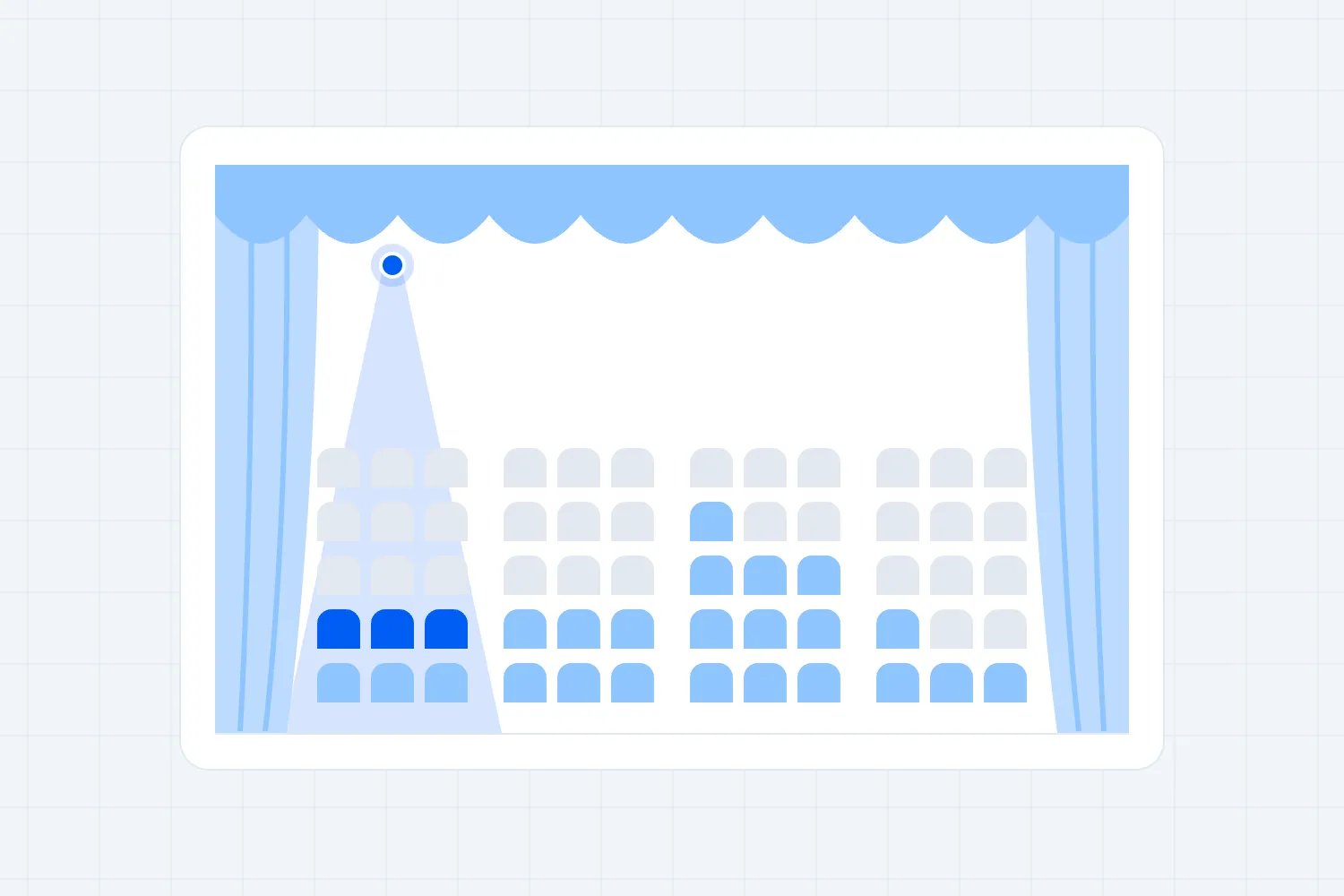
The first thing you want to do in the room is sit down. Try the rear corners, the front row, the positions beside the aisle and the accessible viewing locations. Put someone at the performance position with an object representative of the act. Can you see the important action without leaning into the person next to you?
Do this with the performer or their authorised production representative. Some routines need the audience facing a particular direction. Side positions may expose parts of the performance that should remain backstage, while a low table can disappear behind the people in front. You don't need to know how an effect works to establish where it can be watched properly.
Ask the performer to identify the limits of the usable viewing area. Mark those on a working room plan, along with the stage, aisles, exits, technical positions and routes used by audience volunteers. Then have the venue confirm that the proposed arrangement works with its safety and access requirements. A sightline sketch is a sales planning tool, not an approval of the layout.
Our example begins with a proposed allocation of 120 audience places. The final act needs eight of those positions removed for sightlines and four for technical equipment. That leaves 108 usable audience places in the agreed layout. Eight of the 108 are allocated to non-paying guests, leaving a maximum of 100 paid admissions. Staff and performers still need separate accounting under the venue's overall occupancy arrangements.
Those numbers are deliberately fictional. The useful point is the sequence. Test the act, approve the layout, account for every allocation, and only then publish the quantity. If the show cannot work financially with the usable places, you need a different room, a different production or a different deal. Calling obstructed chairs a budget section doesn't make the show visible.
Check visibility again with the actual lighting. A shiny tabletop, a bright exit-side window or a light pointed into the audience can change what people see. Ask whether blinds, different furniture or an adjusted performance position would resolve the problem. Price the remedy before assuming it is included in the hire.
Sound deserves the same attention. Words, pauses and audience answers may carry the routine. Test speech intelligibility from the least favourable seats, including any sections near ventilation, a kitchen or a bar. Agree when service stops, which doors remain closed during the performance and how staff receive that instruction. More amplification will not necessarily solve competing noise.
In Loopyah's Event Attendee Insights report, 184 of 500 respondents selected poor sound or visibility as an event frustration. That is 36.8% of respondents in the November 2025 survey, where people could select up to three frustrations. It covers event attendees generally, not magic audiences, and it doesn't predict complaints at your show. It is a useful reason to test the experience rather than relying on the room's advertised size.
| Label | Respondents percent |
|---|---|
| Poor sound or visibility | 36.8 |
| Unclear information | 11 |
| Safety concerns | 14 |
Source: Loopyah Event Attendee Insights, Pollfish survey 395372896, Q16, 500 respondents, 11 November 2025. Unweighted respondent shares; multiple answers allowed. These are selected options from the question, not a complete distribution or magic-show findings.
If projection is proposed, test the whole chain with the act. The audience needs to see the action at the right moment, not a delayed or badly framed close-up. Establish who operates the camera, which shots are permitted and whether a screen blocks another part of the performance. An unattended camera pointed at the table may miss the object being held above it. A camera feed also needs its own lighting and rehearsal checks.
Ask what the audience experiences when that feed fails. Can the show continue from every sold position, can the act switch to suitable material, or does the performance need to pause? Work through the answer before increasing the ticket allocation. If a section is only usable with projection, selling it commits you to delivering that support. The equipment quote should reflect that responsibility, including a realistic response to failure.
Agree what the performer and venue will each supply
Get the booking terms and technical requirements into writing before you announce. The technical rider is the performer's list of production needs. It should tell you what they bring and what they expect you or the venue to supply. Read it together rather than forwarding it to a venue and assuming somebody will raise any problems.
For our parlour show, the questions include the performance surface, approved table height, lighting positions, microphone arrangement, playback, dressing space and secure prop storage. Ask which requirements are essential and which can change. If the venue proposes an alternative, have the performer approve that specific alternative. A vague promise that the room is fully equipped leaves too much unresolved.
Confirm load-in access. Measure the route for large cases, establish who can unlock the building and check where equipment can wait without blocking public or working routes. Ask whether the performer needs privacy while setting props. A venue tour through the stage area during setup may be inappropriate even when nothing dangerous is happening.
Specify the booked performance duration and any interval, introduction or additional appearance. Does a post-show meet-and-greet form part of the fee? Is a second performance on the same day included? What rehearsal time is needed? Put these obligations in the agreement so the sales copy doesn't casually create work that nobody has priced.
Record the fee, deposit, balance date, travel, accommodation and any approved expenses. If payment depends on sales, define the calculation. List which receipts count, which deductions are allowed, how refunds are treated and what reports support settlement. A percentage without those definitions can produce two very different expectations from the same ticket report.
Agree how illness, cancellation, postponement and a material production failure will be handled. Work through the performer and venue contracts together, including the buyer terms you plan to offer. Ask who contacts buyers, who funds refunds when required and which other costs remain payable. Get appropriate advice for the contract and jurisdiction rather than copying a cancellation clause from another show.
Settle recording and publicity permissions separately. Ask which photographs and clips you may use, how long you may use them and whether approval is required before publication. A ticket buyer's enthusiasm doesn't give you permission to publish a routine, and booking the act doesn't automatically grant filming rights. Arrange any official filming with the performer before hiring the camera crew.
Keep one approved production sheet showing the latest requirements, named contacts and agreed substitutions. Share the relevant version with the people doing the work. A change to the table or camera position may look minor to a venue coordinator and matter greatly to the act. Record who approved it so the show doesn't return to an earlier arrangement during setup.
Price the show using the places you can really sell
Now return to the 100 paid admissions in our example. Assume the show has $2,400 of fixed costs, including the performer, room, agreed production, staffing, promotion and a contingency allowance. Those fixed costs also include delivering the eight guest places. No sponsorship, bar share or merchandise income is assumed.
Suppose the average retained income is $32 per paid ticket after applicable ticket taxes and ticketing or payment charges. Each paid attendee adds another $2 of attendance-related cost. That leaves $30 per paid ticket to cover the fixed costs. Divide $2,400 by $30 and break-even is 80 paid tickets.
At 60 paid tickets, the show loses $600. At 80 it covers the stated event costs. At the maximum of 100 paid tickets, it produces a $600 surplus before any business overhead or taxes outside this event budget. That is a relatively small amount of room for error in this invented example. You should know that before deciding how much you can spend to sell the final tickets.
Don't assume a headline ticket price will produce the retained average you need. Work through each release, discount, package and sales charge. If a cheaper launch allocation reduces the average retained income to $29, the contribution becomes $27 after the $2 variable cost. You now need 89 paid tickets to cover $2,400, rounding up to a whole ticket.
This doesn't mean you should never offer an introductory price. It means the allocation has to fit the show. A small number of discounted tickets might help establish demand, while giving away most of the usable room at that price could leave too little income even at sellout. Our event break-even guide explains how to update the calculation as the actual sales mix changes.
Compare a larger room honestly. It may offer more sellable places but require additional crew, lighting or projection. If the act needs a camera system to make small objects visible, include the camera operator, screens, rehearsal and any recording permissions. Extra capacity is only useful when the audience can follow the show and you can sell the extra places profitably.
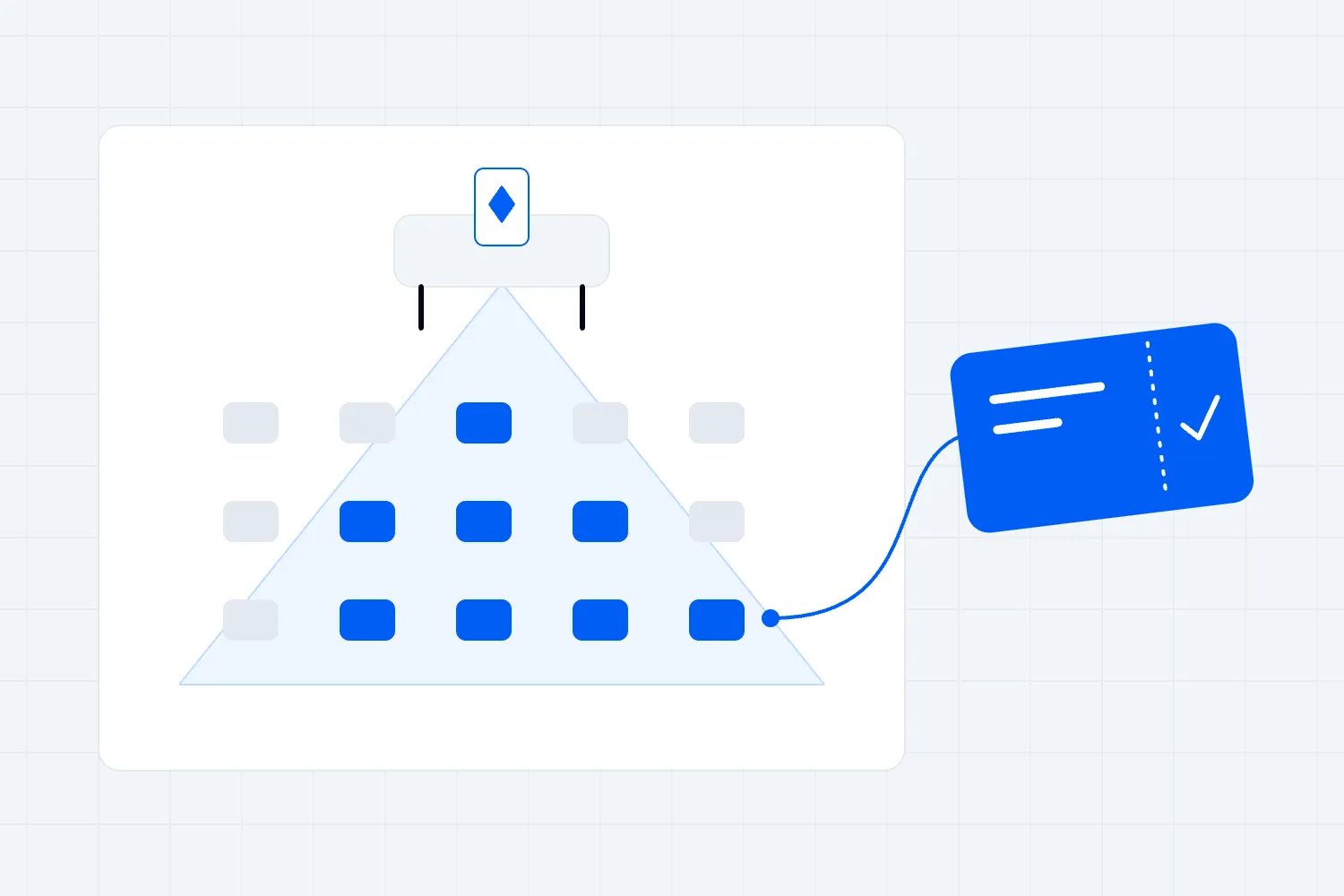
Consider reserved seating when the viewing positions differ enough to affect the buyer's choice. With Loopyah seat charts, you can draw rows and seats, assign categories and let buyers choose their seats. The operator still has to establish which positions are suitable. A seat map can sell the approved arrangement clearly; it cannot inspect the room or validate the view for you.
Price categories by an experience you can explain. A premium position may offer a closer view, but don't imply it guarantees participation unless that is a specific, agreed part of the ticket. Keep accessible seating and companion arrangements within the requirements that apply to your event. In the US, the Department of Justice's assigned-seat ticket sales guidance addresses equivalent sales conditions and accessible-seat pricing. Check the full rules rather than treating an access location as an automatic upgrade charge.
Check cash before paying deposits. The $2,400 total cost doesn't tell you when payments fall due or when ticket money becomes available. Put the deposit and each remaining commitment into an event cash flow forecast. Keep refundable buyer money and potential cancellation costs in view when deciding what cash is genuinely available to spend.
Try a specific pricing mix before setting the launch offer. Suppose you plan 20 tickets returning $26 each after ticket taxes and sales charges, followed by 80 returning $33.50 each. A sellout retains $3,200, which is the same $32 average used in our original example. But early sales don't have that average. If all 20 cheaper tickets sell first, they retain $520 and contribute $480 after their $40 attendance cost.
The remaining fixed cost to recover is then $1,920. Each later ticket contributes $31.50 after its $2 attendance cost, so you need another 61 paid sales, rounded up. That means 81 paid tickets in this particular selling sequence, rather than the 80 calculated at a constant average. Recalculate from receipts and remaining prices as the sales mix changes. A planned sellout average is a useful forecast, but it isn't the income earned by every ticket sold along the way.
Make participation enjoyable without making it compulsory
Audience participation can be the part people remember most. It can also be the reason somebody hesitates to book. Explain the character of the interaction without exposing the routine. Buyers should understand whether they might be invited to answer from their seat, come to the performance area or handle an ordinary object.
Agree a voluntary approach with the performer. Somebody declining should be able to keep enjoying the evening without being mocked or repeatedly pressed. The act needs a workable alternative when a person changes their mind. Treat that as part of rehearsal, along with the route someone takes to the stage and how they return to their place.
Don't use a ticket category as a hidden participation agreement. A person buying the front row may simply want to see clearly. If you offer a distinct participatory experience, describe it accurately before purchase and establish how someone can withdraw on the night. Any filming or use of a person's image requires its own appropriate permissions and process.
Ask what audience information the act actually needs. Usually, the production questions can be resolved without collecting personal stories or sensitive details during checkout. If a particular routine needs advance information, discuss why, how it will be obtained and who will see it. Don't add intrusive questions simply because another show asks them.
Plan for different ways to take part. An audience member may not be able to use steps, hear an instruction clearly or hold an object in the assumed way. Work with the performer on suitable alternatives and describe access arrangements truthfully. Avoid promising that every routine can be adapted when that hasn't been established. Equally, don't assume someone cannot participate because they use a mobility aid.
If children are in the audience, agree the suitability statement, adult supervision expectations and how invitations will be handled. Keep children with their responsible adults under the event's arrangements. If children are actually performing or working in the production, investigate the separate safeguarding and performance requirements with the relevant local authority and specialist advice. Being an audience volunteer doesn't justify ignoring the situation in front of you.
Have a front-of-house contact who can respond to discomfort quietly. The performer may not see an audience member trying to leave or asking for help. Agree how the team passes that information without announcing somebody's personal circumstances to the room. A short, calm intervention is more useful than staff waiting because they don't know whether they are allowed to interrupt.
Review the wording on the event page with the act. You can say participation is optional when that is the agreed practice, explain any age restriction and describe the broad style of the show. Avoid promising that nobody will feel uncomfortable. What you can promise is a clear policy and a team prepared to apply it.
Check permissions, effects and emergency responsibilities
Ask the venue to confirm what its existing permissions cover and what your production changes. The answer depends on location, activity and operating conditions. Magic may be combined with recorded music, film, alcohol or other activities, each raising separate questions. Don't assume that one venue licence or the phrase small show answers all of them.
For England and Wales, use the government's entertainment licensing guidance to frame the questions and confirm the actual programme with the licensing authority where needed. The September 2026 statutory guidance is the current detailed reference. These rules are not a universal classification of magic shows, and other jurisdictions have different arrangements.
Music permissions also deserve an explicit owner. The UK government's public music licensing guidance covers live and recorded use, including theatre. Ask the venue what its agreement covers and establish who obtains any additional permission, reports the use and pays. A performer bringing a playlist is not confirmation that every required right has been arranged.
Request a declaration of any special effects at the booking stage. If the act proposes smoke, flame, pyrotechnics, lasers or other effects, have competent people assess the actual equipment, environment and controls. The HSE's special-effects guidance, for Great Britain, points to the relevant specialist material. Never allow a surprise addition because it appeared in a promotional video or was used at another venue.
Agree a version of the show that can run if a proposed effect is not approved. This is a booking and creative discussion to have early. A last-minute refusal can otherwise leave the performer without a planned ending and the operator with an event advertised around something it cannot deliver. Don't approve an effect merely to avoid that conversation.
Confirm fire and evacuation responsibilities for the actual layout. In England, the Home Office's theatre and cinema fire-risk guide is intended for those premises, including converted buildings, and does not cover temporary theatre tents. Use the appropriate local assessment and competent advice for your setting. The ticket allocation must fit that approved arrangement as well as the viewing test.
Brief the act on how a genuine interruption will be distinguished from the performance. Some magic routines deliberately create surprise or apparent difficulty. Staff must still be able to identify and respond to real concern. Agree who can initiate a stop, how that message reaches the performer and who gives the audience instructions.
The HSE's emergency and show-stop guidance recommends identifying those roles, agreeing announcement wording and briefing performers in advance. It applies in Great Britain. Test the communication route before opening, alongside the venue's own emergency arrangements. A private production signal must never obscure a public emergency instruction.
Build the running order around setup and reset
The running order should cover the whole occupation of the venue. Include unloading, setup, checks, rehearsal, staff briefing, doors, the performance, audience departure, reset and load-out. The show length is only one part of the hire you need. Ask the act what must happen before another audience can enter.
Our fictional evening has doors at 18:30 and a performance start at 19:00. The first half lasts 35 minutes, followed by a 15-minute interval and a 30-minute second half. The advertised performance therefore ends at 20:20. Those are sample timings to discuss with an act, not a recommended length for magic shows.
Suppose audience departure takes until 20:35. Cleaning and prop reset then run until 21:00, followed by ten minutes for final checks. If you plan another show, its doors cannot open before the agreed readiness check at 21:10 under these assumptions. A 21:00 second start would be impossible without changing the plan. Don't sell two performances by simply adding the first show's running time to its start.
Agree which jobs can happen together. Cleaning the public floor while the performer resets backstage may be possible, while moving furniture through the performance area may interfere with prop work. Build the schedule from the actual routes and people available. If one technician is responsible for several checks, those checks cannot all be assumed to happen simultaneously.
Establish who calls cues. The cue is the agreed instruction for a lighting, sound or other production action. Write cues in terms the operator can recognise, with a clear trigger, rather than relying on somebody remembering what happened in the rehearsal video. Confirm how the performer requests a pause or reports an equipment problem.
Keep restricted production information with the people who need it. Front-of-house staff need to know whether they can open a door, move a latecomer or interrupt a routine. They generally don't need the method behind the routine. Prepare a practical public-facing running sheet and a more detailed production version where appropriate.
Decide the late-entry procedure with the performer and venue. There may be suitable breaks where someone can be seated without blocking a view or disrupting a routine. Tell buyers the policy in advance and train the door team to follow the agreed cue. Don't lock required escape routes or turn a late-entry policy into a barrier to leaving.
Use an event run-of-show template for the shared timings and contacts, but test it against this production. Confirm the interval announcement, bar service, accessible routes and who tells the room when the second half is ready. A running order only helps when the people named on it have accepted their jobs.
A second show also needs a separate financial decision. Some costs may be shared across the evening, while another performance fee, staff hours and reset costs may be added. Obtain the actual terms rather than halving the first show's cost and calling both performances profitable. Allocate shared costs consistently, and check the combined result as well as the extra income and cost created by the second performance.
Then consider demand. Two performances can simply divide the same audience into two half-full rooms. Ask whether the second time reaches different buyers, whether the first performance is close to its usable allocation and whether the act can deliver the repeated schedule comfortably. Set an announcement deadline that leaves enough time to sell the additional show. Until it is confirmed, the door team and the event page should continue to describe only the performance already on sale.
Sell the experience without spoiling the performance
Your event page should help somebody decide whether this is their kind of evening. Name the act, format, venue, date, audience suitability, doors and expected finish. Explain whether seating is reserved, whether food or drinks are included and what optional participation means. Distinguish a full seated performance from close-up entertainment during another activity.
You can preserve surprise while being clear about the purchase. Describe the style, tone and scale of the show. A short approved clip can demonstrate the performer's presence and how the audience experiences the room without revealing a method or advertising an effect that isn't in this production. Check that the clip represents the act you have actually booked.
Don't let the artwork imply an arena illusion when you are selling an intimate table-based show. That mismatch might attract attention, but it sets the wrong expectation before anyone arrives. Use approved performance imagery and copy that reflects the venue and version of the act. If the advertised programme changes materially, assess what buyers need to be told and what remedies are required.
Build your ticket types from the approved allocation. In our example there are 100 paid places and eight guest places within 108 usable audience positions. A later guest request has to come from an existing allocation, not an imaginary extra row. Keep any accessible-seat procedures consistent with applicable rules and the arrangements confirmed with the venue.
With Loopyah ticketing, buyers choose ticket types and receive a confirmation email linking to QR tickets. You can also set releases with their own prices and quantities. Decide those quantities from the show budget and approved layout, then check the buyer journey before launch. Clear ticket delivery helps the door team identify the booking; it doesn't replace your participation or venue-access plan.
Start promotion with people who have a plausible reason to attend locally. That may include the artist's audience, the venue's existing buyers and relevant local partners. Agree who sends which approved announcement and when. If a partner expects commission or complimentary places, include those terms and allocations before judging how much revenue the campaign can produce.
Review paid sales and retained income, not just video views. A clip can travel widely among other magicians without reaching people who will attend your venue. Check the locations and timing of enquiries, the questions buyers ask and which ticket options they choose. Use that evidence to improve the explanation before responding to slow sales with another discount.
Set a sales review before the next non-refundable commitment. Compare actual sales with the remaining sellable inventory and your contract options. If 60 tickets have sold and the next spending decision would raise fixed costs, recalculate the result. Don't justify new costs using the sold-out version of the show when the current evidence supports something smaller.
For a first booking, write down what would change your mind before increasing promotion. If people are asking whether dinner is included, fix that description. If they understand the offer but cannot attend the date, a clearer poster won't solve the timing. If the act has a local following but little history at your proposed price, avoid treating its cheapest previous sellout as direct evidence for this show. Keep the differences visible when estimating attendance.
A useful campaign review connects the booking report to those questions. Which performance and ticket category sold? How much money did those purchases retain? What did the campaign cost, and did it reach the local audience you intended? You don't need a complicated dashboard to notice that your best-looking video is attracting enquiries from another country. You do need a named person who checks sales and makes an informed decision before the next spend.
Rehearse the door problems as well as the act
Before the audience arrives, walk the venue with the performer, duty manager, production lead and front-of-house lead. Confirm the final furniture positions, approved seat allocation, clear routes, equipment readiness and places where staff should stand. Check that nothing added during setup changes the sightlines you tested before tickets went on sale.
Test ticket scanning on the devices and connection the team will use. Our check-in guide explains the Loopyah scanning process. Separately, agree who handles a missing ticket, a duplicate scan or a booking for the wrong performance. Keep the person resolving those issues out of the main arrival line wherever the venue arrangement permits.
Run a few realistic situations. A couple arrive late and their seats are in the middle of a row. A buyer says the view is obstructed. Someone wants to stop participating. A microphone fails during a quiet routine. Ask the responsible person to show what they would do and whom they would contact. If every answer is ask the organiser, the plan needs clearer responsibilities.
Agree what the door team can authorise. Moving someone to an empty suitable seat may be straightforward, but promising a refund or adding a guest requires the right authority and an accurate inventory check. Record decisions that affect money or allocation. A helpful member of staff should not have to invent a policy while the audience waits.
Check the distinction between an unsold seat and a seat temporarily empty because its buyer has stepped out. Make re-entry and seat identification clear. Don't sell somebody else's chair to a walk-up buyer because the room looks quiet immediately before the start. The current ticket allocation, reservations and venue controls should govern any remaining door sales.
Protect the performance after opening. Staff should know when service pauses, which doors may be used and how to guide someone who needs to leave. Keep a practical route for access or welfare assistance throughout. A no-recording request should be communicated politely under the venue's policy, with staff handling persistent problems rather than leaving the performer to argue from the stage.
After the show, reconcile ticket income, refunds, guest admissions and actual costs against the agreement. Credit the artist deposit once, keep disputed deductions separate and record any approved extra work. Ask the act and venue which production changes are needed before repeating the show. Audience comments about a particular row or a missed instruction are more useful than a general impression that the night went well.
Prepare the settlement record before the evening. Include the agreed performer fee or share calculation, deposits already paid, approved expenses, actual ticket receipts and refunds. If the act is paid a fixed fee in our original example, selling fewer tickets doesn't reduce that fee unless the agreement explicitly says so. Keep the promoter's financial result separate from what the performer is owed. A disappointing sales night is not permission to invent a deduction afterwards.
For a repeat booking, distinguish a production problem from a demand problem. A better microphone may resolve missed dialogue. It won't explain why buyers rejected the date or why the promotion reached the wrong audience. Collect the evidence while the team remembers which seats, cues or buyer questions caused difficulty. Then cost the specific improvement and decide whether the next booking can support it. Repeating the same show should mean repeating what worked and correcting what didn't.
If you plan a run, approve changes before the next performance and update the seat allocation, budget and event information together. Selling more nights is attractive only when you can deliver the same promised experience each time. Start the next booking with the tested room plan and the actual financial result, then decide what the evidence supports.

Author: By the Loopyah Content Team
The Loopyah Content Team shares expert insights, practical guides, and industry updates to help event organizers create unforgettable experiences and stay ahead in the event planning world.