· 27 min read
How to sell tickets for an event that requires an application first

You have room for forty people, but the event only works if the right forty people turn up. Perhaps it's an advanced workshop where beginners would struggle, a trade session for people with a particular buying role, or a small professional programme built around participants' current projects. Letting anyone pay first leaves you checking eligibility after you've already made a sale.
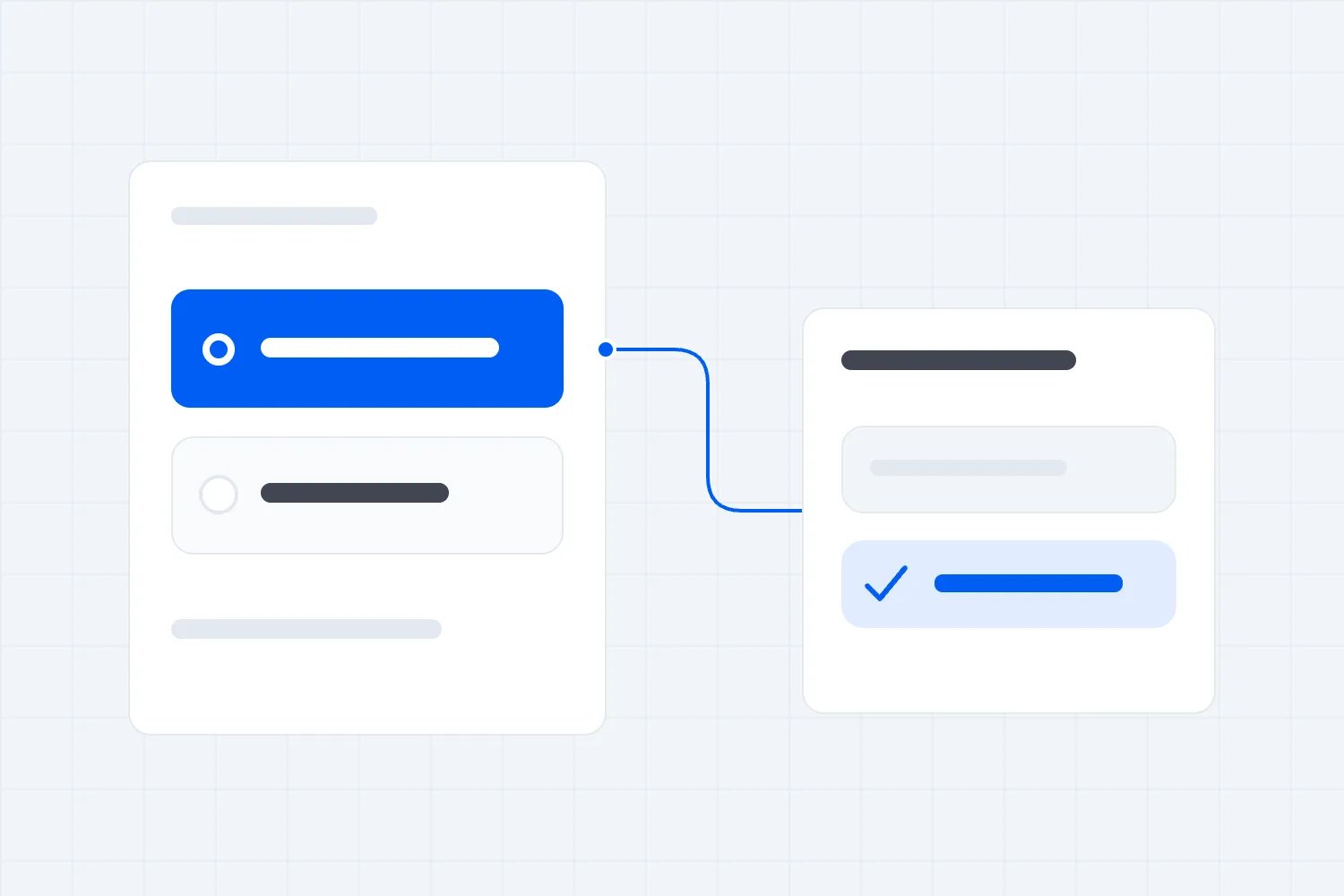
Application based event registration reverses that order. You collect the information needed to assess someone, review it against published criteria, then invite accepted applicants to buy. A submitted application isn't a ticket. An acceptance isn't a completed purchase. Your process needs to make both distinctions obvious to the applicant and enforce them in your records.
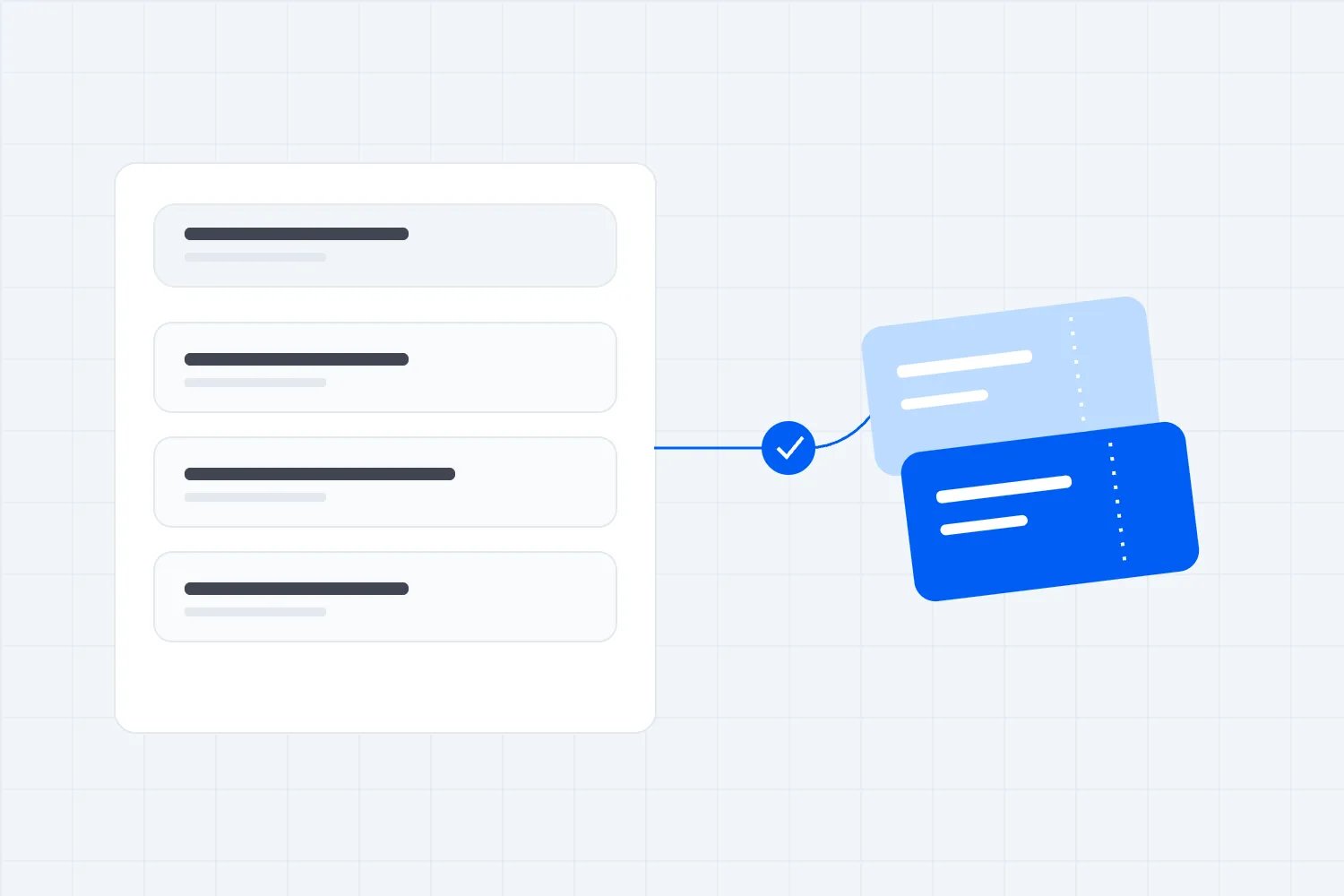
My recommendation is to keep applications free, make decisions before requesting payment, and send accepted applicants a clearly limited offer for a place. Count that place against capacity while the offer is valid. If it expires, check for unresolved payments and close the old purchase route before offering the place to somebody else.
That last part is where a sensible idea can become an expensive support problem. You don't want your team choosing between two people who both followed your instructions and paid for the same seat. This guide works through the criteria, forms, decisions, payment handover and exceptions you need to settle before applications open.
Decide whether an application is worth asking for
Start with the decision an application lets you make. If you can't explain how an answer could change someone's eligibility or priority, you probably don't need an application process for that event.
An advanced furniture-making class might require experience with a particular technique because the lesson assumes it. A paid trade roundtable might be designed for people who currently manage venue purchasing. A facilitated professional workshop might ask participants to describe a project so the host can build useful working groups. Those are different selection jobs. They need different questions and different reviewers.
Now compare an ordinary industry talk with general networking afterwards. If anyone interested in the subject can benefit and you aren't promising a particular audience composition, an application may add waiting without improving the experience. Sell tickets directly and ask optional preparation questions later. An event doesn't become more valuable because buying it takes longer.
Be especially careful with claims about exclusivity. If your page promises a room of qualified buyers, your review needs to establish the relevant buying responsibility. A corporate email address alone doesn't do that. If your page promises advanced tuition, the teacher needs a practical way to assess the prerequisite. A polished personal statement won't necessarily tell you whether somebody can follow the lesson.
The commercial cost matters too. Applications create work before revenue arrives. Somebody has to read them, ask for clarification, send decisions, manage unclaimed offers and deal with corrections. You should be able to explain what that work protects: a suitable learning level, a credible professional audience, or another specific part of the paid experience.
Don't use screening to hide an unclear event offer. Publish the topic, date, location, expected participation, price and principal inclusions before asking someone to apply. People need enough information to decide whether the event fits their needs and budget. Otherwise your reviewers spend time approving applicants who discover the price later and decline.
For a simpler event, our registration form template explains which details belong at checkout and which can wait. Use an application only when you genuinely need a decision before the sale.
Write selection criteria before you see the names
Your criteria should explain who the event is for and how you will choose when eligible applications exceed the available places. Those are separate questions. Somebody can meet the requirements and still miss out because the event is full.
For a fictional advanced workshop, the eligibility requirement could be prior use of the technique taught in the introductory course or equivalent practical experience. The evidence could be a brief description of a recent project. The teacher assesses that evidence against the skills the next lesson assumes. A person who learned independently should have a fair route to demonstrate the same preparation.
Avoid requiring an expensive qualification merely because it is easy to recognise. Ask whether it establishes something the event actually needs. Equally, don't accept a vague claim of experience when the planned activity depends on a specific ability. Write the requirement precisely enough that an applicant can decide whether to apply and a second reviewer can understand the decision.
For an industry roundtable, define the relevant responsibility rather than a hierarchy of impressive titles. A small venue's owner may make every purchasing decision while a senior executive at a large company has no responsibility for the subject being discussed. If the discussion needs current operational experience, ask about that work directly.
Then decide how you will allocate scarce places among people who qualify. You might use first completed eligible application, a published selection deadline followed by review, or a disclosed allocation across relevant participant groups. Explain the approach honestly. Don't advertise first come, first served and then quietly favour people your team recognises.
A batch review can help when you want to compare applications received within a window. It also means applicants wait longer. Rolling review gives earlier decisions but can fill the event before later applicants arrive. Choose based on the programme, not on whichever default your form tool offers. Put the decision timing on the application page.
Keep support needs out of the selection score
Access arrangements should have a route to a person who can discuss participation. They shouldn't become an informal measure of how convenient an applicant would be to host. Publish relevant access information and ask what arrangements someone wants to discuss, rather than requesting a diagnosis as a routine admission field.
For US public accommodations covered by the ADA, the Department of Justice's Title III manual on eligibility criteria says criteria that screen out people with disabilities must be necessary for the service being offered. It also addresses reasonable modifications and unnecessary disability inquiries. Apply the rules for your actual event and location when designing selection requirements.
Where safety or a practical prerequisite matters, get the requirement assessed by the person competent to define it. Don't let a marketing description become your safety assessment. Explain what the activity involves and provide a way to discuss an equivalent demonstration or suitable adjustment without promising an arrangement you haven't checked.
Record reasons you can explain
Give reviewers a short decision guide. For each criterion, show the evidence that meets it, what requires clarification and who decides an uncertain case. Keep comments factual and related to the event. "No current purchasing responsibility described" is useful. "Doesn't feel senior enough" leaves the next reviewer guessing.
Ask reviewers to declare a relationship that could affect their judgment. A small team won't always be able to remove every connection, but it can have someone else check the decision. If a sponsor introduces an applicant, apply the published route or clearly disclose the separate allocation. Don't describe purchased or reserved access as an independently selected place.
Build a short application that supports those decisions
The application should collect the information needed for the first decision. It doesn't need to collect everything catering, finance, marketing and the badge printer may eventually want.
For our fictional professional workshop, a useful starting form contains the applicant's name, a reliable contact email, the relevant current work or practical experience, a short answer tied to the prerequisite, and acknowledgement of the published date, price and application process. Every field should have a reason. Remove anything the reviewer isn't going to use.
If a buyer will pay for a colleague, assess the person attending. The employer's finance contact may be different and can be collected when needed for payment. Don't let a manager's credentials stand in for every person in a group. If applications are individual, say so before somebody writes one answer on behalf of six people.
Offer a suitable alternative where a link or portfolio isn't necessary. Requiring a public social profile can exclude people who do relevant work without publishing it. If evidence can be described briefly in the form, don't force applicants to create an account elsewhere or disclose client material they aren't entitled to share.
Here is adaptable wording for the beginning of an application. Replace the details with your actual offer and test that the promised process works:
"Apply for the Advanced Venue Purchasing Workshop on 18 March 2027. This is a paid, in-person event for people who currently make or directly support venue purchasing decisions. Applications are free. Accepted applicants will receive an offer to buy one place at the published price. Applying does not reserve a place or require you to buy. We'll send a decision by the date below."
Follow it with the real price presentation, inclusions, location, review date and contact route. If mandatory charges affect the total, disclose them under the rules for your market. Don't postpone an unavoidable cost until someone has been accepted and invested time in the process.
Make the form usable before making it clever
W3C's accessible forms tutorial recommends meaningful labels, instructions, grouping related controls and clear feedback. Test your application with a keyboard and on a small screen. Mark required and optional answers in words. If an answer needs correction, explain which field needs attention and preserve the information already entered.
A short answer limit can keep review manageable, but it shouldn't reward people who write professionally. Explain what evidence you need and offer a contact route for someone unable to use the normal form. If you allow attachments, check file limits, supported formats and how reviewers will open them safely. Don't ask applicants to send confidential client documents.
The confirmation should identify the application and explain the next stage. "Application received, reference APP-014. We'll send a decision by 6 March. You haven't bought or reserved a ticket" is much clearer than a generic "You're in!" screen. Send the same meaning by email where your collection process supports it.
Protect applicant information from unnecessary sharing
An application can contain information about someone's work, projects, colleagues and access needs. Decide who needs each part before responses start arriving. A reviewer may need the relevant experience answer. They don't automatically need the applicant's private conversation with the access contact.
For organisations subject to UK GDPR, the ICO's data minimisation guidance says personal data should be adequate, relevant and limited to what is necessary for the purpose. Its guidance is under review following the Data (Use and Access) Act. Check the current requirements that apply to your operation.
Explain your use of applicant information when you collect it. The ICO's right to be informed guidance covers providing privacy information at collection, including purposes, retention and sharing. Our event privacy notice guide helps you work through those questions for event records.
In practice, avoid emailing the entire application file to everyone involved in the event. Assign reviewers access to the records they need. Give the support lead a private route for arrangements. Share a confirmed attendee list with delivery staff only when that list is ready and only with relevant fields. A sponsor shouldn't receive rejected applicants' contact details because it supported the programme.
Decide what happens after selection closes. Some records may be needed to explain a decision or handle a complaint. Payment records may have different retention duties. You don't need to keep every unsuccessful person's project description indefinitely to answer a question about a completed sale. Set periods for the actual record types and purposes, including downloaded copies.
Keep future-event marketing separate from the decision process. Someone should be able to receive their application outcome without agreeing to promotional messages. If you ask for marketing consent, make the choice clear and optional. Check applicable marketing rules rather than treating an application as permission for every later campaign.
Don't paste applications into an external AI tool simply to save review time without checking the data use, access, contractual terms and applicable obligations. More fundamentally, an automated summary can miss the exact evidence you asked for. Your team still needs to understand and own the admission decision. For a small event, a clear review guide and a short form may remove more work than another service does.
Give reviewers a process they can finish on time
Choose one person responsible for the application list. Other people can assess individual cases, but someone needs to notice overdue decisions, duplicate submissions and offers that haven't been sent. Otherwise each reviewer can finish their own work while applicants still hear nothing.
A useful working record separates the application reference, applicant contact, review status, decision, decision date, reviewer and reason. Once an offer is sent, add the place quantity, offer reference, expiry, and the matching ticket order when payment succeeds. Use tools appropriate to your scale and access requirements. Don't put card details in this record.
Keep the statuses understandable. Received means the form arrived. Needs clarification means the reviewer cannot decide yet and has asked a specific question. Eligible means the person meets the criteria. Offered means there is a current invitation to purchase a defined place. Paid means the completed order has been matched. Waiting, declined, withdrawn and expired describe different outcomes and should stay distinct.
An eligible applicant isn't necessarily offered a place immediately. You may have no room, or you may be waiting until the application window closes. Tell the person what their status means. If you use the word accepted before you can reserve capacity, explain that qualification and a place offer are separate. Better still, use language that doesn't need that correction.
Set a clarification rule
Incomplete evidence is different from evidence that fails a requirement. If someone leaves out their role description, ask for the missing detail where your published process allows it. Don't infer that they are unsuitable from a blank field caused by a form problem.
Tell the applicant what is missing, where to send it and the deadline. Decide whether their original submission time or the completed application time determines their position if timing affects selection. Apply that rule consistently. Otherwise the team ends up improvising a different priority for every email.
Avoid asking for repeated clarification when a short discussion could resolve the issue. Record the relevant answer in the application so another reviewer can understand it. If a call is used, provide a suitable alternative for someone unable to use that route. A conversation should establish evidence, not become an undisclosed interview about personality.
Budget review time explicitly
Use your own trial applications to estimate the work. If a fictional pilot receives 120 applications and each takes four minutes to assess, the initial reading is 480 minutes, or eight hours. At an assumed staff cost of $30 per hour including employment overhead, that's $240. These are planning assumptions, not a benchmark for application volumes or review speed.
If 24 applications then need five minutes of clarification work each, add two hours and $60. The total becomes ten hours and $300 before offer administration or payment support. That cost belongs in the event budget even if a founder does the work without drawing extra pay. Distinguish the value of staff time from cash you actually pay out.
If the estimate is too high, shorten questions, improve the criteria, reduce duplicate work or reconsider screening. Don't solve a slow process by promising instant decisions your team can't deliver. Set the review timetable around available staff and leave time to correct mistakes before payment invitations go out.
Count valid offers against your available places
The difficult part of application-first selling is that payment follows a decision. You need to know which places are already promised while buyers are deciding whether to pay.
Use a hypothetical event with an approved inventory of forty attendee places. Four are assigned to named guests, leaving thirty-six places available for accepted paying applicants. This is an illustrative inventory decision, not guidance on safe venue capacity. Staff and other occupants still belong in the venue's real capacity assessment.
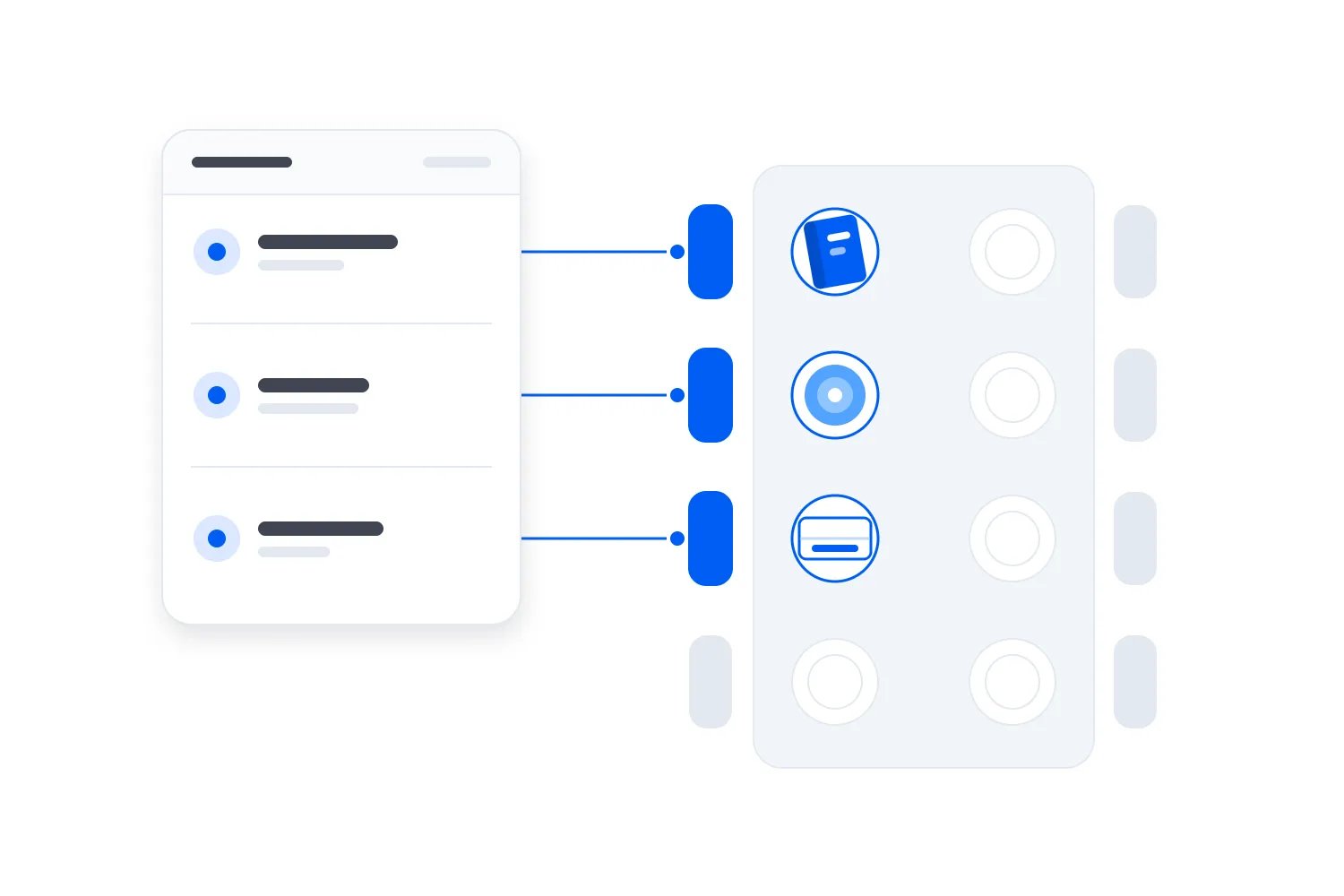
Suppose eighteen applicants have paid and another twelve hold valid offers for one place each. Those thirty admissions already use the thirty-six-place paying allocation. You can offer at most six more places under this arrangement. You don't have eighteen empty seats simply because only eighteen payments have cleared.
Keep a simple reconciliation at each release: paid places, valid unpaid offers, other committed places and genuinely unallocated places must fit within the approved allocation. Count places rather than emails. A single valid offer covering two approved participants consumes two places. A duplicate email about the same offer consumes none beyond the original reservation.
Don't over-offer based on an expected acceptance rate
You may expect some accepted people not to buy. That can help forecast eventual revenue, but it doesn't create extra capacity. If everyone with a valid offer is entitled to buy, you need room for everyone who does so within the stated period.
In the example, offering eighteen more places while twelve unpaid offers remain valid would create forty-eight potential paid admissions against thirty-six available places. The team would be relying on twelve people declining. That is a different policy from reserving a place, and it contradicts the offer we recommend here.
If you instead choose to invite a wider eligible group to compete for remaining places, say clearly that approval permits purchase subject to availability and doesn't reserve admission. Test how that works before using it. For a small selected cohort, I prefer a real, time-limited reservation because applicants can understand what they've been offered and make a considered decision.
Release an expired offer only after checking payment
Imagine five of the twelve unpaid offers reach their deadline. Before returning those places to stock, check for payments still processing or orders whose status is unresolved. A payment notification arriving late can be different from somebody starting a new purchase after expiry.
Once the five offers are genuinely expired and their old purchase routes are closed, paid places remain eighteen and valid unpaid offers fall to seven. There are now eleven places available for new offers within the thirty-six-place allocation. If the old route still accepts payment, those five places haven't been safely recovered.
Use a named person to authorise that release. Record which offers ended, what checks were made and which new offers use the places. You don't need a complicated report for a small event, but you do need an explanation that survives the person managing applications taking a day off.
For the broader mechanics of returning places to sale, our event waitlist guide covers release order and buyer communication. Here, the extra condition is that the replacement applicant must also meet the selection criteria.
Make the payment invitation specific and enforceable
A payment invitation should tell the applicant what they have been offered, who may use it, what it costs, when the offer ends and how to complete the purchase. The email shouldn't require them to remember an application page they read two weeks earlier.
For the fictional workshop, a clear message could read: "Your application APP-014 has been accepted for one place at the Advanced Venue Purchasing Workshop on 18 March 2027. Your place is reserved until 17:00 New York time on 9 March 2027. Complete payment using your offer link before that deadline. Your ticket is confirmed when the purchase succeeds and you receive the booking confirmation. If you need help paying, contact the event team before the deadline."
Add the actual price, inclusions and applicable cancellation and transfer terms. State the year and a precise time zone in the real message. Use the location's correct daylight-saving treatment for that date. If international applicants are involved, test the displayed deadline with someone elsewhere rather than trusting an ambiguous abbreviation.
An offer period should give the audience a reasonable opportunity to act. A senior employee paying personally may respond quickly; an organisation buying through finance may need an invoice process. Decide what your event can support and disclose it early. Don't promise purchase orders if your team cannot issue the required paperwork or manage the payment terms.
A hidden page isn't the same as restricted purchase
A link can be forwarded. A password can be shared. A discount code may change price without proving admission eligibility. Before using any of these, check what the chosen system actually enforces and what happens when someone other than the approved person uses it.
Ask the provider to demonstrate your required arrangement. Can a purchase be limited to the approved applicant and quantity? Can the offer expire? Does the place remain reserved during payment? Can an expired route still complete? What happens if the applicant opens the link on two devices? These are operational requirements to verify, rather than assumptions about a feature name.
If a tool cannot enforce the rules, don't describe the process as controlled simply because you emailed the link privately. Choose a supported configuration or provider that can meet the requirement, or change the offer honestly before applications open. An apology and refund after an ineligible person buys won't undo every expectation you created.
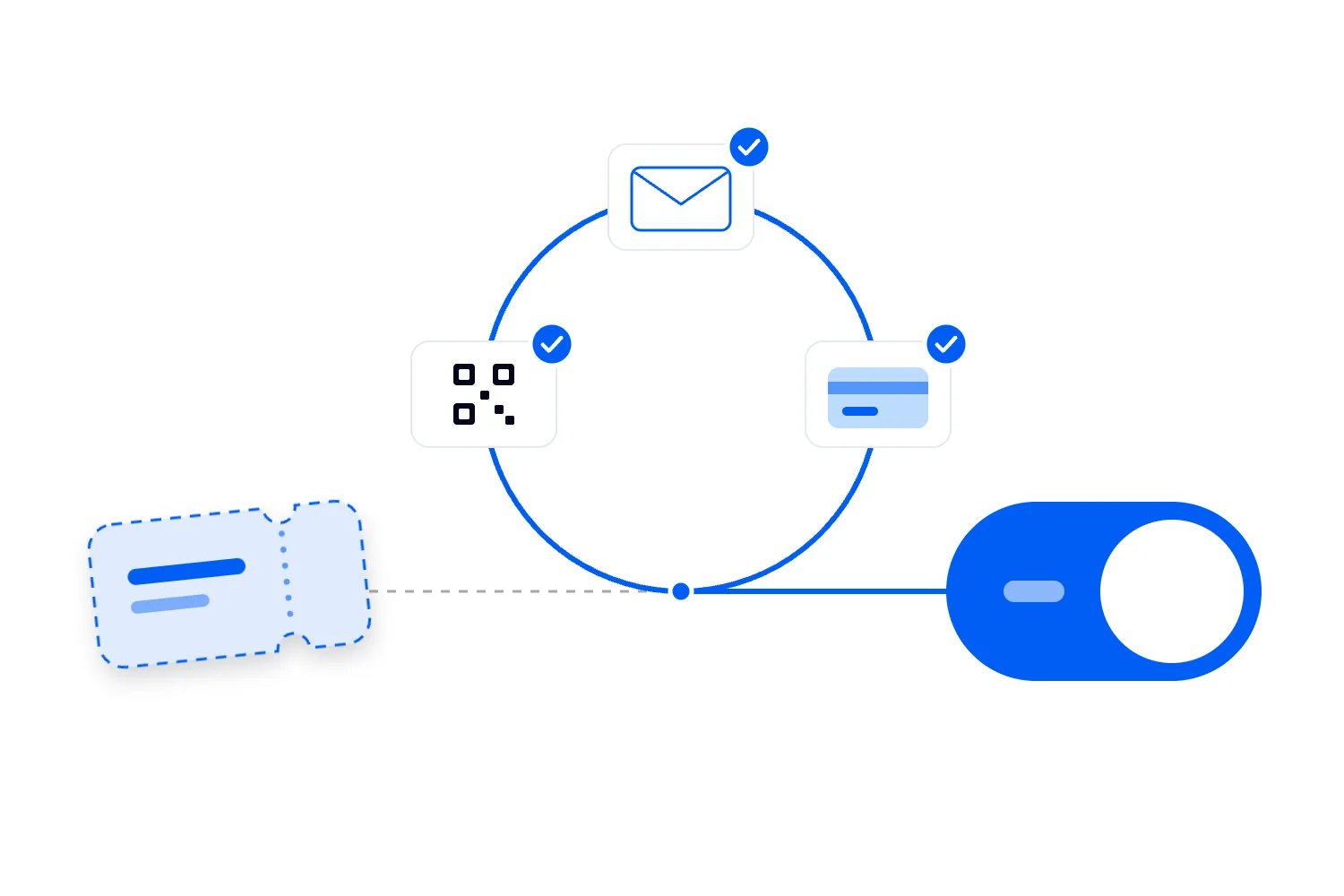
Loopyah's ticket selling tools support ticket choices and payment, with a confirmation email linking to QR tickets. For application-first selling, verify the specific eligibility, reservation and offer-expiry controls your event requires before choosing the setup. A normal completed-ticket workflow doesn't establish that a separate application decision has been enforced.
Keep payment details out of the application
Send accepted people to the supported payment checkout. Don't ask them to reply with card details, and don't add a card-number box to the review form as a shortcut. The PCI Security Standards Council's guidance on payment card numbers in messaging explains that unprotected card numbers must not be sent through email, SMS, chat or similar messaging channels.
Before treating an applicant as paid, match the completed order to the correct offer and attendee. Check quantity and ticket type as well as the name. A company can pay for somebody else, so an email mismatch isn't automatically fraud or ineligibility. It is a reason to establish the relationship through the process you've agreed.
Explain the experience before asking for commitment
Application-first events ask people to make two decisions. First they decide whether the event justifies an application. Later they decide whether the accepted offer justifies payment. If the event remains vague after acceptance, selection hasn't removed the buyer's uncertainty.
Describe the actual work, discussion or experience. For an advanced workshop, show what participants will do and what preparation it assumes. For a professional roundtable, explain the subject, facilitation and expected participation without promising access to specific buyers who haven't confirmed. A review process doesn't let you guarantee the behaviour or commercial value of every attendee.
Loopyah's Worth It Event Index asked 500 US consumers in February 2026 how clear they usually felt about the experience before buying an event ticket. The raw responses were 26.2% a great deal, 36.6% a lot, 31% a moderate amount, 5.8% a little and 0.4% none at all. This is general event context, not a study of application-first events or evidence that screening increases sales.
| Label | Share |
|---|---|
| A great deal | 26.2 |
| A lot | 36.6 |
| A moderate amount | 31 |
| A little | 5.8 |
| None at all | 0.4 |
Use that question to review your offer. Could an accepted applicant explain what happens during the event, what the price includes and what they need to prepare? If not, improve the description before sending another reminder. "You've been selected" is information about your decision. It isn't a complete explanation of the product they're buying.
Photographs of a previous edition can help when they accurately represent the planned format. A sample programme can help when the timings are realistic and labelled appropriately. Explain changes since the previous event rather than allowing old material to imply that a different venue or activity is included.
If the application is unsuccessful, don't use the decision email as a way to push unrelated offers. Keep it clear and respectful. The FTC's CAN-SPAM compliance guide explains that US email classification depends on a message's primary purpose and treats transactional categories narrowly. Don't assume every applicant message is exempt from marketing requirements simply because an application exists.
Plan for declines, waiting lists and changed attendees
Write these decisions before the first uncomfortable email arrives. A consistent process helps your team respond without inventing a policy for the person who complains most loudly.
For an ineligible application, explain the relevant requirement in plain language. You don't need to publish the reviewer's private notes or compare the person with named applicants. If a correction or reconsideration route exists, state what new information it can consider and when. Don't offer an appeal your team has no time or authority to assess.
For an eligible person who hasn't received a place, say that they are waiting for availability. Explain whether the list is ordered by completed application time, a published priority or another stated method. If the event has different participant groups, explain the relevant allocation without implying that somebody is first for every possible opening.
A place becoming available doesn't mean the next person can use it. They may need more preparation time, their category may already be full, or the available place may include a practical component they didn't apply for. Check suitability against the real offer before sending the payment request. Don't turn "next on the list" into a reason to ignore the criteria.
Handle substitutions as a new eligibility question
If attendance depends on the person's experience or role, a paid ticket shouldn't automatically transfer that approval to somebody else. State the substitution process before purchase. The replacement may need to satisfy the same relevant requirement, and the team needs time to review it.
Suppose an employer paid for an accepted venue purchasing manager who can no longer attend. The employer proposes a colleague. Ask for the evidence needed to assess that colleague, then update the ticket through the supported process if the change is allowed. Don't make the original applicant submit a whole new application merely to change the invoice contact.
Keep legitimate support arrangements distinct from substitutions. Someone assisting an attendee isn't necessarily a replacement participant or a second workshop customer. Resolve the arrangement with the access lead and account for actual occupancy and resources correctly. Don't make the selection team guess from a spare name in an email.
Separate cancellation from non-selection
A declined application hasn't created the same situation as a cancelled paid booking. If you haven't taken payment, there is normally no ticket payment to return. Once somebody buys, your booking terms and applicable consumer rights govern the relevant changes and refunds. Don't reuse rejection wording for a customer whose event has been cancelled.
If you charge an application fee, you create another transaction with its own explanation and obligations. This guide's recommended process has no application fee. If assessment genuinely needs a separate paid service, define it clearly and check the applicable rules before introducing the charge. Don't make people discover that a rejected application still cost them money.
Check whether the event can afford the process
A full application list can look encouraging while the event still has too little paid revenue. Forecast the steps separately: received applications, eligible applicants, offers made, completed purchases and people who attend. Each number answers a different question.
Continue the fictional forty-place workshop with four guest places and a maximum of thirty-six paid admissions. Assume the event retains $180 per paid ticket after transaction charges and applicable sales tax. Each attendee, including a guest, creates $20 of variable delivery cost. Fixed event costs are $4,000, including the $300 review-time allowance calculated earlier. All amounts are invented USD planning figures.
At thirty-six paid attendees, retained ticket income is $6,480. Variable delivery cost for forty attendees is $800. Subtract that and the fixed $4,000, leaving $1,680. That is the illustrative event surplus before any costs deliberately excluded from this model. It isn't a Loopyah customer result or an industry margin.
With twenty-six paid attendees and four guests, income is $4,680 and variable delivery cost is $600. The event has $80 left after fixed costs. At twenty-five paid attendees and four guests, income is $4,500, variable delivery cost is $580, and the event loses $80. Under these assumptions, twenty-six completed paid places cover the modelled costs.
The four guests matter. They create $80 of delivery cost even though they bring no ticket income. Each paid place contributes $160 after its own $20 variable cost. Covering $4,080 therefore requires 25.5 paid places, rounded up to twenty-six. Don't calculate break-even using forty paying customers when four places are already committed to guests.
Test the expensive exceptions
If another $200 of review and support work becomes necessary, fixed costs rise to $4,200. Twenty-six paid places now lose $120 after serving the same four guests. Twenty-seven paid places leave $40. That changes the minimum paid attendance you need even though the venue allocation hasn't changed.
If you discount six tickets by $20 each, the sellout example loses $120 of income and its surplus falls to $1,560, assuming the retained amount falls dollar for dollar and costs stay unchanged. Treat that as an explicit assumption. Real transaction and tax treatment may alter the retained figure, so use your actual settlement basis in the real budget.
Also check when costs become committed. The examples above assume variable cost follows actual attendees. If catering for all forty is already non-refundable, twenty-six paid attendees still leave an $800 delivery bill rather than $600. In that case the same $4,680 income produces a $120 loss after fixed costs. Recovering an offer doesn't recover a supplier commitment automatically.
These calculations tell you what to monitor. A large pool of eligible applicants won't cover a deposit. Valid unpaid offers aren't completed income. Plan cash timing against actual supplier due dates and the payment provider's payout arrangements. If the event needs paid commitments by a certain date, work backwards to the application deadline and review window.
Rehearse the whole process before applications open
Run a small set of test applications with the people who will operate the event. Use your provider's supported test method. The test needs to include the review decision and its effect on places, rather than stopping when the form submits successfully.
Start with a suitable applicant who buys normally. Follow the application reference through the decision, offer, completed order and ticket confirmation. Have someone who didn't build the setup explain each message. If they think the application receipt confirms attendance, change the wording now.
Then test an applicant who needs clarification, an eligible person who waits, an accepted person who declines, and an offer that expires. Check that the old purchase route closes before the replacement offer opens. Test a payment near the deadline and an unresolved payment status. Agree who decides what happens when the records don't yet agree.
Use a forwarded offer link and an attempt to buy more places than approved. Test the controls you plan to claim, including eligibility and quantity. A successful normal purchase doesn't prove that an unauthorised purchase fails. If the system behaves differently from the offer wording, fix the setup or the wording before launch.
Rehearse a company paying for an accepted employee, a corrected applicant email, a duplicate application and a proposed substitution. Keep the distinction between payer and attendee intact. Check that a correction doesn't produce two valid offers or lose the association with a completed order.
Finally, prepare the door team. Their normal job is to check a valid ticket and apply the event's entry arrangements. They shouldn't have to read application essays in a queue. Give the support lead a controlled way to resolve an eligibility or substitution question while the current ticket record remains the basis for admission.
After the event, compare review hours, offers, completed sales and support problems with your plan. Ask which question changed a decision and which merely took time to read. If the application process didn't protect a specific part of the experience, simplify it for the next edition. If it did, retain the useful criteria and correct the steps that left suitable applicants waiting or places unpaid.

Author: By the Loopyah Content Team
The Loopyah Content Team shares expert insights, practical guides, and industry updates to help event organizers create unforgettable experiences and stay ahead in the event planning world.