· 21 min read
Lead capture vs lead retrieval: What should expo organizers offer?
Your exhibitor asks whether they can scan badges. You say yes, because the ticketing system prints QR codes and the supplier's app has a scanner. Then someone asks what happens after the scan. Will the exhibitor get an email address? Can their whole team see the conversation notes? Will anything reach the sales team back at the office?
That's where the difference between lead capture and lead retrieval becomes useful. Lead capture collects a person's details and information about an interaction. Lead retrieval usually refers to looking up a registered attendee's details through the event's authorized system, often after scanning their badge. A retrieval tool can also capture notes, answers and follow-up requests. The two terms describe overlapping work, and suppliers don't all use them consistently.
For an expo organizer, the decision is which contact-sharing experience you can reliably offer exhibitors and attendees. A registration-connected retrieval service can make sense when your badges, registration records and exhibitor access work together. Independent capture can suit exhibitors who need their own forms or meet people outside that registration system. Either way, make the choice by following a real conversation through to a usable record. The product name tells you very little about whether that will happen.
What lead capture means at an expo
Lead capture is the act of recording contact information and the context needed to continue a business conversation. An exhibitor might enter details into a form, scan a business card, invite an attendee to complete a form on their phone, or add notes to a contact retrieved from your registration database. Those are different collection methods serving a similar purpose.
Say an attendee visits an equipment supplier's stand. They want to replace machinery at a second site and ask for a specification sheet. The supplier needs a contact address, the relevant product and enough context to send the right information. If the stand representative records those details, they have captured a lead. They haven't necessarily qualified a sales opportunity or received permission for every future marketing activity.
A capture form can be independent of your registration system. That makes it useful at a shared reception, a public demonstration or a meeting with someone who doesn't have the event's badge. It also means the exhibitor may have to ask for information that the attendee already supplied when buying a ticket. Whether that extra step is acceptable depends on the interaction and how much information the exhibitor actually needs.
Don't reduce capture to typing names. The useful question is whether the record explains why anyone should contact this person again. A correct email address alongside an empty notes field leaves the next person guessing. A brief note saying the attendee requested a particular specification sheet gives the sales team something concrete to do, even when the attendee isn't ready to discuss a purchase.
What lead retrieval means at an expo
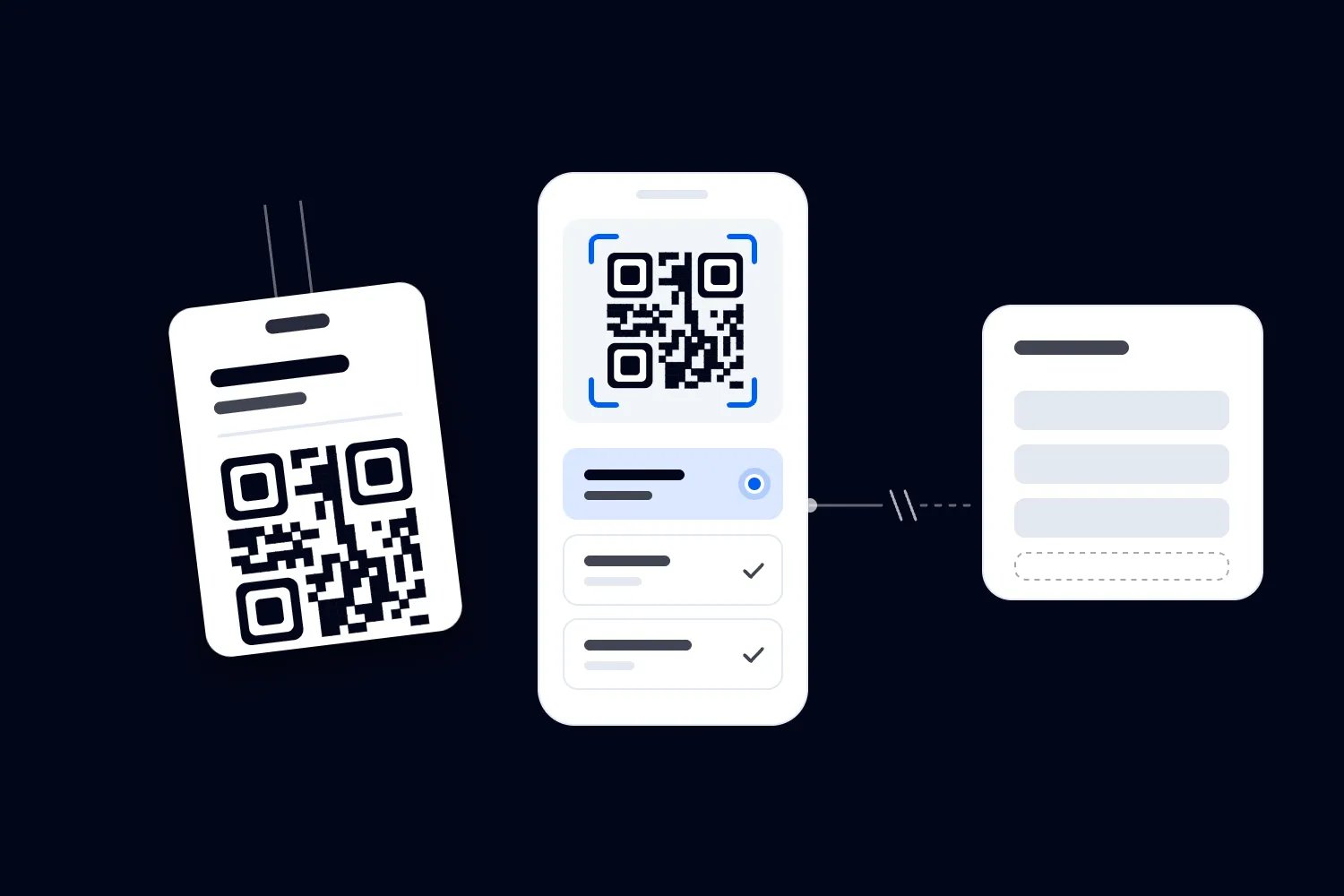
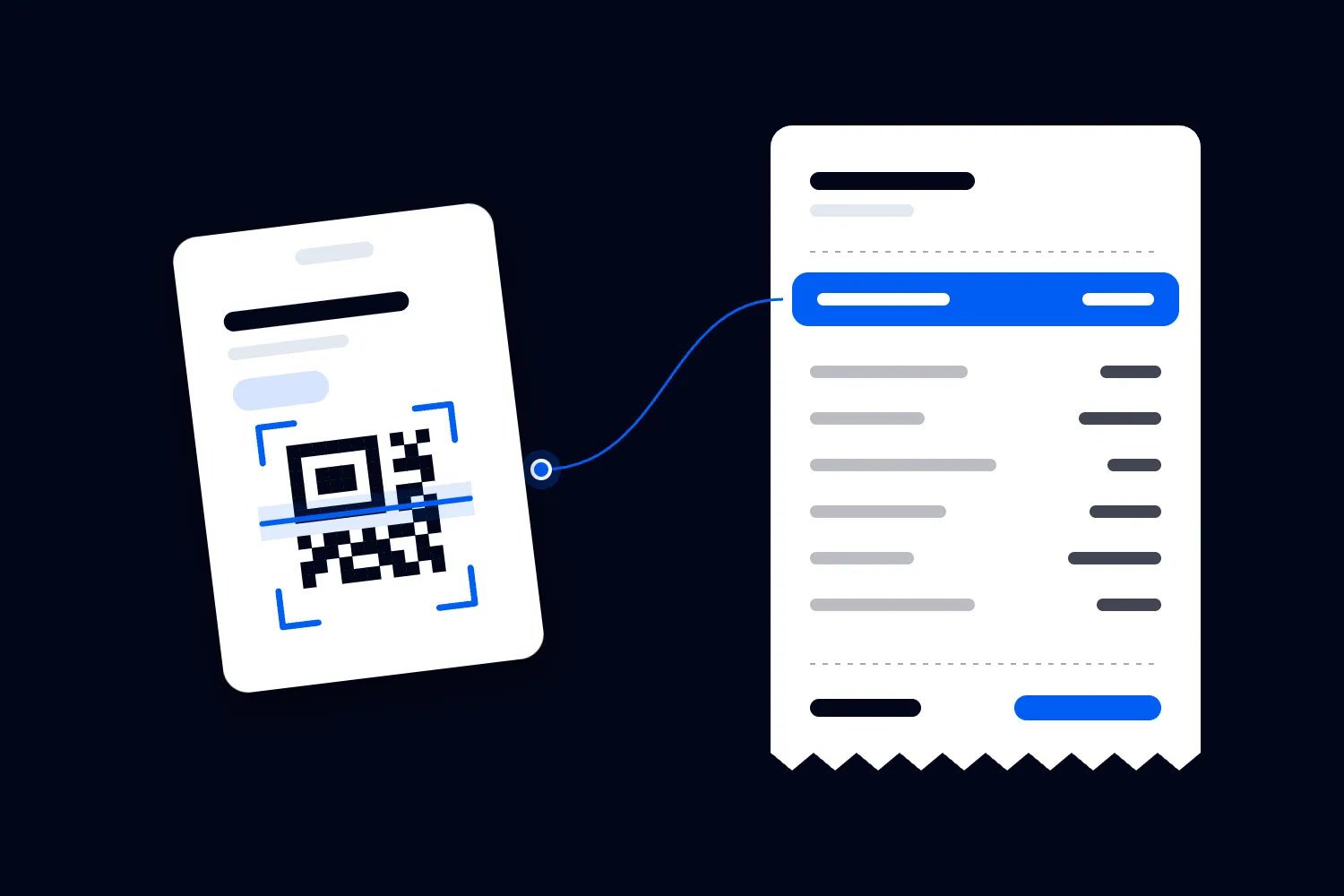
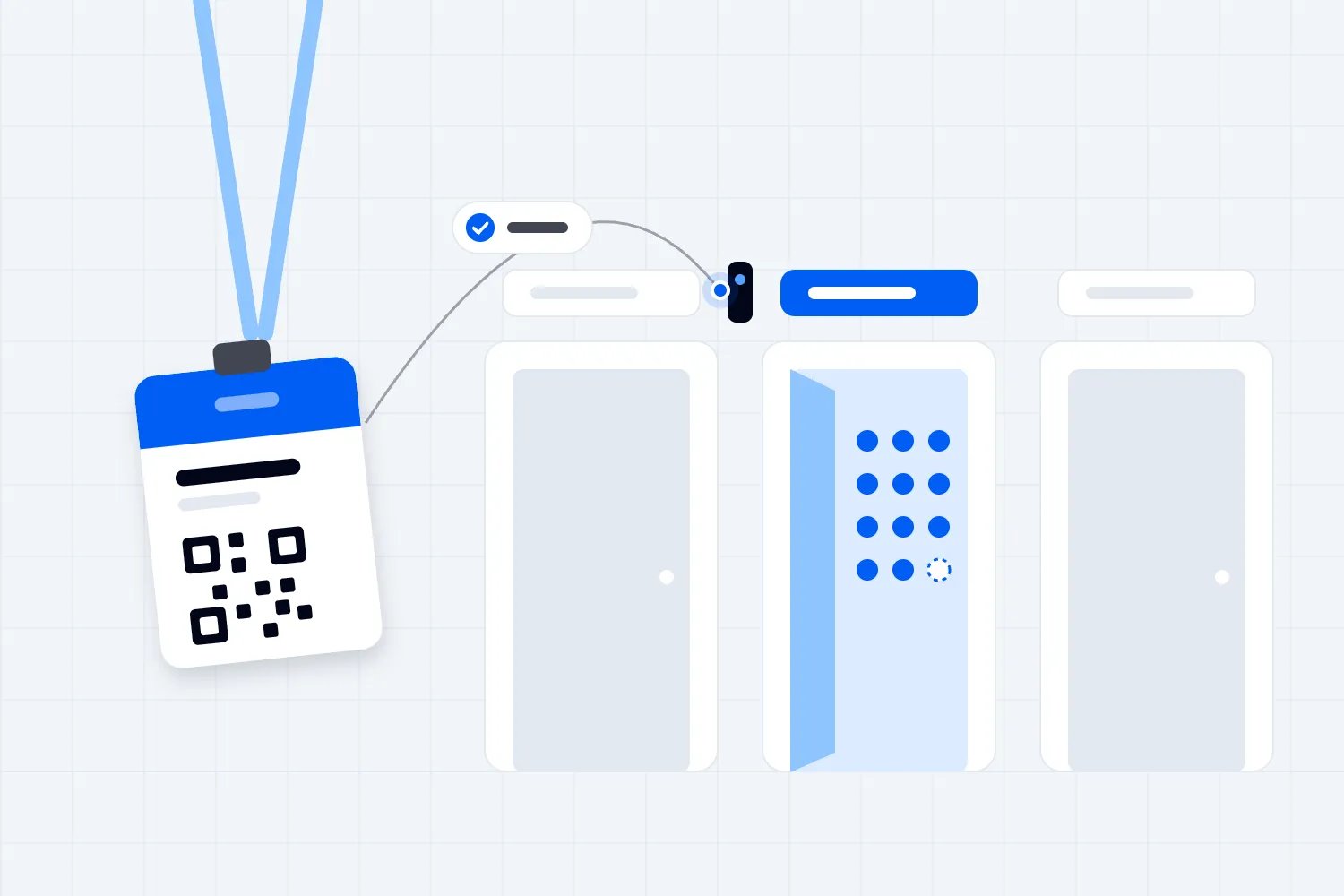
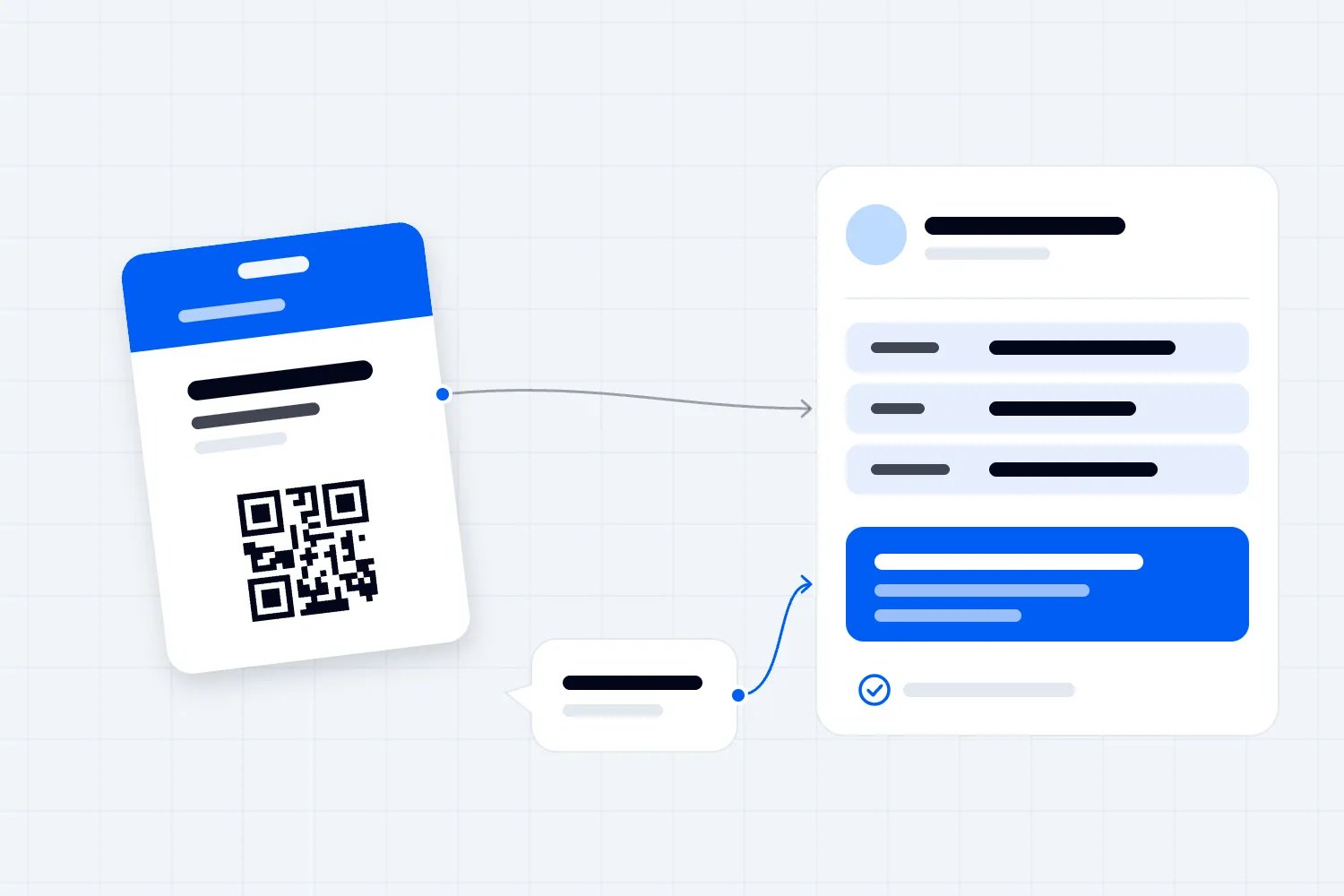
Lead retrieval generally starts with an existing registration record. An authorized exhibitor scans an identifier on an attendee's badge, and the service uses that identifier to return the information that exhibitor is allowed to receive. Depending on the implementation, it may also let the representative record an interest, answer qualification questions or assign a follow-up task.
The information comes from somewhere you already manage, which can reduce repeated entry. But retrieval inherits the limitations of that information. If a registration form collected only a name and a personal email address, scanning the badge won't produce a verified employer, purchasing responsibility or business phone number. You need to distinguish information actually collected from information a supplier suggests might be available.
Registration can also change. An attendee might correct their email, transfer a ticket where your terms allow it, or receive a replacement badge. Ask which record the retrieval service uses and when it updates. A badge printed before a correction may still point to the right current record, or the service may use an earlier copy. That behavior needs a demonstration using your setup.
For organizers, retrieval is a service involving several parties. Someone supplies registration data, someone manages the badge identifier, someone operates exhibitor accounts, and someone supports the person holding a phone on the show floor. Those jobs might belong to one supplier or several. Put names against them before promising exhibitors that scanning is included. Otherwise a failed lookup can become a dispute about whose system caused it while the exhibitor waits for help.
A QR code doesn't tell you what an exhibitor will receive
A QR code is a way to encode data. DENSO WAVE, which developed the technology, explains its data encoding and QR code features. The code printed on a badge might contain an identifier, a web address or contact information, depending on how your event system was built. The square pattern alone doesn't reveal which arrangement you're using.
This matters because a generic scanning app may successfully read the code without being able to retrieve any attendee details. It could display a string of characters that only the authorized event service understands. Scanning, recognizing an identifier and releasing a contact record are separate actions. Ask the supplier to show all of them with a badge generated through your actual registration process.
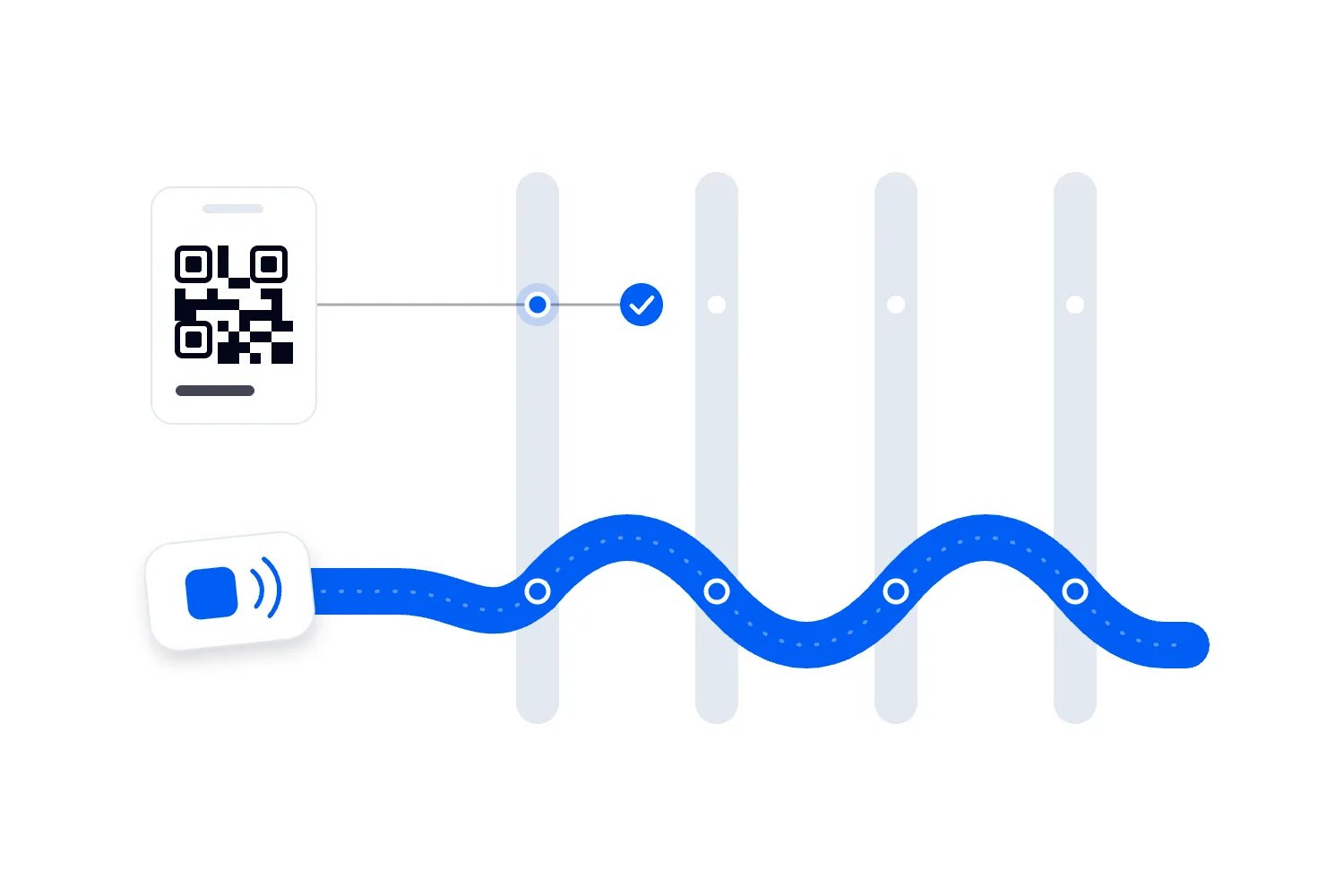
Also distinguish lead retrieval from event check-in. An entrance scan can establish that a ticket is valid or record attendance. It doesn't, by itself, establish that an attendee spoke to a particular exhibitor or requested contact. A session scan may record entry to a talk. Calling every such scan an exhibitor lead makes your reporting harder to trust.
Keep the explanation simple when an exhibitor asks about compatibility. Tell them which official service can read your badges, which information it returns and whether another tool can connect through an approved arrangement. If you don't yet know, verify it before answering. Saying that all QR scanners will work can leave an exhibitor discovering the difference after they've already trained their staff and printed their stand materials.
The useful comparison is how the information moves
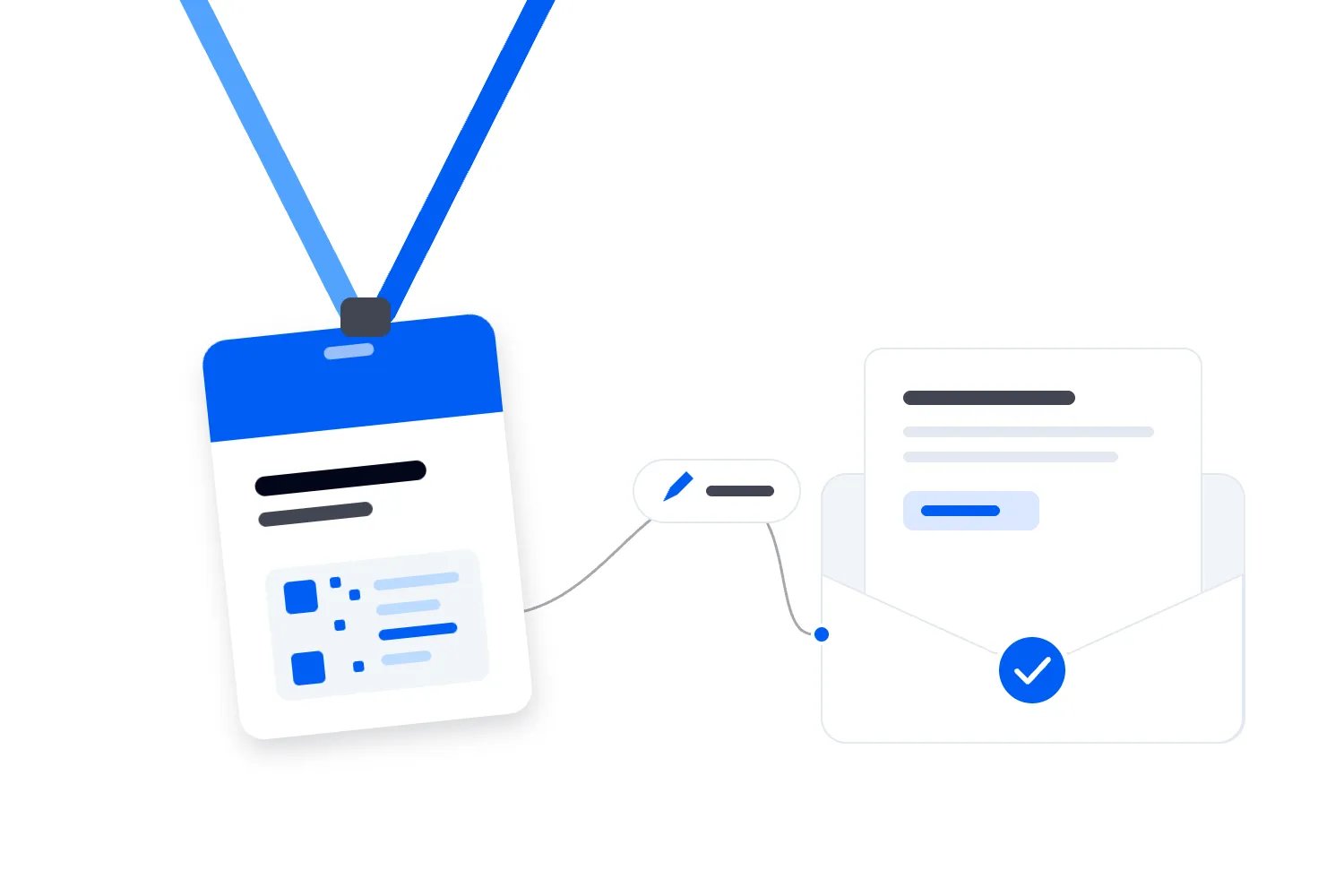
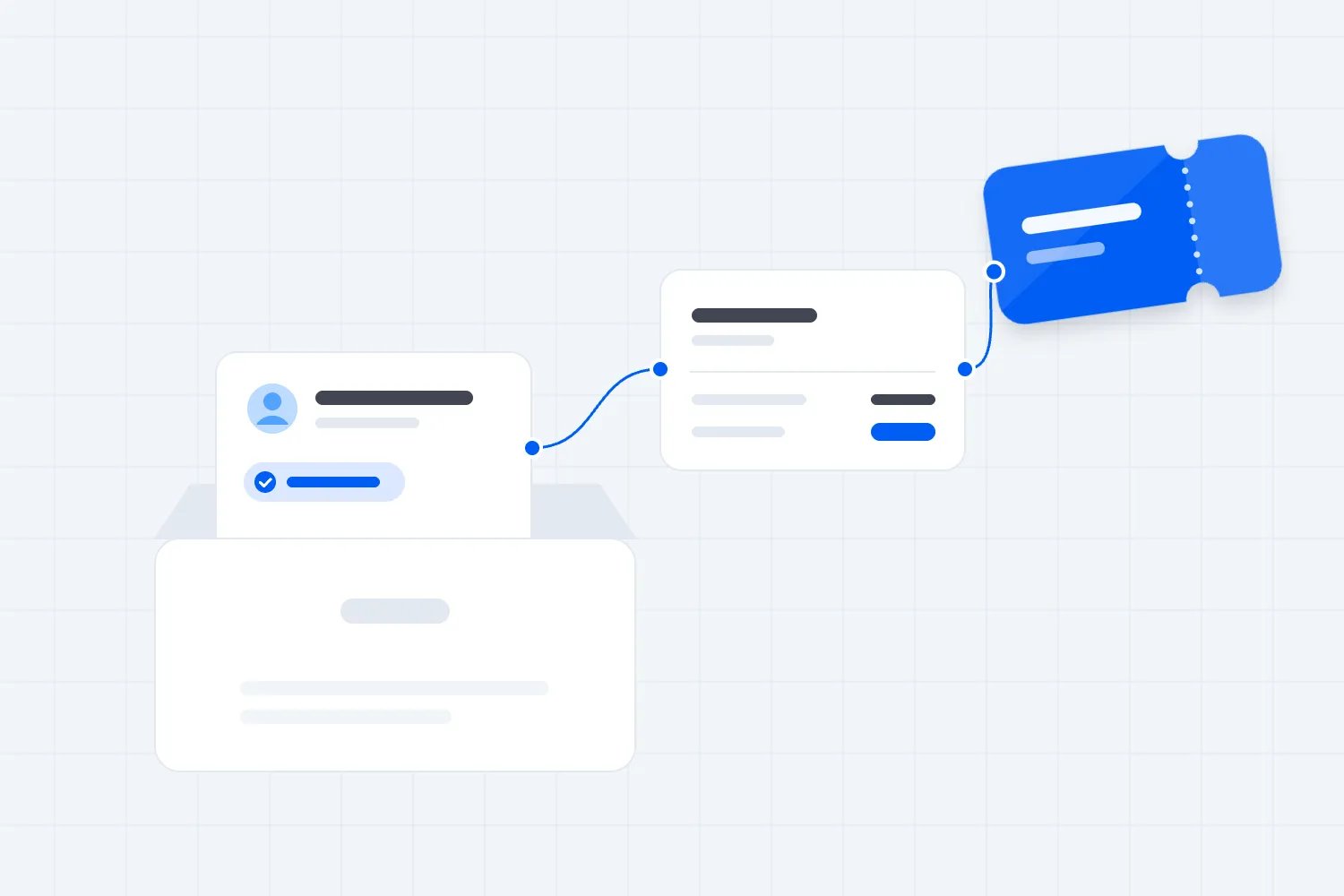
Imagine the same attendee meeting the same exhibitor under two arrangements. With an independent capture form, the representative asks for contact details, records the request and saves the entry in the exhibitor's account. The organizer might have no access to that record. With registration-connected retrieval, the representative scans a badge, receives permitted registration fields and adds the request. The service then makes that combined record available to the exhibitor.
Neither description proves that the result will be useful. The capture form might contain accurate details confirmed by the attendee. The registration record might contain an old employer. Or the form might be hard to complete while retrieval provides the right information immediately. Evaluate the actual records and effort involved rather than assuming one method always produces better data.
You also need to know what stays attached when information leaves the application. A contact export without conversation notes loses the reason for the follow-up. Notes without the representative's name make it harder to resolve ambiguity. If the application records a contact request or marketing choice, find out how that information is represented in the export and how the receiving system will interpret it.
Ask for a sample using invented test attendees. Read it as if you were the exhibitor's sales manager opening the file after the event. Can you tell who the person is, which stand interaction produced the record, what they asked for and who should act? If you need a supplier to explain every row, your exhibitors will need that explanation too.
Ask the supplier to explain blank fields clearly too. An empty company field could mean registration never collected it, the attendee left it unanswered or the sharing arrangement excludes it. Those differences affect what an exhibitor can reasonably expect. A short field description supplied with the export can prevent staff from treating missing information as a technical fault and reporting it repeatedly.
When registration-connected retrieval is worth offering
Retrieval is worth considering when registered attendees are central to the exhibition and exhibitors need a consistent way to exchange contact details with them. You already control the registration process, can define which fields will be shared, and can arrange support across registration and the show floor. In that situation, a connected service may remove repeated data entry from ordinary stand conversations.
It works best when the information available matches the promise. If exhibitors are selling to purchasing teams, relevant company and role details may help them understand who they met. But you still need a reason to collect and share those fields, and you need attendees to understand that use. Adding mandatory questions just to make a retrieval offer look richer can make registration more burdensome without improving the conversations.
Consider the exhibitor mix as well. A team with several representatives may value a shared stand account and a clear assignment process. An exhibitor sending one person may only need a usable export. Don't make advanced sales-system connections the minimum requirement for every stand when many exhibitors won't use them. You can specify a dependable basic service and evaluate extra capabilities separately.
My preference is to offer retrieval when you can demonstrate the complete service with your own registration data and support it during the event. If licensing terms, field restrictions or unreliable synchronization stop that demonstration from working, resolve them before selling the benefit. A simpler capture option that you can explain accurately is preferable to a retrieval promise whose essential conditions are still undecided.
When independent capture is the more useful option
Independent capture suits interactions where the event's registration record isn't the right starting point. An exhibitor might meet a prospect at a nearby reception, receive a colleague's referral or speak to someone who has no compatible badge. A form can record that conversation without requiring your event system to recognize the person first. This flexibility can matter to exhibitors who use the same process across several events.
Some exhibitors also need questions specific to their business. A software provider may ask which system a prospect currently uses. An equipment manufacturer may ask about installation conditions. Those details belong to the conversation, and your organizer registration form probably shouldn't collect them for every exhibitor. A capture tool lets the exhibitor manage that information within its own process, subject to the relevant data obligations.
The trade-off is the work required at the stand. Ask how many details staff must enter, whether the attendee can check them and what happens when a form is left unfinished. A supplier demonstrating a quiet office workflow may overlook the difficulty of completing it while another visitor waits. Test with the equipment and people who will actually use it.
You don't have to prohibit independent capture because you offer an official retrieval service. Define what exhibitors may do, what your badge system supports and which alternatives your support team can help with. An exhibitor using an independent form should understand that the organizer cannot troubleshoot its account or guarantee its output. That boundary is reasonable when you communicate it before exhibitors choose their tools.
Decide what counts as a useful lead
Before comparing applications, ask exhibitors what they expect a useful record to contain. Their answers will differ, but they should be able to describe the follow-up they want to make. A product information request, a booked demonstration and an early research conversation all deserve different treatment. Recording them identically makes the eventual export look orderly while hiding the distinction the sales team needs.
For your official service, define a basic record that supports those differences. It should identify the contact, retain relevant conversation notes and distinguish the request or next action. The precise fields depend on the event. Keep the requirement small enough for stand staff to complete while still talking to the attendee, and allow exhibitors to add business-specific detail when the service supports it.
Be careful with labels such as qualified, interested and hot. Unless the exhibitor has defined them, they can mean whatever an individual representative feels at the time. A note that the attendee requested a site assessment is easier to interpret than a high interest score with no explanation. Let exhibitors set their own qualification rules instead of implying that your scanner can determine purchasing intent.
This also affects what you report back to exhibitors. A count of saved contacts can show use of the service. It cannot establish how many contracts an exhibitor will win. If you're developing the commercial promise for stands, the exhibitor prospectus guide helps connect the offer to what you can actually deliver. Describe contact sharing accurately rather than using a lead target to make the package sound more valuable.
Compare the records using one exhibitor conversation
Here's a useful example to take into a supplier discussion. You're organizing a paid manufacturing expo, and an exhibitor sells packaging machinery. An attendee visits its stand because their business is opening another production line. They want a specification sheet first, followed by a conversation with the person who handles installation. They aren't asking for a quote during the exhibition, and the representative hasn't established a purchasing budget.
With basic independent capture, the attendee might enter their name, company and email address into the exhibitor's form. The representative then records which machine they discussed and the requested next step. This can produce a perfectly useful record without referring to the attendee's registration. The work to inspect is how they confirm the contact details and how easily the representative adds the request while the conversation is still fresh.
With retrieval, the representative might scan the attendee's badge and receive those contact fields from registration. They still need to confirm that the details are suitable for this follow-up and record the machine and installation request. Retrieval has removed some repeated entry in this example. It hasn't supplied the conversation or decided which colleague should reply. Those parts still depend on what staff record and how the exhibitor organizes its work.
Now look at what the sales colleague receives. A name, email and scan time show a saved contact. Adding "interested in machinery" doesn't tell them much more. A note saying the attendee requested specifications for the machine demonstrated and wants the installation team to explain site requirements is much more useful. It allows a relevant response without claiming that the attendee is ready to buy.
Then try changing one condition. The attendee says their registered email is a general purchasing inbox but wants this information sent to their own business address. Can the representative record that address without changing the organizer's registration record? Does the export distinguish the original address from the requested follow-up address? You don't need every supplier to handle this in exactly the same way, but the representative should understand what will happen before saving.
Try another variation where a second representative speaks to the same attendee later about servicing equipment at an existing site. A useful result preserves enough context for both requests. If the service combines everything into one contact, can the sales colleague still see the separate discussions? If it keeps separate records, can the exhibitor recognize that both concern the same person? Examine the result instead of treating fewer duplicate rows as automatic evidence of better data.
Finally, ask who should receive each task. The installation request may go to an engineer, while the existing site's service question belongs with another team. An application doesn't need an elaborate assignment system if the exhibitor has a reliable way to manage those requests after export. What matters is whether the required information reaches the people doing the follow-up. Judge the proposed service against the exhibitor's actual working method.
This example also shows why you shouldn't make the official form reproduce every exhibitor's sales process. Your job is to support an understandable exchange of relevant contact information and conversation context. The machinery supplier decides how to assess a potential installation. Another exhibitor may need an entirely different qualification process. Require enough flexibility for those differences, while keeping the organizer's promise specific enough to test and support.
Keep data access separate from marketing permission
A scan can make information technically accessible without settling every question about its use. You need to establish why the information is collected, which parties receive it and what they may do next. Attendance, stand access and contact sharing are different activities. Buying a ticket doesn't automatically explain every future use of that attendee's contact details by every exhibitor.
The rules depend on the jurisdiction, recipient and communication channel. For example, the UK Information Commissioner's Office explains that business-to-business marketing rules distinguish corporate subscribers from sole traders and certain partnerships. Personal data obligations can still apply to named business contacts. So neither "it's B2B" nor "we scanned their badge" answers the whole question about whether an exhibitor can send marketing.
In the US, the Federal Trade Commission's CAN-SPAM compliance guide says the law covers commercial email, including business-to-business messages. That is another reason to separate collecting a contact from deciding how to email them. Your supplier's permission label should accurately describe what was recorded, and exhibitors need to apply the requirements relevant to their own follow-up.
Have the appropriate privacy reviewer agree the event's wording and responsibilities before launch. The useful output is an understandable explanation attendees can read at the relevant moment, accompanied by a record the exhibitor can interpret. Don't give your floor staff an impossible job of explaining a data arrangement that registration, the contract and the application describe differently.
Share only the information the interaction needs
The registration database may contain information that has no place in an exhibitor's lead record. Dietary requirements, accessibility requests and payment details are obvious examples to challenge. Other fields require judgment. A telephone number may be relevant to an agreed callback, but its presence in registration isn't a reason to include it in every export.
The ICO's explanation of data minimisation says personal data should be adequate, relevant and limited to what is necessary for its purpose. Apply that question to the actual exhibitor field list. Ask why each field is needed and whether the attendee would understand that use. Don't let an available database column become a default entitlement.
Access within the exhibitor team needs attention too. A temporary stand representative may need to save a conversation but have no reason to download the team's entire contact list. The sales manager may need the export. Establish what the service can control, then explain the remaining responsibilities to the exhibitor. Shared passwords make those responsibilities harder to manage and investigate.
Agree how long organizer and supplier access lasts, when exhibitor downloads close and what happens to records afterward. The answer may depend on your contract and legal requirements, so don't invent a universal retention period. What matters operationally is that someone owns the decision and the service behaves as described. Exhibitors should hear the access deadline before the event, with time to retrieve the records they are entitled to keep.
Ask suppliers to demonstrate the awkward cases
A successful scan of a perfect test badge is a starting point. Ask to see what happens with an unrecognized badge, a duplicate scan and an attendee whose details changed after registration. Use test data for this exercise. You want to see the explanation a stand representative receives and whether they can recover without abandoning the conversation.
Duplicate handling is particularly easy to misunderstand. The same attendee may speak to different representatives about different products. Combining their contact details can be helpful, but replacing the earlier conversation note may destroy useful information. Ask whether the system preserves separate interactions, combines notes or overwrites fields. There isn't one correct behavior for every exhibitor, but there should be a clear answer.
If offline operation matters, ask which actions work without connectivity. Does the tool store only an identifier for later lookup, or can the representative view contact details and add notes? What shows that records are waiting to upload? How are conflicts resolved when devices reconnect? Have the supplier demonstrate loss of connectivity and recovery instead of accepting the word offline as a complete specification.
Test with an ordinary exhibitor user account as well as an administrator's account. Features available to the supplier in a demonstration may depend on permissions or a different license. Document the conditions attached to each required action. That gives your support team a way to distinguish a genuine fault from something the exhibitor's purchased access doesn't include.
Make the form usable for the person completing it
Lead capture can happen on a representative's device or on the attendee's own phone. Either way, a form needs clear labels and understandable instructions. W3C's accessible form labeling guidance explains why controls need properly associated labels, including for people using assistive technology. Attractive field placeholders alone aren't a substitute for that work.
Ask to see required and optional questions, validation errors and the confirmation after submission. If the attendee enters an address incorrectly, can they correct it without starting again? If they request information but decline a separate marketing option, does the form preserve that distinction? These are ordinary interactions your test should include before the supplier's form appears under your event's name.
Keep your alternative route practical. Someone may have a flat battery, be unable to use a camera or prefer not to complete a form on a shared device. Decide how staff can record an agreed request without pressuring the attendee to use a particular interaction. Don't assume a paper fallback solves everything either. Someone still needs to safeguard it, interpret it and enter only the information that should be retained.
You can include these checks in your trade show checklist, alongside registration and stand readiness. That makes them part of preparing the exhibition rather than a surprise request after the application has launched. The organizer doesn't need to design every exhibitor's form, but the official service should be usable by the people you're inviting to rely on it.
Give exhibitors a service description they can act on
Once you've made the choice, explain the official offer in the terms exhibitors need. Name who gets access, how accounts are assigned, which devices are supported and what a badge scan returns. State whether notes and exports are included, where support is available and when access ends. Be explicit about optional connections or services that require a separate agreement.
You can write this without turning the exhibitor manual into software documentation. For example, explain that authorized stand representatives can retrieve specified registration details after a supported badge interaction, add conversation notes and download their team's records until the stated deadline. Fill in those details from your verified service. Avoid copying a supplier's broad promise when your event configuration includes only part of it.
Then connect the explanation to exhibitor preparation. Your exhibitor onboarding checklist should cover who receives setup instructions and where staff can practice before opening. A company may buy access while the people working its stand never see the email. Ask the exhibitor's contact to nominate the actual users rather than assuming the contract signatory will distribute everything correctly.
Give your help desk the same description, including the limitations. When a representative asks why a phone number is missing, staff should be able to explain whether registration didn't collect it, the sharing rules exclude it or the service has a fault. Those are different answers requiring different actions. A precise service description helps exhibitors prepare and helps your team support what you've promised.
Choose the service your expo can deliver
For a registration-led exhibition, start by evaluating a connected retrieval service with the fields and access your exhibitors need. For conversations outside that system, allow a suitable independent capture route. Some events will need both. The decision depends on your registration records, exhibitor workflows and ability to support the arrangement, rather than on whether a supplier markets its product as capture or retrieval.
Before signing off, ask a stand representative to use the proposed service and an exhibitor's sales colleague to read the resulting record. Give them a realistic test conversation and let them work through it without the supplier narrating every action. Watch where they hesitate. If the record doesn't explain what the attendee requested, revise the fields or training before adding more capabilities.
Agree the outstanding conditions in writing, including data sharing, account access and exports. Then use the same wording in your exhibitor offer and attendee explanation. You should be able to describe what happens when someone shares their details at a stand and show the record the exhibitor receives afterward. That's the service exhibitors are deciding whether to use, whatever the product is called.

Author: By the Loopyah Content Team
The Loopyah Content Team shares expert insights, practical guides, and industry updates to help event organizers create unforgettable experiences and stay ahead in the event planning world.