· 21 min read
Who should control attendee data collected at exhibitor booths?

Your exhibitor wants the contacts collected at its booth. You want to protect the attendee relationship. The scanning supplier says the data lives in its system. Everyone has a reasonable sounding claim, and the contract promises that you "own your data". That sentence still doesn't tell anyone what happens on Monday morning.
The useful answer is to agree who can collect, view, export and use each kind of information, for each purpose. An exhibitor may control its own sales enquiries, while you control registration records and the supplier handles specific tasks under instructions. Those roles depend on what actually happens. A booth booking or an ownership clause doesn't decide them by itself.
For a paid exhibition, this matters commercially. Exhibitors need useful conversations they can follow up, and visitors need confidence that asking about a product won't circulate their details around the hall. Your job is to make those expectations match the service you sell.
This guide focuses on exhibitor lead capture data ownership: booth conversations, badge lookups, lead notes, exports and what survives after the event. The legal examples mainly concern UK and EU data protection. Local marketing laws and other jurisdictions can change the answer, so have the actual arrangement checked before you launch it. Some linked ICO guidance is under review following the UK's Data Use and Access Act.
Start with the booth conversation
Imagine a visitor at a paid equipment expo asks an exhibitor for a quotation. The representative scans the visitor's badge, adds the product discussed and promises an email. Later, the exhibitor downloads a file containing those details. The organizer can also see a record of the scan, and the supplier keeps a copy for technical support.
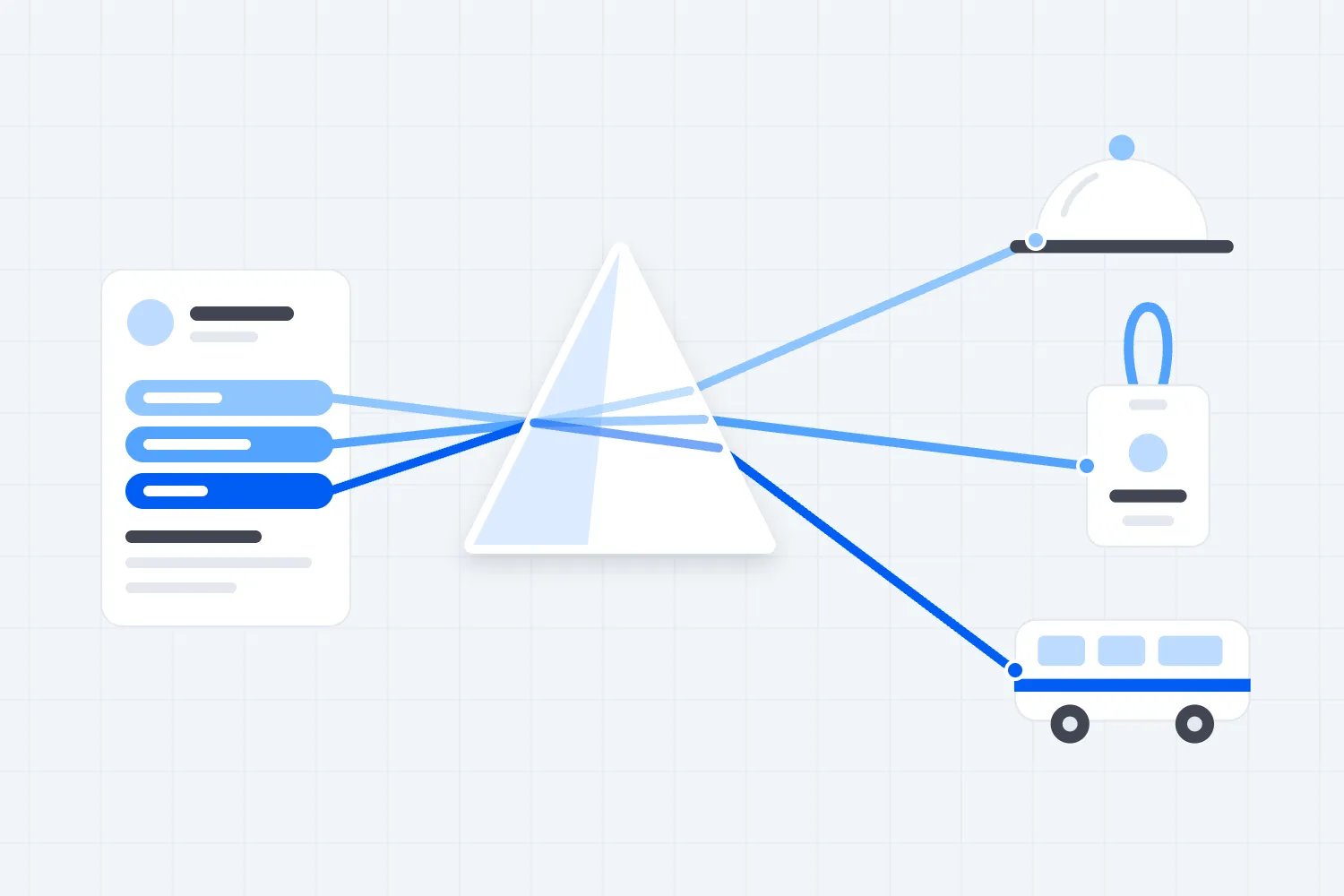
That looks like one lead. In practice, several businesses are doing different things with information about the same person. The exhibitor wants to answer an enquiry. You may want to measure whether the exhibition service worked. The supplier needs to operate the scanning system. Each use deserves its own explanation.
Start with that real interaction rather than a debate about who owns a database. Ask what the visitor requested, what appeared on the representative's screen and which details entered the export. Then ask who could use the information for something else. You'll usually find the disputed decision much faster.
For example, the exhibitor may need its quotation notes without needing the visitor's ticket price. You may need a reliable count of booth interactions without seeing commercially sensitive sales notes. The supplier may need to investigate a failed sync without using the contact for its own marketing.
Write those differences into the offer before exhibitors buy. Our exhibitor prospectus guide helps you describe what booth buyers receive. For lead capture, be precise about the service, available fields and access period. A promise of "attendee data" is too broad to price or deliver responsibly.
Separate commercial rights from legal responsibility
Your contract can allocate access to records, confidentiality, export rights and restrictions on reuse. Those are useful commercial decisions. They don't give a business unrestricted rights over the people described in the records, or override duties that apply to personal data.
Under the EU's General Data Protection Regulation, a controller decides why personal data is used and key details such as which records to collect. A processor handles it on a controller's behalf. The European Data Protection Board's controller and processor guidance makes the actual activities decisive. Contract labels help describe those activities, but don't replace the assessment.
An exhibitor deciding to collect enquiries for its own products may be an independent controller for that activity. A scanning provider operating only on documented instructions may be a processor for a particular service. Your organization can have separate responsibilities for registration and any disclosure through the badge system.
Where businesses jointly decide those purposes and key details, assess whether joint controllership applies. Sharing a supplier, receiving the same information or benefiting from an event doesn't automatically establish it. Equally, calling the parties independent won't settle a genuinely joint arrangement. Review the relevant operation rather than assigning one label to the entire event.
Your agreement should identify who decides each use and the responsibilities involved. Make commercial access terms and privacy arrangements match. If an exhibitor asks whether it owns its leads, explain which records it can receive and what uses the agreement permits. That's an answer its sales team can use.
Distinguish direct collection from an event database lookup
An exhibitor's own enquiry form and an organizer supplied badge lookup can look similar to a visitor. They create different information flows. You need to know which one you're offering before you describe your role or configure the system.
With direct collection, the visitor enters details into the exhibitor's form or gives them to its representative. Check whose form it is, whose privacy information appears and whether the organizer receives a copy. Hosting the exhibitor doesn't mean you automatically receive every enquiry it collects independently.
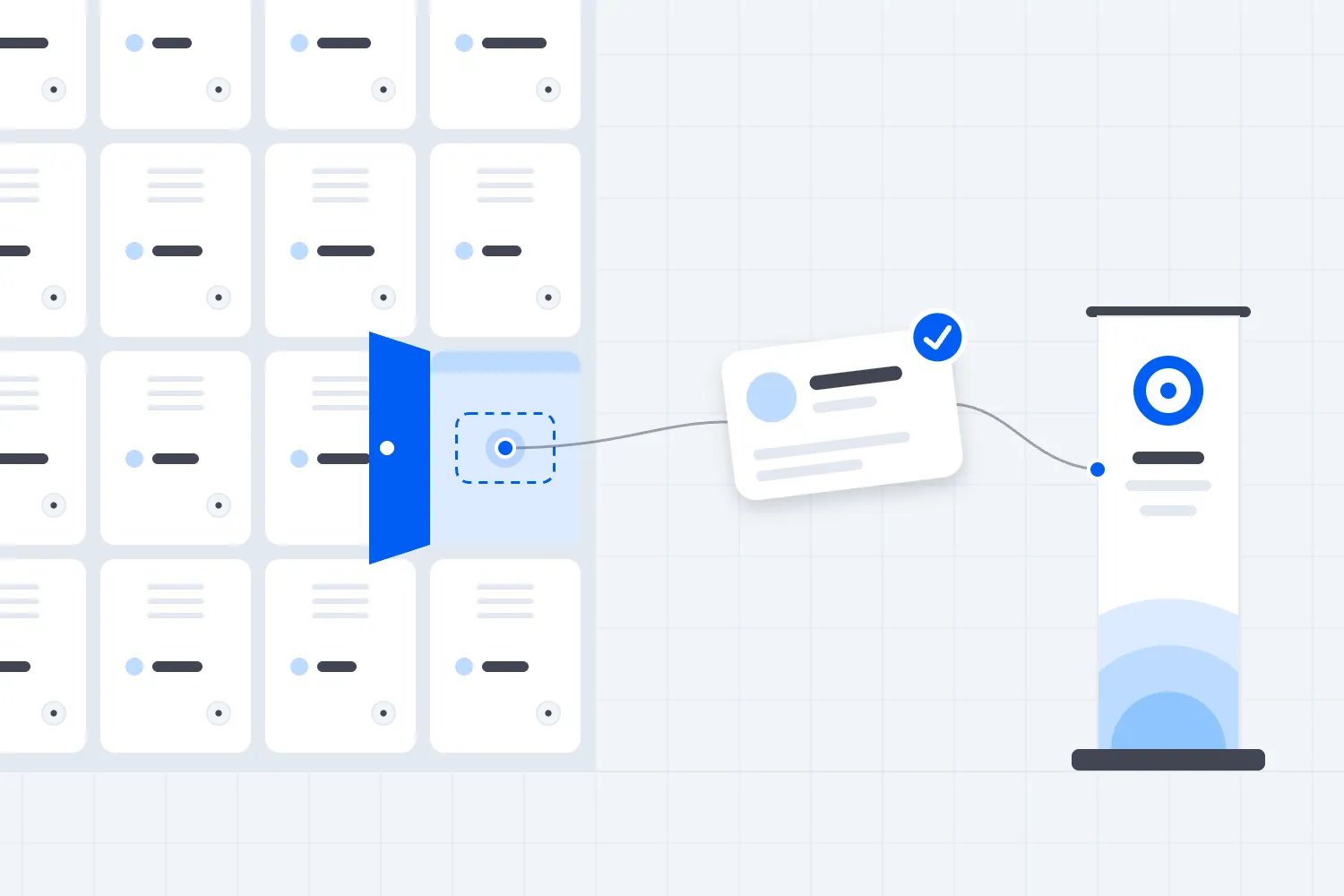
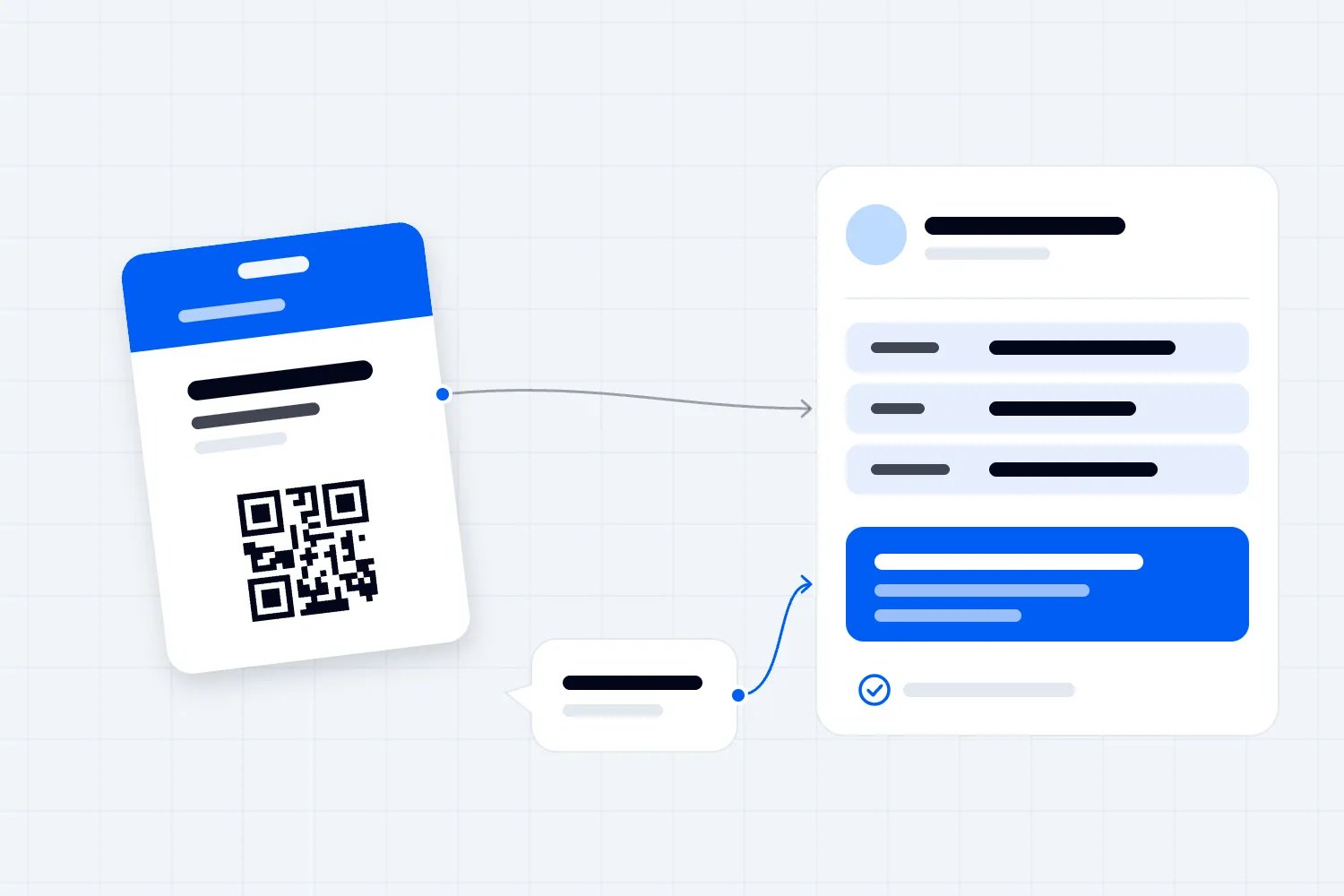
With a lookup, the badge identifies a record held elsewhere. A scan may retrieve registration details that the visitor supplied when buying or claiming a ticket. Now you need to understand which business releases those fields, why it can do so and what the visitor was told about that disclosure.
The badge itself also matters. Does it contain readable personal information, a code that anyone can resolve, or an identifier that requires an authorized account? Ask the supplier to demonstrate the actual behavior. Don't assume the printed square reveals nothing, or that possession of a scanner proves permission to retrieve everything.
A third arrangement combines the two. The system retrieves basic contact details, then the exhibitor adds a purchase timeframe and conversation notes. Treat the retrieved details and the new notes separately when deciding access. The organizer's ability to configure the registration fields doesn't automatically justify reading the exhibitor's entire sales conversation.
This is also where you should challenge enrichment. If the service adds job history or other information from outside sources, ask exactly what it adds and who decided to add it. A simple badge scan shouldn't conceal an expanded profile nobody discussed during procurement.
Agree the fields each party actually needs
Build a sample lead record with invented details and walk through every field. For each one, identify its source, who can see it and the task it supports. You'll catch more problems doing this than reading a feature list that says "customizable reporting".
For the quotation example, the exhibitor might need a name, business email, company, requested product and its own notes. A phone number needs a reason connected to the intended contact. Dietary requirements, payment details and accessibility requests collected for event delivery should stay outside the booth lead record.
You may reasonably want to understand use of the service you've sold, but ask what information that requires. A service report could show scanning failures and activity totals without copying every salesperson's notes. If an identifiable record is needed to resolve a complaint, use a restricted support process for that case.
Don't design your standard export around the loudest exhibitor. One business may want extra qualification questions that would be intrusive or pointless for everyone else. Decide which questions the event collects centrally and which belong in an exhibitor's separate conversation, with the corresponding explanation and responsibility.
Be careful with free text. A representative can type information the form never asked for, including personal comments or health details. Tell booth teams what belongs in notes and what doesn't. Keep notes useful for the agreed follow-up, and provide a route for removing information entered by mistake.
Finally, check what your registration form collected in the first place. Our event registration form guide explains how to choose fields around actual event needs. Keeping the registration record sensible makes the booth disclosure easier to define, but the two decisions still need separate review.
Make the visitor's choice clear at the stand
A visitor should understand what presenting a badge will do before the representative scans it. "Can I scan your badge?" explains the action. It doesn't explain whether the person will receive a quotation, join a newsletter or have details shared with another business.
The booth instruction should match the actual offer. For a quotation request, the representative can explain that the scan shares specified contact details with the exhibitor to respond about the product discussed. If the exhibitor also wants ongoing promotional messages, assess that purpose and the relevant marketing requirements separately.
The ICO's privacy information guidance distinguishes collection directly from a person and obtaining information elsewhere. The required information depends on the circumstances, including the source, purposes, recipients and retention. Work out who provides which information and when, rather than assuming your event notice covers the exhibitor's own use.
Put the immediate explanation where the interaction happens, with access to the fuller relevant notice. A sign hidden behind a queue isn't much help. Nor is a privacy link that opens the organizer's notice while the exhibitor is collecting for purposes that notice never explains.
If consent is the basis for a particular use, design a real choice and record what the person agreed to. Don't treat every badge scan as blanket consent. Attending a product demonstration, requesting information and accepting future marketing can mean different things. The system needs to preserve those distinctions where they matter.
For sponsor mailing lists arranged through the organizer, our attendee sponsor permission guide covers that separate workflow. Here, keep your attention on the booth interaction and the information it actually creates.
Check follow-up rules before the export
Exhibitors often assume a business event means they can email every scanned contact. That assumption is too broad. First identify the proposed communication, its recipient and the legal rules that apply. A requested quotation and an unsolicited campaign shouldn't enter the sales system as if they were the same instruction.
The ICO's business marketing guidance explains that UK electronic marketing rules distinguish corporate subscribers from individual subscribers, including sole traders and some partnerships. Using a named business contact's personal information still creates data protection responsibilities. A work related conversation doesn't make all later uses unrestricted.
That distinction matters at mixed trade events. Your visitors may include employees of companies, independent consultants and people using personal addresses. Don't let a single event category become the justification for every message. Have the exhibitor establish the appropriate basis and channel permissions for its intended activity.
For US commercial email, the FTC's CAN-SPAM business guide explains requirements including truthful sender information, an available opt-out and honoring opt-out requests. It covers business email too. That federal framework doesn't settle every other applicable privacy or marketing obligation, and it shouldn't be copied into a UK or EU campaign policy.
Make the operational distinction visible in the exported record. Someone handling follow-up should be able to tell whether a visitor asked for a particular response and whether a separate marketing choice exists. If the export strips those details, your collection process has lost information the recipient needs to judge its next action.
The lawful basis for disclosing registration details and the exhibitor's basis for its own processing both need attention. Consent isn't the only possible basis for every arrangement, and legitimate interests isn't an automatic permission either. Assess the purpose, necessity and impact where that basis is proposed. Keep the marketing channel rules in the same review so the team doesn't approve collection and only discover restrictions when the campaign is ready to send.
Specify what the organizer can see
Your event team doesn't need automatic access to every lead note to prove the expo was valuable. Exhibitors may record buying plans, pricing discussions or concerns about a proposed supplier. Decide whether you need those details at all, and explain any justified access before collection starts.
Separate everyday reporting from exceptional support. An operations manager checking whether scanners work needs different information from a person investigating a disputed disclosure. Set permissions around those jobs. A broad administrator account might exist technically, but routine reporting shouldn't depend on everyone using it.
Agree what you will report to exhibitors and sponsors. A scan total describes an action, not necessarily an interested buyer. Repeat scans, staff tests and accidental scans can distort the count. Define the metric and the exclusions rather than presenting every captured record as a qualified sales opportunity.
If you combine results across booths, consider whether individual people or businesses remain identifiable. Removing names doesn't necessarily prevent identification in a small group. Ask for the least detailed report that answers your commercial question, and have any claimed anonymisation assessed on the actual data and likely recipients.
There may also be a dispute between exhibitors about access. A shared stand, distributor or partner agency can create uncertainty over who receives a conversation. Set the account and export arrangement before the show. Don't wait until both businesses ask you for the same visitor list.
Question the supplier's own uses
The supplier stores the information, but storage alone doesn't establish permission to reuse it. Ask what the supplier does with contact fields, scan records, notes and technical logs. A contract describing "service improvement" needs enough detail for you to understand the proposed processing.
There is a meaningful difference between maintaining the service under agreed instructions and using identifiable attendee records to build an independent marketing audience. Ask whether the supplier combines information across events, creates profiles, sells access, trains systems on lead content or contacts visitors itself. Evaluate actual answers instead of accepting a general assurance about privacy.
For processing on your behalf, the ICO's processor contract guidance describes required terms covering instructions, security, subprocessors, assistance and the end of the contract. The written arrangement needs to describe the processing. An exhibitor license that says the tool is compliant doesn't replace the appropriate agreement.
Ask who contracts with whom. You might buy the scanning service centrally while exhibitors accept separate terms for their accounts. Check whether those documents describe compatible access and uses. A restriction in your organizer contract means little operationally if the exhibitor onboarding screen invites a broader disclosure you never approved.
Have the supplier identify relevant storage, support access and other providers, including locations. Review any international transfer requirements for the actual arrangement. A familiar brand name or a local sales office doesn't tell you where the records travel or who can access them.
If you can't get a clear answer about an own use, don't bury the uncertainty in a launch checklist. Escalate it while you can still change the service or terms. Your exhibitor fee shouldn't commit visitors to a use nobody can explain.
Resolve the awkward requests before opening day
An exhibitor may ask for the whole attendee list because its team missed visitors while the stand was busy. That request changes the arrangement. Leads collected through a defined booth interaction and everyone registered for admission are different audiences. Review any new disclosure on its own facts, including the lawful basis and what attendees were told. A disappointing sales day doesn't expand the permission you have.
The same applies when an exhibitor wants another business to receive its export. Perhaps a distributor will answer regional enquiries, or a partner will run a campaign. Ask whether that recipient and purpose were included in the arrangement. Don't quietly change the delivery address and assume the original interaction explains the new recipient.
A more difficult case is the visitor who says, "I was only asking where the next session was." If the representative scanned the badge anyway, the scan record alone won't prove a quotation request or marketing choice. Your team needs a way to investigate the interaction, correct the record and route any resulting request. Include accidental capture in the training instead of treating every saved lead as intentional.
What about an exhibitor that refuses to use the official system? First establish what it proposes. Its own form, a photograph of a badge and a handwritten enquiry sheet create different risks and information flows. Your event rules can set conditions for collection on site, but they should reflect the actual rights and responsibilities involved. Simply banning another tool doesn't make the approved scanner's behavior acceptable.
Keep the sales discussion tied to benefits you can deliver. You can offer a supported capture service, clear access to eligible enquiries and instructions that help exhibitors collect useful context. Avoid guaranteeing a volume of usable contacts or offering extra attendee records as compensation when the booth underperforms. Resolve a commercial service failure through the commercial agreement.
Make export rights practical
Exhibitors care about whether their sales team can follow up after paying for the stand. Tell them when eligible records become available, how authorized staff access them and what happens when access closes. Include any fees or service limits in the commercial offer rather than revealing them after the event.
Test a sample export before procurement is complete. Check that names, contact details, conversation notes and relevant choices remain understandable outside the scanning interface. A download button is a weak promise if the result loses the context needed to use the records properly.
Be explicit about permissions. A booth representative may need to record a conversation while the exhibitor's nominated manager handles exports. An agency might staff several stands, but that doesn't justify a combined download of every client's leads. Test the account boundaries with fictional records before opening access to real visitors.
Discuss integration separately from manual downloads. If the system sends records directly into the exhibitor's customer database, identify the receiving account, fields and timing. Check what happens when a record changes later. A correction in the scanning system won't necessarily correct information that already entered another application.
Also check failure handling. Can the exhibitor see which records transferred, which failed and whether a retry creates duplicates? Who investigates a missing note? These are service delivery questions as well as privacy questions. A useful agreement lets both teams resolve them without copying an entire contact file into an email thread.
If you charge for access, explain exactly what the charge covers. Equipment, software access and support are commercial services. Paying for them doesn't create a lawful basis for a new use of personal information or cancel a visitor's rights.
Ask the supplier to demonstrate offline capture too. A scanner may save records on a device until the connection returns. Establish which fields remain locally, who can unlock the device and how the records clear after a successful transfer. If a representative uses a personal phone, check what happens when they leave the exhibitor's team. Ending their account should be part of a defined process, rather than an assumption that deleting an app removes every copy.
Set the end date for each copy
The end of the exhibition and the end of every permitted use won't necessarily happen together. An exhibitor may still be responding to an active enquiry, while the supplier's temporary capture service has finished. Set retention around the purpose and responsibilities of each party, rather than choosing one date for everything.
Your agreement should distinguish live accounts, downloaded files, device storage, support copies and backups. Closing an exhibitor login doesn't remove a spreadsheet already imported into its sales system. Ask each responsible business how it manages its own copies, then document the arrangements appropriate to its role.
Our attendee data retention guide explains why purpose matters when setting a schedule. For booth data, add the specific trigger. The supplier might finish its processing after an agreed export and support period. An exhibitor should have its own justified retention approach for enquiries and marketing records.
Don't promise that the organizer can remotely erase an independent exhibitor's entire database unless the actual arrangement gives you that ability. Instead, make the responsibilities clear, require cooperation where appropriate and tell attendees which business handles which use. Operational honesty is more useful than a sweeping deletion promise your team cannot deliver.
Agree the supplier's exit process before renewal season. Confirm the available format, who requests the export, how long it takes and how return or deletion works for the processing concerned. Check how backups are put beyond use and subsequently deleted where immediate deletion isn't possible under the agreed arrangements.
Keep only justified evidence of delivery, permissions and requests, with its own access and retention controls. You don't need to keep an entire lead dataset indefinitely just to prove that the exhibitor received an export.
Prepare for requests and mistakes
A visitor may ask the organizer why an exhibitor contacted them, even if the exhibitor collected the enquiry directly. Your support team needs to identify the relevant interaction and contact the right business. Start by agreeing a named route for questions, corrections, objections and deletion requests.
Map that route across copies. If a wrong email entered the booth record and then reached the exhibitor's sales system, identify who can correct each place. If a person objects to marketing, make sure the appropriate team handles the objection and avoids reintroducing the contact through a later import.
The exact legal response depends on the request, the processing and each party's role. Don't tell frontline staff to promise universal deletion. They should record the request accurately, verify identity proportionately through the approved process and route it promptly to the responsible people.
For incidents, agree how the parties reach each other during the event and afterwards. A lost scanner, an export sent to the wrong exhibitor and an account showing another booth's notes need prompt escalation. The person who notices the issue shouldn't have to establish the complete legal position before reporting it internally.
Record what happened and contain access where possible. The responsible teams can then assess the applicable notification and remedial obligations. Contractual cooperation should help that assessment, including access to relevant logs and facts, without spreading the affected records to more people than the investigation requires.
Include the post-event sales team in this preparation. The floor team can follow every collection instruction correctly and still lose control of the process when a manager uploads a file elsewhere. Your agreement has to cover that ordinary next step.
Rehearse the arrangement before exhibitors arrive
Run a rehearsal with a fictional visitor, an exhibitor account and an organizer account. Explain the proposed interaction, scan the test badge and inspect what each account can see. Export the record and follow it into the intended receiving system.
Then change one condition. Use a visitor who requests a quotation but declines optional marketing. Try an accidental scan. Add a correction after export. Ask an agency user to open a different exhibitor's records. End access and confirm which copies remain. These tests show whether the service behaves as your documents describe.
Ask the exhibitor manager to explain the result back to you. Which contacts can their team use, for what purpose, and where do they find the supporting context? Ask your operations manager the equivalent questions about organizer access. If their answers differ, resolve that disagreement before collection begins.
Use that rehearsal to check who can change the collection settings. An exhibitor administrator adding a field or enabling an integration after approval can change what visitors experience. Decide which changes the exhibitor may make within the agreed service, which require a review and who receives notice. Keep a record of the version used during collection so a later support enquiry can establish what the visitor actually encountered.
Check replacement staff as well. If the original booth manager leaves before the export, you need a reliable way to verify the new manager without sending the contacts to whoever answers an email. The exhibitor should nominate an authorized primary contact and a replacement process. Your support team can then restore legitimate access while respecting the limits already agreed. This is particularly useful when an agency runs the stand but the exhibiting business receives the enquiries. Confirm who represents that business before the temporary crew leaves the venue after closing.
Add the approved instructions to your exhibitor onboarding process, including the collection explanation, account responsibilities, export method and support route. Keep the briefing practical enough for a temporary representative to follow. The person holding the scanner may never have read the commercial agreement.
When you approve the service, approve a specific arrangement. Identify the fields released through a badge scan, the notes the exhibitor creates, each party's permitted uses and the process for ending access. Then check that the contract, visitor explanation and software settings all describe that arrangement. That's how you make the ownership conversation useful before it becomes a complaint.

Author: By the Loopyah Content Team
The Loopyah Content Team shares expert insights, practical guides, and industry updates to help event organizers create unforgettable experiences and stay ahead in the event planning world.