· 21 min read
How to choose a ticketing platform for nightlife events

Choose a ticketing platform for nightlife events by testing the rules of your actual night, including recurring dates, guest lists, entry conditions, promoter commissions and the money you owe the venue. Pick the provider that can demonstrate those jobs clearly, at a cost your paid attendance can support.
You can sell a ticket and still have a mess at the door. The buyer thinks a table booking includes admission. A promoter has promised free entry to friends. Someone arrives after the early entry deadline, and the person who wrote the policy is inside dealing with a different problem.
That's the part you want to bring into the platform conversation. A Friday residency has different demands from a single concert. The night repeats, the audience recognises the brand, and several people may have a say in who gets in and who gets paid. Small mistakes can repeat with it.
This guide covers the recurring event setup, the admission rules your team needs, promoter payments, venue settlement and a trial that exposes awkward gaps before you announce tickets. Start with your operating plan. Then ask the software to prove it can carry that plan through a real evening.
Start with the deal behind your night
The first thing you want to do is establish who is selling admission. Is it your promotion business, the venue or a partnership? Which business receives the ticket money, handles buyer enquiries and funds refunds? Those answers need to agree with the account you open.
A club may take the bar income while you take the door after an agreed hire charge. Another venue might share ticket receipts and charge for security separately. Neither arrangement follows automatically from putting both logos on an event page. Write down the deal before comparing reports.
Bring a recent settlement to the demo, with personal information removed. Settlement is the calculation you use after the night to agree what each party gets. Show the provider which sales and deductions feed that calculation. Ask it to trace a sample order into the figures your venue expects.
Also decide who can promise an exception. A resident DJ may have guest places, while a promoter earns commission on paid tickets. Giving both people access to the event doesn't mean they should have the same powers. Your agreement should say who approves comps, refunds, changes to prices and extra allocations.
Explain what the night needs to earn after those commitments. A platform fee matters, but so does a commission applied to the wrong sale or a free allocation nobody can explain. You're choosing a system to support a working business relationship. An attractive buying page can't settle a disagreement about whose money it holds.
Keep every recurring date separate
Regular guests often buy because they trust your night. That makes familiar branding useful, but it also makes similar dates easy to confuse. Ask the provider to create two upcoming editions with the same name, then buy one ticket for each and compare what arrives.
The date should stay clear on the event page, ticket selection, order confirmation and ticket itself. Check what happens when your night crosses midnight. Describe the opening day and finishing time plainly, using the venue's local time. A buyer shouldn't have to work out whether Saturday means the evening or the hours after Friday.
Next, search for both events while signed in as door staff. Which one opens first? Can staff tell which date they are checking without returning to the main dashboard? Scan a ticket for the other edition and see what the device says. Familiar branding mustn't disguise a wrong date.
If the provider offers event duplication, inspect what it copies. Prices may carry across correctly while an old guest allowance, arrival condition or promoter agreement doesn't belong on the new date. Reuse should remove repetitive setup without silently repeating last week's exceptions. Ask who checks the new edition before it becomes public.
Test a changed venue as well. Your usual room might be unavailable for one weekend. Check every place the old address appears, including messages already sent. Then establish how you contact buyers affected by the change. Choose a provider that makes a residency easy to repeat while keeping each paid booking attached to the night someone actually bought.
Try a buyer who keeps a link saved from the previous edition. Does the page clearly show that date has passed, and can they find the next one without buying the wrong ticket? Ask the same question about your social profile and venue website. If those links require updating each week, assign the job and check the result before the announcement. A provider might support a useful recurring event page, but ask how it identifies the next date and handles exceptions. Don't let the word recurring hide whether the tickets belong to individual nights.
Make guest lists and comps accountable
A nightlife guest list can mean several things. It might offer free admission, a lower door price, priority access or simply a name staff should recognise. Decide which you mean before asking whether a platform supports guest lists. A list of names doesn't explain what those people are entitled to.
Give each allocation an owner. Artist guests, venue guests and promotional invitations should have agreed limits and an approval deadline. If someone wants to add names after that deadline, specify who can approve them. Your door supervisor needs a current decision, rather than several competing versions in group chats.
Ask the provider to demonstrate how a complimentary place is issued, found, cancelled and recorded at entry. Does it have a ticket or another identifiable record? Can staff distinguish it from paid admission? What happens when the invitee brings a friend, changes their name or forwards their confirmation?
Check capacity separately. If paid tickets, comps and table guests all enter the same room, those allocations need an agreed combined limit. Ask which limits the platform actually enforces. Don't assume free tickets disappear from capacity planning because they don't bring in ticket revenue.
Our guide to complimentary tickets explains how to decide what your event can afford to give away. For platform selection, the question is whether you can see what was issued and what was used. A promoter claiming a full guest list needs evidence of attendance, but that attendance still isn't paid sales. Keep those figures distinct when reviewing who contributed to the night.
Also ask how late additions reach the door team. If one supervisor updates the approved list, do the other staff see that change, and when? Test a removed name as well as an added one. A downloaded list can be a useful record at a particular moment, but it needs a procedure for later changes. Decide where the current list lives and who can change it. Otherwise a guest can be approved in one place and refused in another, while both members of staff think they followed instructions.
Test early entry as an admission rule
An early entry offer has two separate parts. One is the cheaper ticket somebody buys. The other is what happens if they arrive late. A platform may support different ticket prices without enforcing an arrival deadline. Ask to see the late arrival process before advertising the offer.
Use a fictional night with early entry before eleven. Decide whether arriving later requires a published upgrade payment, makes admission subject to space or has another agreed consequence. Check the terms with the venue and make them visible before purchase. Staff need the same wording the buyer saw.
Now ask what counts as arrival. Is it joining the queue, reaching the ticket check or entering the venue? If your own queue delays someone who arrived on time, the supervisor needs a fair, workable response. Software can't resolve a rule your business hasn't defined. Avoid leaving that choice to whichever scanner is closest.
Bring a late ticket through the demonstration. Does staff see its condition? Can an approved extra payment be collected and recorded? Does taking that payment issue another admission ticket or change the existing booking? You want one understandable account of the guest's entry and the money they paid.
The Health and Safety Executive's guidance on crowd controls includes encouraging phased arrivals. An early offer may support your arrival plan, but you still need to assess queuing space, entrances and crowd movement. Selling a timed ticket doesn't establish that the queue is safe or that staff can enforce its conditions consistently.
Keep ticket checks separate from age and security checks
A successful scan answers a narrow question about the ticket. It doesn't establish the guest's age, confirm acceptable identification or decide whether security should admit them. Your platform trial should show how those checks fit together without presenting ticket validation as approval to enter.
Explain the entrance sequence to the provider and your door supervisor. Who checks identification? Who scans the ticket? Where does a refused guest go, and who speaks to them about their booking? Scanning too early can leave a valid booking recorded as used even though the person never entered.
Ask what staff can do after a mistaken check-in and whether the change is recorded. Then test a refusal with a valid paid ticket. Decide who can authorise any refund under your terms and applicable requirements. That decision should stay with the responsible manager, rather than becoming a scanner's improvised promise.
For venues in England and Wales, the Home Office's September 2026 licensing guidance describes premises age verification responsibilities and making relevant staff aware of the policy. Your actual licence and local requirements determine what your venue must do. Don't copy an age rule from another country's event page.
Keep sensitive information out of casual ticket notes. Ask whether staff need to record identification details at all, who would see them and how long they would remain. The useful ticketing question is usually whether the team can process admission while the venue applies its own checks. Collecting more personal information doesn't make those checks stronger by itself.
Separate table bookings from admission
Tables deserve their own test because a table and a ticket promise different things. A buyer might be paying for a reserved area, entry for a group, a minimum spend or a deposit towards drinks. Say exactly what is included before you try to represent it in a ticket type.
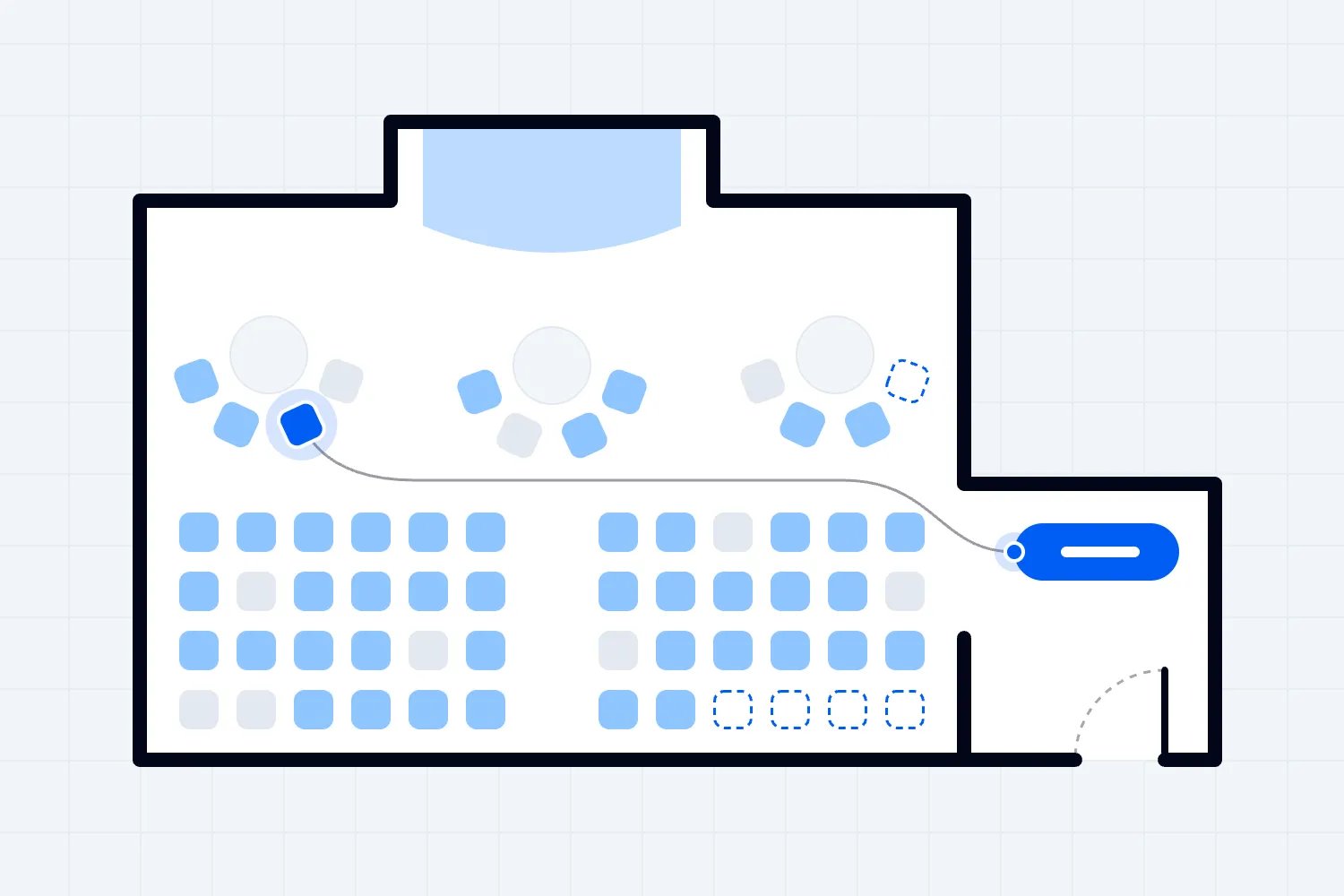
Suppose your fictional table booking includes admission for the named group and a separate drinks commitment. Ask how staff identify the included guests when they arrive at different times. Who holds the booking? Can the host check in some people without marking the whole party as present? Show the venue team the result.
Now try an extra guest. Does that person buy ordinary admission, pay an agreed supplement or need another approval? Ask how their payment affects the table booking and the room's capacity. A table label doesn't establish those relationships. The provider needs to demonstrate the exact setup your venue intends to sell.
Look beyond the ticket page when drinks are involved. Where does the deposit go, who records remaining spend and which business supplies the drinks? A ticketing platform's reserved seating tool may be useful for assigning places, but it doesn't establish that the platform manages bar tabs, minimum spends or table service.
Keep the buyer's receipt clear about each business's commitment. If your ticketing shortlist can't support the table arrangement directly, decide whether a separate booking process is acceptable and show staff how the records join. Don't disguise an unsupported workflow with a ticket name. That saves a sales conversation and creates a much harder conversation outside the venue.
Pay promoters for the sales you agreed
Promoters can contribute paid bookings, guest names and awareness. Decide which contribution you are paying for. If the agreement is commission per paid ticket, a busy guest list doesn't satisfy it. Your platform should show eligible ticket sales clearly enough that both sides understand the amount owed.
Start with the rate and its basis. Is it a fixed amount per ticket or a percentage of ticket price? Does it apply to every ticket type? What happens to discounts, refunded tickets, extra purchases and resale? Get those answers before inviting promoters, because a rate is only half an agreement.
With Loopyah's promoter tools, each promoter gets their own link and the event uses either a fixed or percentage commission. Sales credited through that link build their commission, which is paid from your payout. That removes the need to count those credited sales and transfer each commission yourself.
There is an important selection detail here. Loopyah uses one rate for the event, and the terms lock once the first promoter accepts. If your residency depends on different negotiated rates for individual promoters, establish whether you can change that commercial arrangement. Don't choose software on the assumption that every commission model works the same way.
Test the full sale with a promoter, rather than just looking at their dashboard. They accept terms, share their link, a buyer pays and both parties inspect the credited order. Then ask about a refund before payout. Loopyah states that it reduces the organiser and promoter shares proportionally in that case. Confirm later refund handling separately before making a wider promise.
Remember the promoter's buyer experience too. Open their shared link on a phone and check that it goes to the right edition with the correct tickets available. If several dates are on sale, ask how a promoter knows which link to send. Then inspect a purchase that includes several tickets in one order. The credited quantity and commission should match the accepted terms. Finally, confirm which business account the promoter needs for payment. Getting that setup completed before sales begin is easier than discovering after the night that someone can't receive what they earned.
Agree what venue settlement includes
A platform can report ticket receipts accurately while your venue settlement remains wrong. The venue agreement may use ticket price before deductions, money after particular fees or a fixed payment plus a share. Ask the provider to supply the records behind the calculation your agreement actually uses.
For a fictional example, imagine the venue receives half of admission receipts after an agreed room hire charge. You still need to define whether receipts include door upgrades, exclude refunds and deduct promoter commissions before the split. Saying fifty fifty doesn't answer any of that. Write out one completed calculation together.
Keep bar income separate unless your contract includes it. The ticketing report won't necessarily contain what the venue sold behind the bar. If a minimum bar spend changes the hire charge, agree who supplies that figure and when. A platform shouldn't be asked to infer money it never collected.
Ask for the trail behind each adjustment. You should be able to find a refunded order, a paid door upgrade and a promoter deduction without treating a chat screenshot as the transaction record. Then give the sample to the person who will prepare settlement. If they can't explain the figures, the demo isn't finished.
Multi-business arrangements need particular care. A venue owner, night promoter and table operator may each collect different payments. Confirm whether the shortlisted provider actually distributes any of those amounts or simply pays the selling account. Paying promoter commission automatically doesn't imply it can split every venue agreement. Establish what remains your accounting team's job before promising partners a simpler settlement.
Plan payouts around the next edition
Recurring nightlife businesses can have several dates selling while the previous night is still being settled. That makes it easy to look at a healthy account balance and assume the money is available for this week's bills. Ask how the provider separates event receipts, deductions and payouts across dates.
Your booking agreement may require payment before the night, immediately afterwards or once ticket money reaches the bank. Compare those obligations with the terms for your actual account. Confirm the country, currency and business verification requirements before putting a payout date into the venue deal.
Stripe's payout documentation distinguishes when funds become available from the payout schedule, and notes that the receiving bank may add time. A ticketing provider can also have its own arrangements. Ask for written terms from that provider rather than assuming the payment processor's general guidance tells you when your particular event gets paid.
Then ask about deductions spanning nights. If last week's event has a refund or payment dispute, can it reduce a later payout? What records identify the original event? What happens if the selling business changes or a residency moves venues? You need to explain those differences without rewriting every night's settlement.
Keep next week's money out of this week's profit calculation. It may help your cash position if the payout terms allow it, but the next event still has costs and potential refunds. Choose reporting that makes those commitments visible. A regular night is easier to grow when you can tell which edition earned money and which one merely brought cash forward.
Compare costs using your actual ticket mix
Use the same fictional sales plan with each provider. Include paid presales, door sales, comps, refunds and any tools you genuinely need. Ask for the total buyer payment and the amount your business receives. A cheap advertised fee doesn't tell you what happens across that mix.
In the US, the FTC's guidance on ticket fee disclosure says displayed live-event ticket prices must include known, calculable mandatory charges, with specified exclusions. Check how the provider supports the requirements applying to your sales. Passing a fee to the buyer doesn't remove the need to show the price properly.
For a fictional comparison in US dollars, one provider charges one dollar more per paid ticket than another, with everything else equal. Across four hundred paid tickets, that's four hundred dollars. Ask what the cost buys you on this night. A demonstrated workflow that removes recurring work may justify it. A feature you never use won't.
Include the cost of the process around the software. If your supervisor must manually resolve every table group, estimate the work using your own records. If commission payments are already handled automatically, don't add a second manual commission task to make another tool seem cheaper. Compare the processes you would actually run.
Ask which prices can change and what notice you receive. A residency may need the platform repeatedly, so check the agreement beyond launch night. Also establish what remains payable when an event is cancelled or you stop using the service. You need a decision that still makes sense after the introductory offer ends.
Keep the audience attached to your business
A recurring night gives you repeated chances to bring the right people back. Platform selection should include whether you can recognise previous buyers and contact those who are eligible to hear about the next edition. A collection of ticket orders is useful only if the records stay understandable across dates.
Ask how the provider distinguishes the buyer from everyone attending their booking. One person buying tickets for friends doesn't automatically give you contact details or marketing permission for the whole group. Then look at repeated purchases. Can you identify people returning to your night without manually combining every edition's orders?
Loopyah's attendee email tools build contacts from ticket buyers and record events, spend and whether they agreed to marketing. You can segment buyers using purchase information, and the product separates promotional sends from updates about an event somebody already paid for. Use that distinction when testing a venue change and a next edition announcement.
The UK's Information Commissioner's Office explains marketing permissions and the soft opt-in. The customer relationship alone doesn't remove all email marketing requirements. Ask how the platform records permissions and opt-outs for your business, then apply the rules relevant to your audience.
Venue partnerships make this especially important. Decide which business collected the data and what you agreed to tell buyers. Sharing a settlement report doesn't automatically authorise sharing a marketing list. Test what access the venue receives and what happens when the partnership ends. Your regular customers should have clear expectations about who will contact them.
Consider your last event with that venue. Ask what you can export, what records you can retain and what account access continues after the partnership ends. Test an unsubscribe before exporting and importing a sample list through the provider's approved process. You need to understand how that preference survives a routine move. Also check whether a door worker can see marketing records they don't need. Good audience access means the right business can use the right records for a legitimate purpose, with practical controls around everybody else's access.
Rehearse a busy entrance with the actual team
Bring your door supervisor and a venue representative into the trial. Give them ordinary staff access and let them work without the salesperson narrating every tap. The useful question is whether they can admit people and resolve exceptions with the information they'll actually have on the night.
Start with a normal paid ticket, then try a wrong date, a duplicate, a comp and part of a group booking. Add your early entry and table cases. Record where staff pause, what they need to ask and who can approve the next action. An exception that always requires your personal login will follow you inside.
Loopyah's check-in guide describes QR scanning and manual check-in. That gives you a starting workflow to test. Ask separately about several devices, connection requirements, duplicate handling and any proposed fallback. Don't infer offline operation or live occupancy tracking from a successful ticket scan.
If internet access fails, establish the provider's supported procedure and its limits. Which records remain available? How do staff avoid admitting the same booking twice? Who can pause admission while the problem is resolved? Test at the venue when possible, using the devices and network the team plans to rely on.
Finally, put an unresolved booking aside without blocking the entrance. Your venue team should decide where those enquiries go and who handles them. Ticketing software can supply records, but the location, staffing and safety of that arrangement remain operational decisions. A platform trial works best when the people who own those decisions can see the awkward cases themselves.
Include a phone with a dim screen, a booking under an unexpected buyer name and a guest whose confirmation email isn't immediately available. These are ordinary support problems, so ask staff to find the approved route without sharing administrator credentials. Note whether the lookup exposes information staff don't need. Then give the supervisor an interruption while another worker handles a valid ticket. The trial should show whether one enquiry blocks everyone else. If it does, change the staffing or process before deciding that a faster scanner will solve the queue.
Run a pilot before moving the whole residency
Use one edition for your first live test if the business arrangement allows it. Keep tickets for that edition clearly separate from any dates still sold elsewhere. Ask the provider to confirm the account is ready to take payments before announcing the link. A successful demo purchase doesn't verify your business account.
Train staff on the agreed exceptions, then record what happens during the pilot. Were guests buying the correct date? Could the supervisor distinguish comps and table guests? Did promoter orders produce the expected commissions? Keep specific incidents and the affected records, so support can investigate what happened.
Ask how urgent support works during your operating hours. A Saturday night problem needs a named channel and clear access for the supervisor. Confirm any response commitment in writing. If the provider only offers weekday help, decide whether your team can reasonably run the night with its documented fallback procedures.
The pilot ends after settlement. Trace receipts to the payout, check deductions against the agreement and review the audience records available for the next announcement. Only then decide whether to move further dates. The door can run smoothly while an unresolved money problem remains.
Keep the unanswered questions with the pilot records. Ask the provider to resolve each essential gap, name the supported process and show your supervisor how it works before you commit another date to the same setup.
Choose the platform that proves it can handle your recurring night, its guest promises and its financial agreements. Keep essentials as pass or fail decisions. Better marketing tools don't compensate for an unsupported table arrangement or unclear payout terms. When the trial and settlement both work, you have a reason to trust the next edition with it.

Author: By the Loopyah Content Team
The Loopyah Content Team shares expert insights, practical guides, and industry updates to help event organizers create unforgettable experiences and stay ahead in the event planning world.