· 21 min read
How to balance capacity across timed-entry sessions
Balance timed-entry capacity by planning how many people will be inside at the same time, then limit each arrival window against that plan. Count every admission route, protect the space you need for exceptions, and change availability only when the operating team can deliver the extra visits.
Selling the same number of tickets every half hour looks tidy. But your visitors don't disappear when the next session starts. Some are still browsing, a group arrives late, and the next group turns up early because their confirmation told them to allow plenty of time. Suddenly, every session is within its ticket limit and the entrance is still a mess.
This guide is for paid attractions, exhibitions, immersive experiences and other event businesses that admit visitors throughout the day. It covers overlapping visits, ticket allocation, arrival bottlenecks and the decisions your team needs before sales open. The aim is a day you can sell confidently and operate without constantly apologising at the door.
Decide what the time on the ticket means
The first thing you want to do is describe exactly what a visitor books. An arrival window controls when someone can enter. A fixed session controls when an experience starts and finishes. An appointment reserves a particular resource for a party. These formats need different capacity rules, even when the booking screen looks similar.
For an exhibition with flexible browsing, a ticket might permit entry during a stated window while the visitor stays until closing. For a guided experience, everyone may enter together and leave together. If your offer mixes those formats, explain which parts have fixed times. A timed workshop inside an open exhibition consumes capacity in both places.
Write the rule in a sentence your customer can understand without asking reception. "Enter between your booked times and stay until closing" creates a different promise from "Your visit begins at your booked time and lasts one hour." Neither is automatically better. Choose the one your experience, venue and staffing can support.
The National Park Service provides a useful real example. Its Rocky Mountain timed-entry rules distinguish a designated entry window from departure: visitors can remain after entering. That is a park-specific arrangement, not a recommendation for your event. It shows why the end of an arrival window cannot be treated as an automatic exit.
Check your ticket page, confirmation and staff briefing against the same definition. If marketing calls it a session, visitors may expect a complete experience within that period. If operations treats it as an entry window, the promise is already drifting. Fix the language before deciding how many tickets each time can hold.
Start with the venue and the experience
Get the venue's applicable capacity limits and operating requirements confirmed before setting ticket quantities. Establish which spaces they cover and who is included. Staff, contractors, guests and free companions may count differently under specific arrangements, but their presence still affects circulation. A commercial sales target cannot settle those questions for you.
The UK's Health and Safety Executive says crowd risk assessment should consider arrival, entry, movement, exit and dispersal. It also identifies safe venue capacity as part of assessing site suitability. Use the relevant requirements and competent advice for your location; don't turn a ticketing calculation into a safety assessment.
Then decide what attendance level lets you deliver the experience you sell within those limits. People may enter the building comfortably yet spend their visit waiting for its main attraction. Your operating plan needs to account for that room, the route leading to it and what happens when visitors stop longer than expected.
Walk the complete route with the venue and operating leads. Look at reception, coat storage, toilets, food service, popular exhibits and the exit. Ask where a queue would actually stand. An empty corridor on a floor plan can become the place everyone waits for the same photograph, blocking the route other visitors need.
Keep the limits separate in your planning notes. Record the venue requirements, the operating attendance you have chosen, and each restricted area or resource. Name who confirmed each limit. When a room closes or the layout changes, the team can see which sales assumptions need reviewing instead of searching for one unexplained capacity number.
Plan the overlap between arrival windows
For flexible visits, map admissions and departures across the day. Start with your observations or a rehearsal, then test what happens when visits take longer. An average visit length helps describe the day, but it hides the visitors who remain through several arrival windows. Those people still need space when new customers enter.
Track visits in intervals short enough to reveal the busy periods. Your sales window and observation interval don't have to match. A broad arrival window can contain a sharp rush just after it opens. Record how many people enter, how many leave and where the crowd collects, rather than assuming admissions arrive evenly throughout it.
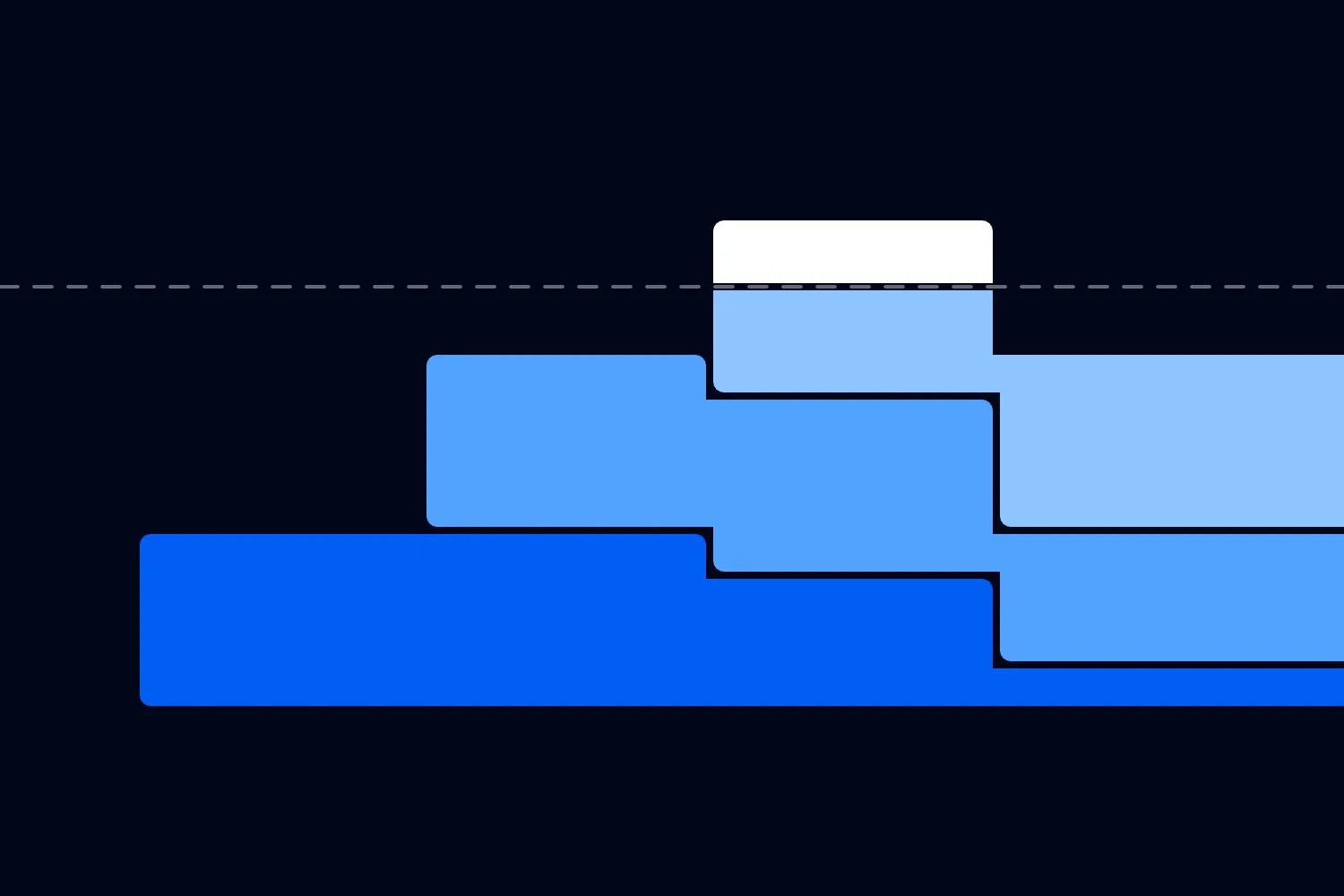
Here is a fictional example to explain the overlap, not a safe-capacity formula. An exhibition admits forty visitors at 10:00 and another forty at 10:30. By 11:00, ten people from the first group have left and nobody from the second group has left. Before the next admission, seventy visitors remain inside.
If forty more enter at 11:00, the total becomes one hundred and ten. Each arrival window sold only forty tickets. The problem is the combined attendance. Reducing the next window, increasing the gap between starts or changing the visit format could change that overlap, but each option needs testing against the actual experience and venue arrangements.
Extend the example beyond the first busy hour. Include visitors who stay for food, a repeat visit to an exhibit or a booked activity later in the day. If the ticket permits that behaviour, it belongs in the plan. Don't build your sales forecast on a departure time you never ask customers to follow.
Where a timed visit has an enforced finish, include the handover before the next group. Visitors need to leave, staff need to reset, and the entrance may need clearing. A room becoming vacant and a room becoming ready for customers are different moments. Rehearse both before packing the calendar with consecutive starts.
Make every admission draw from the same allowance
List every way someone can get in. Paid adult and child tickets are obvious. So are group bookings, complimentary tickets, members, sponsor guests, staff guests and sales at the door. A ticket category that costs nothing can still consume the same space as the ticket you charge for.
Define the booking unit for each route. Does a family ticket admit a fixed number of people or a variable party? Can children enter without a booked place? Does a group reservation cover its accompanying adults? The system needs quantities that reflect admissions, while the sales page needs wording that makes those quantities clear.
Give the allowance one owner across channels. If online sales, reception and a group sales team each have their own stock, decide how those quantities add up before releasing them. Selling twenty online tickets and holding twenty for walkups doesn't create forty extra places. Both allocations must sit inside the approved plan.
Use a simple reconciliation for each window. Record the total allowance, paid bookings, complimentary bookings, confirmed groups, protected holds and remaining saleable quantity. If a booking appears in more than one category, correct it. The point is to count admissions once and account for every place, not create a spreadsheet that competes with reliable booking records.
Be especially careful with tickets covering several activities. A visitor may need general admission plus a place in a workshop, but that's still one person in the building. The workshop has its own limit. Test that the booking arrangement prevents both an overfilled activity and double counting the same visitor in your wider occupancy forecast.
Hold capacity for a named reason
A hold is a place you deliberately keep unavailable to general buyers. Give it a reason, an owner and a review time. A provisional group, an agreed accessibility arrangement or an operating contingency may justify one. "Just in case" doesn't tell the next manager whether it is safe or fair to release.
Separate confirmed commitments from provisional requests. A confirmed party belongs in the admission plan even if its invoice hasn't been paid yet, according to your agreed terms. A tentative enquiry shouldn't block a desirable time forever. Give the group a clear deadline and make the expiry process visible to the person controlling availability.
Protect accessibility arrangements through your applicable requirements and the support you have agreed with visitors. Don't send everyone who needs assistance to the quietest session because it is convenient for staffing. Ask what the visitor needs, explain the available arrangements and ensure your booking process supports those choices without unnecessary personal information.
The HSE's crowd controls inside a venue cover clear routes, competent supervision and communication between staff. Those responsibilities matter when you protect places for operational reasons. A hold buys nothing if the team still cannot keep a route clear or provide the agreed assistance when visitors arrive.
Before releasing a hold, check the remaining bookings, current conditions and any outstanding commitment. Record the decision so reception doesn't honour an old promise after online sales consume the space. If the operating contingency is still needed, keep it. An unsold place can cost less than accepting a visit you cannot deliver properly.
Don't release places because a visitor hasn't arrived yet while their entry window remains open. A booking still represents a commitment. If you use a standby process after that window, define its conditions and record the decision. Never assume historical absences make extra admissions safe on a busy day.
Test the entrance separately from the room
The room may have space while the entrance struggles. Time the whole admission process, including ticket retrieval, scanning, searches where applicable, questions and group verification. Don't estimate entrance performance by timing one prepared staff member scanning one prepared phone. That test leaves out most of the work your team will actually do.
Here is a separate fictional rehearsal example. Suppose one lane completes a normal admission every twenty seconds. That is three admissions per minute, or thirty over ten minutes, if it works continuously. If sixty visitors arrive during those ten minutes, the lane can't admit them all in that period, even with no exceptions or interruptions.
A second identical lane would match that arrival total only under those simplified assumptions. It would leave no allowance for a booking problem, staff handover or equipment pause. The useful decision is to test additional cover, a different arrival pattern or a smaller release. These invented figures demonstrate arithmetic; they aren't a recommended scanner speed or staffing ratio.
| Label | Visitors |
|---|---|
| Visitors arriving | 60 |
| One lane can admit | 30 |
| Two identical lanes can admit | 60 |
Check whether the slowest step sits before or after scanning. A fast scanner won't fix a queue for bag checks. Adding a checker won't fix the doorway everyone must pass through next. Walk the test as a visitor and measure where they wait, with the actual entrance layout and procedures in place.
The HSE's guidance on crowd controls includes phased arrivals and warns against search procedures creating overcrowding risks. It also says queues should not block emergency access. Use that evidence to review the entrance arrangement, rather than treating a longer queue as a harmless way to store the next session.
Spread demand where the experience allows it
Don't confuse equal ticket quantities with balanced demand. A popular afternoon window may sell immediately while the morning stays empty. First find out why. Travel, school hours, food availability and the timing of a headline activity can make certain starts more useful to your audience. A discount won't solve a session that customers cannot attend.
Make the actual choices visible on the booking page. Explain differences in the offer, duration or programme where they exist. If every session delivers the same experience, say so. A buyer shouldn't have to guess whether the cheaper start excludes the feature they came for, especially when the ticket names suggest different levels of access.
Use quieter windows in relevant promotion once their offer is clear. Link customers to times with availability instead of promoting a sold out start and expecting them to search. Consider whether a group offer or an earlier activity would make a quieter period more useful. Confirm the staffing and space before adding the attraction.
Price changes should improve the day's economics, not simply fill the calendar. Work out what a discounted booking contributes after the costs it creates. If a quiet period requires extra opening hours and staff, cheap tickets may add work without covering it. Our event budget guide helps connect those operating choices to the money.
Keep promotional allocations inside the same capacity plan. A limited code, partner offer or complimentary campaign still consumes admissions. Review what happens when the offer succeeds, including the next arrival window. More sales at the quiet start are useful only if those visitors don't create a new overlap problem during the busy one.
Write arrival instructions that reduce confusion
Give visitors one clear arrival instruction tied to their booking. State the permitted entry window, the entrance and what they should have ready. If the experience has a fixed start, distinguish check-in from that start. "Arrive early" invites everyone to choose their own allowance, which can defeat the schedule you carefully planned.
Decide where early arrivals can go. If there is no suitable waiting space, explain when the entrance queue opens and provide truthful nearby options where practical. Don't promise customers can wait inside unless that attendance is included in your plan. Moving an early group through reception changes occupancy even when their attraction ticket hasn't been scanned.
Use reminders to repeat the practical details people need on their phones. Put the booked date and time near the top. Explain transport or entrance changes that affect arrival. Our event reminder examples can help you structure the message; the instructions themselves must come from your actual operating arrangement.
Make signs and staff language match those messages. A confirmation saying "arrival window" and a steward saying "you missed your show" make a manageable question feel like a dispute. Tell the team what visitors were promised, what the ticket allows and how to explain the next step when someone stands in the wrong queue.
Review instructions after the first operating day. Ask reception which questions keep coming back. If people repeatedly enter the wrong line, rewrite the instruction or change the sign rather than blaming their reading. The useful communication is the one customers can follow while travelling, managing children and trying to find your entrance.
Make late arrivals and re-entry deliberate decisions
Choose the late arrival policy before selling and check it against applicable customer rights. The policy needs to say what happens after the booked window, who decides and what alternatives you can honour. A promise to admit everyone at any later time removes the control that timed entry was meant to provide.
Give the operating manager a clear basis for exceptions. They need current attendance, expected arrivals and the affected area's condition. An apparently empty entrance doesn't prove the exhibition has space. If a late group moves to another window, update the booking and capacity records through the supported process so the old and new allocations don't conflict.
Separate customer lateness from organiser delay. If your entrance can't admit a visitor who arrived within the published window, don't treat them as a missed booking. Record where they joined the queue, explain the delay and offer the options appropriate to your terms and obligations. Your scheduling problem shouldn't become their penalty.
Decide whether re-entry is permitted and how it affects attendance. Someone leaving for lunch may return during a much busier period. If their original ticket still allows entry, the operating plan must account for that possibility. Specify any time restrictions and how staff recognise a valid return without weakening the control on new admissions.
Don't copy another attraction's grace period or return rule simply because it sounds generous. Your visit length, layout and demand differ. Test the policy against a sold out day, a delayed group and a closure inside the venue. Then write the version your staff can apply consistently while a customer is standing in front of them.
Use ticket records without mistaking them for occupancy
Ticket sales show what you have promised. Entry records show admissions through the process that records them. Neither automatically tells you everyone currently inside. If visitors can leave without an exit count, scan totals keep increasing even as rooms empty. If staff or guests use another entrance, that admission total may be incomplete.
Choose a counting arrangement that suits the site and the decisions you need to make. The HSE's crowd monitoring guidance covers overall attendance and crowd distribution, including counting at entrances and exits. It also notes that staff checking tickets need enough time to monitor crowds if that is part of their duties.
Give the team a shared interpretation of each number. Booked, admitted and currently inside should have distinct meanings. Record which entrances and exits contribute, how returns are handled and where counts may be uncertain. When two readings disagree, investigate the gap instead of picking whichever number allows more tickets to be sold.
Loopyah's ticket selling tools include QR ticket check-in using a phone and staff access. That supports the admission task and lets the right team members work with ticket records. Before opening sales, ask us to demonstrate your specific session setup, quantity limits and exception process with a test booking.
Test the conditions that matter to this event. Can a booking move without leaving two live admissions? What happens when different ticket types compete for the last places? How does the team identify the booked time? Confirm the answers in the actual setup. A successful QR scan doesn't establish shared capacity control or a live occupancy count.
Check the last admission against closing
Your final arrival window needs its own review. Work backwards from the time the public must leave and the experience you promised. If a normal visit includes several activities, don't sell a late start that leaves buyers unable to complete them. Make any shorter offer explicit before payment, with a price and description that fit it.
Check when facilities actually stop operating. Food service, cloakrooms, toilets, transport and individual exhibits may close before the building does. A visitor admitted near closing still needs the services included in their ticket. Ask each responsible team to confirm the last workable admission rather than accepting a single closing time as the answer for every department.
Keep staff cover through the final departure and closing tasks. Selling one more window can extend work across reception, security and cleaning, even if the attraction itself needs little resetting. Include those hours in the commercial decision. If the extra bookings don't cover the additional cost, an earlier finish may be the better business choice.
Plan how the team communicates closing without rushing customers who arrived on time. Give visitors the information early enough to choose their remaining activities. If you allowed late admission after your own delay, decide how you will honour the affected experience. Closing arrangements belong with that decision, not with a hurried announcement at the exit.
Reconcile cancellations before releasing places
A cancellation should change availability through the supported booking process. Confirm that the original admission is no longer valid and that the right window regains the right quantity. A refunded payment and a cancelled ticket are different records in some setups. Your team needs to know which action actually removes the customer's admission entitlement.
Check partial changes too. A group reducing its party size may release several admissions while retaining the booking. A family adding a companion can consume a place without adding paid revenue. Confirm the revised party size, the affected arrival window and any activity reservations. Otherwise, the finance record can look correct while the attendance plan remains wrong.
For a transfer between windows, check the destination before confirming it. Release the old allocation only when the change completes through your supported process. Send the visitor the revised booking details and explain which ticket to use. Reception needs a clear way to identify the current entitlement without having to untangle a conversation at the scanner.
Before sales open, rehearse the last remaining places with the booking provider. Use two different ticket types and two buyers trying to book at the same time. Add a group hold, cancel part of an order and move a booking into a nearly full window. Compare the resulting quantities with the plan you wrote before the test.
Repeat the test for any channel that can bypass ordinary checkout. Reception, a partner or a staff member might issue tickets through a different process. Ask whether the same limits apply there and what permission prevents an accidental override. Give people the access their role needs, then show them the consequences of issuing an extra admission.
Keep the results with your launch checks. Record the setup tested, the behaviour observed and anything still needing a decision. Resolve a failed quantity test before accepting real purchases. A launch date doesn't make an unclear capacity rule less consequential. Once customers have booked, correcting that rule may mean changing the experience you already sold them.
Give the team a response they can use
Write the operating instructions around decisions, not general requests to "keep things flowing". Identify who can pause admissions, who changes sales availability and who talks to visitors. The people watching the room need a quick route to the person controlling the entrance. A busy radio channel can otherwise leave each team acting on a different picture.
Agree the conditions that trigger a review or action with the responsible leads. Those conditions might include a blocked route, a failed admission lane, an unexpected group or a crowd building around an exhibit. Use your assessed arrangements and tested observations. Don't invent a universal percentage at which every attraction should pause entry.
Rehearse an internal closure. If the main exhibit becomes unavailable, decide whether arriving customers wait, receive a changed experience or get another option. Check the waiting area's suitability and the customer's purchase terms. Simply admitting the next group into the lobby moves the problem without restoring the thing they paid to see.
Prepare useful customer language. Staff should explain what is happening, what the visitor can do and when the next update will come. Don't give a confident wait estimate you can't support. If the delay changes, update people before they ask again. An honest explanation is easier to manage than a succession of promises that expire.
Keep ordinary crowd controls connected to the emergency plan. A pause in routine admissions is not an emergency evacuation procedure. The team must know when to call the responsible person and follow the relevant plan. Use the same venue contacts and communication arrangements so a problem doesn't get passed around while conditions worsen.
Review each window before changing the next day
At closing, compare the plan with what actually happened. Look at booked admissions, entry patterns, observed departures, queues, exceptions and the busy areas. Include the staff who saw those conditions. A daily ticket total can hide a difficult hour that cost overtime, refunds or lost sales inside the attraction.
Look for the cause before increasing capacity. A smoother entrance might reflect a smaller group, better preparation or a quiet day. It doesn't prove every future window can hold more people. Change the assumption the evidence supports, then test the resulting day again. Keep the reason with the revised allowance so later decisions have context.
Use a short operating record for each session. Include its booking allowance, allocations and holds, expected overlap, entrance cover, named decision maker and any actual exception. Add the observations that changed a decision during the day. Most fields should come from existing records; reserve manual notes for things the system doesn't capture.
Bring the commercial review alongside that record. Which starts sold, which offers shifted demand, and which periods needed extra labour? Separate revenue from the costs and concessions attached to delivering it. A packed window that generates complaints and unplanned staffing may be less valuable than a slightly smaller one that runs as promised.
Balance timed-entry sessions by connecting the ticket calendar to the people still inside and the service your team can deliver. Set the shared allowance, test the entrance, publish clear arrival rules and give one responsible manager control of changes. Then use the day you actually operated to improve the next one.

Author: By the Loopyah Content Team
The Loopyah Content Team shares expert insights, practical guides, and industry updates to help event organizers create unforgettable experiences and stay ahead in the event planning world.