· 21 min read
When do Bluetooth event badges justify their extra cost?
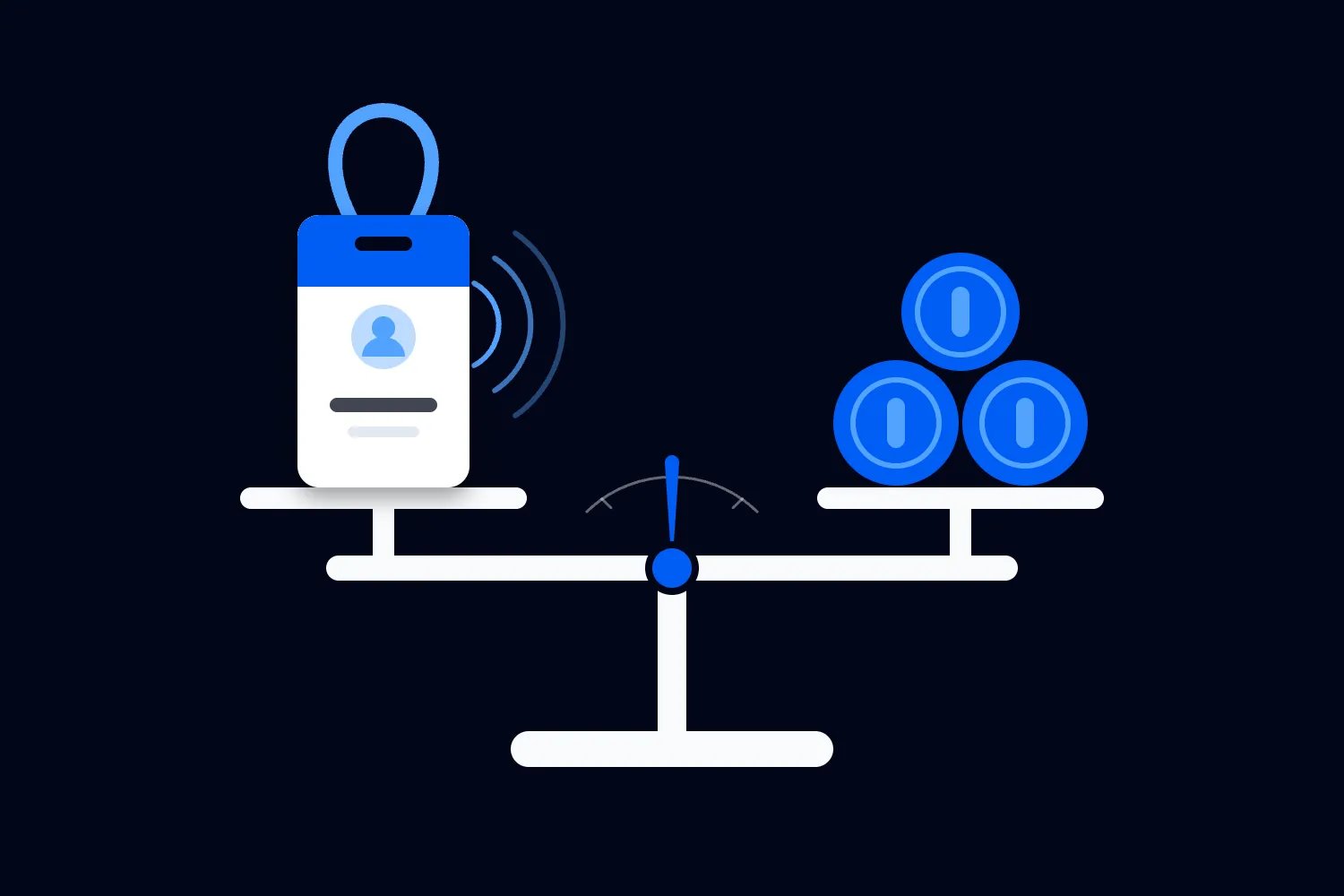
Your badge supplier can show you which rooms people visited, how long they stayed near an exhibitor and who exchanged contact details. It looks useful. Then you see the quote, and you have to decide whether knowing all that will make your event more profitable.
Bluetooth event badges justify their extra cost when the information or interactions they provide support a specific improvement you can afford and deliver. That might mean a sponsor paying for a clearly defined reporting service, attendees making useful connections more easily, or evidence that changes an expensive floor plan. If you mainly need to admit ticket holders, start with the admission system you already have.
The difficult part is working out how much of that value is real. A badge detected near a booth doesn't prove someone spoke to the exhibitor. A contact exchange doesn't prove the conversation led to business. And a detailed report doesn't improve next year's event unless somebody uses it to change something.
Before you commit, follow the whole process. What does the badge record? How does that become information you trust? Who will use it, and what will they do differently? Once you can answer those questions, the price becomes much easier to judge.
Start with the job you need the badge to do
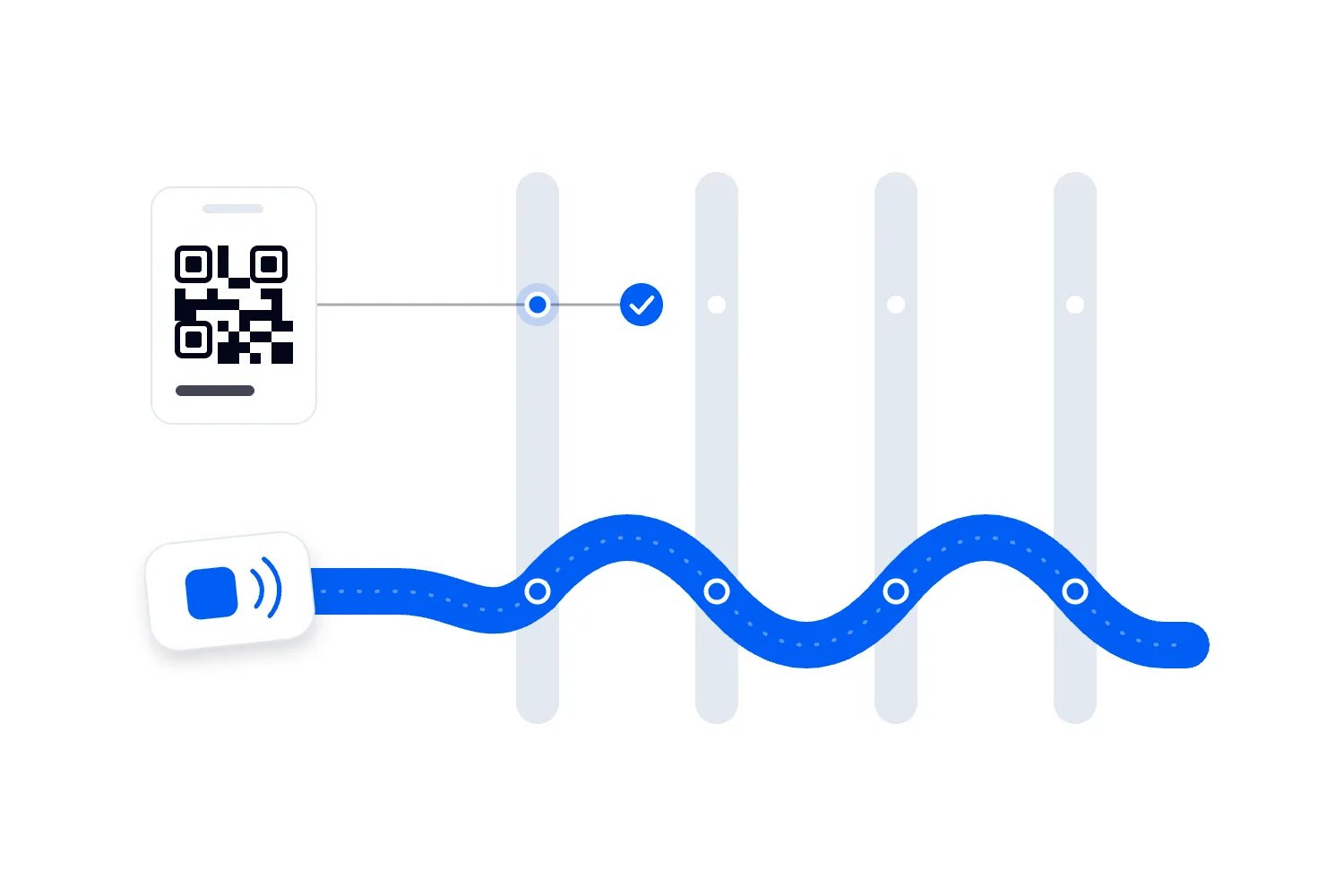
Bluetooth is a way for devices to communicate wirelessly. An event badge may use it to send an identifier to nearby equipment, record interactions with other badges, or support an action such as exchanging contact details. The supplier's hardware and software determine which of those things your event actually gets.
The Bluetooth Special Interest Group, which develops the technology's specifications, describes Bluetooth location services as including proximity and positioning applications. Those are different levels of information. Detecting that a badge is nearby is a different job from reliably placing its wearer inside a particular meeting room.
That distinction matters when you buy. A supplier might demonstrate contact exchange while its quote also mentions attendee tracking. Ask to see both working. Find out whether the badges communicate with each other, with installed receivers, with phones, or with some combination. Ask which functions depend on attendees installing an app.
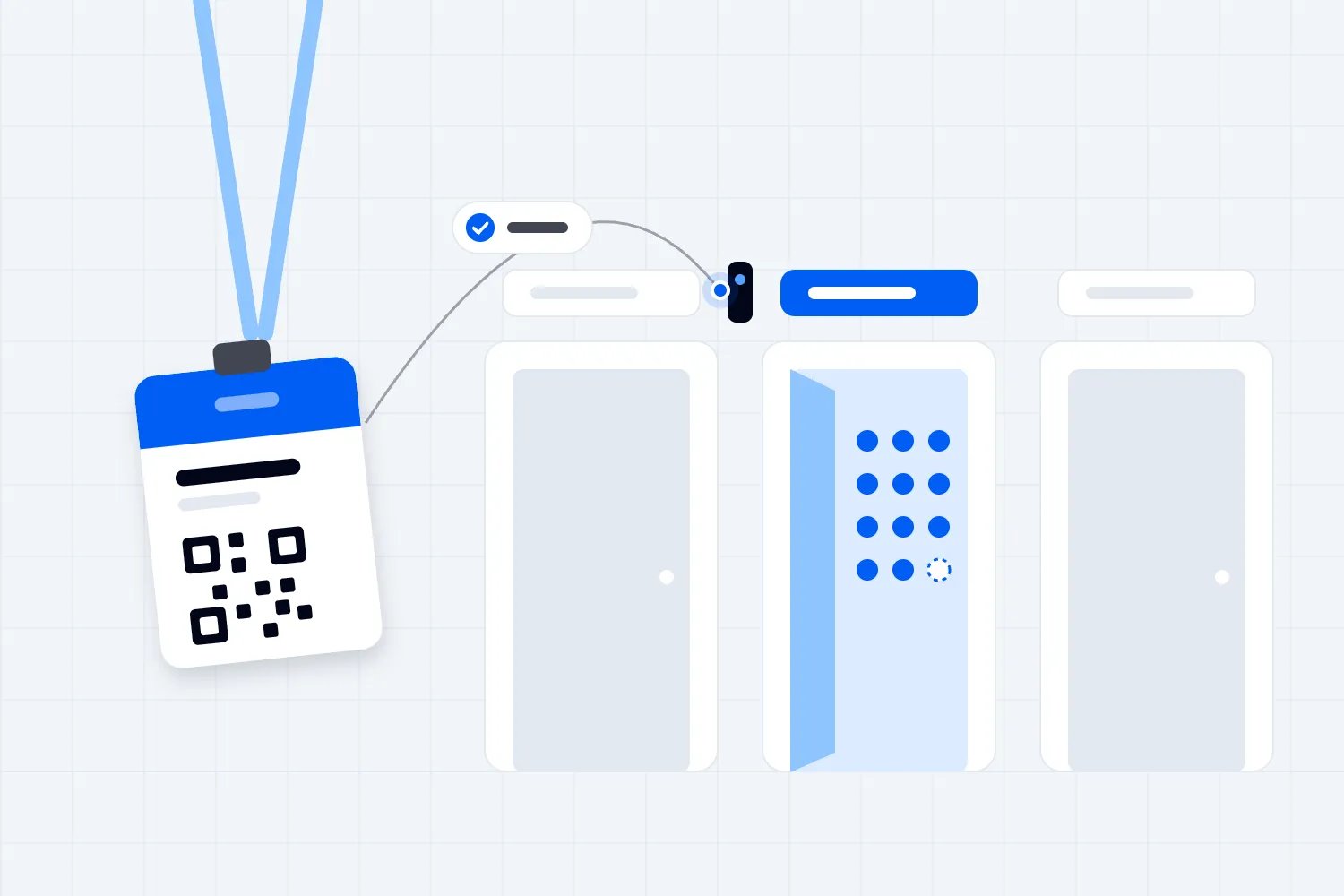
Then separate that work from admission. Your ticketing system decides whether someone has permission to enter. The badge may connect to that ticket record, but detecting its radio signal doesn't automatically establish a valid ticket or a permitted access area. Those rules still need suitable software and an operating process.
Our guide to RFID wristbands versus QR tickets covers the admission decision. Here, you're deciding whether to buy an additional way of understanding movement or helping people interact after arrival. You might keep QR admission and add Bluetooth badges for selected activities, if the proposed setup supports that arrangement.
Write down the problem before requesting the demonstration. Perhaps exhibitors say they can't explain the value of returning. Perhaps delegates struggle to save details after good conversations. Perhaps you're paying for an exhibition area without understanding how visitors use it. Each problem requires different evidence and a different service.
Decide what would change after you receive the information
Imagine you run a paid conference with an exhibition alongside it. Last year's exhibitors complained that the afternoon programme kept delegates away from their stands. You could ask about that in interviews, compare session timings with staff observations, or measure movement more systematically. Bluetooth is one possible method, not the conclusion.
The useful question is whether better information would change an expensive decision. You might move a break, reposition an entrance or shorten a competing session. If you can't alter any of those things because the programme and venue are fixed, the immediate benefit may be limited to planning the next edition.
That's still a legitimate reason to invest, especially when you repeat the same event. But give the planning team a clear question to investigate. A report showing movement everywhere can consume more time than a focused test of whether one route prevents visitors from reaching the exhibition.
Now consider a paid evening event with one performance area and little organised networking. You might learn where badge wearers gathered, but it's harder to identify a decision that needs individual movement records. Ordinary observations, sales records or a short attendee survey may answer the practical questions at lower cost.
I would be cautious about buying on the promise of understanding your audience better. It's too broad to price. Ask the person requesting the badges to finish this sentence in ordinary language: after we receive this report, we will decide whether to change this part of the event. Then discuss the likely financial effect.
Also ask when the information is needed. A useful report before next year's venue booking may be enough. A live operations team needs information quickly enough to respond during this event, plus someone authorised to make the change. Paying for live reporting brings little benefit if everybody who could act is busy elsewhere.
Don't confuse proximity with a conversation
A badge near a booth may belong to someone having a serious buying discussion. It may also belong to someone waiting for coffee, passing through a narrow aisle or talking to another delegate. The signal gives you an observation that needs interpretation. It doesn't give you the person's reason for being there.
Ask how the supplier defines a visit. Does one detection count? Must the badge remain nearby for a continuous period? What happens when the person leaves and comes back? Are exhibitors, staff and repeat visits separated? You need those answers before comparing the figures across stands or putting them into a sponsor report.
Dwell time means the time the system estimates a badge spent in a defined area. That can help you investigate attention, but it isn't a measurement of satisfaction or intent to purchase. Someone may remain at a stand because the demonstration is valuable, or because the staff member they need is unavailable.
An intentional contact exchange gives you different information. It records an action people chose to take, assuming the system makes that choice clear. Even then, ask exactly what the record means. Did both people agree to exchange details, did one person request information, or did a nearby receiver simply detect their badges?
Keep those categories separate in the report. You can describe detected visits, deliberate contact exchanges and booked followup meetings without pretending they are interchangeable. Our guide to measuring sponsor booth engagement beyond badge scans develops the wider measurement question. The badge should help answer it accurately.
Be particularly careful with language such as qualified lead. A badge can't know a visitor's purchasing authority or buying timetable unless somebody has supplied and checked that information. Agree the definition with the sponsor, explain how each field is obtained and leave unknown information unknown. A smaller honest report is easier to defend during renewal discussions.
Check whether the venue can support the measurement
A clear demonstration in an empty room tells you that the equipment works there. Your event may involve adjoining rooms, temporary partitions, crowded aisles and stands with their own structures. Ask the supplier to explain how it will distinguish the areas you actually need to measure.
Bluetooth SIG's explanation of what determines Bluetooth range identifies equipment choices, transmission power, antenna design and environmental obstructions as relevant factors. There isn't one reliable coverage distance you can copy into every venue plan. A radio signal reaching a receiver also doesn't establish that the wearer is standing in the intended reporting area.
This is where a bigger coverage claim can mislead you. Hearing badges across a large space might reduce the equipment needed for a rough presence check. It doesn't automatically make it easier to distinguish neighbouring exhibition stands. Your purchasing requirement should describe the distinction the report must make, rather than request the longest range.
Bluetooth SIG also describes direction finding methods that use particular antenna arrangements to determine signal direction. That capability depends on compatible equipment and implementation. Don't assume every badge quote includes it, or that a technology's possible positioning accuracy is a promise about your event installation.
Show the supplier the floor plan and the decisions it must support. If the exhibition borders a catering area, ask how it will separate a booth visit from a person queuing nearby. If sessions run in adjoining rooms, ask what happens to people sitting next to the shared wall.
Get the proposed receiver locations, power requirements and installation responsibilities in writing. Confirm who approves mounting equipment and when the team can access the venue. A quote that assumes unrestricted setup time can change once the venue tells you its actual access arrangements. Include that constraint before comparing suppliers.
Price the whole service against your cheaper alternative
The badge unit price is only part of your cost. Ask for the software, receivers, installation, configuration, shipping, training, event support and reporting work needed for your chosen functions. Include spares and replacements, and find out what happens financially when rented equipment comes back damaged or doesn't come back at all.
Find out who links each badge to the right attendee record. That work might happen before delivery or at registration. Either way, someone must manage late bookings, substitutions and incorrect assignments. A badge associated with the wrong person creates misleading reports as well as an awkward attendee experience.
Include your team's time. Someone will approve report definitions, check the data arrangements, train staff, answer attendee questions and use the results. Those tasks don't all require extra hires, but they do consume time that could have gone into selling tickets, supporting exhibitors or preparing the programme.
Compare that total with an alternative that does the actual job. For contact exchange, this might be a simpler agreed method attendees already understand. For a floor plan decision, it might be structured observations and interviews. For sponsor reporting, it might be records of booked meetings and deliberate information requests.
You don't need to choose the cheapest possible method. A more expensive system can be worthwhile when it saves enough work or provides evidence you genuinely can't obtain otherwise. The comparison just prevents you from treating the existing operation as useless because it produces a less impressive dashboard.
For reusable equipment, ask who owns it and how reuse works in practice. Storage, testing, charging, transport and recovery still need an owner. Spread purchase costs across future editions only when you have a reasonable plan to use the equipment again. A hoped for event series isn't the same thing as confirmed future use.
Work out how the extra cost could pay back
Here's a hypothetical example in USD, using invented amounts to show the calculation rather than suggest a market price. Suppose the complete Bluetooth service costs $12,000 more than your practical alternative. That additional amount is what the proposed benefits need to cover. The full event budget doesn't change the arithmetic.
Suppose a sponsor agrees to pay an additional $8,000 for a defined service that includes deliberate contact exchanges and an agreed report. Delivering that sponsor service costs another $2,000 in staff time and fulfilment. You would have $6,000 left to contribute towards the badge premium, leaving $6,000 still to justify.
| Label | Amount |
|---|---|
| Extra cost of the badge service | 12000 |
| Extra sponsor payment | 8000 |
| Cost to deliver the sponsor service | 2000 |
| Left from the sponsor deal | 6000 |
| Still to justify | 6000 |
That remaining amount might come from documented savings or another credible revenue source. It shouldn't come from calling every detected visitor a lead and assigning an optimistic value to each one. The sponsor's possible future sales aren't automatically revenue for your event business, and the sponsor may not pay you more for collecting additional signals.
Be careful about double counting. If the sponsor payment already includes the report, you can't count the same report again as a separate financial benefit. If existing staff produce it during time already included in the service cost, don't invent a second saving unless the arrangement actually removes other paid work.
Run the example again without the additional sponsor payment. Would you still buy? That question shows how dependent the decision is on a commercial agreement. If the answer changes completely, confirm the agreement before accepting the badge commitment. An enthusiastic conversation with the sponsor's event representative may still need budget approval.
A planning benefit can also justify spending, but describe it honestly. If better movement information might help you avoid hiring an unnecessary area next year, compare the possible saving with the cost of obtaining reliable evidence. Don't record the full future saving as guaranteed while the venue decision remains unresolved.
Ask sponsors what they will actually use
Talk to the sponsor before designing the package. Ask what its team needs to decide whether to return, which attendee actions matter and who reviews the evidence internally. You may discover that a modest number of relevant conversations matters much more than a large count of people passing nearby.
Share a sample report with the definitions included. Explain what the system observes directly, what the software estimates and what the sponsor must supply. If the sponsor wants sales outcomes, agree how it will report those later. You can't establish a resulting sale from a location record alone.
Make sure the sponsor understands the limits of comparison. A stand near the entrance may receive more passing traffic than a stand where visitors arrive deliberately. Differences in floor space, session timing and activities can influence the figures. Reporting one stand as better without explaining those conditions risks creating arguments about placement.
Agree when the report will arrive and who answers questions about it. A renewal conversation can suffer if the account manager cannot explain why repeat visits were counted differently from last year's report. Keep the definitions available alongside the figures so the sponsor can understand the result without reconstructing the event.
Tie any price increase to a service you can describe and fulfil. More information doesn't automatically justify a higher package price. The sponsor needs to see how the service helps its team, and you need enough payment to cover delivery. If those interests don't meet, simplify the offer before adding equipment.
Avoid promising every sponsor the same attendee information. What you can share depends on the arrangement, the purpose and the applicable rules. Our guide to permission for sharing attendee details with sponsors covers that decision. Set those limits before your sales team writes the offer.
Give attendees a reason to use the badge
If the main benefit is easier networking, explain the attendee's experience in concrete terms. Show how they exchange details, where those details appear and how to correct a mistake. If they need an account or app, tell them before arrival and check that the setup is manageable for your audience.
Walk through the whole interaction. Two people finish a good conversation and want to stay in touch. What do they each do? How do they know the exchange worked? Can they retrieve the details after the event? A neat badge action loses its value if neither person knows where the contact went.
Ask how the system handles unwanted exchanges. People should understand whether an action shares their information, requests someone else's information or saves content. Train your team to explain that difference. A vague instruction to press the button whenever you meet someone can cause confusion that follows attendees home.
Don't assume every interaction needs to happen digitally. Someone may prefer to exchange a business card or contact details another way. Your event can support that preference while offering the badge to people who find it useful. If participation is optional, make sure the alternative works without repeated explanations at registration.
Consider people who cannot comfortably perform the expected action or use the required app. Ask the supplier to demonstrate the available assistance and alternatives. Put those procedures into staff training. An attendee who has paid for the event shouldn't have to miss the networking opportunity because the chosen interaction is inaccessible to them.
Then consider badge collection itself. People need the right badge, an understandable explanation and a way to get help later. Include those steps in your registration rehearsal. You may decide the networking benefit is worth the extra work, but the decision should include that work instead of measuring only the moment two badges interact.
Set the data rules before people arrive
A badge identifier can still relate to a person when your systems link it to their registration. Removing their name from a dashboard doesn't automatically make the underlying record anonymous. Ask the supplier to show what each organisation receives and who can reconnect movement or interaction records to an attendee.
Decide the purpose of each collection. Understanding total room use may require different information from helping an attendee retrieve their contacts. A sponsor requesting a list of visitors introduces another purpose again. Grouping all those activities under event analytics makes it harder to explain what happens or decide what is necessary.
The UK's Information Commissioner's Office says organisations should collect personal data that is adequate, relevant and limited to what is necessary for their purpose. For an operator, the practical buying question is whether you need identifiable movement histories to answer the planning question, or whether an appropriately prepared aggregate report would be sufficient.
Explain the proposed collection before attendees receive the badge. The ICO's right to be informed guidance covers information including the purpose, retention period and sharing of personal data. Those pages are being reviewed following UK legislative changes, so confirm the current obligations for your location and proposed use.
Have the person responsible for data protection review the actual arrangement, including the appropriate legal basis, supplier responsibilities, access controls and deletion process. Agree whether individual movement information is necessary at all. If a proposed use raises additional privacy risks, resolve those before collection rather than treating the badge purchase as approval.
Test the explanation with someone outside the project. Can they tell you whether their presence is recorded automatically, what an intentional exchange shares and who receives their details? If the answer is unclear, improve the process and wording before launch. Clear information also gives registration staff something accurate to say when attendees ask.
Make event day support part of the purchase
The person selling the system may understand every setting. Your registration team and exhibitor staff won't have that background. Ask who trains them, what they need to remember and where they get help when something looks wrong. The service needs to work for the people you will actually employ.
Build a straightforward replacement procedure. Staff should confirm the attendee's identity, issue the correct replacement and understand what happens to the original badge and its records. If the supplier handles that process, rehearse the handoff. A replacement that restores networking but splits the attendee's reporting history needs an explanation in the final data.
Check battery arrangements for the functions you intend to use. Ask the supplier to specify the expected operating period under that configuration and its procedure for checking badges before issue. Don't copy a battery claim from a different model or lighter use. If charging is required, identify where it happens and who does it.
For equipment that depends on connectivity, agree who supplies the connection and who tests it. Your venue's ordinary guest network may come with conditions the supplier cannot accept. Get those conditions discussed early, together with access times and support hours, so the final quote describes an arrangement everybody can deliver.
Give exhibitors instructions that match the report definitions. If a deliberate exchange requires both people to act, explain that. If a booth receiver records proximity automatically, don't tell stand staff that everybody detected has requested a sales call. Staff training affects the meaning of the information as much as it affects use of the equipment.
Keep admission contingencies separate and clear. A reporting outage shouldn't cause staff to improvise ticket permissions, while a ticket query shouldn't require somebody to understand movement analytics. If the same supplier provides both services, ask it to demonstrate which functions remain available when another part fails. Put the relevant response into each team's instructions.
Finally, name the person who checks the reports after the event. They should have access to the definitions, known outages, replacement records and agreed exclusions. Without that context, an apparently precise figure can become an argument that takes several colleagues to resolve. Include this review work in your delivery plan and cost comparison.
Run a trial that can change your decision
A useful pilot starts with a question the equipment could fail to answer. Choose the areas or interactions that matter to the business case, including awkward boundaries. Agree what a satisfactory result looks like before the supplier sets up, and identify who on your team can reject an unsuitable result.
Use consenting test participants following known routes and actions, with appropriate information about the trial. Record what actually happened so you can compare it with the system's report. Include someone walking past a stand, someone stopping there and someone waiting in the neighbouring area. Those cases test the distinctions your sponsor report needs.
Also check who the report represents. If only some attendees wear working badges, the figures describe those people. They don't automatically describe everybody who bought a ticket. Ask the supplier to show how many attendees were eligible, how many received a badge and how many generated usable records for the specific measure.
That matters when participation differs across your audience. Delegates interested in networking might use contact exchange more enthusiastically than people attending for the sessions. A report about those exchanges can still be useful, but it shouldn't become a claim that the whole audience shared the same preferences. Explain the limitation when interpreting it.
Keep staff and supplier devices out of attendee measures where appropriate, and agree how test badges are identified. During setup, your team may repeatedly walk through the areas you later want to compare. If those records remain mixed with public attendance, an installation morning can distort the story you tell about visitor activity after doors open that day.
Ask what happens when a badge stops working, a receiver loses power or the reporting connection drops. The useful answer describes what gets recorded, what is lost and what appears later. Missing information should remain visible as a limitation, rather than quietly becoming a conclusion that nobody visited an area.
Finish by asking a colleague to use the trial report for the decision you originally named. Can they explain which area needs changing and why? Can a sponsor understand the difference between a visit and a deliberate exchange? If the report cannot support that conversation, more badges won't fix the problem.
Make the purchase conditional on the result you need
After the pilot, return to the original problem and the full quote. You should be able to explain which function you are buying, why the cheaper alternative is insufficient and how the expected benefit relates to the additional cost. If the explanation still depends on people being impressed by the badge, keep working on the requirement.
Ask for the reporting definitions and delivery commitments in the agreement. Include the areas being measured, the information you will receive and the agreed treatment of incomplete records. Describe the support the supplier provides during the event and the assistance available afterwards. That gives you something concrete to check when the service is delivered.
Be clear about which benefits belong to this edition and which depend on later events. Attendees exchanging details can benefit immediately. A revised floor plan may help a future edition, provided the team uses the evidence before booking. Both can matter, but they have different uncertainties and shouldn't be presented as confirmed income today.
You can also choose a smaller purchase. If the main question concerns one exhibition area, ask whether a limited deployment would answer it without creating misleading coverage expectations elsewhere. If the primary value is contact exchange, price that service separately from movement reporting. A focused arrangement may be easier to explain, operate and evaluate.
Set a review date that matches the decision. If sponsorship renewals start soon after the event, the evidence needs to arrive in time for those conversations. If the report will inform the next venue booking, schedule the review before that commitment. Useful information delivered after the relevant decision has already been made has lost much of its value.
Bluetooth badges can be worth paying for when the event has a specific information gap or interaction problem and the proposed service solves it reliably. Proceed when the trial supports the requirement, the data arrangements are clear and the additional cost has a credible justification. Otherwise, keep the simpler method and spend the difference on a problem you can already explain.

Author: By the Loopyah Content Team
The Loopyah Content Team shares expert insights, practical guides, and industry updates to help event organizers create unforgettable experiences and stay ahead in the event planning world.