· 27 min read
How to set ticket purchase limits for a high-demand event

Your event is about to go on sale, and you know some people will buy for their friends. You also know that one determined buyer could take a large part of the room before everyone else gets a chance. So how many tickets should you let one person buy?
Set the limit around the group bookings you want to accommodate, the inventory available and the purchasing behaviour you can actually check. Then define whether that number applies to one order or to everything a buyer purchases for the event. Those are different rules, and confusing them is how a four-ticket limit becomes twelve tickets across three checkouts.
There isn't a universally fair number. A two-ticket cap might suit a tiny performance with heavy demand, but make an ordinary family booking impossible. A generous cap might support conference teams while allowing a handful of purchasers to dominate a small release. You need a reason for the number, a working way to apply it and a clear route for legitimate exceptions.
This guide works through that decision for a paid event. We'll use a fictional 600-admission show to make the choices concrete, then cover repeat orders, bundles, access requirements, buyer messages and what to test before launch. All example quantities and costs are invented planning assumptions, not industry benchmarks or recommended venue capacities.
Start with the problem the limit should solve
The first thing you want to do is say why you're setting a limit. "It's a popular event" doesn't tell your team enough. Are you trying to distribute a small opening release more widely? Stop one person buying every premium seat? Preserve a reasonable chance for existing customers? Or keep a group booking within the number of people your workshop can teach together?
Those goals lead to different settings. A limit on premium tickets doesn't necessarily need to apply to every general admission ticket. A limit for one performance may have no sensible application across an entire season. A purchase rule also won't establish the safe number of people your venue can accommodate. Capacity has to be determined separately before you choose how to distribute the available tickets.
Write a useful internal objective. For example, you want ordinary groups to buy together while preventing any one purchaser from taking more than four admissions to Saturday's show during the opening sale. That statement identifies the event, the unit being counted and the period in which the rule applies. It gives support something to explain when a buyer asks for six.
Be careful with the word "fair." You can explain the opportunity you're trying to protect, but you can't promise everyone a ticket. People arrive at different times, face different internet connections and may find the price unaffordable. A purchase limit addresses one part of access to inventory. It doesn't settle every reason somebody misses out.
Also separate ticket concentration from payment fraud. A buyer can use their own valid payment method and still breach your published limit. Another order can be within the limit while raising a payment concern. Our guide to reviewing suspicious ticket orders covers the payment investigation. Here, the question is how many admissions the buyer is allowed to obtain.
Choose one person to approve the policy before sales open. Sales, support and the venue can contribute, but someone needs to resolve conflicting requests. Otherwise, the marketing team advertises one rule, the checkout applies another and a partner quietly offers a third. You won't discover the inconsistency until someone sends you screenshots.
Define exactly what you are counting
"Maximum four tickets" sounds clear until someone asks whether a weekend pass counts once or twice. Before choosing the number, define what one ticket means in your event setup. It might be one admission to one performance, one person attending a whole weekend, or one package that admits several people.
A per-order limit counts the tickets in a single checkout. If the maximum is four, the buyer should not be able to complete an order for five counted tickets. Unless another control applies, that says nothing about a later order. You can have a perfectly functioning per-order maximum and still sell the same person another four tickets ten minutes later.
A per-buyer event limit counts the buyer's purchases across the scope you've specified. If your policy allows four admissions to Saturday's performance and the buyer already holds three counted admissions from an earlier order, they have room for one more. Whether your system can identify that buyer reliably is a separate question you need to verify.
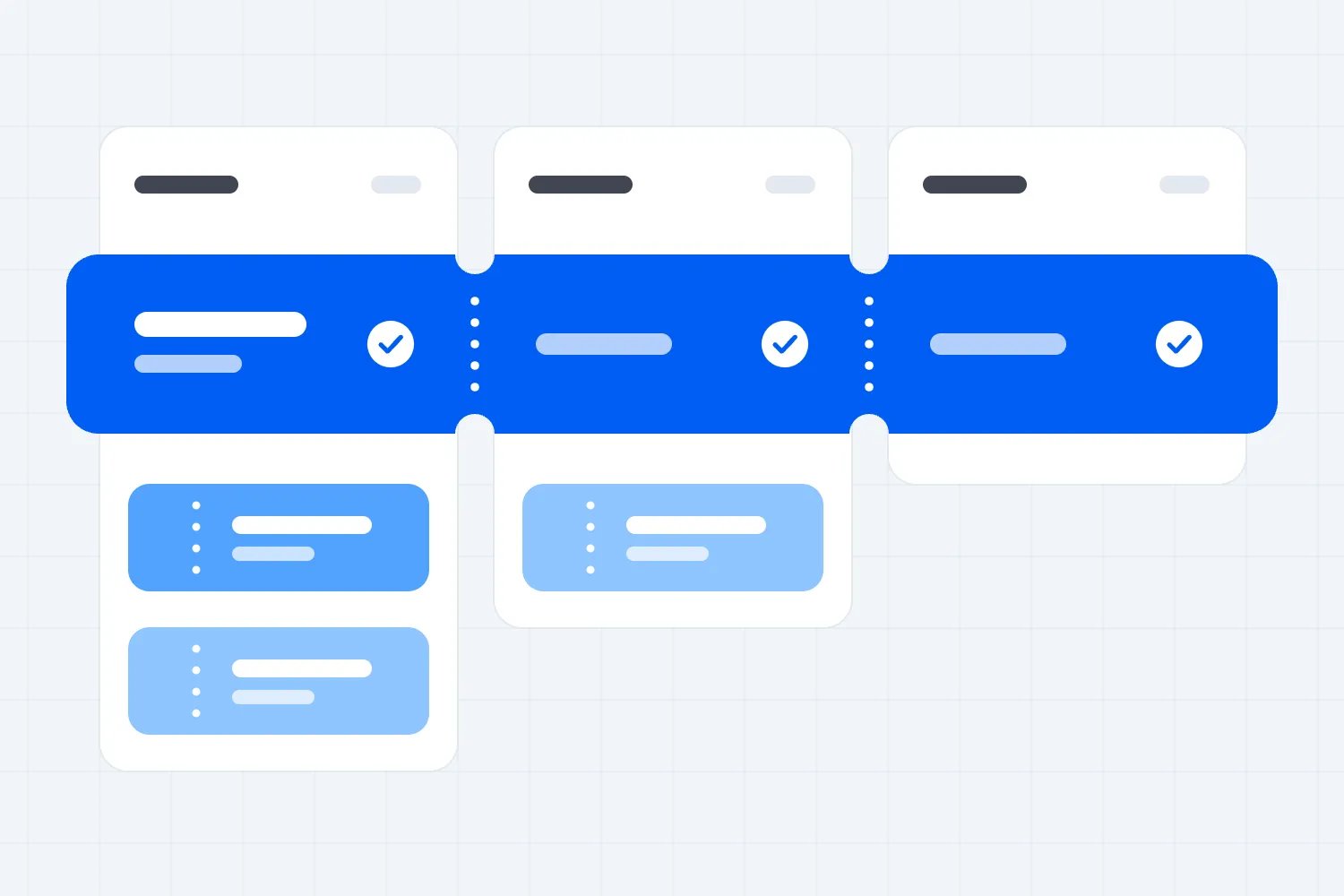
A ticket-type limit applies to a category, such as premium admission. An event-wide limit applies across the categories included in the rule. Both can operate together. A fictional policy could allow four admissions overall, including no more than two premium admissions. An order with two premium and two standard tickets fits. Three premium tickets does not, even though the total remains below four.
Keep admission units separate from extras. A parking pass, drink token or merchandise item may appear in the same checkout without admitting another person. A family package might appear as one product while admitting four people. If the purpose is to distribute places, the policy should count the actual admissions covered by the package, and your configured controls need to support that interpretation.
Write down how multi-date products work too. A weekend pass might use one place on Saturday and one on Sunday while remaining one purchased pass. Your purchase rule could cap passes per buyer, admissions per performance or both. The setup should preserve each day's capacity without accidentally counting the same person twice against a policy intended to limit group size.
This is one reason to settle ticket structure before writing the purchase terms. Our ticket management guide covers the wider connection between ticket entitlements, capacity, checkout and entry. For a high-demand sale, add a plain definition of the units the purchase cap counts. Staff should be able to apply it to a mixed basket without guessing.
Choose a number your audience can live with
Start with your own completed bookings from comparable events. Look at how many admissions people purchased together, which ticket categories they combined and which larger orders came through an agreed group-sales route. Use a comparable event rather than treating every booking your business has ever received as equally relevant.
A recurring comedy night and a professional conference can have very different booking patterns. Even within one series, a headline performance may attract pairs while a daytime family programme attracts larger households. If you have no history, describe the intended buying group and test the proposal with people who resemble that audience. Treat their feedback as useful input, not a statistically representative result.
Then inspect the inventory available in the release. In our fictional show, the approved audience inventory is 600 admissions. The opening public allocation contains 480 paid admissions, while 80 remain unavailable for later production decisions and 40 are allocated to guests. Those allocations sum to 600. They are example inventory decisions, not safety guidance.
A four-admission buyer cap means that selling all 480 opening admissions requires at least 120 distinct buyers if the rule is fully enforced and every one of those buyers takes the maximum. A two-admission cap raises that arithmetic minimum to 240. A six-admission cap lowers it to 80. None of those figures predicts how many people will buy or whether tickets will sell out.
The calculation helps you see concentration. It doesn't tell you which cap is best. Perhaps most genuine groups in your recent comparable sales needed three or four places, making two unnecessarily awkward. Perhaps a scarce premium section deserves a smaller category cap while the overall allowance remains four. Make that decision using the audience you intend to serve.
Avoid choosing an unusually low limit merely because it sounds protective. If families have to split into several purchases, they may pay attention to different seat availability, miss each other's rows or abandon the booking entirely. Your support team may then spend the launch helping people navigate a restriction you could have designed more sensibly.
Equally, don't make the cap so high that it barely affects the behaviour you're worried about. If a single purchase can consume a meaningful part of a small room, ask whether there is a genuine group requirement behind that number. A separately managed group booking may be more appropriate than allowing every public checkout to take the same quantity.
Record the rejected options and a short reason. You don't need an elaborate report. You need enough context for a colleague to understand why the limit is four when an artist asks to raise it on launch morning. That note is also useful after the event, when you can compare the original assumptions with what buyers actually did.
Keep groups and access requirements in the decision
A group booking is not automatically an attempt to evade your rules. Families, friends, school parties and colleagues often want one person to organize payment. If your public limit excludes a group you want in the room, decide how they can book before they start splitting purchases across different email addresses.
You might offer a reviewed group request before the public sale, with a limited allocation and a clear deadline. Explain that a request doesn't reserve tickets until your team confirms it. Assign someone who can approve the quantity, payment route and seating arrangement. Don't leave an informal message to an artist or promoter acting as an unlimited promise.
An exception should have a reason connected to the policy. An agreed educational group or a contracted sponsor allocation is different from a public buyer asking for more because the checkout stopped them. Keep those routes visible to the colleagues who enforce the rule, while restricting access to the personal information they don't need.
Accessible seating needs particular care. For covered US assigned-seat sales, the Department of Justice's ticket sales guidance describes comparable purchasing conditions, companion seating and how public purchase limits apply. A public cap below four also applies to accessible-seat purchases; higher public allowances must also be available, with specific companion-seat arrangements. Read the guidance for the actual setup rather than inventing a separate lower allowance.
The same guidance says venues cannot require proof of disability to purchase accessible seats. Your group review should not become a demand for medical documents. Ask for information relevant to arranging the booking through an appropriate process. Make sure an access request can be handled in time for the same sale opportunities available to other buyers.
For our fictional show, suppose a community group requests six admissions before launch. If approved, six places must come from a defined allocation within the same 600-admission total. You cannot approve them as a favour and then leave every public ticket available. Record whether the six reduce the 480 opening allocation or another authorized paid allocation, and update the relevant records before confirmation.
Keep group exceptions separate from free guest places. A group that pays for six admissions contributes ticket revenue and uses six places. Six complimentary admissions also use six places but produce different revenue. Calling both "group tickets" hides a commercial difference your finance and event teams need to see.
If you're not accepting larger public groups, say so plainly and explain the normal allowance. Don't suggest buyers should make several orders to get around a buyer-wide rule. That advice turns your own support team into the source of inconsistent enforcement. If you want to permit a larger booking, approve and record the exception through the route you designed.
Test how the platform applies the policy
A written buyer limit is only useful when you understand how the ticketing setup applies it. Ask whether the configured maximum is per checkout, per ticket type, per buyer or per event. Get the answer for your actual event and purchase routes. Similar labels in two products can describe different behaviour.
Loopyah's live ticket selling page describes a cap of one to twenty tickets per buyer for an event. That's the relevant capability when you want to restrict how much one purchaser can obtain. Confirm how the chosen limit handles repeat orders, mixed ticket types, packages and order changes before promising those details to customers.
Don't infer identity matching from the presence of a limit setting. Ask what the provider uses to connect purchases and what happens when somebody changes email addresses or pays for another attendee. You don't need confidential anti-abuse methods published on the event page. You do need a realistic understanding of what the system will prevent and what may need review.
Test the first purchase and the next one. In a provider-approved test, try an order at the allowance, an order above it and another order after the allowance has been used. Include a buyer with an existing presale purchase. If your policy counts presale admissions towards the event total, the general-sale configuration must behave accordingly.
Next, try mixed ticket types. With a four-admission event cap and a two-premium cap in our example, test two premium plus two standard admissions, then three premium plus one standard. Check what the buyer sees when the basket is rejected. An error should explain the adjustment needed without leaving them to discover the rule through repeated failures.
Test packages and extras separately. A bundle may be stored as one checkout item, several underlying tickets or another product structure. Your provider should explain how the limit counts it. Don't publish "four admissions" if the setting actually allows four packages of four admissions and your team has never checked the difference.
Then test the less obvious routes. Buyers may arrive through your website, an embedded event page, a promoter link or a direct link to a particular ticket. The policy should work wherever it is intended to apply. A limit that appears only on the main page doesn't support an event-wide promise if other purchase routes behave differently.
Finally, test changes after purchase. Ask what happens to the allowance after a failed payment, a refund, a cancellation or a transfer. Does it count active tickets held by a purchaser, lifetime admissions purchased for the event or something else? Write your public rule around behaviour you can verify. Where a specific exception needs support, name that route rather than making a promise the checkout cannot keep.
Decide whether a changed order restores the allowance
Here is a case worth working through with support. A buyer purchases four admissions, then asks to return two. If the refund completes, does the buyer become eligible to purchase two again? Your answer depends on whether the policy counts current admissions or all purchases made during the sale. Neither interpretation should be left for a customer to discover by trial and error.
A current-holdings rule can make sense when the purpose is to prevent one buyer controlling too much inventory at once. But your provider has to explain how the count changes after the returned admissions stop being valid. Otherwise, the buyer may receive a refund yet remain unable to complete a permitted replacement purchase. Support needs a documented way to resolve that case.
A transfer raises a different question. If the purchaser sends tickets to friends, those admissions may still belong to the original purchase for the purpose of your cap. Treating every transfer as a fresh allowance could defeat the policy you intended. Ask how the provider distinguishes the purchaser from the current ticket holder, and write the rule around the process it supports.
Don't solve this by prohibiting every ordinary ticket change. Someone who can no longer attend may need a legitimate transfer or refund route under the event's terms. Explain that route and its effect on the purchase allowance separately. Our guide to official ticket resale covers the broader decision about allowing tickets to change hands through a controlled process.
Test a partial change as well as a whole-order cancellation. Four admissions in one order may have different outcomes if only two are returned. The remaining two must stay valid, the inventory must reflect the returned places correctly and the buyer allowance must behave as promised. Record what you observed rather than assuming one successful full refund establishes every case.
Keep checkout usable while you enforce the rule
It's tempting to respond to high demand by making everyone complete more steps. Sometimes stronger verification is justified, but each step needs a clear purpose. If genuine customers can't finish the purchase, the fact that your rules are strict won't make the on-sale successful.
Loopyah's November 2025 Event Attendee Insights Report asked 500 US respondents about reasons for abandoning a ticket checkout in the previous twelve months. The chart below shows all reported options, using unweighted respondent shares. People could select up to three, and some Other responses said they hadn't abandoned a purchase. This is broad checkout context, not evidence about purchase-limit effectiveness.
| Label | Respondents % |
|---|---|
| Unexpected fees | 48 |
| Demand-based price changes | 34.8 |
| Seat map or seat options | 30 |
| Checking with friends | 21.2 |
| Slow site/app or errors | 19.8 |
| Account or login issues | 17.8 |
| Limited payment methods | 13.8 |
| Payment check failed | 12.4 |
| Other | 3 |
Source: Loopyah Event Attendee Insights Report, Q13, Pollfish survey of 500 US respondents, November 2025. Multiple selections were allowed, so percentages do not sum to 100. Labels shorten the original response wording without combining categories. These results don't measure your event's abandonment rate or predict the effect of adding or removing a check.
The practical lesson is to test what the customer experiences when your rule activates. Does the maximum appear before they choose seats? Can they remove an extra admission without losing the whole basket? Does the error explain whether previous purchases count? Watch someone unfamiliar with your setup attempt those tasks on a phone.
If a buyer needs to log in, check the authentication process too. W3C's accessible authentication guidance explains the accessibility problems created by memory, transcription and puzzle requirements, and describes alternatives or assistance. Allowing password managers and pasting can reduce avoidable difficulty. Ask the provider to assess the actual flow rather than treating every additional challenge as harmless security.
Keep ordinary help available. A customer who cannot complete an accessibility-related step should have a way to reach support without first completing that same step. The route needs enough staffing during a fast sale to be useful. An inbox that gets answered next week won't provide an equivalent chance to resolve a problem during today's launch.
Don't expose your detailed detection rules in public error messages. Buyers need to understand their allowance, the event it applies to and how to correct an ordinary mistake. Your provider can handle the sensitive technical explanation. Clear customer instructions and careful security are compatible when each contains the information its audience actually needs.
Review repeated purchases without guessing who somebody is
Suppose two completed orders each contain four admissions, and both appear to belong to one buyer. Under a four-per-order policy, that may be allowed. Under a four-per-buyer event policy, it may need review. The first decision is which published rule applies, not whether the order looks large.
Find the orders and the provider's available evidence. A matching name alone is weak information. People share names, households and workplaces. A shared internet connection can belong to a whole office or an apartment building. Use the provider's supported review process to investigate relevant connections; don't instruct staff to turn one shared detail into automatic cancellation.
Check whether there was a failed attempt, a duplicate successful purchase or an approved exception. A buyer may have received an error and tried again without realizing the first transaction completed. An assistant may be purchasing for a team through an agreed group arrangement. The fact that a pattern needs explanation doesn't tell you the explanation in advance.
Record observations separately from conclusions. "These two orders use the same supplied contact address" is an observation. "The buyer deliberately evaded the limit" is a conclusion that needs more support. Your colleague should be able to understand what has been established, what is still being checked and when a decision is due.
Choose the minimum information needed for that review. The UK's ICO guidance on data minimisation says personal information should be adequate, relevant and limited to the purpose. The page is under review following UK legislative changes. It remains a useful starting point for asking why you need a particular detail, rather than collecting identity documents from every buyer just in case.
Limit access to case records and follow your retention policy. Your door team needs the current admission decision and an escalation contact. It doesn't need an unrestricted export of payment information or private support correspondence. Keep sensitive review details with the staff authorized to use them.
If the pattern suggests deliberate circumvention at scale, escalate to the provider promptly. The US FTC's BOTS Act guidance describes prohibited circumvention of ticketing controls and the law's coverage, including qualifying public events at venues above 200 capacity. That threshold belongs to this US law; it is not a recommended event size or a universal rule for other countries.
A purchase maximum doesn't establish that your event is protected against bots. Ask the provider about the supported response to unusual activity and keep records it requests. Your immediate operational job is to understand affected orders and preserve a consistent customer process. A frontline support agent should not have to make a legal allegation to resolve an ordinary booking question.
Publish terms that explain what will actually happen
Put the allowance where buyers choose tickets, then explain its scope in the purchase terms. A rule revealed only after payment creates a preventable argument. The short message should state the counted quantity and event. The longer explanation can cover previous purchases, ticket categories, exceptions and how a buyer asks for help.
For our fictional show, sample wording could say that each buyer may purchase up to four admissions to Saturday's performance across counted orders, including no more than two premium admissions. It should explain that presale purchases count if that is the verified policy, and that an approved group booking uses a separate documented arrangement. Adapt the wording to the actual system and jurisdiction before use.
Don't describe a per-order setting as a per-person guarantee. If your current setup only limits each checkout, say that accurately while deciding whether the additional buyer-wide restriction can be supported. A stronger sentence doesn't create a stronger control. It creates a bigger mismatch when customers compare their experiences.
Be precise about remedies too. If you intend to review, reduce or cancel orders that exceed the rule, have the appropriate adviser check the terms and procedure. The UK's CMA guidance on unfair contract terms explains the need for fair, transparent consumer terms. Technical access to a cancellation button doesn't settle whether a particular action is contractually or legally justified.
Avoid writing a sample clause that claims every breach lets you retain all the money. Decide how any authorized cancellation, refund and ticket invalidation will work under the rules that apply. Customers should know how they will receive a decision and how they can challenge a mistake. Those details matter as much as the maximum itself.
Keep a dated copy of the terms and buyer-facing messages used for the launch. If you later change the allowance, preserve the previous version with its effective period. A reviewer needs to know which rule a buyer saw when they paid, especially if an order predates a new release or changed limit.
Brief partners with the same wording. An artist's mailing list, venue post or promoter message should not tell fans to make several orders when your policy prohibits it. Provide a short approved explanation they can copy. That is usually easier than correcting an enthusiastic announcement after thousands of people have already read it.
Give staff a decision process they can finish
A support process needs an owner, a deadline and a clear outcome. When someone reports an over-limit booking, establish whether the tickets remain valid during review. Don't use vague internal language such as "on hold" unless an actual supported restriction has been applied and the team understands its effect.
The reviewer should check the published policy, the order history, any approved group exception and the provider's advice. Then an authorized person decides what action is appropriate. That might be approving the booking, correcting a duplicate, applying a documented exception or taking a permitted cancellation step. Keep the decision tied to specific orders and admissions.
Consider an ordinary mistake first. A buyer intended to buy four admissions, saw a confusing payment response and submitted the purchase again. If both orders completed, support needs to resolve the duplicate through the provider's supported process. Calling the customer a rule-breaker before checking the transaction history makes a fixable problem much harder.
For a confirmed over-limit purchase, decide which admissions are affected under the reviewed terms. A blanket cancellation can split a group unnecessarily or remove an earlier valid order. The right action depends on the circumstances and your authority. Document the reason and communicate the exact outcome rather than telling the buyer simply that "some tickets" have changed.
If money is returned, verify the payment action and the status of the affected admissions separately. Confirm that cancelled tickets cannot still admit someone through an old credential or outdated door list. If the booking is approved, remove any temporary restriction through the supported process and make sure the buyer knows their tickets remain usable.
Set decision times around the event and the buyer's journey. A person travelling to the venue needs an answer before they present a ticket at the door. If your provider cannot investigate in the remaining time, escalate through the agreed route. Don't leave entry staff to infer the decision from a private email chain.
Keep a short case record of the rule, evidence, authorized action, buyer communication and verified ticket status. That record helps if a later support agent takes over, the customer challenges the outcome or the payment becomes disputed. It also shows whether the original problem came from deliberate behaviour, unclear instructions or a configuration error you should correct.
Change a limit with a reason and an effective time
Demand changes during a campaign. You might open with a lower allowance, then increase it if genuine groups want more places and inventory remains. That's a reasonable option when the terms, platform and customer communication support it. It should be a deliberate change with a recorded start time.
Before raising the cap, check all remaining inventory, including unsettled orders and any provider-supported temporary reservations. Ask the provider how simultaneous purchases are handled. A sales dashboard can look quiet while people are still completing payment. Don't promise newly available places until the underlying ticket inventory actually supports them.
Return to our fictional event. Suppose 360 of the 480 opening admissions have sold and 120 remain. Increasing the buyer cap from four to six doesn't create another 120 tickets. It changes how the remaining stock can be distributed. The approved audience inventory still totals 600, and the other allocations remain separate unless you authorize and record their release.
If previous purchases count, a buyer with four existing admissions can buy two more under the new six-admission allowance. They don't receive a fresh allowance of six unless that is explicitly the new policy and the system supports it. Decide whether ticket-type sublimits change too. Leaving the premium cap at two may be sensible even when the overall allowance rises.
Update the checkout, event page, support instructions and active partner messages together. Tell buyers when the new allowance starts and how previous purchases count. You don't need to apologize for adapting a sale, but you should explain a material change clearly enough that earlier customers don't have to reverse-engineer it from somebody else's basket.
Lowering a limit after purchases have completed is more difficult. Don't assume a new maximum cancels bookings that complied with the earlier terms. Get advice on any proposed action affecting existing orders. If you are responding to abuse, use the provider's incident process and the applicable published conditions rather than improvising a retroactive rule.
When the next release opens, check whether the allowance is shared across releases. Buyers should not discover only after selecting seats that a presale, opening release and final release all count towards the same event maximum. Explain it before they enter checkout and test that the current configuration matches the explanation.
Check the commercial cost of enforcing the policy
A purchase cap can distribute inventory more widely while still creating work. You may receive group requests, duplicate-order questions and challenges to review decisions. Include that work in the event plan. A rule that nobody has time to apply consistently will disappoint customers and consume the team's launch day.
Use your own staffing costs to compare options. In a separate fictional example, suppose review work takes three paid staff hours at $25 per hour. That's $75. If six confirmed admissions are unnecessarily lost and each would have contributed $35 after the costs attached to that admission, the lost contribution is $210. Together, those illustrative costs are $285 before any other effects.
That example doesn't tell you to remove the limit. It shows why mistaken rejection belongs in the evaluation. You also need to understand what unrestricted buying would have done to the sale. Perhaps those admissions would have sold immediately to other customers. Perhaps they would have remained empty. Don't count a cancelled ticket as lost final revenue without checking whether it was resold.
Track what happened rather than assigning an imaginary value to fairness. Record completed admissions, distinct buyers where your records support that measure, group requests, review outcomes and support time. If repeat-order detection is incomplete, qualify the buyer count. A different email address is not necessarily a different person, and one person may legitimately pay for a group.
Separate cancelled orders from confirmed violations. A cancellation can follow an ordinary duplicate purchase, a customer request or a proven breach. Combining them makes your rule look more effective than the evidence supports. Likewise, approved cases tell you how much review work was needed, but don't automatically establish that the original flag was unreasonable.
Pay attention to complaints with a common cause. If many legitimate buyers misunderstand whether presale purchases count, improve the explanation. If a family product is counted incorrectly, fix the product setup. If partners keep promising exceptions, change the briefing and approval route. Each problem calls for a specific correction, not a universally stricter checkout.
Rehearse the on-sale before inviting the audience
Bring the person configuring tickets and the person answering buyers into the same rehearsal. Use your provider's supported testing method and follow one ordinary purchase through the maximum, another purchase after it and the relevant order changes. Record the expected result before each test so you can tell whether the setup passed.
Then try the genuine exceptions your audience needs. Test a mixed premium and standard basket, a package, an approved group booking and a buyer using the access arrangements. Check the messages on a phone and with a keyboard. Ask a colleague who didn't configure the event to explain the rule after reading the page.
Give support the launch brief with the current allowance, counted ticket types, previous-purchase rule, exception owner and urgent provider contact. Include the time of the next inventory review. If someone can change the limit during launch, say who that is and how the rest of the team will learn about the change.
Don't open the sale while a failed test still affects a promise on the page. Resolve the setup, change the promise to match verified behaviour or choose a supported alternative. Once you can show how an ordinary buyer gets their permitted tickets, how a legitimate larger group asks for help and how an uncertain order reaches a decision, your team has a purchase policy it can actually run.

Author: By the Loopyah Content Team
The Loopyah Content Team shares expert insights, practical guides, and industry updates to help event organizers create unforgettable experiences and stay ahead in the event planning world.