· 21 min read
How can independent organizers reduce ticket bot purchases?
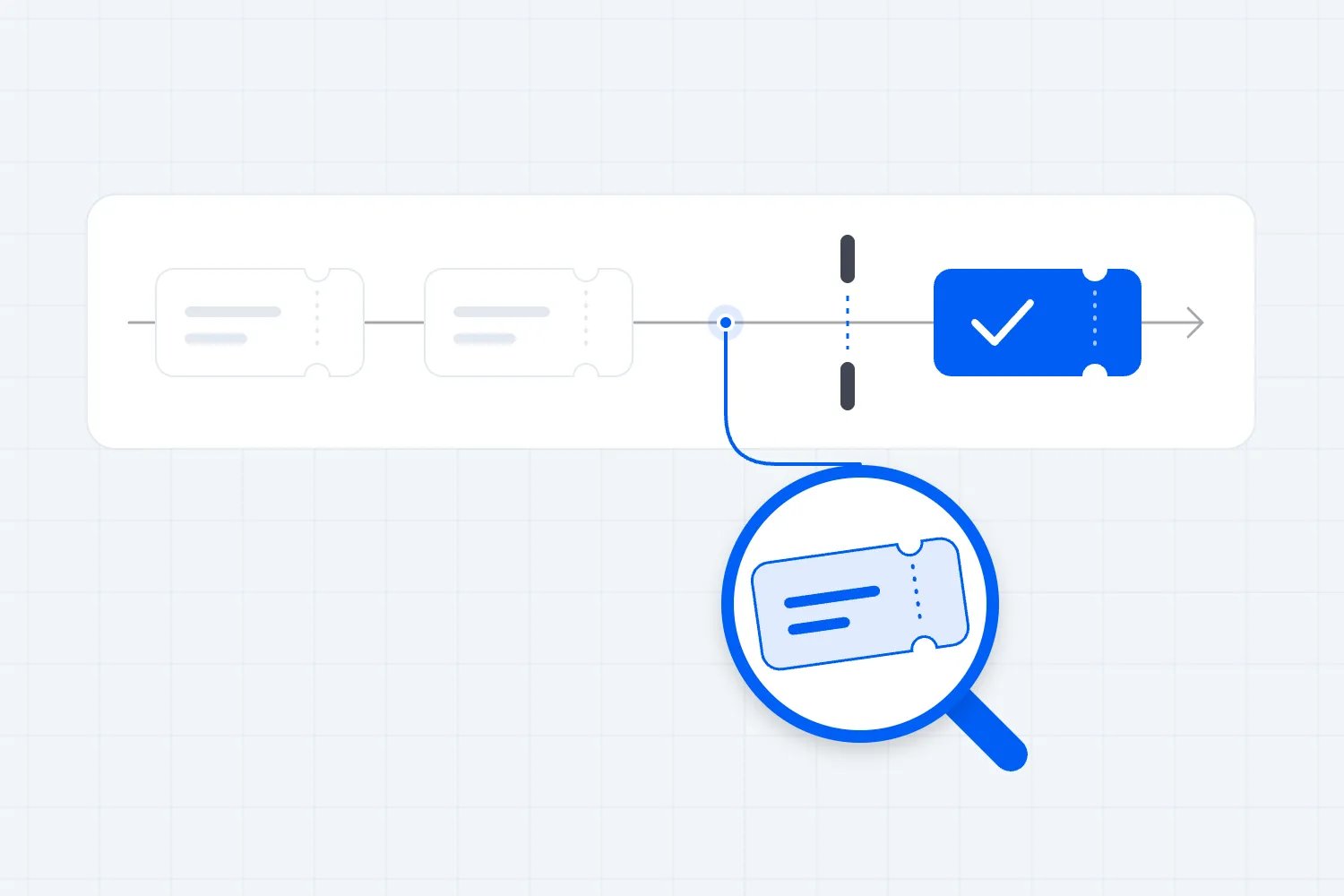
You've announced the tickets, buyers are ready, and the cheapest release disappears before half your audience gets through checkout. Then ticket offers start appearing in the comments. Was that a successful launch, a handful of unusually quick customers, or automated buying?
You can't answer that from the sellout time alone. To reduce ticket bot purchases, set clear purchase limits, ask your ticketing provider how it enforces them across repeated attempts, and prepare a process for investigating suspicious orders. Add stronger checks where the evidence warrants them, while testing that genuine buyers can still complete a purchase.
The important part is what happens behind the buying screen. A limit printed on your event page won't help if someone can start another order and buy the same allocation again. A security challenge won't help much if it blocks a customer using assistive technology while automated requests take a different route.
This guide walks you through the decisions an independent organizer can actually make, the questions your provider needs to answer, and what to do when a launch looks wrong. You don't need to become a security engineer. You do need to know who can investigate, what they can change, and what happens to buyers while they do it.
Work out what is happening before changing the sale
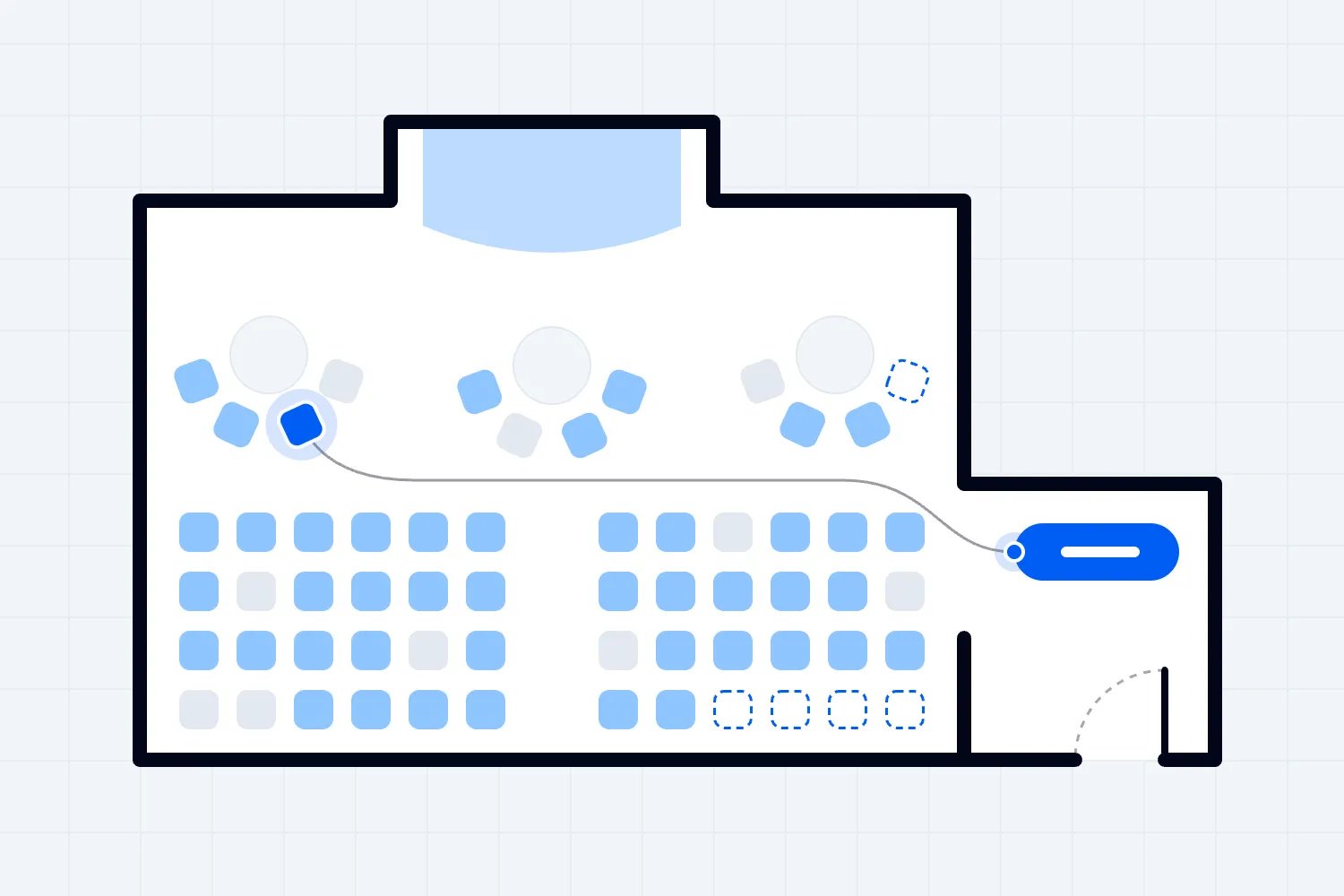
Start with the orders and available inventory. How many tickets have people paid for? How many are temporarily reserved in unfinished checkouts? How many belong to other allocations, such as a member presale? These are different reasons for an event to look unavailable.
OWASP's automated threat catalogue distinguishes scalping, which involves obtaining scarce stock unfairly, from denial of inventory, which depletes available stock without completing purchases. For your team, the practical difference is whether you need to investigate completed orders or tickets repeatedly disappearing into unpaid carts.
Imagine a fictional launch with 600 general admission tickets. The page shows none available, but the sales report contains only 240 paid admissions. That leaves a question about the other 360 places. They might be reserved, allocated elsewhere or affected by a reporting delay. Calling the event sold out before checking would give buyers the wrong information.
| Label | Tickets |
|---|---|
| Paid | 240 |
| To reconcile | 360 |
This chart uses the fictional 600-place launch above. The remaining 360 places need reconciliation; they are not a measured bot allocation or proof of automated buying.
Now imagine the same event has 600 completed ticket sales across many ordinary orders. That might simply be strong demand. People who missed out may still be angry, but anger doesn't prove automated buying. You need transaction evidence before you accuse a buyer or cancel an order.
Ask the provider to compare the timing and pattern of account creation, reservations, purchases and payment failures. You may only have access to order records; the provider should investigate technical signals it holds. Don't ask your support team to identify bots by looking at names or guessing which email addresses seem unusual.
Save the relevant order references and the time you noticed the problem. Record whether the page showed sold out, temporarily unavailable or an error. Those details help the provider reproduce what buyers experienced. Screenshots of complaints are useful context, but they don't replace the ticket and payment records.
Decide what your purchase limit is supposed to protect
A purchase limit needs a commercial reason. You might want more households to access a limited release, keep a small workshop from being bought by one reseller, or stop someone collecting the whole front row. Choose the rule around that problem and the way genuine customers buy.
A couples' dinner, a family show and a professional conference won't need identical limits. An office manager buying a delegate group may reasonably need more tickets than someone buying for a club night. If you make that legitimate purchase impossible, your team will end up inventing exceptions during the launch.
Write down whether the limit applies per order, per buyer, per event or across a particular release. A four ticket order limit allows repeated orders unless something else prevents them. A four ticket event limit should account for earlier purchases, including any presale allocation that belongs within the same rule.
Loopyah documents buyer ticket limits for an event. Ask how those limits apply when someone returns with another email address or payment method. No single identifier proves two orders belong to the same person. Test repeated purchase scenarios before promising buyers that a quantity cap will prevent automated buying.
Give group buyers a separate, documented route where you need one. Tell them when to contact you, who approves the request and how the allocation affects public availability. An approved group purchase should appear in your inventory records so staff can explain why those tickets aren't available online.
Publish the limit before tickets open and include the consequence of a confirmed breach, subject to the terms and laws that apply. Have the provider confirm how that consequence works. You don't want a policy promising automatic cancellation when your team has neither the authority nor the process to carry it out.
Ask for evidence behind the provider's protection claims
When a provider says it has bot protection, ask what that means for your event. Does it protect account creation, ticket reservations and payment submission? Does it cover embedded checkout and direct buying links? Who watches the launch, and how quickly can someone investigate a problem?
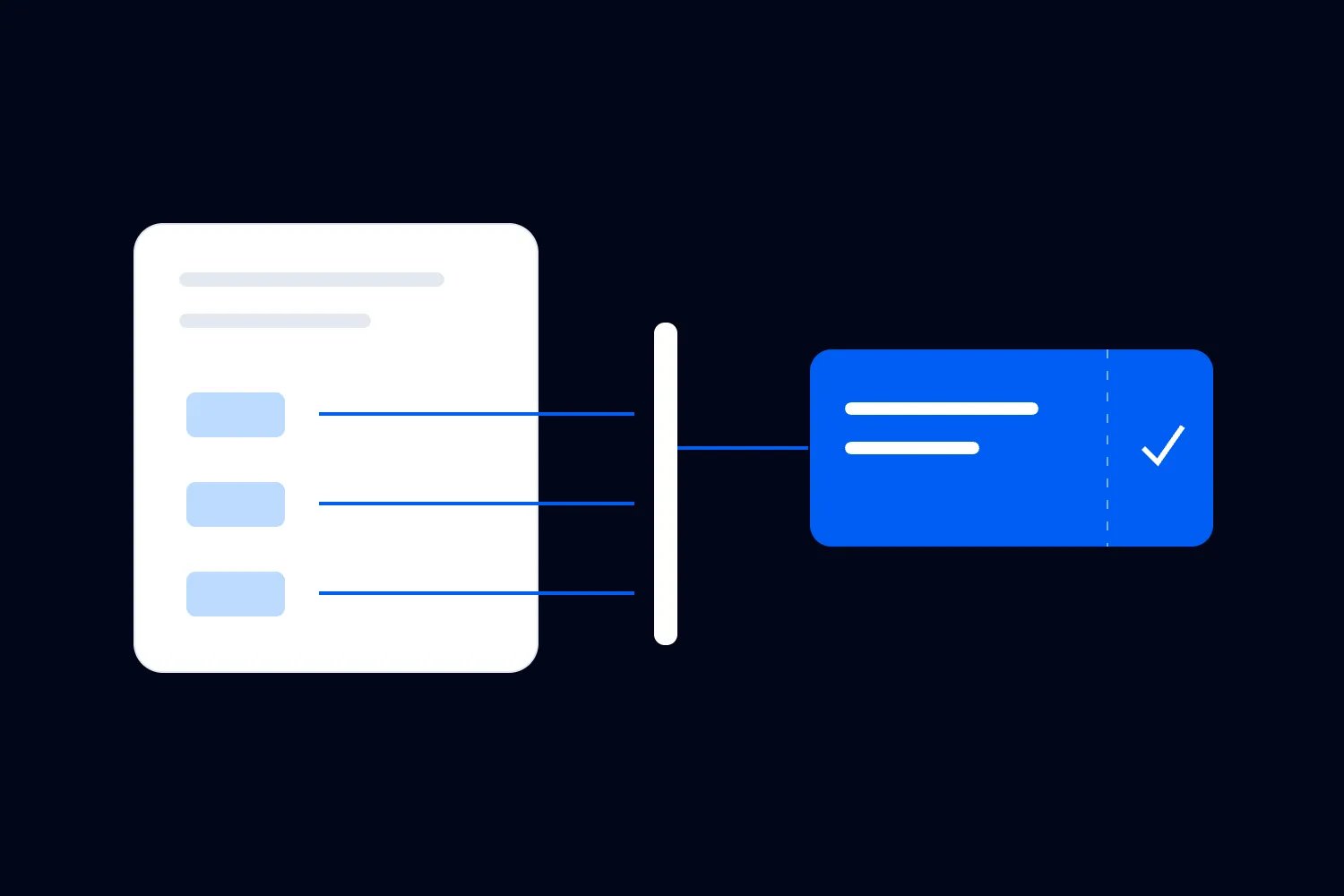
You should be able to describe a few buying scenarios and get a plain answer. Someone submits repeated orders after reaching the limit. Someone reserves tickets without paying, then immediately reserves them again. Several accounts appear to share other purchase details. Ask which scenario the provider can detect, restrict or flag for review.
The distinction between seeing activity and stopping it matters. A report delivered after the event can help your next sale, but it won't return tickets to buyers during this launch. If monitoring is available only on particular plans or through an extra service, include that cost and responsibility in your decision.
Request a demonstration of the relevant behavior in a test environment, using a provider approved method. Your staff shouldn't run an improvised attack against a live checkout. A controlled test should establish whether the promised rule applies, what message the buyer receives and what the organizer can see afterwards.
Get the limits of the service in writing. You might learn that the system enforces a per order quantity but doesn't offer an organizer configurable event wide cap. That's useful information. You can adjust the release and support plan around a known limitation; vague reassurance leaves you discovering it during the sale.
If you're choosing ticketing for a high demand launch, include these questions alongside fees, payouts and support. Our guide to ticket management for event organizers covers the broader operation. Keep the anti bot discussion specific to the buying rules and evidence your event needs.
Keep queues and bot safeguards separate
A waiting room can help when too many people arrive at once. It controls how many visitors reach a busy service, giving the checkout a better chance of remaining usable. Cloudflare describes this purpose in its Waiting Room documentation, including protection against overload from legitimate traffic.
That doesn't establish that everyone waiting is a distinct person, or that each admitted visitor will respect your ticket limit. Ask separately how the queue works with identity, repeated visits and purchase rules. A neat line of browser sessions is only part of the buying process you need to assess.
For a hosted ticketing page, the ticketing provider usually controls the checkout and its traffic management. Adding a queue to your own marketing website doesn't automatically protect a checkout hosted elsewhere. Ask the provider to confirm which pages and buying routes the arrangement covers before spending money on another tool.
Explain the queue to buyers before launch. State whether arriving early matters, whether admission order is randomized, and what happens if someone refreshes or loses their connection. Use the actual provider behavior. Don't publish familiar queue advice copied from another service and assume your buyers will have the same experience.
Remember that admission to checkout and reservation of tickets may be separate events. A buyer can reach the event page after an allocation has gone. Your messaging should distinguish a place in the queue from a ticket held for purchase, otherwise the protection creates a new support problem.
Use extra checks without punishing ordinary buyers
Extra verification can be reasonable when activity looks suspicious. Requiring every customer to pass the hardest available challenge is a different decision. It adds work to every purchase, including the people your sale depends on, so ask what risk each step addresses and whether it can be applied more selectively.
A CAPTCHA is a test intended to distinguish a person from automated software. W3C's review of CAPTCHA accessibility explains how interactive tests can exclude people with disabilities and discusses limitations of common approaches. A buyer failing a challenge may need another way to proceed rather than another copy of the same test.
Test with keyboard navigation, a screen reader and the mobile browsers your audience uses. Check whether the person can understand the instructions, complete the task and recover when it fails. Include slow connections and customers returning from their banking app. A test completed on a staff laptop doesn't establish a usable buying experience.
Ask your provider what happens when verification succeeds. The result needs to apply to the protected action, rather than simply making a symbol disappear on the screen. Cloudflare's Turnstile validation guidance states that its browser widget alone doesn't protect a form; the server must validate the submitted token.
You don't need to inspect the implementation yourself. Ask for confirmation that the service checks the result where tickets are reserved or purchased, and that alternative buying routes receive the intended protection. Your responsibility is to verify the buying policy has a working implementation and an owner.
Provide a support route for genuine customers who cannot complete the check. Decide what staff can safely verify and whether they can offer an approved alternative. They shouldn't bypass purchase limits or take payment details through social messages because someone says the security test is broken.
Decide whether registration will improve this sale
Registration before a sale can help you understand who wants access, especially where an allocation belongs to existing members or previous buyers. It also creates another step that someone can automate. Ask how registration eligibility is checked before treating an email address on a list as a verified individual.
For a member presale, start with the membership rule. Does access belong to the person, a household or a business account? Can a member buy for guests? Write those answers before distributing access, then ask the provider how the buying route applies them. A shared code can spread beyond the intended audience.
Use the information you already hold for the purpose you have explained to customers. Don't add a detailed identity questionnaire simply because the launch feels important. Before collecting anything extra, ask what decision it enables, who will inspect it, how it will be protected and when it will be deleted.
A buyer who cannot receive a verification message needs a recovery route. Check what happens when their phone number has changed, an email arrives late or they made a typing mistake. Support should have a defined process for correcting access without letting someone claim another person's registration.
Keep access approval separate from a promise of tickets. If registration exceeds the available allocation, say plainly that registering doesn't guarantee a purchase. Explain the next step and timing using the process the provider actually supports. Otherwise customers may interpret a successful registration as a reservation you never intended to make.
For a smaller release with no relevant eligibility rule, registration may add more trouble than it removes. Ask the provider to explain the specific protection it adds over the ordinary checkout. You can choose a simpler buying experience when the extra step has no clear purpose for your event.
Give tickets in unfinished carts a clear expiry
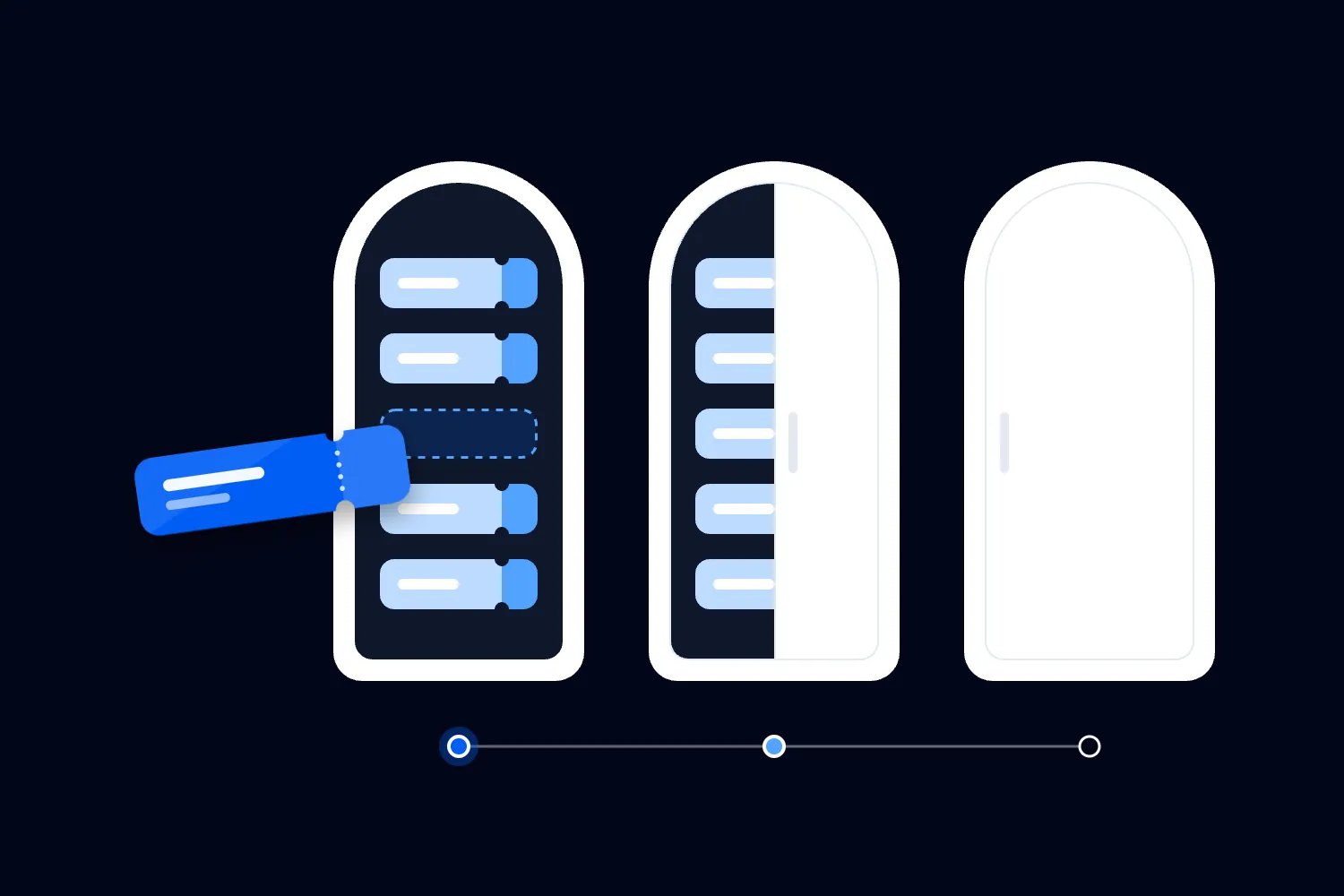
A cart reservation lets someone finish payment without another buyer taking the same ticket. It also makes stock unavailable while no money has been collected. That makes the reservation rules worth understanding before a busy launch, particularly when a small allocation attracts concentrated attention.
Ask how long reservations last, when the clock begins and whether activity can extend them. Then ask what prevents a buyer repeatedly creating fresh reservations without completing payment. The organizer may have no setting for this; the provider still needs to explain how it handles the behavior.
Choose any available reservation duration by testing a real purchase, including payment authentication and access needs. An aggressively short timer can make ordinary buyers restart, creating more attempts and more complaints. A very generous timer can make unsold stock appear unavailable for longer than your audience expects.
Use clear status wording. Tickets reserved in other customers' carts may return to sale, whereas completed purchases have consumed that allocation. If the provider distinguishes those states, reflect that distinction in your support replies. Don't tell everyone to refresh continuously unless the provider says that is how availability should be checked.
When reservations expire, verify how stock returns. Does it become available immediately? Is another allocation waiting? Could the same session reserve it again? These are provider questions, and the answers should inform your launch plan rather than becoming a spreadsheet your team tries to maintain manually.
Review suspicious orders before deciding to cancel
A suspicious pattern deserves investigation. It doesn't establish misconduct by every order in the pattern. Shared workplaces, families and people buying together can have overlapping details. Equally, a paid transaction doesn't prove that the buyer followed your quantity rule. Your review needs the purchase context as well as payment status.
Keep payment fraud and ticket allocation abuse as separate questions. A buyer might use a genuine card while circumventing your purchase limit. Another order might involve stolen payment details without collecting a large ticket allocation. The person investigating needs to know which concern triggered the review.
Stripe's transaction review documentation explains how eligible accounts can inspect payments flagged for review. A review isn't automatically a cancellation or refund. If your provider uses a payment review system, ask who receives the alert and which ticket actions follow a payment decision.
For each case, record the order references, applicable published rule, evidence reviewed and decision maker. If the evidence is insufficient, say so internally. You may need the provider to monitor further activity rather than taking an irreversible action to satisfy a complaint that someone else bought too quickly.
Before cancelling, check the contractual and legal basis with the responsible person. Confirm what happens to the payment, fees, ticket status and any later transfer or resale. Support should know what to say if the buyer challenges the decision. Apply the same rule consistently to comparable cases.
Don't release cancelled tickets until their admission records and payment treatment are settled. Otherwise you risk selling a place again while an earlier buyer still holds a ticket staff might accept. Our guide to QR code ticketing systems explains why checking current ticket status matters at the entrance.
Prepare your team for a difficult launch
Choose one person who can make the organizer's sale decisions and one contact at the provider who can investigate checkout behavior. Write down the escalation route before launch. A support email address is less useful if nobody knows whether it's monitored during your ticket release.
Agree what would justify pausing a release, and who can do it. You might need a pause when inventory cannot be reconciled or the provider confirms a serious buying fault. High demand and unhappy comments alone aren't enough to tell you that pausing will improve anything.
Have a buyer update ready that leaves room for uncertainty. For example, you can say that some customers are having difficulty buying, that your ticketing team is investigating and when you'll post another update. Avoid announcing a bot attack before the evidence supports that description.
Support staff need a short incident record they can add to without exposing private buyer information. Capture the reported time, buying route, error message and order reference where one exists. Don't request full card numbers, passwords or copies of identity documents through a public comment thread.
If someone says they were charged but received no ticket, investigate the payment and order together. A bank notification may refer to a pending authorization, a completed charge or something else the provider needs to confirm. Telling the person to buy again immediately can make the problem harder to resolve.
Communicate any reopening through the channels buyers already know. State the release time, remaining allocation and relevant purchase rules. If the provider has corrected a fault, describe the confirmed fix in useful terms without publishing technical details that would help someone work around the protection.
Rehearse the awkward cases before buyers find them
Ask your provider to help you test repeated purchases using approved test accounts and payments. Start with a successful order, then attempt another purchase that would exceed the published cap. Record whether the service prevents it, flags it or accepts it. Your support instructions must match the result.
Repeat the exercise through every supported route you intend to promote, including an embedded checkout if you use one. A rule that works on the main event page but changes elsewhere needs investigation before launch. Don't remove a buying route yourself without checking how that affects existing customers and partners.
Test what a legitimate exception looks like as well. An approved group buyer should receive the agreed allocation through a process your team can identify later. If the only way to accommodate them is to switch off the rule for everyone, resolve that limitation before the public sale opens.
Finally, rehearse a decision rather than just a purchase. Present the team with a suspicious order pattern and ask who investigates, who decides and what support tells the buyer. The rehearsal is useful when staff can follow the process without inventing a policy under pressure or needing access to information they shouldn't see.
A worked plan for a small high demand release
Consider a fictional independent promoter selling 800 tickets to a returning live show. Previous events attracted genuine group purchases, but the promoter has also received complaints about tickets appearing for resale immediately. There is no confirmed bot incident. The plan should reflect that uncertainty.
The promoter chooses a four ticket event limit for ordinary public purchases, with larger groups handled through an approved request before launch. These figures are planning assumptions, not recommended limits for every event. The provider must first confirm whether it can enforce that event limit across repeated orders.
If it can't, the promoter changes the published rule to what the system actually supports and agrees a review process for suspected circumvention. Pretending an unenforceable cap is guaranteed would mislead buyers. For a release where that protection is essential, the limitation may change the ticketing decision itself.
Before opening, the promoter checks that the 800 places reconcile with public stock, approved groups and other allocations. Staff complete test purchases and check an expired reservation, a rejected payment and a customer needing help with verification. The provider confirms which buying routes the checks cover.
During launch, one person watches confirmed sales and customer problems while the provider investigates technical activity. Nobody has to inspect every purchase manually. A repeated order pattern is referred with its evidence, and the decision maker applies the published policy after the provider has checked what happened.
Suppose the page later shows no stock while only part of the allocation has sold. The promoter asks for the reservation and allocation breakdown before announcing a sellout. If expired reservations return places to sale, the buyer update explains availability accurately without promising a ticket to everyone who missed the first release.
Afterwards, the promoter reviews actual incidents, support effort and completed purchases. If the provider confirmed no automated abuse, the next event's plan shouldn't describe one as fact. The review may instead show that group demand exceeded the chosen limit or that a payment problem made the launch feel unfair.
Handle resale without claiming it prevents bots
Official resale can give genuine ticket holders a supported option when their plans change. It also gives buyers a clearer destination than an unknown person in a comment thread. That solves a different problem from stopping someone acquiring tickets unfairly in the original sale.
Loopyah's ticket selling tools include an official resale queue for sold out events. Before announcing it, check the event's eligibility and enabled settings, then explain the actual route to holders and replacement buyers. We don't present that queue as proof that an original purchase was free of automation.
Our guide to introducing official ticket resale covers the operational rollout. Keep the instructions connected to your transfer and refund policies so a genuine customer can work out what to do when they can't attend. Don't leave them choosing between contradictory answers from your venue, artist and support team.
Avoid claiming a rotating barcode, named ticket or transfer restriction automatically solves automated buying. Those measures affect ticket use or movement after purchase. Assess them for that purpose, including entry delays and legitimate transfers, while keeping the original buying controls under separate review.
Raising ticket prices is also a commercial decision with broader consequences. A higher price may change demand and the potential resale margin, but it doesn't establish who is buying or enforce your quantity rule. Don't make your audience pay more and describe that alone as a bot prevention system.
Know what the law covers in your market
If your event is in the United States, read the FTC's BOTS Act compliance refresher. It explains the prohibition on circumventing a ticket issuer's security measures or purchase rules and the conditions relating to selling tickets acquired through prohibited circumvention.
The FTC says the law covers specified public events at venues with seating or attendance capacity greater than 200 people. Venue capacity matters here; it isn't a claim that every event selling any number of tickets has identical coverage. Other rules may apply, and the federal statute doesn't answer every resale question.
Keep your public wording narrower than your frustration. Saying that every resale listing is illegal or every bulk order is a bot purchase can be wrong. Ask your adviser to confirm the applicable rules, the terms you can enforce and how to handle evidence if you suspect unlawful conduct.
For events elsewhere, check the relevant local authority and professional advice. Ticket resale, consumer protection and privacy requirements vary by jurisdiction. A buying policy copied from another country's event may promise powers you don't have or omit obligations that apply to your sale.
Preserve evidence through the provider's approved process and restrict access to people handling the case. The FTC invites reports about unfair or deceptive live event ticketing practices. A report and an organizer's internal cancellation decision have different purposes; neither replaces the other or guarantees recovery.
Keep a dated copy of the purchase rules used for each release. If you change the limit for a later allocation, identify which purchases the new rule covers and explain the change before that allocation opens. Staff reviewing an older order need the terms the buyer actually saw. A policy updated after complaints arrive cannot reliably tell your team what was promised earlier. Ask the provider how those versions are recorded, and keep the relevant organizer approval with the release notes so another team member can readily find it.
Judge protection by the sale your buyers can complete
After the launch, review confirmed breaches, suspicious cases left unresolved, genuine customers helped after a block and payment or checkout failures. Keep these categories separate. A large blocked traffic count doesn't show how many tickets reached genuine buyers or how many ordinary purchases the same rule interrupted.
Ask the provider to explain changes against comparable sales where the records allow it. Different artist demand, allocations, release sizes and marketing can all change purchase patterns. Don't credit a new security setting for every improvement when several other things changed at the same time.
Look at retained ticket revenue after refunds and relevant costs, then subtract support costs and any specialist service costs. Protection that prevents a confirmed loss may be worthwhile even when you can't calculate an exact return. Record what you know instead of assigning a made up value to every blocked attempt.
Your next step is a conversation with the provider about your actual launch. Take the proposed purchase rule, group buying needs and previous incident records. Ask them to show how a genuine buyer completes the sale, how a repeated buyer reaches the limit and who investigates when the records don't make sense.

Author: By the Loopyah Content Team
The Loopyah Content Team shares expert insights, practical guides, and industry updates to help event organizers create unforgettable experiences and stay ahead in the event planning world.