· 27 min read
How to stop a shared ticket pool from overselling linked sessions

You've sold a two-session pass, a few single-session tickets and a partner allocation. Every ticket type still shows stock. Then somebody adds up the people entitled to attend the afternoon session and finds you've promised more places than you have.
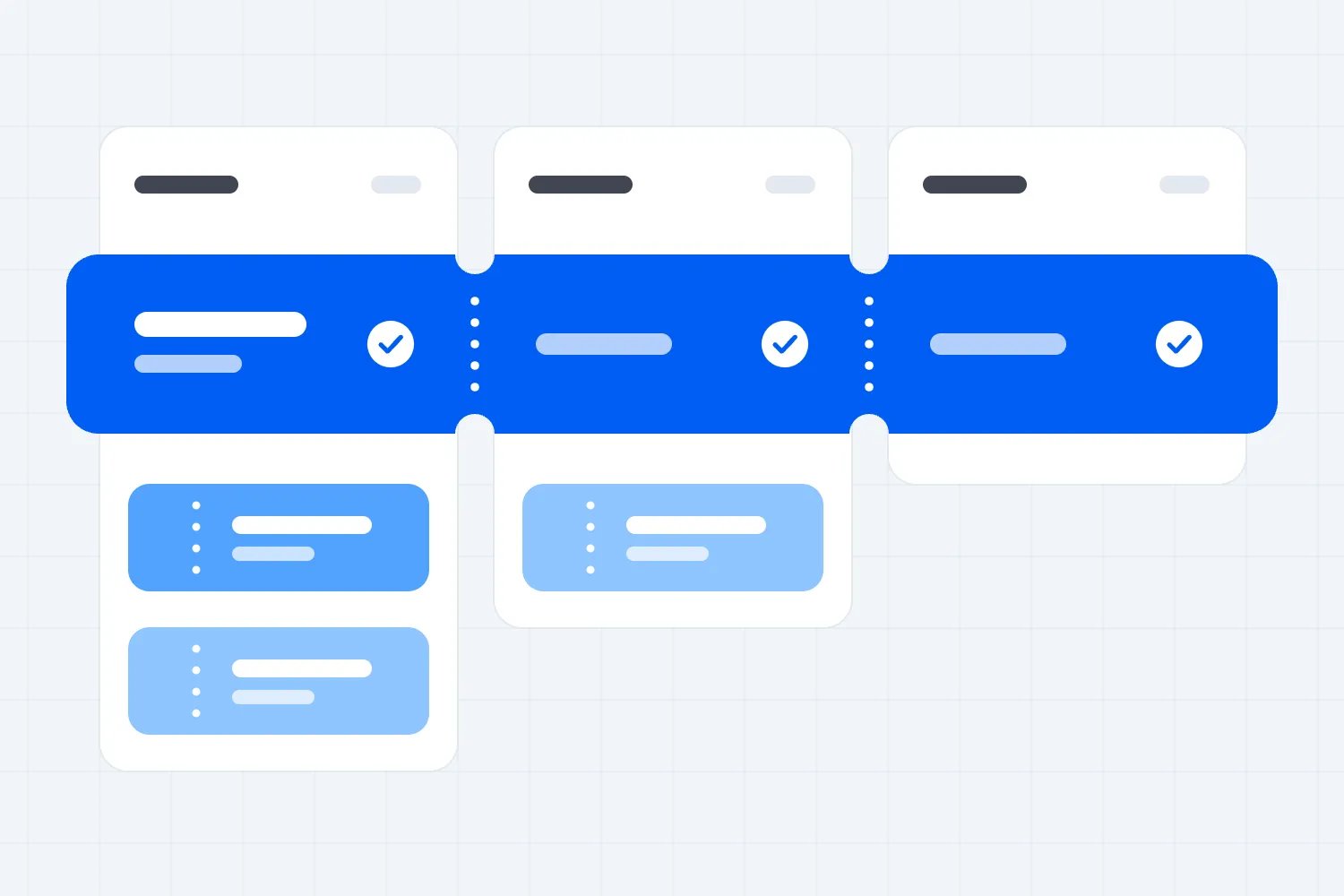
The problem usually starts with what each sale subtracts. A ticket covering two sessions has to use a place in both. A single-session ticket uses only its selected session. They can have different names and prices, but they cannot each carry an independent allowance for the same places.
To stop a shared ticket pool from overselling linked sessions, define the places each ticket promises, count every sale and protected hold against those places, and require every selling route to respect the same limits. Where your software cannot enforce that relationship, divide the inventory into fixed allocations that cannot overlap, or simplify the offer before opening sales.
We'll work through a fictional paid workshop with morning and afternoon sessions. The numbers are planning examples, not recommended capacities or reported customer results. The useful part is following what happens to each session when somebody buys a bundle, abandons checkout, changes their booking or arrives at the door.
Start with the admission you're selling
The first thing you want to do is write the offer without ticket names. "Complete pass" might mean one person can attend both workshops. It might mean they can choose either workshop. Those are different promises, and they need different stock rules.
For our example, the morning workshop and afternoon workshop run at different times. Each has an agreed allowance of forty attendee places, after the responsible team has accounted for the layout, staffing, equipment and relevant occupancy requirements. A complete pass guarantees one person a place in each. A morning ticket guarantees only the morning. An afternoon ticket guarantees only the afternoon.
That gives us three products using two sets of places. Selling a complete pass reduces both sets by one. Selling a morning ticket leaves afternoon availability unchanged. The fact that a complete pass produces one ticket or one order line does not turn its two promises into one place.
Write that relationship for every offer, including free allocations. A partner pass covering both sessions uses the same two places as a paid complete pass. A discounted afternoon ticket still uses one afternoon place. Discounting changes the money received; it doesn't reduce what the attendee is entitled to receive.
Now consider a different offer that lets someone choose one workshop later. You haven't guaranteed both sessions to that person. You have sold a choice under whatever reservation conditions you disclosed. You still need to know whether all outstanding buyers can obtain the experience promised, and what happens when their preferred session fills. Our guide to conference session registration develops that attendee-choice process.
Here we're dealing with a more specific problem. Several ticket products draw on overlapping inventory, and some products guarantee more than one session. The system must protect all the places included in each purchase together. A form asking which sessions someone likes cannot supply that control.
Before configuring anything, ask your commercial and operations teams to read the same offer. Can they agree exactly what one buyer can attend? If one thinks the complete pass guarantees both workshops while the other expects first-come admission, resolve that disagreement before considering quantities. An accurately configured limit can still enforce the wrong promise.
Keep the two session limits separate
Shared ticket capacity doesn't mean putting everything under one grand total. Our workshops have eighty session places across the day, but nobody can use an empty morning place to attend an overcrowded afternoon workshop. Each session needs its own limit.
Suppose you sell twenty complete passes, fifteen morning tickets and ten afternoon tickets. Morning commitments are thirty-five. Afternoon commitments are thirty. There are five morning places and ten afternoon places left, before any other holds or allocations. A purchase total would be the wrong description of the remaining capacity, and a total of sixty-five session commitments would still hide which workshop is tighter.
The next complete pass needs one of those five morning places and one of those ten afternoon places. You can therefore sell at most five more complete passes in that position, assuming no new holds or competing sales. The tighter session determines the bundle's availability. Ten afternoon places remaining does not make ten complete passes available.
If five further morning tickets sell instead, the morning is full. Complete passes must stop selling even though the afternoon still has ten places. Afternoon-only tickets may remain available. A page that marks the entire event sold out would conceal genuine afternoon stock; a page that keeps selling complete passes would promise morning places you cannot deliver.
Ask the venue and delivery lead to establish the actual usable limits. The UK's Health and Safety Executive explains why organisers need to assess venue suitability and crowd capacity. Its guidance concerns safety planning in Great Britain. The inventory examples here don't calculate a lawful occupancy limit or replace the requirements where you operate.
You may also have a practical constraint below the room's occupancy allowance. Forty people might fit the approved layout, while only thirty-six can receive the equipment required for a particular workshop. Use the applicable delivery limit when selling that workshop. Standing at the back is not a substitute for the workstation someone bought.
Name each session with its date, time and location in your working records. "Afternoon" is enough for this example; it won't be enough for a programme repeating across several days. Two rooms running at the same time and the same room used twice need separate records for different reasons. A session identifier should continue to identify the same promised experience even if the public title changes.
Check whether the shared limit is a room or a resource
Sometimes the session places aren't the only shared limit. Two workshops might use the same equipment, instructor or transport allocation. Identify what is genuinely consumed before deciding that different start times make the inventories independent.
Suppose morning and afternoon reuse the same equipment after a planned reset. A complete-pass holder uses a workstation in each session, and each workshop has its own attendee limit. You don't need eighty physical workstations for forty places twice. You do need enough reset time, usable equipment and a verified handover before the second group begins.
Now change the example. Buyers take a materials kit home after morning, while afternoon needs an identical kit for each participant. If a complete-pass holder receives one reusable kit for the whole day, that pass consumes two session places but only one kit. If each workshop requires a different consumable pack, it consumes one of each pack. Ticket names alone cannot express those differences.
Keep those requirements explicit in the setup and procurement notes. The delivery lead should confirm what gets reused, what gets consumed and what has to be replaced after damage. A ticketing limit cannot make broken equipment usable, and a warehouse stock count cannot establish which attendees have been promised workshop admission.
Treat a reduced resource allowance as a change requiring a decision. If two workstations fail after the sessions are heavily booked, don't quietly lower the public quantity and assume existing commitments now fit. Identify the affected delivery capacity, investigate a suitable replacement with the responsible team and resolve any remaining shortage with attendees through the agreed process.
This check also prevents an unnecessary sales restriction. A general event cap may include people attending different times without identifying simultaneous occupancy. Use separate, correctly defined limits for the relevant commitments. Get the venue and delivery team to confirm the interpretation, then ask the provider to show which of those limits the proposed configuration actually enforces.
Put holds and partner allocations inside the count
Confirmed sales are only part of the inventory picture. A buyer may be finishing payment. A partner may have an agreed allocation. Support may be protecting a place while resolving a booking problem. Those commitments also reduce what you can promise to somebody new.
Return to our example with twenty complete passes, fifteen morning singles and ten afternoon singles. Now protect two additional complete passes for a partner. Morning commitments rise to thirty-seven and afternoon commitments to thirty-two. Then one customer starts a complete-pass checkout and receives a temporary hold on both sessions. Morning now has two uncommitted places and afternoon seven.
The temporary hold belongs in a different status from a completed purchase, but it still blocks competing sales while valid. Turning that hold into a confirmed booking must move the same place between statuses. Subtracting another place on payment would make inventory disappear twice. Releasing the hold while also leaving the booking confirmed would make stock appear that you already sold.
The partner allocation needs an equally clear treatment. You can protect two unnamed places before the partner supplies names. Naming the attendees later should attach them to those protected places, rather than creating two new admissions. Once named, show the allocation as claimed or confirmed through your supported process, with no double counting.
Give every unclaimed allocation an owner and a release condition. "Keep some back for partners" leaves the sales team unable to tell what can reopen. "Two complete passes reserved for the workshop partner until the agreed confirmation deadline" identifies both the quantity and the sessions affected. Use an actual deadline with a time zone in your event instructions.
Don't treat every unanswered invitation as a protected place. An expression of interest, a waiting-list entry and a guaranteed allocation mean different things. Decide which one you've offered and tell the recipient. Otherwise your team may reserve stock for people who never received a promise while selling places already guaranteed to someone else.
Our wider ticket-management guide covers ticket records, payments and admission. For this linked-session setup, a useful daily check is narrower. For each session, add confirmed places, valid checkout holds and other protected allocations. The result must fit within its agreed attendee allowance, and each place must appear in only one current status.
Choose linked inventory or fixed allocations deliberately
There are two workable approaches. A linked setup lets several products draw on the same underlying session places, checking every affected session before protecting or confirming a purchase. Fixed allocations divide the places between products in advance, so each product can sell only its own reserved share.
Linked inventory uses availability more flexibly. If morning-only demand grows, singles can use places that complete-pass buyers haven't taken, within the limits you've set. But the relationship has to exist in the selling system. Calling several tickets a group, adding them to one page or collecting them under one checkout does not prove they share stock.
Ask the provider to demonstrate your actual combination. Buy a complete pass and check both session counts. Buy a morning single and confirm only morning changes. Fill the morning through singles, then try buying another complete pass. It should be unavailable while afternoon-only admission remains possible. A screenshot showing a shared total doesn't establish those behaviours.
With fixed allocations, you could reserve twenty complete passes, twenty morning singles and twenty afternoon singles. If every product sells its allocation, each session reaches forty. The complete-pass allowance is protected in both sessions, so morning singles cannot quietly consume those places.
That arrangement is easier to reason about, but it can leave sellable places tied up in an unpopular product. Suppose only twelve complete passes sell while both single-session allocations sell out. Each workshop has eight places protected for unsold complete passes. You can choose to reallocate them, but you need to remove the old complete-pass availability before adding singles. Otherwise both offers can still promise the same places.
Reallocation isn't always one for one across every product. Releasing one complete-pass allocation makes one morning place and one afternoon place available. Releasing a morning-only allocation makes no afternoon place available. Record the change against each session rather than moving a generic quantity between ticket names.
Choose the approach your team can verify and maintain. Fixed allocations are a reasonable operating choice when a provider cannot support your linked rules. A spreadsheet that updates after public sales is a reconciliation tool; it doesn't prevent two live products selling the same place before the next update.
If even fixed allocations require staff to coordinate several unsynchronised channels continuously, simplify further. Sell complete passes first, reserve separate stock for singles, or offer fewer combinations. The lost flexibility is visible. The cost of overselling often appears later, when your team has already collected money and promised an experience.
Test simultaneous purchases, not just the displayed stock
A normal demonstration tends to show one purchase completing and the number falling. The more useful test begins with one morning place remaining and several people trying to buy something that includes it.
Open a morning-single checkout and a complete-pass checkout through the provider's approved test process. Try to secure both at almost the same moment. They compete for the same final morning place. The system must protect that place for only one purchase, while giving the other buyer an accurate outcome and a useful next step.
Checking availability when somebody first opens the page isn't enough. They may leave the page open while another buyer completes payment. The final reservation needs to use the current position, and the complete pass needs both sessions protected together. You don't want payment collected for a pass whose afternoon place exists but whose morning place disappeared.
The technical implementation belongs to the provider or your development team. PostgreSQL's documentation on transaction isolation explains why concurrent changes need controls beyond simply reading an earlier total. You don't need to prescribe a database setting. Ask for a demonstration that your combined purchase cannot leave a partial reservation or confirm two buyers against one remaining place.
Then repeat the test across different selling routes. A public page and an embedded checkout may use the same underlying stock, but verify it. A staff-created order, a private partner link or another sales channel might behave differently. Include whichever routes your event actually uses, and ask whether a staff override can exceed the normal limit.
When a route cannot consult current inventory, give it a separate fixed allocation that no other route can sell. For example, an offline seller with two protected complete passes can use only those two. Public availability must already exclude one morning and one afternoon place for each. The seller cannot extend that allowance because they expect to reconnect soon.
Keep the customer's outcome in the test record. If the morning single wins, the complete-pass buyer should not receive a full confirmation followed by a cancellation somebody must discover manually. If the complete pass wins, the morning buyer should see the unavailable selection clearly. Check whether any money moved and who resolves a delayed or ambiguous result.
Decide what happens while payment is unfinished
Temporary holds protect buyers while they finish checkout, but they also make places unavailable to other people. Agree when a hold begins, what it protects and what ends it. A complete-pass hold needs to protect both workshops for the same booking.
Test an abandoned checkout. When its valid hold expires without a confirmed purchase, both affected places should become available through the supported process. Check that the release happens once. A background cleanup and a staff cancellation must not each return the same places to stock.
Next, test a payment that finishes after the visible checkout has stopped waiting. Some payment methods and bank checks don't return an immediate final result. Your provider needs a defined rule for keeping inventory protected, confirming the booking or sending an unresolved payment to support. Don't invent a universal hold duration; use the actual payment methods, accessibility requirements and provider behaviour for your event.
The difficult case is a successful payment arriving after the hold has expired and the places have been sold elsewhere. Don't automatically recreate the booking against an old promise of availability. The provider should identify the conflict, prevent an unsupported confirmation and give your team the information needed to resolve it. That may involve an acceptable replacement or returning money under the applicable obligations.
Messages between payment and ticketing systems also need careful handling. Stripe explains that its payment-event notifications can be duplicated and delivered out of order. That is a specific characteristic of those notifications, not evidence that any particular ticket platform has a fault. It gives you a sensible question to ask your provider: what stops the same successful payment being processed twice?
For our workshops, one complete-pass payment should confirm one morning place and one afternoon place. Receiving the same notification again must not create another pass or remove two more places. Similarly, an older pending message arriving later should not turn a confirmed booking back into an unresolved one.
Ask staff to show the exception queue, or whatever supported view identifies bookings needing attention. Somebody needs to monitor it during sales and before the event. An alert delivered to an unattended developer inbox isn't an operating process your customer support team can use.
Record the order reference, the payment status and the places currently protected without copying unnecessary card or personal information into working notes. The goal is to establish whether the buyer has a valid admission and whether the inventory agrees. A reassuring payment screenshot alone cannot answer both questions.
Return only the places a change actually releases
A cancellation, a refund and an attendee substitution don't have the same inventory effect. Start with what admission changed, then check the money separately. Automatically adding stock whenever somebody receives money back can create extra places that remain valid elsewhere.
If a complete-pass holder cancels the entire unused pass through the agreed process, their morning and afternoon admissions should both end. Once those rights are no longer valid and any required checks are complete, one place in each session can return to availability. The original ticket mustn't continue to admit somebody while those returned places are sold again.
If a morning-only ticket is cancelled, return only a morning place. If a buyer receives a goodwill partial refund while keeping their complete pass, return no places. You've changed what they paid, not what they can attend. Stripe's refund documentation distinguishes full and partial payment refunds; your ticketing process must additionally establish which admission rights remain.
Consider a permitted downgrade from complete pass to afternoon-only. The attendee keeps their afternoon place and gives up morning. The supported change should release one morning place, retain the existing afternoon commitment and issue clear current evidence of the revised admission. Cancelling the whole pass and then trying to buy afternoon again could lose their place if somebody else takes it between actions.
An upgrade needs the reverse care. Someone with an afternoon ticket wants both workshops. They already occupy an afternoon place, so the additional requirement is one morning place. The change must preserve the afternoon admission while securing morning, without double counting afternoon or temporarily exposing the existing place to another buyer.
If the provider cannot perform that change safely as one supported operation, use its documented managed process. Pause affected sales or protect the required stock first where that process requires it. Don't have two staff members independently edit ticket quantities and hope the totals match later.
An attendee substitution usually changes who may use an existing place, not how many places exist. Invalidate or replace the old credential through the supported process and confirm the replacement carries the same session rights. Reissuing a ticket should not create a fresh inventory deduction merely because the document has a new name.
Finally, separate future sessions from sessions already delivered. Cancelling afternoon after someone attended morning cannot recreate an unused morning place. A past admission is historical activity, not stock you can sell now. Keep enough change history to explain that difference when finance and operations compare their records.
Explain which part of the offer has sold out
Buyers don't need your inventory terminology. They need to know which experience they can still buy. If morning is full and afternoon has room, say exactly that. A generic sold-out message can lose afternoon sales; a vague availability message can attract buyers expecting the complete day.
Put the affected session names and dates in the ticket selection. "Complete pass unavailable because the morning workshop is full" explains the situation. "Afternoon workshop still available" gives a legitimate alternative without implying that the missing morning place will probably appear later.
Keep the same explanation in advertisements, partner messages and support replies. If an advertisement promises both workshops, redirecting it to an afternoon-only purchase needs a clear update to the offer. Don't rely on the buyer noticing a shortened ticket name at the end of checkout.
A waiting list needs its own promise. Joining a complete-pass list doesn't reserve a place in either workshop unless the supported process explicitly protects them. If a morning place becomes available while afternoon is full, you still cannot offer a complete pass. A bundle offer needs availability in every included session at the point you protect it.
If you invite someone to buy a returned pass, decide whether the invitation protects the required places until a deadline or simply directs them to current public availability. Tell them which. Several invitations for one unprotected pass can create understandable disappointment, especially if the wording sounds like a confirmed allocation.
Use clear success and error messages as well. W3C's form notification guidance recommends feedback that explains the outcome and how a user can resolve errors. In this context, the buyer should understand whether the entire pass was secured, their selection changed or no booking was completed.
Test that message with someone who didn't configure the event. Show them the confirmation without explaining it. Can they identify the workshops they can attend and whether anything remains pending? A beautifully designed email that leaves those answers uncertain creates work for support and risk at the door.
Give support a route for checking the current booking. A forwarded confirmation reflects what existed when it was sent. After a permitted change, the current record and replacement ticket need to establish today's admission rights. Explain the change directly to the affected buyer rather than expecting them to infer it from a revised attachment.
Check the provider against the whole job
Multi-session selling is a reasonable requirement for an event business. In Loopyah's February 2026 Event Creators Survey, one hundred of the 350 organisers selected multi-event or season-pass management as an important feature missing from their current platform. The sample includes paid- and free-ticketed organisers; it is not a survey exclusively of businesses selling linked workshop bundles.
The chart shows three selected answers from that question. Communication and analytics matter because a shared-capacity setup also needs understandable confirmations and records staff can check. These answers don't establish which provider supports linked inventory, how often overselling occurs or what effect a particular tool has on profit.
| Label | Respondents % |
|---|---|
| Attendee communication | 32.57 |
| Deeper attendee analytics | 32.29 |
| Multi-event or season passes | 28.57 |
Source: Loopyah Event Creators Survey, question 8, Pollfish survey 395565156, 350 organisers, fielded February 11, 2026. Unweighted respondent percentages. Three selected options are shown, not a complete ranking of all answers. Respondents could choose multiple options, so these values should not be added into a total.
For your event, translate those broad needs into a short demonstration brief. Describe the two workshops, the three products and what should happen after each transaction. Ask the provider to use your rules rather than replacing the example with an easier single-session sale.
Loopyah's ticket-selling tools support ticket types with releases that each have their own price and quantity; the next release becomes available when the earlier one sells out. That handles selling successive price releases. It does not, by itself, establish that a complete pass and two separate session products subtract from multiple shared inventories together.
Use that distinction when evaluating any setup. Ask to see the linked counts, the simultaneous last-place test and the supported change process before advertising a guarantee across sessions. If the demonstrated behaviour doesn't cover your offer, use fixed allocations or a simpler model you can verify.
The same applies to entry. Loopyah supports QR ticket check-in and giving door staff check-in access. A general event scan doesn't prove independent morning and afternoon validation, protected re-entry or the return of session stock after a change. Confirm how your selected arrangement represents those rights to the people admitting attendees.
A useful provider answer names the supported behaviour, shows it working and identifies any limits. "You can create unlimited ticket types" doesn't answer the shared-capacity question. Nor does "our reports update in real time" establish that two products cannot sell the same final place.
Protect the remaining inventory when doors open
Walk-ups and late partner bookings need to use places the public checkout cannot sell at the same time. If your door-sales process shares and enforces the same current session inventory, test it against online purchases. If it doesn't, reserve a separate allocation before the team starts using it.
Suppose two complete passes are set aside for walk-ups. Both workshops must exclude those two places from public availability. Selling one at the door consumes one protected place in each session. The door team cannot also sell those places as singles unless the allocation is changed in a controlled way that removes the competing offer.
Name one person responsible for changes during the event and a deputy for their breaks. Give them the current allocations, valid holds and unresolved bookings. A volunteer seeing empty chairs should not create extra public stock or promise entry to a waiting customer. Some of those chairs may belong to complete-pass holders who haven't reached the room yet.
Physical occupancy needs its own monitoring. HSE's guidance on monitoring the crowd recommends watching both total numbers and their distribution, including entrances, exits and queues. Your ticket count establishes commitments; it doesn't prove how many people are inside now or whether the room is operating safely.
Our guide to managing full conference sessions covers protected reservations, returns and standby admission in more detail. Keep that room process connected to the sales process. A room lead mustn't release an apparently empty place while an online checkout can still confirm it for another buyer.
Connection failure makes this harder. Follow the provider's supported fallback and the event's agreed stop conditions. A downloaded attendee list may help verify a booking, but it doesn't synchronise fresh sales or show what another disconnected seller has just promised. If you can't establish remaining stock reliably, pause the affected sales while the responsible team checks.
When morning ends, complete-pass holders still retain afternoon admission. Marking their morning attendance must not consume or invalidate the entire pass unless that is the actual supported ticket design and matches the promise. Rehearse the second session with a pass already used in the first, rather than testing only a fresh ticket.
Also confirm whether one scan can accidentally allow the same person to enter twice or reject a legitimate return. These are admission rules rather than extra sales inventory. A temporary exit doesn't create a place you can resell while the original attendee still has a protected right to come back.
Watch what bundles do to the money you keep
Preventing overselling protects the promise. You also need to decide whether the mix of passes and singles supports the event's costs. A complete pass may secure a larger purchase now while committing a place in a session you could later sell separately.
Use a fictional USD example, separate from the earlier sales position. Assume a complete pass leaves $90 after transaction costs, taxes collected and other deductions you have allowed for, but before the workshop delivery costs below. A morning single leaves $55 on the same basis and an afternoon single $50. Assume delivery costs of $10 per attendee in each session, with fixed event costs accounted for separately.
One complete pass therefore leaves $70 towards fixed costs and profit after the two $10 delivery costs. Selling the two session places separately leaves $85, comprising $45 from morning and $40 from afternoon. The difference is $15 for the same pair of session places. These are invented assumptions to explain the comparison, not platform fees, market prices or a recommended discount.
That doesn't mean singles are always better. The complete-pass buyer commits to both workshops, while the second single-session buyer might never appear. Compare realistic demand and timing. Receiving a smaller contribution from a definite combined sale can be preferable to reserving places for sales you don't make.
For this comparison, consider an allocation of twenty places in each workshop, separately from the other twenty. At twenty complete passes sold, the contribution in this simplified example is $1,400. Twenty morning singles and twenty afternoon singles would contribute $1,700 if all sold. If only twenty morning singles and ten afternoon singles sell, contribution is $1,300 and ten afternoon places in that allocation remain unfilled. The unsold inventory changes the comparison.
Use your own retained amounts and delivery costs, including labour and overhead attributable to the event. Check whether costs occur when you sell a place, when you order materials or only when someone attends. A cancellation may return revenue while leaving catering, equipment hire or teaching costs committed. Don't assume a refund reverses every cost attached to the original sale.
Decide your bundle allocation with that information. You might protect some complete passes early to secure combined purchases, then reallocate unsold protected stock before the final sales period. Set a review date and have one person approve the change after checking existing commitments. Avoid changing several quantities independently while customers are buying.
Finally, distinguish a stock shortage from weak demand. Afternoon places remaining because morning filled is a product-allocation problem. Both sessions remaining largely empty is a sales problem. Discounting the complete pass cannot fix its unavailability when one required workshop has no places left.
Rehearse the setup with a written result for each case
Before opening sales, give somebody who didn't configure the event a short test sheet. State the starting inventory and the expected result, then ask them to use the actual supported buying and staff processes. Their job is to establish what happens, including the confirmation and entry record.
Start with one complete pass, one morning single and one afternoon single. Confirm the deductions independently for both workshops. Add a protected partner allocation and a checkout hold. Compare the displayed availability with the actual records, checking that naming a partner attendee doesn't take a second place.
Then test the final morning place from competing checkouts. Test an unpaid hold expiring, a payment requiring extra authentication and the provider's supported delayed-payment scenario. Ask the provider to demonstrate duplicate payment-notification handling where your team cannot safely simulate it. Don't manufacture payment failures in production.
Continue through a full cancellation, a permitted downgrade, a goodwill refund that preserves admission and an attendee substitution. After each, check the current ticket rights and both session totals. An operation can return the right money while restoring the wrong inventory, so a payment report alone is insufficient evidence.
Run the door test last. Use the complete pass at morning, then again at afternoon, and try an invalid repeated admission under your actual rules. Check a walk-up sale against an online purchase. Rehearse the agreed connectivity fallback with the people who will make the stop decision.
Keep the order references, expected results, observed results and unresolved issues with the event's operating notes. Assign a person to each failure and repeat the affected test after the fix. If the provider cannot demonstrate a critical rule, reduce the offer to an arrangement you can prove rather than adding a manual promise for staff to remember.
The final check is straightforward. Ask sales, support and the session lead to explain the same booking. They should agree which person can attend which workshop, which places remain protected and what can still be sold. Open the offer when the records support those answers, and keep the test sheet for the next time you change the ticket mix.

Author: By the Loopyah Content Team
The Loopyah Content Team shares expert insights, practical guides, and industry updates to help event organizers create unforgettable experiences and stay ahead in the event planning world.