· 27 min read
How to balance season-pass visits with full-price day tickets
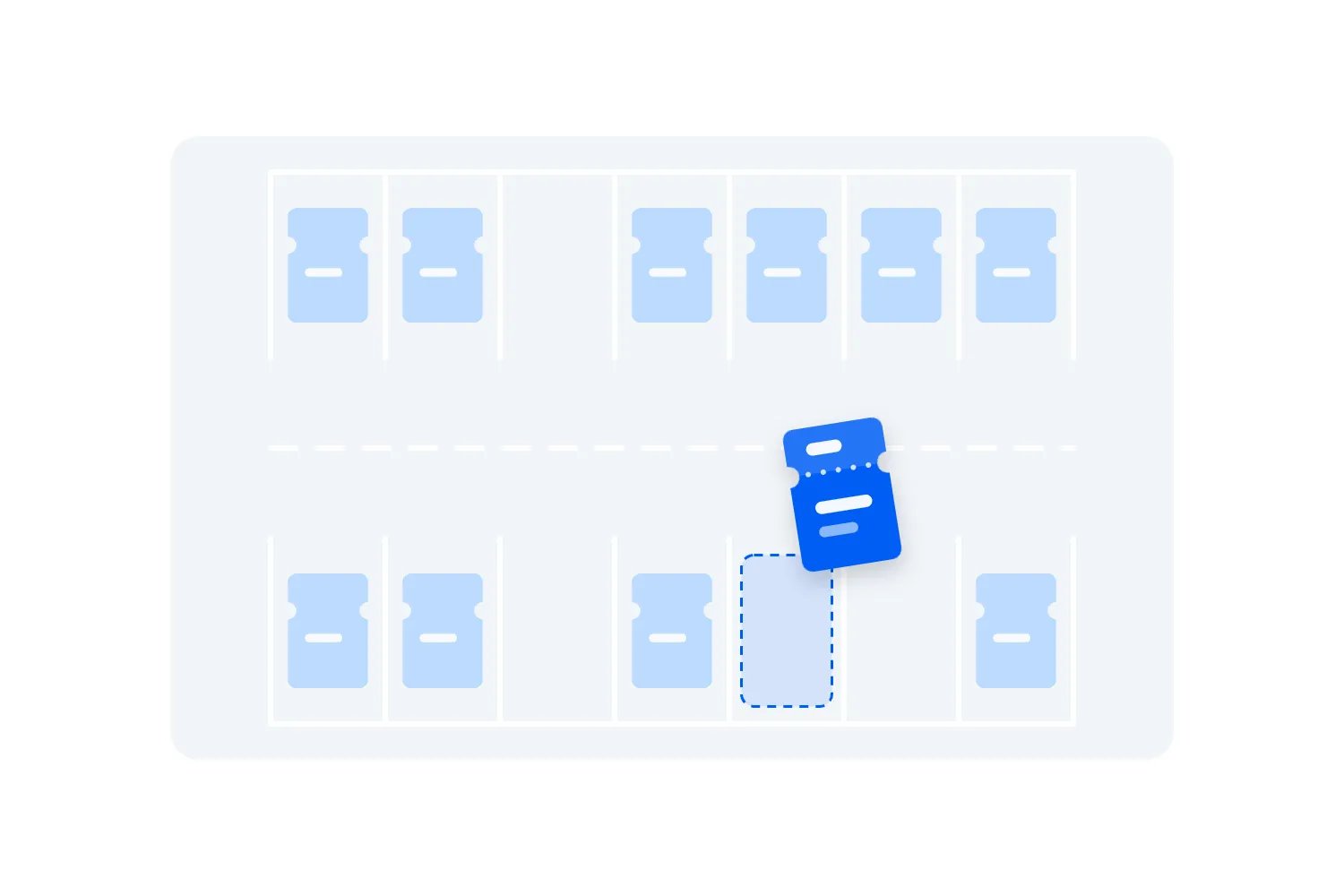
Your Saturday tickets are selling well. Then the forecast improves, passholders start planning a visit, and the team asks a question nobody settled when the passes went on sale. How much room have you actually kept for them?
Balance season-pass visits and day tickets by setting the access promise first, then allocating bookable places within an operating limit you can deliver. Review those allocations against actual demand and release unused places through a published process. The aim is to sell a worthwhile pass while retaining enough paid admission income to run the attraction properly.
I'd start with the day a passholder tries to return. If they can't work out when they can visit, or you can't explain why a day ticket is available when their reservation isn't, the offer needs more work. A successful pass launch creates future visits your business must accommodate. The money arriving early can make that obligation surprisingly easy to overlook.
We'll use a fictional seasonal attraction to work through the decisions. Its ordinary daytime visit, paid separately by occasional visitors, is also included in a season pass under stated reservation rules. Every capacity allocation, price, deadline and financial calculation in the example is invented. Amounts are USD, and none of the example numbers is a safe-capacity recommendation or industry benchmark.
Start with the access you have already sold
Pull the pass description and terms that applied when each current group bought. What does the pass actually include? Check the season dates, excluded days, reservation requirement, guest benefits and separately ticketed events. An attractive headline about repeat visits can create expectations that a short paragraph deep in the terms doesn't adequately explain.
Keep existing customers separate from the offer you're designing next. You may decide a future pass needs fewer eligible days or a clearer reservation process. That doesn't settle what you owe someone who already paid for a different promise. Record the relevant version against purchases, so the entrance team can resolve a question without guessing which website wording the visitor saw.
Imagine our attraction's current pass includes ordinary daytime admission through September 30, requires advance reservation and excludes its separately ticketed evening programme. That gives the business a specific service to plan. It still needs to explain availability and reservations accurately. Requiring a reservation doesn't make every possible restriction reasonable or allow staff to invent a new exclusion when demand rises.
The UK Competition and Markets Authority's guide to fair customer contracts, updated in July 2026, explains fairness and transparency requirements and warns about problematic powers to change contracts. Have the actual offer checked for the market where you sell. An allocation policy should be consistent with the sale, rather than an attempt to repair an overgenerous promise afterwards.
Where your current wording is unclear, investigate before selling more of it. Read complaints and the questions reception receives. A holder asking whether their pass works on Saturday may be revealing a missing explanation, a booking failure or an access restriction they were never told about. Those problems need different responses.
Establish what a busy visit can actually support
Start with the operating plan for the experience. The number of people the site can admit depends on its layout, activities, staffing, facilities and relevant approvals. A pass quota and a ticket quantity both have to fit within that plan. Neither is a way to determine safe capacity.
Think about the whole visit. Parking can fill before the grounds do. An indoor room can become crowded when rain sends everyone inside. A small arrival desk can struggle with a coach and several family groups at once. If your offer includes a guided activity, its own places and staff may be the restriction even when general admission has space.
The Health and Safety Executive's crowd risk assessment guidance addresses arrival, movement, departure and venue suitability in Great Britain. Use the appropriate requirements and competent advice for your operation. The commercial allocation begins after the people responsible have established what you can deliver, including what changes when conditions deteriorate.
For the fictional example, assume the approved plan allows the business to offer 200 visitor admissions for one defined session. These places cover all visitor ages, including any children admitted without charge. This is a session without turnover or readmission in the example, so each admitted visitor uses one place. Staff are dealt with separately in the operating plan. Don't copy that simplification into an all-day attraction where people enter, leave and return.
Now account for every visitor commitment. Day tickets, pass reservations, guests and complimentary admissions all consume places. Someone entering without another payment still occupies space. If your system tracks some of those categories outside the main booking calendar, reconcile them before you release anything else. An unsold ticket counter can be misleading when a private group has already been promised admission elsewhere.
Learn when passholders want to come back
Total pass sales tell you how many people may return, but they don't tell you when. Two hundred passholders who spread visits over a season create a different problem from the same people all preferring a sunny holiday afternoon. The season average won't reveal that concentration.
Review past visits by date, session and pass type where your records support it. Separate reservations from actual arrivals. Include cancellations and unsuccessful requests you can reliably identify. Someone who stopped trying after seeing a full calendar won't appear in the attendance total, so low attendance doesn't automatically demonstrate that the pass allocation was sufficient.
Look at day-ticket demand over the same periods. Keep school holidays, weather, special programming and changes in opening hours visible. A busy Saturday after a new exhibition opens may tell you something useful about that programme, but it shouldn't become the assumption for every Saturday in the season. Use comparable operating days where possible and retain uncertainty when the history is short.
Ask passholders practical questions. Which days can they use? How far ahead do they normally decide? Would an afternoon visit suit them, or do they travel far enough that a shorter visit makes little sense? Ask about realistic plans rather than whether they like the idea of more access. A favourable answer isn't a confirmed reservation.
This is also a reason to avoid treating every passholder as a bargain hunter who needs to be kept away from busy days. Some are regular local visitors who helped fund the season before it opened. Others bought for occasional family outings. Understand the offer each group thought they were buying, and what access would make renewal worthwhile, before assuming the cheapest solution is another restriction.
Explain the difference between eligibility and availability
An eligible date means the pass can be used on that date under its rules. An available reservation means there is currently a place the holder can book. A confirmation means they have completed that booking. Those are different answers, and your calendar should make them understandable.
Disneyland's Magic Key programme, checked in October 2026, provides a real example of reservation-based admission subject to allocated reservation availability and applicable blockout dates. That illustrates the distinctions an operator may need to explain. It doesn't establish that the same arrangement is right for a smaller attraction or that any particular allocation is fair.
At our fictional attraction, an eligible Saturday could have its pass allocation fully reserved while day tickets remain available under a disclosed separate allocation. The visitor needs to understand that before buying the pass. If the offer instead promised access to all available ordinary admissions, introducing a separate restrictive allocation later would create a different issue.
There is a broader reason to explain the visit clearly. In Loopyah's 2026 Worth It Event Index, 500 US consumers surveyed through Pollfish on February 11 answered a general question about clarity before buying an event ticket. This was not a survey of passholders or attractions, and it doesn't measure whether reservation rules cause purchases or complaints.
| Label | Respondents (%) |
|---|---|
| A great deal | 26.2 |
| A lot | 36.6 |
| A moderate amount | 31 |
| A little | 5.8 |
| None at all | 0.4 |
Source: Loopyah Worth It Event Index, question 6. Single selection, 500 US respondents, February 11, 2026. Raw counts were 131, 183, 155, 29 and 2 in the order shown. These general event responses are context for clear information, not an estimate of passholder understanding.
Choose how the admissions will be shared
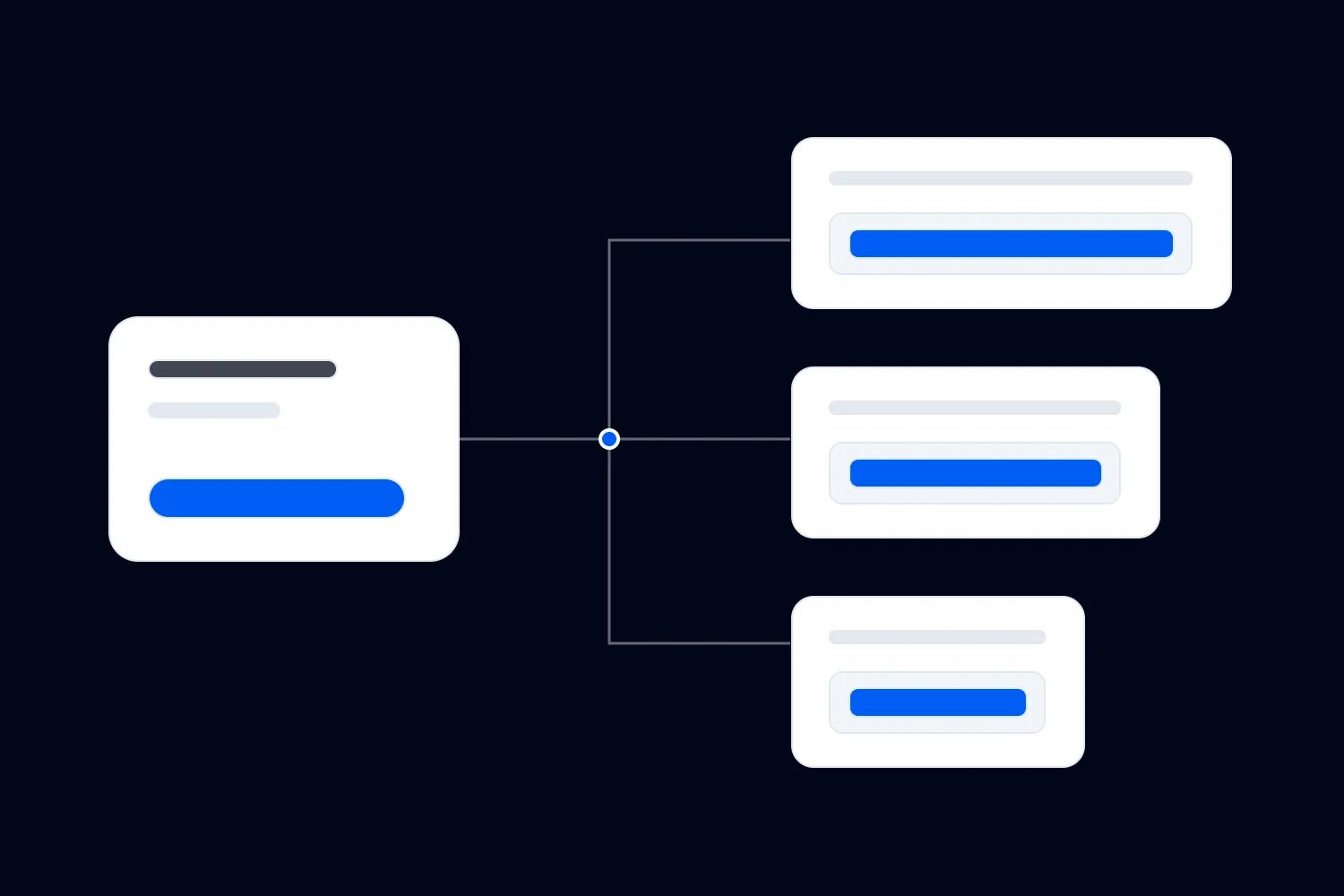
You can use one common pool, separate allocations or a combination that changes through the booking period. Choose based on the access promise and demand you can substantiate. There isn't a universal passholder percentage that protects revenue and keeps every customer happy.
A common pool is straightforward to explain. Eligible customers compete for the same remaining session places through their appropriate booking route. It can also allow one group to reserve most places early. If passholders plan earlier than day visitors, the business may have few new admissions left to sell. If day visitors book first, passholders may struggle to use what they bought.
Separate allocations let you reserve room for each group. They create another responsibility, because an empty place in one allocation isn't necessarily available to the other until you release it. You need a clear policy for that release and an explanation for the customer who can see the attraction still selling admission while their own calendar is full.
A mixed approach can protect an initial allocation for each group and permit transfers later. It suits an operator who has enough information and reliable controls to manage the changes. It is less attractive if staff will be copying numbers between unrelated tools without a dependable total. Operational simplicity has commercial value when a mistake can sell the same place twice.
Choose an initial arrangement you can describe in a short paragraph. Then check it against existing commitments and your provider's actual behaviour. The category names in a ticketing dashboard don't establish whether those categories share inventory, reserve separate quantities or automatically release unused places. Ask for a demonstration using your own proposed allocation before relying on it.
Work through one session without inventing extra places
Our example session has 200 visitor admissions. Suppose the business initially assigns 110 to day tickets, 70 to pass reservations and 20 to guest and complimentary admissions. The amounts add to 200. The last allocation has to include every visitor using it, rather than count a family guest booking as one person.
At a review point, 95 day tickets, 52 pass reservations and 12 guest or complimentary admissions are confirmed. That's 159 committed places. The remaining 41 consist of 15 day-ticket places, 18 pass places and eight guest or complimentary places. No one can release the confirmed places merely because a different customer would pay more.
Assume the published policy permits the manager to transfer ten unbooked pass places to day tickets at this point. Day allocation becomes 120, pass allocation becomes 60 and the other allocation remains 20. Existing bookings are unchanged. Available places become 25 day, eight pass and eight other, still 41 in total.
The transfer only helps if additional day buyers exist and can purchase before the session. It also reduces the places available to passholders who haven't yet booked. Record why that decision was reasonable under the offer and current demand. A transfer isn't automatically a commercial win because the higher-priced allocation became larger.
Make the inverse decision possible where your policy supports it. If day demand is weak and pass requests are strong, releasing unbooked day places to passholders may improve the service you've already sold. Don't set a permanent preference for day tickets that leaves the attraction unnecessarily empty while paying passholders repeatedly receive a full message.
Calculate the pass contribution over the whole season
A passholder returning today isn't necessarily bringing another admission payment today. Their pass payment arrived earlier and funded a package of future access. Assess that package across the period you promised, including its visits and the costs they create. Calling every return visit free obscures both the original revenue and the remaining obligation.
For a separate financial example, assume the business retains $120 from a pass after taxes, transaction charges and initial pass administration. Suppose each included visit costs $4 in genuinely attendance-related costs. Six visits leave $96 towards shared operating costs and profit. Twelve leave $72. Neither figure is final profit, because rent, programme costs and other shared expenses remain.
If those six visits also produce $3 of retained food and retail contribution each, after the costs of those sales, the amount becomes $114. With twelve visits at the same contribution it becomes $108. Those are invented assumptions, not expected spending. Keep the calculation without secondary spending visible so the pass doesn't depend on a cafe result you've never measured.
Don't spread the original $120 across visits and then add it again as pass-sale revenue elsewhere. You can use a per-visit allocation for a defined management report, but reconcile it back to the one payment. Ask your accountant how to recognise revenue and liabilities in your actual accounts. Cash received and earned revenue need not follow the same timetable.
The calculation also needs pass-level costs you haven't already deducted. Replacement cards, support, discounts on purchases and guest benefits can affect the result. If the pass includes guest admissions, include their delivery costs and capacity use. Keep the assumptions consistent so a benefit isn't omitted entirely or charged twice simply because two teams maintain different spreadsheets.
Compare an extra day sale with an extra pass visit carefully
Now consider one genuinely available place in a busy session, before it has been promised to anyone. Suppose an additional day ticket would leave $28 after tax and selling charges, and the visitor adds $4 of attendance-related cost. That sale contributes $24 before shared costs, assuming the visitor actually buys.
An additional visit by an existing passholder adds no new pass receipt in this immediate comparison and costs the assumed $4. If they also generate $3 of retained secondary contribution, their immediate effect is minus $1. Comparing that with $24 produces a $25 difference for this invented situation. It doesn't value the entire customer relationship or establish a right to refuse admission already promised.
The comparison is only relevant when another day buyer would really use the place. If no one else would attend, there is no $24 day contribution to lose. If the visitor books a later session instead, count the actual effect across both sessions. If your policy or existing bookings already commits the place, its availability cannot be decided again through this calculation.
Renewal and recommendations matter too, but don't attach convenient invented values to them. Track whether holders can make useful reservations and whether dissatisfied customers renew. Over time, that evidence may justify more peak access. Until then, show the immediate arithmetic and the longer-term uncertainties separately rather than pretending one confident number resolves the choice.
This is where the operator needs judgment. Protecting some day inventory can support the business. Repeatedly selling a pass that customers can't use can damage the very revenue you're trying to build. Review the whole offer, including the price and number of passes sold, when those two requirements consistently conflict.
Publish a release schedule people can use
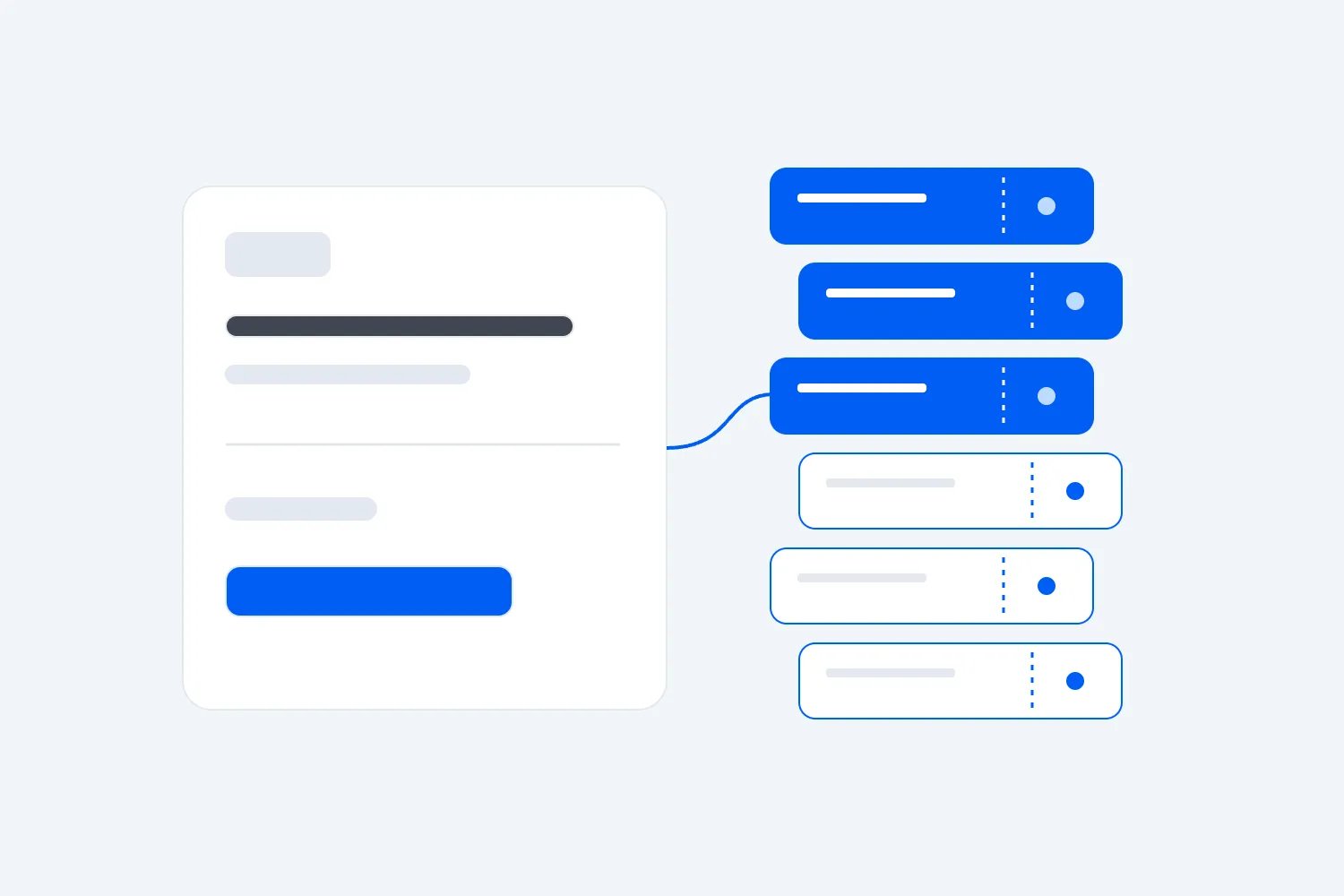
A release schedule tells customers when more reservations may become available and tells staff when to review unused allocations. Keep it simple enough to follow. A complicated sequence of exceptions creates more support work and can favour people who have time to refresh the calendar all day.
For our invented session, suppose the initial allocations open together. Seven days before the visit, the manager reviews remaining places and demand. Two days before, the team performs another review. These are example review points, not a recommended booking window. Transfers happen only where the policy permits and confirmed reservations remain protected.
Distinguish a review from a promised release. If you tell passholders more places will open on Wednesday, there must be a dependable process and quantity or a clear conditional explanation. "We review availability on Wednesday" means something different. Customers arranging time off or transport need to know which statement they're relying on.
Allow enough time for the invitation to be useful. Releasing family places shortly before closing can make the calendar look more generous without creating a realistic visit. Review how far your customers travel and when they make plans. A returned reservation offered early enough may help another household, whereas the same notification after they've left home may do little.
Keep an internal record of each change. Note the session, old allocations, transferred quantity, resulting allocations, reason and approver. The record should show the same total before and after. It gives the next shift an explanation and lets you review whether transfers actually resulted in attendance or merely moved empty inventory between labels.
Keep booking limits and cancellation rules proportionate
A limit on outstanding reservations can prevent one holder reserving many popular dates at once. It can also make the pass less useful for a family that plans ahead. Decide what problem you're trying to solve, then consider whether the proposed rule addresses it without making ordinary use unnecessarily difficult.
You might limit the number of future reservations held at one time, require the named holder to attend or limit duplicate bookings for the same session. Each is a different rule. Explain what counts towards the limit, when a completed or cancelled reservation stops counting and what happens when the attraction cancels a visit.
Make cancellation easy enough that customers actually return places. The confirmation should identify the booked session and provide the supported cancellation route. A holder who must phone during a short office window may leave a place unused because the process doesn't fit their day. That is an operating problem you can fix before reaching for penalties.
Handle missed visits using the terms you disclosed and the rights that apply. Check whether a failure arose from illness, accessibility problems, an attraction closure or a booking error before imposing a sanction. Any suspension or restriction needs an accurate record, a clear explanation and a reasonable way to challenge a mistake. Don't let a single incorrect scan permanently affect someone's access.
Avoid selling extra places against an assumed no-show rate as a casual solution. A day when everyone arrives is still a day you must manage within the operating plan. Releasing a genuinely cancelled reservation differs from accepting two commitments for one place. If you are considering a more complex admissions model, have its operational and contractual implications assessed rather than copying another business's percentage.
Make the booking journey understandable on a phone
Start with a holder's actual task. They need to identify their pass, choose an eligible visit, reserve the correct people and receive confirmation. Keep those steps visible and describe what happens when no suitable place is available. The person booking shouldn't have to understand your internal allocation system to arrange a family afternoon.
Use clear status messages. "This date isn't included in your pass" describes an eligibility restriction. "Pass reservations are currently full" describes an allocation with no remaining availability. "Your reservation is confirmed" should appear only after the booking completes. If another release is planned, explain when to check and whether availability is guaranteed.
The World Wide Web Consortium's form-labelling guidance explains how labels identify the purpose of controls and connect them with assistive technology. Test the actual form with the accessibility requirements relevant to your audience. A date picker that looks tidy is little help if a visitor can't identify available dates or finish without a mouse.
Keep guest admissions visible. In our example, a reservation for one passholder and a paying guest consumes two visitor places. The guest's purchase should not disappear because both people travel on one booking reference. State whether the holder must accompany them and what happens if only the guest wants to change the date.
Offer a supported help route for someone who cannot use the usual form. Staff assistance must draw from the same remaining capacity as online bookings. An unofficial phone list becomes dangerous when it promises places nobody has deducted from the public calendar. Record the reservation through the approved process and send the visitor a confirmation they can use.
Confirm the exact job your ticketing system can do
Have the provider show the whole journey before relying on a pass offer. Selling a ticket type is one job. Recognising continuing pass eligibility, limiting future reservations and coordinating admissions across dates are more specific jobs. A product demonstration should cover those exact requirements rather than stop at a successful checkout.
Test the quantities too. Does a pass reservation reduce the session total? What happens when a guest buys separately? Can staff see the same remaining places as the website? Does cancellation restore the right allocation once? If you transfer unused inventory, can another customer complete a booking during the change without producing inconsistent totals?
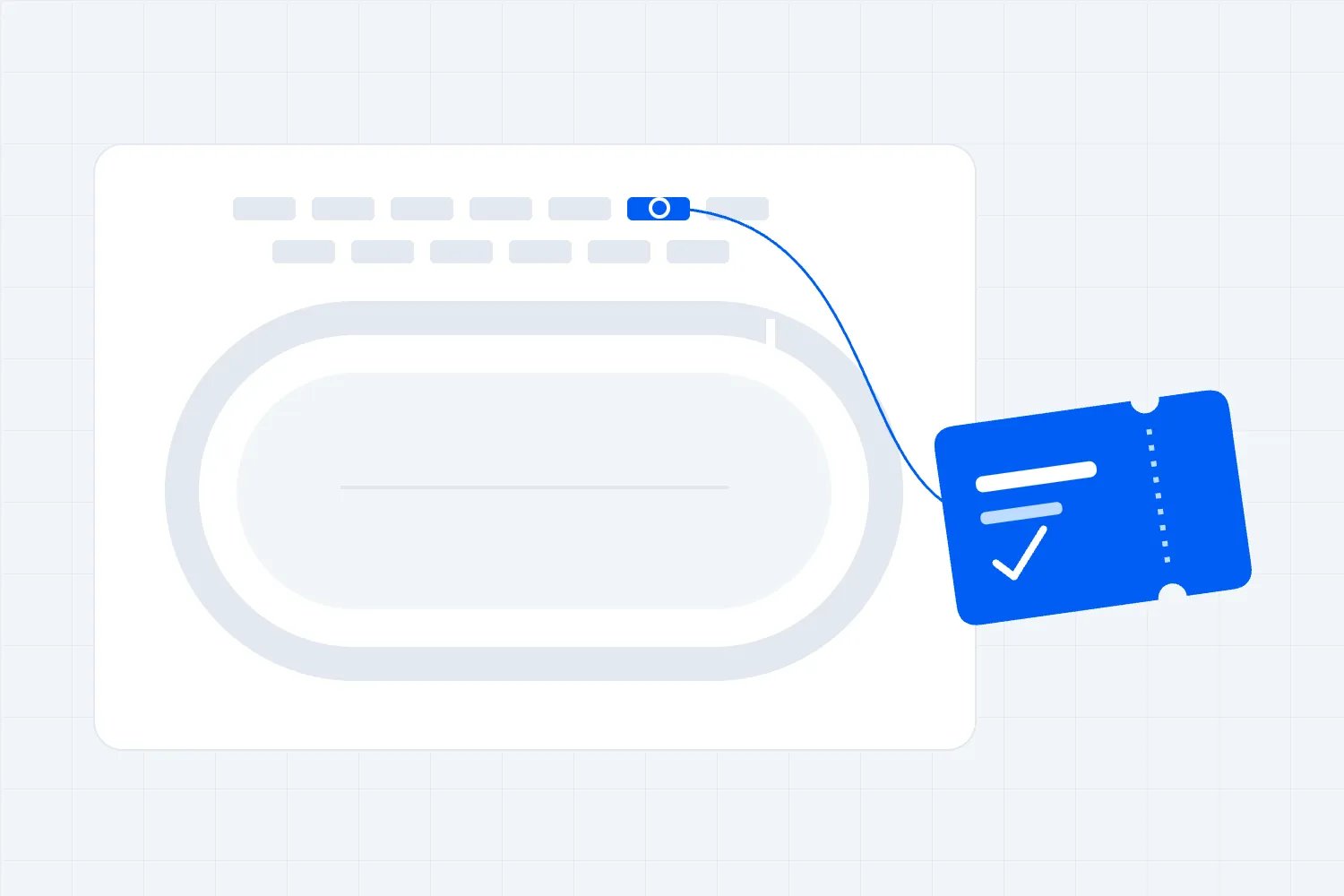
For ordinary paid event admissions, Loopyah's ticket-selling tools provide ticket types, checkout, ticket confirmations and QR check-in. Those capabilities support the sale and admission of dated event tickets. Confirm your exact pass and reservation requirements separately before making a continuing-access promise. Ask us to demonstrate the pass reservation and shared-capacity process you need before you offer it to customers.
Tell the team where each part of the booking is recorded. If your pass register and event ticketing perform different parts of the job, specify which establishes eligibility and which holds the dated reservation. Don't ask entrance staff to make that decision by comparing several loosely related emails while a queue grows.
Your testing should include failures as well as successful purchases. Try an expired pass, an excluded date, a cancelled reservation, an attempted duplicate and a session with no places left. Verify what the visitor sees and what the entrance team sees. A process that depends on everyone recognising a mistake and correcting it manually needs improvement before you sell it widely.
Help passholders choose quieter visits without hiding the offer
A quieter session can be attractive because the experience is easier to enjoy, rather than because you discount something again. Explain what is actually different. There may be more available arrival times or a programme that suits local visitors. Don't promise shorter queues or a calmer visit unless you can reasonably support that description.
Show useful availability while people are planning. If Saturday pass reservations are full and Sunday afternoon has places, present that alternative clearly. Include opening times, included activities and any relevant differences. Someone who can't use Sunday shouldn't have to open several pages to discover that the proposed substitute won't suit them.
Consider a passholder session only after checking its costs and effect on the rest of the programme. Additional opening creates staffing, cleaning and utility commitments. It can improve access, but calling it a benefit doesn't make it inexpensive. Compare the additional cost with a realistic attendance estimate and what problem the session is meant to solve.
Keep operational notices separate from promotions. Loopyah's attendee email tools include event updates and audience selection for event communications. Verify the intended recipient group and use the appropriate permissions for the message. A dated ticket audience shouldn't automatically be treated as a complete, current register of every season-pass holder.
For the next offer, ask whether the pass would work better with a clearer distinction between off-peak access and broader access. Price and describe those products honestly, with their actual calendars. Our event membership pricing guide develops the recurring-value decision. Adding more tiers won't help when the main problem is that the underlying visit calendar is unreliable.
Brief the entrance team before the first busy session
The gate needs an answer to the real situation in front of it. A valid pass without a required reservation differs from a confirmed reservation on a pass that expired yesterday. A guest ticket differs from a holder's included admission. Write the expected response for each case, including who can approve an exception.
Use one current briefing for the session. Include the visitor limit approved for that operation, the expected arrival pattern, relevant booking rules and the contact who can stop admissions or resolve a discrepancy. Ensure the team can consult the information during a shift without opening an unmonitored office inbox.
Count actual entry and, where relevant, exit and re-entry. A reservation total doesn't tell you how many people are currently in a particular room. HSE's crowd-monitoring guidance addresses both overall numbers and how people are distributed. Apply the appropriate operating arrangements for your site, especially when weather changes where visitors gather.
Keep a respectful response ready for the person who misunderstood. Staff should be able to explain the rule, check the booking and offer an available alternative without arguing about whether the customer should have read a page more carefully. If the attraction's own description caused the confusion, record that and refer it for a proper remedy.
Don't sell an exception casually at the entrance. A manager admitting someone into a full session still has to follow the operating limit and honour other confirmed commitments. If an approved exception uses a remaining place, record it immediately. A verbal yes and a later update leave the next colleague looking at availability that no longer exists.
Review access and money in the same report
Track pass sales, retained receipts, refunds and the remaining period of access. Alongside those figures, record reservations, cancellations, arrivals and visits per holder where you can do so reliably. Keep pass guests distinguishable from passholders so their paid admissions and their capacity use don't disappear into an average.
For each busy session, compare the initial allocations with confirmed bookings, transfers and actual arrivals. Include credible evidence of unmet demand. That might be requests received while an allocation was full or a supported waiting list. Label the measure accurately. A page view is not necessarily one person who would have completed a purchase.
Our guide to measuring repeat attendance explains the broader job of identifying returning visitors. Here the additional question is whether the access they bought was usable. Review the gap between wanting a visit, securing a reservation and actually attending, rather than celebrating repeat attendance without examining who couldn't get in.
Look at season contribution as well as a single peak session. Earlier we assumed a pass retained $120 and each included visit cost $4. Revisit those assumptions using actual records. If extra opening or another staffed entrance was needed, include the cost in the appropriate period. Don't leave the cost out because it wasn't part of the original per-visit estimate.
Keep customer explanations with the financial review. Repeated complaints about one holiday may indicate that the offer and audience don't fit. Repeated booking failures may indicate a technical problem. A low renewal rate after an otherwise profitable season could have several causes, so investigate rather than attributing everything to the allocation. Decide what you can substantiate and what the next season needs to test.
Run a release rehearsal before the calendar opens
Test an allocation change while two customers are trying to book. In our session example, start with the 159 confirmed admissions and 41 uncommitted places. Transfer the proposed ten places through the supported process. Check that the day allocation rises to 120 and the pass allocation falls to 60, with every confirmed booking retained and the session total still 200.
Next, complete one additional day purchase and one additional pass reservation. Confirmed attendance should rise from 159 to 161. The remaining quantities should now be 24 day places, seven pass places and eight other places, adding to 39. This is a useful test because it checks the actual consequence of the transfer rather than whether a settings page accepted a new number.
Cancel that new pass reservation through the normal customer route. If cancellation restores availability under your rules, the pass allocation should again have eight places remaining and total confirmed attendance should return to 160. Refresh the other buyer's view and check it agrees. Avoid repeating the cancellation or restoring the place manually before you know whether the first action completed.
Finally, interrupt a booking before confirmation and establish what happens to any temporary hold. Ask how long it remains, what releases it and what support can see if the buyer reports a payment problem. Use your provider's approved test arrangements. You want a documented answer for an interrupted transaction, rather than a colleague deciding to add another place because the calendar seems stuck.
Our guide to balancing timed-entry capacity considers the related problem of distributing admissions between sessions. Keep the two decisions connected. Moving a passholder to a later session only helps if that session has a real available place and the visitor agrees to the change. A different time on a screen doesn't create additional operating capacity.
Decide when to pause new pass sales
If the current population of holders already struggles to secure useful visits, selling more passes adds commitments before you have solved access. Review new sales and renewals against the remaining season and likely visit concentration. A high pass-sales target isn't a reason to ignore what customers will try to book next month.
Estimate the effect of the next batch before releasing it. If you sell another 50 passes and assume each holder wants four remaining visits, that represents 200 hoped-for visits across the rest of the season. The multiplication is simple; their timing is uncertain. Check whether the remaining eligible sessions can accommodate plausible concentrations, rather than treating every empty weekday place as interchangeable with a holiday place.
Keep upgrades in the same forecast as direct pass purchases. Someone converting a day ticket still creates future access commitments. Our day-ticket to season-pass upgrade guide covers credit and purchase decisions. For allocation planning, both routes add holders who may want the same remaining dates, so a separate upgrade target shouldn't quietly bypass the overall sales decision.
A pause in new sales can create time to assess the problem while you continue serving existing holders. It doesn't remove their benefits. Check which access can still be delivered, what information customers need and whether an operational change would help. If you cannot provide what you sold, investigate the appropriate remedies under the actual terms and local rights.
Review future pricing only after you understand the use. A higher price could reduce demand but won't repair a calendar that doesn't work. A cheaper off-peak pass may suit a particular group, but it won't suit households that can only visit on weekends. Fewer passes with a clearer promise may be a better next offer than several confusing tiers.
If a whole attraction or activity must close, handle that as a separate operating interruption. Our blackout-date guide covers restricting sales and resolving affected bookings. A closure is different from an allocation being full, and customers need the right explanation for the situation that actually happened.
Before the next busy booking period opens, ask one colleague to act as a current passholder and another as a day visitor. Have both try to book the same popular session, explain what they see and follow the process through to admission. Reconcile the places and payments afterwards. If the experience doesn't match the offer or the totals don't agree, fix that specific failure before inviting more people to buy.

Author: By the Loopyah Content Team
The Loopyah Content Team shares expert insights, practical guides, and industry updates to help event organizers create unforgettable experiences and stay ahead in the event planning world.