· 21 min read
Should visitors be able to turn a day ticket into a season pass?
A visitor has just had a great day at your attraction. They're leaving with the family, talking about coming back, and someone asks whether today's ticket can count towards a season pass. That's a useful moment to sell. They've experienced what you offer, and another visit already feels plausible.
I'd offer a day ticket to season pass upgrade when the extra payment can cover the future visits you're promising, and when you can explain the credit without a conversation at the gate. If those conditions aren't true, more pass sales can leave you with less money and a busier attraction. Start with the economics, then make the offer easy to use.
This guide is for paid attractions and recurring event businesses considering credit for a visit someone has already bought. We'll work through a fictional seasonal garden attraction, including what to credit, when the pass begins and how to protect busy dates. All example amounts are invented USD figures. They illustrate the decisions rather than recommend a price.
Decide what the visitor is buying next
The first thing you want to do is define the future access. A season pass normally covers a named operating season. An annual pass covers a stated year or another clearly defined annual period. A ticket bundle covers a limited number of admissions. Those promises produce different costs, even when customers casually call all of them a pass.
For our garden attraction, assume the season ends on September 30. Its pass includes ordinary daytime admission until that date, with advance reservations required on specified busy days. Evening performances and separately ticketed workshops aren't included. A visitor upgrading in August receives less remaining access than someone upgrading in April, and both should see the actual end date before paying.
Don't add automatic renewal just because you're selling repeated visits. A pass that expires and a subscription that keeps charging need different explanations and administration. If you want recurring payments and continuing benefits, our guide to designing an event membership people will renew addresses that broader decision.
Now ask whether people have a reason to return during the remaining period. Changing displays, a varied programme or a convenient local outing might provide that reason. An attraction with one short experience and mostly distant visitors may have less repeat demand. A bigger upgrade discount can't fix the absence of another visit people actually want.
Make today's admission credit explicit
An upgrade applies an agreed credit from an eligible day ticket towards the pass. You aren't undoing the visit that already happened. You're deciding how much of that payment counts towards a different purchase with additional access.
Our fictional garden charges $30 for ordinary adult admission and $90 for a season pass. If it credits the actual $30 admission payment, the visitor pays another $60. Across both purchases, they've paid $90. That's an easy explanation, provided the prices use the same treatment of taxes and mandatory charges.
A visitor who paid a discounted $24 needs a separate rule. Crediting their actual payment produces a $66 balance. Crediting the standard $30 produces a $60 balance and a total payment of $84. The second policy includes another $6 concession. You may deliberately choose that concession, but include it in your calculation rather than describe both outcomes as identical.
Separate admission from everything else in the order. A parking payment, lunch purchase or optional donation doesn't automatically become admission credit. If an order contains several people, identify the qualifying amount for each person. A family should be able to upgrade selected visitors without accidentally using the entire order's value several times.
Publish a short credit rule before staff make offers. State whether you use actual admission paid, a fixed allowance or another defined calculation. Include the treatment of discounts, complimentary admission and partner tickets. Once the promotion starts, staff should apply an agreed policy rather than negotiate a new one with every customer.
Learn from real policies without copying them
There isn't one universal upgrade deadline or credit method. Attractions choose rules that suit their access, customer base and administration. Use their published terms to see which decisions need an answer, then make your own offer internally consistent.
For example, Kew's membership FAQs, checked in October 2026, describe a fixed admission credit for eligible adult visitors who join on the day or within thirty days. The policy identifies exclusions and explains different redemption routes for visitors joining onsite and afterwards. The useful lesson is the completeness of the explanation. Your credit amount and window still need your own justification.
The Merlin Annual Pass support guidance describes a different arrangement. It distinguishes an Annual Pass upgrade from Membership and requires purchase on the visit day. That distinction matters when similar sounding products have different rules. Your customers shouldn't need to infer eligibility from the word pass.
Neither approach proves that a particular window will improve your results. A same day requirement can reduce administration, but it excludes people who want to decide at home. A longer window gives them time while creating more outstanding offers and more chances for a ticket to be credited twice.
Look at your own customer journey. How long does a typical visit last? Can families comfortably discuss the commitment before leaving? Is there somewhere to answer questions without blocking departures? Choose a window your visitors can reasonably use and your team can reliably enforce.
Calculate the extra money against future costs
The $30 day admission is already collected in our example. The upgrade adds $60 today. When you're deciding whether to offer the upgrade, compare that additional payment with the costs and revenue consequences of the future access. Counting the original admission again would flatter the result.
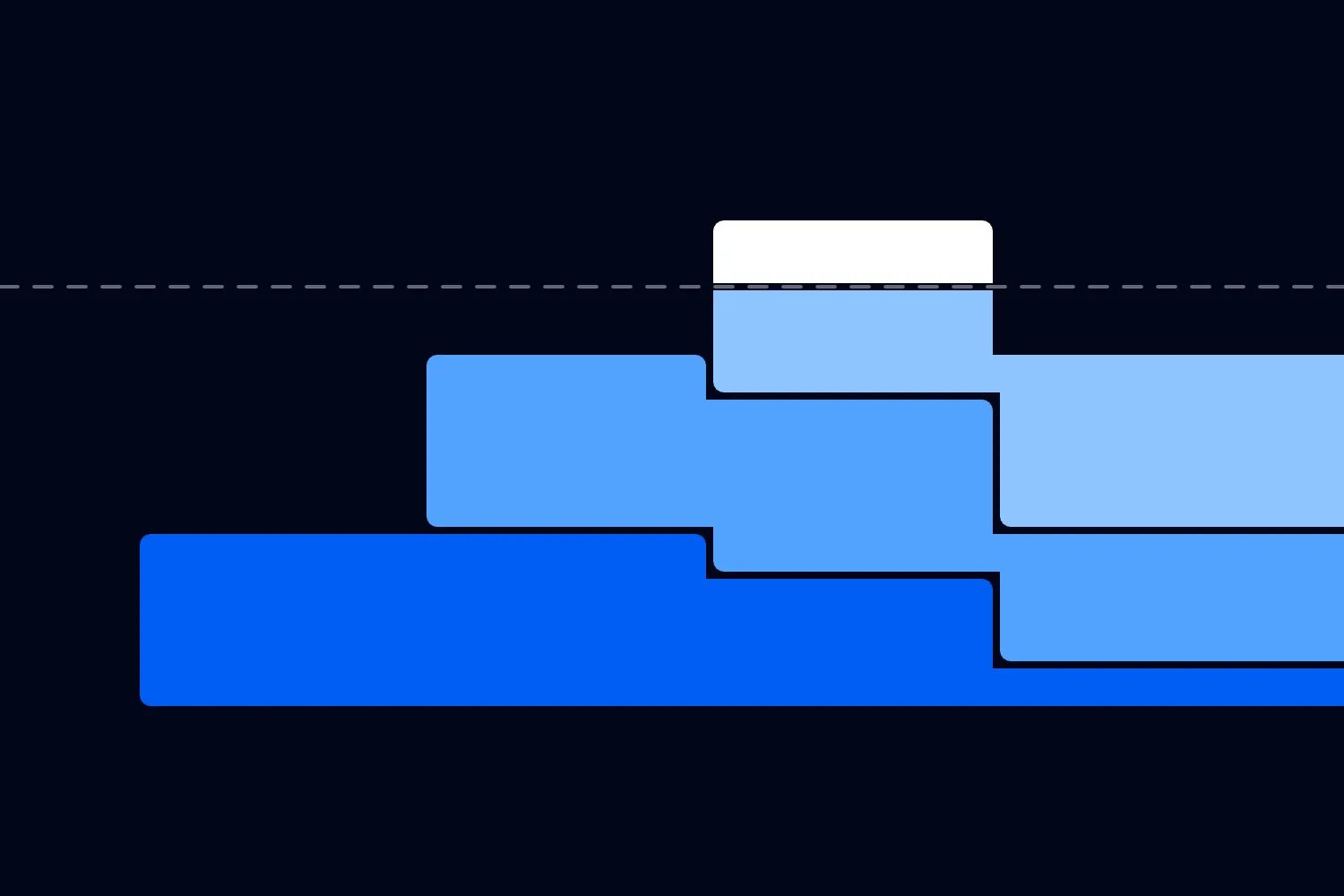
Suppose the additional payment is $60, and payment processing plus pass administration costs another $4. Assume each future visit adds $6 in staffing, cleaning and consumables that genuinely change with attendance. After four additional visits, those direct amounts leave $32. After eight additional visits, they leave $8. These invented calculations exclude tax, refunds, displaced admissions and changes to fixed operating costs.
| Label | USD remaining |
|---|---|
| 4 visits | 32 |
| 8 visits | 8 |
Illustrative calculation from the fictional example: $60 additional payment minus $4 processing and administration, then $6 per future visit. Excludes tax, refunds, displaced admission revenue and changes to fixed costs.
The attraction's rent doesn't necessarily rise when one passholder returns. Labour might, especially when attendance requires another staffed entrance or a longer opening day. Work with the person running the operation to identify which costs change, at what attendance level and by how much. Dividing every cost by attendance gives a different answer from estimating the cost of accepting another visit.
Don't rescue a weak calculation with assumed cafe spending. Some passholders will buy refreshments, but food sales have their own costs. Use the money left after those costs when you have reliable evidence, and keep an assessment without that spending so you can see how dependent the offer becomes on it.
You also need to consider visitors who would otherwise buy another day ticket. The upgrade may collect money earlier while reducing later admission revenue. That's still potentially worthwhile, but it changes what success means. A pass sale alone doesn't tell you whether the business made more money.
Compare the offer with what buyers would otherwise do
Imagine two visitors who both upgrade. One would have returned several times and paid for each visit. The other enjoyed today but wouldn't have booked again without a pass. Their payments look identical in your sales report, but the upgrade changes their future spending differently.
You can't know that alternative perfectly. Start by examining repeat purchases before the offer, asking visitors about realistic plans and separating local regulars from occasional visitors. Don't treat an answer to a survey as a guaranteed booking. Use it to test assumptions and to identify who needs more explanation.
For an established repeat visitor, the question is whether pass income and any additional spending compensate for tickets they stop buying. For an otherwise occasional visitor, the question is whether the upgrade payment covers the extra visits and costs the offer creates. Both groups matter. A promotion can attract a profitable new group and subsidise existing regulars at the same time.
Compare the combined result across the customers you actually reach. If your strongest pass buyers already attend nearly every weekend, expect their behaviour to differ from a family trying the attraction for the first time. Use separate estimates rather than one convenient average.
Also consider direct pass buyers. A generous upgrade route may teach them to buy a cheap day ticket first, particularly if the combination costs less than a pass bought outright. Show both routes together before launch. The trial route can be an intentional benefit, but hidden price differences create confusion for staff and resentment among customers who paid more.
Work through the calendar before you set a deadline
There are two dates to decide. One is the last moment a day ticket can receive credit. The other is the beginning and end of the pass itself. They don't have to be the same, and a receipt should make the distinction clear.
For a fixed season ending September 30, the end date can stay September 30 regardless of the upgrade day. If you offer an annual period, decide whether it begins on the original visit date or when the upgrade completes. Backdating may prevent someone receiving extra access by delaying, but the buyer needs to understand the shorter remaining period.
Use actual dates in the offer. "Upgrade within seven days" leaves questions about the visit day, working days and closing time. Explain whether the deadline is a calendar date, how late online purchases remain possible and what happens when the service desk is closed. Staff should be able to check the answer in the booking record.
A late season upgrade also deserves a value check. Count the remaining opening days that the passholder can actually use, including excluded dates. If the programme has almost finished, an invitation focused on repeated visits may promise very little. A defined next season offer might fit better, but that is a different product with different dates.
Don't quietly extend deadlines for everyone who complains while telling other buyers the offer has ended. Allow a documented exception for a genuine service failure, with approval from a named manager. If exceptions become routine, change the published policy for future offers instead of maintaining an unofficial one.
Keep peak attendance within what you can deliver
A pass creates a right to eligible visits under your terms. It doesn't create parking spaces, more room inside a small exhibition or extra staff at the entrance. Model where repeat visits are likely to happen, especially when local passholders share the same school holidays and weekends.
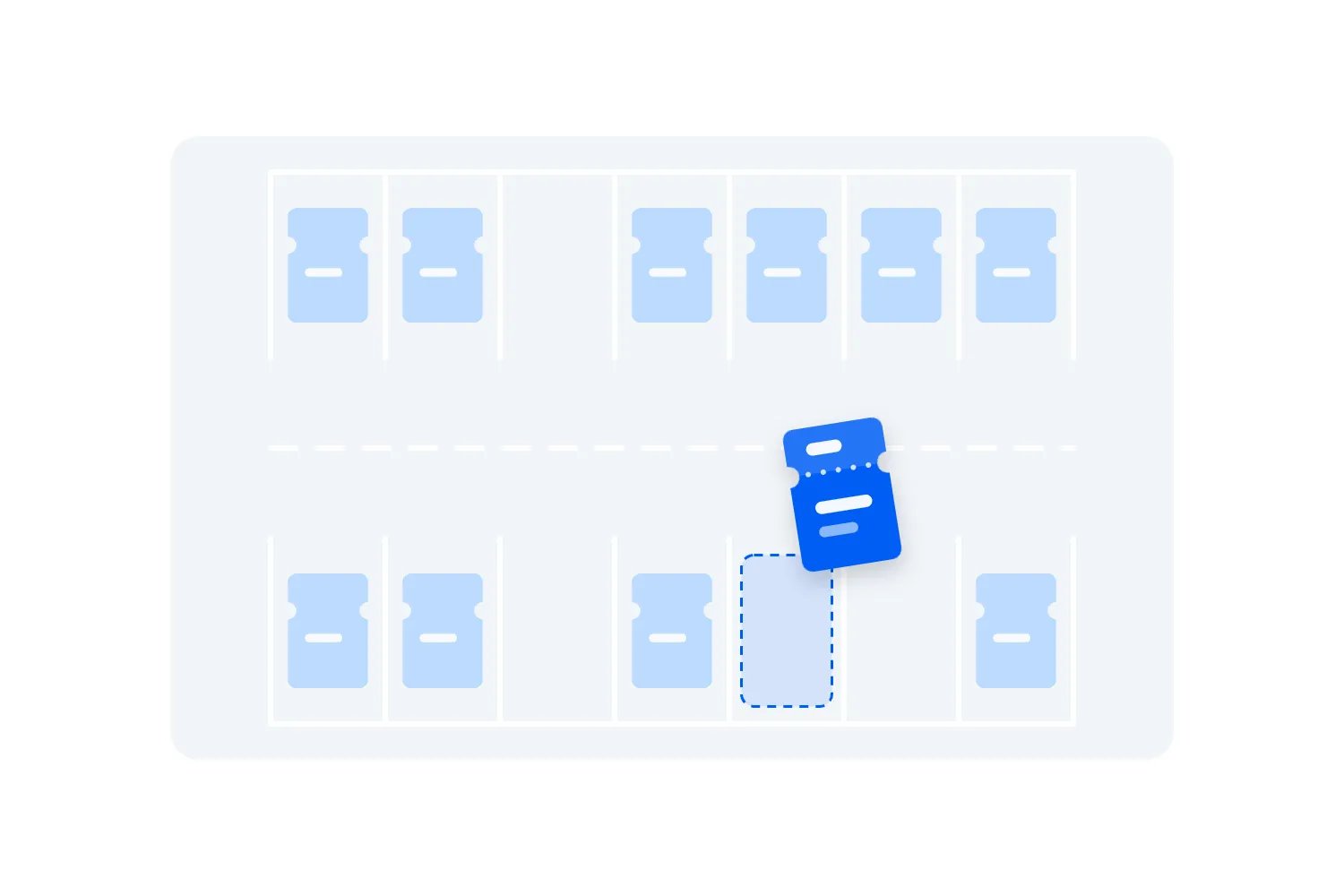
Suppose a busy afternoon can accommodate 400 visitors under the attraction's operating plan, and 320 day admissions are already booked. You have 80 remaining admissions for that period before other commitments. Selling more passes doesn't expand those 80 places. This is a fictional allocation example, not a method for setting a venue's safe capacity.
If passholders must reserve, explain the process before they purchase. Tell them whether reservations compete with day tickets, whether a separate allocation exists and how cancellations work. Avoid describing entry as unrestricted while relying on a reservation rule that customers only discover when Saturday is full.
Excluded dates can protect the busiest periods, but they also change who should buy the pass. A family that can only visit on excluded weekends may gain little from the upgrade. Show the calendar where they assess the offer. Our guide to managing blackout dates for ticketed attractions and tours explores that operating decision in more detail.
Review demand by visit date as well as by pass sale date. A promotion launched during a quiet week can generate visits concentrated on the next holiday. If you discover that after selling unrestricted access, your options are narrower. Set a manageable first allocation while you learn how the new visitors use the programme.
Decide which tickets can become passes
The eligibility rule needs to match individual admissions. Start with tickets that your team can identify and value reliably. That might mean ordinary day tickets bought directly from you, with the upgrade limited to the named visitor who used the admission.
Discounted group bookings need careful handling because the purchaser and visitor may be different people. A school organiser shouldn't accidentally gain credit for every pupil's admission towards a personal pass. Conversely, a family buying together shouldn't lose an offer merely because one adult paid. Define who can claim and which ticket is consumed by the credit.
For partner sales, confirm what your agreement permits and what information you receive. The customer's payment, your settlement and the standard admission price can all differ. Don't let staff guess a credit from a screenshot that doesn't show the eligible admission amount. Offer a supported verification route or exclude that category clearly before purchase.
Address complimentary and refunded tickets explicitly. A complimentary visitor has no admission payment to credit unless you intentionally offer a separate allowance. A refunded admission cannot support a second credit. If someone receives a partial refund, staff need the remaining eligible amount, not merely the original price.
Also check how someone gets help when the original purchaser isn't present. A grandparent may have bought the day tickets while a parent wants to arrange the upgrade. Staff need an appropriate way to verify the claim without exposing another customer's payment details. Decide which information is necessary, explain it clearly in advance and avoid collecting personal documents just because they might be useful later. Use your provider's supported verification process wherever possible.
A family pass requires its own calculation. Decide which visitors belong to the pass, which qualifying day admissions count and what happens if only part of the group upgrades. Explain age changes and any household definition. A generous family offer can be worthwhile, but it should never depend on staff making personal judgments about who looks like a family.
Check whether the offer still works for a whole household
An individual pass calculation can look reasonable while the family decision is difficult. Suppose two adults each need the additional $60 in our example. That's $120 of new spending before any children or other visitors qualify. A parent comparing that amount with the household budget isn't making the same decision as one visitor deciding whether to come back alone.
Explain partial upgrades without pressuring everyone to buy. If one adult becomes a passholder, what will the rest of the household pay next time? Does the pass include any guest admission, or does each returning person need their own ticket? State that plainly. Don't imply that a pass for the purchaser covers everyone named on the original booking.
Keep guest benefits separate from the admission credit. If a pass includes a guest visit, decide whether the guest must accompany the holder, reserve beforehand and follow the same excluded dates. Include the cost of those visits in the offer's economics. A benefit described as free to the customer still creates work and uses capacity for your business.
Household changes also need a consistent answer. Someone may return with a different accompanying adult, a child may move into another age category, or a family may want to add a visitor later. Document the choices you actually support. Clear boundaries are easier to explain than a flexible sounding offer that requires a manager every time somebody's plans change.
Complete the change without losing the original visit
Keep the original admission and the new pass connected in your records. You need to know which ticket generated the credit, how much was applied, what the visitor paid and when their continuing access expires. That history helps with queries, duplicate claims and later refunds.
A consumed day ticket should remain visible as a visit that happened. Mark its credit as used rather than deleting the transaction to make the new purchase look tidy. At the same time, the upgrade mustn't create an extra counted arrival for someone already inside. Staff need to distinguish a pass purchase from another entrance.
Confirm what the visitor should show next time. If a temporary confirmation works until their pass arrives, say so. If they need a named account or identification, explain that before payment and provide an accessible route for someone who cannot complete the usual setup. A successful payment followed by unusable admission is a support problem you created.
With Loopyah's ticketing tools, operators can sell event ticket types and manage ticket operations. A repeat entry pass and a credit against a previously used ticket require more specific handling. Confirm that exact workflow before selling it; the presence of ticket types doesn't establish support for ongoing pass rights or automatic upgrade credits.
Ask your provider to demonstrate the complete journey using its supported process. Include the original purchase, first entrance, upgrade, next reservation and next entrance. Check what each staff member sees. You want one understandable visitor history rather than several purchases that the gate team has to interpret under pressure.
Offer the upgrade when the visitor can judge it
Mention the possibility before a visit if it helps someone feel comfortable trying the attraction. Keep the promise precise. "Eligible day admission can count towards a season pass" needs an accessible explanation of eligibility and timing. Otherwise visitors may arrive expecting every ticket and every pass to qualify.
During the visit, an invitation can work when the customer has experienced enough to understand another trip. That might be near the exit or at a quieter visitor information desk. Don't make the entrance queue the only place to decide, especially if families are trying to get children inside and can't discuss another purchase.
The message should answer the practical question immediately. For our fictional eligible ordinary adult ticket, you could explain that today's $30 admission counts towards the $90 pass, leaving $60 to pay under the example's all inclusive pricing assumption. Follow with the actual expiry date and reservation restrictions. Replace those amounts with the buyer's calculation when discounts change the balance.
Avoid selling the pass by pretending the visitor has wasted today's payment. They bought and received a day out. The upgrade offers a way to apply that payment towards additional access. That is useful enough without manufacturing regret or suggesting they must spend more to complete the visit.
Train staff to recognise a poor fit. Someone visiting from far away, someone unable to use the remaining dates or someone expecting included evening events may be better served by keeping the day ticket. An honest explanation protects the customer and reduces avoidable complaints when the first return visit doesn't match what they imagined.
Follow up with relevant information and permission
A visitor who wants to discuss the decision at home needs a straightforward route back to the offer. If you permit later upgrades, include a verifiable booking reference and the real deadline. Avoid asking them to explain their entire visit again to a different employee.
A promotional follow up is marketing. For UK audiences, the ICO's current email marketing guidance explains consent and the conditions for the products and services soft opt in. An existing ticket purchase alone doesn't answer every requirement. Check how you collected the address, what choices you offered and how the recipient can opt out.
Loopyah's attendee email tools let event businesses communicate using their buyer information. Use the supported audience controls to keep a promotion relevant, while checking the actual pass eligibility separately. A marketing selection doesn't establish that a particular day admission still has unused credit.
Stop invitations after the person upgrades or becomes ineligible. A reminder that quotes the wrong balance or advertises a deadline already passed makes the offer harder to trust. Make sure support can recognise purchases completed onsite as well as those completed online before sending another message.
The confirmation after purchase has a different job. It should explain the pass, its dates, booking requirements and how to get help. Keep that information easy to find later. People shouldn't have to search a promotional email full of sales copy to discover what they need for their next visit.
Write terms that match the sales conversation
Before payment, show the pass price, eligible credit and actual balance due. Explain mandatory charges using the rules that apply where you sell. The UK Competition and Markets Authority's price transparency guidance addresses mandatory fees, taxes and charges, including the problems created when businesses reveal them during checkout.
Place material access restrictions where visitors evaluate the purchase. The end date, excluded events, reservation requirement and named holder rule can change the decision. A link to complete terms is useful, but it shouldn't be the only place to discover that the pass excludes the dates a customer wants.
Refunds need a separate explanation. If an upgrade is cancelled under your policy or applicable rights, determine what happens to the credit and the original completed visit. Don't promise a full pass refund in one place while deducting an unexplained day admission charge elsewhere. Have the financial treatment checked before the offer goes live.
The CMA's guidance on writing fair customer contracts warns against hidden restrictions and broad powers to change what customers bought. For a seasonal offer, that matters if you later want to reduce opening days or introduce exclusions. Avoid selling a generous promise while assuming you can rewrite it whenever demand becomes inconvenient.
If you sell outside the UK, check your local requirements before finalising the offer. Have the actual terms reviewed for your market, particularly for renewal, cancellation and payment arrangements. The explanation should still be plain enough for your staff to repeat accurately when a visitor asks what they're buying.
Test the first return visit before launching widely
Run the whole process with a realistic booking before advertising it. Test a full price ticket and a discounted ticket. Test a group where one person upgrades. Make sure each calculation applies the correct credit once and produces the right remaining balance.
Then test the cases that should fail. Use an already credited admission, a refunded ticket and a request after the deadline. The system or staff process should explain why the offer isn't available without collecting payment. If staff can override the result, restrict that permission and record the reason.
Check interrupted payments too. If a customer pays but the pass isn't issued, somebody needs to recognise and resolve the mismatch. If payment hasn't completed, don't invite another attempt until the original status is clear. Your customer shouldn't become responsible for diagnosing whether their money arrived.
Finally, book a return visit and scan the pass at the entrance. Try a restricted date and a fully booked period. Check that the explanation the visitor receives matches the promise made during the upgrade. This is where a technically successful sale can turn into a disappointing customer experience.
Review what the upgrades changed
Keep reporting simple enough to support a decision. Count eligible visitors, completed upgrades, actual additional receipts, refunds and subsequent visits. Add delivery costs you can substantiate. Review attendance on busy dates separately so that a healthy average doesn't conceal a repeated capacity problem.
Compare visitors who had similar opportunities to receive the offer. Weekend families and weekday group visitors aren't interchangeable. If you test a different deadline, record when it changed and who saw it. Otherwise a holiday or programme change can look like a pricing result.
Wait for enough of the promised season to pass before claiming the programme works. Early cash arrives before many of the visits and costs. You can review checkout problems immediately, but the commercial assessment needs the repeat attendance you sold.
Before expanding, ask the gate team and support team what buyers misunderstood. Repeated questions about expiry suggest the sales message needs work. Repeated requests for excluded dates may mean the pass doesn't suit the audience receiving it. More staff training can help, but it shouldn't become a permanent substitute for correcting the offer.
Keep the original version of the terms and the dates each version applied. When you change the next offer, existing passholders still need the access they bought. Record sales against the correct version so a later complaint or financial review doesn't depend on someone remembering last month's promotion.
You can pause new upgrade sales while you investigate a problem. That is different from withdrawing benefits already sold. If capacity or service problems appear, resolve existing customers' access first and assess the additional commitments before restarting the promotion.
Start with an allocation you can honour, a credit rule staff can explain and a clear date for review. If returning visitors receive the promised experience and the additional payments improve the business after costs, expand the offer. If they don't, change the next offer before inviting more people to buy it.

Author: By the Loopyah Content Team
The Loopyah Content Team shares expert insights, practical guides, and industry updates to help event organizers create unforgettable experiences and stay ahead in the event planning world.