· 27 min read
How to move a growing conference to a larger venue
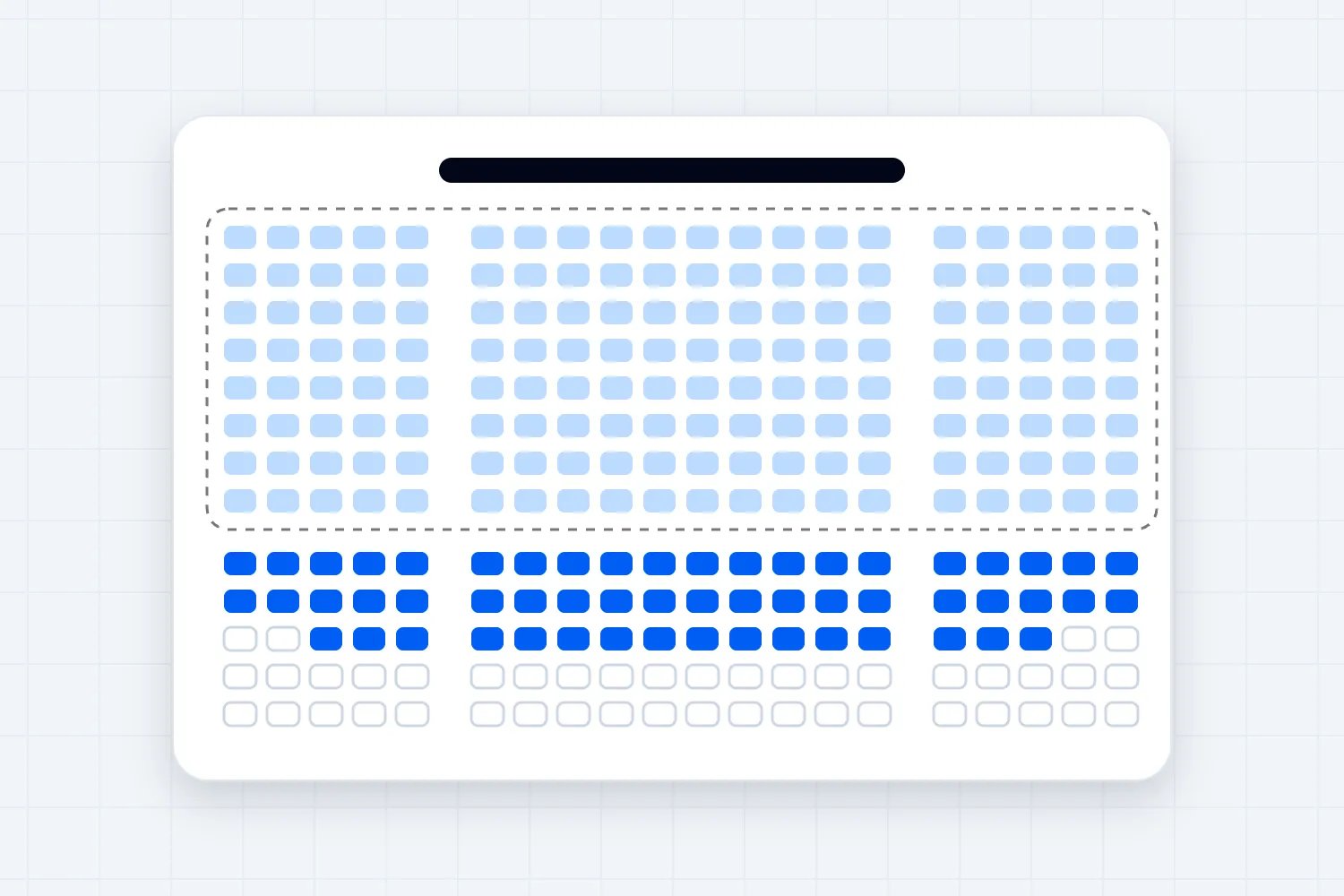
Your conference has sold out again, the waiting list is growing, and the venue manager has already told you there isn't another room to add. Moving sounds like the obvious next step. You could sell more tickets, give sponsors more room and stop apologising for the crowded foyer.
Before you sign for the bigger venue, work out what those extra places will cost you and who is likely to buy them. Move when there is credible demand for enough extra tickets to justify the added cost, you can fund the payments, and the new building fits your programme. A sold-out edition is a reason to investigate expansion. It doesn't tell you how much bigger the next one should be.
The move also changes the conference people experience. Delegates who could previously walk from the station might need transport. Speakers may need different technical arrangements. A sponsor who liked being beside the coffee queue may find their stand down an empty corridor.
This guide walks through a conference venue relocation plan for an established, paid event. We'll test the need for more space, work through the money, check the new venue against the actual programme and plan the change for buyers and suppliers. The worked figures are invented USD assumptions to explain the decisions, not market prices or predictions for your conference.
Establish what the old venue is stopping you from doing
Start with last year's records and the people who delivered the day. You need a specific problem that another building can solve. "We've outgrown it" might mean the main room sold out, but it might also mean catering service was slow or a badly placed sponsor display blocked the foyer. Those problems call for different answers.
Record where the constraint appeared, when it happened and what it prevented. If the plenary sold every available place while workshops still had room, you need more plenary capacity. If every session fitted comfortably but delegates struggled to change floors, the first question is about movement. Another floor in a larger building could make that worse.
Separate paid tickets from everyone else in the building. The final headcount includes speakers, sponsor guests, staff and other people who didn't buy admission. You need both figures, but the business case depends on the paid places you can sell and the cost of serving everyone who attends.
Then look at when inventory ran out. Selling the last ticket on the morning of the conference leaves a different unanswered question from selling out while buyers still have time to arrange travel and budget approval. Keep any periods when ticket types were unavailable in the record. You cannot observe purchases that the checkout would no longer accept.
A waiting list helps you investigate that missing demand. Clean out duplicate names and check whether people were asking for themselves or for a group. Someone who joined after seeing a discounted offer may not want a full-price ticket at a different venue. Someone whose employer couldn't approve the date hasn't become a certain buyer because a seat is available next year.
Talk to a useful spread of those people. Ask which edition they wanted, how many places they needed, what price they expected and whether the proposed location changes their decision. You are trying to understand a purchasing situation, so "Would you come to a bigger conference?" won't tell you much. Show the likely date, price and travel requirements where you can.
Keep these conversations distinct from bookings. You can describe them as interested buyers, with the conditions they mentioned. Don't turn an encouraging conversation into paid demand in the budget. The same applies to a sponsor saying they would love a larger stand. Ask what they would actually buy, what approval they need and when they can commit.
Our guide to forecasting ticket sales from a sales curve explains why sold-out history needs special treatment. Use comparable editions to understand buying timing, while recognising that the capacity limit may have hidden demand. If you change the city, price and programme together, the comparison becomes less dependable.
Write the reason for moving in one ordinary sentence. For example, "We need more paid plenary places and enough nearby breakout space to keep the same workshop offer." That sentence gives you something to test on a site visit. It also helps you reject a beautiful building that adds capacity in the wrong rooms.
Compare a move with improving the current arrangement
Ask the current venue what can genuinely change before assuming you have to leave. There may be an approved alternative layout, an adjacent room or a different date with better access. Get the venue and appropriate advisers to assess any proposal. Removing chairs from an aisle or squeezing another table into a room isn't a capacity plan.
The alternative deserves a proper quote. An extra room may require another technician, another registration position and longer staffing hours. An overflow room also changes what you sell. If delegates expect to see the speakers in person, watching a relay is a different experience that needs a clear description before purchase.
You could also keep the conference deliberately smaller. Raise the quality of the day, improve the programme and consider a price that reflects the offer you can support. That decision still needs evidence that buyers will pay. A higher price doesn't become sensible just because the larger venue is expensive.
A second date is another business decision, with its own speaker availability, promotion and delivery costs. Check whether buyers want an alternative date or whether the appeal depends on everyone meeting together. Splitting one audience across two editions can weaken the reason they attend.
For each plausible option, describe the paid inventory, what a delegate receives, the full cost and the unresolved conditions. Compare those with the move on the same basis. Avoid giving the larger venue a generous growth forecast while judging the existing venue against a pessimistic one.
We would usually improve an otherwise suitable arrangement before taking on a substantial new commitment. The exception is when the restriction is fundamental. If the current venue cannot provide the access, rooms or audience experience the conference needs, repeated small fixes can consume money without producing a workable day.
Record why you rejected the other options. You will need that reasoning when a supplier proposes another expensive addition or someone asks why the conference couldn't stay where it was. The answer should describe the actual constraint and its cost, rather than how impressive the new building looks.
Check usable capacity against the whole programme
A venue's advertised capacity is the start of the conversation. Ask for a room plan showing your stage, production position, seating, accessible spaces and routes. Then establish the permitted occupancy and how the relevant people are counted for that layout. Your sellable ticket allocation follows the approved arrangements.
Great Britain's Health and Safety Executive explains in its venue and site design guidance that capacity can be limited by exits and circulation. It also calls for venue suitability to be assessed against the event and audience. Apply the requirements where your conference takes place, with the venue and competent local advisers.
Now check each part of the programme against the rooms available. A main room that accommodates everyone is useful only if the next part of the day also works. Check the rooms used simultaneously, the places you have promised within them and how you will manage choices. Don't add every room's capacity together and call the result your conference capacity.
Suppose your advertised offer gives every delegate a workshop after the opening session. You need a feasible allocation across the actual workshops. An empty room on another floor doesn't help if it lacks the equipment or access a workshop requires. Nor can you assume demand will divide evenly because the rooms have similar capacities.
Include the activities around sessions. Delegates need space to register, collect refreshments, speak to exhibitors and wait without blocking routes. Review what happens when a popular session ends and catering begins. Both activities may depend on the same corridor, even though they look separate in the programme.
Walk the route using the doors you will actually be allowed to open. Ask about shared foyers, other bookings and any restrictions on lifts or escalators. Check how long it takes at a comfortable pace and what happens when someone needs an accessible alternative. An empty-building walk cannot reproduce a full crowd, but it can expose assumptions worth testing.
Our guide to attendee movement between conference rooms develops that part of the plan. For the relocation decision, you need to know whether the programme can operate before committing to the venue. Detailed signs and staffing cannot rescue an arrangement that gives people too little time to reach their next session.
Agree who reviews the final layout and who must approve changes. Save a dated version with the booking documents. When a sponsor later asks for a bigger stand, check its effect on seating and routes before agreeing. Commercial changes still need to fit the approved event.
Protect the experience that made people return
The existing venue has probably contributed something to the conference. It may be easy to reach, familiar to regulars or arranged so people keep meeting each other. Write those benefits down. Otherwise, the comparison can become a list of facilities in which the bigger building always wins.
Test travel using journeys your delegates actually make. Someone arriving from a nearby office has different needs from someone taking the first train from another city. Look at the route at the intended arrival and finish times, including the trip home. Check current transport information and planned disruption before publishing travel instructions.
If the new venue requires a shuttle, get a real operating proposal and cost. Establish pickup arrangements, accessible provision, service times and responsibility when a vehicle is delayed. "We can put on a bus" is unfinished planning, particularly if that bus is the only practical way to reach the opening session.
Accessibility needs a fresh review even when the old venue worked well. The US Department of Justice's archived guide to accessible meetings follows access through parking, entrances, meeting rooms and restrooms, and addresses room setup. Use its practical questions alongside current local requirements and advice. An accessible entrance alone doesn't establish that the conference works for everyone.
Bring people with relevant access knowledge into the visit. Check stage access for speakers as well as routes for delegates. Consider where captioning or interpretation will be positioned, whether someone can use facilities independently and how assistance is requested. Confirm what the venue provides and what you must arrange.
Also test how the new room works at lower attendance. You may be able to use an approved smaller seating arrangement or partition, but establish the price and production implications first. Don't promise the venue will look full or assume you can close part of it at short notice.
Keep the social experience in view. If networking matters to buyers, put the people and activities they want within reach of one another. A long exhibition corridor may offer more stands while making the conference feel less connected. Ask existing sponsors what made their location useful, then check whether that can be delivered in the new plan.
Some things should improve after a move. You don't have to recreate every detail of the previous building. Choose what you want to preserve because it supports the event's promise, then explain the changes that make attending easier or the programme more useful. "More space" becomes persuasive when a buyer can understand what they will do with it.
Work out how many extra tickets the move must sell
Build two complete budgets using current quotes. One is the conference you could realistically deliver at the existing venue. The other is the conference at the proposed venue. Keep assumptions about ticket prices, sponsor income and delivery consistent unless the move gives you evidence for changing them.
Include the services that change with the building. A larger room may need different screens, sound coverage, rigging or technical staffing. Longer routes can add stewarding work. Earlier access may require another hire period. Catering minimums can commit money even if fewer people attend than you planned.
Separate costs you commit to from costs that follow attendance. The University of Missouri Extension's break-even guidance explains the relationship between fixed costs, variable costs and selling price. Its examples concern agricultural businesses. The same arithmetic helps here, provided you use the costs and ticket receipts of your own conference.
Let's use one fictional conference throughout the comparison. Every figure in this section is an invented USD teaching assumption. The existing arrangement has 400 paid places. The proposed arrangement has 650 paid places, after the relevant layouts and non-paying allocations have been accounted for. These are assumed sellable allocations, not a method for calculating building occupancy.
The organizer retains an average of $180 per paid ticket after relevant ticket taxes and selling charges. Each paid delegate costs another $50 to serve. That leaves $130 per paid ticket toward committed costs and the event result. We keep that average unchanged in the example. Complimentary attendee costs and committed programme costs are already included in the fixed amounts below.
The current venue plan has $43,000 of fixed costs. The larger venue plan has $61,000. The $18,000 increase comprises $9,000 of additional room and facility costs, $4,000 of additional production, $2,000 of additional staffing and $3,000 of first-move preparation. Those are invented all-in expense assumptions for this comparison, with no recoverable tax assumed. There is no sponsor income in either budget.
At the current venue's 400 paid places, the calculation is 400 times $130, less $43,000. That leaves $9,000. It is the event result under these assumptions before business income tax and any costs outside the stated event budget.
Move to the larger venue and sell the same 400 tickets, and the calculation becomes $52,000 less $61,000. You lose $9,000. The move has reduced the result by the full $18,000 increase in fixed costs, even though ticket sales have not fallen.
At 500 paid tickets, the larger plan leaves $4,000. At 550 it leaves $10,500. At 600 it leaves $17,000. These are alternative outcomes, not amounts to add together, and none is a forecast. More tickets improve the result only while the assumed price and cost per delegate remain valid.
There are two different thresholds to understand. To cover the larger event's stated costs, divide $61,000 by $130 and round up. You need 470 paid tickets. That covers this budget, but it doesn't match the $9,000 result you could achieve by selling out the existing venue.
To match that result, the extra tickets must cover the $18,000 additional fixed cost. Divide $18,000 by $130 and round up. You need 139 extra paid tickets, or 539 in total. At 539 tickets the larger plan leaves $9,070. At 538 it leaves $8,940, still below the old venue's sold-out result.
That's the more useful question when expansion is optional. Can you credibly sell enough additional tickets to make moving preferable to staying? A larger conference that merely covers its own bills may leave your business worse off than the smaller edition you already know how to deliver.
Now challenge the assumptions. If filling the new places requires a discount, use the lower average retained price. If you must hire another room or technician above a particular attendance, add that cost when it becomes necessary. If sponsorship depends on a bigger audience, separate the signed commitment from the amount you hope to negotiate.
Also run a lower-attendance case. In this example, 370 paid tickets at the larger venue leaves a $12,900 loss. The existing plan at the same attendance leaves $5,100. The question is whether your business can fund the downside and whether the evidence justifies accepting it. There is no universal percentage increase in capacity that makes that decision safe.
Check when you have to pay for the move
The budget shows what the conference might earn. Your cash plan shows whether you can pay the bills on their actual dates. A larger booking payment can create a problem long before the final ticket result is known.
List the money due to the old venue, the new venue and every supplier whose arrangements change. Include refundable bonds, overlapping payments, new technical deposits and any unavoidable charges for cancelling the old booking. Check when money already paid might return, and which conditions must be met first.
For another invented example, suppose moving brings forward an additional $9,000 booking payment and requires a $3,000 refundable bond before further receipts arrive. You need $12,000 at that point. If you have $5,000 available for those payments, the immediate funding gap is $7,000.
The booking payment is part of the agreed venue price, so don't add it again as an expense. The refundable bond is a cash requirement while the venue holds it. A valid deduction would later change the cost. Keep these treatments distinct when reconciling the plan.
Our event cash flow forecast guide explains how to place receipts and payments on a dated schedule. Use the date cash is expected to become usable, rather than the date a ticket sells or a sponsor promises payment. Confirm any payment-account conditions that affect availability.
Put review dates before the commitments become harder or more expensive to change. Those dates should come from the actual contracts and production deadlines. At each review, bring the current paid sales, available cash, updated quotes and remaining options. Decide who can authorize the next payment.
Make the review an actual decision, with a short written record. State the booking you are considering, the latest point you can confirm it and the cost if you stop. Record which sales and receipts are confirmed, which are forecasts, and which practical checks remain incomplete. Then write the action and who will carry it out.
For example, a venue may offer an additional room that you can release by a specified date. Your review needs to happen before that release deadline, with enough time to give valid notice. If sales are below the level needed for the extra room, you can use the agreed option while it exists. Waiting until the next routine team meeting may remove that choice. The actual dates and sales requirement should come from your agreement and budget, not a standard conference timetable.
If the gap is too large, negotiate before committing. A later installment, a smaller initial room allocation or less elaborate production may help, if the other parties agree and the public promise remains deliverable. Hoping for a strong launch doesn't pay an invoice whose deadline comes first.
Confirm the new venue before releasing the old one
Try to avoid being committed to two complete venues or left with neither. You need to understand when each arrangement becomes binding, when a provisional hold expires and what happens to money already paid. Ask your local lawyer to review the actual agreements where the move could leave you owing substantial money.
A hold on the new room isn't a confirmed replacement. Establish what must happen before the venue commits to your date, rooms and access hours. Equally, don't assume the old venue will release you without charge because it can probably find another customer.
Use the event venue contract template to work through the scope and commercial questions. For a move, pay particular attention to the named rooms, approved layouts, setup and removal periods, compulsory suppliers, payment dates and cancellation calculations. Attach the versions both parties have agreed.
Ask the production team to check the proposed access against the actual build. A venue available for the public day may still need an earlier setup period. Check loading access, lift limits, storage, internet provision and rehearsal permissions before a quote becomes the working budget.
Then review each supplier agreement. Some suppliers can deliver the same job at the new address. Others will need different equipment, hours or transport. Get revised scope and pricing in writing, and establish who can approve additional spending. A general message announcing the move isn't approval of every resulting invoice.
Speak to your insurance adviser about the changed location and activity. Provide the real details, including additional rooms, transport or production. Confirm what the policy requires rather than assuming the venue change is automatically covered.
Keep a record of the decision sequence. It should say what confirms the new booking, who can release the old one, what each step costs and who checks completion. If a deadline arrives before a necessary approval, resolve that conflict with the parties. Don't let an expiring hold make an otherwise unsupported decision for you.
Reconfirm the sponsor and exhibitor offer
A larger venue can give you more stands and sponsorship packages to sell, but it also changes what existing partners receive. Review the agreements before allocating the new space. A partner may have bought a named location, a particular relationship to the main stage or access to a defined audience. Another stand with the same dimensions may deliver something quite different.
Start with the commitments you have already made. Put each one against the proposed plan and flag anything that has moved, shrunk or become harder to deliver. Include the practical details a sales description can miss, such as where delegates collect coffee, which entrance they use and whether a reception happens beside the exhibition or in another room.
Then speak to the affected partner with the plan in front of you. Explain the proposed change, show the alternative and ask about their delivery requirements. If they need power, a demonstration area or a particular setup period, take those requirements to the venue and production team before confirming the position.
Don't promise that a larger audience will make up for a worse location. Your attendance is still a forecast, and extra people won't help a stand they never pass. If the replacement offer is materially different, agree the change through the contract's process and record any price adjustment or other remedy. Get appropriate advice where the parties disagree about their obligations.
Keep new sales separate from those discussions. You may have more floor space available, but establish which positions work, what each costs to service and which rights are already committed. Selling a second activation beside an existing sponsor can conflict with an exclusivity promise even when both physically fit.
For your budget, use the payment and delivery costs you can support with the actual agreements. A prospective sponsor's enthusiasm belongs in the sales pipeline until you have a commitment you can rely on. If additional income is necessary to make the relocation work, decide when it must be confirmed and what you will do if it isn't.
The partner update should finish with an agreed plan version, a list of changed deliverables and a named contact on each side. That gives the person installing the stand the same instructions as the person who approved the deal. It also prevents a venue move from quietly turning into a series of promises nobody has priced.
Plan the change around what buyers were promised
Moving between editions is usually simpler than moving an event people have already booked. You still need to announce the next location clearly, but you can let buyers judge it before paying. Moving after sales have opened also changes an existing promise.
Read what buyers saw at purchase, including the venue, travel information, access description and any included services. Check the ticket terms and the consumer rules that apply. A new building in the same city may still change someone's ability to attend, especially if their transport or access arrangements relied on the original location.
Australia's ACCC explains in its guidance on event tickets that a major change made by an organizer can give consumers refund rights, and cites a move between cities as an example. That is Australian guidance, not a universal rule that every venue change has the same remedy. Get advice for your location and circumstances before setting the response.
Prepare a clear route for questions, refunds or other remedies that apply. Decide who handles requests and how payments will be funded. Keep ticket-holder obligations separate from whatever settlement you negotiate with the old venue. A delayed venue repayment doesn't make a buyer's issue disappear.
For a move announced before the next edition goes on sale, explain the new address in the launch itself. Don't rely on regular attendees noticing the small location field. The familiar conference name can make people assume the familiar journey still applies.
When tickets are already sold, tell affected buyers directly as soon as the change and response arrangements are confirmed. Explain what changed, what remains confirmed and what they need to do. If other details are unresolved, name them and say when the next update will arrive. Avoid presenting an uncertain programme or transport arrangement as settled.
Keep promotional language out of that necessary update. Someone who needs to rearrange a train journey is looking for the address, arrival time and available options. You can explain the reason for moving without treating their inconvenience as something they should be excited about.
Update every route people use to find the conference
Choose one owner for the location change and give them a list of places to check. Start with the event page and checkout information, then work through scheduled emails, calendar details, downloadable guides, speaker packs, sponsor materials and partner listings. Include any printed items that are already being produced.
Search for the old venue name and address in your own materials. It is easy to update the main page and miss a confirmation attachment or the closing slide in a sponsor presentation. Ask partners to confirm their changes, particularly if they maintain a separate registration or travel page.
Your attendee update needs the venue's full name and address, the entrance people should use, arrival and registration times, transport information and a contact for help. Include verified access details and how someone can discuss a requirement privately. Identify any action a ticket holder must take, or state clearly when no action is needed.
With Loopyah attendee email, you can send an event update to people holding tickets to the relevant event. That gives the location notice a direct route to affected ticket holders. You still need to write accurate instructions, check the event audience and test the message before sending it.
Don't use an email open as proof that a person has understood the move. For situations that require a response, provide a simple way to give it and record the outcome. Group purchasers may need to pass information to colleagues, so make the notice easy to forward and check how the named delegates will receive necessary details.
Send speakers and suppliers their own operational instructions. A delegate needs the public entrance. A delivery driver needs the correct loading point, booking arrangements and a contact who can answer while the vehicle is outside. Both documents should identify the same current venue and date, but they serve different jobs.
A speaker pack should explain the route to the speaker room, presentation checks and stage access. A sponsor pack should show the confirmed stand location, delivery arrangements and any restrictions affecting the activation they purchased. Ask each party to confirm changes that affect its ability to deliver, rather than assuming receipt means agreement.
Near the event, check the old venue as well as the new one. If anyone may still arrive there, agree whether staff or a clear notice can direct them, subject to permission. Give your support team the correct explanation and route so a late caller doesn't receive another outdated answer.
Rehearse the new building with the delivery team
A team that knows the conference can still be unfamiliar with its new venue. Previous routines may depend on a particular room, nearby storage or a person who used to solve problems informally. Walk through those routines before the public day.
Use a site visit with the people who own registration, production, venue coordination, catering and safety. Our venue site visit checklist helps structure the inspection. For this visit, bring the proposed programme, current layout, supplier requirements and unresolved questions so you can test the same event together.
Trace an arrival through registration and into the first session. Check where a ticket problem is handled without blocking other arrivals, where a delegate can ask for assistance and how staff contact the person who can decide. Then walk the busy session changes and the final departure.
HSE's crowd control guidance treats arrival, circulation and departure as distinct parts of planning. It also says queues should not block emergency access routes. Use the venue's procedures and the applicable local requirements to review the new arrangements with the people responsible.
Test the technical setup in the actual room where possible. Check slides from the relevant audience positions, speech clarity and the arrangements for remote speakers or recorded material. Confirm who supplies and operates each part. A screen listed in an inventory doesn't tell you whether the person at the back can read a detailed slide.
Review the event schedule against the access you bought. Include delivery, setup, testing, audience entry, the programme, audience departure and removal. Ask which tasks must finish before another begins. More space can also mean equipment takes longer to reach the right room.
Rehearse a few specific failures with the venue team. If a room becomes unavailable, who decides the response and tells delegates? If the main entrance cannot be used, which approved arrangement applies? If a supplier is delayed, who can alter the schedule or approve spending? Use answers consistent with the venue's emergency and operating procedures.
Before opening doors, confirm that the agreed checks are complete and outstanding issues have an owner. Keep current contacts and plans accessible to the team. Familiarity will develop during delivery, but nobody should have to discover their essential route or decision authority while attendees are waiting.
Judge the move after the bills are settled
Decide what you will measure before the event, using the reason for moving as the starting point. If you needed more paid plenary places, review the additional paid sales and the cost of delivering them. If the move was meant to improve room changes, record what happened at those specific transitions.
Reconcile actual receipts, refunds, supplier invoices and any venue deductions. Separate first-move preparation from costs that will recur, while keeping both in this edition's result. A cost that won't happen next year still reduced the money this edition earned.
Compare the result with the realistic alternative you recorded before signing. You cannot observe exactly what would have happened if you had stayed, so don't present the comparison as proven additional profit caused by the venue. You can still see whether the new plan delivered against its own assumptions.
Ask delegates about the changes that affected attendance and participation. Did the journey work? Could they reach the sessions they wanted? Did networking still happen where expected? Keep the answers specific enough to change the next booking or programme.
Get the same practical feedback from speakers, sponsors and staff. An exhibitor's quieter location needs investigation before you sell it again. A technician's extra hours need to reach next year's budget. Record successful arrangements too, so the next team doesn't reopen a solved problem without a reason.
Decide whether to move before the booking deadline
Bring the evidence into one decision meeting. You need the current demand assessment, both budgets, the dated cash plan, the checked room arrangement and the proposed handling of buyer and supplier commitments. Name the remaining uncertainties and the person who can resolve each one.
In our fictional example, the larger venue needs 539 paid tickets to match the old venue's sold-out result. A hopeful target of 550 leaves little room for the assumptions to change. We would want stronger evidence, a lower commitment or a clear commercial reason to accept that exposure before signing.
If you decide to move, confirm the room plan and access schedule with the venue, then give the delivery team the agreed versions. Complete the old booking settlement and issue the buyer and supplier updates. Put the next sales and spending review in the calendar before another payment becomes due.

Author: By the Loopyah Content Team
The Loopyah Content Team shares expert insights, practical guides, and industry updates to help event organizers create unforgettable experiences and stay ahead in the event planning world.