· 21 min read
Event SWOT analysis: a worked example for a paid event
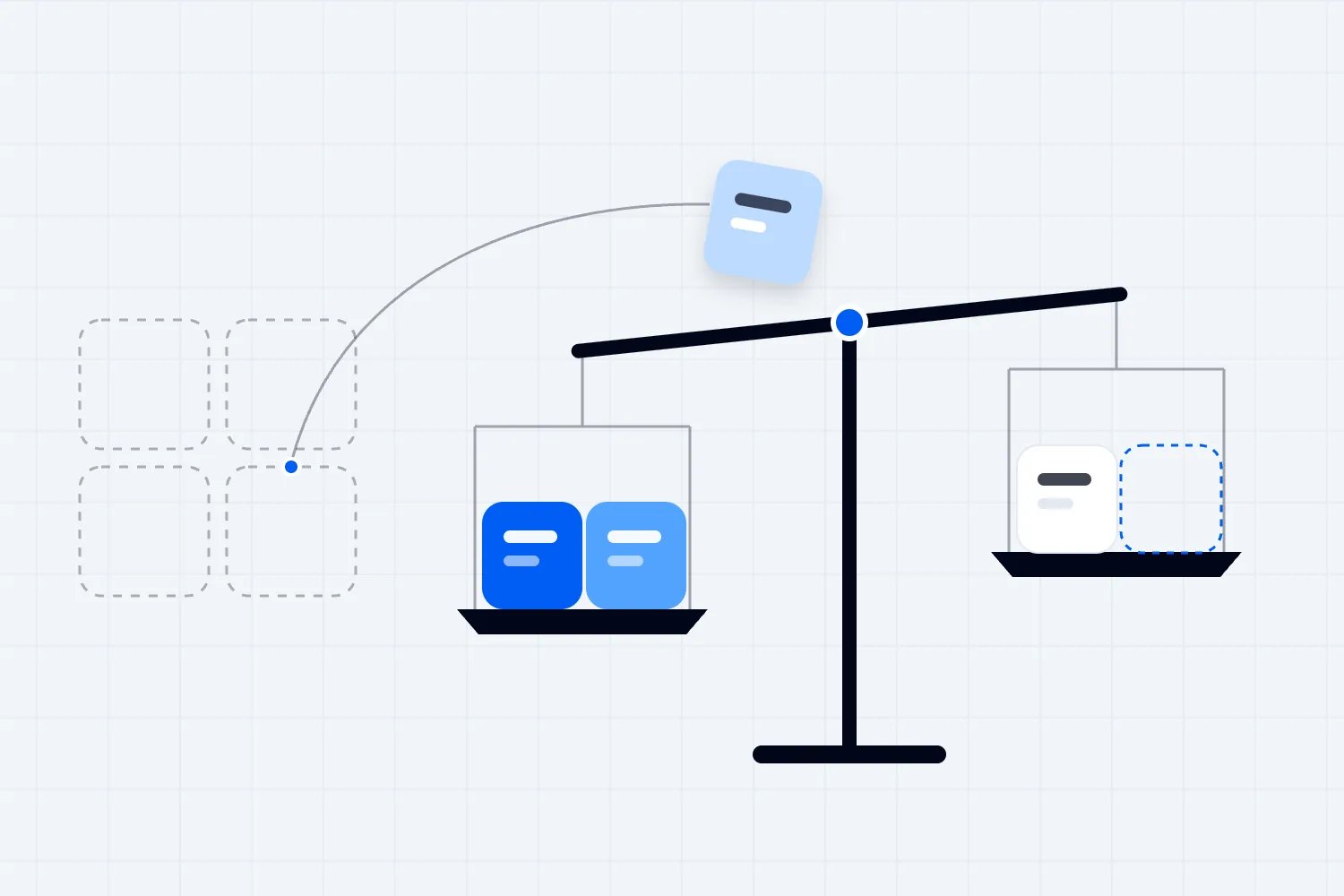
Your last event sold well, and the venue has offered you a bigger room. It sounds like progress. But the same room that lets you sell more tickets also raises the amount you have to spend before you know whether those buyers exist. That's a useful moment to do an event SWOT analysis.
SWOT means strengths, weaknesses, opportunities and threats. For a paid event, use it to decide how your existing advantages and limitations affect a specific commercial choice. Gather evidence, separate what you control from outside conditions, then choose the actions that could change the decision. Filling four categories is only the beginning.
We'll work through a fictional independent conference deciding whether to expand. You'll see what belongs in each category, how to challenge vague claims, and how to turn the findings into a smaller, testable commitment. There's also an event SWOT analysis template you can copy and adapt to your own event.
Start with the decision you're actually making
Write the decision at the top of the document before anyone starts suggesting strengths. "Understand our event" is too broad. "Should we move our next conference into a larger venue?" gives people something useful to investigate. The same facts can support different conclusions depending on what you want to change.
A small, experienced delivery team might be a strength when repeating the existing format. That team could become a limitation if expansion requires another stage, more exhibitors and simultaneous workshops. You haven't contradicted yourself. You've changed the job you're asking the team to do.
Set the boundary as well. Which edition, audience, location and commitment deadline are you examining? If the question concerns next spring's conference, a possible international expansion several years away probably doesn't belong. You need enough context to judge the choice without turning the discussion into every ambition the business has ever had.
An event business plan covers how the wider business operates and sustains itself. Your SWOT should contribute a decision to that plan. It doesn't need to repeat the company's structure, full budget or operating calendar. Keep the supporting documents available and use this exercise to explain what they imply.
What belongs in the four SWOT categories?
Strengths and weaknesses describe your event business as it stands. Opportunities and threats describe outside conditions that could help or hurt the decision. Business Queensland's SWOT guidance uses this distinction between internal and external factors. The distinction helps you see which problems require a change within the business and which require a response to the market.
An experienced programmer, a relevant audience relationship or reliable delivery process can be a strength. Unproven demand beyond your usual buyers, dependence on one salesperson or an expensive format can be a weakness. Each statement needs evidence and an explanation of why it matters for this decision.
An association looking for an event partner could be an opportunity. Another event announcing the same date could be a threat. "Run more advertising" belongs in neither category. It's an action you might take after examining the facts. Likewise, "sell out" describes a desired result, not an opportunity in the market.
Don't spend the whole meeting arguing about a borderline label. A venue relationship has internal elements, such as your negotiating experience, and external elements, such as the venue changing ownership. Write those separately if both affect the decision. The useful question is what each fact changes, not whether everyone agrees where to put it.
Carmarthenshire County Council's event SWOT template applies the categories to events, including team experience, limited space and competing local events. Use examples like these to prompt investigation. Copying a generic entry without checking your circumstances gives you an answer that could describe almost any organizer.
Give every important claim something behind it
Before the discussion, collect the records that could change the answer. For an expansion decision, that might mean retained ticket sales, actual delivery costs, buyer locations, previous acquisition channels, supplier quotes and questions from people who didn't book. Start with what buyers and suppliers actually did, then use conversations to understand why.
Write "our audience is loyal" and someone will probably nod. Write "previous buyers accounted for a defined share of paid bookings on the last comparable edition" and you have something to check. You also have a limitation to investigate. Repeat buying may support another similar event without proving demand for more expensive tickets or a different city.
Separate records, reported opinions and assumptions. A ticket report records purchases. A buyer interview records what someone told you. A forecast estimates what might happen. Each can help, but they shouldn't carry identical weight. Keep the date and source beside the claim so a reviewer can challenge it without searching through emails.
The US Small Business Administration's market research guidance distinguishes existing research from direct research with customers. For your event, broad market information can suggest what to investigate. Conversations with relevant buyers can explain a particular objection. Neither automatically proves that your proposed edition will sell the number of tickets its budget requires.
Google also explains that Google Trends data reflects relative search interest rather than absolute demand. A rise for your event category might justify looking closer. It doesn't tell you how many local people will pay your price on your date. Treat that difference carefully when someone proposes an optimistic opportunity.
Worked example: should this conference expand?
Everything about the conference in this example is fictional. Its sales, interviews, prices and costs are invented assumptions in USD to demonstrate the analysis. They are not market benchmarks, customer results or recommended targets. The evidence described below belongs to the scenario, not to a real organizer or research study.
Suppose you run a one-day conference for independent hospitality business owners in one city. The last edition sold 180 paid tickets after refunds at an average retained price of $150. Another 20 complimentary guests attended. The organizer is considering a venue that allows 300 paid places and the same 20 complimentary places after operational restrictions.
For the proposed edition, assume an average retained ticket price of $150 and $30 in variable costs for each retained paid ticket. That $30 includes all assumed organizer-borne ticket charges and per-buyer delivery costs. The example assumes no other unrecovered refund charges, tax adjustments, sponsorship income or other revenue. Each retained paid ticket therefore contributes $120 towards fixed costs.
Fixed costs for the proposed edition are $24,000. They include the venue, programming, committed marketing, staffing, complimentary guest costs, organizer pay and allocated company overhead. Assume these costs stay unchanged within the stated paid capacity. The proposed edition needs 200 retained paid tickets to cover those costs and 250 to retain the organizer's target profit of $6,000 before tax.
| Label | Profit or loss |
|---|---|
| 180 tickets | -2400 |
| 200 tickets | 0 |
| 250 tickets | 6000 |
| 300 tickets | 12000 |
Those calculations establish what the expansion must achieve. They don't establish that 250 buyers exist. The previous edition's 180 sales are evidence about a smaller event. Moving venues creates space for 120 additional paid buyers, but space is only useful if the offer and sales effort can attract them at an acceptable cost.
Our event break-even guide explains the financial calculation in more detail. Here, we'll use the resulting sales requirements to judge the SWOT findings. The strategic question is whether the evidence supports expanding now, testing first or repeating the smaller format while the organizer learns more.
Strengths: what already helps this event compete?
In the fictional conference, the strongest evidence concerns the programme. Interviews with paying buyers describe practical sessions about staffing and buying supplies as the main reason they chose the event. The organizer also has permission to contact a relevant audience of previous buyers. Those are useful strengths because the proposed edition serves the same professional need.
Notice the qualification. "Strong brand" tells you little about why buyers care or what could survive a venue change. "Buyers paid for practical help with staffing and purchasing" suggests which programme elements to preserve. It also warns against replacing useful sessions with a broader programme simply because the larger venue has more space.
The delivery team has already produced the smaller conference, and its settlement records show which tasks took longer than planned. That experience can help estimate the next edition's staffing needs. It doesn't establish that the team can operate simultaneous sessions. Only claim the capability the records support, and identify the extra work the larger format creates.
A venue offering suitable terms may help, but check what the agreement actually covers. A friendly account manager doesn't prove that access hours, equipment and staffing fit your programme. The strength might be your team's knowledge of venue requirements rather than the new venue itself. Keep unsigned possibilities separate from arrangements you can rely on.
For this example, the important strength is a focused programme that previous buyers valued. The recommended response is to preserve its practical depth while testing demand from similar businesses. Expanding into unrelated subjects would use the extra capacity without using the clearest reason people bought tickets before.
Weaknesses: what makes expansion harder today?
The conference's main weakness is that the organizer can't yet explain where the additional buyers would come from. Past sales came mostly through the founder's relationships, and the records don't separate other routes clearly enough to judge their contribution. That's a sales limitation inside the business, even if the wider audience could be large.
This needs more precision than "weak marketing". The team can communicate with existing buyers, but it lacks evidence that it can reach enough new ones at the planned spending level. Hiring someone to produce more social posts wouldn't necessarily answer that question. The problem concerns finding paying buyers, not the amount of content published.
The scenario also assumes that supplier coordination relies heavily on the founder. Larger attendance alone might be manageable, but extra exhibitors and concurrent sessions would create more decisions during delivery. The analysis should distinguish capacity for more guests from capacity for a more complicated event. They are different changes, with different demands on the same people.
Finally, the proposed $24,000 cost commitment leaves little room for repeating the previous sales result. At 180 retained paid tickets, the edition would generate $21,600 towards those costs and lose $2,400 before tax. That doesn't make expansion impossible. It shows why the organizer needs a credible source of additional sales or a genuinely lower-cost arrangement.
Write the weakness without blaming the team. "No one knows how marketing works" invites defensiveness and is probably inaccurate. "We haven't demonstrated a repeatable way to acquire the additional buyers this venue requires" identifies a gap the team can investigate. It also makes clear why simply choosing a higher sales forecast doesn't solve it.
Opportunities: what could support the next edition?
In our fictional scenario, a local hospitality association has asked about programming for its members. That is an outside development worth exploring because its audience resembles the people who bought the previous conference. It is still an enquiry. The organizer has no agreement, no confirmed purchases and no evidence yet of how members respond to this ticket offer.
A useful opportunity statement would explain the connection. The association wants practical training for local owners, and the conference already provides sessions those owners value. The possible action is a small promotion test through the association, with agreed messaging and a way to identify resulting purchases. Forecast revenue only when the test provides evidence you can reasonably use.
Don't treat the association's entire membership as reachable buyers. Some members may be outside the travel area, unavailable on the date or interested only in free training. Others may already be in your audience. You need to understand overlap before counting the association as a wholly new source of demand.
The larger venue also offers an alternative layout that could preserve the single-session programme. That possibility matters because it may allow expansion without adding programme complexity. However, available space becomes useful only after the venue confirms the arrangement and the organizer checks the complete cost. An attractive room isn't evidence of profitable demand.
The opportunity worth testing first is therefore the association relationship. It connects to an existing strength, a practical programme, and addresses an existing weakness, unproven access to additional buyers. Other ideas can wait. Adding a trade exhibition at the same time would introduce a different sales task before the team has answered its current one.
Threats: what could make the same plan weaker?
Assume another hospitality event has announced a nearby date. Its programme targets some of the same owners, but the organizer hasn't established how much the audiences overlap. That announcement is a factual outside change within the fictional scenario. The extent to which it will reduce this conference's sales remains an assumption to investigate.
Look beyond identical formats. An owner might choose a supplier demonstration, an association training day or a weekend away instead of your conference. The relevant alternative is whatever competes for that person's available money and time. Research the choice from the buyer's perspective rather than deciding that only events with similar names count.
Ask previous buyers what else they considered and why they booked. If the competing event offers different content, the response may be clearer positioning rather than a price reduction. If both events require the same owners to close their businesses during a busy period, changing your date may matter more than rewriting the programme description.
Another threat in this scenario is that the venue's quoted terms expire before the association test can finish. The deadline could force a commitment while demand remains uncertain. Record the actual quote expiry and ask whether the venue will extend it. A supplier's deadline should influence the sequence of decisions without becoming evidence that expansion is commercially sensible.
Avoid filling this category with every possible mishap. Rain, supplier failure and illness matter when they affect the decision, but the SWOT isn't the complete delivery assessment. Keep detailed hazards, controls and responsibilities in the event risk assessment. Here, explain which outside changes could alter your strategic choice and what you will do about them.
Decide which findings deserve action first
A SWOT can produce a long list without telling you what to do. Business Queensland explicitly identifies prioritisation as something the analysis doesn't do for you. You need to review the findings against the decision. Otherwise, the most confident person in the room may turn their favourite idea into the next project.
For this conference, begin with the question that could prevent an expensive mistake. Can the organizer demonstrate additional paid demand before accepting the larger venue's commitment? Programme refinements matter, but they won't resolve the gap between known sales and the proposed profit target. That demand question deserves the earliest owner, budget and review date.
Next, ask how certain each finding is and whether you can still change the commitment. The existing programme has purchase evidence behind it. The association opportunity has an enquiry. The potential audience overlap has much less evidence. Don't average those into a reassuring overall score. They call for different actions because you know different amounts about each one.
Then compare the cost of learning with the cost of being wrong. Negotiating more time on a venue quote may be cheap. Adding a second stage before confirming demand creates spending and delivery work. Prefer an early action that can change your decision while it remains affordable to change. That isn't a reason to delay every commitment indefinitely.
Choose a small enough action list that someone can complete it before the deadline. For this example, investigate additional demand, confirm the venue options and assess the staffing required by each format. Leave lower-value improvements in the normal operating plan. The SWOT meeting shouldn't create more work than the decision warrants.
Turn the conference findings into a decision
The first action is to agree a limited association promotion test. Name the person who will arrange it, the message buyers will see, the test spending and the date you will review retained paid purchases. In this scenario, assume the cost of that test is already within the proposed edition's committed marketing budget. Don't deduct it again.
The second action is to negotiate the venue decision date and request complete written costs for the simpler layout. If that layout changes the $24,000 figure, recalculate the requirement using the new quote. Keep the original and revised versions labelled. Otherwise, people can end up defending the old sales target against a budget that has already changed.
The third action is to check delivery staffing for the larger single-session format. Ask the team which duties require another person, what that person costs and whether the arrangement is available. A positive demand test isn't enough if the proposed edition depends on delivery capacity you haven't confirmed or costs omitted from the forecast.
The fictional organizer could set 250 retained paid tickets as the commercial objective because that reaches the stated $6,000 profit target under the original assumptions. But an early test won't necessarily produce all those sales. Decide in advance what its result can establish, what further selling is still required and how much downside the business can afford.
After these checks, the conclusion may be to expand conditionally, keep the smaller format or stop negotiating this date. Record why. For our example, expansion remains unproven until the organizer can support the additional demand and delivery costs. A completed SWOT doesn't justify signing. The evidence gathered through the actions has to justify the commitment.
What if your team disagrees about the evidence?
Expect disagreement when the analysis concerns an event people have worked hard to build. The founder may see a larger room as the obvious next step. The delivery lead may see another staffing problem. Both should explain their reasoning with the same version of the proposed event in front of them. Otherwise, they may be judging different plans.
Ask each person to state the observation before the interpretation. "Buyers asked whether we could offer more practical sessions" is an observation within our example. "We need a second stage" is one interpretation. Another option might be a longer session, a different programme balance or a separate future workshop. Investigate the need before committing to the most expensive response.
When evidence conflicts, check who it represents. Enthusiastic repeat buyers may tell you what the existing audience values. People who didn't book may explain why the next audience remains difficult to reach. Neither group speaks for every potential buyer. Record the disagreement and decide what information would help you resolve it before accepting the larger commitment.
You can also keep two plausible explanations open. Suppose the association test produces few purchases. Perhaps the audience doesn't value this conference, or perhaps the association sent a vague message to the wrong members. Review what actually happened before declaring the whole opportunity worthless. But don't keep spending indefinitely because every disappointing result has another possible explanation.
Agree the limits before the test starts. Name the spending you can afford, the time available and the minimum information needed for the venue decision. If the test can't answer the question within those limits, say so. The conclusion may be that you don't yet have enough evidence to expand on the offered terms.
Adapt the exercise to the event you're running
A first edition has fewer purchase records. Your SWOT should acknowledge that rather than describing enthusiasm as an established audience. Programme expertise or access to a relevant community may be genuine strengths. Demand at the proposed ticket price remains unproven until you gather suitable evidence. Choose actions that let you test the offer before the largest irreversible commitments.
For a recurring music night, the decision might concern frequency rather than room size. Previous sales could support the existing monthly date without supporting another date between editions. Examine whether you can attract additional attendance or simply divide the same buyers across more nights. The calendar is part of the proposition, not an administrative detail to settle after forecasting sales.
For an annual festival, a useful opportunity may arrive too late to use responsibly this year. A sponsor enquiry or newly available site still requires time to check costs, permissions and delivery arrangements. Record when the possibility becomes usable. You can investigate it for a later edition without forcing it into the event whose commitments are already underway.
The categories stay the same across these formats. The decision, relevant evidence and available responses change. Reuse the prompts, but rewrite the findings for the event you actually plan to produce. An old SWOT can help you remember what to check; it can't establish that last year's audience, suppliers or financial assumptions still apply.
Keep the smaller edition in the comparison throughout. Expansion can appear attractive when the only alternative discussed is doing nothing. Repeating a proven format may produce a better result with less money committed, while giving you another opportunity to learn about buyers. Compare the actual available choices before deciding that growth requires more capacity.
Copy this event SWOT analysis template
Use the following prompts as a working document. Keep supporting records in attachments and write enough explanation that another person can follow your reasoning. You don't need equal numbers of entries in every category. An important weakness deserves attention even if you can think of many smaller strengths.
Decision and scope: [The specific change you're considering, the edition, the audience, the location and the deadline for committing]. Commercial objective: [The outcome the business needs and the calculation behind it]. Current alternative: [What you would do if you chose not to make this change].
Strength: [An existing internal capability or advantage]. Evidence and date: [The record that supports the claim]. Relevance: [How it helps with this particular decision]. Limitation: [What the evidence doesn't establish]. Proposed use: [How you could apply the strength without assuming more than you know].
Weakness: [An internal limitation affecting the proposed change]. Evidence and date: [What shows the limitation exists]. Consequence: [Which sales, cost or delivery assumption it could undermine]. Available response: [What you can change, learn or choose differently]. Owner and deadline: [Who will investigate before the next commitment].
Opportunity: [An outside development that could help the event]. Evidence and date: [The enquiry, announcement or research behind it]. Audience fit: [Why the development is relevant to people who might pay]. Test: [How you will establish whether the possibility can produce useful results]. Cost and decision date: [What learning requires].
Threat: [An outside development that could harm the proposed event]. Evidence and date: [What has happened and what remains uncertain]. Exposure: [How it could affect your specific audience, costs or timing]. Response: [What you can change or prepare]. Review trigger: [The new information that would require another decision].
Priority action: [The finding you need to address first and why]. Responsible person: [A named owner]. Resources: [Time, spending and help required]. Evidence expected: [What will be available at review]. Decision rule: [What different results would cause you to approve, revise, wait or decline]. Review date: [Before the relevant commitment].
Review the analysis before spending more
Read the document with someone who wasn't responsible for the original idea. Ask them which claims they can verify and which depend on optimism. They should be able to identify the decision, the strongest evidence and the condition that would change your mind. If they can't, improve the explanation before adding more entries.
Check for double counting. An association relationship isn't simultaneously confirmed income, a new audience and proof of loyalty. A positive survey response isn't a paid purchase. A bigger room isn't extra profit until you account for the cost and sell the additional tickets. These mistakes can make the whole analysis look stronger than its evidence.
After the event, compare the important assumptions with actual results. Our post-event survey guide can help you ask buyers useful questions, but read their answers alongside purchases and delivery records. Review the conditions you predicted and the actions you took. That gives the next decision better evidence than a fresh meeting full of memories.
The UK Health and Safety Executive's event management guidance also recommends reviewing how an event went after it finishes. Keep the commercial review connected to the delivery review. A profitable edition can still reveal staffing demands that make the next expansion impractical. A disappointing edition can reveal a specific problem you can fix.
Return to the conference decision when the test results and venue terms are available. Update the affected assumptions, calculate the consequences and record what you approve. If the evidence still doesn't support the larger room, choose the alternative you wrote at the start. You can keep building the audience without committing to capacity you haven't learned how to sell.

Author: By the Loopyah Content Team
The Loopyah Content Team shares expert insights, practical guides, and industry updates to help event organizers create unforgettable experiences and stay ahead in the event planning world.