· 21 min read
How to market a virtual exhibition to paying visitors
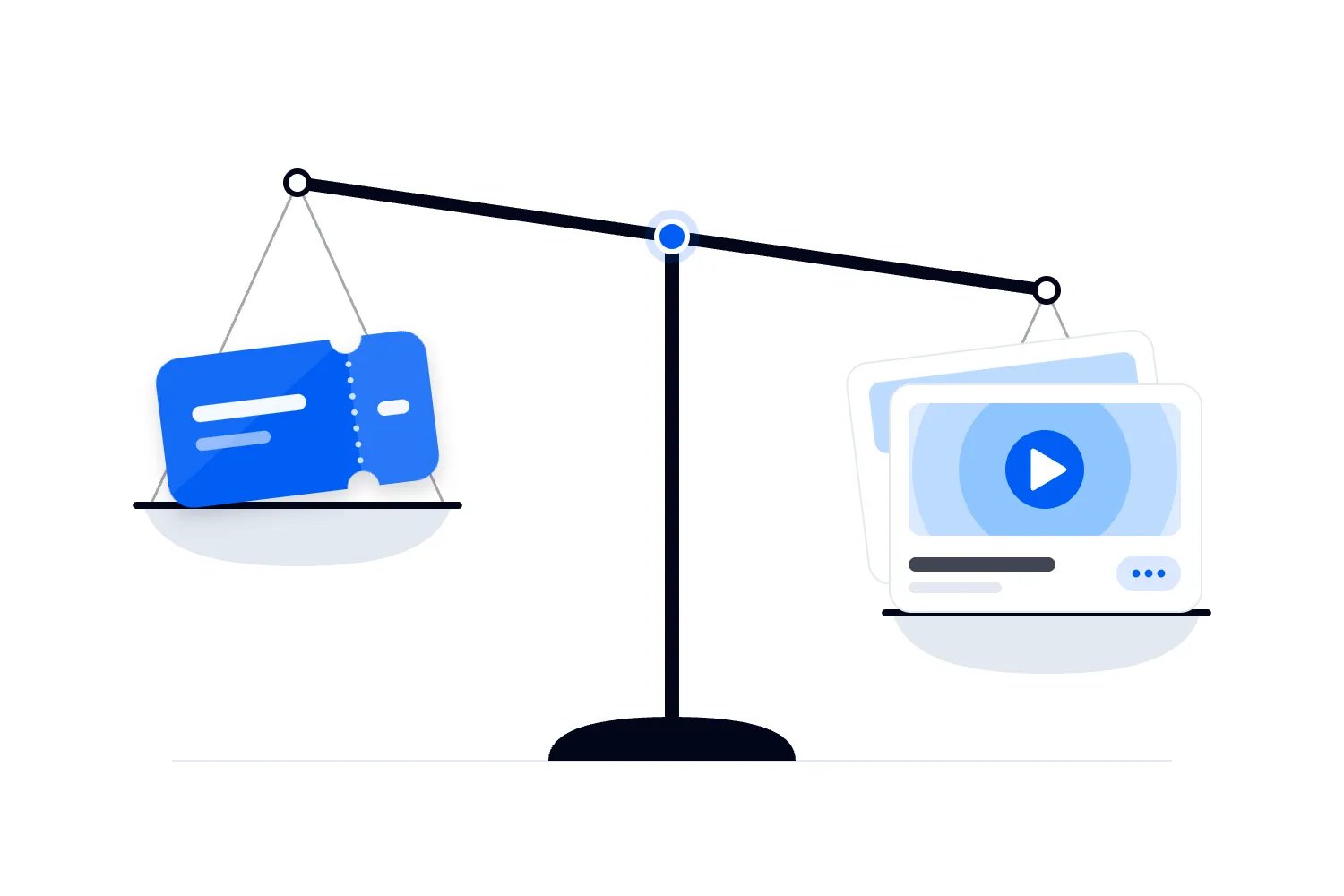
Market a virtual exhibition by showing visitors what they can get done with a paid ticket: compare relevant suppliers, watch useful demonstrations and speak to people who can answer their questions. Then sell the confirmed programme, make the access conditions clear and measure paid orders against the money you spend attracting them.
So you've signed exhibitors, built the online exhibition and opened ticket sales. Now you're wondering why visitors aren't buying. You have plenty of logos. You have a welcome video. You might even have a beautifully designed virtual lobby. But what does someone actually get for their money?
That's the question your marketing needs to answer. A supplier directory is available elsewhere. Product videos are available elsewhere. Your exhibition has to give visitors a useful reason to bring those things together, at a particular time, with you.
This guide walks through choosing a paying audience, building an exhibition worth paying for, selling its programme and keeping the campaign commercially honest. We'll use a fictional specialist equipment exhibition to make the decisions concrete. Every price, quantity and calculation in that example is illustrative, not a benchmark or a reported event result.
Choose a visitor with a reason to buy
The first thing you want to do is narrow the visitor promise. "Anyone interested in the industry" gives you a large audience and very little direction. An equipment buyer choosing suppliers for a new production line has a different reason to attend from a student exploring careers.
Both might enjoy the exhibition. Only one fits the offer you're about to sell.
For our fictional exhibition, let's choose small food manufacturers comparing packaging equipment. Their problem is practical. They need to see how different machines handle their products, understand installation requirements and ask suppliers about service support. Their next purchasing decision makes a focused exhibition relevant.
You don't need to promise that attending will produce the perfect purchase. You can promise access to demonstrations covering named questions, with confirmed people available to answer them. That is something you can deliver and something a buyer can judge before paying.
Speak to potential visitors before committing the marketing budget. Ask about their most recent equipment search. What did they struggle to compare? Which information was missing? Who needed to approve the purchase? What would have made that process easier?
Listen for tasks, not compliments. "I'd probably come" tells you much less than "I need to compare changeover times before we replace our machine." The second answer helps you choose exhibitors, write demonstration briefs and explain why the ticket matters.
Then test the proposed offer with those people. Show the price and actual programme together. Ask which sessions they would attend and what would stop them buying. A vague description encourages polite agreement. A real offer gives them something to challenge.
If nobody can name a session they would make time for, fix the programme. Buying more impressions won't solve that problem.
Your paying audience doesn't have to include every visitor your exhibitors want to reach. You can have a separate free preview if it supports the model. Just keep it genuinely separate from the paid experience. The ticket buyer needs to understand which access they are buying and why it matters to their work.
Give the ticket a job that free content cannot do
A virtual exhibition can save someone the work of arranging separate supplier calls, finding demonstrations and building a comparison. But you have to organise that saving. Putting twenty video links behind a payment page doesn't automatically create it.
Start with the visitor's buying questions. In the equipment example, those might concern product suitability, cleaning, changeovers, installation and ongoing support. Ask exhibitors to address the same relevant questions so visitors can compare answers without translating every sales presentation themselves.
That doesn't mean pretending the products are identical. A machine suited to one task may be unsuitable for another. Your job is to make the differences visible, including limitations exhibitors would rather skip.
A useful ticket might include live demonstrations, moderated questions and a replay window. A higher priced ticket could include an organised appointment service if you can staff and deliver it. Avoid creating tiers just to fill a pricing table. Each additional tier creates another promise your team must explain and fulfil.
Describe exactly what visitors can do. "Ask technical questions during the live demonstration" is clearer than "unlimited engagement." "Request a supplier appointment" is different from "receive a confirmed supplier appointment." Write the one you actually provide.
The US Federal Trade Commission's advertising guidance for small businesses explains that advertising claims need evidence, including claims implied by the overall presentation. Treat that as a useful discipline for your offer, while checking the rules relevant to where you sell.
A page showing private meetings beside a ticket can imply that those meetings are included. A small qualification at the bottom won't make the buying experience clearer. Put availability, eligibility and any extra charges beside the benefit itself.
You can also create value through independent moderation. A host who asks how a machine performs under different conditions gives visitors more reason to watch than another uninterrupted sales pitch. Explain that format in the marketing. It helps the visitor picture the actual experience.
The offer is ready when a visitor can explain it back without your help. They should know what happens live, what remains available afterwards and which parts depend on a separate booking. If those answers are fuzzy, the campaign will repeat the fuzziness at greater expense.
Confirm exhibitor participation before advertising it
Your visitor promise depends on other businesses showing up prepared. Treat exhibitor readiness as part of marketing, because visitors buy the programme you advertise.
For each advertised demonstration, confirm the presenter, subject, time zone, equipment or materials required and backup plan. Collect a short description focused on the visitor's question. "Discover our innovative range" is not a demonstration description. "Watch how this machine handles a change between two pack sizes" gives someone a reason to attend.
Also confirm who will answer questions. A sales representative can explain commercial terms. A technical question may need an engineer. If the engineer will only join during a particular session, say so. Don't let an exhibitor logo quietly become a promise of permanent access to everyone in that company.
Make the exhibitor brief specific about attendance. Which hours will their online space be staffed? How quickly will someone respond during those hours? What happens to messages sent outside them? Who owns questions that remain unanswered when the session ends?
These are delivery decisions with marketing consequences. "Meet suppliers live" is a poor description of a booth that contains a brochure and an unattended message form.
If you sell booth packages, set those obligations before taking payment. Our exhibitor prospectus guide explains how to make the package, responsibilities and commercial terms clear. For a virtual exhibition, the useful inventory is often staff availability and programme time rather than floor space.
Be careful with exclusivity. Selling a category exclusive package while promising visitors a broad comparison can undermine the visitor offer. Decide whether you're producing an independent comparison, a curated showcase or a sponsored presentation. Then describe it honestly to both sides.
Give exhibitors deadlines tied to public releases. A confirmed demo can appear in the programme announcement. An unconfirmed one stays out until the details are ready. That protects your team from rewriting campaigns around a promise nobody has agreed to deliver.
Have an alternative for a cancellation. It might be a moderated comparison session using already approved materials or a clearly communicated programme change. Never invent a replacement speaker's availability. Visitors who bought for a particular session deserve a straight explanation when that session changes.
Build a programme visitors can fit into their day
The virtual format removes travel. It doesn't remove competing demands on someone's time. A paying visitor may still have production issues, customer calls and a manager asking why they are unavailable.
Make the schedule easy to understand before you make it large. Group demonstrations around the same buying task. Give each session a clear start and finish. Leave enough space for questions and for the visitor to reach their next activity without missing its opening.
In our fictional exhibition, a morning block might cover product handling and an afternoon block cleaning and maintenance. A visitor should be able to choose the part relevant to them rather than feeling they have to sit through the entire day to get value.
Don't schedule the most relevant demonstrations against each other just because exhibitors prefer the same slot. If buyers need to compare those suppliers, that clash damages the reason they bought. Resolve it while building the programme, before the marketing makes the conflict public.
Publish the event's reference time zone clearly. If your technology displays local times, test it across the devices visitors are likely to use. Include the reference zone in downloadable calendars and emails so copied times don't lose their meaning.
Replay access can make the ticket more useful, but specify its limits. State which sessions will be recorded, whether questions are included and when access ends. A replay helps someone catch up. It cannot recreate a live conversation with a supplier who has already logged off.
Meeting capacity needs the same care. Suppose a supplier provides six appointment slots during the event. That's six possible appointments, not six appointments for every ticket buyer. Decide how visitors request them, how confirmations happen and what they see when availability runs out.
Keep a record of the promises attached to each ticket type. Your team should be able to check whether a particular buyer receives replay access, appointment requests or a specialist session without relying on memory.
Here's what's really useful about a focused programme. You can promote individual reasons to buy while every message points to the same ticket. One visitor cares about maintenance. Another cares about changeovers. You don't need separate events to make each person feel understood.
Before you approve that programme, try using it as a buyer. Pick one equipment requirement and identify the demonstrations that answer it. Check whether those sessions overlap, whether the right specialist is available afterwards and whether the replay conditions would help if you missed a session.
Now try the same exercise as someone attending from another region. A programme advertised as convenient can become awkward when every useful conversation takes place during their working night. You can choose a regional audience or provide another staffed window. What matters is matching the audience you promote to the access you deliver.
Set a marketing budget the ticket can support
Before choosing channels, work out how much room you have to acquire a paid visitor. Virtual events still have costs. Production, platform access, moderation, supplier coordination and support don't disappear because nobody travels.
Separate ticket revenue from exhibitor and sponsor revenue. A signed exhibitor agreement can help fund the exhibition, but check what you will actually receive after refunds, taxes where applicable and the costs attached to that package. An unsigned proposal doesn't pay a bill.
Use a simple illustrative model. Assume the exhibition has $12,000 in fixed delivery costs and $8,000 in net confirmed exhibitor income after the costs associated with those packages. That leaves $4,000 for visitor tickets to cover before you consider profit.
Now assume a $50 visitor ticket leaves $40 after the deductions and variable delivery costs included in your model, before visitor acquisition spending. These are invented planning assumptions. Replace them with your own payment costs, refund allowance and support requirements.
At 200 paid visitors, those tickets contribute $8,000 before acquisition spending. Cover the $4,000 remaining fixed costs and aim for $2,000 profit. You have $2,000 left for visitor acquisition, or an average of $10 across all 200 paid visitors.
That $10 is an event budget allowance, not proof that an ad costing $10 per sale is working. Some visitors may come through exhibitor invitations or your existing audience. Others may require paid advertising. Count the acquisition costs of those channels too, including commissions and paid creative.
If your first campaign needs $25 per paid visitor, don't immediately assume scale will repair it. Check whether the remaining sales can realistically fit the budget. You may need a stronger offer, a better audience, lower delivery costs or more confirmed exhibitor revenue.
Also test a smaller attendance outcome. If only half the planned buyers arrive, will your commitments still be affordable? Choose a decision date before the largest nonrefundable spending. The purpose is to give yourself time to change the exhibition, not to discover the shortfall when the demos are already live.
Write a sales page that answers the payment question
The sales page needs to connect the visitor's problem with the programme you've actually confirmed. Lead with the buying task, then show the details that make the promise believable.
For the fictional exhibition, a useful opening would say that food manufacturers can compare packaging equipment through scheduled demonstrations and live technical questions. Follow it with the date, reference time zone, ticket price and access window. Visitors shouldn't have to work through a platform tour to find those basics.
Show the programme close to the ticket decision. Include exhibitor names, demonstration subjects and the people available to answer questions. Use specific descriptions of what visitors will see rather than adjectives about how exciting it will be.
Then explain what happens after payment. Does the buyer receive an access email? Do they need a separate account for the exhibition? When can they book appointments? Will a colleague using the same ticket be able to enter? State the real rules before someone buys.
You should also explain the difference between buying a ticket and booking a particular activity. If appointments need separate confirmation, give the visitor that information beside the appointment benefit. If recordings exclude private meetings, say so beside replay access.
Our guide to writing an event description covers turning an event's details into a clear reason to buy. The virtual exhibition version needs particular care around access because a visitor cannot see the room or ask someone at the door.
Loopyah's ticket selling tools support event pages, ticket types and guest checkout. That can keep the purchase itself straightforward. You still need to arrange and test how paid buyers receive access to your exhibition environment and any meeting service you're using.
Don't present ticket checkout as proof that the whole virtual experience works. Buy a test ticket, follow the confirmation and enter the exhibition as a visitor. Check the point where someone has paid but doesn't yet know how to get in. That is where an unclear handoff becomes a support problem.
Let exhibitors promote a visitor benefit
Exhibitors have a reason to promote the exhibition, but they need a message that helps visitors rather than one that simply announces their presence.
Give each exhibitor a short promotion kit built around its confirmed demonstration. Include the subject, presenter, time, ticket inclusions and a tracked link. Ask them to invite people who have a relevant problem, not to send the same generic graphic to their entire database.
A useful invitation might explain that a technical specialist will demonstrate the cleaning process and take questions about switching products. Someone evaluating that equipment can decide whether the session deserves a place in their calendar.
Keep the commercial arrangement clear. If exhibitors receive complimentary visitor tickets, record them separately from paid orders. If they receive a commission, include it in acquisition costs. If they offer a discount, your budget needs to use the amount buyers actually pay.
Avoid giving every exhibitor a different account of what the ticket includes. Maintain one approved description and let each company add its specific reason to attend. Visitors should see the same conditions whether they arrive through your email, an exhibitor post or a paid ad.
You can still give exhibitors different creative. A maintenance demonstration needs different images and words from a buying panel. Consistent terms don't require identical advertising.
Ask partners to commit to particular actions. "Please help us promote" is easy to agree to and easy to forget. A named email date, a demo preview and a reminder before the live session are easier to coordinate.
Keep the relationship sensible. An exhibitor who supplies a useful technical demonstration is contributing to the product as well as distributing it. Don't judge that business only by referral sales. Record the programme contribution separately so you can make a fair renewal decision.
The same applies to associations and specialist newsletters. Choose them because their audience has the problem your exhibition addresses. Broad reach looks attractive until you pay to explain packaging equipment to people who will never need it.
Use your existing audience before expanding paid reach
Start with people who have already shown a relevant interest and whom you can appropriately contact. Previous buyers of a different event aren't automatically the right audience. An exhibition about equipment procurement needs a more specific reason to reach them.
Write an invitation that recognises their situation. If they attended your previous manufacturing event, explain what the new exhibition lets them compare and which sessions might help. Don't assume the relationship excuses a vague message.
Use behaviour you genuinely know. A previous ticket purchase is a fact. A guess about someone's current equipment budget is a guess. Keep the invitation relevant without pretending you know more than you do.
Loopyah's attendee email tools let you segment contacts using purchase history and report ticket sales linked to campaign clicks. That helps you use the audience you've already earned and review the sales alongside the send. It doesn't tell you whether a supplier meeting was useful.
Once you understand the response from your existing audience and exhibitor invitations, test paid reach with a specific session benefit. Show what someone will learn or compare, who will demonstrate it and when it happens. A virtual lobby animation might explain navigation, but it rarely answers the payment question by itself.
For a professional audience, our paid event promotion guide for LinkedIn explains how to connect the post with a ticket decision. Choose the channel because buyers use it in a relevant context, not because virtual events supposedly belong there.
Give each test a question. Are buyers more interested in cleaning demonstrations or equipment comparisons? Does the page explain appointment availability clearly? Use the result to change something concrete.
Don't call a campaign successful because a preview attracts many viewers. A free demonstration can earn attention without creating paid demand. Look at how many suitable visitors continue to the paid offer and buy it. If they stop, ask what they expected the paid ticket to add.
Make the promotional calendar follow confirmed proof
Your calendar should follow the information buyers need, rather than repeating "tickets available" until the event starts.
Begin with the audience problem and the confirmed offer. Next, release the programme details that make the offer tangible. Then answer objections about time, access and meeting availability. As the event approaches, show the remaining relevant reasons to join and the actual deadlines.
A programme preview can do more work than a broad announcement. Use a short demonstration excerpt, a sample comparison question or a host explaining how the session will run. Label previews honestly. Don't show a private consultation and imply everyone will receive one if the ticket only includes group questions.
Keep messages for prospects separate from instructions for buyers. Someone who has already paid needs access details, their session times and support information. Sending another discount offer creates confusion and may encourage a refund request.
A real deadline gives you a useful message. Appointment requests may close before the event because you need time to arrange them. A price release may end on a date you've published. Explain why the deadline exists and apply it consistently.
Avoid inventing scarcity around an unlimited stream. If only the appointment service has limited availability, promote that limit specifically. General admission remains available on its own terms.
Leave space for questions from prospects. If people repeatedly ask whether recordings are included, fix the page and the next email. You have found missing information, not an audience that refuses to read.
Don't wait until the final reminder to explain the technology. Show the visitor what joining involves while they can still decide whether it fits their day.
Remove barriers between paying and participating
A visitor can value your programme and still struggle to use it. That is part of the experience you are selling, so test the practical journey before asking people to trust it.
Check purchase, confirmation, login, programme navigation, session entry and appointment confirmation. Include a phone, a slower connection and a visitor who hasn't used your exhibition software before. Ask them to complete the tasks without someone coaching every click.
W3C's accessible forms guidance recommends clear labels, instructions and feedback, while asking only for information needed to complete the process. Apply that thinking to registration. Every extra question should have a reason connected to access or delivery.
Ask for detailed buying requirements when they are needed for a meeting, rather than making every ticket buyer complete an exhibitor questionnaire before paying. Explain who receives those answers. Purchasing access and agreeing to supplier follow-up should be understandable decisions.
For recorded previews and demonstration videos, W3C's audio and video accessibility guidance covers captions, transcripts and descriptions of visual information. Plan those needs with presenters. A machine demonstration where the presenter says "as you can see" without explaining the action can leave visitors missing the point.
Publish what support is available during the exhibition and how to reach it. Test the backup route if an access email doesn't arrive. A buyer should not have to search your social posts for instructions while the session they paid for is starting.
Give support staff the same ticket descriptions visitors saw when they bought. If a buyer asks why their pass doesn't include an appointment, your team needs to explain the actual terms and help with the available options. They shouldn't have to guess which promotion the person remembers.
Decide how you will handle a failure affecting paid access. A missed demonstration, a cancelled appointment and a short delay are different problems. Agree who can authorise the response and keep the relevant purchase and programme details available to them. Clear responsibility makes the response faster without making promises your team can't keep.
After a problem, correct the instruction or process that caused it. A patient support person can rescue an individual visit, but the next buyer still needs a journey that works.
Measure sales and delivery as different questions
The campaign report should tell you what sold. The exhibition report should tell you what buyers received. You need both to decide whether the next edition deserves more investment.
Google's campaign URL guidance explains how campaign parameters identify traffic sources. Use consistent names for exhibitors, emails and advertising tests so the reports remain readable.
Then reconcile attributed sales with paid orders and refunds. Google's attribution guidance explains that attribution assigns credit along a customer's path. A credited sale doesn't prove that a channel caused an additional purchase, especially when visitors encounter several messages.
Don't add every platform's reported conversions together and call the result attendance. Keep one paid order total, then compare the explanations different reports give you.
For delivery, review live participation, replay use, appointment requests, confirmed meetings and unresolved questions separately. A booked appointment isn't a completed appointment. A completed meeting isn't proof of a sale for the exhibitor. Describe the evidence you actually hold.
Ask visitors which buying question became easier to answer. Ask exhibitors whether the format brought relevant conversations. Use those answers to improve the next programme, while keeping testimonials within what people actually said.
Keep the next edition decision separate from whether this one simply felt busy. You might sell enough tickets while giving suppliers too few useful conversations. You might deliver excellent conversations while spending too much to acquire visitors. Those outcomes need different changes. In the first case, revisit visitor fit and the meeting format. In the second, revisit the acquisition plan and costs. Ask what you would repeat, what you would change and what evidence supports each decision. That gives your next campaign a stronger offer, rather than another set of attractive exhibition graphics.
Market the next exhibition around the value you delivered and can deliver again. Confirm the suppliers, make the access promises clear and spend within what the ticket can support. Give visitors a programme that helps them decide what equipment to buy next. Your marketing should make that reason easy to see.

Author: By the Loopyah Content Team
The Loopyah Content Team shares expert insights, practical guides, and industry updates to help event organizers create unforgettable experiences and stay ahead in the event planning world.