· 22 min read
Email signup incentive ideas for paid event businesses
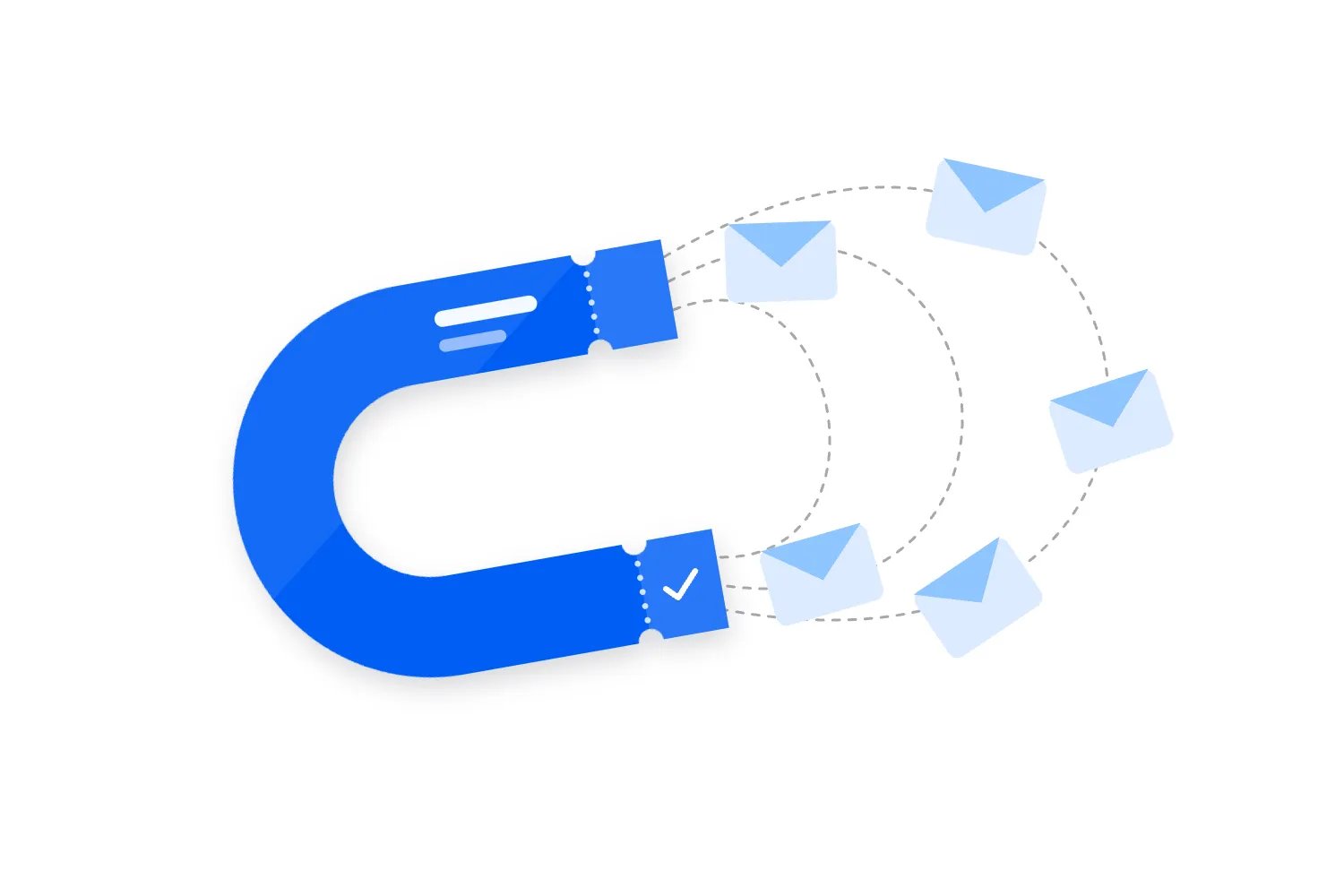
The best email signup incentive ideas for paid events give potential buyers something they already want from your event: first access to tickets, a useful preview, or a relevant perk. Start there before offering a discount, then judge the offer by the paid orders it helps bring in and what those orders leave after costs.
So you're promoting an event. People visit your page, watch the clips and ask who's playing. Some buy. Some disappear. You'd like a way to reach the interested ones again, and "join our newsletter" isn't doing much.
The first thing you want to do is give that invitation a proper job. Why should someone hear from you? What will they get? And does that promise attract someone who might actually pay for this event?
This guide walks through access, content, perks and discounts, with examples for different paid events. We'll also cover the signup page, delivery and a test you can use to decide whether the incentive earns its cost. You don't need twelve offers running at once. You need one you can explain, deliver and afford.
Choose the buyer before choosing the incentive
An incentive is the reason someone gives you permission to stay in touch. That reason shapes the list you're building.
Offer a general shopping voucher and you'll attract people who want the voucher. Offer first access to a specific music night and you'll attract people interested in that night. Neither response guarantees a ticket sale, but the second tells you something useful about the event.
Write down who you want on the list. Include the city, event type and likely reason to attend. For a conference, the person may need approval from work. For a local workshop, they may need to know whether it's suitable for beginners. For a club night, the date and music matter more than a long downloadable guide.
Put the expected ticket price near the invitation when you can. If tickets aren't released yet, an honest price range helps people decide whether to follow the launch. A list built around a free experience can look promising until you ask people to pay.
Next, identify what's stopping that person from buying. Are tickets unavailable? Do they need proof the session is useful? Are they coordinating friends? Do they like the offer but need time to arrange travel? Your incentive should address a real part of that decision.
It won't fix every problem. A download doesn't make a distant venue convenient. A discount doesn't make an unclear programme interesting. If visitors don't understand the event, improve the event page before paying them to join a list.
For a release that's still being planned, our pre-launch audience guide covers the wider campaign. Here, we're choosing the specific promise that makes signing up worthwhile.
Give people useful access
Access is my first choice when you have an event people already want. You can give subscribers a better opportunity to buy without immediately cutting the ticket price. The catch is that the opportunity has to exist.
First access to the next ticket release
Offer a defined purchase window before tickets go on public sale. Tell people when the link arrives, when public sales start and whether the same ticket price applies.
A recurring live music series might say, "Get the booking link the morning before tickets go public." That's a clear benefit for someone who knows the room fills. It doesn't promise a reserved ticket, and it doesn't need a discount to make sense.
Decide how much inventory the window can sell. If subscribers could buy every ticket, that's a deliberate release decision, not a minor mailing-list detail. Check your commitments to artists, sponsors, partners and the public announcement before choosing the allocation.
Don't call an ordinary notification "exclusive access" if everyone receives the same link at the same time. And don't imply that signing up reserves a place. Someone still has to complete the purchase while tickets are available.
A ticket-release alert
Sometimes the simple offer is the right one. Tell people when tickets for the event they care about become available.
This works when your public page already explains the event well and the remaining question is when they can book. It also asks less of a small team than creating a separate benefit you must fulfil later.
Make the list specific enough to be useful. "Tell me when the next beginner ceramics workshop opens" is more informative than "keep me updated." If the invitation covers a recurring series, say that. If it covers one event, don't silently turn it into every promotion your business sends.
The alert can include a calendar reminder, but a calendar entry isn't a booking. Show the actual sale time and time zone, especially if people are joining from several countries.
The next-date announcement
At the end of a successful event, people often ask when you're doing it again. Give them a way to hear the answer without promising a date you haven't confirmed.
You might offer, "Hear when we announce the next edition, including the date, city and ticket release." That keeps the promise within your control. It also works while venue negotiations are still happening.
If the format or location changes, explain that before asking people to buy. Someone who joined after a local evening event hasn't necessarily expressed interest in a weekend away. The continuity you're offering should be obvious to them.
Let people sample the programme
Content works when it helps a potential buyer judge what they'll get. It should leave them better informed, whether or not they eventually buy.
The useful question is, "What can we share that makes the paid experience easier to understand?" Start with something you already have permission to use. Creating a huge resource from scratch can cost more staff time than the list is likely to repay.
A short speaker or instructor preview
A paid workshop can share a short lesson on one problem the full session addresses. A conference can share an approved speaker clip, a worked example or a short discussion of the programme's main question.
Be specific. "Watch how the instructor approaches a difficult portrait-lighting setup" tells a photographer more than "download exclusive content." Include who the paid session is for, what it covers and what the preview leaves for the live experience.
Agree recording and distribution rights before using the material. A speaker agreeing to appear doesn't automatically mean you can reuse every slide, recording or third-party image in a marketing download.
Keep the preview easy to consume. Someone considering an evening workshop shouldn't need to sit through a long introductory course to understand the offer. A short, complete example is often enough to show how the instructor teaches.
A participant preparation resource
Give prospective attendees something that helps them prepare for the experience. Examples include an equipment checklist for a photography workshop, a sample tasting exercise for a paid food class, or a short reflection worksheet for a professional development session.
Keep it aligned with the paid event. A generic business template might draw interest from people who would never travel to your conference. A worksheet built around the actual session topic gives you a more relevant conversation to continue.
Separate optional extras from information everyone needs. Accessibility details, entry requirements and essential safety information should be easy to find without joining a marketing list. The incentive is an additional resource, not permission to hide the basics.
Say whether the resource is for anyone exploring the event or only people already booked. Confusing those groups creates support work and can make a free download look like a paid entitlement.
A programme selection guide
For an event with several tracks, offer a short guide that helps people choose the right sessions. Explain which track fits which role, experience level or goal.
That can be more useful than another brochure repeating speaker names. A buyer may be interested but unable to tell which ticket or session is right for them. Help them make that choice.
Keep the core programme publicly available. Use the signup resource to interpret it, with examples and suggestions. Don't force people to hand over an address just to discover whether the event covers their subject.
When the programme changes, update the resource and tell subscribers what changed. A preview becomes a liability when it continues advertising a cancelled session or an unconfirmed speaker.
Offer a perk you can actually deliver
A perk can work well when it adds something attendees value at a manageable cost. Before choosing one, ask who will fulfil it, how eligibility is checked and what happens if demand exceeds supply.
"VIP treatment" is too vague. A named benefit with a clear limit is easier for a buyer to understand and for your team to deliver.
A small bonus with a paid booking
Offer a relevant extra when a subscriber buys an eligible ticket. A workshop might include a practice resource. A film series might include an approved discussion guide. A tasting event might include a recipe sheet the host can distribute.
Explain the condition at signup. If the benefit requires a paid ticket, don't describe it as something every subscriber receives. Repeat the eligibility rule in the welcome message and wherever the offer appears at checkout.
Calculate the full delivery cost. A printed item needs design, production, transport and distribution. A digital extra may need editing and rights clearance. An apparently inexpensive perk can become expensive when staff must answer repeated questions about it.
Set a reasonable claim process and a plan for missed deliveries. Your door team shouldn't have to search a separate spreadsheet while a queue builds. Test the process with the people who will handle it.
A useful partner benefit
A nearby business may be able to offer something relevant to attendees, such as a defined food offer around a performance. That can add value without discounting your event ticket.
Agree exactly who pays, who qualifies, when the offer applies and how it is redeemed. Check capacity and opening hours. A restaurant offer has little value if the restaurant closes before your audience leaves the venue.
Keep partner marketing separate. Someone agreeing to hear about your event hasn't automatically agreed to emails from the partner. You can communicate an agreed benefit yourself without handing over your subscriber list.
If the partner withdraws, have a remedy you can afford. Your customer saw your promise, even when another business was supposed to deliver it.
An attendee question opportunity
For a small educational event, subscribers might submit a question that helps shape a preview or the live discussion. The benefit is a chance to contribute, not a guarantee that every question will be answered.
Explain how you choose questions and whether you may publish a submitted question. Keep sensitive personal information out of a public discussion unless there's a proper reason and permission to use it.
This works best when the format already supports questions. Don't add a separate session just because it sounds like a generous signup offer. Extra speaker time, moderation and production all need an owner and a budget.
Use discounts with a limit and a calculation
A discount is easy to explain. It's also easy to give away money to someone who would have bought anyway.
That doesn't make discounts a bad idea. It means the ticket price, remaining capacity and cost of serving another attendee have to support the offer. Decide the commercial rule before writing the headline.
A defined subscriber offer
Choose the eligible ticket, the saving, the purchase deadline and the quantity limit. Explain whether buyers can combine it with another offer. Use a code or ticket release your checkout can enforce, rather than a promise your team must apply manually.
Don't leave a permanent signup discount sitting beside the ordinary purchase button without thinking through the result. A buyer already ready to pay may simply join the list, collect the code and complete the same purchase for less.
You now have another subscriber, but you haven't necessarily created another sale. You've changed the price of an existing one.
If a release discount is the right choice, connect it to your wider early-bird ticket pricing plan. Set an allocation that fits the event's required revenue, and keep the advertised deadline honest.
A group offer
For events people attend with friends or colleagues, a group purchase offer can be more relevant than a saving on one ticket. But requiring more tickets doesn't automatically make the discount profitable.
Decide whether the offer brings in a new group or discounts a group already planning to attend. Work through the basket value, additional attendee costs and the number of places the offer could occupy.
Our group ticket discount guide covers those calculations. For list building, keep the invitation simple and make the purchase conditions visible before someone signs up.
Work through the money before launching
Here's an illustrative example, using invented figures to show the calculation. These are not industry averages or predicted results.
Assume a standard ticket brings your event $60 before the costs in this example. Allow $15 per attendee for the costs that increase when another person attends, including the relevant payment and ticketing costs. That leaves $45 from each standard ticket to cover fixed event costs and profit.
A $10 subscriber discount reduces the amount left to $35 per ticket. Suppose 30 people who would have bought at the standard price use the discount. You've given up $300 across those purchases.
Now suppose creating and promoting the incentive costs another $200. You need to recover $500 in total. At $35 left per additional discounted ticket, 15 genuinely additional ticket sales bring in $525. Fourteen bring in $490 and don't cover that $500.
Notice what the calculation requires. The additional tickets must be sales you wouldn't otherwise have made, and every assumed cost must be included. You can't count all discounted purchases as new demand just because a code appears on the order.
You usually won't know that difference precisely. Use the calculation to set a sensible test budget, then compare against a suitable group without the offer where practical. If the event would sell out at full price, the same incentive could reduce revenue without adding attendance.
Be careful with giveaways
A giveaway can generate plenty of entries. Whether those entries help your next paid event is a different question.
If you use one, choose a prize closely related to the audience and event. A broad cash-equivalent prize gives someone a reason to enter regardless of where they live, whether they like the programme or whether they'll ever buy.
Account for the prize's full cost and any ticket inventory it uses. A complimentary ticket can take a place you might have sold. Our complimentary ticket policy guide helps you decide what you can afford to give away.
Keep prize entry and marketing signup distinct, with clear choices and terms. Promotions have their own rules, which depend on location and the mechanics you choose. Get those checked before launch, especially when entry involves payment, chance or participants across several jurisdictions.
I wouldn't start here for a small event business trying to build a useful list. A clear release alert or programme preview is easier to connect to future ticket sales and usually creates fewer moving parts. Choose the more complicated offer only when you can explain what it adds.
Make the signup page match the promise
The incentive headline gets attention. The page underneath it needs to answer the obvious questions.
Say who the event is for, where it happens and what joining the list delivers. Explain whether tickets are currently on sale. Show the price or honest price expectation when it's relevant, and make any deadline or eligibility condition visible.
Ask for the information you need to fulfil the offer. An email address may be enough. A city choice can help when you run events in several locations. Don't turn a simple ticket alert into a long application form just because you might use the extra data later.
Use visible field labels and clear instructions. The W3C's guidance on labelling form controls explains how labels help people understand what to enter and support people using assistive technology. Test the form on a phone as well as a desktop.
A sample invitation for a fictional paid workshop could read, "Get a short preview of our portrait-lighting class, plus emails about upcoming photography workshops in Melbourne. The full class is a paid session. Unsubscribe whenever you like." Put the download request and ongoing marketing choice in a form that records each clearly.
If the resource is available without marketing signup, say so and deliver it to people who request it. Don't use a request for one item as a hidden agreement to ongoing promotions.
Keep permission clear
The rules depend on where you and your recipients are, so check the rules that apply before launching. A transparent opt-in is a sensible starting point for a new prospect list, but wording alone doesn't settle every legal question.
In the UK, the ICO's electronic mail marketing guidance explains the consent requirement for marketing to individuals and the limited existing-customer exception. Don't assume a new resource request qualifies for that exception.
The ICO also explains that an incentive can sometimes sit alongside valid, freely given consent, but people need genuine choice and must not be unfairly penalised for refusing. Keep unrelated marketing consent separate from buying a ticket or receiving essential event information.
For Australia, ACMA's spam guidance explains consent, identifying the sender and making unsubscribe easy. It also tells businesses to keep records of express consent. In the US, the FTC's CAN-SPAM guide covers commercial email requirements, including honest sender details, non-deceptive subjects, a postal address and an opt-out.
Keep a record of the signup source, date and wording the person saw, along with their choices. If you change the offer or marketing purpose later, don't assume the original permission expands with it.
Deliver the incentive before asking for more
The welcome message should make the person think, "Yes, that's what I signed up for."
Deliver the promised resource, or confirm when their ticket link will arrive. Repeat any purchase requirement or deadline. Identify your event business clearly and explain what future messages cover.
For advance access, the welcome message can be short. "You're on the list for the next edition. We'll email your booking link before public sales open. Joining the list doesn't reserve a ticket." Add the actual release details when they're confirmed.
For content, lead with the resource. Explain the connection to the paid event underneath it, with a purchase link if tickets are available. Don't make someone scroll through a sales pitch to find the item you promised.
Test the whole experience yourself. Submit the form, check the confirmation, receive the message, open the resource and follow the ticket link. Try an address that hasn't bought before, and check what happens when someone opts out.
Give someone responsibility for checking the offer each day while it's running. A working download today can become a broken link after a file moves. A ticket code can remain advertised after its allocation sells out. Put those checks alongside the campaign calendar, and remove the invitation when you can no longer fulfil it. Keep a replacement message ready for visitors who arrive after the deadline. Tell them what is available now, without implying they missed a benefit they can still claim or offering a new deadline that contradicts the one you already advertised.
Before a larger send, check your provider's setup against Google's email sender guidelines. Google advises sending to people who want the messages, confirming recipient addresses and making unsubscribe easy, with additional requirements for bulk senders. Those checks protect the opportunity you've worked to create.
Keep the subscriber and ticket records connected
Once someone buys, the conversation changes. They need the information that helps them attend, and any eligible perk needs to be delivered. Repeated acquisition messages can make it look as though you don't know they booked.
Loopyah's event email marketing keeps ticket buyers in contacts with purchase history and whether they agreed to hear from you. It supports importing an existing list, building audiences around purchases and automations triggered by actions such as joining a list or buying a ticket.
That lets you connect a signup promise to the next message without treating every contact alike. Preserve the permission records behind imported contacts and check the automation before enabling it. You still own the offer, the wording and the resource you promised.
The product also separates promotions from event updates and removes opted-out contacts from promotional sends. Use that distinction properly. A change to an event someone already paid for and an invitation to buy your next event have different jobs.
Test one offer and follow it through to orders
Start with one incentive for one audience. Set the period, budget and event you're measuring before promoting it.
Track page visitors, completed signups, confirmed reachable subscribers, paid orders and tickets. These counts answer different questions. An order can contain several tickets, and an address entered incorrectly isn't someone you can reach.
Compare the same period and similar traffic where possible. If you change the incentive, event date, channel and ticket price together, you won't know which change mattered. A random split with and without the offer is useful when your tools and audience size allow it.
Small tests still teach you things. Look for people asking whether the event is free, struggling to redeem the perk or misunderstanding advance access. Those are reasons to fix the promise before increasing spend.
Decide what you'd change after the test
Write the decision before you look at the results. If relevant people see the invitation but hardly anyone joins, you'll review the benefit and the page. If people join but can't retrieve the resource, you'll fix delivery. If they use the resource but don't consider the ticket, you'll look at the connection between the incentive and the paid offer.
Don't blame the incentive for a release that hasn't happened yet. An advance-access list needs to receive its promised purchase opportunity before you can judge its sales result. Equally, don't keep calling a list successful because it grew while the event's booking deadline passed without enough sales.
Record when people joined and when they had the chance to buy. A subscriber collected yesterday has had less opportunity than one who joined before the programme announcement. Compare groups with a similar buying window and note any major differences you couldn't control.
Keep support questions with the numbers. You may discover that the offer brought the right people, but the ticket page didn't explain what equipment was provided. Or that subscribers expected the bonus immediately even though it required a booking. Those are different problems with different fixes.
A practical test for a paid workshop
Imagine a fictional photography business with two paid classes coming up. One covers beginner camera settings. The other covers portrait lighting for people comfortable using manual mode. Both are in the same city, but the audiences need different previews.
Start with the lighting class. Use an approved instructor example that shows how to solve one lighting problem. Put the experience requirement, date and ticket price beside the signup invitation. Ask for an email address and a clear choice about future workshop marketing.
Deliver the preview promptly. Where the person has agreed to the relevant promotion, follow it with a message explaining how the live class builds on the example. Link to the matching ticket rather than a page containing every class you sell.
After the agreed test period, review which subscribers bought, what they asked and how much you spent producing and distributing the preview. If many visitors wanted beginner instruction, change where you're promoting it or make the experience requirement clearer. Don't solve that mismatch by discounting an advanced class.
You can then adapt the approach for the beginner class with a different sample lesson. Keep the audience choice separate so you don't mistake interest in photography generally for interest in every workshop. The useful lesson from this test is how the promise, buyer and paid experience fit together, not that every class needs the same download.
Then look at the money. Add the acquisition spend, resource production, staff time and fulfilment costs. Include discount cost across purchases that might have happened anyway. Compare that total with what the resulting ticket sales leave after relevant attendee costs.
Email reports can help trace purchases. Loopyah reports tickets and revenue associated with campaign clicks, so you can follow the sales alongside the send. Treat that as reported attribution, not proof that every purchase was caused by the incentive. Other promotion and existing demand can contribute.
Pick the simplest offer that helps someone buy
For a recurring music event with known demand, I'd try a genuine advance-access window. For a paid workshop people need to understand, I'd try an instructor preview. For a conference, a useful programme guide may answer the question holding a buyer back.
A discount belongs in the plan when you can afford it and have a reason to expect additional sales. A giveaway needs an even clearer case because entries are so easy to mistake for demand.
Choose one promise, make the conditions obvious and deliver it properly. Then follow the subscribers through to paid orders and costs. A smaller list of people who understand your event and want to hear from you gives you something useful to build on.

Author: By the Loopyah Content Team
The Loopyah Content Team shares expert insights, practical guides, and industry updates to help event organizers create unforgettable experiences and stay ahead in the event planning world.