· 21 min read
How to organise a paid exhibition

To organise a paid exhibition, start with a reason visitors would pay to come, then build the exhibitor mix, floor plan, budget and ticket sales around that reason. Commit to the venue when the numbers work at a believable attendance level, and make somebody responsible for every part of the experience you sell.
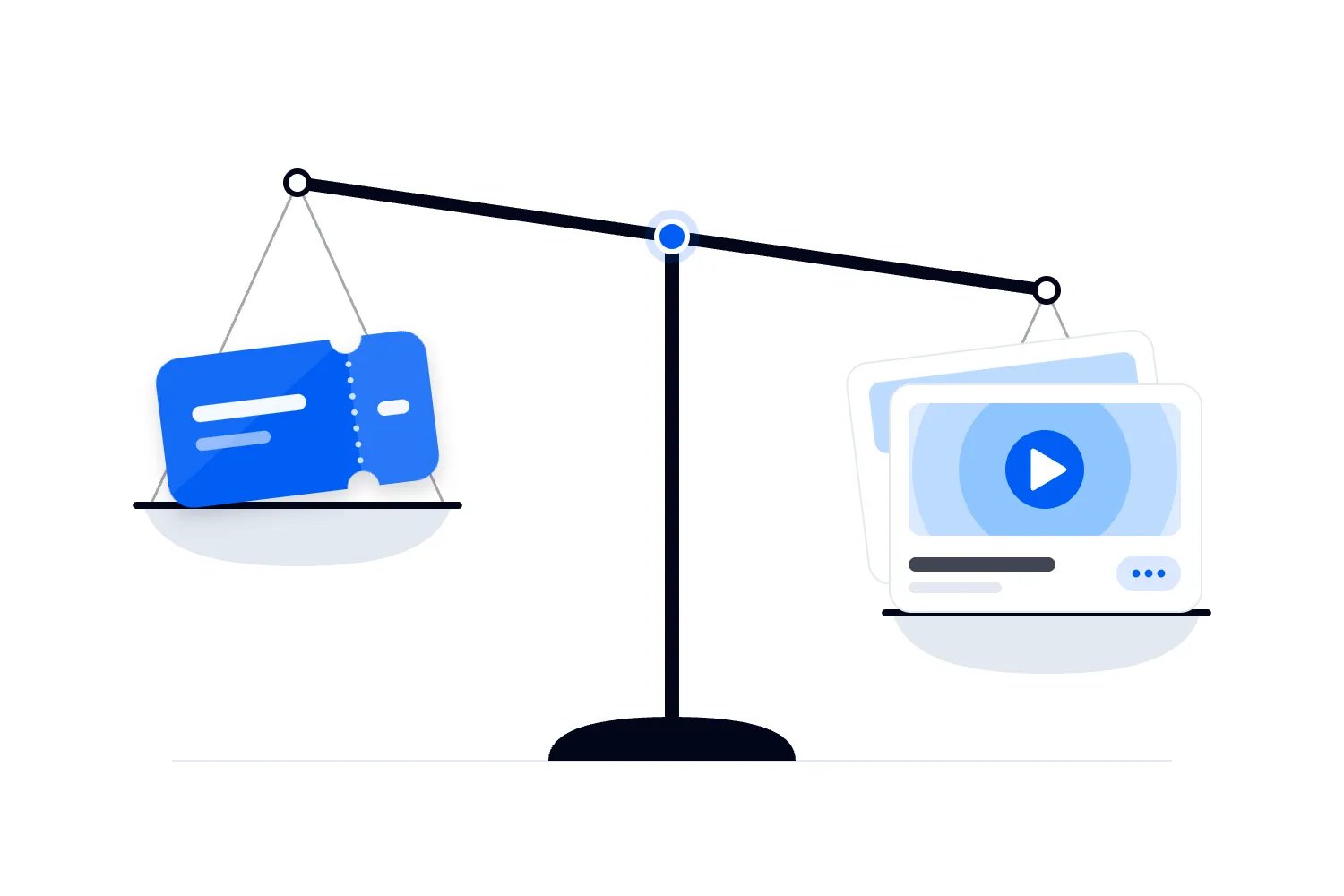
That sounds obvious until you're looking at a hall full of available booth space. It's tempting to sell as much of it as possible, announce the dates and figure out the visitor experience later. But your visitor has a different question. "Why should I pay to walk around a room where other people are trying to sell me things?"
You need a good answer. An exhibition can give buyers access to products they can't compare elsewhere, demonstrations worth seeing in person, specialist advice or a collection they wouldn't find on their own. This guide walks through deciding that offer, making the finances work, selling tickets, arranging the floor and delivering an exhibition people want to return to.
Give visitors a reason to buy a ticket
The first thing you want to do is write the promise in a sentence. Who is this for, what will they get and why does being there matter? "A weekend exhibition for home coffee enthusiasts to try equipment before buying, compare independent roasters and learn how to make better coffee" gives you something to build. "An exciting exhibition with something for everyone" gives you very little.
Your promise should change your decisions. If trying equipment is the attraction, you need working demonstrations, enough time at each stand and exhibitors prepared to answer detailed questions. If visitors want to discover collectible work, you need a credible selection and clear information about availability. A promise that doesn't affect your spending or exhibitor selection is probably just promotional copy.
Talk to likely buyers before you make expensive commitments. Ask about the last comparable experience they paid for, what made it worthwhile and what disappointed them. Show them the proposed offer and ticket price together. "Would you come?" invites politeness. "Which part would make this worth paying for?" gives you something you can use.
Separate interest from evidence of demand. An enthusiastic reply isn't a purchase. A mailing list isn't a room full of visitors. Use previous paid attendance where it's genuinely comparable, discussions with established audience partners and a small sales test where the event details and terms are ready. If you cannot yet take payment responsibly, collect expressions of interest and call them exactly that.
Decide whether you're serving consumers, trade visitors or both. A consumer might come to discover and buy. A trade buyer might need time with suppliers without public demonstrations drowning out the conversation. Putting everyone in the same hall at the same time can weaken both offers. Separate visiting periods can work, but only when you can explain the difference and manage access.
Check the calendar for competing demands on your audience's time, public holidays, transport disruption and the availability of important exhibitors. You're choosing a date people can buy into, not merely a date the venue has spare.
Choose exhibitors who make the exhibition worth visiting
Exhibitors fund part of the event, but they also make the product your visitors are buying. Your selection needs to do both jobs. A stand that pays well but adds nothing to the visitor promise can cost you more than its fee if it makes the exhibition feel like an unrelated sales fair.
Map the categories visitors expect to find. For a specialist food exhibition, that might include producers, equipment, demonstrations and opportunities to taste. Then identify where choice helps and where repetition becomes dull. Several exhibitors selling similar products may create useful comparison. A whole aisle of indistinguishable offers can make the ticket feel poor value.
Ask each prospective exhibitor what visitors can actually do at their stand. "Meet our team" is rarely a strong answer. Can visitors handle the product, watch it work, taste it, ask a specialist or see something unavailable online? Find out what that requires in power, water, storage, noise control and staffing before you promise the stand position.
Make the commercial terms specific. Set out the space, included equipment, staff passes, operating hours, payment dates, cancellation rules and any restrictions on demonstrations or sales. Specify what costs extra. If exhibitors assume power is included and you assume they'll order it separately, you have a disagreement waiting for build day.
Don't guarantee visitor purchases or a particular return on the exhibitor's spend. You control the offer, promotion and delivery. You don't control whether a visitor buys an exhibitor's product. Give exhibitors an honest account of the audience you're targeting, the evidence behind your attendance plan and the work you'll do to bring buyers through the door.
Keep complimentary exhibitor passes separate from paid visitor tickets. Staff access should reflect the job and the agreed allocation. If every exhibitor hands out unlimited visitor invitations, your ticket budget and capacity plan lose their meaning. Agree how invitations work and how they count before anyone starts distributing them.
Keep a reserve exhibitor list, especially for categories that carry the visitor promise. If a key exhibitor withdraws, find a suitable replacement rather than filling the stand with whoever will pay. Tell affected ticket buyers about a material change promptly. Your response should protect what they bought, even when the easy commercial answer would be to keep quiet and hope nobody notices on opening day.
A sponsor can help pay for something visitors value, such as a demonstration area. Protect the offer when negotiating. A sponsored session still needs to be useful, and paid admission shouldn't become permission to sit through a sales pitch you never mentioned.
Make the budget work before signing the hall
Build the budget around the exhibition you can sell and deliver. Start with venue hire, build and breakdown access, stand construction, furniture, utilities, staffing, security, cleaning, accessibility provision, insurance and marketing. Add programme costs, ticketing and payment costs, professional advice where needed, and a reserve for identified uncertainties.
Get written quotes that show what's included. The headline hall hire can look manageable until you add compulsory suppliers, overtime, waste removal and the hours needed to install everything. Ask what happens if the build runs late, a delivery misses its slot or a supplier needs access outside the agreed hours. Those details belong in the budget before you sign.
Now separate confirmed income from hoped-for income. Paid exhibitor bookings and signed sponsorship commitments are stronger than a pipeline of interested businesses, but you still need to account for payment dates and cancellation terms. Don't use a possible sponsor to make an unaffordable venue look affordable. Keep that possibility in a separate forecast.
Here's a hypothetical example in US dollars. These are teaching figures, not industry averages or a real Loopyah event. Assume fixed exhibition costs of $30,000, net exhibitor and sponsor income of $15,000, and average ticket income of $25 after discounts, ticketing costs and applicable taxes. Each paid visitor adds $5 in variable cost. That leaves $20 per paid visitor to cover the remaining fixed costs and profit.
You need 750 paid visitors to cover the $15,000 gap. At 500 paid visitors, the exhibition loses $5,000. At 1,000, it makes $5,000. At 1,250, it makes $10,000. Those results hold only under these assumptions. If another attendance level requires extra security or a bigger venue, calculate that cost before using the same line.
The useful question is whether 750 paid visitors is believable for your offer and sales plan. It isn't enough that the hall can hold them. If your evidence supports 400 buyers, change the costs, increase confirmed non-ticket income or improve the offer before committing. Raising the ticket price only helps if people will still pay it.
Our guide to building an event budget goes deeper into the costs and income to include. Keep the exhibition calculation readable enough that you can explain what needs to sell without opening a complicated spreadsheet.
Make the spending decisions in the order they become hard to reverse. A venue deposit may come before the main exhibitor sales period. Stand construction may need final quantities before your visitor sales peak. Put those dates beside the sales forecast so you can see which decisions rely on income that has not arrived. Ask suppliers what can still change, when it stops being changeable and what cancellation would cost. That gives you a real choice instead of a last minute hope that more tickets will sell.
Check cash separately. An exhibition can look profitable and still run out of money before it opens. Put deposits, supplier balances, exhibitor receipts and ticket payouts on their actual expected dates. Identify the biggest cash shortage and how you'll cover it. Money owed after the exhibition cannot pay a supplier who needs a deposit today.
Price admission around the experience you can deliver
Set the ticket price after you've defined the offer and understood the budget. Start with what visitors receive. Does admission include every demonstration, or do some sessions cost extra? Can they leave and return? Is there a different ticket for a particular day? Make those distinctions clear before buyers reach checkout.
A simple ticket structure is usually easier to explain and operate. General admission may be enough. Add another option when it changes the experience in a way people value, such as a separately booked workshop with limited equipment. Don't create a premium ticket because the budget needs a premium price. Create it because you can deliver a worthwhile difference.
An early release can reward people who commit before the full programme is announced. Limit its quantity and describe what buyers know at that stage. The lower price should have a commercial purpose, such as securing early demand evidence and cash, rather than teaching everyone to wait for a discount.
Loopyah's ticket selling tools let you give a ticket type multiple releases with their own prices and quantities. When one sells out, the next release opens at its price. That takes the manual switch out of your sales day. You still decide the quantities and whether the resulting average ticket income covers the exhibition you plan to run.
Budget for the mix you expect to sell. If most buyers take the cheaper release, your average income won't equal the advertised final price. Include concessions, group offers and refunds in your forecast where relevant. Keep free access visible too, because guests still use space and services even when they don't contribute ticket income.
Publish a clear policy for changes, cancellations and refunds that matches your obligations where you operate. If a headline demonstration is the main reason people buy, decide how you'll respond if it disappears. Hiding the issue in vague terms doesn't make the promise easier to deliver.
Test the purchase yourself on a phone. Read the offer cold, choose a ticket, review the total and check the confirmation. Ask someone outside the organising team to do the same. If they cannot explain what they bought, fix the page before spending money to send more people there.
Choose the venue and floor plan together
Visit potential venues with your exhibition requirements in hand. Measure more than the main hall. Look at loading access, door dimensions, ceiling restrictions, floor loading, power, toilets, storage, public transport and the route visitors will take from arrival to admission. Ask the venue to explain its rules for contractors, demonstrations and temporary structures.
The UK's Health and Safety Executive explains in its venue and site design guidance that usable capacity depends on factors including exits and circulation. Treat that as a planning principle, not a licence to estimate a safe capacity yourself. Work with the venue and competent advisers to establish the limits for your actual layout under local requirements.
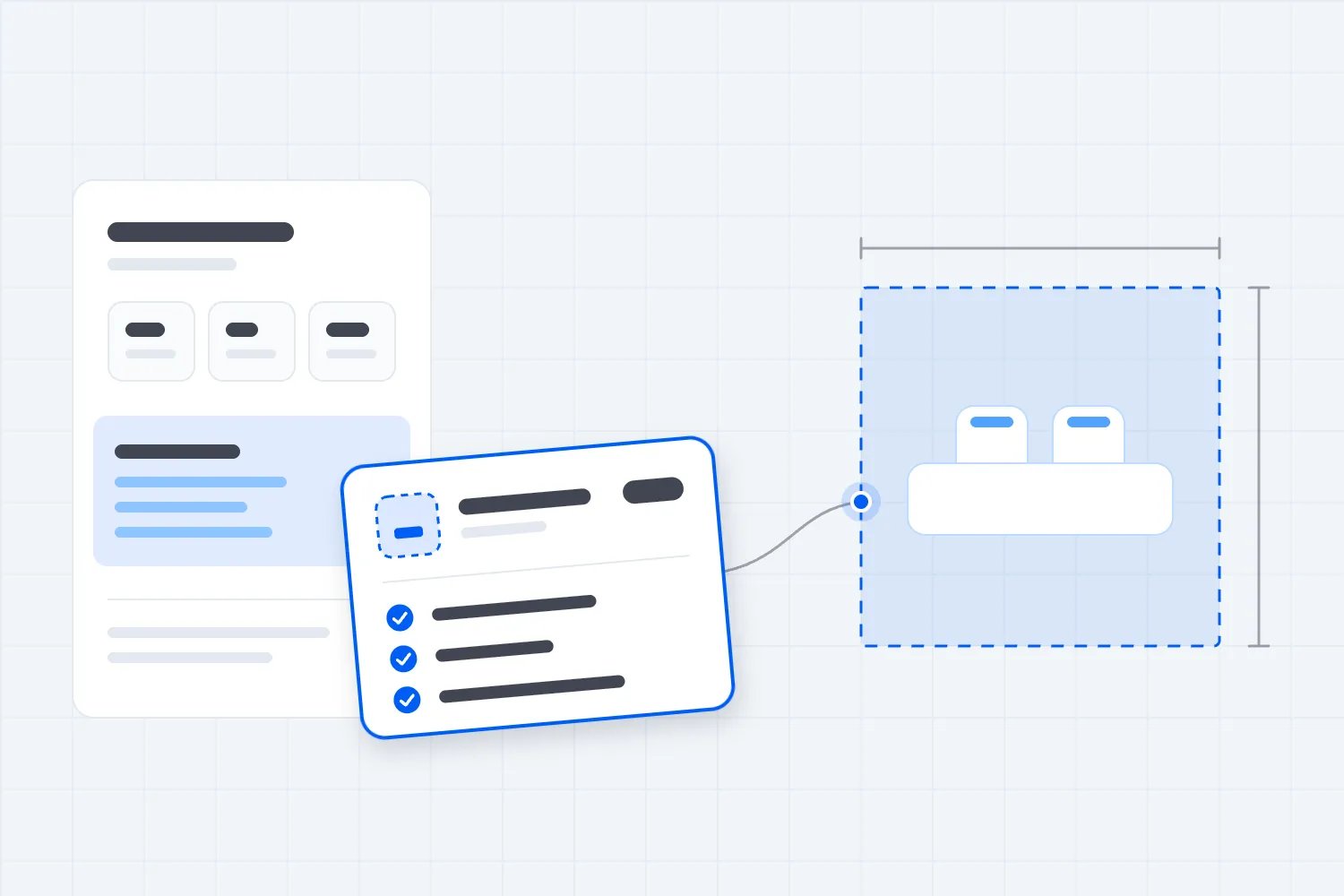
Start the floor plan with visitor movement and required clear space. Add stands after you've accounted for entrances, exits, queues, demonstrations, seating, toilets and service routes. Selling a booth in every available square metre gives you a revenue number on paper. It may also leave nowhere for people to stop without blocking an aisle.
Place noisy demonstrations away from conversations that need quiet. Give popular activities somewhere for their audience to gather. Keep food queues from cutting across the route to another part of the hall. Consider where visitors will stop to read a sign, check the programme or wait for a friend. The plan has to work when people pause.
Think about the quieter parts of the exhibition too. A desirable exhibitor or scheduled activity can give people a reason to explore further. But don't force visitors through a maze simply to expose them to every stand. They should be able to find what they came for, take a break and leave without a treasure hunt.
Give your programme a realistic running order. Include the time needed to reset equipment, clean a tasting area, change presenters and let an audience leave before the next group arrives. Back to back sessions look efficient on a poster, but one late finish can push every later session behind. Ask the people delivering each activity what preparation they need and build that into the schedule. Confirm who announces changes and where visitors will see the current programme if a session moves.
Walk the proposed route with the people responsible for admission, accessibility and safety. Use a scaled plan, then check it against the actual venue. A neat drawing can hide an awkward pillar or a delivery door that a contractor needs throughout the day. Record changes in one current plan and retire old copies.
Give exhibitors the approved dimensions and boundaries. Explain where their displays, staff and visitors may stand. A demonstration that spills into an aisle changes the plan even if the booth itself stays inside the taped rectangle. Check the finished floor before opening, and keep checking it while visitors are there.
Sort permissions, safety and access before launch
Ask the venue and the relevant local authorities which permissions apply to your exhibition. The answer depends on your location and activities. Food sampling, alcohol, music, temporary installations and particular demonstrations can introduce requirements that an ordinary hall booking doesn't settle. Name who will obtain each approval, the deadline and the evidence you need before allowing the activity.
Confirm responsibilities in writing. Who maintains the building's fire systems? Who approves stand construction? Who manages first aid, evacuation, lost children and contractor access? "The venue handles safety" isn't a workable answer when exhibitors bring equipment and you control the layout. Agree the boundaries and how the teams will communicate when something changes.
For exhibitions in England, the Home Office's fire safety guide for large places of assembly includes exhibition centres within its scope. Use the guidance relevant to your premises and jurisdiction with competent advice. Don't assume a guide for another country, or a different kind of building, establishes your legal requirements.
Arrange insurance suited to the actual activities, and check the venue's contractual requirements. Ask your insurer or broker about exhibitors, temporary structures, demonstrations, cancellations and the periods before and after public opening. Keep the confirmed cover and exclusions with your event records. A policy title alone doesn't tell you which loss it will cover.
Accessibility needs the same early attention as ticket sales. Check the route into the venue, movement between stands, toilets, seating, programme information and how somebody can ask for support. Publish useful facts rather than a vague claim that the event is accessible. A visitor needs to decide whether the exhibition will work for them before paying.
The W3C's Making Events Accessible checklist recommends planning for participant requirements and accessible information. Apply that to talks and demonstrations as well as admission. A visitor who enters the hall but cannot follow the session they paid to attend hasn't received the full experience.
Bring the safety and access plan back into commercial decisions. A larger demonstration audience may need more space or a different schedule. An accessible route may change where a stand fits. Make the change while you can still move the stand, rather than treating the requirement as an inconvenient surprise during the build.
Sell the exhibition before the final week
Your marketing should make the visitor promise visible. Show the products people can try, the questions a demonstration will answer and the exhibitors who make the trip worthwhile. A list of logos helps someone already familiar with the brands. It does less for a buyer who needs to understand what their ticket buys.
Give exhibitors material they can use without rewriting your event. Include the approved description, dates, location, ticket link and their confirmed contribution. Ask them to explain what visitors can do at their stand. That creates more useful promotion than the same generic announcement repeated by every exhibitor.
Build your sales calendar around real developments. Launch when there's enough confirmed value to buy. Follow with exhibitor announcements, useful demonstrations of the experience, programme details and practical visiting information. Make each message answer a buyer's remaining question. If every post says "tickets available now", you've stopped giving people reasons to purchase.
Review ticket sales by source and the money it costs to produce them. If a partner brings buyers who fit the exhibition, give them better material and a clear next action. If paid promotion brings attention without purchases, inspect the offer, page and audience before increasing spend. Advertising can't explain an exhibition whose organisers haven't decided what it's for.
Use your existing audience where you have permission to send promotions. Loopyah's attendee email tools keep buyers in contacts, let you build segments around purchases and report tickets and revenue from campaigns. That helps you invite relevant past buyers without exporting a fresh list every time. It doesn't remove your responsibility to make the offer relevant.
Keep marketing separate from essential event information. In the UK, the ICO's electronic mail marketing guidance explains consent requirements and the limited previous-customer exception. The page also notes that its guidance is under review. Check the current rules for your audience and location before deciding who should receive a promotion.
Set dates for commercial decisions before the next large commitment. Compare actual paid tickets, confirmed exhibitor income and available cash with your plan. Decide what result would make you reduce optional spending, adjust the offer or reconsider proceeding under your contracts. A deadline is useful only if you can still act when it arrives.
Give exhibitors and visitors different instructions
Exhibitors need practical instructions well before arrival. Tell them when they can unload, where to report, how access works and when the stand must be ready. Include equipment orders, demonstration restrictions, waste arrangements and the time they can start packing. Put the information where they can find the current version without searching through old emails.
Collect outstanding details against a deadline. Ask who will run the stand, what equipment they're bringing and whether their plans have changed. Route technical questions to the right person. Your sales contact shouldn't improvise an answer about electrical loads just to keep an exhibitor happy.
Visitors need a shorter version focused on their day. Explain opening times, arrival options, where to enter, ticket access, what admission includes and how to plan around booked sessions. Include accessibility information and a contact for questions. Tell them about restrictions that would affect their visit, such as whether large bags or purchases can be stored.
Think through the whole journey. A visitor buys, receives a confirmation, decides when to arrive, finds the building and joins the entrance queue. Each stage should confirm what happens next. If the ticket says one entrance and the sign points to another, your door team inherits a problem that a better message could have prevented.
Brief customer support on the same information. Agree answers for common questions and a way to escalate exceptions. Somebody asking about a mobility requirement, a refund or missing ticket should reach a person who can resolve it. Repeated questions are evidence that a message or policy needs work, not proof that visitors don't read.
Run the exhibition with clear decisions and a working door
Give each operating area a named lead and a way to reach them. Admission, exhibitors, programme, venue operations and incident response need clear ownership. The organiser should know who can pause a demonstration, move a queue or stop entry under the agreed plan. Waiting for everyone to approve a small decision makes the day harder than it needs to be.
Protect build and breakdown time. Contractors and exhibitors need a coordinated schedule, safe access and clear separation from visitors. The HSE's guidance on managing an event includes setup and breakdown within event safety management. The public opening is only part of the operation, so staff and supervision need to cover the rest too.
Before opening, walk the site with the venue and operating leads. Check that stands match the plan, routes remain clear, the programme is ready and the door team knows the ticket rules. Test communication and the agreed response to problems. If a safety issue remains unresolved, hold the doors until the responsible team resolves it and approves opening.
Separate routine admission from questions that take longer. A missing ticket, disputed concession or group booking shouldn't hold up every visitor behind it. Give staff a help position and permission to refer the problem there. Rehearse what happens if connectivity fails, a phone runs out of charge or the wrong date appears on a ticket.
Loopyah supports QR ticket scanning from door staff's phones with check-in access. Use the permission appropriate to their role and test it before opening. Scanning records admission, but you still need an occupancy method that suits your re-entry policy and local requirements. Tickets sold, tickets scanned and people currently inside are different counts.
Monitor where people gather during the day. A popular demonstration may need a steward, a revised queue or a pause while the team restores clear movement. The HSE's crowd control guidance covers arrival, circulation and departure. Plan for each phase, including the rush when a session ends and several stands get busy together.
Decide how re-entry works before printing signs. If visitors can leave to collect purchases or eat elsewhere, they need a clear way back in and staff need a way to distinguish them from new arrivals. Agree how departures and returns affect your occupancy count. A weekend pass also needs an admission rule that matches what the buyer expects on each day. Put the rule in the ticket description, confirmation and door briefing so staff do not have to settle it with a queue watching.
Record incidents, decisions and visitor complaints while details are fresh. Keep the record proportionate and protect personal information. Note the action taken and who owns anything outstanding. When the exhibition closes, the team should already know which problems require a follow-up rather than trying to reconstruct the day from memory.
Measure whether the exhibition deserves another edition
Close the accounts before declaring success. Compare actual ticket income, exhibitor income and costs with the budget. Include refunds, unpaid invoices and costs that arrived after closing. A busy hall can hide a weak financial result, especially when the final supplier bills haven't landed.
Ask visitors specific questions. Which part made admission worth paying for? What did they miss? Where did they wait or struggle to find something? Give them room to describe a problem in their own words. A single satisfaction score won't tell you whether to change the programme, price or floor plan.
Ask exhibitors about the audience and the operation separately. Did they meet the people they expected? Could they run their stand properly? Was the information clear? If they report sales or leads, label those as their reports and explain any limits. Don't turn unverified comments into a claim about the entire exhibition's commercial results.
Use the evidence to choose what to repeat and what to change. Keep the demonstration people paid to see. Fix the aisle that crowded. Reprice an expensive add-on that didn't cover its costs. A renewal offer is stronger when you can explain the changes and show that the next edition has learned something.
A paid exhibition earns another edition when visitors received the experience you promised and the business can afford to deliver it again. Start there. Build the exhibitor mix, budget, tickets and floor around that answer, then use the first exhibition's real results to make the next one better.

Author: By the Loopyah Content Team
The Loopyah Content Team shares expert insights, practical guides, and industry updates to help event organizers create unforgettable experiences and stay ahead in the event planning world.