· 21 min read
How to run an event ticket giveaway that reaches likely buyers
Run an event ticket giveaway by offering a prize tied closely to the event, putting it in front of people who could realistically attend, and giving interested entrants a clear route to buy. Keep entry simple, publish the rules before launch, and plan what happens after the draw. Think about what entrants learn before they submit. They should leave knowing what your event offers and whether they would enjoy being there.
So you've got tickets to sell, a partner offering to help, and someone suggesting a competition. Give away a pair, ask everyone to tag their friends, watch the entries roll in. Easy, right?
The interesting part is who those entries come from. Someone who enters every competition they see may have no interest in your event. Someone who loves your lineup but lives too far away may never come. And someone already planning to buy might decide to wait for the result instead.
You want to design around those problems before the post goes out. This guide walks you through choosing the audience and prize, building the entry process, finding useful distribution partners, and delivering the result properly. We'll keep the commercial decision in view without turning every entrant into a sales target.
Start with the person you want to reach
The first thing you want to do is describe a likely buyer. "People who like events" won't help you choose a prize, partner or message. Get specific enough that you can recognise where those people already spend their attention.
For a local comedy night, that might mean adults within a practical journey of the venue who enjoy the kind of acts you've booked. For a paid photography workshop, it could mean hobbyists who want help with lighting and can bring the required equipment. Those audiences need different invitations.
Start with the people who already buy from you. What do they attend? How do they hear about it? What information do they need before paying? Use purchase records and conversations you actually have. Don't invent a detailed customer profile because a marketing template has empty boxes.
Then decide which nearby audience you want the giveaway to introduce. Maybe your regular crowd knows you, but the local record shop's customers don't. Maybe you've sold previous workshops to beginners and now need photographers ready for a more advanced session.
Write the intended audience in one sentence. "We want local fans of live soul music who haven't attended our monthly show." That gives you a useful direction without pretending you can verify every entrant's interests or purchase intentions.
Keep the event's practical restrictions visible. A good prospect still needs the right date, location, age eligibility and ticket budget. Showing those details early lets people decide whether the event fits their life, before either of you spends time on an entry.
Give the giveaway one job
A giveaway can introduce a new event, bring a partner's audience to your page, reward existing customers, or let potential buyers experience a recurring series. Pick the main job. Otherwise, you'll change the definition of success to whatever number looks best afterwards.
For discovery, you want relevant people to understand the event and visit its ticket page. For a trial experience, you want winners who can attend and may choose to return. For customer appreciation, you want to deliver something enjoyable to the people already supporting you.
Those are all reasonable uses of a budget. They just aren't the same campaign. A loyalty draw doesn't need to claim it found new customers. A local audience campaign doesn't need worldwide participation to look impressive.
Also ask whether a giveaway solves the problem you actually have. If buyers don't understand the programme, explain it better. If checkout is broken, fix it. If the date conflicts with a major local event, a free pair won't remove that conflict for everyone else.
Your event marketing plan should still explain why someone would pay. The competition gives you another reason to start that conversation. It shouldn't become the whole reason your event appears in people's feeds.
Before committing, write down what you'll spend, who will run it, and the outcome you want to see. If nobody can name the next purchase or audience relationship the campaign should support, save the tickets for a clearer purpose.
Choose a prize that makes the event matter
The best starting prize is usually the event itself. A pair of tickets to the actual show gives you a reason to talk about the lineup, venue and experience. It also attracts people who find that offer appealing, rather than people who mainly want a generic gift.
A cash prize or unrelated device can generate attention, but ask what connects that attention to your ticket offer. If someone would enter without reading the event name, the prize may be doing all the work while your event gets ignored.
A partner contribution can make sense when it belongs naturally with the experience. Think of a workshop place with materials included, or concert tickets with a record from an artist on the bill. Check that the extra item doesn't become more attractive than the event you're trying to introduce.
Be careful with upgrades. Reserved seating, a hosted introduction or a genuinely available package can give a prize more appeal. An invented backstage promise can become a delivery problem very quickly. Get the permission and allocation confirmed before mentioning anything involving an artist or supplier.
Describe exactly what the winner receives. Does the pair cover the same session? Are seats together? Does admission include food, or is food sold separately? What about travel and accommodation? The answer shouldn't become a surprise after someone wins.
For events people attend with friends, a pair can make attendance easier to plan. For a specialist workshop, a single place may be more appropriate if each participant needs equipment and tuition. Choose the package around the actual attendance decision, rather than making every giveaway a pair by habit.
Decide what the prize costs you
Free tickets still use capacity and staff time. They may also require meals, materials or another service you pay for per attendee. Put the giveaway inside your complimentary ticket policy, with an agreed allocation and someone accountable for approving it.
Don't automatically price the prize at either zero cost or its full retail value when deciding whether to run the campaign. The advertised prize value describes what the winner receives. Your budget needs the costs you incur and any paid sales the allocation might displace.
Here's a hypothetical example. You have a workshop with spare places, and materials cost you $15 per participant. Awarding two places adds $30 in materials, before administration or promotion. If those places would otherwise have sold, you also need to consider the paid contribution you gave up.
A show approaching capacity needs a different judgement from a workshop with genuinely unused places. Don't assume that two seats are spare just because the room isn't full today. Look at the sales pattern and the remaining time before making that call.
Add any partner payment, advertising, entry tool and staff time to the budget. Decide who covers fulfilment costs too. A donated prize can still leave you paying for shipping or arranging a collection, and those small tasks tend to arrive at the busiest point in the campaign.
Set a spending limit you can afford without counting uncertain future sales. The giveaway has to earn another run through what you learn and what happens next. It shouldn't get an unlimited budget because entries are arriving faster than ticket orders.
Keep entry simple and relevant
Choose an entry process you can explain in a short paragraph and administer fairly. For many event operators, a short form is easier to manage than collecting comments, story shares and tags across several accounts. People can see the event details and rules in one place.
Ask for what you need to run the draw. That may include a contact detail, eligibility confirmation and agreement to the entry rules. Explain any use of the information. A giveaway form doesn't need to become a research survey or a request for everything you might want later.
Make the event visible before the submit button. Show its date, location, admission conditions and prize description. If the promotion is meant to introduce a workshop, explain what participants will learn. If it's a concert, tell people who's playing and what kind of night they're entering for.
An optional question can help you understand interest, but decide what it actually changes. Asking which act someone is excited to see may be useful feedback. It shouldn't secretly determine the winner when you promised a random draw.
Avoid making entrants complete a long chain of unrelated actions. Each extra instruction creates another thing to verify and another way someone can misunderstand the rules. It can also make the event business look more interested in extracting activity than welcoming an audience.
Test the entry on a phone. Can someone read the conditions, complete it, and tell that it worked? Check errors too. An entrant who mistypes an email needs a clear way to correct it, without repeatedly submitting because the page gave them no confirmation.
Separate entry from marketing permission
You need a way to contact the winner. That doesn't automatically mean you can send every entrant ticket offers afterwards. Decide how you'll ask for marketing permission before you collect the details, and keep that choice clear in the form.
For UK audiences, the ICO's direct marketing guidance explains that electronic marketing to individual subscribers generally needs consent unless a specific exception applies. Permission for one purpose doesn't automatically cover another. Apply the rules relevant to the people you're reaching, including any requirements for emails, messages or audience uploads.
A practical form can distinguish receiving information about the draw from choosing to receive future event emails. Explain who sends those emails and what they're about. Don't hide that choice inside a general acceptance of terms or quietly add a sponsor's mailing list.
If partners are involved, agree who holds the entry records and who may contact entrants. Sharing the promotional post is a different job from receiving everyone's details. A partner doesn't need your entrant list merely because it donated a prize or posted the link.
Use a short privacy explanation with access to the fuller notice. Tell people what you collect, why, who receives it and how long you plan to keep it. Our guide to event privacy notices helps you identify the questions to answer.
Store the choice alongside the entry, and make sure the people sending messages can act on it. An optional box means very little if the whole list gets the same sales email later. Plan the audience selection while the campaign is still being built.
Check the rules before announcing the draw
A ticket giveaway needs rules that match its location, audience, entry method and prize. Don't copy another account's caption and assume its wording makes your promotion lawful. The people eligible to enter can matter as much as where your business is based.
In Great Britain, the Gambling Commission's guidance on free draws and prize competitions explains the distinction between qualifying free draws, genuine prize competitions and lotteries. A token question or a line saying "no purchase necessary" isn't a substitute for checking the actual arrangement.
Australia has rules that vary by jurisdiction. The NSW Government's trade promotion guidance covers requirements for promotions open to NSW residents, including when an authority is required. Check the relevant places rather than treating one state's guidance as an Australian rulebook.
Get advice for the planned promotion when you need it, especially if entry involves payment, purchases, alcohol, children or several jurisdictions. Keep the scope manageable. Opening the campaign worldwide because a social account has worldwide followers can create obligations you hadn't planned to administer.
The UK's CAP promotional marketing rules require significant conditions to appear in promotional material and set expectations for fair administration. Their approach is useful to understand, but it doesn't replace the rules elsewhere.
Also check the current promotion policies of every platform you use. An entry form on your website doesn't excuse a promotional post from platform rules. Confirm the permitted actions, required acknowledgements and any restrictions before asking people to enter or spread the campaign.
Write terms people can actually use
Your rules should let someone understand the offer before entering and let your team administer it without inventing answers. Start with the basics, then get the final wording checked against the requirements applying to your promotion.
Who runs the promotion and how entrants can contact them.
Who can enter, including age and location restrictions.
What the prize includes, excludes and requires of the winner.
How to enter, entry limits and the opening and closing times.
How the winner is selected, contacted and given the prize.
What happens if a winner doesn't respond or the event changes.
Keep important restrictions in the launch message too. A link to full terms helps people read the detail, but shouldn't hide the date, eligibility or a major cost they need to understand. Use an exact closing time and time zone so partners don't publish different interpretations.
Think through the ticket itself. Can the winner transfer it? Do they need to provide a guest's name? If the event is postponed, what happens to their prize? Don't promise a cash alternative or a different event unless you're prepared and permitted to deliver it.
Choose an appropriate response deadline with the relevant rules checked. Event tickets are tied to a date, but that doesn't mean you can demand an instant reply and give the prize away to someone else. Leave time to contact the winner properly and resolve genuine delivery problems.
Give the final terms to everyone publishing the campaign. Keep a dated copy of the agreed version. You want one set of instructions that your partners, customer support and draw administrator can all refer to when a question comes in.
Choose partners by audience fit
A partner's follower count tells you very little about whether its audience can attend your event. Look for the connection first. A local independent cinema may reach film fans for your screening. A specialist studio may reach people who already want the training your workshop offers.
Ask where the audience lives, what they follow the partner for, and whether similar event recommendations make sense in that channel. Review actual posts and conversations. A large account full of unrelated competition entries may be less useful than a smaller one with a clear local audience.
Give the partner a specific reason to introduce the event. "Win tickets" is the offer, but the context might be an artist they stock, a topic they teach, or a programme their customers already ask about. That makes the invitation easier to explain without pretending the partner has attended.
Agree the practical work before launch. Who publishes, where the entry goes, who answers questions, and who owns the prize allocation? Confirm dates and links. If each partner runs its own draw, label the allocations and rules clearly so entrants know which promotion they're joining.
Agree what happens if a partner misses its planned posting date. Keep the original entry deadline consistent, and decide whether another suitable channel can still introduce the campaign properly.
In the US, the FTC's endorsement guidance explains disclosure for incentivised endorsements, including social media contest entries. Paid or rewarded recommendations need clear handling. Don't ask partners or entrants to make praise look like an independent opinion.
If you're building a longer relationship, read our guide to event influencer marketing. A useful giveaway partner may also be a good source of ordinary event recommendations, where the reason to attend has to stand on its own.
Write the invitation around the experience
Lead with something the intended audience recognises. "Win a pair of tickets to our live soul night in Bristol" gives the reader more to work with than "Huge giveaway alert." They can immediately judge whether the prize is relevant to them.
Next, explain why the event is worth their attention. Name the performers, programme or learning outcome that makes it appealing. Keep promises grounded in what you're delivering. A giveaway doesn't give you licence to call an ordinary ticket a once-in-a-lifetime experience.
Then state the prize and entry action. Put essential conditions where people will see them, with a clear route to the full terms. Match the words to the actual method. If entries come through a form, don't also suggest a comment counts unless your rules genuinely allow it.
Here's an illustrative opening for a fictional campaign. "Love live soul music? We're giving one winner two tickets to Friday's Harbour Room show. Hear the full lineup and enter through the giveaway page. The event date, eligibility and closing time are listed below."
The finished version needs the real details, full terms and any required platform wording. Use the example to see the order of information, rather than copying it as a complete promotional caption. The point is to make the event clear before asking for activity.
Keep the regular ticket route available. Some people will want certainty and choose to buy. Give them the programme, price and checkout link without making a purchase part of entry unless that arrangement has been deliberately checked and included in the rules.
Time the campaign around the buying decision
Run the giveaway when people can still make plans after the result. A winner needs time to arrange a guest and travel. Other interested people need time to decide whether to buy. Work backwards from the event and the requirements governing your draw.
Don't use a competition as the only announcement for a new event. People should be able to understand what you're offering even if they never enter. Your ordinary launch, artist announcements and ticket information still need their own place in the promotion schedule.
For an illustrative campaign, you might launch while paid tickets are already available, leave a clearly stated entry period, announce the result with enough attendance planning time, then continue ordinary event promotion. The suitable dates depend on the event and rules, not a universal giveaway timetable.
Be honest about ticket availability. If sales continue during the draw, say so when relevant. Don't suggest everyone can safely wait if the event may sell out, and don't manufacture scarcity to pressure entrants. Hold the promised prize allocation so winners receive what you've offered.
Avoid repeatedly reopening the competition because entries are disappointing. It makes the original deadline meaningless and can conflict with applicable rules. Improve the next campaign's prize or distribution instead of moving this campaign's finish line after people have entered.
Put the giveaway inside your event marketing timeline. That lets you see what people hear before, during and after it. A competition surrounded by useful event information has a better commercial purpose than an isolated post followed by silence.
Make the ticket page finish the conversation
Someone arriving from a giveaway may know very little about your event. The ticket page needs to explain what happens, where it happens, who it's for and what they pay. Don't assume the caption has already done all that work.
Check the page against the invitation. A prize described as a full workshop place shouldn't land on a page suggesting materials cost extra. A concert promoted through one artist shouldn't make it difficult to find that artist's appearance. Consistency helps the visitor understand the offer.
Show the buying information clearly. Include the relevant admission conditions, ticket options, practical access information and refund terms. A person weighing up whether to enter or buy shouldn't need to send you several messages to discover the total commitment.
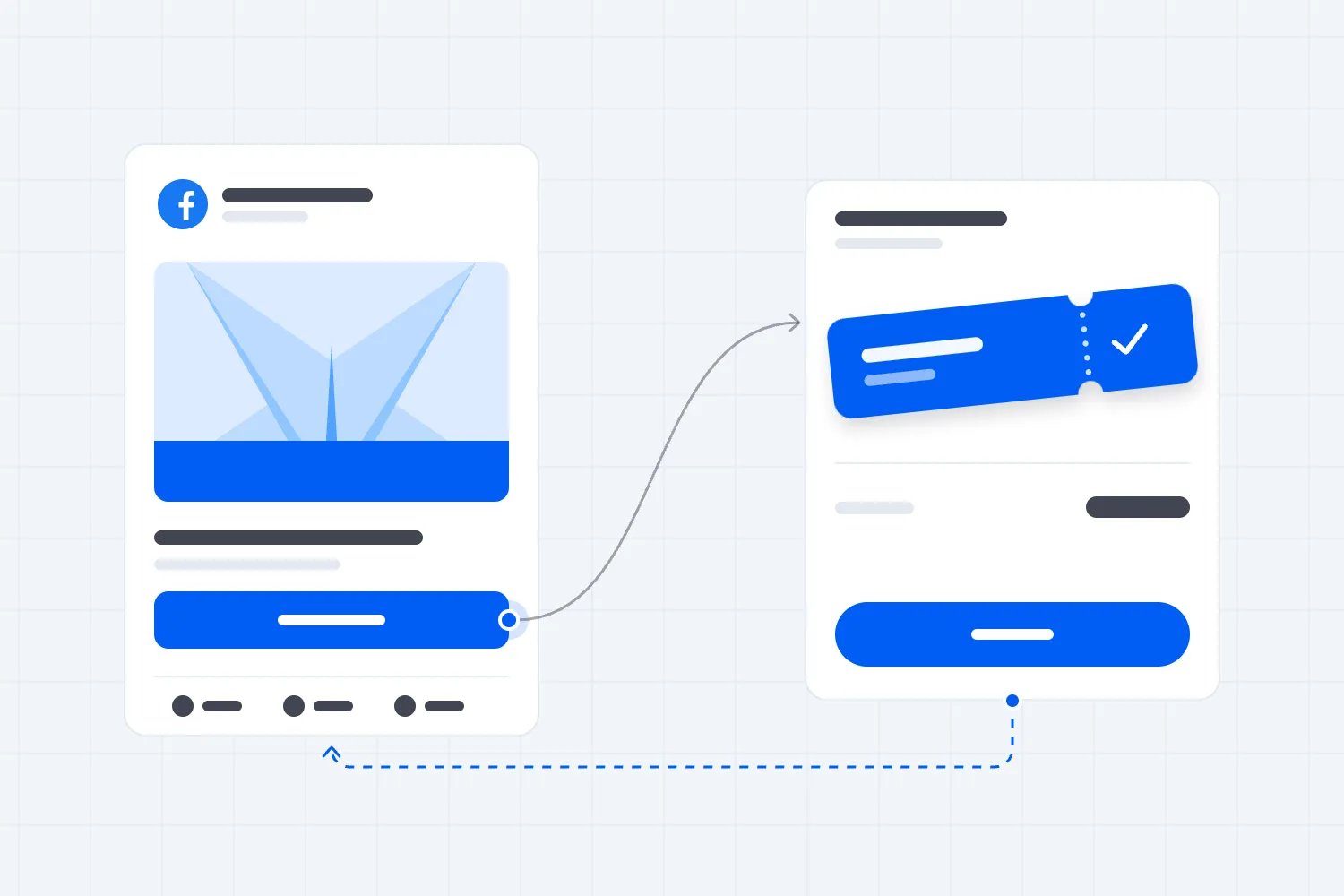
Your event landing page does the work of turning curiosity into an informed decision. Send someone there because it answers their questions, rather than making the giveaway form carry every detail of the entire event.
Loopyah's ticketing supports event pages, ticket options and source reporting for posts and emails. Keep the ticket offer and purchase route connected, then use the reporting to understand which messages were associated with paid sales. It doesn't replace your draw administration.
Test every published link, including the regular ticket link and full terms. Check the mobile checkout as well as entry. If someone decides to pay after reading the event details, that decision shouldn't end at a confusing page or an unavailable ticket option.
Plan the messages after entry
After submitting, an entrant should know whether their entry was received, when the draw closes and how winners will hear from you. That confirmation is part of the experience. Don't leave people refreshing the page because they can't tell whether anything happened.
Keep administrative messages focused on the draw. If you're sending marketing as well, use the appropriate audience and permission. A notification that someone didn't win doesn't become a free pass to send an unrelated sales pitch to everyone who entered.
For people who chose to hear about future events, explain the next useful thing. That could be a lineup detail, a practical answer, or the available ticket offer. They already showed interest in the prize, so help them decide whether the experience is worth buying.
Don't assume a discount is necessary. Show the value first. A rushed consolation code can train your existing buyers to enter giveaways before paying, and it reduces what the subsequent purchase leaves you. Offer a discount only when there's a deliberate commercial reason.
With opted-in entrants imported into Loopyah, attendee email marketing sends promotions to eligible contacts and removes opt-outs and dead addresses automatically. You can see sales associated with clicked campaigns. You collect valid permission and administer the draw; we handle sending checks.
Make the messages sound like your event business. Thank people plainly, give the result in the promised way, and explain what happens next. Nobody needs a dramatic countdown email suggesting they've reached a special winning stage when they haven't.
Deliver the prize like a real booking
Close entry at the stated time and follow the published selection method. Keep the entry record and evidence of the selection appropriate to your obligations. The administrator should be able to explain how the winner was chosen without relying on a screenshot of a random comment.
Contact the winner through the promised route and confirm eligibility using the process you've described. Request only the information needed to award the prize. Don't suddenly require a public testimonial, social post or marketing signup that wasn't part of the offer.
Tell entrants how to recognise genuine contact. State the account or address you'll use, and make it easy to ask you about suspicious messages. A scam account can appear while your team is busy celebrating the campaign, so give someone responsibility for watching and responding.
Issue proper tickets and practical arrival information. Your door team should be able to admit the winners through the normal process. A promise in a direct message isn't much help when the person scanning tickets doesn't know about it.
Confirm any guest details, reserved seats, materials or partner extras before the event. If the prize involves several suppliers, one person should own the full delivery. The winner shouldn't have to chase each business to assemble what your caption promised.
After attendance, keep any follow-up appropriate to the relationship and permission. Ask for feedback when suitable, and make the next event easy to find. The experience you deliver is what gives a winner a reason to become a paying attendee later.
Decide whether the giveaway deserves another run
Look at valid entries, the audience you reached, ticket-page visits, paid orders and prize delivery. Keep those results separate. A winner receiving two tickets isn't two paying customers, and an entrant who buys wasn't necessarily persuaded by the giveaway alone.
Use completed orders to check paid sales, account for refunds, and compare the amount those tickets leave against the campaign cost. Source reporting shows associations. It doesn't prove which purchases wouldn't have happened without the promotion, so keep your conclusion proportionate to the evidence.
The next decision should be specific. Keep the partner if it sent relevant people. Simplify entry if people struggled to complete it. Change the prize if the audience wanted the extra gift but ignored the event. Stop if the activity keeps producing participation without a worthwhile commercial result.
A good event ticket giveaway starts with people who could attend, gives them a reason to understand the event, and delivers exactly what you offered. Build that whole experience before publishing the invitation. Then judge the campaign by the audience relationship and paid business it helped create.

Author: By the Loopyah Content Team
The Loopyah Content Team shares expert insights, practical guides, and industry updates to help event organizers create unforgettable experiences and stay ahead in the event planning world.