· 20 min read
How to promote a paid event on X
To promote a paid event on X, get into the conversations your buyers already care about, give them a clear reason to attend, and make the ticket link easy to find. Use your own posts, useful replies and relevant partners to bring people to an event page that answers their questions, then judge the work by ticket sales and what those sales cost you.
So you've announced your event. You've posted the date, tagged the speakers and asked everyone to share. A few people liked it. Tickets haven't moved much. What now?
The first thing you want to do is look beyond the announcement. Someone seeing your post might have no idea who you are, why the event matters or whether it's worth giving up their evening. Repeating the same flyer won't answer those questions.
This guide walks you through promoting a paid event on X, formerly Twitter, with a plan you can run alongside the rest of your event business. We'll cover finding buyers, writing posts, working with partners, handling questions and deciding whether the channel deserves more of your time.
Decide whether your buyers are actually on X
Start with the audience, before you start with the posting schedule.
A paid industry workshop whose speakers regularly discuss their work on X has a plausible starting point. So does a music event with artists and local venues that already talk to fans there. An account full of event professionals won't automatically help you sell tickets to a consumer food festival. Those people might admire your production. They might never attend.
Look for actual conversations around the subject, the people involved and the place where the event happens. Are people discussing the problem your workshop solves? Are local fans responding to the performers? Are relevant accounts sharing plans to attend similar experiences?
Use X's advanced search to narrow searches by words, accounts and dates. The help page describes advanced search on the website while logged in. Treat search results as clues, rather than a complete picture of everyone who might buy.
For an in-person event, location matters as much as interest. A person who loves your headline act but lives across the world is different from someone discussing that act and looking for plans in your city. Check the context of posts and profiles. Don't assume that every interested account is a reachable buyer.
Give yourself a short research session and write down the accounts, recurring questions and conversations worth returning to. You don't need a giant spreadsheet of strangers. You need enough evidence to decide whether there's a useful group of people here.
If that evidence is thin, keep a basic presence and spend your selling time elsewhere. Our guide to promoting an event on Instagram can help you assess another route. Choose channels around buyer behavior, not around the pressure to have an active account everywhere.
Set a sales goal and a limit on your time
What does a useful result from X look like for this event?
Maybe you want buyers who aren't on your email list. Maybe you want a speaker's audience to discover a workshop. Maybe X helps people who've already heard about the event get comfortable enough to book. These are different jobs. Choose the one you can explain and measure.
Put a ticket target and a time budget beside it. If you have a small team, you can't treat organic promotion as unlimited free work. Someone has to write, respond, coordinate partners and check results. Those hours have a cost even when no invoice arrives.
Here's a hypothetical example. You put eight hours into X promotion and value that work at $25 an hour. That is $200 of staff time. If your records attribute ten ticket sales to the activity, staff time alone works out at $20 per ticket. Whether that's acceptable depends on what you keep from each sale after the relevant costs.
| Label | Staff time per ticket |
|---|---|
| 5 sales | 40 |
| 10 sales | 20 |
| 20 sales | 10 |
| 40 sales | 5 |
This isn't a forecast or a channel benchmark. It's a way to stop calling a campaign successful simply because it was organic.
Agree when you'll review the work and what would make you continue. A new account might need a small test before you can set a sensible target. An established account should have previous campaigns to learn from. Either way, don't let a busy feed hide a weak sales result.
Fix the journey between the post and the ticket
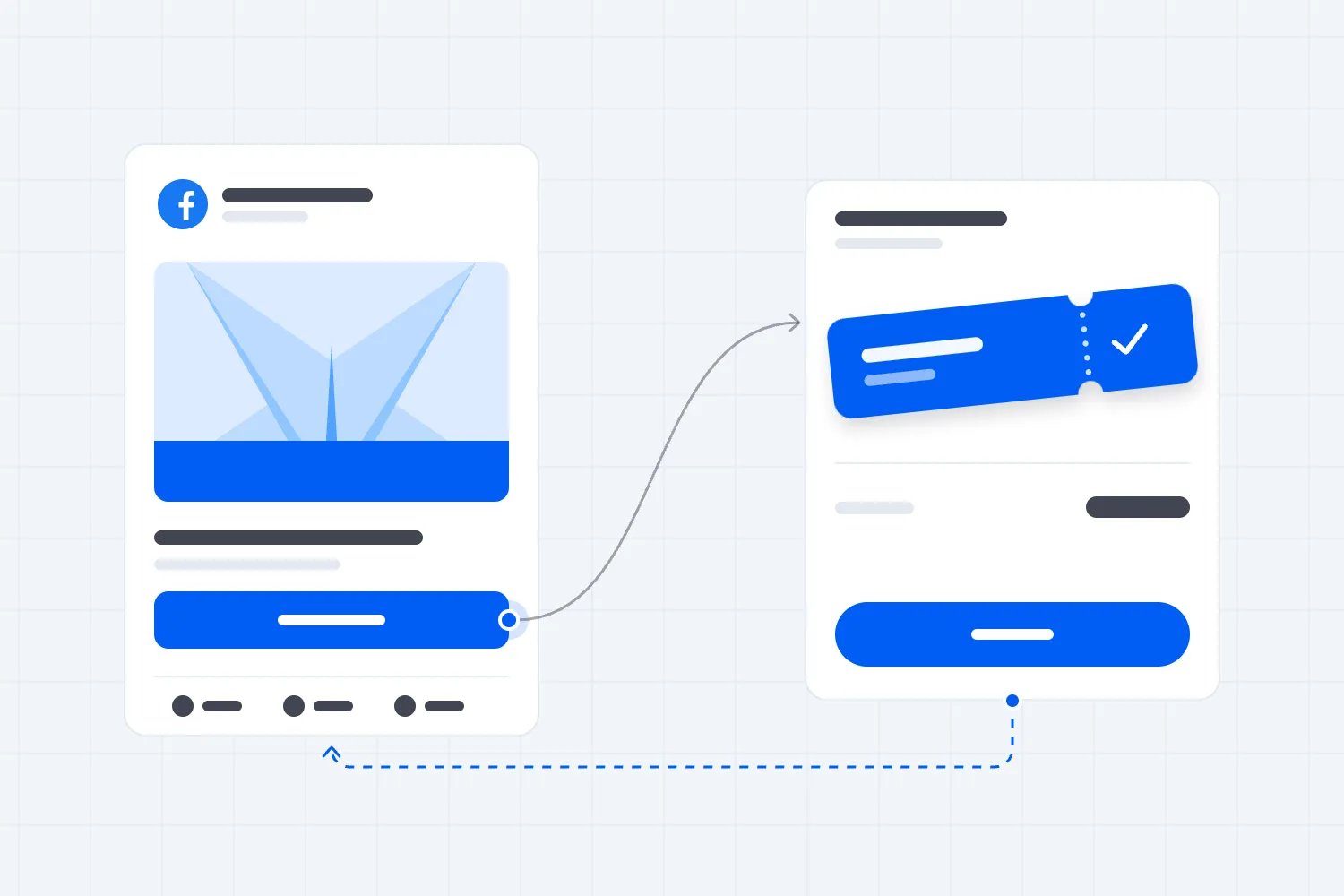
Whenever a buyer sees your event on X, think of the whole experience. They read a post, check who's behind it, open the event page, consider the price and decide whether to buy. Each step should help them understand the same offer.
Your profile should say what you run and where. A vague description like "creating unforgettable experiences" makes people do the work. "Independent electronic music nights in Bristol" gives them something useful immediately.
Keep the profile link current. Pin a post that explains the upcoming event and points to tickets. X's profile customization guide explains how to update your profile and pin a post. Replace the pinned announcement when the event changes or ends.
Your event page needs the information that affects a purchase. State the date, venue, timings, price, what's included and any relevant restrictions. A professional workshop should explain who it's for and what participants will do. A club night should make the music, lineup, location and entry conditions clear.
Don't make people return to the feed to work out whether the ticket includes the session they're interested in. Don't advertise one price and leave a different offer on the page. Check the actual booking journey on a phone before sending traffic to it.
Loopyah's online ticket selling puts the event page and ticket purchase in the same flow. Your responsibility is to make the offer clear and keep the details accurate. The checkout cannot explain an event you haven't explained yourself.
Give people a reason to attend before asking them to share
"Tickets are live" tells your existing fans that they can buy. It gives everyone else very little to work with.
What will the person get from attending? Why this event, with these people, at this time? What would make them tell a friend?
For a workshop, the answer might be the chance to work through a specific problem with someone who does it professionally. For a performance, it might be a particular artist, an unusual collaboration or a set that suits a scene the audience already follows. For a conference, it might be the people in the room and the decisions the programme helps them make.
Be precise about what you can deliver. "Meet the biggest names in the industry" is a weak promise when the only confirmed interaction is sitting in the audience. "A small group workshop with time for questions" is useful if that's how you've designed the session.
Write one plain sentence describing the value of attending. You'll use that sentence to check every post. If the post can't connect to the value, it probably belongs in a different conversation.
For the production workshop, you might explain that the instructor will open an unfinished track, show where the arrangement stalls and help participants work on their own version. That gives someone a reason to come. Check that your programme actually includes that exercise before you promise it.
Write posts that answer different buying questions
You don't need to find twenty ways to say "buy tickets". You need to help people decide.
A launch post answers what the event is and how to book. A programme post explains what they'll experience. A speaker post gives them a reason to trust the session. A practical post clears up the question that stopped someone buying yesterday.
Think about what changes as the campaign progresses. At first, people need to discover the event. Later, they may need proof that it suits them. Close to the date, they may need to know the schedule, the remaining ticket options or when a genuine booking deadline falls.
These example posts are fictional templates. Replace the details with your confirmed event information and check that the copy fits the post composer before publishing.
"Bristol producers: bring the track you can't finish. Our Saturday workshop includes a guided session on arrangement and time to work on your own project. Programme and tickets: [ticket link]."
"Coming to the workshop alone? That's fine. The opening session puts you in small groups, and the exercises don't require you to bring a partner. Saturday's schedule: [ticket link]."
"Our guest is breaking down one of her own mixes before the practical session. You'll hear the decisions behind it, then try the approach yourself. Full workshop details: [ticket link]."
"Booking closes at 6pm Friday so we can confirm the room setup. If you're joining Saturday's workshop, reserve your place before then: [ticket link]."
Each post gives a different reason to look at the event. The deadline post only belongs in the campaign if that deadline is real.
Keep the action simple. If the goal is to sell tickets, send people to the ticket page. A post that asks them to follow, reply, repost, tag a friend and book creates several competing jobs. Choose what matters for that particular message.
Answer questions that stop people buying
Replies can teach you what your announcement missed.
Someone asking about a workshop topic might be struggling with the exact issue your session covers. Answer their question properly. If your event is relevant and the conversation allows it, explain the connection and disclose that you're organizing it. Give them enough information to judge it without forcing them to open a link.
If the event doesn't fit, leave it out. Helping with a useful answer is still worthwhile. Treating every reply as an opportunity to advertise makes the account difficult to trust.
Don't search for popular posts and paste your ticket link beneath them. X's authenticity policy prohibits disruptive spam, including irrelevant promotional replies and bulk unsolicited messages. It also addresses duplicative posts, unrelated hashtags and artificial engagement.
That policy matters when someone suggests shortcuts such as buying engagement or sending the same invitation to hundreds of strangers. Those shortcuts also give you poor information about demand. A purchased like doesn't tell you whether a real person wants your event.
Set aside time to respond to genuine questions on your own posts. If several people ask whether beginners can attend, answer clearly and consider publishing a separate post. Update the event page too. Otherwise, the next buyer has to ask the same question again.
Keep private order details out of public replies. Tell the customer how to contact support and resolve the booking issue there. Your public answer can show that someone is handling it without exposing their personal information.
Work with partners who already reach the right people
A relevant partner gives your event a better introduction than an empty account can manage alone.
Start with people who are genuinely involved. Speakers can explain why their session matters. Artists can talk to their fans. The venue can help local buyers understand the setting. A community organizer can explain who the event is for, provided it fits their community and they want to recommend it.
Ask for a specific contribution, with enough notice. "Could you share the practical session with your audience next Tuesday?" is easier to act on than "Please promote us." Send confirmed details and a working ticket link. Let the partner write in their own voice.
Don't turn every partner account into a copy of your event account. A speaker explaining the question they'll tackle is more useful than several identical launch posts. Partners should also be free to decline a message they can't stand behind.
Keep the commercial arrangement clear. If you're paying a promoter or offering commission, agree the terms before the campaign starts and make sure any required disclosures happen. Don't describe a paid promotion as spontaneous enthusiasm.
For commission arrangements, the important question is whether the partner sells tickets at a cost your event can support. Loopyah's event promoter tools give each promoter their own link and credit ticket sales through it. That makes contribution visible without asking you to count every repost by hand.
You still choose the partners, provide a credible event and set an affordable rate. A tracked link won't turn an unrelated audience into buyers. Our guide to event promoter commission helps you think through what you can afford to pay.
Use a short thread when the decision needs explanation
Some events need more explanation than one post can carry. A thread can help when you have a sequence of useful points.
For example, a workshop thread could open with the problem it addresses, explain the exercise participants will do, introduce the instructor and finish with the confirmed logistics and ticket link. Someone should understand the first post even if they never open the rest.
Keep each part worth reading on its own. Avoid withholding basic information simply to make people continue. "You won't believe what happens next" is a strange way to sell a professional session to someone making a practical decision.
Don't turn the thread into a copied brochure. Pick the question people are struggling with and answer it. If the first post attracts interest but later replies reveal confusion about who the event suits, you've learned something useful about the offer.
Put the ticket link where a ready buyer can find it without a hunt. There is no need to build the whole plan around an unsupported claim that links always destroy reach. Test clear messages with your own audience and compare useful results.
When you reuse a topic later, add a real reason for the new post. A programme detail, a new confirmed guest or an answer to a recurring question gives it a purpose. Publishing the same thread repeatedly doesn't.
Try a Space if the conversation is worth attending
A live audio conversation can let buyers hear from the people behind the event. It needs its own useful subject.
A paid conference could host a preview discussion about a problem on the programme. A workshop could offer a conversation with the instructor about where participants usually get stuck. A music event could host a discussion with an artist, if they're interested and their audience uses the format.
X's Spaces guide describes public live audio conversations and scheduling. It says hosting is available in the mobile apps, while the web supports listening. Check the options in your account before promising the format to a guest.
Plan the discussion before promoting it. Give the guest the subject, the likely questions and the time commitment. Decide who hosts, who handles questions and when you'll explain the paid event. If you're recording, tell participants what you're doing and agree how you'll use the recording.
A useful preview should leave people with something they can understand or act on. You can then explain what the paid event adds. Maybe it's guided practice, a deeper discussion or the chance to meet in person. Be honest about the difference.
Count preparation, hosting and follow-up in your time budget. A Space that attracts enthusiastic discussion can still be expensive relative to the sales it generates. You don't have to keep running one because the format feels exciting.
Build a campaign around real developments
A posting plan should follow what buyers need to know and what you can credibly announce.
Start with the launch. Explain the event, publish the ticket link and make sure partners have their details. Follow with the strongest reasons to attend. Use questions from the first posts to identify what needs more explanation.
As the event approaches, share confirmed programme developments and clear practical information. If a price changes on a stated date, give people accurate notice. If a ticket allocation is nearly gone, check the inventory before saying so. Stop an urgency message when it stops being true.
In the final days, help undecided buyers make the actual decision. Who is the event suitable for? What time does it start? Can they attend alone? Is there still an appropriate ticket available? Often these details are more useful than another broad promise about the atmosphere.
Don't use "last chance" throughout a month of selling. People can see the contradiction when tickets remain available. A real deadline is persuasive because it helps them plan. A fictional deadline just makes your next announcement harder to believe.
Choose a posting pace your team can sustain while handling replies. There isn't a universal number of daily posts that sells events. Start with a manageable schedule, then use your campaign's response and sales to adjust it.
The right frequency also depends on how much genuine news you have. A festival with several programme announcements has more to say than a single-session workshop. More posts aren't automatically more useful posts.
A workable week for a small event team
Let's put this together for the fictional production workshop. Assume tickets are already on sale, the instructor is confirmed and you have one person handling promotion alongside other work. This is an example schedule, not a recommended posting quota.
On Monday, check the event page and publish the main invitation. Make the practical outcome clear. Pin it, test the link and ask the instructor whether they can explain the session to their audience later in the week. Check replies when you can actually answer them.
On Tuesday, spend a short session looking at relevant conversations. Answer questions where you have something useful to contribute. Keep a note of the language people use to describe their problem. If they keep talking about finishing arrangements, use that language when you explain the workshop. Don't copy someone's personal story into your promotion.
On Wednesday, publish a post about the exercise participants will do. The instructor can share their own explanation separately. Give them the confirmed programme and let them choose what they want to say. Check that both accounts send buyers to the same accurate event details.
On Thursday, address the strongest unanswered question. Perhaps people want to know whether they need expensive equipment. Give a clear answer based on the workshop requirements. Put it on the event page as well, so the answer helps people arriving through other channels.
On Friday, review the results and the work involved. Look at attributed bookings, useful questions and partner activity. Decide what to repeat next week and what to stop. If the event happens later, don't manufacture urgency just because the week is ending.
Leave room for unexpected work. A speaker change or a broken ticket link matters more than keeping the schedule intact. Correct the facts first, then update any scheduled messages affected by the change.
Keep a simple handover for anyone covering the account. They need the current ticket link, the confirmed event details and the person to contact when a buyer asks about an order.
This plan also gives you a sensible stopping point. Once you've posted, answered the relevant questions and checked the campaign, return to running the event. You shouldn't need to watch the feed all day to make the promotion work.
Track the source of sales without pretending the picture is perfect
You need to connect promotion to bookings. You also need to understand what your records can and can't show.
Use a consistent campaign link for your own X promotion. Where your analytics setup supports it, add campaign parameters that identify the source, medium and event. Google's campaign URL guidance explains how these parameters help identify referring campaigns in Analytics.
Keep the naming simple. Use the same source name throughout the event campaign and distinguish organic work from paid activity. If you want to compare a launch post with a programme post, use a content label consistently. Don't invent a new naming scheme for each person who schedules content.
Check that the links open the correct page and that your reporting setup actually records the information you need. Adding labels to a URL doesn't automatically create ticket-sale attribution. Verify the path through your analytics and ticketing tools before relying on the report.
Review ticket quantities as well as orders. A buyer ordering tickets for a group can make those numbers different. Compare refunds and cancellations when you're assessing the campaign's eventual result.
Some people will see an X post and later book through email, a search or a friend's message. Others may share your link privately. Your attributed sales report is useful, but it isn't a complete account of every influence on the purchase. Avoid giving X credit for every sale that happened after you posted.
Read the results and decide what to change
Review a campaign with a question, rather than scrolling through numbers hoping for good news.
If posts get attention but few people open the event page, check whether the audience is relevant and the reason to attend is clear. A funny post can entertain people who never intended to buy. That doesn't mean humor is wrong. It means you should know what the post achieved.
If relevant people visit the page but don't book, look at the offer and the buying experience. Does the page explain what the price includes? Does the timing work for the audience? Are people asking a question you've left unanswered? Try the checkout yourself.
If one partner sends buyers and another sends only traffic, investigate before extending both arrangements. Audience fit, the message and the partner's relationship with followers can differ. Use tracked sales alongside what you learn from the conversations.
If sales look healthy but the work takes too long, reduce the parts that don't contribute. You might keep partner coordination and useful replies while cutting a recurring format that absorbs hours. Profitability includes the time your team spends selling.
Change one meaningful part at a time when you can. If you change the audience, offer, copy and destination together, you'll struggle to know why the result changed. Small event campaigns won't always provide enough data for a formal experiment. You can still make a careful comparison and avoid calling a handful of bookings conclusive proof.
Keep ticket buyers connected after the event
X can help people discover you. Your next event also deserves a way to reach previous buyers directly, with the appropriate permission.
After the event, share a truthful account of what happened and thank the people involved. Give the audience something relevant to remember. Don't imply every person in a photograph has endorsed your next event, and make sure you have the rights and permissions needed for what you publish.
Learn from buyer questions, partner performance and the posts that led to useful visits or sales. Keep notes you can use for the next campaign, rather than starting again with the same launch message.
For buyers who agreed to hear from you, Loopyah's attendee email tools let you build segments around what people bought. That gives the next campaign a starting point among people with a real purchase history. It doesn't give you permission to message everyone who liked an X post.
The job is to make each event easier to sell because you've learned who it suits and why they attend. X can contribute to that learning when you use it as a conversation with relevant people and connect the conversation to a clear offer.
What to do first
Find evidence that your buyers use X. Make your profile and ticket page clear. Write the launch message around a specific reason to attend, then prepare follow-up posts that answer real buying questions.
Ask relevant partners for a contribution they can make honestly. Respond to the people who need help deciding. Track the sales you can verify and count the work involved.
You don't need to win every conversation on X. You need enough of the right people to understand your event, trust the offer and decide that buying a ticket is worth it.

Author: By the Loopyah Content Team
The Loopyah Content Team shares expert insights, practical guides, and industry updates to help event organizers create unforgettable experiences and stay ahead in the event planning world.