· 16 min read
How to promote a club night and sell tickets in advance
To promote a club night, give a specific crowd a clear reason to choose your music and room, show them what the night will feel like, and make buying an advance ticket straightforward. Build the campaign around paid-ticket progress and what you can afford to spend. A busy comment section is encouraging, but the venue and artists still need paying.
Your job is to connect the music, the people and the purchase. That means working with your DJs and venue, reaching people who already like the night, and using content that answers the questions a new buyer has. More posts only help when they move that work forward.
This guide builds a practical campaign for a paid club night: the offer, sales plan, content, collaborators, email, advertising and final-week decisions. The worked numbers are fictional planning examples in US dollars. They are not a sales forecast for your event or a claim about typical club-night performance.
Give the right crowd a reason to choose this night
Start with the music and the experience you can deliver. "The biggest party in town" doesn't tell someone whether they will enjoy being there. An all-night disco session, a bass-heavy local label showcase and a room built around extended techno sets each give a different crowd a reason to pay attention.
Write down the people you are trying to reach, the musical direction and the reason this edition matters. A returning headliner, a trusted resident pairing or a particular room can be enough. You do not need to invent a grand concept around every booking.
Then check the offer against the actual arrangements. If the venue has two rooms but only one is open for your night, don't promote a two-room experience. If the lineup is still being negotiated, wait before using an artist's name. Promotion creates expectations that your operations team has to meet.
Ask what might stop an interested person buying. They might not know the venue, understand the genre, have friends committed yet or be sure how late the night runs. Different concerns need different answers. Another poster won't necessarily answer any of them.
For a recurring night, read the questions and feedback from previous editions. If people loved the residents but found entry confusing, your next campaign should preserve the musical identity and clarify arrival. If the crowd expected a different sound, review both the booking and the way you described it.
Set a sales plan before spending on promotion
Work out how many paid tickets the night needs, the prices you will actually keep after fees and refunds, and the costs you have committed. Leave uncertain door sales out of the money you assume will pay an early bill.
The event break-even guide explains that calculation. For promotion, you also need a view of sales over time so you can spot a problem while you still have choices.
Use your own previous editions where they are comparable. A bank-holiday party, a debut event and a regular Friday residency can have different buying patterns. With no history, make an explicit working plan and revise it as evidence comes in. Do not borrow somebody else's claim that most sales always happen at the last minute.
A fictional paid-ticket plan
Suppose the venue's approved arrangement allows 300 guests for this event. The organiser reserves twenty guest places, leaving 280 places available for paid tickets. These numbers describe this fictional plan, not a method for setting safe venue capacity.
The organiser targets 250 paid tickets: forty early-release tickets at $18, 170 standard advance tickets at $24, and forty door tickets at $28. That produces $5,920 in ticket face revenue if the plan happens. The average across those paid tickets is $23.68.
Assume no refunds in this simplified example and an illustrative transaction cost of $2 per paid ticket. That leaves $5,420 after $500 in transaction costs. Venue, artist and operating costs total $3,200, and the full promotion allowance is $800, including advertising, content production and any promoter commissions.
The plan would leave $1,420 before taxes, financing and business overhead not included here. If only the 210 planned advance tickets sell, ticket face revenue is $4,800. After $420 in transaction costs and the same $4,000 cost allowance, just $380 remains before those excluded costs. Door sales matter, but they are not money in the bank yet.
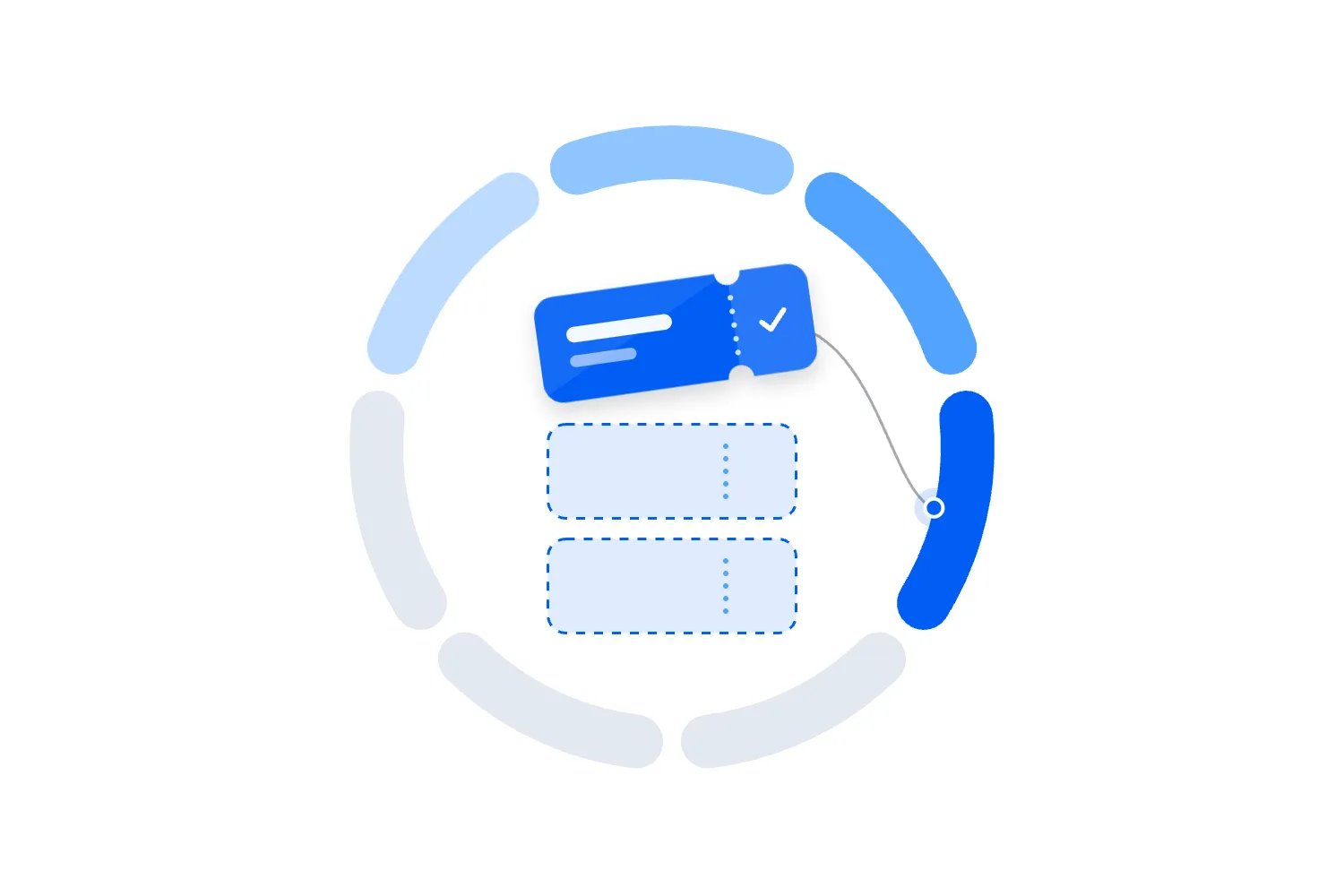
The organiser chooses these cumulative paid-ticket checkpoints for the advance campaign. They are invented management targets, not a demand curve or recommended pace for other events.
| Label | Paid tickets |
|---|---|
| 21 days before | 25 |
| 14 days before | 65 |
| 7 days before | 130 |
| 2 days before | 185 |
| Before doors open | 210 |
Source: the fictional campaign plan in this article. Counts mean valid paid tickets after any refunds. The separate target of forty door sales is not included. Replace these targets with assumptions supported by your own event history and current evidence.
Review the target and actual figure at each checkpoint. If you planned 130 paid tickets by the final week and have ninety, name the forty-ticket gap. Then investigate what is happening rather than hoping an unspecified late rush will fix it.
Make the ticket page ready for the traffic
Put the event name, date, musical direction, confirmed lineup, venue and purchase link where someone can find them quickly. Show the full price clearly under the rules that apply where you sell, and explain the conditions of each ticket option.
Club nights have a few details that regularly need spelling out. State the age requirement, accepted identification, doors time, any entry deadline and the finish date when the event runs past midnight. Explain access arrangements and whether admission includes a reserved area or simply entry to the room.
If a cheaper ticket requires arrival before a particular time, make that condition visible before payment. If the door price depends on availability, say so. Do not promise that someone can wait and definitely get in when the remaining inventory may sell online.
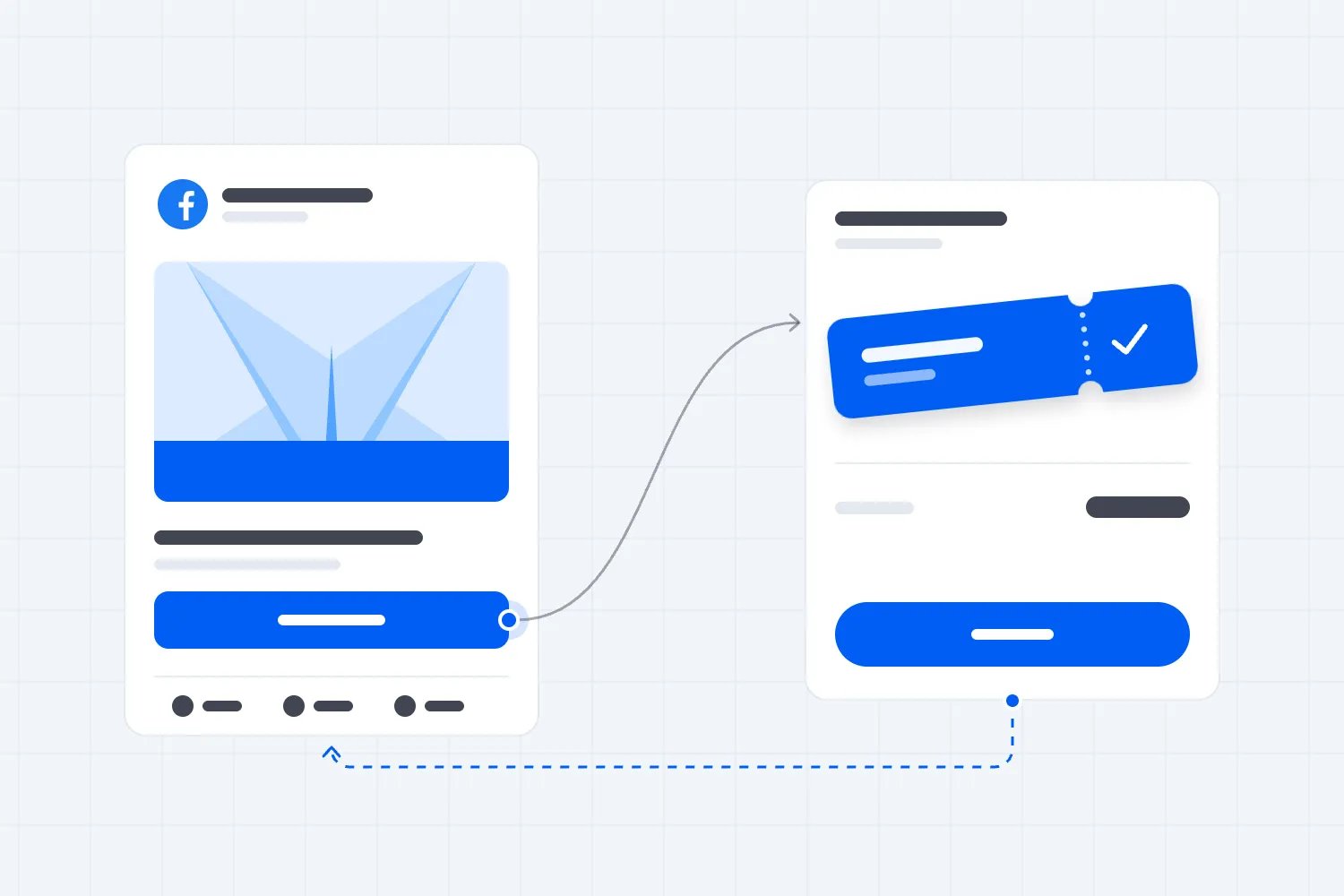
Test the purchase route on a phone. Follow the link from the actual social profile or post, choose a ticket and inspect the checkout. On Loopyah, ticket buyers can check out as guests. Your part is to make the offer consistent across the post, event description and ticket option.
Give early releases a commercial job. They can reward people who commit early, but the quantity and price must still work in your budget. Our early-bird ticket guide covers that choice. Avoid creating so many cheaper tickets that the room fills without earning enough.
Build content around the music, the room and the decision
You need more than one poster, but you don't need an endless list of unrelated ideas. Prepare a small collection of assets that answer different buying questions.
Let people hear the musical direction
Ask each DJ for a short introduction to what they plan to play, an approved clip or a mix you have permission to share. A resident explaining why a guest fits the night can say more than another name added to a lineup graphic.
Make the content understandable without prior knowledge of the artist. "A vinyl-led set moving through disco and soulful house" gives a new listener something to recognise. If you use genre references, make sure they match the booking rather than borrowing a more popular label for reach.
Check music rights before posting or boosting a clip. TikTok's Commercial Music Library guidance distinguishes commercial use from its general music library and says other sounds require the appropriate rights. A DJ giving you their video does not automatically clear every track in it for every promotional use.
Show the actual room and crowd experience
Use footage from your own previous editions with the permissions you need. Identify it as a previous edition when that could otherwise be unclear. Show the room at a believable scale, and don't use another party's crowd to imply demand for yours.
For a first night, show the venue, preparation and people involved. A straightforward room walkthrough can answer questions about the entrance, dance floor and seating. You can build interest without pretending the event has already happened.
Choose footage that supports the experience you are selling. If the night is about an intimate dance floor, a wide shot of a different venue makes the promise less clear. If a clip hides the music behind an unrelated trending track, it may attract viewers who would never buy your ticket.
Give interested people a reason to act
Share a real release deadline, confirmed lineup addition or useful practical update. "Standard tickets remain available" is fine when it is true. Save "last tickets" for a count that supports it, and update the message when availability changes.
Make each asset lead somewhere useful. The person who has just watched a DJ introduction should be able to reach the relevant event page without searching through an old profile link or a list of expired dates.
Agree what DJs, the venue and promoters will do
Don't assume that booking an artist means they will promote the event in the way you expect. Agree the deliverables while planning the booking: which assets they can supply, what they will post, when it will appear and which link they will use.
Give collaborators a short, usable brief. Include the date, venue, musical direction, ticket link, entry conditions and the specific post you are asking for. Send correct assets in the formats they need. A rushed request to "push the night" leaves too much for them to interpret.
Meta's explanation of Instagram Collabs describes posts and reels appearing on collaborators' profiles once the invitation is accepted. Where the feature is available, it can support a shared announcement. Agree who publishes and who accepts; don't treat the invitation alone as completed distribution or guaranteed reach.
For promoters, agree what counts as a sale and how commission is calculated before they start. Make the arrangement affordable after ticket fees and discounts. A promoter selling heavily discounted tickets with an additional commission can change your average income much more than the headline ticket price suggests.
With Loopyah's promoter tools, you set one fixed or percentage commission rate for the event. It locks when the first promoter accepts. Tickets bought through each promoter's link are credited automatically, and commission is paid from your payout. Check the economics before inviting people; the article's fictional cost allowance is not a recommended commission.
Keep promotional relationships visible to the audience. In the United States, the FTC's disclosure guidance explains that payments and benefits can create a connection that needs disclosure in endorsements. For a paid promoter or creator, agree how the relationship will be disclosed in the actual content, with the relevant rules for your market in mind.
Reach previous buyers with a relevant invitation
People who enjoyed your last edition already understand something about the night. Tell them what carries forward and what is different this time. A new guest DJ, a longer resident set or a better-suited room is more useful than announcing that tickets are live without context.
Choose the audience carefully. Someone who bought a ticket for an unrelated event is not automatically interested in this sound. Use the records and permissions available to you, and avoid turning every event in your calendar into a reason to contact everyone.
Loopyah's event email tools support audience selection, scheduled campaigns and reporting on ticket sales associated with email. Loopyah distinguishes promotions from updates about an event someone has bought, applies the appropriate recipient rules, and handles opt-outs. Use the audience selection to make the message relevant, then inspect its ticket-sales result.
For a recurring night, you can also build an email automation that starts from an attendee action, waits, sends the message and ends on a defined action such as a purchase. Plan that sequence around the actual next edition so buyers receive a relevant invitation rather than an indefinite stream of reminders.
Marketing permission matters here. The ICO's electronic-mail guidance explains the UK rules for consent and qualifying exceptions. A ticket receipt address is not blanket permission for unrelated promotions. Follow the rules that apply to your audience and provide the required way to stop marketing messages.
Keep the invitation short enough to make the next step clear. Lead with the reason this edition suits them, name the date and room, then link directly to the ticket page. If you send again, give the recipient a useful update rather than repeating the same paragraph because the schedule says another email is due.
Put paid advertising behind a clear offer
An advert should amplify an offer people can understand. Before raising the budget, check the ticket page, price and purchase tracking. Otherwise, you might pay to send more people into the same unresolved problem.
Decide how much of your promotion allowance is available for advertising after content production and promoter costs. Keep those expenses visible together. In our fictional plan, the total allowance is $800; spending all of it on ads would leave nothing for the other planned work.
Start with a defined audience hypothesis and a small test you can evaluate. That might be adults in the relevant travel area who are interested in the musical direction, or an eligible audience that has already engaged with your event. Follow the advertising platform's rules, including age and content restrictions, and verify any tracking permissions needed.
Judge the test against purchases and the amount left from each ticket. A standard ticket in our example brings in $24 before an assumed $2 transaction cost. Spending $22 to acquire that sale would leave nothing from it toward the venue, artists or other costs. Your acceptable acquisition cost must leave room for the rest of the event.
Our Facebook ads guide covers campaign setup in more detail. Keep this campaign's decision simple: which message and audience bring paid buyers at a cost your actual budget can support?
Review sales and change the thing that is failing
At each checkpoint, look at valid paid tickets, revenue after refunds, promotion spending, remaining inventory and the next bills due. Compare those records with the plan before deciding to increase spend or change the offer.
If content gets attention but few people reach the page, check whether the event and link are clear. If people visit but don't start buying, inspect audience fit, price and unanswered questions. If they begin checkout but fail to pay, test the purchase flow before publishing another promotional clip.
Don't add every platform's reported sales together. Google's attribution guidance explains attribution as assigning credit to interactions before a conversion. Several systems can claim involvement in the same purchase. Reconcile against the ticket-order total and describe channel figures as attributed sales, not proven additional demand.
Use feedback alongside the numbers. A repeated question about the venue entrance deserves an answer even if you cannot calculate its conversion effect. A low sales count after an artist post doesn't automatically mean the artist's audience is worthless; check the link, timing, audience location and remaining time before deciding what it tells you.
Give the campaign a working schedule and owner
Turn the plan into a short brief the venue, artists and promotion team can use. Put the current ticket link and approved facts at the top, followed by the asset owner, publication date and next sales-review date. Keep one current version so nobody promotes an expired release or the wrong arrival time.
For the fictional three-week campaign, the opening work is practical. Publish the checked listing, confirm that collaborators have their assets, send the first relevant invitation and release the strongest introduction to the music. The first target is twenty-five paid tickets, but that target is a review point, not a promise the launch will deliver them.
In the following week, answer the questions that appeared after launch. Publish a resident or guest introduction, show the room accurately and check that the venue and promoters have completed the agreed activity. Review the sixty-five-ticket target alongside spending and purchase records. If the link was broken for two days, fix that before judging the audience's interest.
By the seven-day checkpoint, the organiser compares actual sales with the 130-ticket target and decides what deserves the remaining budget. A useful decision might be supplying a better artist clip, answering a recurring transport question or stopping an advert that attracts the wrong audience. "Post more" is too vague to assign or assess.
In the final two days, review the 185-ticket target, update availability and confirm the plan with the door team. The advance-sales target is 210 before doors open. The team should already know who changes the online listing when a release ends and who stops scheduled messages if tickets sell out.
A brief you can copy
Event promise: [music, format and crowd the night suits].
Checked details: [venue, dates, arrival conditions and ticket options].
Campaign owner: [one person coordinating updates and decisions].
Collaborator commitments: [person, asset, publication date and link].
Spending allowance: [advertising, creative and promoter costs together].
Sales checkpoints: [dated valid-ticket targets and review owner].
Change decisions: [what evidence would change the message, spend or plan].
Final handover: [who confirms availability, entry information and scheduled-message changes].
Keep the schedule flexible enough to respond to evidence. The point is to know who is doing the next useful job and when you will check its result.
Finish the campaign with accurate information
In the final days, keep ticket availability, arrival details and the venue's entry requirements current. Give undecided people the facts they need to commit, and give buyers the information they need to arrive prepared.
Coordinate the online and door teams. They should agree which ticket types remain on sale, how remaining capacity is checked and what staff should say when people ask about paying on arrival. Stop scheduled sales messages when the offer is no longer available.
After the night, compare paid sales and promotion costs with the plan, including refunds and outstanding commissions. Capture which assets and partners were useful, what buyers asked and what needs changing next time. Build the next campaign from that evidence instead of starting with a blank poster.
Promoting a club night works best when the music, room, message and ticket offer agree. Give the right people a reason to come, make advance purchase easy, and use sales progress to decide where your next hour or dollar should go.

Author: By the Loopyah Content Team
The Loopyah Content Team shares expert insights, practical guides, and industry updates to help event organizers create unforgettable experiences and stay ahead in the event planning world.