· 28 min read
How to validate exhibitor demand before launching a trade show
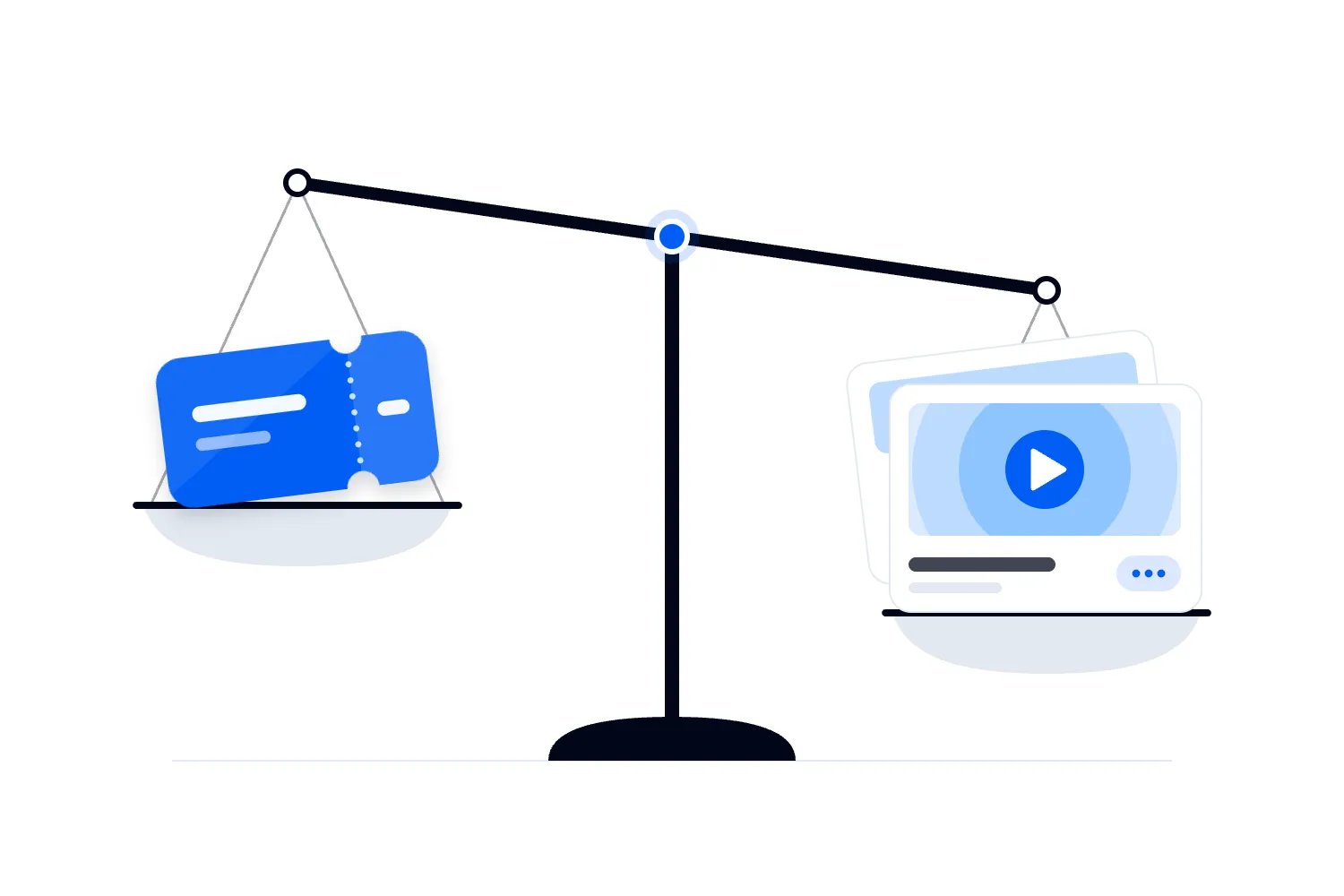
You've found a venue, drawn a floor plan and spoken to suppliers who say the industry needs a better trade show. A few have even asked you to keep them a booth. It's tempting to treat that as your signal to book the hall.
Before you do, find out whether those businesses will buy the actual offer. That means a defined audience, a date, a booth package and a price, with someone who can approve the spend. At the same time, test whether the buyers those exhibitors want to meet have a good reason to attend. A new trade show needs both groups to make a decision about the same event.
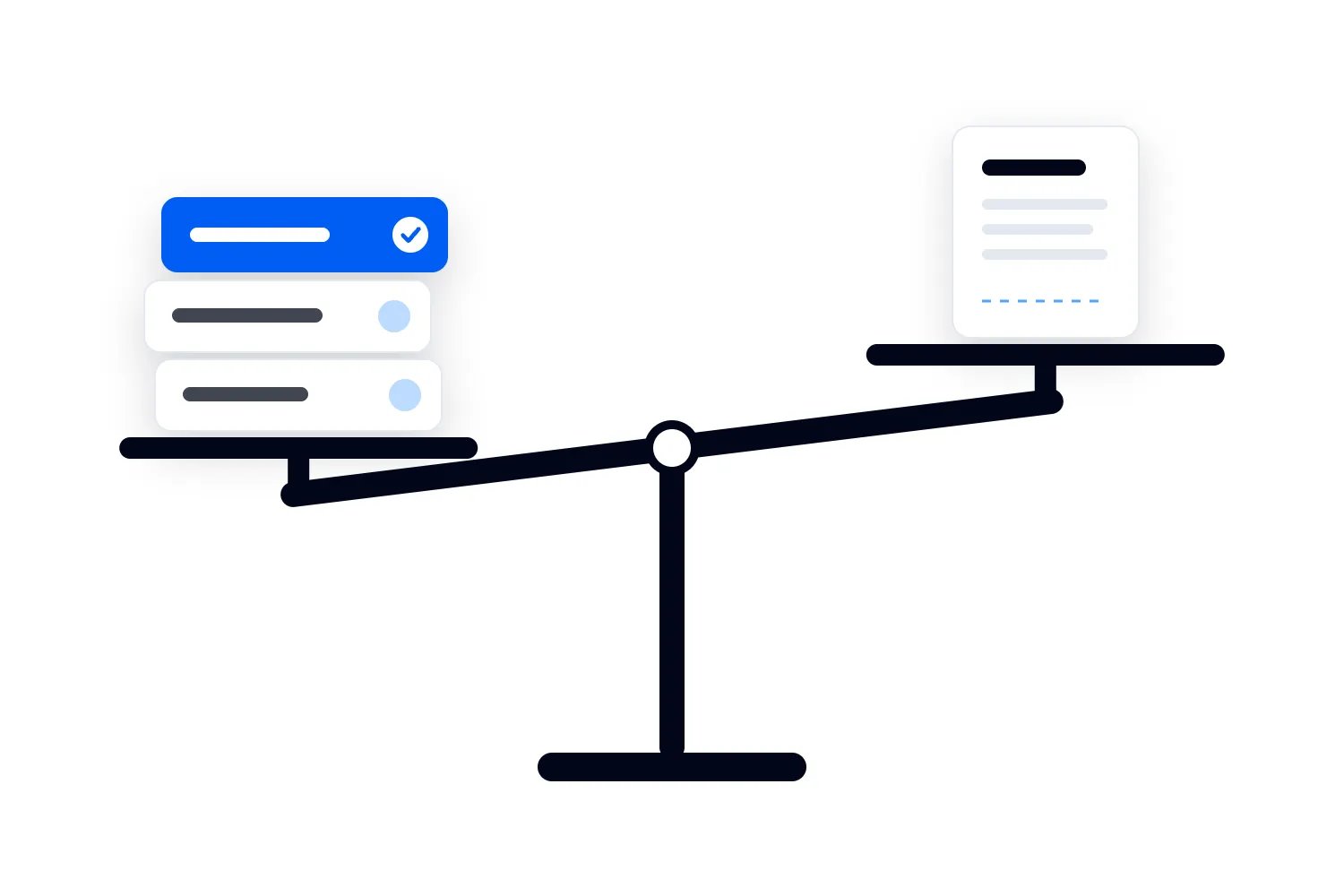
The useful test is whether enough suitable exhibitors will commit on terms your business can afford, supported by credible evidence that you can recruit relevant visitors. You won't remove every uncertainty before launch. You can identify the assumptions that would make a venue contract an expensive mistake, then test those while changing the plan is still possible.
We'll work through that process using a fictional regional hospitality purchasing show. You'll see how to interview both sides, test a priced offer, record commitments and decide whether to proceed. All figures in the example are invented teaching assumptions in US dollars. They are not market rates, industry benchmarks or results from a Loopyah customer.
Define the show exhibitors are being asked to buy
Start with who pays and why. Which businesses pay to exhibit, which visitors do they want to meet, and what can those visitors accomplish by coming? A supplier cannot assess the value of "a new hospitality event" with much confidence. A purchasing day for independent hotel operators comparing laundry, housekeeping and guest-room supplies gives them something to discuss.
Write a short description before making a sales deck. Include the intended location, proposed date, opening hours, exhibitor categories and buyer roles. Describe the practical activity, such as comparing products, arranging demonstrations or discussing supply contracts. State which parts are provisional. Your first conversations should help you improve a recognisable offer rather than ask people to invent the whole event for you.
Be specific about the buyer's responsibilities. A hotel owner, a procurement manager and a hospitality student may all care about the sector, but they bring different reasons to visit. Even a purchasing title doesn't establish that someone buys the particular products on your floor. Ask what they influence, what they can approve and whether their organisation is actually considering a relevant purchase.
Choose an initial scope narrow enough to investigate. You can research guest-room procurement in a region with a defined exhibitor list and realistic travel distances. "The future of hospitality" can attract broad enthusiasm while telling you very little about who would pay for a booth next spring.
The US Small Business Administration's market research guidance distinguishes demand, market size, location, competing alternatives and pricing. Those are separate questions. An industry with many suppliers can still be a poor market for your show if those suppliers reach the same buyers more cheaply elsewhere.
Keep the first version dated. If you later change the audience or venue, you'll need to know which offer each business assessed. Otherwise, a supplier's support for a local purchasing afternoon can quietly become supposed demand for a two-day national exhibition they never agreed to attend.
Find out whether the buyer audience exists and is reachable
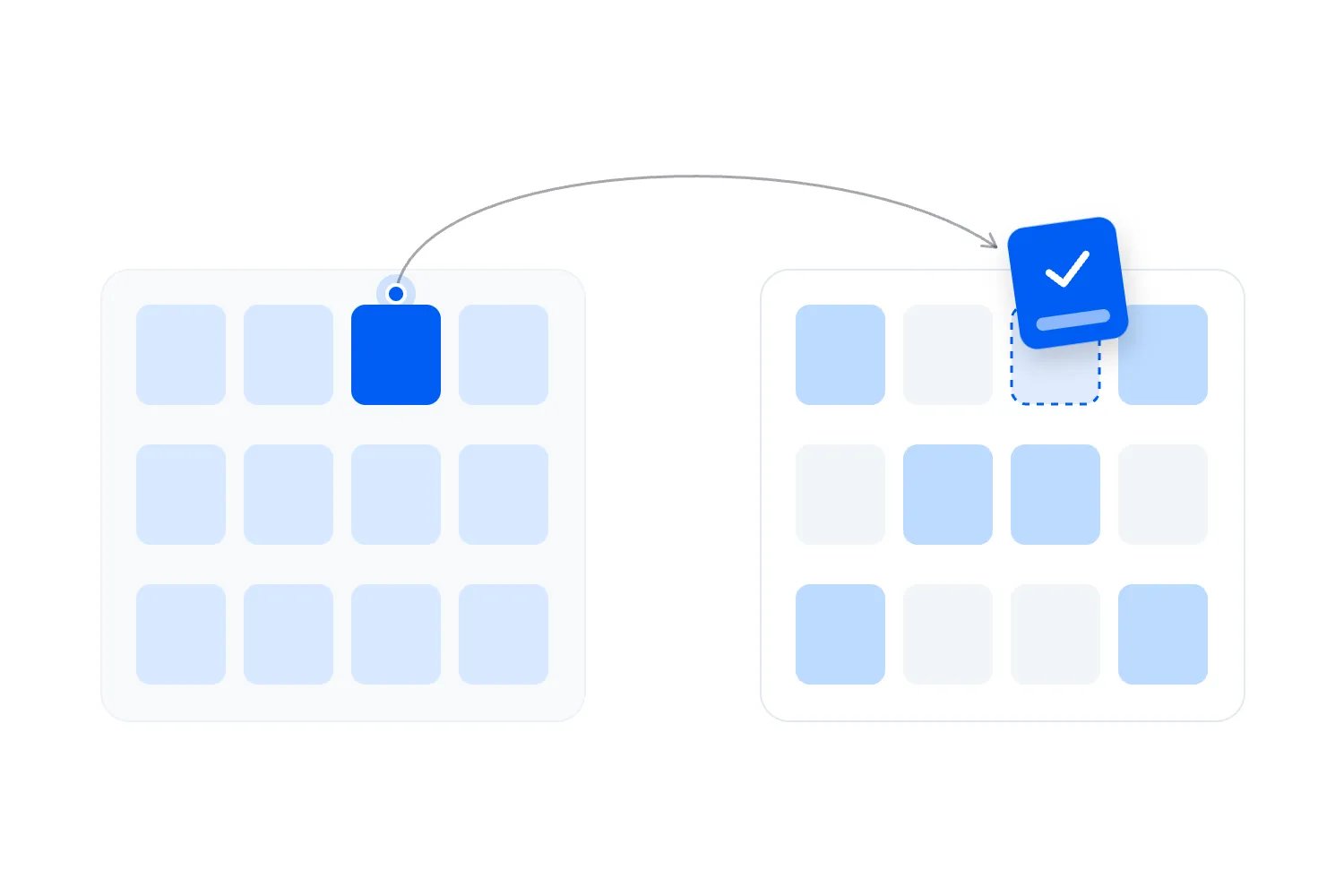
Exhibitor research begins with visitors because the audience is a major part of what you're selling. Build a list of actual organisations and likely purchasing roles in the proposed catchment. Check whether you can reach them through channels you can realistically use. A large national employment figure doesn't tell you how many relevant people will travel to your venue on your date.
Separate the buyer organisation from its individual contacts. Several employees at one hotel group may represent the same purchasing process. That group might be very valuable to exhibitors, but it shouldn't appear as several independent buying organisations simply because several people joined your mailing list. Record both measures when they matter.
Speak to likely visitors about a recent purchasing task. How did they compare suppliers? Did they need to handle products, see equipment working or consult colleagues? What took longer than expected? Where did they eventually find an acceptable option? You're looking for work your event can help them do, with enough value to justify travel and time away.
Then show the proposed day. Explain the categories, location, time commitment and admission conditions together. If admission will be paid, include the total price people would face. A visitor who likes the idea of free local networking hasn't validated a paid purchasing event requiring an overnight stay.
Find the practical obstacles too. Someone may need an accessible demonstration area, a quieter conversation space or permission to bring a colleague. Another may buy only through an approved procurement process. These details affect whether attending could lead to a useful exhibitor conversation. They also affect your operating costs and programme.
Ask potential distribution partners what they'll actually do. An association agreeing to discuss the idea differs from an association confirming a dated invitation to an appropriate membership group. Record the agreed action, responsible person and timing. Don't translate a partner's total subscriber count into expected attendance.
You can use our guide to organising a paid exhibition for the wider visitor experience. At this stage, resolve the narrower uncertainty: can you identify relevant buyers, explain their reason to come and reach them without a recruitment cost that breaks the show budget?
Recruit exhibitors beyond the people who already like you
Your existing contacts are a useful starting point. They're also the people most likely to encourage you because they want you to succeed. Include suppliers who don't know you, businesses that stopped exhibiting at other events and companies that could spend the same budget on direct sales visits instead.
Group potential exhibitors by what they sell and how they sell it. A local distributor with a van and nearby staff faces a different decision from a manufacturer shipping demonstration equipment across the country. A company selling long-term service contracts may judge the opportunity differently from one taking immediate product orders.
For our hospitality example, investigate laundry suppliers, housekeeping suppliers and guest-room product suppliers separately. Speak to businesses of different sizes within those categories. You need to understand which groups can support the show, which depend on particular buyers and which would only participate in a much larger event.
The Government Digital Service's guidance on finding research participants recommends recruiting actual or likely users and varying recruitment approaches to reduce bias. Applied here, that means selecting businesses that could genuinely buy your offer and avoiding a research list made entirely of friendly referrals.
Keep a record of whom you approached, their category, why they qualify and whether they replied. Include refusals and unanswered invitations. If you interview only the keenest respondents, you can learn useful details about those businesses, but you cannot infer that the whole market shares their enthusiasm.
Research takes time, so prioritise the uncertainties that change the launch decision. If a necessary product category has few plausible suppliers, investigate it early. Filling other categories won't repair a missing part of the visitor promise. Equally, don't keep interviewing similar enthusiastic businesses while avoiding the group that keeps questioning the event.
Ask about the last exhibition they paid for
The first thing you want to understand is how the company already makes this buying decision. Ask about a recent show it paid to attend, or its most recent decision to stop exhibiting. Work through the actual sequence. Who proposed it, who approved the budget and what information did they need?
The Government Digital Service's in-depth interview guidance recommends open, neutral questions and real examples rather than general statements about what should happen. That's a useful discipline when you're excited about your own show. Let the business describe its decision before you start explaining why your idea solves everything.
A practical interview can cover these questions:
Which event did you last exhibit at, and what were you trying to achieve?
What did participation require beyond buying the stand?
Which visitors made the event useful, and which conversations went nowhere?
How did you decide whether to return?
Who approves a new exhibition, and when is that budget allocated?
What would make you reject an unfamiliar show even if the audience sounded relevant?
Follow the answers. If someone says the last event brought good leads, ask what made those leads good. Were the visitors responsible for the right purchases? Did they agree to a follow-up? Did the company later quote, demonstrate or sell? You don't need confidential customer details to understand what the exhibitor considers useful.
Avoid turning every answer into a sales opportunity. If a supplier says its buyers never attend regional events, ask why. Perhaps those buyers prefer scheduled site visits. Perhaps the relevant decision is made centrally, outside your catchment. That finding may narrow your event or rule out the category. Both are useful outcomes before you sign a contract.
Write down observations separately from your interpretation. "The marketing manager must submit new shows before the annual budget meeting" is a specific finding. "They will probably find the money" is your assumption. Keep the distinction when you report the research to a business partner or investor.
After the interview, summarise what you understood and check any ambiguity. Get permission before recording conversations or using an identifiable quotation. You need an accurate account of the commercial decision, not a collection of encouraging lines to put in the launch announcement.
Test the exhibitor's total cost, not only your booth fee
Your booth price is only part of the exhibitor's decision. They may need travel, accommodation, freight, demonstration equipment, staff cover and follow-up time. An apparently affordable stand can become an unattractive purchase once those costs are included.
The US International Trade Administration's trade-show preparation guidance recommends budgeting participation expenses and considering the sales needed to cover them. Use that principle in your research. Ask the company to estimate its own likely costs instead of assuming your package price tells you what attendance costs it.
Suppose a fictional supplier considers a booth priced at $1,800. It estimates $600 for travel and accommodation, $400 for shipping and demonstration materials, $900 for staff time and cover, and $300 for follow-up work. Its total estimated participation cost is $4,000. All amounts are invented and assume purchase taxes are already included.
If that supplier expects to retain $1,000 from an additional customer after the costs of supplying them, it would need four additional customers to recover the $4,000 participation cost. That's a planning calculation, not evidence that four customers will buy. It also doesn't establish that those sales would be caused by the show rather than happen anyway.
Now discuss the route to those customers. The exhibitor might need product trials, several approvals and a purchasing cycle longer than your event. Another supplier may care about distributor recruitment rather than immediate sales. Let each business explain the result it needs and when it could reasonably assess it.
You shouldn't promise a return from this calculation. Its value is that it exposes an implausible offer. If a business would need more suitable buying conversations than your entire reachable audience can reasonably support, reducing the booth fee slightly may not solve the problem.
Ask about cost constraints you could actually change. A local delivery option, included basic furniture or shorter opening hours might reduce participation costs without weakening the event. Free extras that create more work for exhibitors can do the opposite. Check the revised cost and visitor experience before calling an addition a benefit.
Our guide to pricing exhibition booth space covers differences between packages and positions. For demand validation, keep the offer simple enough that you can tell whether businesses accept the audience, inclusions and total commitment you're proposing.
Put a real offer in front of the budget holder
Once you've understood the buying process, send a concrete proposal. Include the proposed show, location and date, the audience you intend to recruit, the evidence currently available, the booth package, the price and important exclusions. State what remains unconfirmed and what happens before either party becomes committed.
For our example, the initial offer is a one-day regional hospitality purchasing show with up to thirty standard booth packages. Each package costs $1,800 and includes a defined footprint, basic furniture, two exhibitor passes and a directory listing. Specialist power, freight and demonstration requirements need separate confirmation. Thirty packages are a commercial assumption, subject to a suitable approved venue layout.
Send that offer to someone with the authority to buy, or ask your contact to explain the approval process. A salesperson who wants to attend can be a strong internal supporter. Their enthusiasm still doesn't replace the finance or marketing approval the company needs.
Ask for a specific next action. Will they review the terms with the approver? Can they confirm the budget line? Are they ready to submit a conditional order for the stated package? An answer tied to a responsible person and date gives you a way to check progress. "Keep us posted" doesn't tell you how much demand you can rely on.
Don't quietly change the offer between conversations to make every business say yes. You may learn that a different format is better. If so, revise it deliberately and test the new version. A cheap tabletop, a large demonstration area and a category-exclusive sponsorship aren't interchangeable purchases just because all three businesses appear on an exhibitor list.
Use our exhibitor prospectus template to make the proposal easy to assess. A polished prospectus won't validate demand by itself. It does help you find out whether the buyer understands the same package your team intends to deliver.
Ask an unfamiliar reader to explain the proposal back to you. Can they identify the full cost, what is included, what is provisional and how to withdraw under the stated terms? If their understanding differs from yours, fix the offer before interpreting their response as a buying signal.
Record exactly what each commitment means
A useful exhibitor record states the business, package version, price, approver, current status, conditions and next deadline. Keep the supporting email or order reference. Someone else should be able to read it and understand what has actually been agreed without asking the salesperson to retell the conversation.
Use plain descriptions of the current position. You might record "interested after interview", "proposal with approver", "conditional order signed", "deposit received" and "confirmed booking under accepted terms". These are different facts. Decide how your team uses them and keep the meaning consistent.
A letter of intent can document interest and proposed conditions. Its title alone doesn't establish whether obligations are binding. The same applies to a reservation, deposit or conditional order. Have the actual wording reviewed for the arrangement and jurisdiction before relying on it, especially where cancellation, refunds or minimum launch conditions are involved.
For a new show, a conditional order might depend on a named date and location being confirmed, a stated category mix or an agreed buyer-recruitment condition. Write conditions so both sides can determine whether they've been met. "Enough quality buyers" leaves much more room for disagreement than a carefully defined requirement appropriate to the deal.
Conditions can also reveal a problem you haven't solved. If every supplier will commit only after a large visitor audience is confirmed, while visitors won't book until the suppliers are confirmed, you haven't yet established independent demand. You have linked promises that require a credible sequence and funding plan.
Try to resolve that sequence with a small, explicit agreement. For example, ask a relevant supplier whether it will authorise being named as a conditional participant while you test buyer interest. Agree the wording and the condition in writing. Then show visitors the genuinely conditional lineup and the proposed price, with the event's launch status clearly explained. Don't describe those suppliers as confirmed exhibitors before they have agreed to that description.
If you take visitor payments at this stage, define the purchase and launch conditions before checkout and fund the possible refund obligations. If you aren't ready to take payment, use research or expressions of interest and acknowledge the weaker evidence. You may need to fund that uncertainty yourself, negotiate a longer venue option or test a smaller event you can afford to deliver. Customer money shouldn't become the assumed solution to a condition you still cannot meet.
Set an expiry and a review date. Ask who can approve any change and when money would be returned if the launch conditions fail. Tell businesses promptly when an offer expires. Leaving indefinite holds on a draft floor plan can make the show appear sold while giving you neither reliable income nor usable inventory.
Keep concessions visible. A business accepting $1,200 hasn't validated your $1,800 price. A supplier receiving a free booth for introductions hasn't bought a booth. Those arrangements may be worthwhile, but record what you receive, what you provide and how the deal changes your budget.
Read refusals and unanswered proposals properly
A demand test needs a record of the businesses that didn't buy. Otherwise, a list of warm conversations can make a weak offer look healthier each time the team discusses it. Separate an explicit rejection from a company you haven't reached and from a company still working through approval.
Suppose the fictional show's team contacts eighty suitable businesses with the same initial proposal. Forty reply. Ten decline, leaving thirty progressing businesses. Those thirty eventually split into the eighteen conditional orders, seven awaiting approval and five interested businesses we'll use in the budget. The remaining forty businesses haven't replied. Every business appears once in this record.
That gives you an honest account of the test. It doesn't establish a market-wide buying rate. The list was deliberately selected, the responses may reflect existing relationships, and silent businesses haven't explained their decision. You also don't know whether a new group of prospects would behave the same way.
Keep reasons in the company's words where possible. A decline because the proposed date clashes with an existing commitment differs from a decline because the buyer audience is irrelevant. The first might be resolved by a different date. The second may require a different show. Don't label both as a price objection because discounting is easier than rethinking the audience.
Consider a fictional completed record. A laundry equipment supplier receives proposal version one, priced at $1,800. Its regional sales manager likes the audience but needs marketing approval. The company expects to spend roughly $4,000 in total, using the participation assumptions described earlier. It will decide after checking whether the planned hotel audience includes operations staff responsible for laundry purchasing. Your next action is to provide the dated audience evidence and speak with the approver. Its status remains approval pending.
The record is useful because it identifies a specific unresolved decision. Your next email should answer that decision, rather than send another enthusiastic description of the show. If you don't yet have the audience evidence, say so. Ask what the company would need to see and whether you can realistically produce it before the launch deadline.
Follow up with nonresponders through a reasonable, appropriate process, then leave their position as unknown if they remain silent. Repeated messages don't turn silence into rejection, and an unopened proposal doesn't test the price very well. Record whether the offer reached the intended buyer before concluding that the package has no demand.
You may also discover that the approval window has already closed. A company with a full exhibition calendar can regard your idea as useful and still be unable to buy this edition. Decide whether you can wait for the next budget cycle. Don't substitute enthusiasm about a possible future show for an order supporting this year's production costs.
After reviewing objections, choose one meaningful change to test with the affected businesses. For example, clarify an audience condition or revise a demonstrably expensive inclusion. Record the revised version and their new response. If you change the date, price, programme and audience together, you may find an attractive event, but you won't know which change resolved the original objection.
Separate exhibitor demand from cash you can spend
Now check whether those orders could pay for the show. Assume your original show has fixed costs of $45,000. That includes $10,000 for the venue, $7,000 for basic build and equipment, $5,000 for staffing, $8,000 for marketing, $3,000 for the programme, $4,000 for administration and insurance, and an $8,000 contingency treated as fully spent.
Each $1,800 booth creates $300 of additional delivery, payment and sales-administration costs. That leaves $1,500 per booth toward fixed costs and the eventual surplus. The $300 is an invented combined allowance, not a Loopyah fee. Assume purchase taxes are included throughout, no sales tax is due in this example, and income tax is excluded. The budget includes organiser time within its staffing and administration allowances and assumes no borrowing costs.
The plan also assumes two hundred retained paid visitor tickets at $40 each, after any cancellations or refunds. Allow $10 per ticket for all visitor-related variable and payment costs, leaving $30 toward fixed costs. There are no discounts in this scenario. Together, the tickets would contribute $6,000. There is no other income in this example. These visitor sales are a scenario to test, not confirmed attendance.
With that visitor contribution, the show needs $39,000 from booths to cover its fixed costs. At $1,500 per booth, that's twenty-six booths to break even. Selling all thirty would leave a $6,000 surplus. Your target surplus therefore requires every available booth to sell, under all the other assumptions.
Now take the thirty progressing businesses in the research record. Eighteen have signed conditional orders at $1,800. Seven are waiting for internal approval, and five remain interested without submitting an order. Those groups add up to thirty businesses, but you have eighteen conditional orders. You do not have thirty bookings.
Even if all eighteen conditional orders become delivered, paid bookings, they contribute $27,000 after their variable costs. Add the assumed $6,000 visitor contribution and subtract $45,000 fixed costs. The show loses $12,000. It needs eight more booth sales just to break even, or twelve more to reach the $6,000 target.
Of the eighteen conditional orders, imagine eight businesses have paid a refundable $450 deposit. The other ten have not paid yet. Your bank has received $3,600. The deposits remain refundable under the example's conditions, so don't treat that balance as money available to lose on production.
Build a cash schedule alongside the forecast. Put each supplier payment, exhibitor balance, visitor payout and possible refund on its actual date. Include your own confirmed funding. A plan that eventually covers costs can still fail before opening if supplier deposits fall due while customer money must remain available for refunds.
Check the buyer evidence without manufacturing certainty
You need a separate visitor record showing what people have actually done. An interview, a mailing-list signup, a registration and a paid ticket purchase each answer different questions. Keep the counts dated and distinguish unique people from repeated actions by the same person.
For the original example, two hundred paid visitors is a budget assumption. It becomes stronger evidence when suitable visitors buy the stated event at the stated price. Even then, sales don't guarantee attendance or purchasing activity. Account for refunds, cancellations and the possibility that an organisation sends someone other than the person exhibitors hoped to meet.
Describe professional relevance using information you can collect appropriately and check. Role, organisation, product responsibility and reason for attending may help. Avoid declaring every registrant a decision-maker because they selected an impressive job title. Some influence choices without holding final authority, and some purchasing roles won't cover your exhibitors' categories.
The evidence should connect to the offer. If laundry suppliers need hotel operations buyers, a strong list of restaurant marketing contacts doesn't resolve their concern. Review the audience by relevant category and buying task. Don't combine unrelated audiences into a larger headline figure and hope the exhibitor won't ask.
If you run a paid visitor test, make sure the event offer and terms are ready for an actual purchase. Loopyah's ticket selling tools let you create ticket releases with their own prices and quantities. That can give a genuine first release a defined offer. You still own the event promises, launch conditions and interpretation of the resulting sales.
Keep paid admission separate from invitations and research responses. If you later change admission to free, you've changed both the visitor proposition and your budget. Revisit the contribution calculation and the exhibitors' expectations rather than using the earlier paid offer as proof of the revised plan.
Share progress accurately. In the US, the Federal Trade Commission's advertising guidance says advertising claims must be truthful and evidence-based. The practical discipline here is to describe confirmed facts and label targets clearly. Check the requirements that apply where you sell, rather than assuming one country's guidance settles every event's obligations.
Look for dependence on a few businesses or introductions
The number of booth buyers isn't the whole picture. Ask what happens if a large company withdraws, a distributor and manufacturer turn out to share one budget, or the only supplier in a necessary category refuses to join. Your total may look healthy while the visitor offer remains incomplete.
Record the company that signs and pays. A sales representative discussing several brands doesn't necessarily represent several separate buying decisions. If one parent company controls those brands' budgets, understand whether its approval covers all of them and whether it can withdraw them together.
Check whether prospective exhibitors expect exclusivity. A supplier may be willing to buy only if a direct rival stays away. That can conflict with visitors' reason for attending, particularly if they want to compare alternatives. Don't count mutually incompatible conditions as if every order can proceed together.
Be equally careful with promised buyer introductions. If a distributor offers to bring customers, find out what it can genuinely confirm. It may have permission to send invitations but no control over attendance. Some customers may already appear in your direct recruitment list. Remove duplicate people and organisations before reporting reach or progress.
Think through the downside in words before adjusting the forecast. If your leading exhibitor cancels, can you still deliver a useful category? If your association partner postpones its invitation, can you reach the audience another way within budget? If the answer is no, that dependency belongs in the launch decision.
You don't need an arbitrary rule that no company can provide more than a certain share of income. You need to know which losses the business could absorb, which promises would fail and what funding or replacement plan makes the remaining exposure acceptable.
Try a smaller format when the original show doesn't work
The original example is difficult for a first edition because the target surplus requires all thirty booths to sell alongside the assumed visitor contribution. Eighteen conditional orders don't justify calling the format validated. They may justify testing an event that costs less to deliver.
Suppose you investigate a smaller purchasing day with twenty-four booth packages and fixed costs of $30,000. Assume the package still sells for $1,800, still costs $300 per sold booth to deliver and still fits an approved layout. The revised visitor scenario is one hundred and fifty retained paid tickets at the same $40 price and $10 variable cost, contributing $30 each, or $4,500 in total.
That leaves $25,500 of fixed costs for booths to cover. Seventeen booths at $1,500 cover that amount. Twenty-one booths would produce the $6,000 target surplus. If eighteen booths sell, the smaller show produces a $1,500 surplus under these assumptions. It still falls $4,500 short of the target.
Those are new assumptions, not permission to move the eighteen original orders into a different event. Show the revised proposal to the businesses. A smaller purchasing day might appeal more because it reduces travel time and concentrates relevant conversations. It might appeal less because the audience is smaller or a demonstration is no longer possible.
Check visitors again too. Cutting programme costs can remove the reason they would pay. Reducing the venue can limit demonstrations that exhibitors need. A smaller event is a better test only if it still delivers a clear, worthwhile exchange for both groups.
Get revised supplier quotes. Don't scale the old budget down in proportion to booth numbers. Venue access, insurance, essential staffing and equipment can stay expensive even when fewer businesses attend. Count extra planning work and cancellation costs from the original proposal where they actually arise.
If the revised offer attracts enough suitable commitments and has a credible funding plan, it may be worth pursuing. If businesses will only participate at a price below the cost of a workable event, postponing or stopping is a reasonable result. Finding that out during research has done its job.
Keep sponsorship separate from the booth-demand test
A sponsor may make an otherwise marginal show affordable. Treat that as a separate sale with its own deliverables, costs, payment timing and conditions. It doesn't prove that exhibitors will buy the stand offer or that relevant visitors will attend.
If one business buys a booth and a sponsorship, split the agreed price and obligations clearly. You might sell programme visibility, a demonstration session or a reception partnership alongside physical space. Record which part depends on the audience, what happens if the format changes and whether any exclusivity conflicts with other exhibitors.
Loopyah's event sponsorship tools let you put priced packages on a private page and require approval before a brand pays. That helps you present and accept a defined sponsorship offer. Your team still confirms the commitments, delivery requirements and physical space arrangements before selling them.
Don't insert a hoped-for sponsor into the base forecast to close the gap. Add an accepted deal with its actual costs to a separate version, then check how much it changes the decision. Money promised after the show also won't fund a venue deposit due before launch unless you have another confirmed way to cover it.
A sponsor can also distort the research if it pays for everyone else's participation. Subsidised booths may be appropriate for your model, but describe them as subsidised participation. They don't establish what those exhibitors would pay without the subsidy. Keep the question you're answering visible when a helpful commercial opportunity appears.
Make the decision before the next expensive commitment
Choose a review date early enough to act before the next significant non-refundable commitment. Work backwards from the actual venue and supplier terms, the time exhibitors need for approval, and the time buyers need to arrange attendance. A deadline after you've effectively committed the production budget leaves little useful choice.
Before starting the test, write down what would justify proceeding, what would justify a smaller event and what would make you stop. Base the conditions on your budget, category mix, buyer evidence and available funding. There isn't a universal number of interviews or deposits that validates every trade show.
For the original example, twenty-six booths only reach break-even if the assumed visitor contribution arrives and every other cost holds. That may be a poor launch threshold for your business. If you require a $6,000 surplus and room for unsold booths, the original format needs a different budget or offer before you can approve it responsibly.
Read the evidence with someone who didn't conduct the sales calls. Give them the proposals, commitment records and cash schedule. Ask them to identify which numbers are observed, which depend on conditions and which are forecasts. If they cannot reproduce your conclusion, improve the records before signing anything.
You can use this short decision record:
Offer tested: audience, proposed date, venue status, package version and full price.
Exhibitor evidence: suitable businesses approached, responses, accepted orders, conditions and amounts paid.
Buyer evidence: relevant people and organisations reached, dated actions, paid sales and unresolved recruitment needs.
Commercial result: expected receipts, delivery costs, fixed commitments, target surplus and downside funding.
Dependencies: necessary categories, shared budgets, exclusivity, key partners and promises still unconfirmed.
Decision: proceed with named conditions, retest a defined change, postpone or stop, with an owner and deadline.
Keep the record short enough to use. Attach the detailed evidence rather than burying a decision in pages of encouraging quotations. If you retest a new format, record the changes and ask the affected businesses to assess that version.
When you proceed, tell exhibitors what is now confirmed, what remains conditional and when the next update is due. Keep working on visitor recruitment and watch whether the audience matches the categories you've sold. Passing an early demand test doesn't make delivery automatic.
When you stop or postpone, follow the agreed communication and refund process promptly. Explain the decision in plain language and close outstanding commitments. Keep the findings for a possible future proposal, including the businesses that declined and why. Their objections may explain exactly what would need to change before the next conversation is worth having.

Author: By the Loopyah Content Team
The Loopyah Content Team shares expert insights, practical guides, and industry updates to help event organizers create unforgettable experiences and stay ahead in the event planning world.