· 29 min read
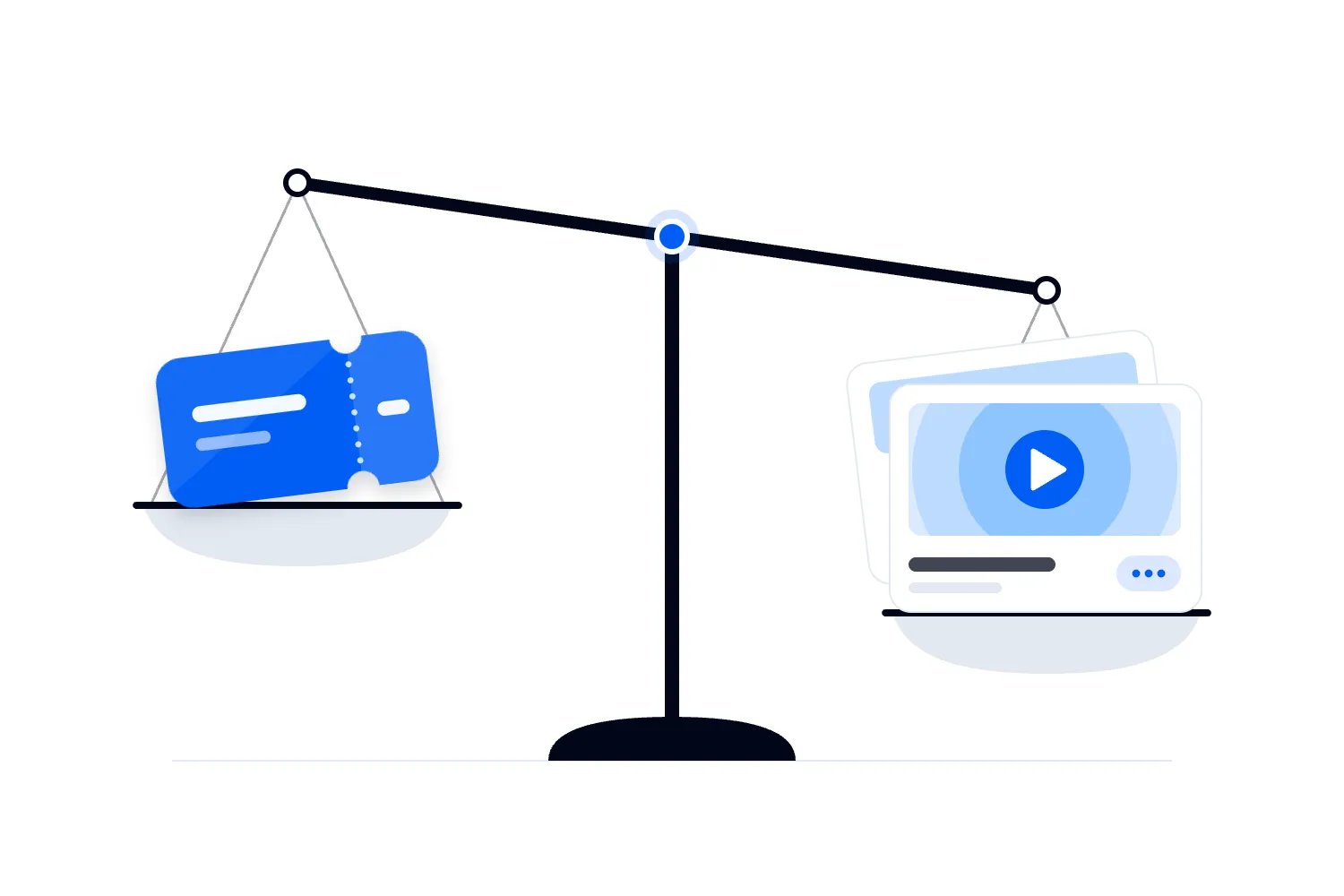
Should your trade show charge visitors or qualify them for free entry?

You're putting together a trade show. Exhibitors will pay for stands, visitors will come to meet suppliers, and somebody asks the obvious question. If the exhibitors are already paying to reach those visitors, why charge the visitors too?
Because admission might be worth paying for. But that doesn't automatically make charging the right decision for your show.
My starting recommendation is to consider qualified free entry when exhibitors fund the business, access to those buyers is why they book, and the budget can support it. Charge visitors when you can show them a worthwhile paid experience and the income improves the show without undermining the audience exhibitors expect. In either case, decide who qualifies separately from what they pay.
The difficult part is working out which description fits your exhibition. Free registration can attract people you can't afford to serve. Paid admission can exclude exactly the buyers your exhibitors most want to meet. And a room full of paying visitors can still disappoint the companies funding most of the floor.
Let's work through that decision properly, including a fictional budget, a practical qualification policy and the evidence you need before changing an established admission model.
Decide who belongs at the show before deciding the price
A trade show brings together people with different commercial reasons to attend. One visitor might source equipment for several sites. Another might advise clients on which equipment to specify. Someone else might sell a service to the exhibitors themselves. All three work in the industry, but their presence creates different opportunities for a stand holder.
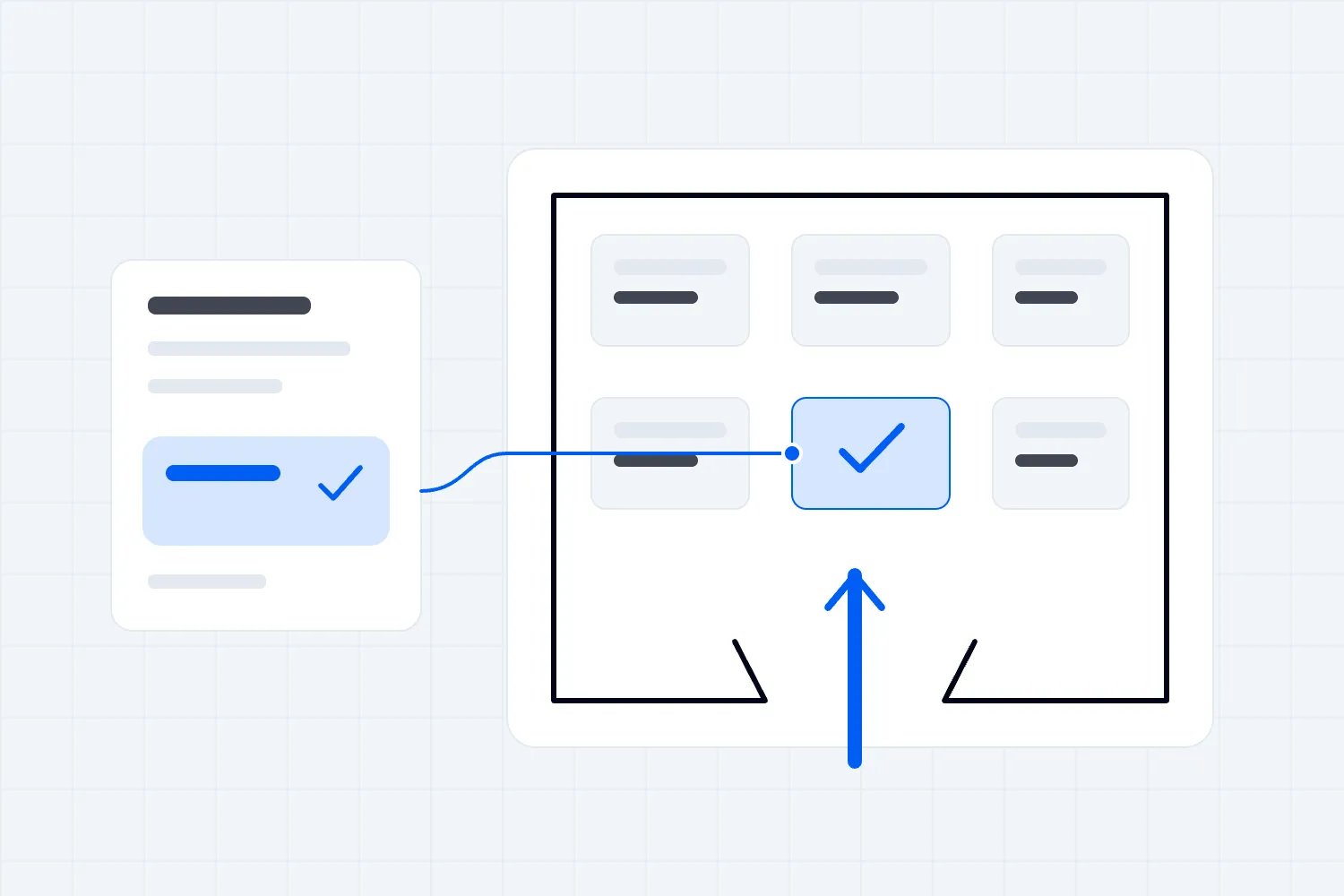
Start by separating eligibility from price. Eligibility describes who may attend. Price describes what an eligible person pays for a particular admission offer. A paid ticket doesn't prove industry relevance, and a free badge doesn't mean the doors are open to everyone.
You can see both approaches in actual admission policies. NY NOW's buyer qualification rules describe trade affiliation checks and free registration for qualified buyers. Other badge categories may carry a fee. That is a defined audience receiving a particular price, rather than a general invitation to anyone who wants a free day out.
SIAL Paris's published 2026 admission page combines paid tickets with professional-only entry and the right to request eligibility evidence. Charging and qualification operate together. These examples show possible arrangements; neither proves what will work for a new exhibition in your market.
Write down your own categories before opening registration. You might have buyers, other industry visitors, exhibitor staff, media and invited guests. If you also admit the public, identify when and on what terms. Don't put everyone under a buyer label because it looks better in a sales presentation.
For a commercial kitchen equipment show, a restaurant owner choosing equipment could be a buyer. A designer advising on a refurbishment could be an important purchasing influence. A supplier selling payment terminals might belong as an exhibitor or another industry visitor. Their job titles alone won't settle the distinction.
Make the categories useful to visitors as well as your sales team. Someone should be able to read the page and identify the right route without asking whether a consultant counts as a professional. Explain borderline cases, give them a contact and use the same answer when a sponsor nominates a friend.
If you're still defining the exhibition itself, our guide to organising a paid exhibition covers the wider visitor promise and delivery plan. Here, we're deciding how visitor admission should support that business.
Find out which visitors exhibitors actually need
Before calculating potential ticket revenue, ask exhibitors which people would make the stand worthwhile. You'll get much better answers by discussing actual purchasing situations than by asking whether they want more visitors. Almost everybody can agree to wanting more visitors. They may disagree completely about who those visitors should be.
Ask what the exhibitor sells, which organisations can use it, where it can supply and who normally helps choose it. Then ask what a useful conversation at this show would involve. A refrigeration supplier might need a facilities manager with a replacement project. A smallwares wholesaler might want independent restaurant owners who can place repeat orders without a lengthy procurement process.
Those needs affect your admission decision. A charge that discourages an owner from briefly comparing wholesalers could weaken the second exhibitor's day. A specialised technical programme might make the first visitor willing to pay, provided the relevant suppliers and demonstrations are there. You need to understand both sides of that exchange.
Be careful with the phrase decision-maker. A technical specialist who cannot sign an order may still determine which suppliers make the shortlist. An owner can have signing authority and no relevant requirement. Define the roles you can verify, then describe them accurately. Inflating every useful visitor into a budget holder makes the eventual report harder to trust.
Also look at organisations, not only individuals. Four colleagues visiting together might represent one equipment project. Their combined technical and commercial knowledge could make the meeting valuable, but you haven't attracted four unrelated purchasing opportunities. Your recruitment and reporting should preserve that distinction.
Put the audience requirements beside your current reach. Do you already know these buyers? Can exhibitors introduce them? Are association partners willing to invite them under your published rules? Is your mailing list mainly suppliers talking to other suppliers? A large contact database tells you very little until you understand who is in it and whether you can appropriately contact them.
Don't let one large exhibitor define the whole show. Speak to businesses across the categories you intend to sell. If their audience needs barely overlap, you may have a programme problem rather than a pricing problem. Free admission won't make a hotel procurement team relevant to a stand selling hobby equipment to consumers.
Finish this work with a short audience description that your registration and sales teams can both use. It should explain who you're recruiting, what they come to do and which purchasing roles you've included. That description becomes the basis for qualification, promotion and the claims you make to exhibitors.
Charge when visitors have a reason to pay
Paid visitor admission makes sense when the visitor can explain the value of attending in their own terms. That might be access to a concentrated supplier market, working demonstrations, technical education or a programme that helps them make an expensive purchasing decision. You still have to deliver those things. A promise about networking is weak if visitors arrive to find a collection of sales stands with no useful preparation.
Think through the visitor's whole commitment. The ticket may be a small part of their cost compared with travel and time away from work. Equally, a modest fee can create an employer approval process that didn't previously exist. The amount you receive and the effort somebody needs to spend getting permission to pay it are different problems.
Ask likely buyers about the last comparable trip they made. Who paid, who approved it and what work did they get done? Then show the proposed exhibition, including exhibitors, dates, access and total ticket price. An answer about a real purchase is more useful than agreement that a good trade show sounds worth paying for.
Price the actual admission offer. Does the ticket cover the exhibition only, technical sessions too, or a separately booked workshop? Can visitors return on another day? Are appointments included or merely available to request? Avoid charging for a bundle while describing its most uncertain element as though it were guaranteed.
Paid admission also needs a credible explanation to exhibitors. Show how the visitor programme supports their audience rather than taking people away from the floor all day. A profitable conference attached to an empty exhibition may be a poor result for businesses that bought stands expecting sustained access to buyers.
I wouldn't use a fee as your main proof of visitor seriousness. Payment establishes that somebody bought admission. It doesn't establish purchasing authority, a current requirement or a fit with the exhibitors. You can preserve professional entry rules while charging, just as you can verify relevant buyers while giving them free access.
Watch what happens after discounts and invitations. If your headline model is paid but most useful buyers enter on widely distributed free codes, calculate the result using that actual mix. You may be operating a selective free-entry model while forecasting as though everyone pays. That mismatch can create a painful surprise when the final accounts arrive.
Offer qualified buyers free entry when access funds the show
Free buyer entry can be a sensible commercial investment when exhibitor income depends on bringing a hard-to-reach audience together. You're removing one obstacle to attendance and paying for that decision through the wider exhibition business. The visitor still spends time getting there, so free admission needs a relevant supplier offer and a convincing reason to make the trip.
The first question is whether removing the ticket charge changes anything for the buyers you need. If the main obstacles are an inconvenient date, missing suppliers or a lengthy journey, free registration may have little effect. Fixing the wrong obstacle gives you less income without solving the attendance problem.
Ask exhibitors what they would actually commit under a qualified-buyer model. Would they book the same stand, a different package or no stand at all? What evidence would they need? An enthusiastic comment about free buyers isn't the same as a signed booking at a price that covers recruitment and delivery.
Treat application review as paid work. Somebody has to check uncertain cases, answer questions, correct duplicate records and communicate decisions. If a qualification rule needs manual review, budget the hours and a realistic response time. Calling that work free because an existing employee does it hides the cost of the model.
The same applies to approved visitors who don't attend. You'll have spent money reaching and processing some people who never enter the hall. Don't assume there's a standard no-show rate you can safely use, or that paid registration eliminates absence. Use your own comparable history where available, and show a range when the evidence is thin.
A qualification process can become so burdensome that useful buyers abandon it. Ask only for evidence that helps decide eligibility. Provide another route for a newly established business or a legitimate buyer whose documents don't match your standard examples. Review the exception consistently rather than requiring everyone to fit one business structure.
Free admission also needs a limit based on what you can deliver. Approval isn't permission to ignore the venue's operating capacity, programme limits or staffing plan. Decide what happens when the relevant buyer category is full, and communicate a waitlist honestly. Don't keep approving people because the registration counter looks good.
Finally, distinguish free admission from hosted attendance. Funding hotels, travel or scheduled meetings creates further costs and obligations. Our hosted-buyer programme guide covers that separate decision. You can make exhibition entry free without promising to pay for the visitor's trip.
Use a mixed model only when the categories make sense
You don't have to set one price for everybody. Qualified buyers could enter free while other approved industry visitors pay. Exhibition access could be free while a separately delivered technical workshop carries a charge. Trade-only hours could precede a paid public session. Each arrangement needs a reason people can understand and an operation that can enforce it.
Start with the distinction in value or purpose. A supplier attending to sell services to exhibitors isn't necessarily receiving the same offer as a buyer sourcing their products. Separate categories can reflect that difference. A vague rule saying important people get in free invites arguments about status and gives your team very little to defend.
Be especially clear when a paid category remains subject to approval. Payment shouldn't become a way to bypass a restricted show's eligibility rules. Explain when checks happen and what happens to a payment if the applicant doesn't qualify. Have the terms and implementation reviewed for your location before collecting money under that arrangement.
If the public can attend, protect the trade promise. Tell exhibitors which hours are for which audience, whether consumer sales are allowed and how demonstrations change. A public visitor purchasing products for personal use can be valuable. They should still be reported as a public visitor, rather than counted as a professional buyer to make the show appear more commercially influential.
Keep paid extras specific. A workshop needs its own capacity, timetable and learning offer. A visitor who declines that extra should still receive the exhibition access you advertised. If the only useful programme is behind another charge, describe that clearly before somebody commits to travelling.
With Loopyah's ticket types and releases, you can give paid admission options their own prices and quantities, including successive releases that open when the previous allocation sells out. The admission policy and any professional qualification checks remain your team's decisions. Set those rules first so the ticket structure expresses a clear offer.
Resist adding a category for every exception. Your team has to explain, issue and recognise each one. If a visitor cannot tell which option applies, simplify the rules before sending more people to registration.
Compare the money each model leaves after delivery
The useful calculation is what the exhibition earns after delivering each admission model. Gross ticket revenue alone won't answer the question. Neither will a claim that more buyers must produce more exhibitor income. Use committed income where you have it and label the rest as an assumption.
The US Small Business Administration's business planning guidance explains break-even as the point where total revenue equals total cost. For this decision, build a separate budget for each admission offer, including its effect on visitor costs, application work and the exhibitor offer. Don't add a free-entry policy to a paid-entry forecast without changing the relevant lines.
Here's a fictional one-day equipment show in US dollars. Every figure below is invented to explain the comparison, rather than an industry benchmark or a Loopyah fee. Assume no borrowing, no other income, no refunds or unpaid exhibitor invoices, and no sales tax on these transactions. Costs include applicable purchase taxes and organiser time; income tax is excluded. Real forecasts need your own tax treatment, quotes, refund assumptions and payment dates.
The show has $60,000 in fixed delivery costs. That comprises $12,000 for the venue, $14,000 for build and utilities, $10,000 for the operating team, $8,000 for promotion, $6,000 for programme delivery, $5,000 for administration and insurance, and $5,000 contingency treated as fully spent. The same fixed total applies in both starting cases. It includes staff and exhibitor-personnel attendance costs and the baseline professional eligibility checks in the paid case.
Forty exhibitor bookings contribute $80,000 after their directly associated stand-service costs. We're using that contribution rather than gross stand revenue so those direct costs aren't deducted twice. The fixed budget covers the shared event delivery. Assume the agreed layout and operating plan can accommodate the visitor levels being compared, with capacity confirmed by the venue and competent advisers.
Under paid admission, assume 500 different visitors each buy and keep one $40 ticket. There are no other visitor admissions in this example. After all ticketing and payment deductions, the show retains $35 per ticket, or $17,500 altogether. That invented $5 difference is an assumed all-in deduction, not a statement about Loopyah pricing. Serving each attending visitor costs another $8, giving $4,000 in visitor costs.
The paid case therefore leaves $80,000 plus $17,500, less $60,000 and $4,000. That's a $33,500 operating surplus before income tax. All 500 ticket holders attend in this simplified case, so ticket holders and attending visitors happen to match. In a real budget, forecast retained paid tickets and actual attendance separately.
Now consider qualified free entry. Assume 900 approved visitors attend, visitor delivery remains $8 each, and additional application review and support cost $4,000 across all applications, including rejected applicants and approved people who don't attend. Exhibitor contribution stays at $80,000 because nobody has agreed to pay more. The result is $80,000 less $60,000, $7,200 and $4,000, leaving $8,800.
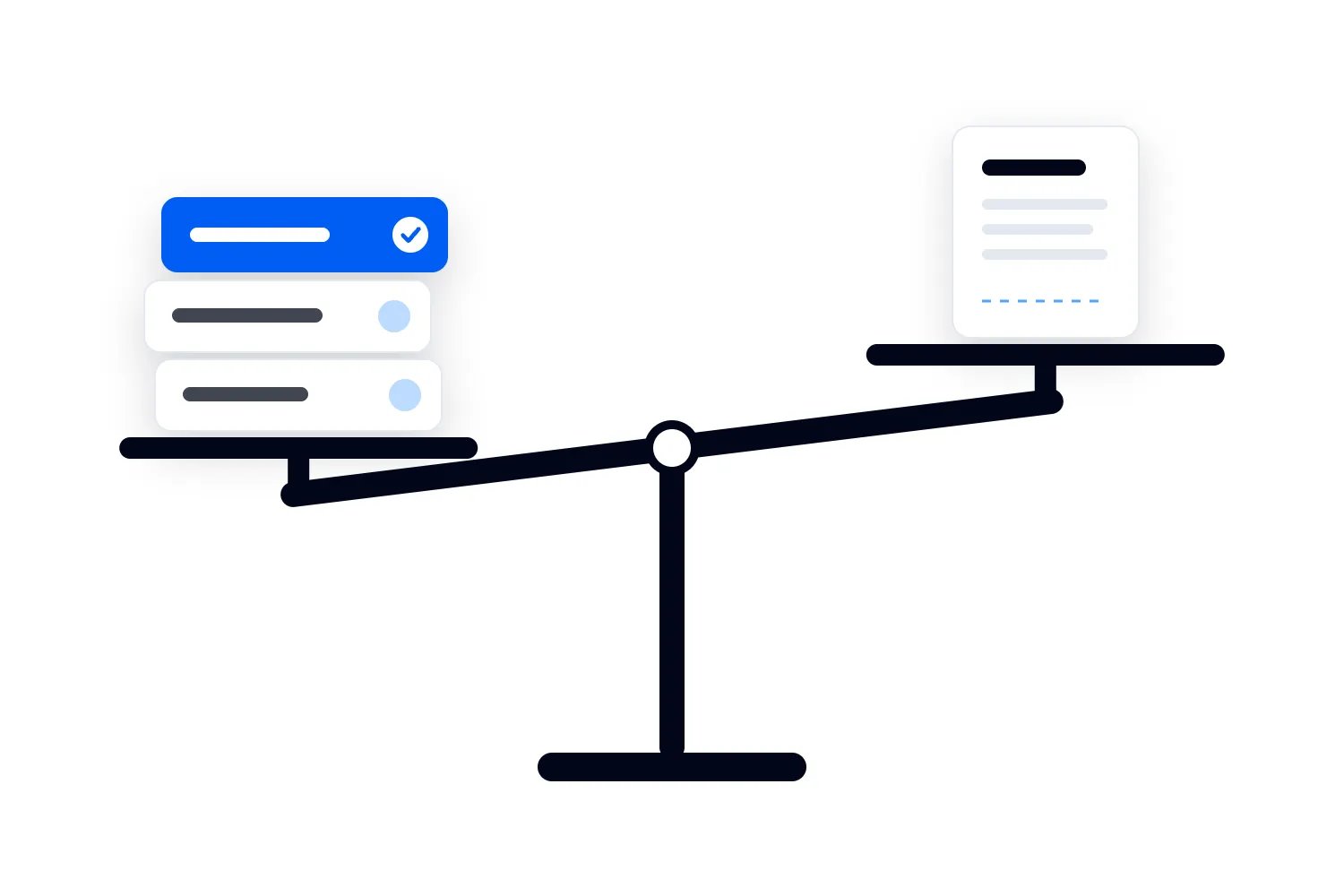
On these assumptions, the free case leaves $24,700 less. You have more attending visitors and a weaker immediate financial result. That doesn't prove paid admission is always better. It tells you the additional value the free model would need to create or the spending you would need to change before selecting it for this event.
Find the amount exhibitors would actually need to fund
To match the paid case, the free model needs $104,700 in exhibitor contribution, assuming every other line stays as stated. That's $24,700 more across the forty bookings, or an average additional $617.50 contribution per booking. It isn't automatically the same increase in advertised stand price. Tax, discounts and extra stand services could change what you retain.
Would exhibitors accept that increase for the proposed audience? Ask before making it the budget. You might find that certain categories value the additional buyers enough to support a revised package, while others don't. Don't average away that disagreement and assume every exhibitor will pay the same uplift.
Alternatively, suppose you can secure $10,000 of additional net sponsorship contribution without extra delivery costs. The free result becomes $18,800, still $14,700 below the paid case. If sponsorship requires a lounge, extra staff or hospitality, deduct those costs too. A sponsor's gross payment isn't all available to replace ticket income.
Now test a problem in the paid case. Suppose attendance falls to 300, with one retained ticket for each attending visitor and all other stated assumptions unchanged. Tickets retain $10,500, visitor costs are $2,400, and the operating surplus becomes $28,100. That still exceeds the free case's $8,800, but the financial comparison alone cannot tell you whether 300 includes the buyers exhibitors were promised.
If the missing visitors are the people stand holders most need, future bookings could suffer. Treat that as a separate, uncertain effect. Interview exhibitors, check the audience evidence and model a range for the next edition. Don't turn a guessed renewal benefit into current income to make your preferred option win.
The $24,700 difference is easier to assess when you split it up. Free entry removes $17,500 in retained ticket income. The additional 400 attending visitors cost $3,200 to serve, and the extra review work adds $4,000. Together, those changes explain the whole difference. You can now challenge a specific assumption instead of debating whether free entry sounds more attractive.
Check whether the money arrives before you need it
A profitable admission model can still leave you short of cash before opening. Put the expected receipts and payments on dates, especially when replacing advance ticket purchases with exhibitor or sponsor money due later. Review when funds are actually available to spend, rather than the date a visitor places an order.
For the same fictional show, suppose $30,000 of payments fall due before opening, but only $20,000 of cash is available at that point. That's a $10,000 gap. A $10,000 sponsor commitment paid after the show doesn't close it. You need an earlier receipt, an agreed change in payment timing or available business cash before taking on those obligations. The example assumes no borrowing, so don't quietly add a loan to make the dates work.
That $30,000 is an early portion of costs already included in the budget, not an additional expense. Likewise, the $20,000 available cash is a timing assumption, not extra revenue. Keep the cash schedule connected to the same bookings and supplier bills so you don't count either twice.
Check the terms behind apparently available money too. A refundable payment may need to be returned. An exhibitor balance may depend on a condition you haven't met. Set aside what your obligations require and test a delay in a major receipt. If free buyer access relies on spending money before the show, somebody needs clear authority to approve that exposure.
Build qualification around a rule your team can apply
Once you've chosen a provisional model, write the qualification policy in ordinary language. For our fictional show, that could be people who buy or help specify commercial kitchen equipment for operating businesses or documented projects. Then explain what evidence you accept and which visitor route applies to other industry participants.
For example, your first policy draft might say: "Buyer admission is for people purchasing or specifying commercial kitchen equipment for a business or client project. Tell us which equipment you source and your role in choosing it. We may ask for further business information before confirming eligibility. Suppliers attending to find customers should use the industry visitor route." You would then add the price, actual response timing and contact details for each route. This is an example to adapt, not ready-made admission terms.
You need enough information to make that distinction, not a complete procurement dossier. Start with name, organisation, role, business contact and relevant equipment interests. Ask a focused question about their involvement in purchasing or specification. Review whether each field changes an admission decision or helps deliver something you've actually promised.
For UK operations, the Information Commissioner's Office's data minimisation guidance says personal data should be sufficient, relevant and limited to the purpose. The page is under review following legislative changes. Check the rules applying to your event, and choose the least intrusive evidence that lets you make a defensible decision.
For example, a company website and an explanation of the person's role may settle an ordinary application. An uncertain case may need clarification from the applicant. Don't require private purchasing contracts from every buyer simply because you want the form to look rigorous. Sensitive evidence also creates work to protect access and manage retention.
Write reviewer instructions with actual borderline examples. A designer currently specifying equipment for a restaurant project could qualify as a purchasing influence. A consultant attending only to find new clients might belong in another industry category. A student studying hospitality doesn't automatically have the purchasing role you described. Treat each person respectfully while preserving the meaning of the category.
Give applicants a clear status. Application received means you're reviewing it. Approved means they've met the stated criteria. Issued admission means they have the access you've confirmed. Don't send a message that looks like a confirmed ticket while leaving eligibility unresolved in a separate paragraph.
Offer a correction and appeal route with a named decision owner. People change jobs, use personal email addresses and work in businesses with limited public information. A reviewer should be able to ask a proportionate follow-up. Sales colleagues can supply context, but they shouldn't quietly override the rules because an exhibitor wants a familiar contact admitted.
Decide what happens to already paid visitors who later qualify for free entry. Your policy might provide a defined adjustment or make the timing of applications clear before purchase, subject to applicable obligations. Resolve that before launch. The worst time to invent the rule is when an early supporter discovers someone else received the same access free.
Test the offer without confusing interest with attendance
Before replacing an established paid model, establish what you want the test to answer. Are relevant buyers deterred by price, by registration work or by the exhibition itself? Those need different tests. Removing the price and shortening the form at the same time won't tell you which change mattered.
Start with your own evidence. Look at questions asked before purchase, incomplete applications, support requests and the reasons known buyers didn't attend. Speak to people who were relevant but stayed away, as well as those who loved the show. Otherwise you'll mostly hear from people the existing model already serves.
You can test the proposed admission page with a small group before taking bookings. Give them the actual eligibility rules, price, included access and decision timing. Ask them to explain what happens next. If they think submitting an application guarantees entry, the page needs work before any traffic experiment begins.
When you're ready for a live test, keep promises you can fulfil. A limited allocation of complimentary qualified-buyer places can test a recruitment route without changing the whole event. Define who can apply, how many places exist and how existing purchases are treated. Avoid hidden price experiments that leave comparable buyers with unexplained differences in access.
Track each invitation route through the full process. How many relevant people received the offer? How many applied, qualified, received access and attended? How much recruitment and support work did that require? Keep those figures separate so a high application count doesn't conceal a weak approval or attendance result.
The visitor mix matters as much as the count. An invitation through an equipment association may bring a different audience from a broad social campaign. Compare their roles, organisation types and supplier interests before attributing the difference to price. A small, selective test won't establish how the whole market behaves.
Speak to exhibitors after the test too. Did the additional visitors match their needs? Did useful conversations happen? Did they meet new buying organisations or additional colleagues from accounts already attending? Record reported outcomes and their limitations. A few positive comments are useful feedback, but they aren't proof of future stand renewals.
Choose the decision date before your next major commitment. You should still have time to adjust recruitment, clarify the offer or change optional spending. If the test produces inconclusive evidence, keep that uncertainty visible in the budget rather than announcing a successful new model because registrations increased.
Explain the audience honestly when selling stands
Your admission model affects what exhibitors believe they're buying. If you say qualified buyers enter free, explain the qualification criteria and the recruitment work behind that statement. If you charge visitors, explain the programme and the evidence that the intended audience will pay. A ticket policy by itself doesn't deliver a useful market.
Our exhibitor prospectus guide explains how to turn the actual offer into information stand buyers can assess. For this decision, the important part is describing the audience accurately enough that an exhibitor can judge fit before committing money.
Separate confirmed information from targets. You might know which companies registered at a previous edition, which suppliers have booked this year and which visitor categories you're recruiting now. Those are different facts. Don't present a recruitment target as booked attendance or turn a company name on an application into an endorsed purchasing opportunity.
Make the invitation policy explicit in stand packages. Can exhibitors nominate eligible visitors? Do nominations receive automatic entry or the same qualification review? Is there a limit? If every stand includes unrestricted guest passes, check whether those passes undermine the visitor definition or the ticket income forecast you've just prepared.
Also explain what visitors have agreed to share. Free entry shouldn't become an undisclosed sale of application documents or permission for every exhibitor to send promotions. Have your data responsibilities and communication permissions reviewed where needed. An exhibitor can understand the audience profile without receiving every applicant's private evidence.
Be precise about meetings. Access to the exhibition isn't a promise that a particular buyer will visit every stand. A meeting request isn't a confirmed appointment, and an appointment isn't an order. If you sell additional meeting services, define and cost them separately so your admission policy doesn't acquire obligations nobody planned to deliver.
When sales asks for a stronger claim, ask what evidence would support it. Sometimes the right response is better research or recruitment. Sometimes it's more modest wording. Serious exhibitors can decide whether a relevant, honestly described audience justifies the stand price. They can't make a sound decision from promises your operating team doesn't recognise.
Make registration and arrival match the policy
Once the offer is public, every message needs to describe the same access. The landing page, application acknowledgement, payment confirmation and admission instructions should agree about dates, eligibility and inclusions. A polished registration page won't help if the approval email implies a workshop place that was never reserved.
Walk through a few complete journeys before launch. Try a qualified buyer, an uncertain applicant, a paid industry visitor and someone applying after buying a ticket. Check the messages each person receives and where they can get help. Ask somebody outside the project to explain what they now believe they're entitled to attend.
Assign responsibility for incomplete applications and overdue decisions. Visitors need time to arrange their workday and travel. A free offer with an unpredictable approval process can be less convenient than a clear paid ticket. Publish a realistic response expectation and contact applicants when your team cannot meet it.
Budget the help desk as well as the application team. At the door, an unresolved eligibility question needs a private, calm review route that doesn't hold up routine admission. Staff need the current rules and a person authorised to decide exceptions. They shouldn't improvise purchasing qualifications while scanning the next visitor's ticket.
Use admission records for what they establish. A successfully scanned ticket shows that access was recorded under the process you've configured. It doesn't prove that the visitor controls a buying budget or attended a particular stand meeting. Qualification, entry and exhibitor engagement need appropriate evidence of their own.
For ticket-holder communications, Loopyah's attendee email tools let you build messages, send yourself a test and address audiences using purchase information. Use that connected ticket information where it's relevant. Application reviewers still need a process for unresolved eligibility cases and individual decisions that ordinary ticket records don't settle.
If you separate trade and public hours, rehearse the changeover with the venue and floor team. Decide how visitors leave or remain, how access is checked and what exhibitors must change. Don't assume a different badge colour will handle every practical detail. The promise has to work when one session ends and another audience starts arriving.
Measure the model using people, costs and relevant conversations
After the show, review whether the admission decision did what you needed. Begin with the accounts, including final visitor support, application work, refunds and late supplier costs. Compare retained income and actual costs with the assumptions you used to choose the model. Keep a note of which differences came from pricing and which came from changes elsewhere in the exhibition.
Then review the visitor journey by category. Applications, approvals, issued passes and attending people are different counts. A person attending on two days should not become two unique buyers in your headline audience total. Record repeat entries separately when they're useful for operations.
FKM's exhibition definitions distinguish trade visitors attending for professional reasons and exclude stand employees, journalists and organiser personnel from its physical visitor category. Use clearly stated definitions suited to your reporting, and don't imply that an internal count has independent certification. The point is to let exhibitors understand what your number includes.
For qualification, check a sample of reviewed decisions against the policy. Did reviewers accept the same evidence? Were sponsor nominations treated differently? Did the form miss a legitimate purchasing role? This tells you whether your process needs improvement before you claim to have built a repeatable buyer audience.
For commercial relevance, ask exhibitors about the kinds of conversations they had. Separate introductions, credible requirements, proposals and confirmed business. Give suppliers a sensible follow-up period for their sales cycle. You can learn whether the show helped without pretending every contact was a lead or every potential contract became revenue.
Compare costs on a consistent basis. Recruitment spending divided by attending approved buyers tells you something different from spending divided by all registrations. Include review and support costs if you're judging the full cost of attracting and admitting buyers. State the numerator and the people counted so another team member can reproduce the result.
Look for uneven results. One category may have met many suitable buyers while another had almost none. An overall visitor total can hide that problem. Your next decision might be to recruit a missing category, adjust the exhibitor mix or reduce the scope of the show, rather than change admission prices again.
Renewals matter, but ask why exhibitors return. Timing, location, existing customers and available alternatives can all affect that choice. Record what they say about admission and audience relevance without claiming that a pricing change caused every returning booking. Keep observed results separate from your explanation of what probably influenced them.
Write the decision before opening the next allocation
You should now be able to explain the admission model in a short internal note. Name the audience you need, the offer they receive, who qualifies, who pays and the financial result you expect. Record what remains uncertain and which person owns each decision before registration opens.
For the fictional equipment show, the starting paid case leaves $33,500 while the free case leaves $8,800 with unchanged exhibitor contribution. I'd keep paid admission unless research showed it was materially weakening the required buyer audience, or you secured enough additional contribution or cost changes to justify free entry. More registrations alone wouldn't settle it.
For your own exhibition, use a note like this:
We are recruiting these visitor organisations and purchasing roles because these exhibitors need to meet them.
This category receives this access at this total price, subject to these eligibility checks.
Our budget assumes this retained visitor income, this exhibitor contribution and these delivery and review costs.
The main unresolved attendance question is this, and we will test it before this spending commitment.
This person approves exceptions, and this evidence will determine the next edition's admission policy.
Fill those lines with specifics. If you can't yet explain who benefits from free entry or why a visitor would pay, keep working on the offer before you announce the price. The admission model should follow a show that buyers want to attend and exhibitors can afford to support.

Author: By the Loopyah Content Team
The Loopyah Content Team shares expert insights, practical guides, and industry updates to help event organizers create unforgettable experiences and stay ahead in the event planning world.