· 27 min read
How do you let theatre subscribers renew their seats fairly?

Your season announcement is ready, and your regulars are asking whether they can keep their seats. A few want to move closer. Someone needs a different night. Meanwhile, new customers are waiting to buy, and you need to know how much of next season is actually sold. The trouble starts when all those requests arrive together and nobody knows which takes priority.
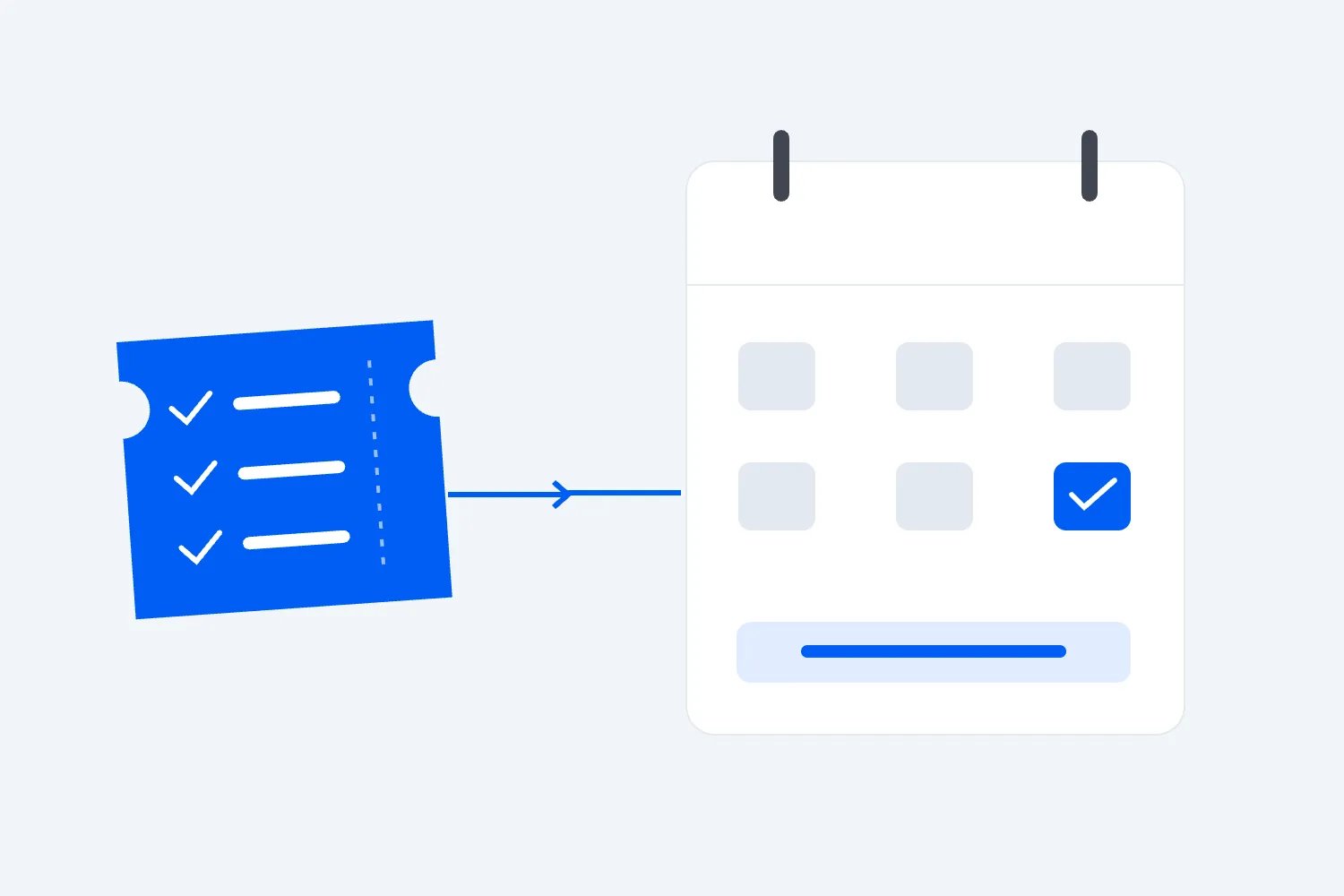
For fair theatre subscription renewals, give eligible subscribers a clear window to keep their existing seats, separate that renewal from requests to move, and publish what happens when the window closes. Resolve outstanding payments and support cases before releasing the affected seats. Then handle changes and new sales in the order you promised.
I'd make renewing the seats you already have the simplest option. A subscriber shouldn't have to enter a race against new buyers to preserve a benefit you sold them. But a request for a better seat also shouldn't displace someone else's valid renewal. Those two principles give you a workable starting point.
This guide is for theatres selling a defined season with assigned seats. We'll build a renewal timetable, work through competing requests and check the numbers before public sales open. All quantities, dates and dollar amounts in the worked example are invented. Money is USD, and the example is neither a theatre benchmark nor a Loopyah customer result.
Start with the seat promise you actually made
The first thing you want to do is read last season's offer. What did subscribers buy? Perhaps it included the right to renew the same seats, an earlier opportunity to choose, or no next-season seating benefit at all. Don't let a new marketing sentence quietly change that agreement. Staff need the terms that applied when each customer purchased.
A right to renew a seat normally depends on stated conditions. You might require the customer to renew by a deadline, retain the same performance series and complete the required payment. Write those conditions together. If instalments qualify, say which payment or approved plan secures renewal. If merely submitting a form doesn't secure anything, customers need to know that before relying on it.
Seat priority can mean something much weaker. A subscriber might get access before the general public but still choose from a shared pool. That's a useful benefit, but it doesn't reserve their old chair. Confusing the two creates an unhappy conversation when someone discovers that another subscriber has already bought it.
Keep the offer's scope precise. Does the same-seat promise cover every production, only the normal main-stage series, or a particular venue? Does moving from Thursday to Saturday preserve anything? What happens if the room changes? Agree the answer before sending the renewal invitation, because the invitation will otherwise create expectations your box office has to repair.
If the wider subscription itself needs redesigning, our guide to pricing an event membership people will renew covers benefits and repeated use. Here, the decision is narrower. Given the season offer you intend to honour, how do you let existing subscribers buy again without selling the same place twice or keeping everyone else waiting indefinitely?
Check every performance before carrying seats forward
A familiar seat label can hide a changed experience. Row G might lose two chairs for a production. A stage extension may alter the view. A matinee may move to a different date. Carrying last season's bookings into a new season without checking the actual performances can turn an apparently effortless renewal into a promise you cannot deliver.
Build the next season's performance list first. For each subscription series, match the included production, date, time, room and seat. Check pairs and groups across the whole list. A couple renewing together needs adjacent places at every included performance if that's what you're offering, not just on the first date somebody checked.
Identify exceptions before inviting payment. If a familiar seat isn't available for one production, explain the alternative and the customer's choices. A temporary move within a season is different from giving up next year's renewal position. Make that distinction explicit so someone accepting an accommodation doesn't accidentally lose a benefit they expected to retain.
Include production and venue colleagues in this check. The box office cannot decide alone whether a sightline is acceptable or whether removing a chair is permitted. Our guide to selling restricted-view seats explains why the actual view needs checking and describing. An old price category doesn't establish that the new production offers the same view.
Then compare the customer list with the room. Remove duplicate records through your approved process, confirm who controls each subscription and resolve seats that appear against different accounts. One person paying for a group doesn't automatically make every attendee a separate renewing customer. Decide how an authorised group representative can act before you send several conflicting invitations.
Give keeping seats and changing seats different outcomes
Offer a straightforward route for a subscriber who wants everything unchanged. They review the dates, seats, total price and payment arrangement, accept the current offer and complete the required purchase. Their confirmation should tell them the renewal succeeded. They shouldn't have to describe their existing seats again in a blank enquiry form.
A change request needs more information. Ask what the person wants, what alternatives they would accept and what should happen if you cannot provide them. Someone might want a nearer aisle seat while keeping Thursday evenings. Another customer may only be able to attend Saturdays, making their old Thursday seats unusable. Treating both as an ordinary upgrade request misses the difference.
Walton Arts Center's renewal instructions separate these steps clearly. They tell customers to renew to protect current seats, then describe a later process for requesting changes. They also explain that requests may not be fulfilled. Your own instructions should be equally clear about which part is certain and which depends on availability.
For your own offer, give customers an explicit fallback choice. They might renew their current seats while asking to move, or ask you to discuss alternatives before completing a new purchase. If they cannot use the old dates, don't encourage them to pay for an unconditional renewal merely to join a change queue. Explain the actual conditions and available remedies.
A request acknowledgement must look different from a confirmed move. State that the request is recorded, identify what remains booked and say when the person should expect an answer. Avoid a cheerful "You're all set" message when the customer still doesn't know which night they can attend. The uncertainty belongs in the confirmation, where they can act on it.
Set a timetable your team can actually finish
Work backwards from the public sale. Between the renewal deadline and that launch, you need time to resolve exceptions, identify seats that can be released, process change requests and check the final availability. Those jobs take real staff time. A deadline on Sunday night followed by a public sale on Monday morning leaves very little room to find a mistake.
The timetable below is an invented operational example. It assumes the theatre has checked its promises and can complete the work with the team available. It isn't a recommendation that every renewal window should last the same number of days. A small season with straightforward bookings may need a different schedule from a large programme with postal renewals and many changes.
On 3 March, send eligible subscribers their renewal details and open unchanged renewals and change requests.
At 5pm local time on 24 March, close the advertised same-seat renewal window and the change-request intake for this round.
On 25 and 26 March, review payments, requests received before the deadline and documented support problems.
On 27 March, release only the holds approved for release and begin allocating subscriber changes.
By 31 March, finish that change round and send the resulting confirmations.
On 1 April, open the stated new-subscriber allocation, with the remaining eligible single tickets following on 8 April.
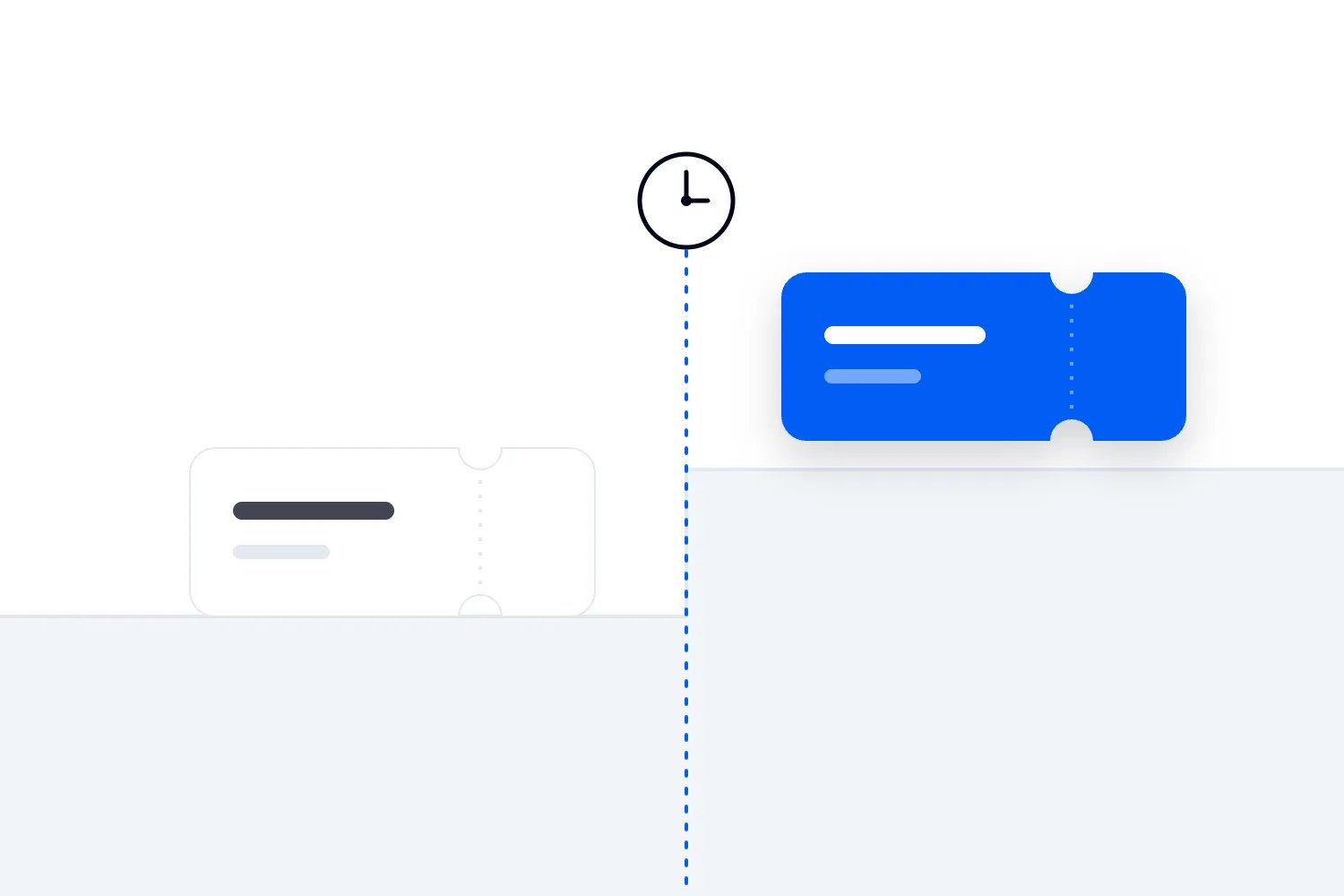
Notice that the customer deadline and the staff release action are separate. Customers know when they must act. Staff have a defined period to verify what happened before seats become available elsewhere. That period isn't a secret extension for anyone who happens to call. Explain its limited purpose and record which cases qualify.
Real theatres make these stages visible. The Ruth and Nathan Hale Theater's 2026 instructions describe holding current packages during renewal, then using unrenewed packages for change requests before public availability. The useful lesson is the sequence. Choose your own dates from the actual work and promises rather than copying another theatre's calendar.
Write the deadline as a complete instruction
"Renew by March" leaves too much open. State the date, time and time zone, what must be completed and what happens afterwards. If your box office closes before an online deadline, show its support hours nearby. Someone who needs assistance should be able to see the last practical opportunity to get it.
Use the same deadline in the email, account page, printed letter and staff notes. If you accept post, explain whether the relevant point is receipt or postmark. If a phone message can preserve a request, say what information it needs and when you will reply. Don't invite a channel that the release process never checks.
Winchester Little Theatre's reserved-seat renewal page connects its deadline with the release of unrenewed seats and explains different routes for unchanged renewals and changes. That connection matters. A date without a consequence sounds like a marketing nudge; a release rule without a clear date leaves customers guessing when their seats disappear.
Also distinguish a discount deadline from a seat-retention deadline. They can be the same, but they don't have to be. A customer may lose an early price while still having time to retain a seat, or keep a price offer without having any particular chair reserved. Show each condition against the benefit it controls.
If you change a deadline, update every customer-facing location and tell affected people through the appropriate channels. Record the previous date, the replacement and the reason. Staff must be able to explain which instruction a customer received. Extending one campaign email while leaving an automatic release untouched is a particularly avoidable way to lose trust.
Decide how competing move requests are ranked
Once existing renewals are protected, several subscribers may want the same newly available pair. Pick the allocation rule before looking at their names. Otherwise the decision can drift towards the customer who calls most often, the colleague who knows the donor or the request someone happened to read first.
For ordinary discretionary moves, a published order of valid request receipt can be straightforward. Define "valid" clearly. Does a request need a completed renewal, an accepted fallback and a maximum price? Does a missing detail preserve the original place while you ask for it? Decide this before incomplete requests accumulate, and apply the same rule to online and assisted requests.
Other theatres use timed access rather than one open queue. Pittsburgh Cultural Trust's subscriber resources describe email invitations telling subscribers when their seat-change window begins. That illustrates another way to make access understandable. A window still needs an allocation rule within it, and your tools must restrict access as described.
Longevity or donor priority may be part of an established offer. If so, disclose how it works and preserve existing commitments. Be careful about inventing a new paid route to priority midway through renewal. Customers who already acted under one rule should not discover that a later payment lets someone bypass them. Review any proposed change before you advertise it.
Keep access requirements out of the ordinary "better seat" competition. A request for a step-free route or an appropriate companion arrangement has different implications from preferring a central view. The team needs a route to assess those requirements under the applicable rules. A universal timestamp rule cannot replace that assessment.
Count the room before you promise the released seats
Let's work through one fictional subscription series in a room with 240 saleable audience places per performance. Each subscription covers the same six productions. There are 120 existing one-seat subscribers, and eight other places remain under separately justified operational holds. Accessible seating arrangements have already been reviewed for the room; this example is an ordinary allocation calculation, not a rule for releasing accessible places.
Before renewal opens, the theatre protects those 120 subscriber places at each relevant performance. With the eight other holds, that leaves 112 places unassigned. The theatre chooses not to sell that remaining allocation publicly until the renewal and change stages finish. Keeping those places unassigned doesn't imply that every one will suit every requested move.
At the deadline, 90 subscribers have renewed unchanged. Another 18 have renewed on the explicit basis that they keep their current seats unless an agreed move succeeds. Four customers have documented payment or support cases awaiting review. Eight have neither renewed nor contacted the theatre through an accepted route. Those groups account for all 120 original subscribers.
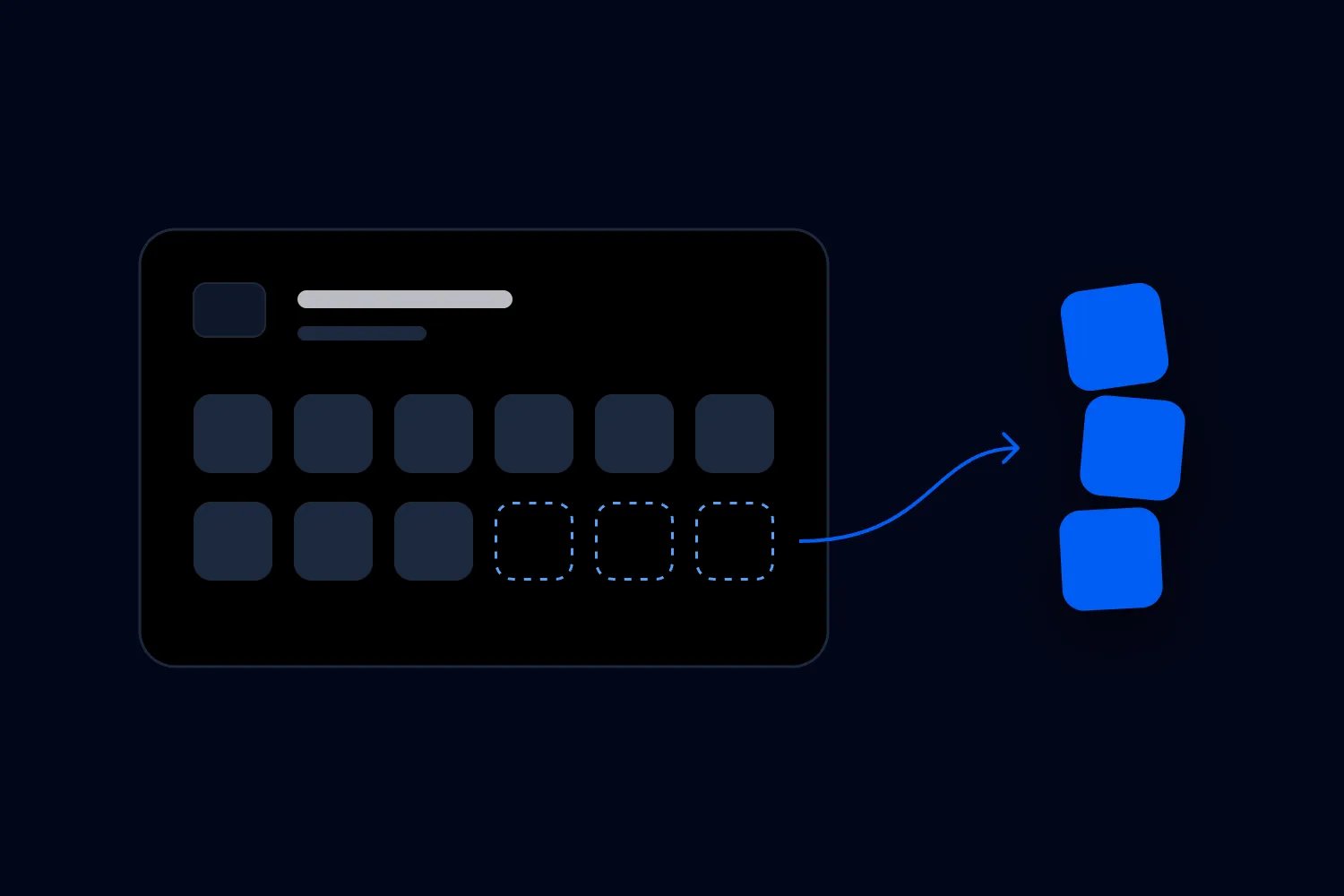
The initial review on 25 and 26 March identifies those four cases for continued protection until 30 March. At the first release on 27 March, 108 places are confirmed renewals, four remain protected, eight are separate operational holds and 120 are available for allocation. The arithmetic is 108 plus four plus eight plus 120, which equals the room's 240 places. The eight ordinary non-responses increased unassigned availability from 112 to 120.
That account must hold on every included date. A season-wide total won't reveal that one production still has an overlapping hold. Check exact seats as well as quantities, and inspect pairs. Two places in different rows are two available places, but they aren't the adjacent pair a customer requested.
Move a subscriber without creating a second promise
Suppose one of the 18 renewed customers has seat C7 and wants D7 instead. Staff need to know whether D7 is genuinely available across the season, what it costs and whether the customer has authorised that specific change. An informal note saying "move nearer if possible" may not answer those questions. For a group moving together, check every requested seat before offering the move.
In our example, ten of the 18 move requests succeed within the same performance series. Each move releases one original seat only when its replacement is secured through the approved process. The other eight subscribers retain their original seats under their stated fallback. There are still 108 confirmed subscribers before the four review cases are resolved.
The move changes where someone sits. It doesn't create another subscriber or another payment for the full package. If there is a price difference, record that adjustment separately and confirm it before applying it. A move to a more expensive area needs a clear total and the required payment authority, not an assumption that any previous card permission covers any increase.
A successful transfer must update the actual booking. The new confirmation, seat availability and any issued tickets should agree, with superseded tickets handled correctly. Staff should use the supported exchange or reassignment process. Releasing the old seat in one notebook while reserving the new one by email creates two records that can disagree during online sales.
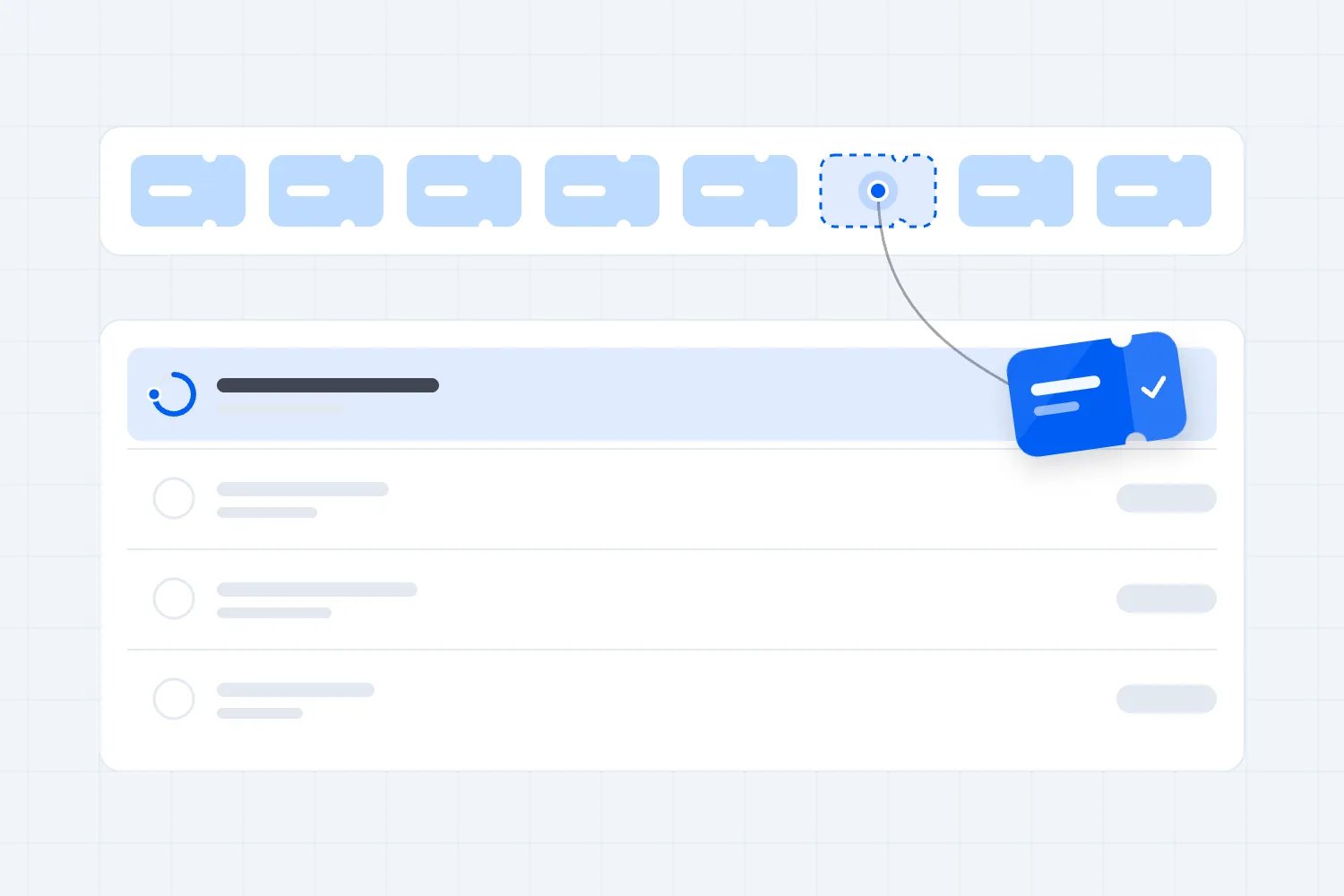
Some moves depend on other moves. One customer's released seat may become another person's suitable alternative. Work through that chain using current availability, and give temporary offers a stated expiry if acceptance is required. Don't hold several speculative options indefinitely for one person while telling everyone else there is nothing available.
Resolve payment and assistance cases before release
The four review cases in our example aren't four automatic renewals. They are four seats temporarily protected for a defined reason. One customer may have a payment under investigation. Another may have reported an inaccessible form before the deadline. Their eventual outcomes can differ, but each needs an owner, a recorded next action and a resolution date.
By 30 March, assume three complete valid renewals and one declines. Final existing-subscriber renewals are now 111. The nine original places not renewed are available for reallocation, alongside the original 112 unassigned places. That leaves 121 places before new sales, with 111 renewed places and eight other operational holds. Again, the total is 240.
A failed payment needs investigation before staff decide what it means for a seat. Check the payment provider and the customer's booking record. A pending transaction, a declined transaction and a successful transaction followed by a missing confirmation are different problems. Asking everyone to pay again can produce duplicate charges without resolving the original record.
If you offer instalments, define what makes the renewal valid at this stage and what happens if a later payment fails. A customer who has an approved plan may be fully entitled to the seats despite not having paid the full season total. Don't label that account unrenewed because a report only counts full payments. Confirm the plan's legal and contractual terms where you operate.
You also need a consistent response to a theatre-caused problem. If the advertised renewal route failed, preserve the evidence and identify the affected period and customers before release. Any temporary protection should have a specific scope. Then tell people the revised action and deadline. Quietly making exceptions only for those who complain is difficult to defend to everyone else affected.
Include accessible renewal throughout the process
A subscriber's access needs may change between seasons. Someone who previously used an ordinary seat may now need a wheelchair space, fewer steps or a different performance with access provision. Give them a clear way to explain the booking requirement, and have a trained colleague discuss suitable options without treating the request as a routine preference upgrade.
For covered US venues, the US Department of Justice's ticket-sales guidance applies to subscriptions and season tickets as well as individual events. It requires accessible tickets to be sold through the same methods and sales stages as other tickets. That includes presales and waitlists. The guidance also sets conditions for releasing accessible-seat holds; an ordinary subscriber deadline doesn't replace those conditions.
Check the rules for your own location and the actual seating arrangement. In particular, don't make a general release report erase accessible-seat protections or companion arrangements. Losing a subscriber's name from a hold doesn't necessarily make the place eligible for unrestricted sale. Release eligibility needs to be checked against the kind of place, not only the customer's renewal status.
The US guidance also addresses accessible seats previously sold to people who don't need their accessible features. It requires a process to prevent those seats renewing automatically year after year. If that situation exists in your theatre, check the specific provision when preparing renewal eligibility. Don't carry every old allocation forward under a blanket same-seat promise.
Keep requests focused on what the person needs to book and attend. Staff need appropriate information about the seat or route, with access to personal details limited to the people handling the request. Don't circulate sensitive explanations in a general allocation spreadsheet. Use your approved records and privacy process, and train temporary staff before they answer renewal enquiries.
Our guide to accessible seats and companion tickets develops the wider booking and release questions. For renewal, the practical test is whether a customer needing accessible seating has a workable opportunity during the same relevant stage, rather than being told to wait until everyone else's requests have been processed.
Tell customers what has happened, not just what to click
A good renewal invitation lets the reader recognise their actual offer. Show the subscriber or account reference, performance series, current seats, included productions and dates, total buyer payment, deadline and renewal route. Explain any price, schedule or seating change near the relevant detail. The customer should not have to compare last year's paperwork to discover it.
Then distinguish the actions. Keeping current seats needs one clear instruction. Requesting a change needs another, with its own conditions and fallback. Asking for help needs a dependable contact route with support hours. If a forwarded link would expose account details or permit another person to alter bookings, use the provider's supported account protections rather than treating the link as a general advertisement.
Here's sample wording for our fictional manual-renewal offer. "Your Thursday series seat G12 is held for you until 5pm local theatre time on 24 March. Review the six dates and total price in your renewal offer. Complete payment or the approved instalment arrangement by that deadline to retain G12. If you want another seat, submit a change request and choose what should happen if we cannot provide it."
That sample needs the actual time zone and offer details before use. It doesn't authorise a charge and it doesn't announce a completed booking. The confirmation afterwards should state that renewal succeeded, list the booked performances and seats and explain any pending request. If a payment or assignment remains unresolved, identify it plainly instead of sending the same confirmation as a completed order.
Send reminders according to current status. Someone who has renewed unchanged shouldn't keep receiving "you may lose your seat" messages because a mailing list hasn't been updated. Someone waiting on your decision needs an update about that case. A non-responder needs the deadline and consequence. The records should determine the message, so you don't make customers diagnose your administration.
Match renewal emails to the message's purpose
A new-season sales invitation and an administrative update about an existing booking can have different communication rules. Don't assume that being a subscriber permits every promotional email indefinitely. Review the message, its recipients and the applicable rules before sending it. A subject line calling something an account update doesn't decide whether its contents are marketing.
The UK Information Commissioner's Office explains the distinction in its guidance on identifying direct marketing. Genuine service messages give necessary information about the relationship or service. Adding promotional material can make a message direct marketing. For UK activity, use that guidance and the relevant electronic-marketing rules when classifying your actual renewal communications.
For example, a factual message resolving a payment problem on a purchase already made has a different purpose from encouraging someone to buy next season. Keep the content appropriate to that purpose. If an announcement also promotes additional shows or asks for another purchase, review that combined message rather than assuming the factual portion exempts the whole email.
Where you're using our attendee email tools, Loopyah lets you select audiences using purchase information, build emails and review delivery and ticket-sale reporting. That helps you reach relevant past buyers. Your theatre still needs accurate renewal eligibility and request status, and the right rules for the particular message. A purchase segment alone doesn't establish who retains a specific seat.
Check the final recipient list before each reminder. Remove completed renewals where the invitation no longer applies, handle existing support cases appropriately and use the provider's suppression rules. Keep the sending record so staff can see what the customer was told. An email open is useful delivery context, but it doesn't establish that someone accepted a renewal offer.
Confirm the software supports the renewal promise
Ask your ticketing provider to demonstrate the complete sequence with your actual subscription structure. Can it protect an existing seat across the included performances, recognise an eligible customer, accept the required payment and issue a correct confirmation? What happens if the customer requests a move, leaves checkout or contacts the box office while a colleague is also helping?
Don't settle for a demonstration of an ordinary ticket purchase. The renewal needs linked decisions across dates and customer records. Test an unchanged renewal, a move with a price difference, an approved payment plan and an unresolved case protected through the deadline. See which steps the software handles and which remain staff responsibilities before estimating the workload.
For the performances themselves, Loopyah's seating charts let you build and reuse the venue layout, price sections and let buyers choose exact seats. Seat selection during checkout is protected while the buyer pays. Those capabilities help keep the room and booking clear. A checkout hold is different from a subscriber's multiweek right to renew a season seat.
Confirm the separate requirements for subscriber eligibility, cross-performance seat retention, timed release and change-request priority before relying on them. If a step needs the box office, establish the supported process and include the staff time. Reusing a chart doesn't by itself carry a subscriber's rights into the next season, and a successful payment doesn't prove that every included performance has the correct booking.
Give staff a single current record for the decision they are making. The system might already provide payment status, confirmations and seat availability, so don't duplicate those in a hand-maintained list. Record only the additional decisions the supported process needs, such as a request's accepted fallback or the reason a specific case awaits review. Check that colleagues can retrieve those decisions when the original staff member is away.
Rehearse renewal before customers depend on it
Use the provider's approved testing arrangements to follow several bookings through the whole process. Start with a subscriber keeping one seat. Check the invitation, payment, confirmation and assigned place on every included performance. Then repeat with two adjacent seats, including a production whose date differs from the normal series. Have a colleague follow the instructions without your explanation.
Next, test an unsuccessful move. The subscriber asks for an unavailable seat and has chosen to keep the original if the request fails. Their original booking should remain intact, and the resulting message should explain that no move happened. Test a successful move afterwards, checking that the replacement is confirmed and the old place becomes available exactly once.
Include a customer who reduces a group booking. If an account held four seats and renews only two, identify precisely which two it keeps. Don't let a completed payment mark all four renewed, or let a release remove the pair the customer retained. The confirmation and the availability must show the same outcome before the next customer can buy.
Finally, test the deadline itself. Choose an ordinary unrenewed seat, a confirmed renewal and a documented support case with temporary protection. Only the eligible unrenewed seat should enter the next allocation. Check the result as a buyer and as a box-office colleague, because those views may reveal different problems. Keep test transactions away from real customer bookings using the provider's supported process.
Record the failure, the correction and the person responsible for checking it again. If a test needs a workaround that only one colleague understands, simplify the process or arrange reliable cover before launch. The point is to find the ordinary mistake while you can still correct it without taking a subscriber's money or releasing their seat.
Check the financial result without confusing holds and sales
Back to the fictional series. The final 111 existing-subscriber renewals cover six admissions each, giving 666 confirmed admissions across the season. Assume every completed renewal retains $210 after ticket taxes and transaction fees, and that all have now paid in full for this calculation. Retained receipts are $23,310. The eight operational holds and 121 unassigned places bring no receipts merely by appearing on the map.
Suppose the season incurs $5 of additional attendance cost per admission. The 666 admissions then cost $3,330 on that basis, leaving $19,980 towards production, venue costs, renewal administration, wider overhead and profit. Those remaining costs still need paying. This calculation is deliberately limited; it doesn't establish the season's profit or cash available for withdrawal.
Now assume 20 new one-seat subscribers buy at the same retained $210. They add $4,200 in receipts and 120 admissions with $600 of additional attendance cost. That leaves another $3,600 before the same excluded costs. Combined, 131 subscriptions retain $27,510 and create 786 admissions costing $3,930, leaving $23,580 towards the remaining costs.
Those are invented planning assumptions. If your advertised price includes charges you don't retain, use the retained amount consistently. If customers pay by instalments, separate the full committed amount from cash actually received and the dates it becomes available to you. A confirmed seat may represent future payment, while a refund or adjustment can change what you keep.
Measure renewal in seats and customers separately where people buy multiple seats. Our example uses one seat per subscriber, so 111 of 120 equals a 92.5% renewal rate for both. In a real theatre, one household reducing from four seats to two could count as a renewed account while leaving half its seats unsold. Keep those different results visible before declaring the campaign successful.
Release the right places to the next group
The next group should only see seats available under the completed allocation process. After the example's 111 renewals, there are 121 unassigned places and eight operational holds at each included performance. When 20 new subscribers buy, 101 places remain unassigned. Confirmed subscribers, unassigned places and separate holds then total 131 plus 101 plus eight, which equals 240.
Decide whether new subscribers choose exact seats immediately or submit preferences for later allocation. If they choose later, explain that before taking payment and state what happens if no suitable place is available. Don't display an attractive map as though it confirms a seat when the purchase only creates a request. Buyers need to understand which decision is complete.
Keep extra tickets separate from renewal rights. A subscriber retaining two seats has not automatically retained two adjacent extras for every production. Additional seats may come from the next allocation and follow different rules. Explain adjacency limits before someone invites friends on the assumption that the box office can expand their usual group.
Our ticket presale guide covers audience access windows and allocations more broadly. For this renewal, make sure the next sales stage respects seats already promised, outstanding approved cases and the stated subscriber-change order. A private presale link does not protect any of those things unless the underlying availability is correct.
Just before launch, have a second colleague compare the final availability with the release decisions. Check the specific changed seats, group arrangements, operational holds and every production's exceptions. Then test the customer-facing selection through your provider's approved test process. A correct internal report isn't enough if the public booking view exposes a seat you intended to protect.
Give late renewals a consistent answer
After release, someone will ask for their old seat. Start by checking what happened, including whether they acted on time through an accepted channel or encountered a documented problem. A genuinely late enquiry and a valid renewal your team failed to process are different cases. Don't force the customer to prove the distinction repeatedly to different colleagues.
For a genuinely late renewal, offer what remains under the published policy. If the original seat is still available, you may be able to sell it. If another customer has validly secured it, don't remove that person's booking simply because the former subscriber is familiar. Explain the alternatives and whether the returning customer retains any other benefits.
Record exceptions with the reason and approval. Appropriate consideration of an access need or a theatre-caused failure should be explainable to the team. An undocumented favour because someone knows the manager is much harder to apply consistently. The goal is a reasoned response to the actual case, with existing commitments respected.
Before the next season, review why renewals failed or arrived late. Look at missing account access, unclear dates, payment problems, changed attendance needs and deliberate decisions not to return. Ask customers about the specific obstacle. The result should change the next offer or process where necessary, rather than simply increasing the number of reminders.
For this season, have the box office test the release rules before you send the invitations. Take a few existing subscriptions and explain who keeps each seat, what would happen to a change request and when an unrenewed place would become available. Follow those decisions across every included performance. If the team can complete the process and explain the result to the customer, publish the timetable and open renewals.

Author: By the Loopyah Content Team
The Loopyah Content Team shares expert insights, practical guides, and industry updates to help event organizers create unforgettable experiences and stay ahead in the event planning world.