· 27 min read
Should you offer shell-scheme booths or space-only stands?

You sell an exhibitor a space at your event. They arrive with products, a printed backdrop and two members of staff. Your team is expecting a stand contractor, an installation plan and a separate electrical order. Nobody has misunderstood the date. They've misunderstood what they bought.
That's the first thing to resolve when you're choosing between shell-scheme booths and space-only stands. A shell scheme gives the exhibitor a defined structure and whatever services your package expressly includes. Space-only gives them an agreed floor area, with the stand and services arranged separately under your event's requirements. Neither label explains the complete offer on its own.
My starting recommendation is a specified shell package for exhibitors who want to arrive and arrange their display, with space-only available to buyers who can organise and deliver their own approved installation. Offer both when your audience needs both and your venue, contractors and team can manage the combination. Don't add a second product simply because another exhibition sells it.
The choice affects your selling price, supplier commitments, setup timetable and the work you must coordinate. It also affects whether the businesses you want in the room can afford to participate. Here's how to make that decision, write an offer people understand and check the numbers before you commit to the build.
Start with what each package actually includes
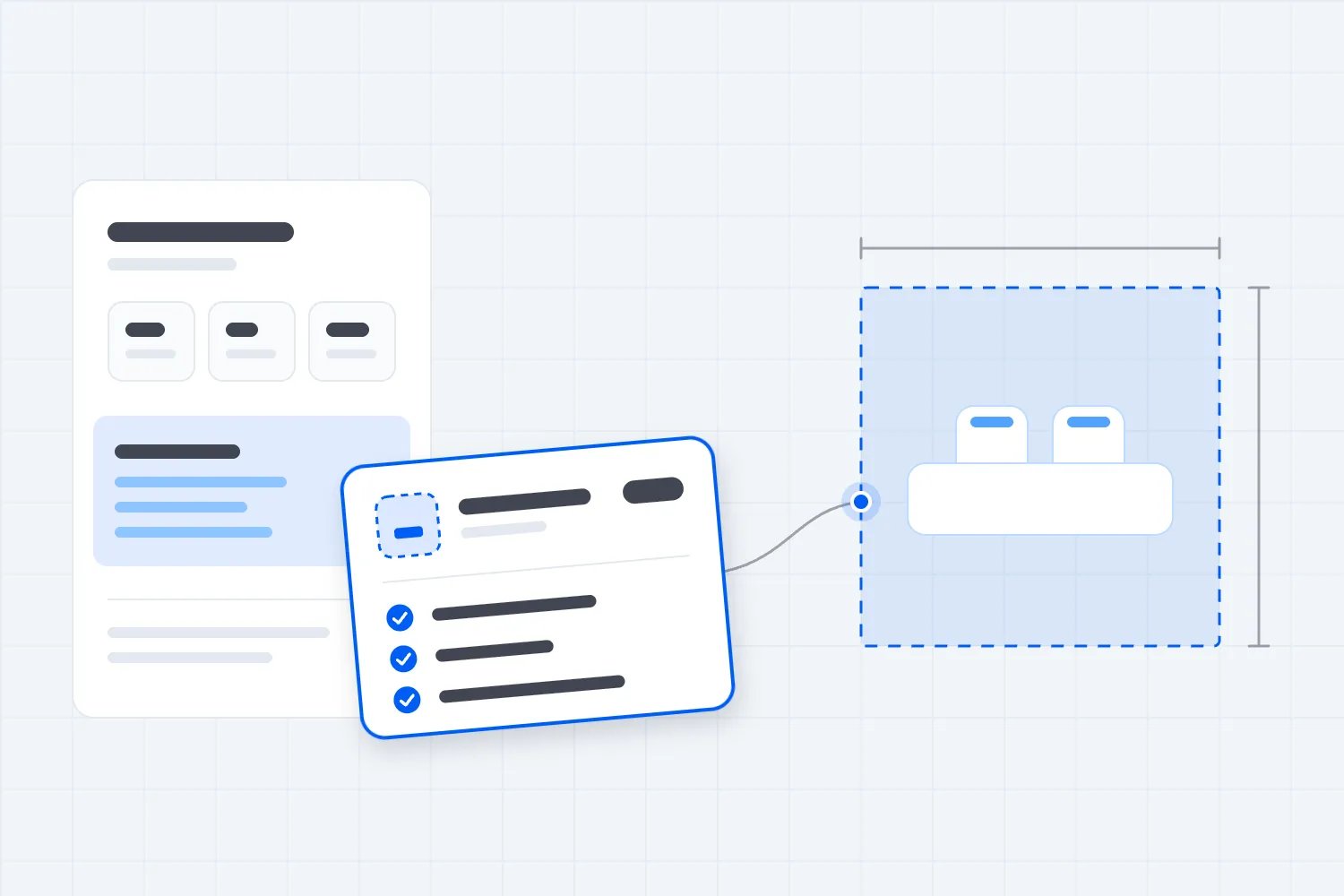
A shell-scheme booth is a modular stand structure supplied as part of an exhibition package. Depending on the offer, it might include wall panels, a company-name panel, floor covering, lighting or a socket. Furniture, printed graphics, cleaning and internet may be separate. You need to describe the actual specification rather than assume buyers share your definition of a standard booth.
Space-only usually means a defined area without the shell structure. The exhibitor arranges an acceptable stand or display and orders the services it needs. That doesn't automatically mean a large bespoke construction. A simple freestanding display might be suitable if it meets your event and venue requirements. Nor does space-only mean the buyer can install anything they like.
The MACH exhibitor manual's shell-stand specification makes the distinction concrete. It lists its included structure, carpet, light fitting, name board and socket, with electrical details handled separately. It also explains limits on fixing items to the structure. Those are that show's terms, not a specification to copy into yours.
For your offer, describe the width and depth, open sides, supplied structure and usable interior dimensions. A nominal footprint doesn't tell an exhibitor the clear width available for their display. Wall posts, bracing and service equipment can matter. Ask the supplier for a drawing that shows those details before anyone orders a precisely sized graphic or cabinet.
Make inclusions and exclusions visible together. If you include a socket, explain its permitted use and how additional requirements are assessed. If power is excluded, say that before payment. The same applies to furniture, delivery handling, storage and waste removal. A buyer comparing two packages needs the expected total commitment, not a low headline price followed by a string of necessary orders.
Keep the shell specification separate from promotional rights. A name panel identifies the exhibitor; a sponsored email, stage mention or category agreement is another deliverable. You can combine these commercially, but the operational team needs to know which physical items to build and which marketing commitments to fulfil.
Our exhibitor prospectus guide covers the broader sales document. Here, the immediate job is narrower. Write two package descriptions that someone outside your team can compare without calling to ask whether they'll have walls when they arrive.
Choose around the exhibitors you want to attract
Think about a business that belongs at your event but has never exhibited before. It may have excellent products and a suitable audience, yet no stand supplier, no installation crew and no idea how to order electrical services. Space-only could be a workable option after support and preparation. It could also make participation much harder than your sales conversation suggests.
A clear shell package can help that buyer understand the job. They can plan products, display materials and staffing around a supplied structure. You can show them the approved panel dimensions and explain when they can bring their items in. There are still decisions to make, but fewer separate construction arrangements for that exhibitor to coordinate.
Now consider a returning brand with a reusable stand and an established contractor. Paying for a shell that must then be removed may add cost and delay. That buyer might value an appropriate space-only area, earlier build access and a clear submission process much more than a standard structure. Find out before designing your packages around what is easiest to describe.
Talk to prospective exhibitors about the complete participation plan. Ask what they want visitors to do, what they intend to bring and who will install it. A product conversation at a counter, a seated consultation and a machinery demonstration create different requirements. A larger budget doesn't automatically make a buyer ready to organise a stand.
You can use a short conversation with questions such as these:
What needs to fit inside your booked area during opening hours?
Who will design, install and remove your display?
Which services does your activity require, and who will order them?
What access time does your contractor need before your staff can dress the stand?
What would make the package impractical at the quoted total cost?
Listen for uncertainty rather than testing whether the buyer knows exhibition terminology. If they expect to attach a heavy display to a shell wall, introduce the relevant supplier before they purchase it. If they plan to arrive with a contractor outside the permitted build window, settle that conflict while there is still a workable alternative.
Use these conversations to choose the initial mix of packages. For a new small expo, I would prefer a manageable standard offer with a limited number of reviewed exceptions over several loosely defined tiers. You can expand the range when you have evidence about the demand and the work each version creates.
Avoid presenting shell as the amateur option and space-only as the serious option. Buyers are choosing a way to participate. A substantial business may deliberately use a modest shell stand because its staff want conversations rather than a major installation. A small specialist might need space-only because its product cannot work inside your standard structure.
The attendee offer matters too. Visitors paying to attend need exhibitors who help fulfil the event's promise. A visually ambitious build is useful only when the activity belongs at the show and can operate within the agreed space. Don't let the package hierarchy quietly become your exhibitor-selection policy.
Confirm what the venue and build window can support
Before pricing either option, ask your venue and production partners what can actually be delivered. Review access times, loading arrangements, floor conditions and services alongside the proposed stand mix. A space-only offer that requires an installation window you haven't hired is an unfinished product.
Draw the sequence of work. Your shell contractor may need access before exhibitors can bring in stock. A custom installation may need delivery, construction, electrical work and inspection before its staff can arrange products. The order matters when the same loading route or aisle serves several stands. More hours on paper won't help if everyone needs the same access point at once.
HSE's event-management guidance, which applies in Great Britain, describes the organiser's role in coordinating activities across setup, the event and breakdown. It distinguishes that coordination from responsibility for every technical task a contractor performs. For your package choice, the practical consequence is straightforward. Appointing individual suppliers still leaves a programme of work to coordinate.
Ask who accepts stand plans, who checks special activities and who can authorise changes onsite. The answer may involve the venue, an appointed specialist and your operations team. Sales staff should know where to send a question without promising that a drawing, payment or insurance certificate settles every approval.
Discuss the joins between stands as well as each stand in isolation. A space-only exhibitor shouldn't assume it can use a neighbouring shell wall for support or attach its graphics to it. A shell supplier needs to know which sides remain open and whether the neighbouring structure changes. Record the final arrangement in the build drawing.
Check how services reach the stand. A cable route, service duct or electrical distribution point can affect a display even when it doesn't change the sold footprint. Tell the buyer about relevant constraints early enough to adapt their plan. Don't wait until an installer discovers that a cabinet blocks access to equipment the venue must reach.
Our expo floor-plan guide explains the wider circulation decisions. Use the package review to confirm that your commercial inventory fits that plan. Changing a row from shell to space-only can change sightlines, stand edges and the way visitors stop, even when the booked areas have the same dimensions.
Protect the route into the stand
A raised floor or display at the edge of a custom stand can affect how people enter. Review access as part of the design, before approving a visually attractive drawing. The US Access Board's accessible-route guide explains relevant requirements under the US ADA Standards. Your venue and applicable local rules determine the requirements for your event.
Ask the qualified reviewer to check the actual arrangement, including routes, entrances and changes of level. Don't publish a single ramp detail or aisle measurement as a universal solution. An exhibitor should understand which features require review and who can confirm an acceptable design.
Compare the contribution after delivery costs
It's tempting to compare the package prices and stop there. Shell has a higher selling price, so perhaps it looks more profitable. Space-only has less supplied equipment, so perhaps it looks cheaper to deliver. Both impressions need a cost model.
Start with costs created by each sold package. Then add costs committed for the package type or exhibition as a whole. Keep shared event costs visible elsewhere so you don't mistake a positive booth contribution for final event profit. If you need the wider structure, use our event budget guide.
For a fictional example, imagine the Workshop Supply Expo selling twenty-four equal-sized stand areas. The event names, prices and quantities in this example are invented teaching assumptions. All money is in USD, excluding taxes. They aren't supplier quotations, market benchmarks or Loopyah rates. The approved physical layout and actual demand would need separate work.
A shell package sells for $1,500. Its cost per sold booth is assumed to be $500 for the contracted shell installation and removal, plus $100 for the organiser's other paid delivery and administration costs. That leaves $900 per sold shell package before fixed exhibition costs and shared event costs.
A space-only package sells for $1,000. The organiser's assumed paid delivery and administration cost is $100 per sold area. The exhibitor pays its own stand supplier and separately ordered services. That leaves $900 per sold space-only package on the organiser's books. The buyer's construction spending isn't organiser revenue or an organiser cost in this model.
Suppose an all-shell exhibition also requires a $3,000 fixed contractor mobilisation charge. An all-space-only exhibition requires $2,000 of fixed coordination and review costs. A mixed exhibition incurs both charges, so its fixed total is $5,000. These assumptions are deliberately explicit. Your supplier might bundle the charges differently or impose a minimum order.
With all twenty-four areas sold, the all-shell version produces $36,000 in package revenue. Subtract $14,400 in per-booth costs and the $3,000 fixed charge, leaving $18,600 before shared event costs. All-space-only produces $24,000, less $2,400 in per-area costs and $2,000 fixed, leaving $19,600.
A mixed version with twelve shell packages and twelve space-only packages produces $30,000. Its per-package costs total $8,400. After the combined $5,000 fixed charges, it leaves $16,600. The mixed version earns less under these particular assumptions even though every area sells. Offering choice has introduced another fixed commitment.
| Label | Contribution before shared costs |
|---|---|
| All shell | 18600 |
| All space only | 19600 |
| Mixed offer | 16600 |
Source: the fictional prices, costs and full-sales assumptions in this article. The alternatives are separate scenarios, not amounts to add. Each sells twenty-four areas. Contribution excludes taxes and shared event costs; it is not net event profit or a demand forecast.
The chart doesn't tell you to choose space-only. It tells you that a higher headline price and a more varied offer don't establish a better result. You still have to test whether the people you want will buy each version and whether the costs behave as assumed.
Check partial sales and the supplier commitment
Here's where the comparison gets more useful. Suppose the all-space-only version sells only eighteen areas, while the shell version still sells twenty-four. That is an invented sensitivity test, not a prediction that shell improves demand. Eighteen space-only sales produce $18,000 in revenue, less $1,800 in variable costs and $2,000 fixed, leaving $14,200 before shared costs.
The shell version's $18,600 now looks stronger. But the comparison depends entirely on the assumed difference in sales. If your buyers are already equipped and prefer space-only, the outcome could go the other way. Use actual buyer conversations, applications and bookings to assess the possibilities rather than assigning a conversion improvement to a stand structure.
Also test the shell supplier's terms. In the original example, the $500 shell cost happens only when a booth sells. Real commitments may work differently. You might have to order a complete block before sales close, pay for a minimum number or accept a fixed layout that becomes expensive to change.
Suppose, in a separate downside test, you commit to twenty-four shells at $500 each but sell only eighteen shell packages. Package revenue is $27,000. The shell order still costs $12,000, other per-sold-booth costs are $1,800, and mobilisation remains $3,000. The resulting contribution is $10,200 before shared event costs. Six empty booths haven't removed their construction cost.
That's why the quote needs more than a unit rate. Ask for the minimum commitment, the date quantities become firm and what happens if you remove or relocate stands. Identify changes that trigger extra charges. Find out whether a partially sold row can be reconfigured without affecting the surrounding shell structure or the approved floor plan.
Cash timing deserves a separate check. A package can have a positive contribution and still require you to pay the builder before enough exhibitors have paid you. Map the supplier instalments against expected receipts. Treat a deposit received from a buyer according to the actual terms and accounting treatment; don't assume every receipt is money you can safely spend.
For a mixed offer, test the smallest credible number of sales in each category. A few custom stands may still require a review process and a contractor access operation. A small shell zone may still attract the full mobilisation charge. You need to know whether the second category pays for the additional work it creates.
Test a booking before ordering the whole block
Choose a realistic prospective buyer and work through the quotation with them. Ask them to explain what their staff would bring, what they would need to order and when they would expect access. Let them calculate their participation budget from the information you supplied. If their answer depends on an inclusion you haven't confirmed, fix the offer before sending more quotes.
Then run the same booking through your own team. Can sales identify the current package version? Can operations locate the corresponding stand specification? Can the supplier tell which items are ordered and which are still requests? This catches a different problem from unclear marketing. A buyer can understand the package perfectly while your delivery records still describe an earlier version.
For a mixed offer, test a buyer at the boundary between the options. Imagine a business wanting a supplied shell but also bringing a large freestanding display. Don't decide by label alone. Ask whether the display fits, whether the planned activity is acceptable and whether the supplier needs to change the shell. The final quotation should describe the agreed combination and price, with any unresolved approval plainly stated.
Record why a buyer declines. "Too expensive" might mean the package price is beyond their budget, or it might mean that separate installation and travel costs make participation unworkable. Ask enough to understand the distinction. You may need a simpler supplied offer, a different exhibitor segment or a smaller commitment to the shell contractor. A discount on floor space won't automatically address the expense that caused the rejection.
Repeat the exercise when the specification changes materially. Replacing an included service with a separate order alters the buyer's preparation, even if the headline price stays the same. Make the new requirement visible in the current quote and tell anyone already booked whose offer is affected. That is easier to resolve before production than beside an unfinished stand.
Keep the buyer's budget separate from yours. Space-only might improve your contribution while leaving the exhibitor with a larger total spend once build, transport and services are included. If that makes your target exhibitors withdraw, the neat organiser calculation hasn't solved the commercial problem.
Get a quote for the complete shell offer
Send suppliers the same brief so their responses describe comparable work. Include the proposed event dates, venue, access arrangements, initial stand layout and the package you intend to sell. Ask them to identify assumptions they cannot confirm from that information. An attractive price based on a different build window isn't a comparable quote.
Request the exact structure and panel specification, floor covering, name panels and any lighting or electrical items in the shell scope. Ask which work is provided by another appointed contractor. Where services are separate, identify who orders them, who pays and who coordinates their installation with the shell build.
Then work through the less visible jobs. Who delivers the equipment? Who unloads it? Who installs and removes it? Where does packaging go during the show? Who deals with a damaged panel, a late name change or an exhibitor asking for a different wall arrangement? The answer can change the price, staffing requirement or access time.
Ask for usable dimensions and permitted fixings in a form you can send to exhibitors. A panel's visual area and its overall construction dimensions may differ. Your supplier should explain the appropriate graphics specification and any relevant limits. Your sales description should avoid implying that every surface is available for whatever the buyer wishes to attach.
Electricity needs its own clear specification. HSE's event electrical-safety guidance for Great Britain covers planning around power demand, layout and temporary installations. Have the relevant qualified supplier assess requirements. Including a socket in a sales package doesn't establish that the installation can power every demonstration a buyer proposes.
For example, an exhibitor describing a small product display might later mention equipment that runs continuously. Another may expect power outside public opening hours. Those details belong in the service request before the supplier confirms the order. Don't let the organiser's package description replace a technical conversation it cannot answer.
Check the service during the show as well. Identify who attends to a loose name panel or a damaged fitting, which hours the supplier covers and how your team reports a problem. A contractor who finishes the build and leaves may be offering a different service from one providing an agreed onsite response.
Finally, confirm removal and the venue handback. Make the end time, waste responsibilities and damage process clear. Returning an empty venue on time is part of delivering your exhibition. A quote that stops at installation leaves you with an incomplete cost comparison.
Record the purchasing decision
Keep the selected quote with the final specification and its version date. Write down the quantities and changes you approved, plus any items still conditional on the venue or another contractor. If the supplier's revised offer changes a sold inclusion, resolve that with the buyer before relying on the revision.
Before accepting the order, walk through one change with the supplier. Suppose a booked exhibitor asks to remove a supplied wall after the quantity deadline. Ask whether the alteration is possible, whether it changes the structure and which charge remains payable. Record the answer beside the quote. You are testing how the contract behaves when the sales plan changes, not asking the installer to decide a hypothetical design without enough information.
Do the same for a delay outside the supplier's control. If the venue cannot release access at the agreed time, find out how additional labour or another visit would be handled under the proposed terms. Resolve responsibilities with the relevant parties before signing. A contingency allowance can help fund a problem, but it doesn't tell the team who can authorise extra work or what the supplier has agreed to do.
Your decision record doesn't need a lengthy narrative. It needs enough detail for the person managing setup to know what has been ordered and which exceptions are authorised. A lower unit price is useful only when the agreed work can produce the package you've sold.
Make space-only readiness a condition you can check
Space-only buyers need a clear route through preparation. Tell them which information you need, why you need it and who will review it. Keep the process proportionate to the proposed installation. A freestanding display and a complex structure won't necessarily need identical documents, but neither should bypass the applicable review because payment has arrived.
Ask for the exhibitor's responsible contact and, where applicable, its stand contractor. Obtain the proposed layout, relevant dimensions and activity description early enough for a useful response. Direct technical documents to the people appointed to assess them. Your sales representative can help the buyer understand the process without presenting themselves as the technical approver.
The approved design should make the stand's boundaries clear. Consider how doors, storage, counters and demonstration activity operate within them. A design that fits while empty may need changes once staff, visitors and equipment are added. Ask the exhibitor to show the activity it wants to run rather than submitting only an attractive exterior view.
The HSE venue and site-design guidance for Great Britain discusses the relationship between activities, site conditions and layout. It also addresses defining responsibilities where control is shared. Use the venue review to settle the event-specific constraints; don't treat an accepted exhibitor application as permission to build.
Give exhibitors a single place to see the current requirements and submission dates. Explain what happens after a submission, including how requested changes are recorded. An email saying that plans were received should say whether they are awaiting review or have been accepted for the stated purpose. Buyers shouldn't have to infer approval from silence.
Agree how changes after review are handled. Swapping a printed graphic may be straightforward; adding a raised platform, enclosed room or different equipment may need another assessment. Tell the exhibitor which changes must return to the reviewer. The onsite team needs the accepted version rather than several attachments with similar filenames.
Help an unready buyer before the deadline passes
If a buyer cannot arrange an acceptable space-only installation, see whether a specified shell package can still meet its needs. Confirm availability, costs and the change with the shell supplier first. Then issue a revised commercial offer and update the build record. Don't promise an automatic conversion when the contractor's order is already fixed.
Sometimes there won't be a suitable alternative. Follow the agreement and applicable requirements rather than inventing an onsite exception. The useful intervention happened earlier, when you asked who would build the stand and discovered that the buyer hadn't arranged anyone.
Our exhibitor onboarding checklist can support that preparation. Keep this package decision focused on the evidence that the selected option is deliverable. Chasing a missing logo shouldn't distract the team from an unresolved installation or service requirement.
Write the offer so buyers can calculate their commitment
Publish the shell and space-only offers in matching terms. Use the same units, currency and treatment of taxes. Explain the footprint and allocation process before moving to the package differences. If a price depends on location or a larger minimum area, make the condition visible next to that price.
For shell, list the supplied build and services. For space-only, state what the buyer must arrange and which suppliers or approvals are required. Both need the relevant access arrangements and exclusions. Avoid describing shell as all-inclusive unless the stated scope really supports that claim. Even a comprehensive package still has limits.
Here's a short fictional offer structure you can adapt. It uses the same illustrative prices as the earlier calculation. The dimensions, equipment and deadlines must come from your approved event specification before you use it publicly.
Shell package: $1,500 before tax for the stated area, with the contracted wall system, name panel and specifically listed services. Graphics, furniture and extra services are included only where expressly listed.
Space-only package: $1,000 before tax for the stated area. Stand design, installation, removal and separately required services are arranged and paid for by the exhibitor under the published requirements.
Both options: the final quotation identifies the assigned or requested location, included passes, opening hours, setup access, relevant restrictions and payment terms.
Changes: switching package type, altering the stand or requesting an extra service requires confirmation of availability, approval where relevant and an agreed revised price.
That description is a structure for the sales offer, not a complete exhibitor agreement. Your final terms also need to address the actual booking relationship and the rules that apply to it. Make the material conditions available before the buyer commits, and keep the summary consistent with the detailed agreement.
Show buyers how to obtain a realistic total. If a separate contractor must quote the installation, give them the route to that quotation. If a necessary service hasn't been priced yet, identify it as unresolved. A buyer who discovers an unavoidable extra after paying you may reasonably question whether they understood the offer.
Connect the transaction to the delivery record
If booth space is sold within a sponsorship package, Loopyah's sponsorship tools let you specify its price, perks and quantity on a private page, with approval before payment when required. That makes the commercial package and its availability clearer for the brand considering it.
Your team still needs the physical stand allocation and accepted build specification. A paid package should be connected to the right booth record, supplier order and approved exceptions. The sponsorship transaction doesn't establish that a particular stand design is approved or that a physical position has been assigned.
Keep this distinction clear for staff too. Someone may be authorised to approve a brand commercially while another person confirms its proposed activity or installation. The buyer should receive a confirmation explaining what is settled and what still needs to happen before arrival.
Set a workable deadline for switching package type
Buyers change plans. A brand may start with space-only, then discover that its reusable stand won't fit. Another may book shell and later want a custom installation. Allow a change when it is workable, but check the actual commitments before quoting a credit or accepting the new plan.
The relevant deadline comes from your supplier orders, review time and build programme. It shouldn't be a date picked only because it looks tidy on a checklist. If the shell quantity becomes firm before your stated switch deadline, you could be promising a cost reduction that your supplier won't give you.
Write the change process with the affected teams. The buyer requests a change, operations checks feasibility, suppliers confirm costs and the commercial owner approves a revised offer. Then update the allocation and order records. Nobody should remove a wall or cancel an electrical order because a salesperson said the buyer was considering a different option.
Keep location separate from package type. A buyer changing from shell to space-only may also be asking for a taller structure, a different service position or earlier vehicle access. Those are additional requests. Assess them individually rather than allowing the package label to imply permission.
A corner stand needs special attention if the buyer changes its open sides or removes part of the structure. Confirm the revised build with the supplier and relevant reviewer. Don't let a revised sales illustration become the construction instruction. The person responsible for the actual installation must have the accepted drawing.
Explain any committed costs plainly. If a name panel is already printed or a shell is already ordered, identify the item and the applicable agreed charge. Avoid making a general promise that switching always produces a refund or always incurs the same fee. The terms, timing and actual commitment determine the answer.
Keep a record of what the buyer accepted. That includes the new specification, price, payment adjustment and any remaining conditions. An earlier package description should no longer be the document the onsite team uses for that stand. Preserve the history, but make the current version obvious.
For a mixed exhibition, review changes across the whole layout. Removing one shell could affect neighbouring structures, supplier quantities or the work sequence. Ask the contractor what changes before confirming the request. You don't need to make every exception difficult; you need to avoid approving one in isolation and discovering its consequences during setup.
Inspect the delivered offer and learn from the result
Before exhibitors arrive, check the shell installation against the agreed order. Review stand numbers, supplied panels, name details and the items in scope. Route technical issues to the responsible contractor. A missing chair and a concern about the structure need different responses, even when both are reported at the same desk.
For space-only, use the event's agreed inspection and handover process. Confirm that the relevant reviewer has the current design and that required actions are complete. Commercial staff shouldn't waive an outstanding requirement because a buyer has travelled a long way or the doors are about to open.
Record defects with their location, owner and status. Tell the exhibitor who is handling the issue and what happens next. If a promised service cannot be delivered, escalate the commercial response as well as the operational fix. The buyer's complaint doesn't disappear because your contractor and venue disagree about who ordered the item.
After the show, compare the packages using their actual sales and costs. Separate contracted shell costs, extra paid work, service problems and unused commitments. Record staff time even where it didn't create an extra cash payment, so you can see whether the offer consumed more attention than expected. Keep that time measure separate from the cash contribution calculation.
Ask exhibitors whether they understood what was included, whether the setup arrangements worked and which separate costs surprised them. A satisfied buyer might still prefer a different package next time. A complaint about a shell booth might concern a missing service rather than the structure itself. Find out what changed their experience before removing or expanding the option.
Use the evidence to decide the next mix. Keep shell where a defined supplied build helps suitable exhibitors participate and the costs work. Keep space-only where buyers can deliver an acceptable installation within your event's requirements. Offer both when the additional sales and buyer fit justify the extra coordination and commitments.
Before selling the next edition, put the two final specifications, the supplier terms and a realistic partial-sales calculation on the same desk. If your sales and operations teams can explain the offer in the same words, and the numbers still work without a full hall, you're ready to send it to buyers.

Author: By the Loopyah Content Team
The Loopyah Content Team shares expert insights, practical guides, and industry updates to help event organizers create unforgettable experiences and stay ahead in the event planning world.