· 21 min read
Hybrid event staffing: how to divide your team

Divide your hybrid event team by the jobs happening at the same time. Give the venue audience and online audience their own named owner, then put one person in charge of the shared programme and decisions. Your stream operator should be able to fix the stream without also answering ticket enquiries, introducing speakers or running across the venue.
So you've sold tickets to people in the room and people watching from home. Everyone wants the programme they paid for. But when the keynote starts, your door queue is still moving, someone online can't get in, and the speaker wants a different slide. Who deals with each one?
If the answer is the same person, your staffing plan needs work.
Hybrid event staffing isn't about doubling every role. It's about protecting the jobs that collide, combining the ones that genuinely fit together, and making handovers clear enough that nobody has to guess during the show. This guide walks you through those decisions, a worked staffing example, the rehearsal and what happens when something goes wrong.
Start with what each audience bought
The first thing you want to do is write down the experience attached to each ticket. Do this before you book freelancers or ask your venue manager to cover the online side.
An in-person conference ticket might include the main programme, refreshments, networking and access to exhibitors. An online ticket might include the main programme, live questions and a recording afterwards. Those are different promises with different work behind them.
For every promise, name the task that makes it happen. Networking needs space, timing and someone to explain the format. Live questions need collection, selection and a route to the presenter. Recording access needs somebody to confirm the file exists, check it and send the promised information.
Be precise about what isn't included, too. If your venue has afternoon workshops that won't be streamed, say that before checkout. Your online host cannot fix a ticket description that implied access to the whole day.
Then follow both audiences through the programme. What happens when the doors open? When the session starts? When the room breaks for lunch? When the final speaker finishes? Online viewers need instructions at those moments even when the venue team is busy elsewhere.
The useful distinction is between a shared programme and separate audience care. Both groups can watch the same presentation. They won't use the same entrance, ask for help in the same place or experience the same break.
Give each audience owner responsibility for that complete journey. They don't have to perform every task themselves. They do have to know who's doing it and notice when a promised part is missing.
Give the venue and online audience separate owners
Your venue lead looks after the people physically attending. That includes arrival, queues, room access, changes to the venue schedule and coordination with venue staff. They know where attendees should go and who can solve a problem on site.
They also need the authority to move people, call for assistance and flag a delay. A title without those permissions is just another person forwarding messages to you.
The online lead looks after people attending remotely. They watch the actual attendee experience, welcome viewers, explain breaks and programme changes, and make sure questions and support requests reach the right person.
This role deserves attention. A cheaper ticket might include fewer things. It still includes the things you promised. Leaving buyers watching an empty stage while everyone else goes for coffee isn't a useful interpretation of a break.
For a simple broadcast, the online lead may combine hosting with light moderation. For an interactive event, hosting, question moderation and technical support can become separate jobs. Decide from the workload, rather than assuming one person will somehow keep up.
Keep venue safety responsibilities clear. The UK Health and Safety Executive's guidance on managing an event emphasises competent staff, coordination and supervision appropriate to the risks. Use your local requirements and venue arrangements to determine safety coverage. An online moderator doesn't replace a steward, medical professional or security role.
Likewise, venue staff aren't automatically your hybrid production crew. The venue may supply a room technician but exclude the broadcast, remote speakers or online support. Ask where their responsibility ends and write it into the plan.
Put one person in charge of shared cues
Your show caller coordinates the programme. They give the agreed cues to start sessions, bring speakers on, change screens and announce breaks. They also resolve conflicts between the venue and online plans.
This might be you, an experienced producer or a programme manager. The important part is that everyone knows who can change the running order and how that decision reaches both audiences.
Don't confuse this with the technical producer. The technical producer manages the equipment and systems that deliver the show. They need to know what should happen next, but they shouldn't have to decide whether to shorten a sponsor segment while repairing audio.
Use one event run of show for shared timing. Add separate venue and online actions to each relevant cue. When the speaker finishes, the room host might direct attendees to refreshments while the online host explains the next session and return time.
The show caller checks that both actions happen. They don't leave the online team to discover that the interval started because the stage suddenly emptied.
Agree who can make which decisions without asking. Your venue lead may change the queue layout within the approved arrangement. Your online support person may resend access instructions after checking the booking. Your host may repeat questions. None of those needs a committee.
Bigger decisions need a named owner. Who can pause the programme? Who approves an alternative stream? Who can promise a refund or a replacement session? If that person is unavailable, who has their authority?
Write the answer beside the role, including a deputy. During a live event, a short route to a decision is much more useful than a long list of people who should be kept informed.
Assign technical production as its own job
The technical producer owns delivery of the picture, sound, slides and recording according to your agreed setup. Ask them to describe exactly what they are supplying and which parts require additional operators.
A single camera showing a seated speaker is different from a panel with moving microphones, remote guests and live audience questions. Adding complexity changes the work even if you sell the same number of tickets.
Depending on the setup, separate operators may handle venue sound, cameras, screen switching or the broadcast. Don't hide all those responsibilities behind the phrase "AV support" and assume the quote includes everything.
Also distinguish what the room hears from what viewers hear. A loudspeaker working in the venue doesn't prove the remote audio is good. Someone needs to listen to the attendee feed through headphones and check that slides and captions are visible there.
YouTube's live encoder guidance recommends testing with audio and movement similar to the actual stream, then monitoring stream health during the event. The principle is useful whichever delivery service you use. Test the show you plan to run, rather than a silent holding screen.
Give the technical team a contact for venue internet, power and room equipment. Confirm who can troubleshoot each part. A freelancer can't repair a venue network they have no permission to change, and your venue manager may not know your broadcast settings.
For remote speakers, assign somebody to bring them into the correct session, check their sound and cue their entrance. If the technical producer also does this, map the timing carefully. Preparing the next guest while switching the current presentation can require another pair of hands.
Finally, name the recording owner. Recording the programme, checking the file and delivering it are separate tasks. A red indicator during the session doesn't prove that a usable replay reached the person responsible for sending it.
Combine roles only when their busy moments fit
The most useful staffing question is "What else will this person be doing when this task needs them?"
Some combinations work well. A speaker coordinator may help prepare the next session during a scheduled break. A venue lead may handle routine room announcements once arrival has settled. An online host may select questions during a straightforward presentation.
Other combinations fail because both jobs need immediate attention. Your door supervisor can't leave a queue to investigate a stream problem. Your camera operator can't stop following the speaker to help a buyer locate their confirmation email. Your online host shouldn't disappear into support messages during a live interview.
Think about recovery, too. Jobs that coexist during normal operation may collide during a failure. A technical producer can monitor the stream while it works. When it stops, they need room to diagnose it, while someone else explains what's happening to viewers.
A small event can reduce the workload by simplifying the offer. Stream one room. Avoid overlapping online sessions. Use a camera position where suitable. Collect questions through one agreed route. Make each simplification clear to buyers and speakers.
If you can't staff a complicated interaction properly, remove or redesign it before selling it. A reliable presentation with useful questions is better value than an advertised networking feature nobody knows how to facilitate.
Use our broader event staffing guide for venue role planning. Then add the online tasks your existing venue plan doesn't cover. Treat the hybrid work as real work with named owners, even when your team is small.
Build the staffing plan around simultaneous work
Here's an illustrative planning example, not an industry staffing ratio. You're producing a ticketed professional workshop with one room, a live broadcast and questions from both audiences. Venue safety and specialist services are assessed separately.
Before doors open, your crew tests the sound and feed, briefs the speaker, checks access instructions and prepares arrival. Once admission starts, the venue team needs to stay with arrivals. The online team needs to help viewers get ready for the session.
During the talk, technical production and online audience care continue. Venue arrivals may ease, but late arrivals still need a route in. During questions, the room needs a microphone and the online moderator needs to send selected questions to the chair.
The workload changes across the programme. Build your roster from those changes, rather than spreading staff evenly across the day.
In this worked example, the venue lead needs thirty active minutes during a thirty-minute opening window. So do the online lead and technical producer. A support assistant needs fifteen. Those are planning assumptions to test in rehearsal, not measured averages. They cover selected audience and technical jobs only. The show caller, venue safety coverage and specialist services need separate assessment.
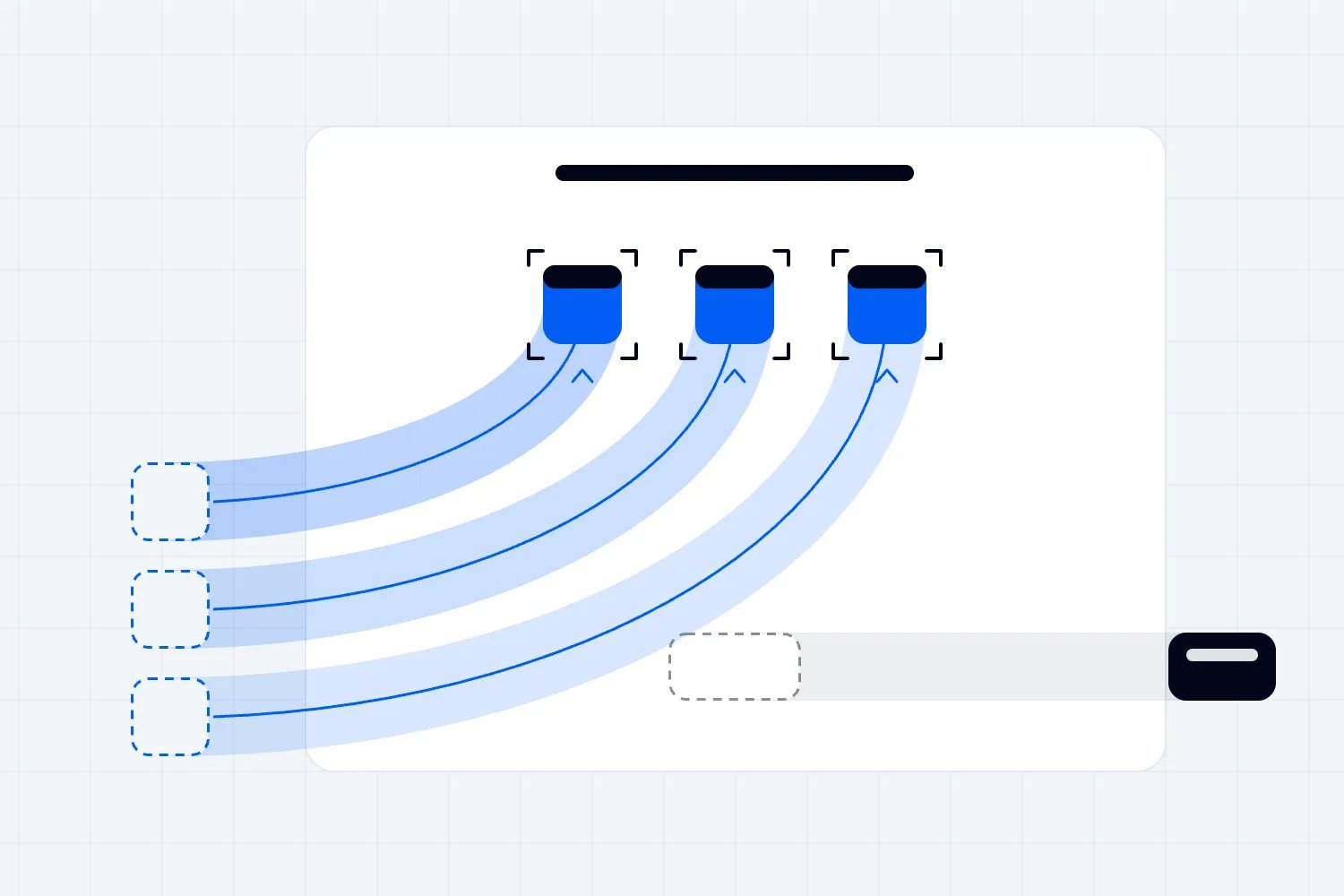
Those selected jobs add up to one hundred and five staff minutes inside thirty elapsed minutes. Giving them to one person leaves tasks waiting while attendees need them now. The chart makes that conflict visible. Replace these assumptions with observations from your rehearsal before deciding coverage.
For the same workshop, here's an illustrative roster to adapt. Times describe this example, not a required schedule. Each deputy must be available and trained for the work they would inherit.
Venue lead, Alex: arrival coverage from 09:00 to 09:45, then room coordination through the finish. Deputy Jordan covers the entrance when Alex briefs the chair.
Online lead, Sam: viewer welcome from 09:15, programme messages and moderation through the finish. Deputy Lee covers scheduled breaks after a spoken handover.
Technical producer, Priya: setup, rehearsal, live delivery and recording handback. Qualified deputy Morgan takes technical relief; confirm that coverage with the supplier.
Support assistant, Lee: access enquiries from 09:15 to 09:45 and during questions. Sam handles routine enquiries outside those windows only when hosting duties allow.
Show caller, Casey: shared cues and programme decisions from rehearsal through the finish. Deputy Alex takes agreed decision cover while Jordan covers venue coordination.
At the 09:30 opening, Casey cues both hosts while Lee handles access problems. During questions, Sam passes remote questions to the chair and Jordan covers room microphones, with another venue worker covering Jordan's entrance duty if needed. At the break, Sam tells Lee about unresolved online issues before taking relief. Priya keeps monitoring delivery, or hands over to Morgan first.
That roster exposes the extra coverage your programme may require. Name the additional venue worker and confirm Morgan's availability before approving it. An unnamed deputy or unstaffed entrance is still a gap, however tidy the document looks.
Make the handovers specific
A responsibility list isn't enough. You need to show how work moves between people.
Take a speaker arriving late. The speaker coordinator tells the show caller how late and whether the speaker is ready to present remotely instead. The show caller agrees the programme change. The venue and online leads receive the same update, with the new start time and what to tell attendees.
Without that route, the venue host improvises one explanation while the online moderator gives another. Buyers then see conflicting information about the same event.
Use a handover format. State the problem, the audience affected, the action needed and when you need the answer. Add the person who owns it. "Remote speaker audio unavailable, both audiences affected, technical producer checking alternative connection, show caller to decide whether to swap sessions" is useful.
"Something's wrong with the speaker" isn't.
Agree where those messages go. Routine production cues need a clear channel that isn't buried under attendee chat. Support requests need somewhere staff can track them without broadcasting buyer details. Venue emergencies follow your approved safety arrangements.
Your event communication plan should name those routes before the show. Include an alternative if the usual tool fails and make sure remote crew can use it. A venue radio channel is no help to a moderator working from home.
Then close the handover. Whoever accepts the task confirms that they have it. Whoever fixes the problem confirms the outcome. That stops two staff members repeating the same work while another important job sits unattended.
Give questions a route to the stage
Live questions are where your audiences can feel like they belong to the same event. They are also where an unclear staffing plan becomes obvious.
Assign the chair responsibility for the discussion. Assign a room microphone runner if audience questions need one. Assign an online moderator to collect and pass on remote questions. Decide how those questions reach the chair without interrupting the speaker.
The chair should know which questions came from online attendees and how to introduce them naturally. They can say, "We've got a question from someone watching online," then ask it clearly. They don't need to turn every question into a ceremony.
Don't promise exact alternation regardless of relevance. Instead, agree how the moderator will make both audiences visible and what happens when time is short. Repeating a useful question beats selecting a weak one purely to keep a tally balanced.
Account for the delay between the room and viewers. Google's explanation of live streaming latency describes the tradeoff between faster interaction and the risk of playback buffering. Your moderator needs to know the actual delay in your setup, so they don't close questions before viewers hear the invitation.
Test that timing during rehearsal. Ask a remote tester to submit a question after the chair invites them. Check when the moderator receives it and when the chair can read it. Build a little room into the session rather than rushing the final exchange.
Room questions must reach the broadcast microphone. If someone asks without one, have the chair repeat the question before answering. Otherwise, remote viewers hear an answer to a question they never heard.
Staff accessibility across both experiences
Accessibility needs an owner who can coordinate with the relevant people. It shouldn't become an extra job handed to whichever volunteer happens to be free.
The W3C's accessible events checklist covers in-person, remote and hybrid delivery. It recommends checking the venue and remote platform, providing suitable microphones, coordinating accessible materials and asking participants about their requirements.
For staffing, turn those checks into assignments. Who checks the accessible arrival route? Who sends materials to an attendee who needs them in advance? Who confirms the captioner can hear the feed? Who handles an access request during the programme?
Those responsibilities can sit with existing leads. Specialist services need appropriate providers, and your venue arrangements may require particular staff. Don't assume a helpful general assistant can replace skilled work.
Give interpreters and captioners the materials and speaker information they need before the event. The speaker coordinator should know the deadline and chase missing items, rather than leaving the provider to track down presenters.
The W3C's caption guidance warns that automatic captions aren't sufficient unless confirmed fully accurate. Treat caption quality as something to check, including names and specialist terms. Don't write "captions available" on the ticket page and consider the job finished.
Check both audience views. Captions that appear on the stream may not be visible to somebody in the venue, and a screen visible in the room may be too small in the broadcast. The relevant audience lead should report what attendees actually receive.
Use the event accessibility checklist to build the wider plan. For each arrangement, write the owner and the route for asking for help. Attendees shouldn't have to explain their needs repeatedly to several unrelated crew members.
Rehearse the handovers, including failure
A technical check is necessary. A staffing rehearsal asks a different question. Can the people in your plan do their jobs together when the event behaves like the real event?
Run a short section with the actual host, speaker, online moderator and production crew. Include the transition into the session, a slide change, a room question, an online question and the break announcement.
Have a tester join as an ordinary online attendee. They should use the same access route as buyers, rather than entering through the crew's special link. Ask them what they can hear, see and understand.
Then introduce a problem. A remote guest loses audio. An attendee needs help getting in. The speaker overruns. The online host can't hear the show caller. Watch who notices, who acts and which other duty they abandon.
That is where you learn whether a combined role is realistic. If your online lead stops hosting every time support gets busy, separate support during the peak or simplify the format. Don't just tell them to work faster.
Rehearse staff breaks and absence as well. Everyone needs relief, including the person watching the feed. Name who covers each job and explain what information they need when taking over.
Before doors open, repeat the decisions that matter. Confirm the current running order, each audience lead, the decision owner, support routes, emergency arrangements and what staff can promise buyers. Give the latest version to contractors and remote crew.
Decide what happens when delivery fails
A hybrid failure plan needs to protect attendees and preserve a clear decision route. It can't be a promise that nothing will go wrong.
Start with a distinction. A buyer having trouble on one device needs individual support. Several independent viewers reporting lost sound may indicate a wider problem. Your support person gathers enough information to help the technical producer tell the difference.
Set the escalation threshold for your event during planning. It might be confirmed loss of programme audio, a failed access route affecting multiple buyers or a remote speaker unable to join. The threshold tells staff when to call the decision owner, not when to ignore smaller problems.
For an online outage, the technical producer investigates while the online lead posts an approved update through a channel viewers can still access. The show caller decides whether the room continues, pauses or changes the programme, using the agreed options.
Never promise a recovery time you haven't confirmed. Say what is affected, what the team is doing and when you will update attendees again. If your normal stream page is down, your communication plan needs another way to reach ticket holders.
Venue emergencies follow the safety plan first. Streaming doesn't justify delaying an evacuation or keeping a speaker on stage. Agree beforehand what production should stop and what the online audience should be told, without sharing private incident details.
Your event contingency plan can hold the wider scenarios. The staffing plan should identify who acts for each one and who takes over their normal work. A fallback that uses the same unavailable person isn't much of a fallback.
Give staff useful access without sharing everything
Your crew needs working accounts and the right permissions before rehearsal. Don't discover at opening time that only you can look up a ticket or admit a remote speaker.
For venue ticket operations, Loopyah's ticketing tools let you add admins and door staff without sharing your login, and give door staff check-in access. That lets your arrival crew scan tickets while the people managing the event retain their own access.
Keep that distinction in the staffing plan. Ticket check-in covers admission at the venue. Your online delivery service still needs its own access, moderation and support arrangements. Don't assume a ticketing permission also grants control of a broadcast.
Before the show, test each person's actual access. Have the door team check their phones and sign in. Have the moderator open the correct session. Have the support person confirm which booking information they can see and what actions they can take.
Limit unnecessary copies of attendee data. The UK Information Commissioner's Office explains data minimisation as holding personal information adequate and relevant to the purpose, and limited to what is needed. Apply the requirements relevant to your event and location. Operationally, avoid sending a complete buyer export to everybody just because it's convenient.
Keep payment details and sensitive access requests out of general crew chat. A moderator usually needs the question, not the buyer's complete booking history. A microphone runner needs to know where to go, not the attendee's private support messages.
At the end, remove temporary access according to your arrangements and make sure the next owner has the files they need. A contractor's work doesn't end cleanly if the only recording or session account remains under their personal control.
Confirm the assignment with each person
For contractors, write the assignment in terms of work rather than attendance. A booking that says "technician, event day" leaves too much open. Confirm setup, rehearsal, live coverage, breaks, recording checks and handback. Ask what happens if the operator is unavailable and whether the replacement has worked with the agreed equipment.
For volunteers, narrow the job and provide supervision. Helping attendees find their seats is different from making decisions about an access dispute or a production fault. Give them a contact and permission to ask for help. Don't put somebody in a difficult conversation simply because they agreed to help at the event.
For staff working remotely, confirm their working hours against the event's time zone. Check that their environment lets them hear the programme and speak to production. Include them in the briefing and introduce their contact to the venue crew. A moderator is part of your event team even when nobody at the venue sees them.
Keep one roster with the person's name, role, coverage window, deputy and contact route. Put the busy periods beside it so you can spot uncovered overlaps. Share the parts each person needs, then ask them to explain their assignment back to you. If they describe a different job from the one you planned, fix the misunderstanding before buyers arrive. That conversation is cheaper than hiring another person to repair the confusion once the show has started.
Finish with the promises still outstanding
When the live programme ends, some staff jobs continue. Online questions may need follow-up. Buyers may be waiting for recordings. Venue equipment needs a safe handback. Open support cases need an owner.
Assign those jobs before everyone leaves. Confirm where the recording is, who checks it and when attendees will receive the promised access. Ask the online lead to record unresolved delivery problems while the details are still fresh.
Debrief the roles, not just the equipment. Which job kept pulling somebody away from another duty? Which handover took too long? Were staff able to take breaks? Did both audiences receive the information they needed when the schedule changed?
Your next hybrid event staffing plan should use those observations. Keep the combinations that worked, split the collisions and remove work the programme doesn't need. Give each audience a named owner, protect technical production and make shared decisions easy to communicate. That's how a small team can deliver the event both groups actually bought.

Author: By the Loopyah Content Team
The Loopyah Content Team shares expert insights, practical guides, and industry updates to help event organizers create unforgettable experiences and stay ahead in the event planning world.