· 21 min read
How to design festival bar service points around real demand
Your festival bar looks generous on the site plan. A long counter, plenty of terminals, space for another fridge. Then a set finishes, everyone arrives together, and the queue cuts across the route to the next stage. Staff are working hard, but people who've already paid are still waiting for drinks while the next customer tries to order around them.
A useful festival bar layout starts with when and where people will want service. Work through the whole visit, including choosing a queue, ordering, paying, collecting drinks and leaving. Then check that staff can replenish that service without crossing the audience. Counter length comes after those decisions.
You don't need an elaborate model to begin. You need a realistic running order, a site plan, a bar operator who understands the work, and a trial that includes the awkward transactions. Here's how to turn those into service points that can cope with your festival's busiest periods.
Start with demand in each part of the site
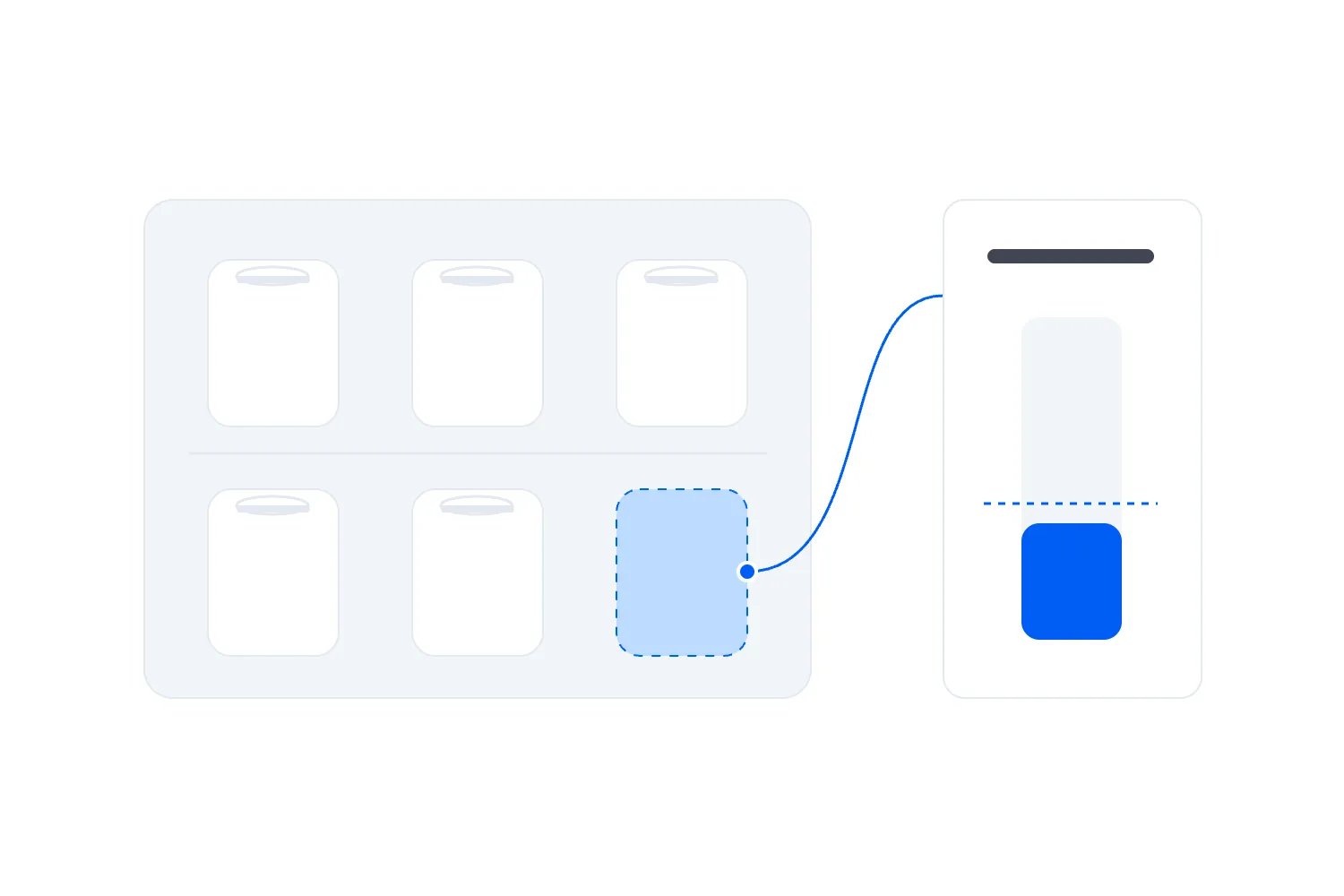
The first thing you want to do is put the programme beside the site plan. Where will people be before a popular act? Where will they go afterwards? Which performances finish together? A total attendance forecast can't answer those questions, and dividing your audience equally between the bars won't make the demand equal.
For each bar, identify the areas it will actually serve. Guests might choose the nearest counter, the one visible from their place in the crowd, or the one they recognise from earlier. A shorter queue behind a tent may attract less trade than a busy counter on the direct route between stages. Visibility and walking distance belong in the decision.
Mark likely demand bursts against the running order. Include arrivals, intervals, stage changeovers and the period before the final performance. Consider food service and toilets too. A guest may combine those trips, which puts several different queues into the same area even when each operator planned their own concession sensibly.
Use previous transaction timestamps where you have comparable records, but ask what those records missed. A bar that stopped taking orders during a terminal failure may appear to have had a quiet interval. People who saw the queue and walked away won't appear in completed sales. Pair the export with observations from the bar and crowd teams.
For a first edition, write your assumptions down and ask the operator to challenge them. What changes if more guests stay near the main stage? What happens if rain makes a covered bar more attractive? You aren't claiming to predict every purchase. You're finding the service points that would struggle if a plausible change happens.
Keep this work connected to the operation. Our guide to improving bar sales at a ticketed music venue covers the commercial decisions behind service. Here, the decision is where an order can be completed and how guests reach that service without obstructing everyone else.
Measure completed orders rather than terminal taps
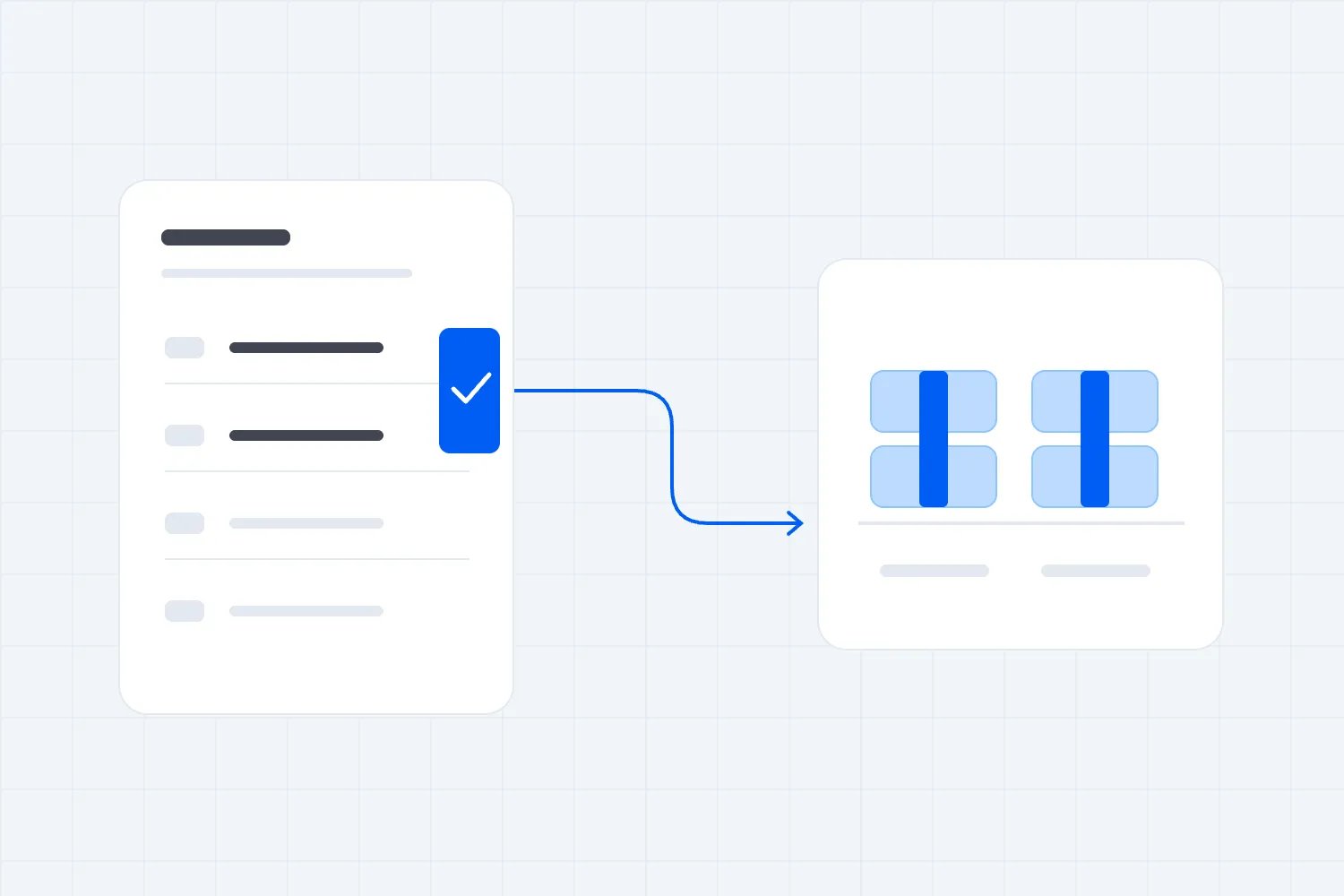
A fast payment demonstration tells you very little about the whole bar. Someone still needs to understand the menu, check an order, apply the age verification policy, prepare the drinks and hand them over. If the guest waits for collection after paying, the service hasn't finished just because the transaction appears in the till report.
Define an order consistently before testing. One transaction might contain several drinks; another might contain one bottle of water. Drinks per hour, transactions per hour and customers served per hour describe different things. Use the measure that matches the decision and keep the others available to explain why performance changed.
Try a realistic mix of orders with the people and equipment you intend to use. Include someone who changes their mind, a payment that needs another attempt, an unavailable item and an age verification question. These aren't reasons to blame staff for being slow. They are ordinary parts of service that the layout has to accommodate.
Watch where the next order stops progressing. Perhaps the person taking payment is also walking to a shared fridge. Perhaps several servers need the same tap. Perhaps prepared drinks can't be handed over because guests are standing in front of the collection point asking about their orders. Adding terminals won't remove those delays.
Keep the test conditions with the result. Record the menu, staff roles, equipment, order mix and any breaks in supply. A rehearsal with pre-positioned drinks and no replenishment isn't evidence that the bar can maintain the same rate all evening. Treat the result as a planning assumption to test again under less favourable conditions.
Ask the bar operator which parts of service can happen together and which depend on another task finishing. That discussion is more useful than accepting a universal bartender ratio. Your menu, service method, equipment and audience determine the work, while the site determines how much space you can safely provide for it.
Give the peak period its own calculation
Daily averages hide the moment you most need to understand. A bar can finish the evening with respectable sales and still fail guests during the short gap between performances. Build a simple comparison between orders arriving and orders completed during the busiest period you expect at that particular service point.
Consider a fictional rehearsal. You assume that 120 orders reach a bar over a ten-minute changeover. Your service trial completes 90 comparable orders in ten minutes. Starting with no unfinished orders, that leaves 30 unfinished at the end of the period, provided nobody leaves or is redirected. These are invented assumptions to explain the calculation, not recommended festival service rates.
Now suppose the same demand continues for another ten minutes and completion stays at 90. The unfinished total becomes 60. That is why a queue can keep growing even though every server is busy. It also explains why catching up during a quieter set doesn't repair the guest experience during the break.
| Label | Orders |
|---|---|
| Start | 0 |
| 10 min | 30 |
| 20 min | 60 |
Don't convert those unfinished orders straight into a crowd footprint. Some orders represent groups; some people wait with the buyer; paid collection may form another gathering. You need separate observation and a site-specific crowd assessment to understand how many people could occupy the area and what space they require.
Try changes to the actual process before approving more equipment. Could replenishment happen without a server leaving? Would a smaller menu at a clearly marked satellite counter serve part of the demand? Would a second location be visible and reachable? Rehearse the revised arrangement instead of assuming each additional terminal adds the same capacity.
The choice also has a cost. Another bar needs people, stock, utilities and management, and may duplicate equipment you already have. Compare that cost with a credible service improvement and the terms of your concession agreement. More completed orders don't automatically mean the organiser keeps enough additional money to justify another location.
Choose bar locations with the surrounding crowd in mind
A good trading position gives guests a reason to find the bar without making everyone pass through its queue. Look at the approach, the waiting area and the route away together. A counter facing a main walkway can be easy to spot while still needing enough separation for waiting customers to remain outside that walkway.
Great Britain's Health and Safety Executive advises organisers to prevent stalls and concessions from blocking pedestrian routes. Apply that advice to the queue at its busiest, not only to the counter when the field is empty. Check local requirements and your event's competent crowd planning arrangements for the actual site.
Avoid using an emergency route, a stage approach or an accessible route as the space a queue can borrow when it grows. That borrowing tends to happen exactly when the site gets busy. If the operation only fits by obstructing another essential function, change the location, service method or demand allocation before opening.
Give each location a reason to exist. A main bar might offer the complete menu and support longer service. A satellite could serve a clearly stated limited range near another audience area. That difference should follow real demand and workable supply arrangements. A remote counter with no reliable replenishment route is another failure to manage.
Check whether moving demand creates a worse problem elsewhere. Sending people across a busy stage-to-stage route may shorten one queue but increase crossing movements. Moving a bar into a sheltered corner could attract a crowd that the corner cannot accommodate. Review the combined movement with the person responsible for the whole site.
Our guide to mapping seating and booths for large events explains the wider layout decisions. Keep the bar plan within that approved site arrangement. Supplier preferences about frontage and branding need to work within the routes and spaces the event actually has available.
Decide whether collection needs a separate position
Keeping ordering, payment and handover at the same position can be easy for guests to understand. They deal with one server and leave with their order. It works best when the range is manageable and preparation doesn't regularly hold up the next transaction. Test that assumption against your real menu.
Separate collection can help when preparation takes longer, but it creates another place people wait. The guest now needs to understand where to go, how staff identify the order, and how they know it is ready. If that explanation takes longer than the preparation it saves, you haven't improved the service.
Try the journey with someone who hasn't seen the plan. Can they tell which opening takes orders? Is the collection sign visible once people stand at the counter? Can they hear an order number over the stage sound? Can they reach their drinks without leaning across someone else's purchase? Watch what they do before explaining it.
Leave enough room for guests to collect and move away without returning through the ordering queue. Include people carrying several cups, someone using a mobility aid and someone waiting for another member of their group. The exit from service should remain usable when collection is busy, rather than depending on everyone leaving immediately.
Agree how staff handle missing, disputed or incomplete orders. A guest who has paid deserves help, but the discussion shouldn't block every subsequent handover. Identify a supervisor or assistance position and make the route understandable. Don't send guests between payment and collection staff who each believe the other person owns the problem.
Bring the operator's actual order system into the rehearsal. Paper slips, spoken descriptions and screen numbers have different failure points. Check that the method works in low light, with wet hands and with the real background noise. The site plan needs to support the chosen process; a collection arrow alone doesn't describe it.
Make the queue understandable before guests join it
People should see the menu, prices, payment method and any restricted range before committing to a queue. Otherwise the first conversation at the counter becomes an explanation of what this bar doesn't sell. Signs need to be readable from the approach people actually use, including once the queue obscures the lower part of the frontage.
Give the queue entrance a clear location. If guests can approach every gap in the barrier, staff will spend time resolving disagreements about who's next. Explain any separate collection or assistance route as well, so someone using it isn't mistaken for a person pushing ahead. Stewards need the same explanation as the signs.
HSE's guidance on event crowd controls and queues says people should be able to leave a queue without moving against those behind them or entering moving traffic. Check that escape from waiting remains possible throughout your proposed arrangement. A long enclosed line needs more thought than placing barriers end to end.
Have a competent person assess the queue arrangement, including the barriers, surrounding movement and safe limits for that location. Don't copy a barrier pattern from another festival and assume its dimensions apply. Ground, slope, lighting, crowd behaviour and the nearby programme can change what is workable and what the team needs to monitor.
Agree what happens when the assessed waiting area approaches its limit. Who stops additional people joining? Where can they receive accurate information about another open service point? Who confirms that alternative can accept them? Redirecting people towards a bar that is closed or equally congested simply moves the frustration and the crowd.
Keep friends waiting for buyers in mind. They may gather beside the collection exit or on the main path without entering the formal queue. Include that behaviour in the walk-through and observations. A tidy line on the plan can still create an awkward crowd if the surrounding waiting and meeting space has been ignored.
Build access into ordering and collection
An accessible counter won't help much if the route to it is obstructed, the terminal cannot be reached or collection happens somewhere else that the guest cannot use. Follow the entire purchase. Guests should be able to approach, understand the options, order, pay, receive their drinks and return to the festival.
For US facilities covered by the ADA, the Access Board's sales and service provisions address different counter functions and accessible queues. Its advisory explains why access only at ordering is insufficient when collection happens separately. Check the applicable standards and local professional advice for your event rather than treating this example as a worldwide specification.
Ask your access lead to review the arrangement with the bar operator. They should consider the route surface, approach space, counter and terminal position, communication and assistance. A lowered section used for spare cups or a queue gate that staff keep closed can defeat a design that looked fine at the planning meeting.
Make assistance a normal part of the briefing. Staff need to know how someone requests help and how to respond without sending them around the site looking for an unavailable manager. Some guests may need more time to communicate or pay. Your service test should include that time instead of treating it as an exceptional disruption.
Keep the accessible route usable during restocking and clearing too. It's easy to inspect an empty counter and miss the case of drinks that appears there during the rush. Give supplies and waste their own locations, and have the supervisor check the working setup after the first busy period as well as before opening.
Use our event accessibility checklist to connect the bar with the rest of the visit. The important question is whether the guest can use the event's services in practice. A helpful member of staff shouldn't have to improvise the same workaround for every customer who needs access.
Plan replenishment behind the counter
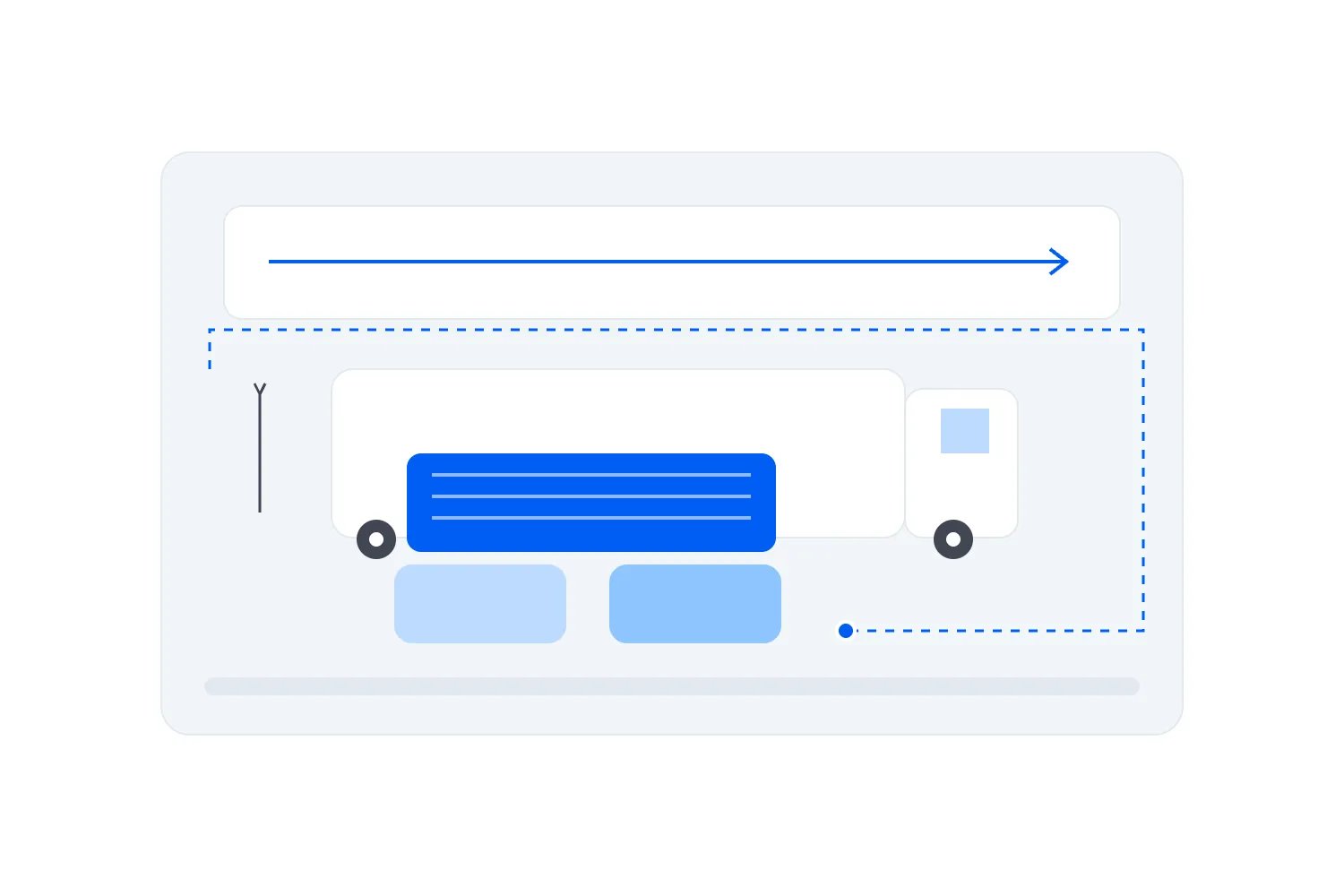
Now follow a delivery through the service point. Where does it arrive? Where does unopened stock wait? How does chilled stock reach the server? Where do empty containers and waste go? If every route uses the same narrow working space, the counter may stop functioning as soon as a runner tries to replenish it.
Get the full equipment footprint from the supplier, including working access and the space needed to use and service it. A fridge needs more than the rectangle occupied by its cabinet. Doors open, staff turn, stock gets moved and equipment may need attention. Confirm those requirements with the people supplying and operating the installation.
Place frequently used supplies where staff can reach them without repeatedly crossing each other. Reserve the agreed spaces for that purpose. Sponsors' display items, spare packaging and personal bags can gradually occupy the working area if nobody controls it. A useful layout shows where those things belong as well as where the servers stand.
Great Britain's HSE recommends separating people from site vehicles and planning trade access. Apply that to deliveries and waste collection as well as the initial build. Plan public-area vehicle work before admission wherever possible and agree controlled arrangements for any unavoidable movements with the site's transport lead.
A rear service route still needs a destination and a responsible person. Identify who receives deliveries, checks where they should go and keeps storage from spreading into that route. If the bar operates through an outside concessionaire, confirm which responsibilities belong to them and which depend on the festival's own site crew.
Check ground and drainage conditions with the suppliers too. A route that works for an empty trolley on dry grass may fail after rain or repeated use. Agree how the operator reports deterioration and which alternative is actually available. Don't make last-minute public-area vehicle access the assumed solution to an inaccessible store.
Keep licensing and welfare tasks in the service plan
Age verification, refusal of service and access to drinking water need to work when the bar is busy. Include them in the physical arrangement and staff briefing. If the only space for a difficult conversation is the main order position, the team will face pressure from waiting guests while trying to handle it properly.
Rules depend on your location and licence. The UK government's alcohol licensing guidance, covering England and Wales, lists mandatory conditions including age verification, smaller measures and free potable water. Check the actual conditions and their qualifications with the licence holder. A festival elsewhere needs the requirements of its own jurisdiction and permission.
Place water information where guests can find it, and agree how the service works at each relevant point. Consider people asking only for water, people who don't drink alcohol and people accompanying children. A plan that directs every request into the busiest alcohol queue deserves another look with the welfare and licensing teams.
Brief bar staff on who can help with a refused sale, a distressed guest or a concern about someone's welfare. Identify the communication method and the meeting location if assistance is needed. Staff shouldn't have to leave their position and search for security while a queue forms around the person they are trying to help.
Include cleaning, spills and waste removal in the plan. A dropped drink can affect the collection exit or the accessible approach even when the counter keeps trading. Decide who responds and how the team temporarily protects the affected area. Leaving the job to whoever notices first makes the response depend on spare attention.
These arrangements affect service capacity, which is another reason to rehearse the complete operation. You don't want a forecast that only works when staff skip the checks and assistance they are supposed to provide. If proper service takes longer than your original assumption, change the assumption and the resources around it.
Agree the working plan with every bar operator
A festival with several concession operators needs one shared view of the public space. Each operator may have a reasonable plan for their own counter while assuming their queue can extend into the same area. Bring the layouts together before approving frontage, deliveries or branding. Someone must decide how the whole area operates when both bars are busy.
Ask each operator to confirm the service method, equipment, staffing roles, storage requirement and replenishment route against the same current site plan. Record the menu and collection arrangement as well. If one operator later adds cocktails or separate collection, that may change preparation time and waiting space even though the counter itself hasn't moved.
Include the obligations that depend on another supplier. Who provides power and confirms the connection is suitable? Who supplies connectivity, tests it and supports it during trading? Who removes waste, and when can they reach the collection point? Put a named person against each dependency so the bar manager can resolve a problem without contacting several unrelated teams.
The concession agreement should match the physical plan. Check who pays for another terminal, an extra runner or a change in counter position. Agree how you will review a requested addition rather than letting the operator install equipment wherever there appears to be room. Cost responsibility and site approval are separate decisions, and both need an answer.
Give the final arrangement a clear date or version and make sure supervisors can find it. During the build, compare the installation with that agreed plan. A counter shifted to avoid a cable or a storage cage placed behind a neighbouring bar can alter the routes you reviewed. Resolve those changes with the affected teams before trading begins.
Rehearse the busy period and one realistic failure
Walk through the installed bar before the audience arrives. Use the actual approach, queue, counter, collection point and return route. Check signs with staff standing in their working positions and supplies in place. Then view the area from the direction guests will arrive after a set, rather than only from behind the till.
Ask the operator to run a representative service trial. Include restocking while orders continue and assistance for someone who needs it. Watch whether the runner blocks the server, whether paid guests obscure the next order position and whether anyone has to reverse through the queue. Record specific changes and retest the affected part.
Next, remove something the plan depends on. A terminal loses connection, a fridge becomes unavailable or a delivery is delayed. The relevant supplier should explain the supported fallback and its limits. Staff need to know whether they can continue, reduce the range, pause orders or direct people to another service point.
Make sure the fallback doesn't create an unreviewed crowd arrangement. Opening a spare counter in an empty-looking corner may block a route or put guests into a delivery area. Agree usable alternatives while the site team can assess them, then put those choices in the briefing. Improvised service positions can have consequences beyond the bar.
Name the person who can authorise each change and tell event control. A bar supervisor may adjust staff positions within the agreed setup, while a relocation or a change affecting public routes needs wider coordination. Everyone should understand that distinction before the pressure of the first queue makes the decision urgent.
Be careful with the idea of moving staff to the busiest bar. A quieter counter may still need its agreed supervision, accessible service and licensed responsibilities covered. It may also become busy when the next act ends. Ask the supervisors to confirm the effect on both locations before moving people, and update the crew briefing so everyone knows where help is available.
Likewise, tell guests about another bar only while that information is useful. An arrow towards a shorter queue becomes misleading when the second location closes or its menu changes. Assign someone to update temporary signs and tell stewards. If the alternative is a long walk, guests should understand what they can buy there before they leave their current area.
Watch the whole service during the festival
Sales reports help, but someone also needs to watch what's happening in front of and behind the counter. HSE's crowd monitoring guidance identifies refreshment areas and queues among the places likely to need attention. Give that responsibility enough time; it won't happen reliably as an extra task for someone already taking orders continuously.
Watch the approach, the queue boundary, collection, nearby routes and replenishment. Report where the problem occurs and what has changed. A message that collection is blocking the exit gives the supervisor something to investigate. Saying the bar is busy doesn't distinguish ordinary demand from a service failure or a developing crowd problem.
Check the bar names used on maps, signs and radios before opening. If guests call a counter the woodland bar while control knows it by a supplier number, add the public name to the briefing so reports reach the supervisor.
Keep commercial assumptions honest when reviewing the result. A shorter wait may mean guests spend more time watching the show, choose a different drink or buy nothing further. Don't count every minute saved as additional revenue. Compare actual completed sales and direct costs, then review the experience alongside them. The layout should support proper service whether the guest buys alcohol, water or a soft drink.
For the next edition, ask for comments about specific locations and periods. Which collection point was difficult to find? Where did a runner lose access? Which route became awkward after dark? These answers can identify a change worth testing. A general request to make the bars faster rarely tells the supplier what to redesign or the organiser what that improvement will cost.
Keep a short record of the period, observed issue, action and result. After the festival, compare that with completed orders, the programme and the operator's account. You'll have a better basis for the next layout than a total sales figure or a memory of which counter seemed busiest. Change the parts that failed, and keep the evidence behind the decision.

Author: By the Loopyah Content Team
The Loopyah Content Team shares expert insights, practical guides, and industry updates to help event organizers create unforgettable experiences and stay ahead in the event planning world.