· 21 min read
How to deliver pre-booked extras without creating another queue
You've sold the tickets, the lunch packages and the souvenir shirts. Then the doors open. Someone wants to collect four lunches while their colleagues are still outside. A shirt buyer has the confirmation but needs a different size. Your entrance staff are trying to help both of them while the admission line grows.
Pre-booked extras should make the visit easier. To deliver them well, separate collection from admission where it would slow entry, reserve enough stock for paid orders, and check each purchased entitlement against a record that changes when you hand it over. Build collection times around the programme and rehearse the actual handover before promising a quick service.
The interesting part is how much of the delay happens before a server touches a scanner. A buyer can't find the counter. Stock is stored behind another department. Nobody knows whether one person can collect for a group. Those are decisions you can settle before the event, and doing so usually matters more than adding another device.
This guide works through event add-on redemption as an operating job. We'll use a paid conference with advance lunch orders and shirts as a running example. The quantities and timings are invented planning assumptions, not measurements or recommended limits for your event.
Start with the promise behind each purchase
Before arranging collection, write down exactly what people bought. An admission ticket, a meal, a shirt and access to a small workshop are different promises. Even when someone buys them together, they don't necessarily use them together. Your delivery process needs to recognise that difference.
A lunch order might cover one specified meal during the conference break. A shirt order needs a size and perhaps a colour. A workshop place has a start time, a room and a participant limit. Treating all three as an unnamed extra makes it harder to prepare stock and harder for staff to answer a simple question about what remains available.
For each purchase, record the unit. Is it one item, one person, one vehicle or an entire group? Then decide who can use it and whether collection can happen in parts. If a company orders four shirts, you need an answer when one colleague collects two and another arrives later. Marking the whole order collected would leave the second person with a problem.
The same applies when a buyer holds everyone's tickets. Can attendees receive their own collection details, or must the buyer attend with them? Both arrangements can work, but the team and the buyer need to understand which one you've chosen. Don't advertise independent collection if the only record your staff can find belongs to the purchaser.
Our guide to deciding which event extras to charge for separately covers whether an offer should be an extra at all. Once you've accepted payment, the question changes. You need to deliver the specific benefit you sold, including promises made in earlier ticket releases.
Read those earlier descriptions before preparing the final list. Perhaps early buyers received a shirt in their package while later buyers bought it separately. Both groups still need their shirts. A collection list based only on the current checkout could miss a promise you stopped advertising weeks ago.
Separate entry, collection and problems that need investigation
Start by walking the buyer's route through the venue. They arrive, enter, find their way and collect what they bought. Put each task where staff can perform it without blocking the next one. That doesn't always mean separate desks. It means understanding what each interaction does to the people waiting behind it.
Handing over a simple wristband during admission may add very little work if it is already within reach. Searching a stack of boxes for a particular shirt size is different. So is explaining a missing lunch order. If an extra routinely needs retrieval, a choice or a conversation, give it a collection process after entry.
Keep new purchases apart from straightforward collections when browsing and payment would slow the handover. Someone collecting an already reserved shirt shouldn't wait while another customer tries different sizes and decides whether to buy. You might use a nearby sales position with its own stock, rather than another complete retail area.
Then give difficult cases somewhere to go. The collection team needs a supervisor who can investigate an order without occupying the serving position. Tell the buyer where to wait and what happens next. Moving someone aside only helps if a named person takes responsibility and follows through.
Great Britain's Health and Safety Executive advises that queues must not block emergency access routes and that people need a safe way to leave them. Use the venue's crowd plan when choosing collection locations. Space beside a doorway can look convenient until a lunch queue covers the doorway.
Look at the route with the venue team during the same hours you expect service. A counter beside the main room may work during talks and obstruct everyone during the break. Account for people stopping to read signs, meeting friends and carrying items away. The handover point needs usable space around it, not simply enough room for a table.
Work out how many collections fit into the available time
Your stock count doesn't tell you how many buyers you can serve before the next session starts. You need to test the complete handover. Include finding the purchase, confirming what remains, retrieving the right item and recording delivery. Time the task under something resembling actual service conditions.
Suppose the conference has 180 prepaid lunches and a 30-minute break. In this hypothetical rehearsal, one serving position completes an uncomplicated collection every 30 seconds. That's two collections a minute, or 60 across the whole break. Three positions could theoretically complete 180. They would also need to work continuously without a single delay.
That is a fragile plan. A buyer looking for their confirmation, a restocking pause or a question about ingredients takes time away from the same window. You can't use the theoretical maximum as a service promise. Decide what allowance is sensible after rehearsing ordinary delays and discussing the layout with the caterer.
Try changing the operation before adding staff. Could meals be ready for handover sooner? Could buyers choose their meal in advance? Can the kitchen supply the collection positions continuously, or will all the servers wait for the same batch? Extra scanners won't help when food preparation determines how quickly anything can leave the counter.
Next, compare how quickly people arrive with how quickly you can serve them. If most of the 180 buyers reach collection together at the start of the break, a queue forms even if everybody is eventually served. Spreading collection through the programme can help only when attendees have a realistic opportunity to use those times.
Don't invent precision your test doesn't support. A calm rehearsal with staff who know the process won't reproduce a busy break perfectly. Use it to identify the slow step and set a conservative sales limit. Then monitor actual collection during the event and keep someone available to change the arrangement if the assumptions prove wrong.
| Label | Collections |
|---|---|
| One position | 60 |
| Three positions | 180 |
| Prepaid lunches | 180 |
For a bookable experience, rehearse the return journey as well. Buyers need time to leave the main programme, reach the activity and return afterwards. If the session ends when the next talk starts, even perfect admission at the activity won't solve the clash. Include those walking times when deciding which slots you can responsibly offer for sale.
Use collection windows buyers can actually keep
A collection window is useful when it spreads work across time that genuinely exists. It's less useful when every attendee is in the same session until noon and you've assigned half of them an 11:45 lunch pickup. People shouldn't have to miss the event to receive an extra you sold alongside it.
Start with the programme, then ask the supplier which periods they can support. Shirts might be collected before the opening session, between sessions and later in the day. Meals need a different plan because preparation, quality and food safety affect when they can be served. Don't apply the same collection schedule to everything just because one email is easier to send.
For our conference, you might open shirt collection before the first talk and keep it available through the afternoon. That removes a reason for shirt buyers to join the lunch queue. Whether lunch needs staggered breaks, more serving capacity or a simpler offer is a separate decision with the programme and catering leads.
Explain what a window means. Is it a recommended time to spread arrivals, or a reservation the team can only fulfil then? Can someone collect late? What happens if a session overruns? A strict deadline needs a workable response to delays caused by your own event.
Reserve flexibility for genuine access needs and predictable disruptions. Someone using an accessible route may take longer to reach the counter, and colleagues may arrive on different transport. Your staff need a clear way to help without making every late collection a negotiation with management.
Stop selling when the remaining delivery capacity is committed. If you add purchases on the morning of the event, check both available stock and the collection window they will use. A shirt in a storeroom isn't ready to sell if the only person who can retrieve it has already left for another job.
Prepare stock around paid orders
Pre-booking gives you information you can use before anybody arrives. Organise stock so staff can retrieve the sold items quickly and accurately. For shirts, that usually means clear separation by size and variant, with counts that match the orders assigned to that location. Keep similar-looking items distinguishable under the lighting staff will actually use.
Avoid putting every order into a named bag automatically. That may help when most buyers collect several different items together. It can make things harder when colleagues collect separately or orders change after packing. Choose a packing method around the way people will collect, and test it with realistic group orders.
Distinguish reserved stock from stock available for new sales. Otherwise a busy seller can sell the last shirt in a size that a prepaid buyer expects to collect later. If both activities use one stock record, check how reservations stay protected. If they use different records, appoint someone to control transfers between them.
Check deliveries before opening collection. Count items, inspect damage and confirm variants against the supplier's paperwork. A sealed carton labelled medium doesn't prove every shirt inside is medium. Discovering the problem while customers wait gives you fewer options and puts the collection team in an argument they didn't create.
For food, involve the catering lead in preparation and handover decisions. Current ingredient information needs to follow the actual meal, including substitutions. The Food Standards Agency's allergen information guidance explains applicable allergen information requirements, including information before purchase and at delivery for relevant distance sales. The linked guidance covers England, Wales and Northern Ireland; Scotland has separate Food Standards Scotland guidance. Check the rules for your location and food arrangement with the responsible supplier.
Keep replacement stock deliberate. Decide what it covers, who may release it and how staff record its use. An uncounted box of spare shirts can hide errors all day and leave you unable to explain the final difference. The aim is enough flexibility to resolve genuine mistakes while preserving an accurate account of what happened.
Check the entitlement and record what you hand over
A confirmation tells you a purchase happened. Your serving team also needs to know whether it is still valid, what it covers and whether somebody has already collected it. A screenshot can help identify an order, but it doesn't answer those questions on its own.
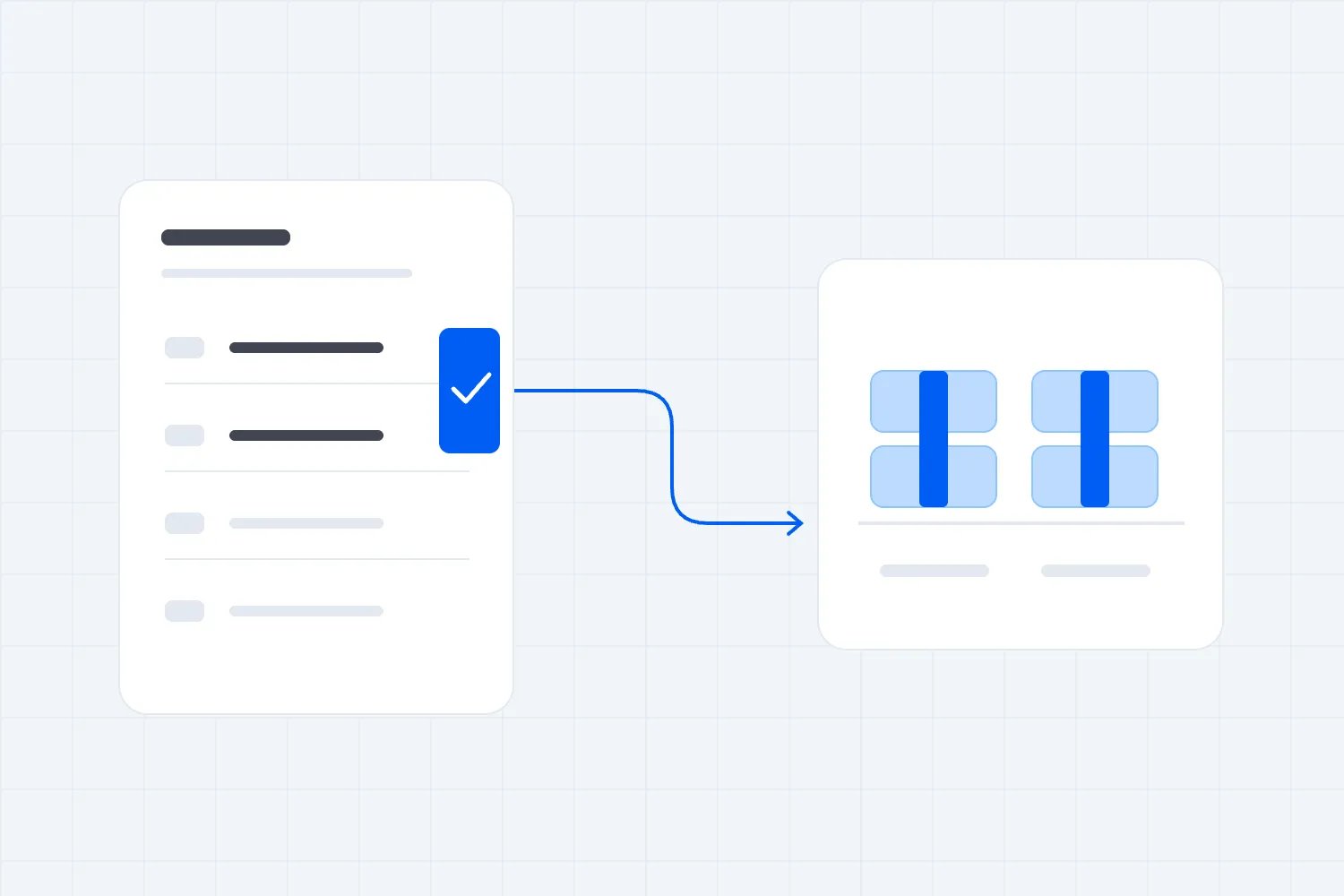
Use a process that checks the current purchase and records each delivery against it. For a single shirt, that may be one completed collection. For four lunches collected separately, it needs to preserve the remaining quantity after each handover. If the system only supports complete orders, change the collection arrangement or use a suitable fulfilment process before promising partial collection.
Keep admission and extras distinct. An admission scan proves the person has been checked into the event. It doesn't establish that their lunch has been served or that their shirt remains uncollected. Using the same code to find different records can be workable, but staff still need the correct action and result for the job they're doing.
Test what the screen says after an attempted collection. A clear success message should identify the item and quantity. A refusal should distinguish a used entitlement from an unavailable record or a connection problem. W3C's guidance on accessible status messages explains why success, progress and error information needs to be available to assistive technology. Include accessibility when choosing customer-facing collection tools.
For admission, Loopyah's ticketing tools let door staff scan QR tickets with check-in access. Keep that entrance task clear for your team. Before selling separately collected extras, test the specific fulfilment tool you intend to use for those purchases. Don't assume an admission check-in also maintains an item collection record.
At handover, staff should confirm the item and quantity with the buyer, record delivery using the agreed process, and check that it succeeded. Rehearse a failed connection during that sequence. The team needs to know whether the system recorded the handover before they try again, or a simple retry can leave a misleading record.
Make group collection and substitutions manageable
Groups create some of the most predictable exceptions, so decide their rules in advance. If one buyer orders lunches for several colleagues, you can require collection together, assign individual entitlements, or support partial collection against the order. Choose what your process can reliably do and explain it before people pay.
A shared confirmation sent to everybody isn't a collection policy. It may let the first person take everything, or allow several people to present the same order without knowing what remains. Tell attendees how they receive their share and what details staff will use to find it.
For our conference, suppose the buyer's four lunches can be collected in parts. After two are handed over, the order needs to show two remaining to every serving position. Staff should see enough information to identify the purchase and quantities without opening unrelated payment or attendee details.
The UK's Information Commissioner's Office describes data minimisation as holding personal data that is adequate, relevant and limited to what's necessary. Apply that principle when giving vendors access. A shirt collector may need an order reference and size, not the buyer's whole customer history.
Also decide who can approve changes. If a buyer wants a different shirt size, check available unreserved stock before agreeing. Record the returned or unissued size and the replacement so both the order and stock count remain understandable. Don't solve one customer's request by using an item another buyer already reserved.
A food substitution needs more care than a size swap. The catering lead must verify the actual product and relevant ingredient information. Staff shouldn't improvise an assurance about allergies because a replacement looks similar. If the promised item cannot be supplied, use the agreed alternative or remedy and record what the buyer accepted.
Send collection instructions that answer the practical questions
Write the collection message as if the buyer is reading it on a phone while travelling to the venue. Tell them what they bought, where to go, when collection is available and what to present. Use the same item names that appear on the event page, the confirmation and the signs at the counter.
Avoid internal location names that mean nothing outside your team. The buyer doesn't know which room operations calls the south service zone. Use a recognisable entrance, floor or nearby room name that matches the venue's signage. Check that the route exists for someone arriving through the accessible entrance too.
A useful shirt message could say that collection is inside the foyer after admission, remains open through the afternoon, and requires the purchase confirmation. If only the buyer can collect the complete order, say so. If colleagues can collect independently, explain the actual method rather than asking everyone to forward an email and hope.
Give buyers a contact route for corrections before collection opens. A wrong size or a missing colleague is easier to investigate before a queue forms. State any deadline honestly and explain what happens after it. A message sent after the packing cutoff should not promise changes your team can no longer make.
Loopyah's attendee email tools support event updates and scheduling, so you can send practical instructions to ticket holders. Keep that message about the purchase and visit. If you need to reach only buyers of a separately managed extra, first verify that your recipient selection matches those actual orders.
Then read the email beside the collection setup. If it promises a counter that moved during load-in, update the information through the same customer route. Brief the entrance team as well. They'll be asked where collection is even if they don't handle the extras themselves.
Plan access and connection failures before service starts
A working phone and a clear queue won't meet every attendee's needs. Walk the route and collection point with the venue's access arrangements in mind. Consider counter access, space to turn and leave, communication needs and alternatives for someone who cannot remain standing in a line.
The US Department of Justice's small business accessibility guidance covers access to service counters and routes as part of serving the public. Its legal context is the United States. Use the requirements that apply to your event and ask the venue to confirm the physical arrangements, rather than copying a measurement from a general article.
Make the alternative usable. A buyer shouldn't have to disclose private medical details to a temporary server to receive a reasonable collection arrangement. Brief staff on how to request help, where the buyer can wait and who will bring the order. Keep the same entitlement checks so assistance doesn't create a confusing parallel record.
For connectivity, test at the actual counter with the actual devices and accounts. Ask the provider what happens if a device loses connection after recording a collection but before displaying success. Also ask whether two disconnected devices can accept the same entitlement before they exchange updates.
If offline records cannot prevent duplicate use across locations, choose a controlled fallback. For a small operation, you might suspend a second collection point and use one designated record under a supervisor. That reduces capacity, so the supervisor also needs authority to adjust the queue and communicate delays. Don't leave vendors independently inventing replacements.
Use a dated, controlled backup only where it fits the operation. A printed list becomes outdated when purchases, refunds and collections continue elsewhere. Define when it may be used, who holds it, how handovers are marked and how records will be reconciled. Keep it secure and return it to the person responsible after service.
Rehearse the exceptions and brief the people serving
An ordinary test order proves very little about the cases that delay service. Ask colleagues to play buyers with missing confirmations, partially collected group orders, refunded items and the wrong event date. Include an attendee who needs help reaching the collection point and a supplier who brings the wrong variant.
Run those tests with the people who will serve, using their own access permissions. A manager's account may show information a temporary server cannot see. The briefing should explain the normal handover, the point where staff stop and call the supervisor, and the information they record when something unusual happens.
Keep the exception record short enough to use. Capture the order reference, item, quantity, time, reason and person who approved the decision. Include what actually happened, such as a replacement issued or refund requested. A vague note saying sorted won't explain a stock difference or a later buyer complaint.
Tell staff what they can promise. Can they reserve a replacement for tomorrow, arrange shipping or authorise a refund? If only the supervisor can make those commitments, the team needs a prompt way to reach them. Otherwise customers receive promises the event can't fulfil, and the next staff member has to undo them.
Once service begins, watch the real queue and retrieval work. If several buyers have the same problem, fix the instructions or stock arrangement. Don't treat every repeat question as an individual customer error. It may be the first clear evidence that your plan doesn't match how people are arriving.
Decide what happens when collection goes wrong
You need a clear distinction between a buyer missing an agreed collection time and your team being unable to supply the purchase. If a paid shirt is missing, telling the customer to come back later doesn't resolve the obligation. Find out whether the item is delayed, incorrectly stored or unavailable, then offer a response your team can actually complete.
Make those decisions before opening service. For a shirt you might arrange delivery after the event, with the customer's agreement and a confirmed address. A lunch that arrives after the conference is over needs a different remedy. The supervisor should know the options available for each item, along with any applicable consumer rights and the terms of the sale.
Don't leave a promised refund as a note nobody owns. Record the amount, order reference, reason and person responsible for processing it. Tell the buyer how and when you'll confirm the outcome. Check that the item can no longer be collected against the original entitlement, or the refund and the serving record may contradict each other.
Late collection also needs an answer. Decide how long staff and stock remain available, whether another person may collect, and how you contact customers with outstanding purchases. Explain the arrangement before payment and repeat the closing time in collection instructions. Have the supervisor review unresolved orders before the team packs away, rather than discovering them when the supplier's vehicle has left.
Keep the reason for noncollection when you can establish it. Someone who chose to leave early presents a different operating question from someone who waited through the break and gave up. Ask without making the customer prove that your service was inconvenient. That information helps you decide whether to change the window, the staffing or the offer itself.
For the conference example, imagine a shirt buyer reaches the desk after the afternoon window because the earlier line was too long. If the team still has the reserved item, handing it over and recording collection may be the simplest answer. If everything is packed, the supervisor needs a realistic way to retrieve it or arrange the agreed remedy. A rigid refusal can turn a manageable delay into a more expensive support problem.
Finally, control who closes the operation. Collection staff, retail staff and the supplier may each finish at different times. Name the person who checks outstanding orders, counts reserved stock and approves release of that stock. Paid purchases shouldn't become general sales inventory just because the busiest part of the day is over.
Reconcile purchases, handovers and remaining stock
Finish by comparing what you sold with what you delivered and what is still owed. Record collected quantities, cancelled or refunded purchases, approved replacements and outstanding claims separately. An uncollected item is a different situation from an item you failed to supply, even if both remain unresolved after closing.
Count stock by the same variants you sold. Compare opening stock, deliveries, customer handovers, new sales, damage and approved transfers with the closing count. Investigate differences while the serving team can still explain them. A total shirt count can match while individual sizes are wrong.
Agree supplier settlement from the contract and the verified records. Some suppliers charge for committed quantities; others charge for fulfilled orders. Collection records help you check delivery, but they don't automatically change the payment terms. Resolve disputed entries explicitly rather than quietly altering either side's totals.
Then look at the operation's cost. Include collection labour, replacements, support work and any delivery you promised afterwards. Our guide to pricing merchandise and ticket add-ons helps connect those costs with the money the offer leaves behind. A busy collection desk isn't proof that the extra was worth running.
Before your next event, choose the specific changes the evidence supports. That might mean earlier shirt collection, fewer variants or a different lunch service. Start with the failure buyers encountered and test the revised handover. Keep the extra only when you can deliver the promised benefit within the time and cost your event can support.

Author: By the Loopyah Content Team
The Loopyah Content Team shares expert insights, practical guides, and industry updates to help event organizers create unforgettable experiences and stay ahead in the event planning world.