· 21 min read
How to decide which event extras to charge for separately

You've agreed on the ticket price, and now the extras are piling up. Lunch. Parking. A workbook. A smaller session with the headline speaker. You could include everything and raise the price, or keep admission cheaper and let people choose. Both can work. The trouble starts when you're unclear about what someone actually bought.
Include everything promised in admission, and disclose anything attendees must supply themselves. Charge separately for a genuinely optional benefit that some attendees value enough to buy, provided you can deliver it without making the standard experience worse. Then check what that choice does to the whole event's profit and to the buyer's total cost.
That's the real decision behind event add-on pricing. Working out the price comes after you've decided whether the extra should exist as a separate purchase at all. A profitable lunch package can be a useful service. Charging attendees for the materials they need to complete your advertised workshop is a very different proposition, even if both appear as another item at checkout.
Let's work through the distinction, including the awkward cases where an extra looks optional on your order form but doesn't feel optional to the person attending.
Start with the event someone thinks they're buying
Before you look at supplier quotes, read your event page as a buyer. What have you promised them? Be specific about the activity, the access and the result they're expecting. A drawing workshop, a full day of conference sessions and an evening concert create different expectations, so a universal list of chargeable extras won't help much.
Imagine you're selling a paid drawing workshop. The description says people will learn a technique and complete a piece during the session. They need suitable materials to do that. You might supply those materials within admission, or explain clearly that attendees bring their own and list exactly what's needed. Advertising a complete experience and revealing a compulsory materials purchase later creates a problem you could have avoided while writing the offer.
Now imagine offering a premium set of tools to take home. Someone can complete the workshop with the included supplies and decline the premium set without losing the advertised lesson. That's a stronger candidate for a separate charge because the buyer understands what changes when they buy it.
The question isn't whether an item costs you money. Nearly everything does. The question is whether separating it helps you serve different needs while keeping the original promise intact. Our guide to how attendees judge event value explains why the whole experience matters when someone decides whether the ticket felt worth its price.
Write a plain description of the standard ticket before adding upgrades. If your team can't agree on what a buyer receives without paying another dollar, resolve that first. Otherwise you'll sell different versions of the same promise through your ads, checkout and front desk.
Check whether saying no is a real choice
An extra deserves closer attention when almost everyone needs it, there isn't a reasonable alternative, or declining it prevents participation. Calling a purchase optional doesn't change those circumstances. Look at what attendees can actually do on the day, including the location and timetable, rather than relying on a label in your checkout.
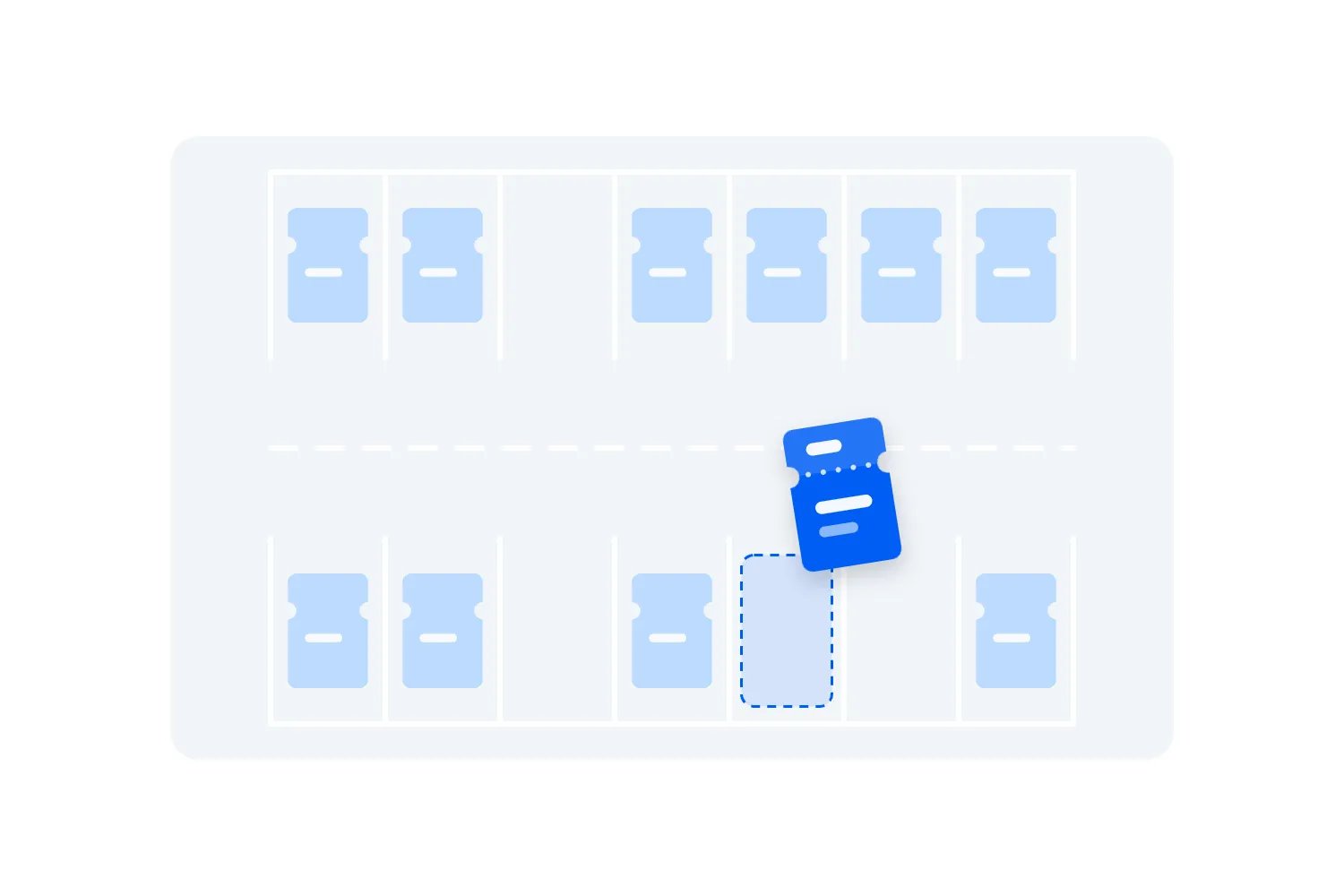
Parking is a useful example. A paid parking space can offer convenience when attendees can also arrive by public transport, walk from nearby accommodation or use other clearly explained options. At a remote site with no permitted pedestrian access and no other practical arrival route, the charge raises a different question. You need to understand the actual journey before advertising a cheap ticket that leaves out an unavoidable cost.
Lunch has the same complication. A meal package is easier to treat as optional if people can bring food, buy from nearby businesses or use an adequate break. If the venue prohibits outside food and the programme gives attendees no time to leave, your lunch offer may feel compulsory regardless of the checkbox. Explain the restrictions early and reconsider the admission package.
There's a legal reason to take this seriously as well. The US Federal Trade Commission's fees rule guidance for live event tickets says mandatory charges generally belong in the displayed total price. Its guidance includes charges for services needed to make the underlying purchase fit for its intended purpose and charges buyers can't reasonably avoid. Genuinely optional purchases receive different treatment, but chosen extras still enter the final payment amount.
That guidance concerns a particular US rule, rather than every ticketed activity in every market. Use it to recognise the issue, then check the requirements that apply where you sell. Commercially, the same review helps you spot charges that will create complaints even before anyone raises a legal question.
Keep basic access out of the upgrade pitch
Some costs belong to your responsibility for running the event. Don't turn them into an upsell because they're difficult to fit into the budget. Safety arrangements, usable facilities and the access needed to receive the event deserve a different discussion from premium hospitality or a souvenir.
Be especially careful with accessibility. An accessible route into the same auditorium isn't a premium convenience. An attendee shouldn't have to buy a hospitality package to reach the event they already paid to attend. Work through the venue's arrangements before deciding what counts as an optional service, and involve someone who understands the applicable accessibility requirements.
For US venues selling assigned seating, the Department of Justice's ticket sales guidance under the ADA says accessible seats can't cost more than nonaccessible seats in the same section. It also addresses comparable service charges and accessible seats across price categories. That specific guidance is a reason to review seating charges carefully, not a claim that every venue situation follows an identical process.
The practical distinction is between meeting an attendee's access needs and offering an additional experience they freely choose. A premium dining room can be an upgrade. Making the only suitable seating available through that dining package needs a different answer. Ask the venue to resolve access before your sales team starts describing packages.
This also protects your staff. If the checkout creates an unfair condition, the people at the entrance end up trying to explain it to someone who has already travelled. A clear, workable admission offer gives them something they can deliver consistently, without negotiating individual exceptions in a queue.
Charge separately when needs genuinely differ
A strong optional extra solves a particular problem or gives someone an experience they want beyond admission. The value should be easy to explain without suggesting that the standard ticket is incomplete. This is where separate charging can improve the offer for both the event business and its customers.
Take a conference attended by local operators and people travelling from another city. Locals may prefer to go home after the final session. Visitors might value an evening dinner where they can meet other attendees. Including that dinner in every ticket means asking the first group to fund something they don't want. Offering it separately lets the second group choose it, provided the daytime networking promise remains credible.
A recording package can serve people who want to revisit detailed teaching after the event. But first check what you advertised. If access to recordings already appears in the ticket description, it isn't available to sell again as an extra. You also need the rights and a delivery plan before accepting money for it. The fact that a recording is technically possible doesn't establish permission to distribute it.
The same logic applies to merchandise, premium refreshments and an additional practical session. Different attendees may value them differently. You can offer that choice without claiming everyone needs the upgrade to enjoy the event. Explain the added benefit and let the buyer decide whether it fits their plans.
Don't confuse variety with a better offer, though. Every extra creates another decision for the buyer and another promise for your team. Start with the options that solve clear needs. If you can't explain who would want an item and why, more checkout copy probably won't rescue it.
Watch for upgrades that weaken everyone else's experience
An extra can be desirable, profitable and still be a poor decision for the event. That happens when the benefit comes mainly from making the standard experience less comfortable. You need to assess the effect on the people who decline it as carefully as the effect on those who buy.
Priority entry is an obvious case. You can offer a separate arrival service when you have the capacity to run both routes properly. But if ordinary admission now involves an avoidable, badly managed queue, you're asking attendees to pay to escape an operating problem. Work out staffing, arrival times and processing capacity before using faster entry as a revenue idea.
A reserved viewing area raises similar questions. Where will it go? Does it obstruct the view that general admission buyers reasonably expected? How much public space disappears? A plan that looks attractive on a pricing sheet can change the experience for everyone standing behind it. Walk the actual layout with the production team before selling the benefit.
For a conference, consider whether the premium session removes the promised expert from the main programme. A small additional discussion can be valuable. Moving the meaningful teaching into that discussion after advertising it to all ticket holders changes what standard admission delivers. Keep the original programme honest and describe the extra's scope clearly.
One useful test is to remove the upgrade from your plans temporarily. Can you still describe the standard experience with confidence? If you find yourself excusing its queue, view or access because people can pay more, improve that experience before offering the upgrade. Your lower spending attendees still bought a ticket, and their willingness to return matters to the business.
Compare inclusion, an extra and a separate ticket package
Once an idea passes those checks, decide how people should buy it. You usually have several workable choices. Include it in admission, offer it as an optional purchase, combine related benefits in a clearly described ticket package, or leave it out entirely. The best choice depends on what attendees need and what your operation can support.
Inclusion makes sense when most buyers expect the benefit or when separating it creates unnecessary administration. A workshop with a simple shared materials kit may be easier to explain and deliver at one complete price. You still account for the kit in the ticket's costs. Inclusion means the buyer doesn't choose it separately, rather than the supplier giving it to you for free.
A separate extra works better when preference varies and you can fulfil the choice reliably. A dinner with limited places and a booking deadline can be sold separately from daytime admission. The description needs to say whether admission is required, where the dinner takes place and whether guests who haven't attended the conference can join.
A distinct ticket package can make more sense when several benefits belong together. Someone buying admission with an additional workshop may prefer one clearly named option to assembling the experience through several separate purchases. Keep the inclusions visible so buyers can compare the packages without opening a string of explanations.
Loopyah's event ticketing tools let you set up ticket types. That helps you present distinct admission offers once you've decided what each includes. You still own the commercial decision and the delivery promise. Don't assume that a ticket type alone manages a meal allocation, a merchandise stock count or a separate collection process.
You don't have to sell an extra just because it could be sold. A service that needs complicated coordination for little useful income may be better provided by an independent supplier, included more simply, or dropped. Keeping the offer manageable is a commercial decision too.
Look at total event profit before celebrating extra sales
Here's where the decision gets interesting. An extra can sell well while making the event worse financially. You need to know what remains after delivery and whether those purchases changed admission sales, package sales or other revenue. Counting the money collected for extras on its own won't answer that.
Use hypothetical figures to see the issue. Suppose a dinner sells for $40 and costs $28 per guest to provide, leaving $12 before its separate setup costs. If 100 guests buy, that's $1,200 before setup. With $500 of setup costs, the dinner contributes $700. These are invented planning figures, not an expected sales rate or an industry margin.
Now suppose the dinner needs an additional room that would otherwise generate $900 in net income from a confirmed booking. Choosing the dinner means losing that booking. Under those assumptions, the event ends up $200 worse off, even though the dinner itself shows a positive result. You should compare the available choices, rather than approving every extra whose own calculation looks positive.
| Label | Net income |
|---|---|
| Run the dinner (after setup costs) | 700 |
| Keep the confirmed room booking | 900 |
Admission changes can matter as well. If a higher inclusive ticket price reduces paid attendance, you need to account for the lost admission income alongside any savings from serving fewer people. If a separate dinner helps a lower priced daytime ticket appeal to more buyers, that benefit also belongs in the comparison. Neither outcome is guaranteed, so make the assumptions visible.
Our event budget guide helps you keep those income and cost decisions connected. For this decision, compare your realistic event result with and without the extra. Include the staff, space and supplier commitments it requires. A sensible optional purchase should improve the business after those effects, or have a deliberate purpose you can afford to fund.
Separate the decision to offer an extra from its price
After deciding that separate charging makes sense, work through what it costs and what buyers value. You need both. A supplier quote tells you what you must recover; it doesn't tell you whether an attendee wants the offer enough to buy it. Equally, an attractive selling price doesn't help if delivery costs consume the money.
The Australian government's guidance on choosing a pricing strategy explains several approaches, including cost based pricing and pricing around customer value. Applied here, that means checking the full delivery cost while asking what problem the buyer is paying you to solve. A convenient meal between sessions and a decorative souvenir have different reasons to purchase.
Keep that reasoning grounded. Ask previous attendees what they bought around the event, what was inconvenient and what they would have preferred to arrange in advance. If people already leave the venue to find dinner, you have a useful question to investigate. You don't yet have proof that they'll buy the menu, timing and price you're considering.
Check willingness to pay with a specific offer. Describe the meal, location, serving time and price. A vague survey question about whether people like premium options can produce enthusiasm that disappears when payment is required. Where possible, use a limited, clearly described launch that doesn't commit you to more stock or capacity than you can reasonably sell.
Be careful when a supplier needs a guaranteed minimum. A small number of paid orders can validate interest without covering that guarantee. Know your cancellation deadline and what happens below the required order quantity. If the event must subsidise a shortfall, decide the maximum amount before approving the offer, while you can still change the plan.
Review what the buyer will spend across the visit
Your customer may compare events using the amount they expect to spend for the whole visit. Admission is part of that. Travel, parking, food and accommodation may also shape the decision, even when another business collects the money. You don't control every cost, but you can make the ones you know easier to understand.
Walk through a likely purchase as a couple or a group. A modest extra per person can become a substantial addition to a shared booking. A parking purchase might apply per vehicle, while a meal applies per attendee. If those units are unclear, buyers can overorder, underestimate the total or contact your team to correct a mistake.
Describe the unit beside the price. Say whether a reservation covers one person, one vehicle or one table, and give the relevant capacity. Explain whether a companion needs their own purchase. Put important limits where people choose the extra, rather than leaving staff to explain them when the group arrives.
Price disclosure rules also vary by market. The UK's Competition and Markets Authority price transparency guidance covers mandatory charges, drip pricing and situations where price components appear without the overall total. Check your applicable requirements before setting up the offer, including how taxes and other charges should appear.
Beyond the rules, read your advertising and order confirmation together. A buyer should recognise the same offer and understand how the amount changed after their choices. If the lowest advertised price requires an attendance plan that would surprise a reasonable customer, revisit the package and the explanation. You may need a different standard ticket, clearer travel information or a more realistic headline price.
Make the change carefully when people have bought before
An established audience brings expectations from your previous event. Even when this year's ticket description is accurate, removing something familiar can feel like a price rise. If last year's admission included a meal and this year's doesn't, returning buyers need to see that change before they pay. A sentence hidden in the terms won't explain the new offer well.
You can still change the package. Perhaps the meal generated waste, the supplier raised its minimum order, or feedback showed that many attendees preferred making their own arrangements. Explain the decision in useful terms. Say what admission now includes, what's available separately and whether the headline price has changed. Avoid announcing a better, more flexible experience if the main effect is that customers will pay more.
Be careful when comparing year to year. An unchanged admission price alongside a newly separate charge can mean the equivalent visit costs more. Your customer will notice that comparison even if your internal report treats the extra as a new product. Show returning buyers what the equivalent package costs, then explain the other options they can choose.
Already sold tickets need particular care. Don't remove a promised benefit from an existing buyer because you've decided to charge future customers separately. Check what each group bought and preserve those entitlements. Your team needs to distinguish a returning attendee's expectations from a paid entitlement that you actually promised in this year's sale.
For example, you might include dinner in tickets sold during an early release and offer daytime admission later. That's workable only if each offer is clear and your delivery process knows who receives dinner. Don't ask people to prove an old promotion at the serving point because the sales description never reached the operations team.
Give mixed groups a workable way to attend
Optional extras can become awkward when friends or colleagues buy different versions. One person buys the dinner while another only buys daytime admission. One family member wants a workshop and the rest don't. Think through where the people who decline will be and whether the programme gives them a reasonable experience during that period.
An additional dinner after the main programme usually creates a clearer choice than the only meaningful networking session in the middle of it. If attendees bought the conference partly to meet one another, separating the main gathering can undermine the admission offer. You can charge for an additional gathering while still providing the networking opportunity you advertised to everyone.
Also check how group bookings handle quantities. Someone buying admission for several colleagues may need a different number of dinner places. Don't assume every member of an order wants every extra, or that one extra automatically applies to the entire order. Write the purchase instructions around the actual quantities your fulfilment team can see and deliver.
The schedule can make an otherwise optional service difficult to decline. If a paid workshop runs during a long gap while everyone else waits onsite, buyers may feel they have little choice. You might move it before the public programme, shorten the gap, or give standard admission attendees a useful session at the same time. Choose the arrangement that respects what each group purchased.
Keep the language equally clear. Calling an offer "full access" while excluding a central activity invites a misunderstanding that no detailed price calculation can fix. Use names that describe the admission being sold, and make the additional activity visible before purchase. If a buyer needs to study several pages to understand the difference, simplify the ticket packages.
You don't need identical experiences for every budget. You do need a standard experience you can recommend without immediately advising people to spend more. That's a useful conversation to have with the team selling the tickets. Ask which package they'd suggest to someone who wants exactly the event described in your advertising, and listen for any qualifications.
Agree delivery before opening the sale
The extra isn't ready when you've written its description. It's ready when someone can explain how the buyer receives it, who checks eligibility and what happens when something goes wrong. Include the venue and supplier in that conversation before money changes hands, especially when several businesses share responsibility.
For a dinner, confirm the capacity, serving time, dietary arrangements and final order deadline. Know who supplies the attendance list and when changes stop. If a buyer changes their ticket name, find out whether that change reaches the dinner operator. A correct admission record doesn't automatically mean every supplier has the right information.
Food also creates responsibilities beyond pricing. The UK Food Standards Agency's allergen guidance for food businesses describes providing allergen information for prepacked and nonprepacked food and managing allergens during preparation. Requirements depend on where and how food is supplied. Confirm the relevant process with your caterer instead of using an unverified dietary label as a sales promise.
For a physical product, agree where collection happens, what the buyer shows and what your team records after handover. For a session, check room capacity and whether its timing clashes with admission benefits. For transport, confirm departure points, return arrangements and the plan if the event runs late. Each extra needs instructions appropriate to the actual service.
Then explain changes and refunds before purchase. What if the dinner is cancelled but the conference goes ahead? What if the extra sells out while admission remains available? Your terms, customer communication and staff instructions need to agree. Work out the permitted and practical response with the relevant partners while you still have time to write a clear policy.
Run through one failed delivery with the person responsible. Suppose a guest has paid for dinner but their name is missing from the supplier's list. Who can confirm the purchase, authorise a place and record the correction? If that person is also managing the main entrance, arrange another route for resolving the problem. Otherwise a small extra can interrupt admission for everyone behind that guest. Rehearsing this situation also tells you whether the proposed purchase records are useful to the people actually serving customers, before you're depending on them during a busy arrival period.
Launch a manageable offer and learn from the result
Start with an offer your team can explain without a long training session. Put it at a point where the buyer has enough information to decide, and let them continue with admission alone when the purchase is genuinely optional. Don't preselect a paid extra and interpret the resulting orders as proof of demand.
Review more than how many extras sold. Compare the income retained after costs with the assumptions you approved. Check whether admission sales or higher priced packages changed, and ask the front desk what buyers misunderstood. A purchase that looks successful in the sales report may have required expensive corrections, replacement stock or a member of staff for most of the evening.
Keep the feedback specific. "Too expensive" could mean people didn't understand the benefit, couldn't afford the whole visit, or expected the item within admission. Those require different changes. Ask what the attendee thought the ticket included and what they would have done without the extra. That conversation can explain more than another round of discounting.
Before the next event, review every separate charge against the promise again. Include what's necessary, keep the optional purchases people value and can decline, and remove offers whose delivery costs or side effects outweigh their benefit. If you're considering a new extra today, write the standard ticket description first. Then ask your operations lead and one likely buyer whether they understand what someone receives when they choose nothing else.

Author: By the Loopyah Content Team
The Loopyah Content Team shares expert insights, practical guides, and industry updates to help event organizers create unforgettable experiences and stay ahead in the event planning world.