· 21 min read
How much space and access should an event allow for food trucks?
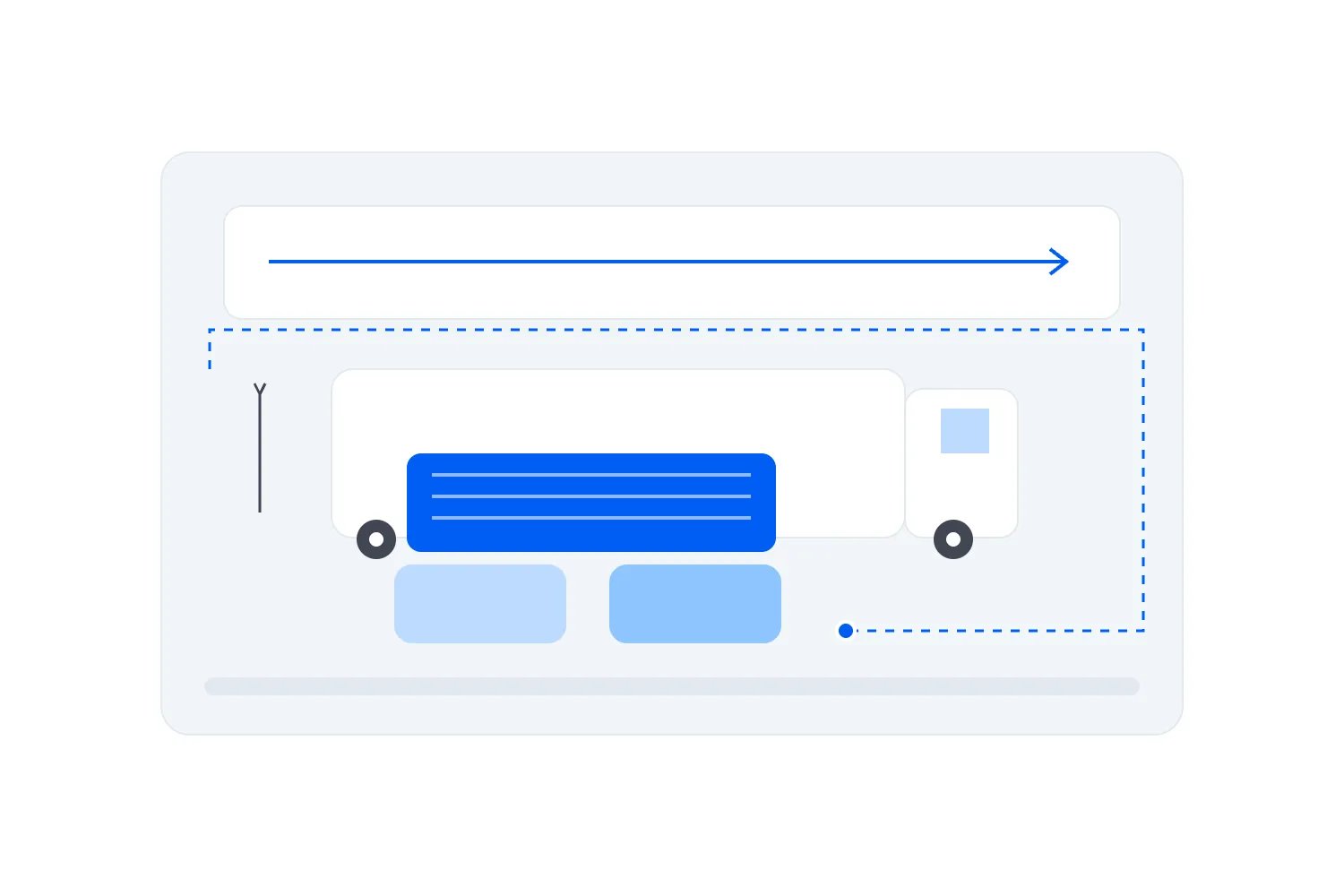
A food truck can fit into a parking space and still be completely wrong for the space you've booked. Open the serving hatch, add the people ordering, the people waiting for food and the equipment behind the vehicle, and that tidy rectangle on your event plan starts getting much bigger.
For an event food truck layout, allow for the vehicle in its working position, the clearances required for its equipment, customer queues and a separate route for people passing through. Then check that the actual truck can reach that position and leave again. There isn't a reliable universal pitch size you can apply to every vendor and venue.
The first thing you want to do is get the truck's measurements and operating requirements before you promise a location. Your venue team and relevant specialists can then check them against the site. This guide explains what to ask for, how to test the layout during your busiest food break and what needs settling before the first vehicle arrives.
Start with the truck that will actually turn up
A photograph tells you very little about how much room a food truck needs. Even a quoted vehicle length can leave out a trailer drawbar, a rear platform or equipment the operator unloads beside it. You need measurements for the booked setup, confirmed by the person bringing it.
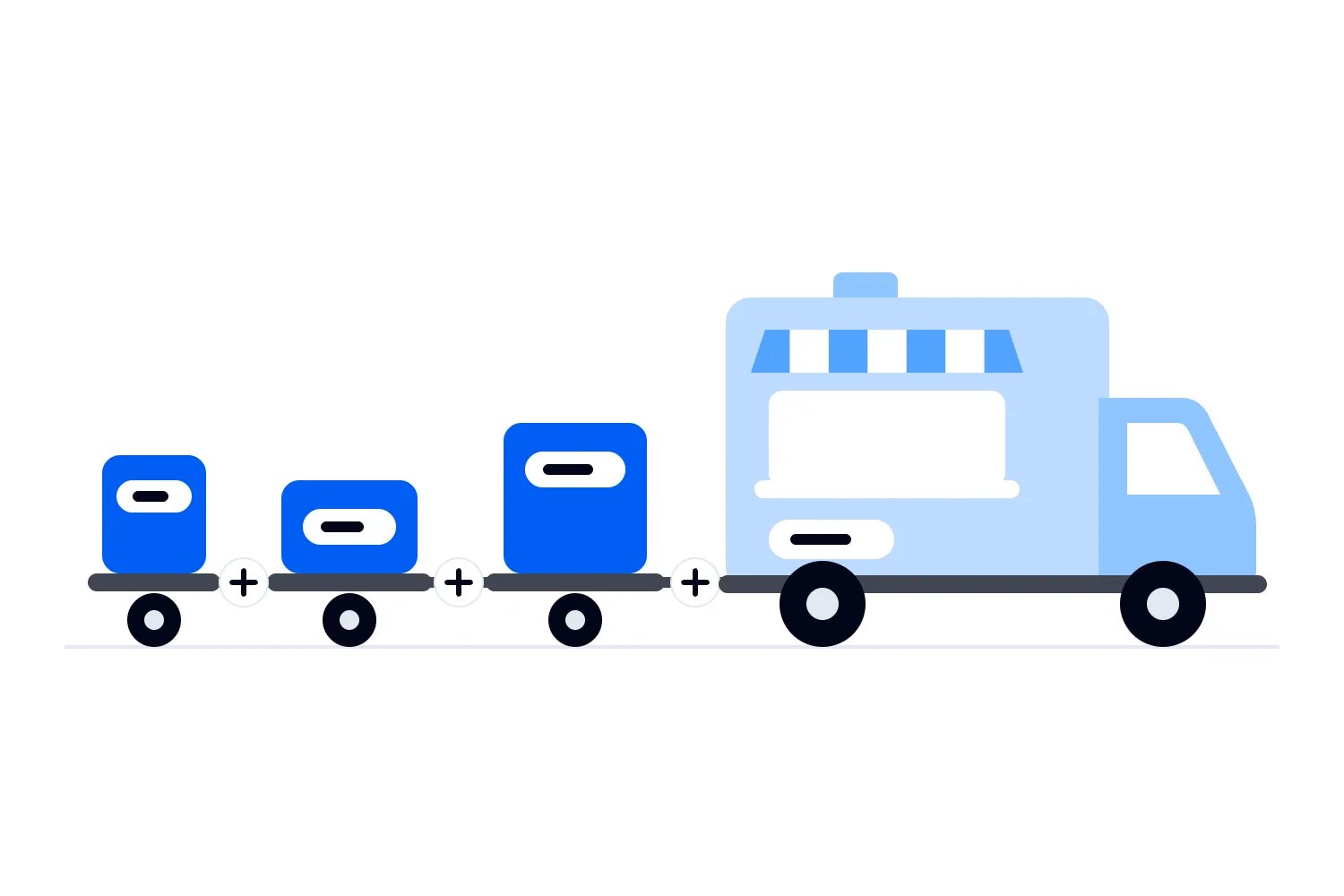
Ask the vendor for the vehicle's travel dimensions and its dimensions when fully set up. Include mirrors, raised hatches, serving shelves, awnings, doors and any steps used by staff. Get the position of the serving window, staff entrance, equipment connections and exhausts. These details decide which way the truck should face and what can safely go beside it.
For a trailer, establish whether the towing vehicle remains attached, parks elsewhere or needs room to manoeuvre before leaving. A plan that shows only the trailer may hide the largest movement of the morning. For a van with a side hatch, confirm which side serves customers. Rotating the symbol on your plan doesn't move the kitchen window.
Ask about the vehicle's loaded weight and any additional equipment or deliveries. The HSE guidance on vehicles and loads, for workplaces in Great Britain, asks planners to consider vehicle dimensions, weight, manoeuvrability and visibility. Those are useful questions to bring to your vendor conversation, wherever the event takes place.
Keep the answer with the booking. If the operator substitutes another truck, require a fresh check of the dimensions and connections before accepting it. The replacement might make the same food while needing an entirely different pitch.
If you're still selecting vendors, our guide to hiring food trucks for an event covers the booking and commercial checks. Here, the question is whether the confirmed operation fits your actual site.
Ask for a simple dimensioned sketch if the written description leaves room for doubt. It should identify the serving side and show where equipment goes. You don't need polished artwork from the vendor. You need enough detail for the venue and suppliers to check the same setup. Confirm whether measurements include the full working arrangement, and keep any unanswered question attached to that vendor until it is resolved.
Allow for the whole working area
Think through what happens around the vehicle throughout service. Staff need to enter and leave, retrieve stock and deal with waste. Guests need to read the menu, order, collect food and move away. Equipment needs the space its instructions and your approved arrangements require.
Start by marking the vehicle with everything open. Add any approved external equipment in its actual position. Then identify the areas that must remain clear for staff access, equipment safety and maintenance. Only after that should you allocate space to customers. An empty gap behind a truck may already have a job.
Keep different requirements separate in your notes. A clearance around hot equipment is not spare queue space. A staff doorway is not an overflow collection point. An emergency route is not somewhere you can borrow space during the lunch rush and return it afterwards.
Let the venue and responsible specialists determine the required distances for the equipment and location. Ask them to specify what each distance is measured from. The answer may refer to a vehicle, appliance, generator, fuel cylinder, building or combustible material. Measuring from the wrong object can make a reassuring-looking plan meaningless.
For example, the National Fire Protection Association's food truck safety fact sheet describes separation requirements and expressly allows for directions from the authority having jurisdiction. It is a useful discussion document for a US booking, not a substitute for the locally adopted rules or approval of your layout.
Write the approved conditions onto the event plan and brief the people placing barriers and furniture. Otherwise someone may see an unused strip of ground and helpfully fill it with a table, a sponsor sign or another vendor's stock. The drawing needs to explain why that ground remains clear.
Check the journey through the gate
Before spending time arranging the food area, trace the truck's whole route from the public road to the pitch. Walk it with the venue team. A wide entrance doesn't settle whether the vehicle can turn immediately afterwards, cross the ground safely or pass beneath what hangs above it.
Record the narrowest points, overhead restrictions, corners, gradients and changes of surface. Include temporary structures and equipment that will be there on arrival day. A route measured during an empty-site visit may be partly occupied by fencing, lighting, stage deliveries or a queue of other contractors when the truck comes.
The vendor needs enough information to judge its vehicle against those conditions. Where a turn or surface is uncertain, arrange an appropriate vehicle access assessment rather than asking the driver to try it on the morning. Agree any conditions with the landowner and competent contractors before confirming that the route works.
Check the final approach as carefully as the main entrance. Can the vehicle turn into the pitch with neighbouring trucks already parked? Will a trailer need space that becomes unavailable once a fence closes? Does the driver need a competent signaller? Sequence arrivals around those answers.
For Great Britain, HSE's event transport guidance recommends separating people and vehicles, reducing reversing and completing work vehicle tasks in public areas before admitting the audience. Apply your event's approved transport arrangements rather than treating a food delivery as an informal exception.
Tell drivers where to wait if they arrive early and whom to call if the route is blocked. A useful arrival instruction gives the correct gate, permitted route and receiving contact. The guest postcode alone can send a truck straight to your ticket entrance.
Also check what will be parked near the entrance when the truck arrives. Crew cars, delivery vans and an early trader can make a usable turn unavailable. Include those temporary obstructions in the receiving instructions. If several contractors use one access road, agree who controls it and how drivers receive permission to proceed. The food vendor should not have to negotiate a route through somebody else's unloading operation without the receiving team involved.
Give customers somewhere to order and somewhere to wait
The space in front of a serving window is where many food layouts fall apart. People who haven't ordered join people who have, friends wait beside them and passers-by try to squeeze through. Soon a queue that looked manageable on paper blocks the route to somewhere else.
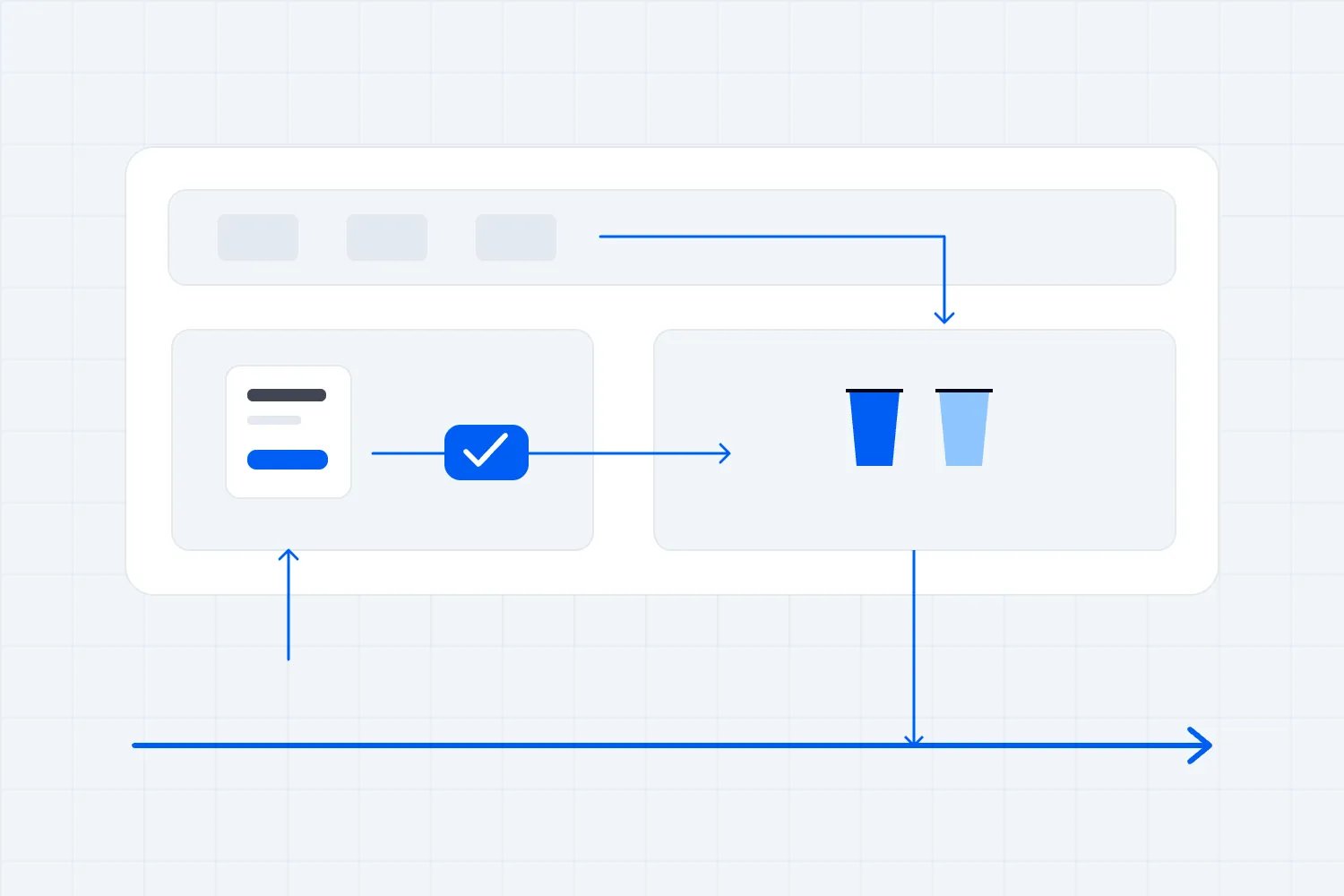
Ask the vendor to describe the service process. Does a guest order and receive food at the same window? Pay first and collect later? Wait for a number to be called? Choose prepared food from a display? Different processes need different arrangements, even when the truck dimensions match.
Show ordering and collection separately where the operation uses both. Position menus so people can make decisions without standing at the payment point. Give customers a clear way to leave after collecting food without walking back through the ordering queue. Check what happens when someone needs to return with a question.
Avoid pointing adjacent serving windows into the same small space. The busiest truck may occupy room that another vendor thought belonged to its customers. Equally, a broad central food area can become confusing if every queue points across it. Follow the likely movement of guests rather than choosing symmetry because the plan looks tidy.
In its crowd risk guidance, HSE identifies concessions obstructing movement, crossing flows and poor ground conditions as event hazards. Use your crowd management assessment to decide where queues can form and how staff will respond when they grow.
Assign a person to watch the food area during the rush. Agree when they should call the event lead and what changes they can make. Moving a queue barrier may seem minor, but it can change access for everyone using the neighbouring route.
Plan around the food break, not just attendance
An attendance forecast won't tell you how much customer space you need. The timing of demand matters. A festival with continuous performances may spread orders across the afternoon. A paid conference that stops every session for lunch can send most of its buyers towards food at once.
Start with the programme and mark the periods when guests are likely to order. Check what else happens then. People leaving a stage, entering a workshop or finding a toilet may use the same route beside the trucks. Your food plan has to accommodate those movements together.
Ask vendors about completed orders during comparable busy periods with the proposed menu and staffing. Establish what the figure means. Taking payment is different from handing over finished meals, and an order may feed more than one guest. Keep your demand estimate and the vendor's service estimate in the same units.
Here's a fictional example using orders, not people. You expect 90 orders during a 30-minute break, but the planned operation can complete only 60 in that time. Even if it starts with no waiting orders, 30 remain unfinished at the break's end. These are invented planning assumptions, not measured performance or a safe queue capacity.
More holding space wouldn't fix that service shortfall. You would still need to change the service arrangement, the menu, the break or the food offer. Talk it through with the vendor before booking another truck. An extra vehicle helps only if it can serve the demand and the site can support its operation.
Allow for uneven demand between vendors. A popular dish, a dietary requirement or a visible queue can change where people choose to buy. Don't assume that dividing estimated orders equally between trucks produces a reliable plan. Ask what you'll do if one vendor becomes the obvious choice.
Once you've tested the break, test a service interruption. Suppose a vendor has to stop taking orders while it resolves a problem. Where will its waiting customers stand, and how will people approaching learn that service has paused? Agree how the vendor contacts your team and who can authorise a change to the offer. Customers moving to the next truck can change that queue quickly. The response needs to account for the food area as a whole.
Protect the route past the food area
A useful food area lets someone buy lunch without stopping someone else from reaching the next part of the event. Draw the route people use to pass through or around it, then test that route with queues and waiting customers present. A route that exists only before service opens isn't useful.
Include seating, bins, drinking water and any nearby attractions in that check. Guests carrying food move differently from people walking straight to a stage. A table placed opposite the busiest window can encourage customers to stop exactly where others need to pass.
Get the appropriate event professionals to confirm circulation and emergency access requirements. Don't choose a general aisle width from a blog and assume it proves your design is safe. The event type, crowd, site and applicable requirements all affect the answer.
Accessibility needs to work through the whole visit. Follow the journey to the menu, ordering point, collection point and eating area. Check surfaces, changes in level and obstacles as well as the amount of open ground. An available path doesn't help if a guest cannot get served when they arrive.
For US events, the Department of Justice's guidance for businesses explains accessible routes and access to dining areas, food service lines and counters. Use the applicable requirements and appropriate advice for your venue. Elsewhere, check the rules that apply locally rather than importing US measurements.
Ask vendors how customers who cannot use the usual serving window will order and collect. Make that arrangement clear to staff and guests. Our event accessibility checklist helps you check how the food area connects with the wider experience, including arrival and toilets.
Put utilities in the plan before agreeing pitches
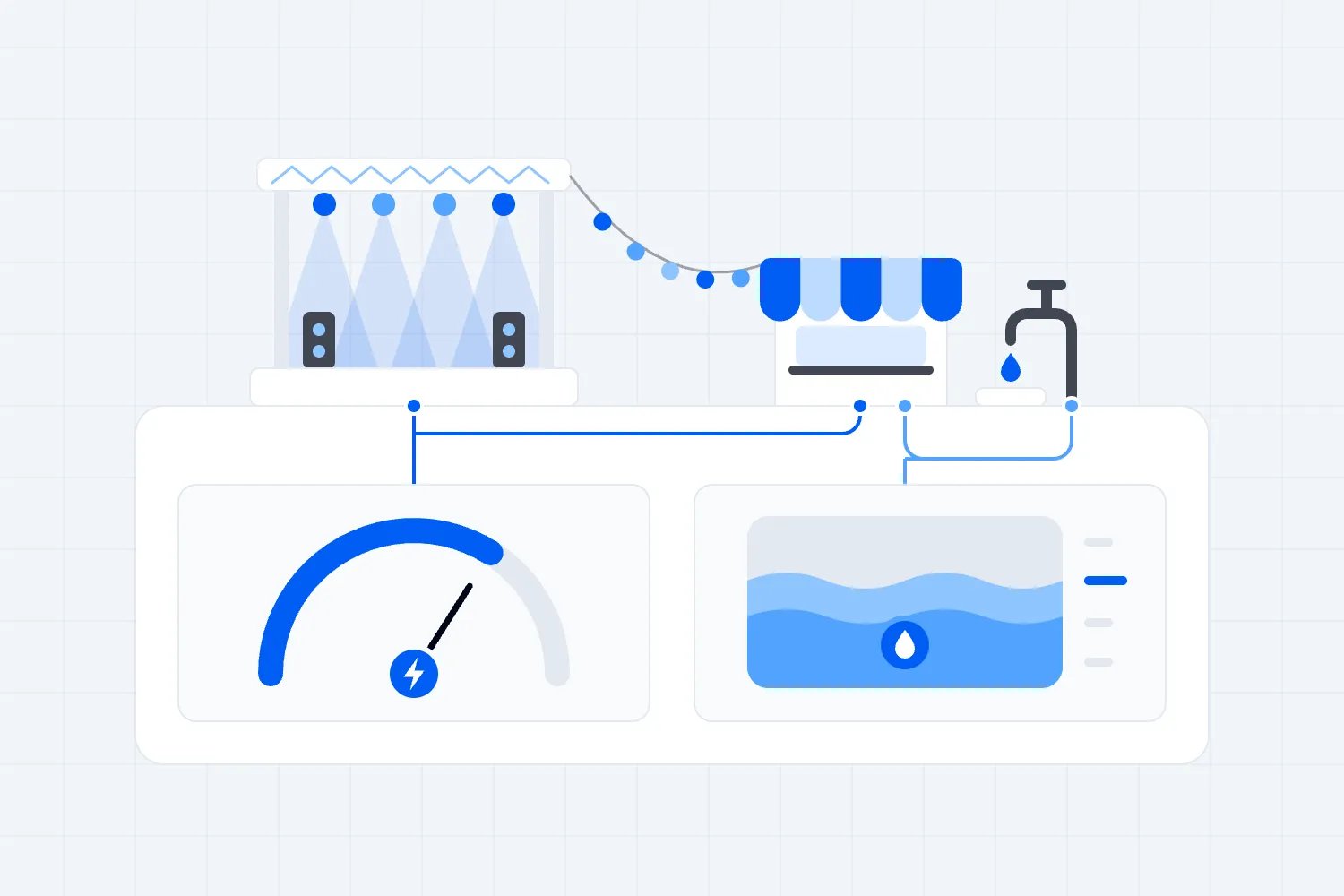
A truck needing power is not a complete technical brief. Ask for the equipment demand, connector details, supply requirements and location of its connection point. Send the information to your appointed electrical contractor. Let that contractor design and approve the event supply.
Check when the equipment needs to operate. Refrigeration may run before public opening and after trading ends. A vendor may need power while another part of the event is still being built. The connection schedule should support the food operation rather than ending when your main performance finishes.
For Great Britain, HSE's electrical safety guidance for events covers supply planning, installation access, weather protection and cable routing. It recommends separating cable and vehicle routes where possible. Your contractor should assess how the actual installation crosses or avoids the routes on your plan.
Mark approved generators and other equipment where they will actually operate. Consider their noise, exhausts and servicing requirements with the responsible suppliers. Don't let an attractive customer-facing layout leave technical crews with nowhere suitable to place the equipment that makes it work.
Confirm the water arrangement too. Does the truck bring a sufficient drinking-quality supply, require a connection or need an agreed refill service? Who provides that service, where does it happen and can it happen without moving through the public queue? Get the answer from the vendor and relevant food safety contacts.
In Australia, Food Standards Australia New Zealand's mobile food business guidance includes suitable water, handwashing, storage and waste arrangements among the requirements. Check the specific operation with the relevant council. This guidance does not establish permission to use your event's nearest tap or drain.
Make waste and restocking possible during service
The food area needs servicing after setup. Packaging accumulates, ingredients need replenishing and bins need emptying. If the only route to the back of a truck crosses a packed queue, the plan has deferred a predictable problem until your team is busiest.
Ask the vendor what stock it keeps inside, what it stores elsewhere and how often it expects to replenish. Include additional refrigeration or storage only after checking its requirements and approved position. A promise that everything fits inside the truck should refer to the actual event menu and trading period.
Separate customer rubbish from the vendor's waste arrangements. Agree who provides bins, checks them and removes the contents. Choose locations guests can find without blocking collection or accessible routes. Think about where people naturally unwrap and finish food, including seats beyond the immediate truck frontage.
Find out how the operator handles wastewater and used cooking oil. Confirm approved collection or disposal arrangements with the venue and relevant contractors. Never assume an available drain accepts catering waste. Put responsibility and collection access into the operating agreement so nobody improvises when a tank or container fills.
Consider the appearance of the service area as well as its function. Guests may see behind the trucks from a nearby entrance or seating area. An agreed screening arrangement can help where appropriate, provided it doesn't obstruct ventilation, equipment access or required clearances.
Give the cleaning and waste team the food service schedule and the busiest periods. Agree how they request help if access becomes blocked. Our event food safety checklist covers the wider checks; the layout must leave enough practical access for the agreed controls to happen.
Choose the arrangement that fits your site
A straight row of trucks can make the food offer easy to find and give staff a clear view of several queues. It works best when customers have enough room in front and servicing works behind. Check where the queues finish before placing a bar or another attraction opposite.
Facing rows can concentrate choice, but the space between them has to accommodate both sides' customers and the movement between them. Don't count the same central ground as the full queue allowance for every truck. Include waiting for collection, people comparing menus and people crossing to find friends.
Several smaller food areas may suit a spread-out event. They can reduce the need for everyone to travel to one location, but each location needs its own viable access, utilities and operating support. Consider what happens if the only suitable dietary option is a long journey from the relevant audience area.
Try the alternatives against the actual programme. One central location might be convenient between performances but difficult when the audience leaves together. A location beside an entrance might get passing trade while making arrival unnecessarily congested. There is no universally best arrangement independent of how your guests move.
Discuss the commercial consequences with vendors before changing their positions. Visibility and nearby competition affect the opportunity you've described. A move from the main food area to a quiet corner may change the deal even if the replacement pitch is technically suitable.
Keep the assessment practical. Ask whether the location can support the vehicle, its customers and its services during your busiest period. If the answer depends on keeping a promised queue unusually small, revisit the assumption. You need a plan that your team can operate under the conditions you've reasonably anticipated.
Consider a fictional paid outdoor performance where dinner is optional and most people eat before the main set. A food location near the performance area may seem obvious. But if those queues overlap the route guests use to find their seats, you have created competing demands at the same time. Compare a position farther along the arrival route, with clear signs and suitable services. Discuss the likely trade with the vendor and check the audience movement before choosing either location. The best pitch is the one that works during service, not the one nearest the largest crowd.
Check what changes when it rains
Good weather can hide a poor location. Guests spread out, ground stays firm and everyone can see where they are going. Rain changes where people stand and whether trucks can reach their pitches. A covered walkway may become the preferred waiting area even when you intended to keep it clear.
Talk to the venue about how the access route and food area behave in wet conditions. Ask about drainage, soft ground and any restrictions on vehicle movements. Have suitable specialists assess temporary surfaces or protection where needed. Don't assume that a truck getting in on dry ground proves it can leave after sustained rain.
In Great Britain, HSE's venue and site design guidance covers ground conditions, vehicle access, existing structures and the allocation of responsibilities. Use the site's known limitations when deciding which locations remain available and what conditions would require a change.
Check shelter separately from truck placement. Guests may seek cover beside a hatch or cluster around a tent entrance. Any shelter must have an approved location and arrangement. Adding it late can affect equipment clearances, accessible routes and how people leave the area.
Identify the decision maker for a weather-related move and the point when that decision must happen. The alternative needs a checked route and suitable services, not just a patch of ground labelled backup. Tell vendors whether a change could affect trading hours, access or the commercial terms.
If there is no workable alternative, be honest about that before booking. You may need a different location or food arrangement. Hoping for dry weather leaves both the operator and your event business depending on something neither of you controls.
Agree arrival order and departure conditions
A food area needs an installation sequence. The truck at the far end may have to arrive before the one nearest the gate. Equipment may need positioning before vehicles close off access. Ask the receiving team and vendors to walk through the sequence before issuing individual arrival slots.
Give each driver a pitch reference and confirm who can approve a change. If a vendor arrives early, late or with a different vehicle, the receiving team needs an agreed response. Staff shouldn't solve a blocked route by sending the truck through an unassessed alternative.
Before opening, check the trucks in their working positions. Open hatches, place approved equipment and set out the intended customer arrangements. Walk the public routes and service access. Compare what is there with the approved plan, including anything a vendor added on arrival.
Departure requires its own release decision. Closing the serving window doesn't mean the surrounding public area is clear. Agree when vehicles may move, how that will be confirmed and who manages the movement. Include packdown equipment and waste collections in the sequence rather than treating them as unrelated activities.
If a vendor needs to leave early, assess whether the location and event schedule can support that request before accepting the booking. A position behind other trucks or beside a live audience route may make the requested departure impossible under your approved arrangements.
Brief the event team on who can stop an unsafe movement or trading operation and whom to contact afterwards. Everyone should understand the instruction without having to find the person who originally negotiated the catering deal. Put the relevant contacts into the event-day information.
Record the final layout version on the driver and supplier instructions. When something changes, tell the people affected and retire the previous instructions from use. A revised pitch position can alter cable routes, queue directions and arrival order together. Don't rely on the fact that the latest drawing was emailed to someone in each company. Ask the named operating contacts to confirm the change, especially when the people attending differ from those who arranged the booking.
Confirm the costs before promising the pitch
Your pitch offer includes more than ground. It may require electricity, water, temporary surfacing, waste services, lighting and additional staff. Price those requirements before deciding that a vendor fee covers the arrangement. A busy food area can still cost your event more than it contributes.
Compare alternatives using the full event cost and the service guests will receive. Moving a truck closer to power might reduce installation costs but worsen access or create congestion. Adding another vendor may reduce a service shortfall while increasing infrastructure costs and dividing the available trade.
Write down who pays for the agreed services and who approves extra charges. Our guide to comparing food truck rental costs explains how to compare proposals without overlooking different payment arrangements. Include the site obligations when you make that comparison.
Check what your ticket and event information have promised guests. If you've advertised food throughout the event, the available trading hours and approved departure arrangements need to support that promise. If food finishes earlier, explain that before people arrive. The layout and booking terms should agree with the experience you sold.
Keep a record of what actually happened for the next edition. Note where queues extended, when customers gathered for collection and which service routes became awkward. Ask vendors and the receiving team what they would change. Compare those observations with the programme and actual attendance before carrying the same plan forward. A commercially successful event doesn't prove every pitch worked well; it gives you evidence to improve the next one without starting every discussion again from memory, photographs or the same optimistic assumptions about hungry guests.
Before confirming the final position, ask the vendor to acknowledge the current plan, measurements, arrival arrangements and supplied services. Keep outstanding approvals visible. A confirmed trading agreement should not conceal an unresolved question about whether the truck can operate there.
The next useful step is a site conversation with the booked vendors and the people responsible for access, utilities and safety. Bring the actual vehicle details and your busiest service period. Resolve the places where the truck, its customers and the wider event need the same ground before you promise it to anyone.

Author: By the Loopyah Content Team
The Loopyah Content Team shares expert insights, practical guides, and industry updates to help event organizers create unforgettable experiences and stay ahead in the event planning world.