· 27 min read
How do you manage several pickup points on a paid coach trip?

You've sold a day trip with pickups in three towns. That's convenient for the people booking, but now one family wants to change stops, two passengers are waiting outside the wrong station entrance, and the driver needs to leave before you've worked out who's missing. The attraction booking hasn't moved. Your coach is already late.
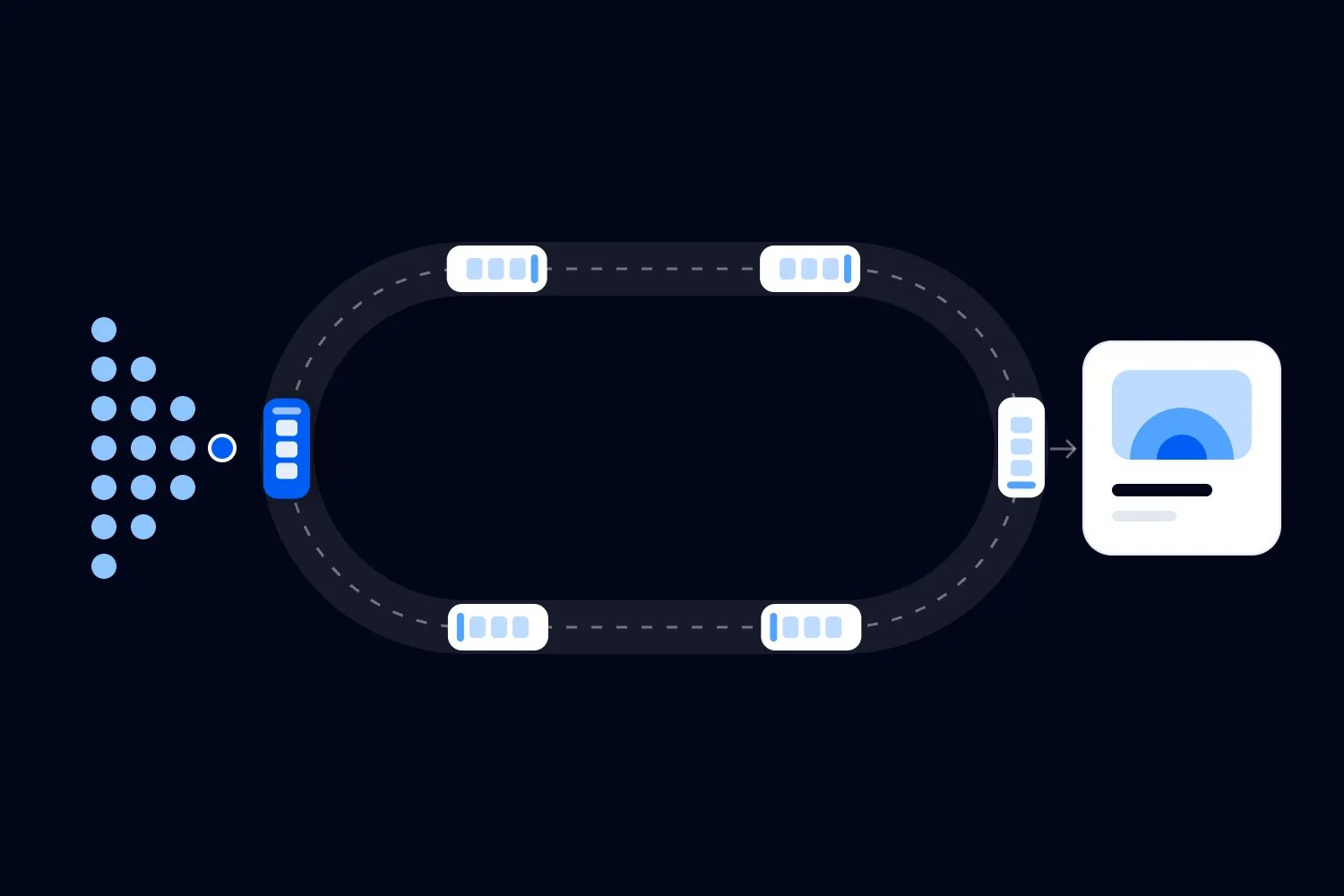
Manage several coach tour pickup points by agreeing a route the coach operator can actually run, recording where each passenger will board, and checking those passengers onto the vehicle at every stop. Publish an arrival time and a departure time for each location, then decide in advance who can approve a change or respond when somebody misses the coach.
The first thing you want to do is test the whole journey. An extra stop can help you sell places, but it also changes the day for everyone already booked. If the route only works when every passenger arrives early and every road is clear, you haven't finished planning it.
We'll follow a fictional three-stop trip to a garden exhibition. The example shows how to choose stops, work backwards from admission, keep a usable passenger list and handle changes without losing track of the return journey. All locations, passenger numbers, times and dollar amounts in that example are invented planning assumptions, not recommended allowances or industry benchmarks.
Choose pickup points you can explain and operate
Start with where your likely customers can reasonably reach the coach. For an established series, look at the pickup choices people actually used and the questions they asked. For a new departure, speak to potential customers about the proposed locations before committing to a long collection route. Interest in a town doesn't establish demand for a particular stop at an early hour.
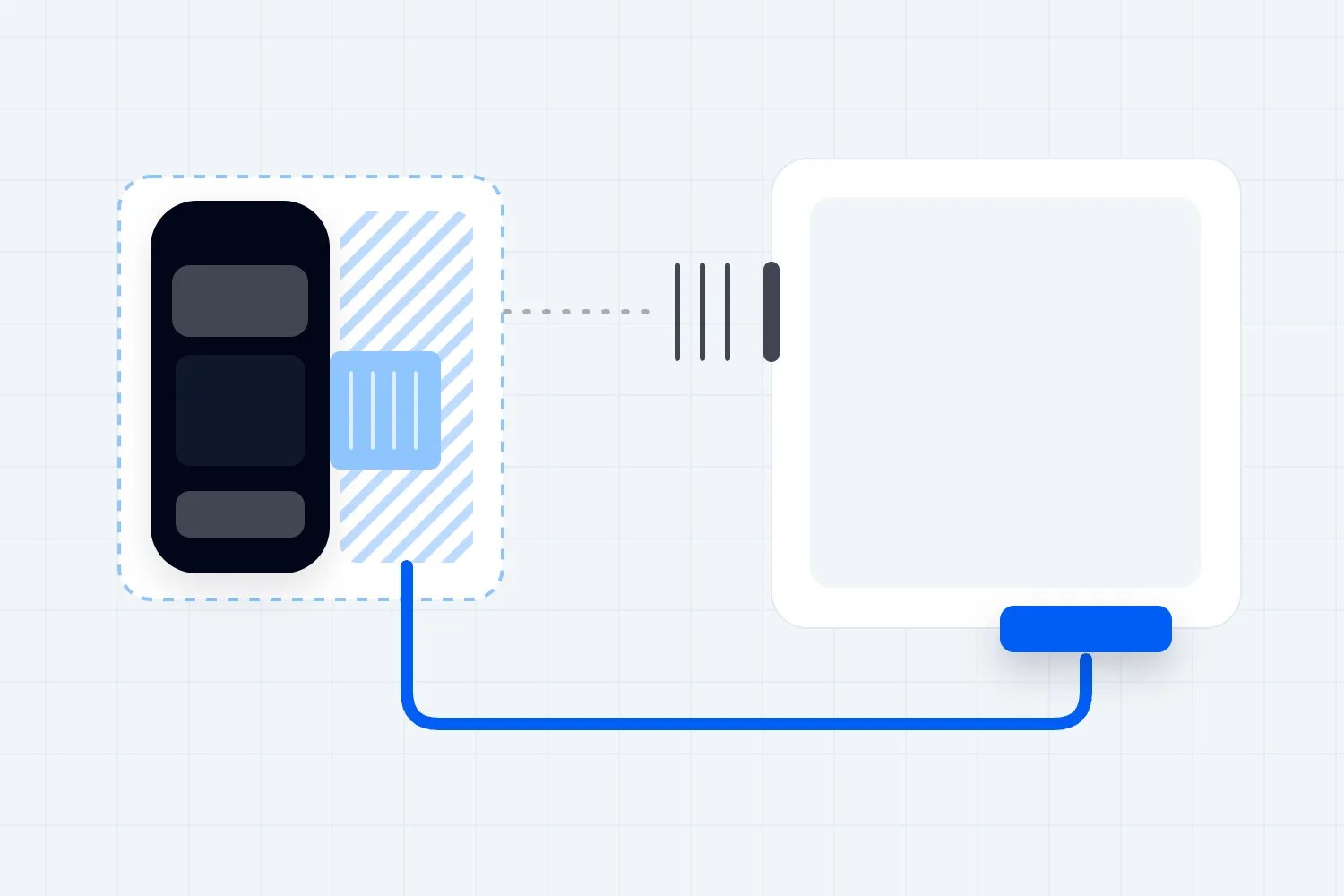
A useful pickup has two separate qualities. Passengers can find and reach it, and the coach can legally and safely use it. A familiar landmark may satisfy the first condition while failing the second. The entrance to a shopping centre isn't automatically available for a private coach, even if people know exactly where it is.
Ask your coach operator to assess the proposed stopping position, approach and exit. Get the relevant permissions from the landowner or highway authority where required. Confirm what use is allowed, at what time, for how long and by which vehicle. A place suitable for dropping off a few people may not permit a coach to wait while a group assembles.
Walk the passenger approach too. Check the actual waiting area, lighting, surfaces, crossings, shelter and access from nearby parking or public transport. Consider what happens when everybody arrives together. Twenty customers spread across a pavement aren't necessarily a queue that staff can manage safely.
In Great Britain, the Health and Safety Executive's event transport guidance recommends separating people and vehicles, minimising reversing and managing vehicle movements. It also distinguishes onsite transport arrangements from public-road traffic management. Discuss roadside arrangements with the relevant authorities and transport provider rather than treating permission to run an event as permission to direct traffic.
Write a short record for each approved stop. Include its full address, exact loading position, direction of travel, permission contact and any operating restriction. Add what passengers should look for and where they must wait. The driver needs the vehicle instructions; the customer needs the pedestrian instructions. They should describe the same location.
Don't promise parking unless you've checked the parking arrangement separately. A car park may be open for boarding but close before the coach returns. Customers need to know about charges, maximum stays and access after dark. If parking is independently operated, explain that clearly and link customers to the relevant current information in their trip instructions.
Our fictional trip uses North Station, Market Square and East Interchange as stop names. They are placeholders for three individually approved locations. In a real listing, those names would be followed by precise boarding details. Repeating a town name on a ticket doesn't tell someone which side of the road to stand on.
Keep the collection route short enough to preserve the visit
More pickup points can make your offer easier to buy. They can also turn an attractive day out into a long morning spent collecting other people. Ask what the first passengers experience, because they travel through the whole collection route while the last passengers join near its end.
Plot the proposed stops with the coach operator and compare complete routes. Include the approach to each stop, turning restrictions, likely traffic at the relevant time and the journey onwards. A stop that appears close to the main road can still require a slow detour or a difficult exit. A car route estimate isn't a confirmed coach schedule.
Then decide which stops are part of the advertised departure. Avoid offering every suggested location and hoping bookings will make the route sensible later. You can test a smaller set, explain it clearly and review demand after the first departures. Adding a stop after sale also affects people who chose the original itinerary.
Ask whether passengers at a proposed fourth stop would actually be additional bookings. Some may already be willing to join at an existing point. If you count all of them as extra revenue, you'll overstate what the detour contributes. Compare a credible estimate of additional sales with the extra cost and effect on the promised day.
For example, suppose an optional stop adds a fictional $120 to the coach quote and $40 of host time. Each genuinely additional paid passenger would leave $40 after their other associated costs. Four additional passengers cover the $160 increase; five leave $40. Three leave you $40 worse off. Those figures say nothing about whether the longer route remains acceptable.
If the detour also reduces time at the exhibition or creates a driver-scheduling problem, the small positive result isn't a reason to approve it. First establish that the revised service can be delivered safely and as described. Then judge whether the commercial benefit is sufficient. You may be better off marketing the existing stops more effectively.
Keep private transfers separate from the shared collection offer. If a customer asks you to collect their party from a hotel, price and assess that arrangement rather than casually agreeing to divert the coach. You may be able to provide a suitable alternative, but that needs an actual supplier, meeting arrangement and payment decision.
Work backwards from the destination arrival
Confirm what the destination expects before publishing pickup times. An attraction may give you a vehicle arrival window, a group meeting time and an admission time. Those are different instructions. Ask where the coach goes, how passengers reach entry, and whether the group needs to assemble before tickets are checked.
For our fictional exhibition, the group has admission at 10:30. The destination has agreed a coach arrival target of 10:00. That leaves 30 minutes for unloading, walking and organising entry under the assumptions of this example. It isn't a universal recommendation for a garden, museum or any other attraction.
The operator has reviewed a proposed 70-minute journey from East Interchange to the destination. We add a separate 20-minute allowance for variation, making the planned interval 90 minutes. East Interchange therefore has a departure time of 08:30. Without that allowance, the estimated arrival would be 09:40; with it, the planning target is 10:00.
Work back through the earlier stops on the same basis:
At North Station, passengers arrive by 07:15. The coach is available for boarding from then and departs at 07:30.
The planned journey to Market Square is 20 minutes, giving an expected coach arrival of 07:50. Passengers arrive by 07:45, and the coach departs at 08:00.
The planned journey to East Interchange is 15 minutes, giving an expected coach arrival of 08:15. Passengers arrive by 08:10, and the coach departs at 08:30.
The reviewed journey and separate allowance after East Interchange take the schedule to the 10:00 destination arrival target, before 10:30 admission.
The customer arrival times at the later stops precede the expected coach arrivals. People wait in the approved passenger area; they aren't promised that a coach will already be there. Say that plainly. Otherwise a customer arriving at 07:45 may conclude that the coach has left when its planned arrival is five minutes later.
This timetable allows 10 minutes with the coach at Market Square and 15 at East Interchange. Those allowances need testing against the actual people, vehicle and assistance arrangements. They aren't a promise that any group can board within that time. If the confirmed boarding process takes longer, move the earlier timings or change the route before selling it.
For each leg, record what the estimate includes. Don't put a traffic allowance inside the operator's estimate and unknowingly add the same allowance again. Equally, don't remove a separately planned allowance because the route looked fast on a quiet test drive. You need to understand which assumption changed.
If your customers arrive from cruise ships, the source of delay and the return deadline need a different treatment. Our cruise shore tour scheduling guide develops that situation. A local coach collection route starts with passengers travelling independently to your published stops, which requires its own instructions and response plan.
Get the operator to approve the whole day
Your public timetable covers only part of the transport supplier's day. The driver may travel from a depot before the first pickup, reposition the vehicle during the visit and return after the final drop-off. Ask the operator to confirm the whole arrangement, including the return route, rather than approving only the outward driving estimate.
In Great Britain, GOV.UK's guide to passenger-vehicle drivers' hours explains that the applicable rules depend on factors including vehicle seating, journey distance, international travel and the type of service. Give those facts to the supplier. Don't select a driving limit from a general article and treat it as approval for your particular departure.
Also distinguish waiting from a qualifying break. DVSA's detailed drivers' hours guidance states that a break excludes driving and other work. A driver handling passenger enquiries or loading isn't automatically resting because the vehicle has stopped. Have the supplier confirm the appropriate breaks and staffing for the actual work.
Check who supplies passenger support at each stop. If the driver is responsible for the vehicle and safe boarding while your host checks bookings, say so. If an additional person is needed for the agreed arrangement, include that person in the plan and budget. Leaving every customer question to the driver can delay departure and interfere with other duties.
Agree how the supplier will handle road closures, vehicle substitution, breakdowns and an extended day. Identify who may authorise extra charges and what the next practical option would be. A replacement vehicle needs to support the agreed passenger requirements; an available vehicle of a similar advertised size may not do so.
For a Great Britain operator, you can use GOV.UK's vehicle operator search to look up the business by name, address or licence number. That check is one part of supplier assessment. It doesn't establish that a particular pickup bay is available or that your itinerary has been accepted.
Save the approved route and timetable with the booking agreement. If you alter a stop or time afterwards, obtain confirmation of the revised version. A conversation with a helpful driver on the morning of departure shouldn't become the first time the transport business discovers what you've promised customers.
Collect a boarding choice for every passenger
One order may cover several passengers. Your boarding list needs to identify each person expected to travel. Connect it to the booking without assuming that everyone on an order will use the same pickup point, unless that is an explicit condition of your offer.
Suppose one person buys four places. Two passengers plan to board at North Station and two at Market Square. Recording only the purchaser's pickup choice makes the first stop appear short and the second stop unexpectedly busy. If your booking process permits split parties, collect and confirm the choice for each passenger. If it doesn't, explain the limitation before purchase and offer a clear enquiry process.
Use a fixed list of approved stop names. Free-text answers such as station, town centre or usual place create work later and can hide a mistaken assumption. Include the precise location details with the choice so someone selecting North Station knows which entrance you mean.
Collect the return choice as well if it can differ. A customer may join near home and return near a relative's house. You can allow that where the route and operating arrangements support it, but the outbound selection doesn't establish their intended drop-off. If you require the same stop in both directions, state that clearly and record agreed exceptions.
Your working passenger record might contain:
Departure date and a unique trip reference.
Booking reference, passenger name and the party they belong to.
Confirmed outbound pickup and return drop-off.
A usable contact for the party and who will carry that phone.
An indication that an agreed boarding arrangement exists, with details restricted to the staff who need them.
Outbound and return boarding status, plus any confirmed withdrawal from a journey.
The latest approved change and who recorded it.
Don't ask for information simply because a form makes it possible. The UK's Information Commissioner's Office explains data minimisation, accuracy, retention and security as core data protection principles. Apply the rules relevant to your business and explain why passenger details are needed. A general boarding list doesn't need an account of somebody's medical history.
Ask whether the booking lead is travelling. A parent's phone number may be useful during booking but unhelpful when the adult passengers are waiting at a different stop. Confirm the operating contact, explain when you'll use it and avoid revealing one party's details to other customers in a public group message.
Plan boarding assistance before you set the times
Ask customers what arrangements they need to use the trip, and confirm those arrangements with the coach operator and stop owner. Explain relevant vehicle and location details accurately. Someone shouldn't discover on departure morning that the coach can accommodate them but the chosen waiting area or loading position cannot.
Discuss the actual vehicle configuration, boarding equipment, luggage and mobility equipment. Confirm who provides assistance and how it will work at each stop and the destination. Don't assume that a different coach with the same nominal seat count provides the same access. Keep the agreed arrangement attached to the departure when a supplier changes vehicles.
GOV.UK's bus and coach accessibility guidance describes vehicle features and help for disabled passengers in England, Scotland and Wales, and identifies exclusions from the particular rules it explains. The legal requirements depend on the service. Confirm the requirements for your operation rather than making a universal claim about every hired coach.
Build the time needed for agreed assistance into the schedule. Don't quietly expect a passenger to rush so that an unrealistic departure time still looks achievable. If the stop cannot support the arrangement, work through an appropriate alternative before accepting the booking, with the relevant obligations and the customer's needs properly considered.
Our guide to accessible event drop-off and pickup explores the location and arrival process in more detail. Here, the extra issue is continuity. The same practical arrangement must work through collection, the destination visit and the trip home, including any planned vehicle substitution.
Keep the general staff brief focused on the action required. The host may need to know who will board at East Interchange using a confirmed arrangement, while the transport specialist needs more technical detail. Share information according to the role, through an appropriate channel, and check that the responsible people have received it.
Publish instructions that survive a hurried reading
Put the essentials where a customer can find them before choosing a ticket. Show the available pickup points, the approximate length of the collection route, the destination plan and the expected return arrangement. A person boarding first should be able to understand that the coach collects other passengers before heading to the exhibition.
After purchase, confirm the passenger's actual choice. Sending every customer a list of all stops without identifying their own can create uncertainty. Lead with their selected location and the two times they need to distinguish. Include a map pin and clear written directions, with a landmark or current location image where appropriate and permitted.
For the fictional Market Square stop, the essential message could read:
For your booked garden exhibition departure, your pickup is Market Square, at the confirmed coach loading bay on the east side. Please be in the marked passenger waiting area by 07:45. The coach is expected at approximately 07:50 and departs at 08:00. The coach may not be present when you first arrive. All times are local. Bring your booking confirmation and share these instructions with everyone travelling on your booking.
That is the core timing message, not a complete real-world direction. Add the actual departure date, address, map, host identification and operating contact before using it. Walk the location with the instructions open on a phone and check that they lead to the correct waiting area.
State when the contact is monitored. If the departure host answers from 07:00, make sure someone can respond while they are checking passengers at North Station. An unstaffed mobile number offers very little help to a customer who has found the wrong entrance.
Loopyah's attendee email tools let you send event updates to ticket holders and test an email before sending it. Use that for the trip information and check the test on a phone. Your team still needs to verify each passenger's boarding choice and operate a contact process for urgent changes.
Use your confirmed passenger record to prepare the boarding list for each stop, and test how booking changes reach the host. For an urgent morning disruption, use the contact method customers were told to expect and record who still needs to be reached.
Have a replacement plan for an unavailable stop
A road closure or an occupied loading bay can make yesterday's accurate directions unusable. Identify who checks the locations before the first departure and how they report a problem. Where possible, agree a suitable alternative with the operator and the relevant owner or authority while you still have time to inspect it.
The replacement needs the same practical checks as the original. Can the coach approach and stop there? Can passengers reach it without crossing an unsafe area? Does it support the confirmed boarding arrangements? Moving a map pin around a corner doesn't answer those questions.
Once a replacement is approved, send a message that names the old stop, says it is unavailable and identifies the new meeting point. State whether the passenger arrival and departure times have changed. Include the date and the operating contact. Someone opening the message should understand the change without searching an earlier email for the missing half of the instruction.
Tell the driver and host at the same time, then check acknowledgements from affected parties. If customers may already be travelling, arrange a safe way to help those who reach the old location. That might involve an appropriately positioned staff member, subject to the location and risk assessment. Don't leave an unbriefed volunteer to wave passengers across a live road.
If you cannot provide a suitable replacement, contact the responsible manager before asking people to improvise. They need to assess whether the trip can proceed as promised, what alternatives are genuinely available and what customers must be offered. Record the facts and decision. A message announcing a new stop doesn't settle the contractual consequences of making it materially harder to reach.
Afterwards, replace the old instructions in the staff copies and the customer information you control. Keep a record of what changed and when. You need an accurate history for resolving enquiries, while the people boarding need one clear current instruction.
Keep one current passenger list through booking changes
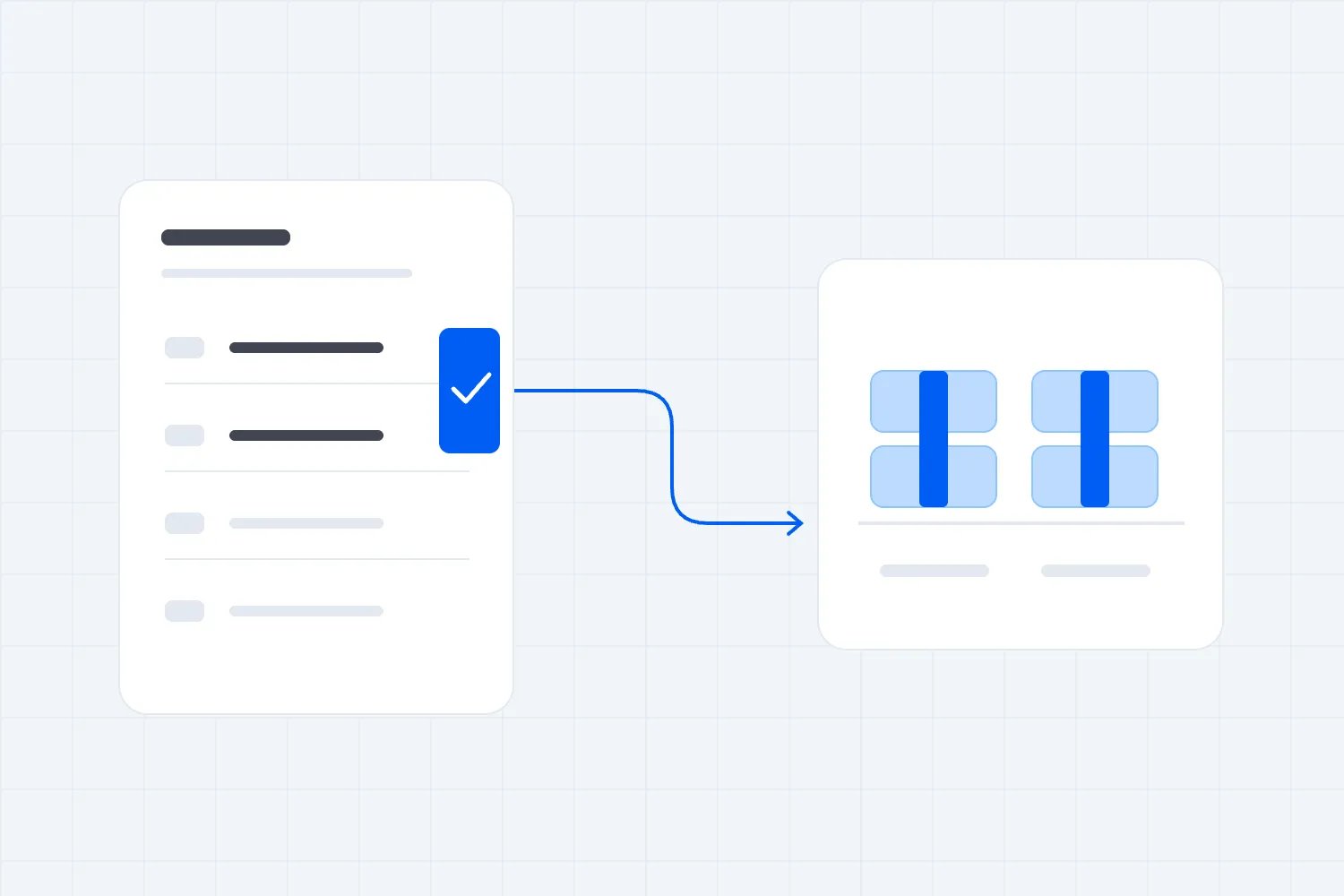
Choose one person to approve and record stop changes. Other staff can receive requests, but a request isn't confirmed until the responsible person checks it and sends the passenger a clear reply. That avoids a conversation in an inbox becoming a different plan from the list used at boarding.
Set a practical cutoff for ordinary changes. The right time depends on staffing, supplier needs and how you'll prepare the departure. Explain what happens after the cutoff, including how to contact you with an urgent problem. A cutoff helps staff prepare; it shouldn't prevent them correcting an error your business made.
Before approving a change, check the date, passenger, party size, pickup, return arrangement and any assistance implications. Moving between existing stops may leave the total capacity unchanged, but it changes local boarding demand and who staff expect. Moving to another departure is a separate availability decision.
Our fictional coach has 50 passenger places in the confirmed layout. One is reserved for the host and one remains unsold as an operating spare, leaving 48 paid places. The trip has 44 booked passengers: 18 at North Station, 14 at Market Square and 12 at East Interchange. The driver isn't included in that passenger-seat calculation.
Now two passengers change from North Station to Market Square. The revised counts become 16, 16 and 12. The total remains 44. Record the passenger names and update their confirmations, rather than changing only the totals. A balanced total can still conceal the wrong people at the wrong stops.
Before staff receive the boarding list, record its version and preparation time. If a later approved change comes in, replace the affected list or issue a clear amendment that named staff acknowledge. Avoid leaving two apparently current spreadsheets in a shared folder and expecting everyone to guess which one matters.
Keep an offline copy available to authorised staff for the journey. That might be a securely stored device copy or a controlled paper list. Establish how changes made during the day will be recorded and transferred back. A contingency copy is useful only if staff know how it relates to the current booking record.
Check people onto the coach at every stop
Brief the host and driver before the first pickup. They need the approved route, expected passengers by stop, current changes, operating contacts and the process for announcing departure. Agree how the host confirms boarding is complete while the driver remains responsible for safe vehicle operation.
At each stop, match the people boarding with the passenger record. Confirm the correct trip and date, check party members individually and mark the people who actually board. A lead purchaser presenting a four-person order doesn't establish that all four people have reached the coach.
Count passengers as a second check. With our revised fictional list, the coach expects 16 paying passengers after North Station, 32 after Market Square and 44 after East Interchange. With the host aboard throughout, those become 17, 33 and 45 occupied passenger places. The spare and four unsold paid places remain empty.
A name check and a physical count answer different questions. If the physical count is right but the names don't match, investigate. Someone may have boarded at an unapproved stop, a party may have changed without telling you, or the wrong departure may be on a ticket. Don't change the expected number merely to match the number you can see.
Record exceptions while they are fresh. If a passenger confirms that they won't travel, mark that clearly. If someone boards later with approval, update their original status too. Otherwise staff may continue calling them while they are already seated further down the coach.
Don't leave a published stop early just because boarding appears complete. Check the departure time and the current passenger record before approving movement. A missing change, an unchecked party member or a customer being helped near the waiting area can otherwise become a missed pickup caused by your own departure. If the coach arrives ahead of schedule, follow the operator's approved waiting arrangement. Where it cannot remain at the bay, the driver needs an agreed holding and return plan. Customers shouldn't have to guess that an advertised 08:00 departure might actually mean 07:55.
Keep customers clear of moving vehicles while you resolve enquiries. If a booking problem needs time, use the approved waiting space and the agreed staff process. Don't encourage a late passenger to run across traffic or wave down the coach after it has left the loading position.
Before departure, the host reports the checked passenger position and unresolved exceptions. The driver follows the agreed safe departure process. If the coach leaves on time, it should do so because staff know what's happening, rather than because somebody decides the unexplained empty seats probably belong to no-shows.
Decide how you'll respond to a missed pickup
Write a missed-pickup process before sale, then brief staff on the judgement it requires. Separate a customer arriving late from a customer following incorrect instructions you supplied. A delayed coach, an unavailable loading bay and a passenger's missed alarm create different responsibilities and different options.
Have the host check the record and attempt the agreed contact while somebody with decision authority reviews the timetable. The driver needs current information about the route and permitted stopping time. A blanket instruction to wait five minutes doesn't resolve every situation, particularly when the coach cannot remain in that location.
For the fictional route, suppose the coach is ready to leave Market Square at 08:00 but two passengers are missing. Waiting eight minutes would move an otherwise unchanged destination arrival target from 10:00 to 10:08. It uses eight minutes of the 30-minute gap before admission. It doesn't establish that the wait is safe, permitted or compatible with the driver's duty.
The responsible manager needs to confirm those conditions, the missing party's actual position and any further delay already known. If the passengers are nowhere near the stop, an eight-minute wait may achieve nothing. If they are at the wrong entrance because your directions were wrong, the response needs to address that service failure.
Joining at a later stop can sometimes work, but only after approval. Check that the coach still visits that stop, the passenger can reach it safely, the agreed assistance remains possible and the revised boarding list will reach the host. Tell them exactly what has been approved. Don't suggest racing the coach or assuming it will stop wherever they appear.
If a passenger misses the outward trip, confirm what that means for any intended return journey. They may travel independently to the destination, abandon the day or ask about joining the coach home. Don't automatically remove them from every list without establishing the agreed arrangement.
Your refund wording also needs to distinguish causes. The Australian Competition and Consumer Commission's travel delays and cancellations guidance distinguishes provider failures, customers missing services for unrelated reasons and disruption caused by third parties. That is Australian guidance. Check the rights, contracts and remedies applying to your own departure rather than importing another country's answer.
Plan the return as carefully as the collection
At the destination, tell passengers where and when to meet for the return before they disperse. Show them the meeting point where practical and explain the route back from the exhibition exit. Confirm the expected coach location with the operator; the place where you unload in the morning may not be available later.
Distinguish the return meeting time from departure again. For example, our fictional group meets at 16:15 for a 16:30 departure. Those are illustrative arrangements agreed for this example. The actual time needs to cover the group's boarding requirements and the destination's loading rules.
Use a fresh return check. Don't copy the morning's boarded status and treat it as proof that everyone is returning. A customer may have arranged to leave independently, joined at the destination with approval or changed their drop-off. Record that agreement while you can still clarify it with them.
Suppose all 44 paid passengers travelled out, and one passenger originally returning to Market Square later confirms that a relative will take them home. Record that person's withdrawal from the return journey and check any relevant welfare responsibility. You now expect 43 paying passengers plus the host, so 44 occupied passenger places at return departure.
If the confirmed return order is East Interchange, Market Square, then North Station, the passenger counts must follow the return selections. Assume 12 leave at East Interchange, 15 at Market Square and 16 at North Station. Those add up to 43. After the first drop-off, 31 paid passengers remain; after the second, 16 remain.
Check names at drop-off and keep the host's place separate. Confirm that people have their belongings before the vehicle leaves the approved position. If a passenger asks to leave elsewhere, follow the agreed approval and safe-stopping process. A short distance on a map doesn't make an unplanned roadside drop-off suitable.
Give realistic return estimates with a way to communicate material changes. Passengers arranging collections need useful information, but an estimate shouldn't be presented as a guaranteed arrival. If access to parking or onward transport has a closing time, factor that into the plan before the trip, including what happens when the coach is delayed.
Prepare a short operating brief and test it
Bring the route, passenger information and response decisions together in a brief staff can use during boarding. Keep detailed supplier agreements available separately. A host shouldn't need to search a long contract to find the monitored contact or the person who can approve waiting.
Use the following outline for your departure, replacing every example with confirmed information:
Trip reference, date, destination booking and current timetable version.
Coach operator, operating contact, confirmed vehicle arrangements and staff roles.
Each pickup's exact position, passenger arrival time, expected vehicle arrival and departure.
Permitted waiting arrangements, relevant restrictions and approved alternatives.
Expected passenger names and cumulative counts, with restricted assistance information available to the responsible staff.
Destination arrival instructions, admission time, return meeting point and drop-off order.
Who approves changes, extra costs, a wait, a cancellation or alternative transport.
How staff contact passengers, record exceptions and reconcile the journey afterwards.
Run a rehearsal using fictional bookings. Ask a colleague to make a two-person stop change, report a missing passenger and confirm an independent return. Follow each change through the customer message, passenger record and host's copy. If those disagree during a quiet test, fix the process before departure morning.
Also test loss of connectivity. Staff should still be able to identify the passengers expected at the next stop and reach the operating contact through the available arrangements. If your planned communication method doesn't work at a location, resolve that gap rather than assuming customers will find enough signal.
Finally, review what happened after the trip. Record actual arrival and departure times at each stop, boarding difficulties, location confusion, approved changes and extra charges. Separate traffic delay from your own administration delay. The fixes are different, and adding more time to every stop may simply make the first customer's morning longer.
Compare the usefulness of each stop with the work it created. A quiet stop might be valuable because it brings genuinely additional customers, while a busy one might require a different loading arrangement. Use what you learned to decide which stops to offer next time, then have the operator approve the revised route before you publish it.
For your next departure, open the customer confirmation and the host's passenger list together. Pick one booking and follow it through collection, admission and the return. You should be able to say where every passenger is expected, when they need to arrive and who will act if that plan changes. Resolve any unanswered part before putting the trip on sale.

Author: By the Loopyah Content Team
The Loopyah Content Team shares expert insights, practical guides, and industry updates to help event organizers create unforgettable experiences and stay ahead in the event planning world.