· 27 min read
How do you organise accessible drop-off and pickup at an event?
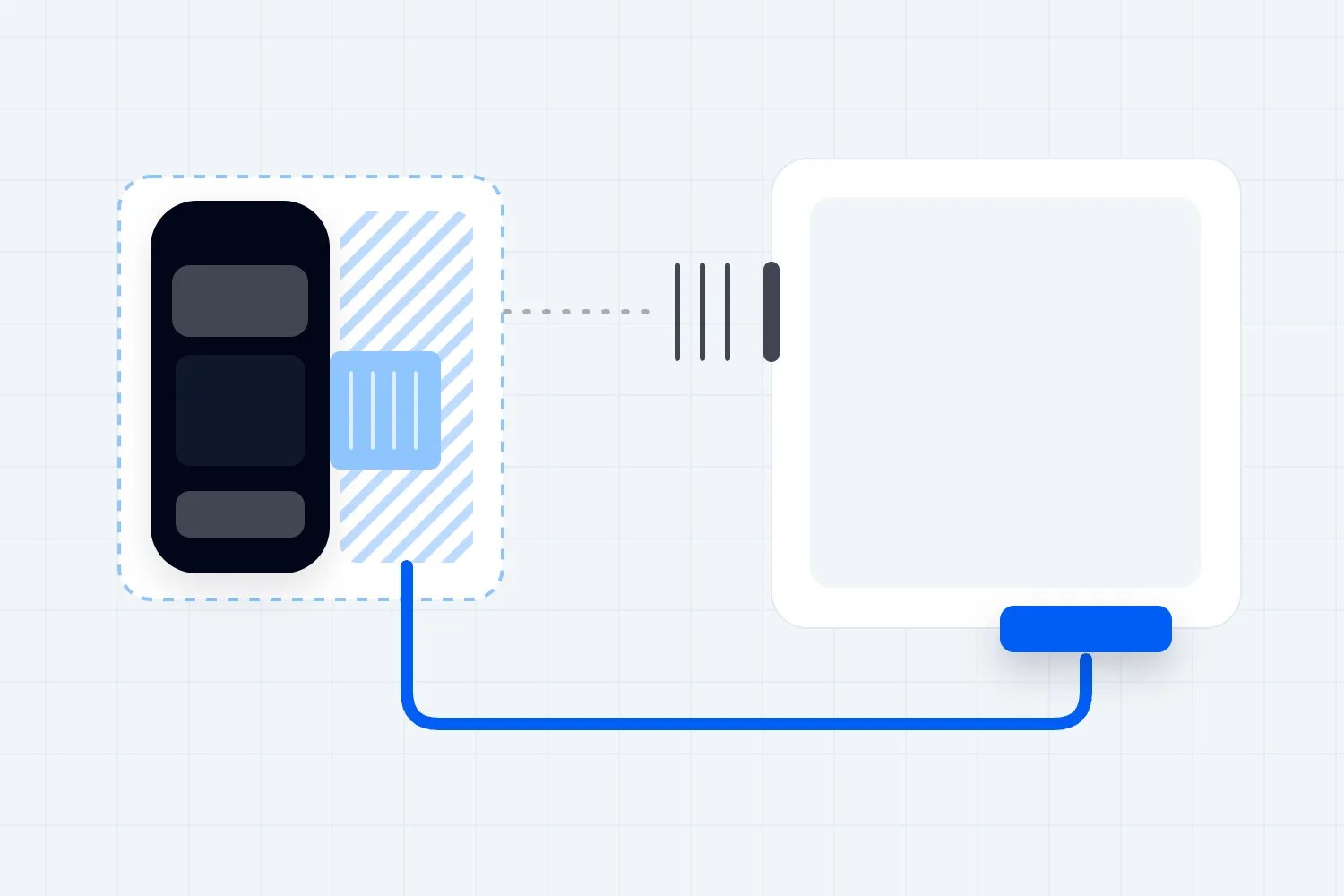
An attendee has arranged a taxi to your event. The driver can reach the building, but the place you've called the drop-off point is beside a kerb, the step-free entrance is around the corner, and your door team is inside scanning tickets. Who helps the person work out what happens next?
To organise accessible event drop-off, confirm a suitable place for the vehicle to stop, a usable connection to the entrance, and the people responsible for keeping both available. Then plan pickup separately, including somewhere to wait and a response when the booked ride doesn't arrive.
The first thing you want to do is follow the actual journey with your venue contact and the people responsible for access and traffic. Start where a driver approaches. Finish where the attendee joins the event. Repeat it in reverse at the time your programme ends. A map pin won't show you a locked gate, an obstructed ramp or a staff shift that finishes before collection.
For a paid event, this is part of delivering what someone bought. You need to know what the venue provides, what your team must arrange and what attendees should be told before booking transport. This guide works through those decisions, with an example operating brief and arrival message you can adapt.
Start with the vehicle, the route and the person
Drop-off involves several tasks happening close together. A driver needs to find the correct approach and stop somewhere permitted. A passenger needs space and time to leave the vehicle. They then need a route to the entrance and a clear way to get help if an agreed arrangement isn't there. Assigning all of this to "the access team" leaves practical questions unanswered.
Ask the venue which stopping areas it actually controls. A forecourt might belong to the building, while the street outside belongs to the highway authority. A neighbouring business's driveway isn't spare event space. Confirm who can authorise each use, including signs, barriers and vehicle waiting, before describing the location in public information.
Next, identify the entrance that the route will serve. It needs to be available during arrivals, late entry, early departure and final collection, subject to your assessed event arrangements. Find out whether the door opens independently, requires staff help or uses a controlled access system. Put the responsible contact in the operating plan.
Talk to attendees about the arrangement they need rather than assuming that everyone arriving in an adapted vehicle has the same requirements. One person may want directions only. Another may ask to be met, need somewhere to sit before checking in, or want to confirm where a vehicle ramp can deploy. Ask what would help and confirm what you can provide.
The W3C Web Accessibility Initiative's accessible events guidance recommends checking venue access, providing accessibility information and asking participants about their requirements. Apply that conversation to arrival as well as the programme. A person's request can reveal a gap in your proposed handover that a general venue checklist missed.
Don't make a private conversation the only way to discover ordinary facts. Publish the entrance, checked route and stopping arrangements for everyone. Individual discussions should resolve the remaining requirement. Our broader event accessibility checklist helps you connect this arrival work with entry, participation, facilities and leaving.
Choose a stopping place that works with the actual vehicles
The closest patch of road isn't automatically the best drop-off. Look at the whole manoeuvre with the venue and a competent access or transport adviser. Can the vehicle approach, stop, unload and leave within the permitted arrangement? Where does the passenger emerge? What happens if another vehicle is already using the space?
Ask about the vehicles you reasonably expect. A car door, a side lift and a rear ramp need different relationships with the surrounding space. Confirm the operating requirements with the transport provider and attendee where relevant. An area that accommodates one configuration may fail another, even when both vehicles are described as wheelchair accessible.
Keep the space for getting in and out separate from the vehicle lane. Don't fill it with a ticket desk, a sign base or a line of waiting passengers. The team needs to recognise this as working space throughout the event. Moving a barrier back only when somebody arrives leaves the person waiting while staff reconstruct the arrangement.
The U.S. Access Board's passenger loading zone guidance explains the Americans with Disabilities Act accessibility standards for covered facilities, including vehicle space, an adjacent access aisle, surfaces and vertical clearance. It also distinguishes passenger loading from bus loading provisions. Use the applicable local standards and qualified advice for your site; these U.S. requirements aren't a universal event layout.
Ask your adviser to identify the standards and measurements that apply, then check the event setup against them. Include overhead structures along the vehicle approach and exit, not only above the stopping position. A temporary banner or canopy can change the clearance a supplier relied on when accepting the route.
Consider other users of the location. A hotel forecourt may need to serve overnight guests, taxis and deliveries while your conference opens. Agree how the arrangement is shared and who can intervene if someone parks there. A venue saying "we usually keep that clear" is a starting point for a discussion, not an operating commitment.
If the proposed area cannot accommodate the vehicles and passenger movements, change the plan before advertising it. Ask whether another permitted location can connect to a suitable entrance. Don't compensate for an unsuitable bay by telling staff to unload faster or offering to lift somebody over the problem.
Check the connection between the bay and the entrance
Once you've found a workable stopping position, follow the passenger route with the actual event layout. Check the surface, changes in level, drainage, gates, doors and any vehicle crossings. Note where people will queue and where equipment will stand after setup. An empty forecourt can look generous until catering installs a refrigerator beside the route.
The U.S. Access Board's accessible route guidance connects relevant site arrival points, including accessible passenger loading zones, to accessible entrances under those U.S. accessibility standards. It also addresses the relationship with general circulation paths. The practical question for your planning meeting is straightforward: can someone complete the connection you've described in the conditions your event creates?
Measure and describe the actual route where useful, with professional input for technical checks. Distance alone doesn't tell an attendee about gradients, surfaces or doors. Avoid replacing all that detail with "a short walk". What feels short to a crew member carrying nothing may be a significant part of somebody else's visit.
Check crossings with the person responsible for traffic. Wherever possible, separate pedestrian movement from vehicle movement. Where the assessed plan includes a crossing, confirm its position, visibility, staffing and operation. Don't send attendees behind reversing vehicles because that path reaches the entrance a little sooner.
In Great Britain, HSE's event transport guidance recommends separating people and vehicles, minimising reversing, protecting emergency access and using competent staff. It also advises discussion with relevant authorities about external traffic. Agree local permissions and responsibilities for your event; an event tabard doesn't give someone authority to regulate a public road.
Now consider the route after dark and in poor weather. Check lighting where passengers leave vehicles and wherever surfaces or edges change. Ask how rainwater drains and what the venue does if the normal route deteriorates. Any temporary surface or lighting needs appropriate assessment, installation and maintenance, rather than an improvised fix after the audience arrives.
For our fictional example, Service Exchange is a paid one-day forum at North Hall. Its agreed loading position connects to the east entrance along a checked 40-metre paved route. The shorter route to the front door has steps. The team chooses the east entrance and makes it the named arrival point in the event information, signs and staff briefing. In this example, the entrance remains available from 9am to 6pm, with the duty manager coordinating any agreed extension.
The distance is an invented fact for this example, not an access standard. In a real guide, describe the checked surface, slopes, doors and any crossing alongside the distance. The attendee can then discuss a specific concern instead of discovering that your word "nearby" concealed a journey they hadn't planned for.
Allow time without turning the bay into a waiting car park
People need different amounts of time to leave a vehicle. Your plan should accommodate the required task without pressure to rush. The driver might need to position equipment, help a passenger or check that a companion has belongings. Ask the provider what the actual operation involves before estimating how many arrivals the location can serve.
At the same time, the loading position needs to remain available for arriving passengers. A driver waiting there while someone collects a badge can prevent the next vehicle from stopping. Arrange a separate, permitted place for vehicles that are early or waiting, and tell drivers when to approach. Confirm that location with its owner and your transport planner.
Think about this using a deliberately simple calculation. Imagine one loading position and an illustrative 30-minute arrival period. If each vehicle occupies it for six minutes, five consecutive uses fit in that period. At ten minutes each, only three fit. These invented durations explain the effect of longer occupation; they aren't recommended unloading times or a forecast of safe capacity.
Real arrivals won't necessarily be evenly spaced. Two vehicles may appear together, one may need extra time and another may arrive late. Review the likely pattern and a slower scenario with your planner. Decide where a vehicle can wait without blocking traffic, where its passenger remains during that wait and how staff communicate the next movement.
Booking an arrival window can help coordinate a requested meeting or transport service. Explain exactly what that booking means. It might reserve staff availability rather than exclusive use of the loading position. Don't promise immediate unloading unless the arrangement supports it, and don't treat an estimate of arrival as permission to refuse somebody who is delayed.
Agree how companions and belongings move through the handover too. A passenger should not reach the entrance while essential equipment remains in a vehicle that staff have just waved away. Ask the person and provider how they want the transfer handled, including any equipment they will keep with them. Build the confirmed arrangement into the relevant staff task, without treating every arriving passenger as needing the same process.
Keep admission administration out of the vehicle space where possible. Ticket questions, cloakroom decisions and programme explanations can happen at the entrance after the agreed handover. If an attendee needs a particular check-in arrangement, coordinate it in advance. The aim is to remove avoidable work from the bay while allowing the passenger the time they actually need there.
Review arrival demand against the programme too. A single advertised start time can concentrate vehicles just before the first session. Earlier door opening only helps if the entrance and relevant facilities are ready. Don't invite early arrival to solve a traffic problem while asking attendees to wait outside a locked building.
Give staff specific jobs and a clear handover
Name the person coordinating access arrangements and the person responsible for the vehicle area. They may be the same person at a small event, but the duties still need to be clear. Someone helping an attendee through the entrance cannot simultaneously supervise a vehicle movement that requires their presence outside.
Write down who checks the bay before opening, who monitors its use, who answers an arriving passenger and who resolves a blocked route. Include the venue duty manager and the contact authorised to change traffic arrangements. Staff should know whom to call without broadcasting a person's private circumstances to every radio user.
Agree the handover with transport providers. A driver may be responsible for particular assistance under their service arrangement. Your event staff may provide directions or an agreed meeting at the entrance. Confirm where those tasks meet, including who checks that the passenger has reached the intended point before the driver leaves. Don't assume either team supplies personal assistance that hasn't been discussed.
Ask before helping. Staff shouldn't grab a wheelchair, take someone's arm or move equipment without permission. A person might prefer spoken directions, a particular guiding method or no assistance. The briefing should explain how staff offer help and how they obtain someone suitably trained when a request exceeds their role.
Treat lifting, vehicle ramps and specialist equipment as tasks for people with the appropriate responsibility, training and equipment. An enthusiastic volunteer isn't a replacement for a confirmed provider. If a supplier change affects an agreed arrangement, the coordinator needs to reassess it with the people concerned before describing the replacement as equivalent.
Prepare for communication differences. A noisy forecourt can make a shouted instruction difficult to understand. Staff can use clear written directions and the person's preferred communication method where available. Make the route names consistent and avoid relying on a gesture across moving traffic to explain where someone should go.
Brief security about the actual access procedure. If somebody has an agreed meeting outside, a security colleague shouldn't send them around the building to a different queue. If belongings need checking, arrange a process compatible with the person's needs and the assessed security plan. Resolve uncertainty through the supervisor rather than debating the arrangement in public.
Finally, plan breaks and relief. The roster should show when responsibility changes and how the incoming colleague receives current information. Record unresolved pickups or individual arrangements privately with the responsible staff. Before leaving, the outgoing colleague checks that their replacement knows about any vehicle still expected and any person still waiting.
Plan pickup around a waiting person and an arriving vehicle
Departure deserves its own plan because the conditions change. People who arrived across an hour may leave after the same closing session. The entrance team may be packing away, traffic may be heavier and a passenger may need somewhere to wait while a vehicle is delayed. Reusing the arrival paragraph won't answer those questions.
Start with the place attendees wait. Where possible, arrange a suitable sheltered or indoor location connected to the pickup point by the checked route. Confirm seating, access to relevant facilities, communication with staff and how the person knows their vehicle has arrived. Keep that waiting area clear of the main exit flow and equipment removal.
Work out how vehicle arrival is confirmed. An estimated arrival time in an app isn't the same as a driver at the agreed loading point. The passenger and staff need a method they can use, such as an agreed call, message or direct check by a colleague. Don't require someone to stand outside watching passing vehicles because nobody owns the communication.
Use only the vehicle and booking details necessary for a reliable meeting. Confirm those details privately with the passenger and provider as appropriate. Avoid reading out names, medical information or home destinations over a general radio channel. The task is to connect the person with their intended ride, with the right people taking responsibility for the check.
For Service Exchange, the programme ends at 5pm. The planned pickup period runs from 4:30pm to 6pm, with the east entrance and indoor waiting area available throughout. The team publishes those hours and provides a contact for earlier departures and arrangements that may run later. All times in this example are local venue time.
The plan also names the duty manager who remains responsible if a collection is unresolved at 6pm. The manager agrees the next arrangement with the attendee, venue and transport provider, including any extended use of the waiting area. This has to be prepared with the venue. Printing a closing time doesn't resolve responsibility for someone still waiting.
Keep the vehicle loading area ready until the planned operation has actually finished. Production shouldn't start moving cases through it because most of the audience has gone. Tell the breakdown team who releases the area and what that decision depends on. Include early exits too, so a person leaving before the final session can reach the agreed contact.
If you're providing shuttles as well as individual pickup, keep those arrangements distinct. A place on an event bus doesn't establish suitability for every passenger or mobility device. Our remote-event transport planning guide covers vehicle capacity, dispatch and return services. Use confirmed supplier details for the specific journey someone will take.
Tell attendees and drivers what they need before travel
Publish the checked stopping point and route before people commit to travel arrangements. Give the street approach, entrance name, relevant restrictions and a clear contact. State the difference between dropping off, picking up and parking. Someone arriving in their own vehicle needs to know where it can remain after passengers leave it.
Your directions should work for the person attending and for a driver who hasn't read the whole event page. Provide a short shareable set of driver instructions alongside the fuller access information. Include a map where useful, with equivalent written directions. A map pin for the building's postal address may send the vehicle to the wrong side.
Service Exchange could use the following fictional message once its plan is checked. The street names and address are invented, so replace them with verified information for your event. The message assumes the east forecourt is a private venue area with an agreed approach, not a public bay the organizer has simply decided to reserve.
Subject: Service Exchange drop-off and pickup at North Hall
Hi,
If you're arriving by car or taxi, please ask your driver to use the east forecourt entrance on Orchard Lane. Follow the signs for Service Exchange east entrance. The front entrance on Hall Street has steps and is not the route described here.
The loading position connects to the east entrance by a 40-metre paved route without steps. It is outside. Please contact our access team before arranging transport if you need more detail about the route or the space required by your vehicle. We can also discuss a meeting with a member of staff.
Arrival staff are at the forecourt from 9am to 10:30am. Doors open at 9am and the first session starts at 10am. For arrival outside that period, contact the access team so we can confirm how you will reach the entrance. You don't need to request assistance if you only need the published directions.
The loading position is for getting in and out of vehicles. It is not parking or a place for drivers to wait. If it is occupied, follow the forecourt steward's instructions within the venue grounds. Please share the driver directions linked in your arrival guide with anyone bringing or collecting you.
The programme ends at 5pm. Planned pickup support and indoor waiting are available at the east entrance from 4:30pm to 6pm. Contact the access team about an earlier departure or a collection that may need a different arrangement. If your vehicle is delayed on the day, tell the east entrance team so we can discuss the next steps with you.
Reply to this message before event day for access questions. On the day, ask for the access lead at the east entrance or use the event-day contact in your arrival guide. All times are local to North Hall.
Thanks,
The Service Exchange team
For a real message, insert working links and the actual event-day contact. Test them before sending. If replies won't be monitored during the event, explain exactly when that changes and which contact takes over. The template describes one fictional setup; don't copy its staffing hours unless your venue and roster support them.
Loopyah's attendee email tools let you send event updates to the relevant ticket holders and schedule messages. Use that connection to communicate the checked arrival arrangement, then verify the recipients, text and links. Your team still needs to confirm the physical route and respond to individual requests.
For the full public information, our guide to writing an event accessibility guide explains how to describe the rest of the visit. Keep the short arrival message and that guide consistent. A correction in the email won't help someone whose driver is still following an older downloaded sheet.
Give the driver a usable instruction sheet
Write the driver sheet after the venue has approved the vehicle movements. Put the approach and entrance first, then explain where to stop, what to do if the position is occupied and how to leave. Include any checked vehicle restrictions that affect the booking. A driver should be able to decide whether the instruction fits the supplied vehicle before accepting the journey.
For Service Exchange, the short sheet would begin with North Hall east forecourt, Orchard Lane, and the instruction to follow the approved approach shown on the attached site drawing. It would identify the loading position by the same name used on the signs. The next line would name the approved holding location and explain how the forecourt supervisor calls a waiting vehicle forward. Those details need to be filled from the actual site plan; a generic instruction to wait nearby would defeat the purpose.
Ask a provider unfamiliar with the venue to read the sheet and explain the journey back to you. If they choose the wrong entrance, improve the directions or signs before sending it widely. Check that their navigation destination matches the approach rather than merely locating the building. Keep a version date on the sheet so staff can identify an outdated copy when someone phones for help.
Keep individual arrangements useful and private
An arrival record should help someone deliver the arrangement. It might contain the person's preferred contact, expected arrival window, agreed meeting point and the assistance confirmed. Record who needs to act and what the attendee has been told. Don't turn a simple request for directions into an open-ended questionnaire about health.
The UK's ICO data minimisation guidance says personal data should be adequate, relevant and limited to what is necessary for the purpose. It currently flags the guidance as under review following legislative changes. Check the rules for your own processing, including any additional requirements for health information; collecting less isn't the whole of data protection compliance.
Operationally, separate the public route from private support instructions. Everyone can read which entrance opens at 9am. Only the colleagues who need to meet a particular person should receive the necessary meeting details. A general traffic briefing doesn't need a list of attendees' conditions, and a driver instruction sheet doesn't need their event booking history.
Agree with the person how changes will be communicated and who may receive the information needed to deliver the arrangement. Share necessary details with providers through the approved process. Don't assume an attendee wants a companion, employer or group-booking contact to manage the conversation on their behalf.
Give staff a way to correct an arrangement during the event. A person may arrive independently after expecting help, or decide to leave earlier. The current responsible colleague needs that change. Keeping several unconnected spreadsheets and printed lists can leave someone searching for an attendee who has already spoken to the entrance team.
Set appropriate access and retention arrangements for the records. Keep only the information needed for the stated purpose, and review it afterwards under your policy and applicable obligations. If an incident requires a separate record, handle that through the correct process. Don't keep every private arrival note indefinitely because it might help at some future event.
Prepare for the changes that can strand someone
Start with the failures that would interrupt the route you've promised. A delivery vehicle blocks the loading space. A door becomes unavailable. Heavy rain affects the approach. The driver goes to the postal entrance. The booked ride is cancelled. For each, name the person who decides what happens and the people who must hear about the decision.
A blocked loading area needs a real intervention by the responsible team. Keep the arriving passenger in a suitable place while staff resolve it or confirm an assessed alternative. Don't send the vehicle to a random roadside position because the planned bay is occupied. The new location needs the same attention to stopping permissions, unloading and the onward route.
If the entrance fails, first establish what is unavailable and whether a suitable replacement exists. The venue and responsible access or safety adviser should assess the alternative before staff announce it. If there's no confirmed route, explain the unresolved problem and discuss the affected person's options through the authorised event lead.
For a driver at the wrong entrance, use precise directions to the agreed approach and keep the attendee informed. Confirm where the driver actually is before sending someone outside. A conversation that starts with "I'm by the big doors" can otherwise send staff to one side of the building while the passenger waits at another.
A delayed pickup needs coordination with the person waiting. Check the position with the provider where appropriate, agree how updates will reach the attendee and keep the planned waiting facilities available. The event team shouldn't promise a replacement vehicle before a suitable provider has confirmed it. Staff also need authority to escalate costs or extended venue use.
Distinguish routine departure from an emergency. The drop-off route isn't automatically an evacuation route, and personal pickup isn't your emergency transport plan. Coordinate with the event's assessed emergency arrangements and the responsible venue team. Staff should know when to stop the routine process and follow incident instructions instead.
Test communications under the conditions where staff will work. Check the radio or phone outside, inside the waiting area and at the entrance. Include what happens if the chosen channel fails. An alternative method must be practical for the person using it; "call the office" won't help if the office is unstaffed or the attendee cannot use a voice call.
Put the arrangement into one operating brief
Before event day, collect the decisions into a brief that the relevant teams can use. Keep private attendee arrangements separately controlled. The main brief should describe the location, responsibilities, operating periods and response to problems, with the current site plan attached. Identify who approves changes so separate teams don't issue conflicting instructions.
For Service Exchange, the following is a fictional completed outline. It shows the level of agreement to aim for, rather than a certified traffic or accessibility plan. A real event needs its own assessed details, local permissions, supplier commitments and contact information. All times refer to the venue's local time.
Event and entrance: Service Exchange, North Hall east entrance, accessed from the private forecourt on Orchard Lane. The postal entrance on Hall Street is not the advertised step-free route.
Loading and route: the venue-approved position connects to the east entrance along the checked 40-metre paved route. The approved site drawing records the loading space, vehicle approach and departure, passenger route and areas that must remain clear.
Readiness: the venue duty manager and access lead check the installed arrangement at 8:15am. Any change affecting the route is assessed and communicated before arrival support opens at 9am.
Arrival: forecourt staff cover 9am to 10:30am. Doors open at 9am, with the first session at 10am. The access lead coordinates arrivals outside the staffed forecourt period with the venue duty manager.
Vehicle movements: the forecourt supervisor manages the agreed private-site operation. Drivers waiting for access use only the separately approved holding location shown on the current driver sheet. Public-road questions go to the authorised transport contact.
Assistance: the access lead confirms individual meetings with attendees and shares the necessary task details with assigned staff. Driver and event-team responsibilities are agreed with the provider. Staff ask before assisting and refer specialist tasks to the responsible trained person.
Departure: pickup staff cover 4:30pm to 6pm. The east entrance, checked route and agreed indoor waiting area remain available. Earlier departures use the access lead's coordination process.
Unresolved collection: the duty manager takes responsibility for coordinating any pickup still unresolved at 6pm, agrees the next arrangement with the attendee and venue, and authorises any approved extension or provider request.
Relief and changes: supervisors brief replacements before handing over. The current contact sheet identifies the duty manager, access lead, forecourt supervisor and provider contacts, with a tested alternative if the main communication channel fails.
Breakdown release: production waits for the duty manager's confirmation before using the loading area or protected route for equipment movements. Any continuing attendee arrangement is included in that decision.
To use this outline, add the approved drawing, contact sheet, driver instructions, relevant assessment references and current roster. Ask each responsible person to confirm their task and operating hours. If a line depends on a service nobody has booked, resolve that gap before signing off the brief.
Cost the actual commitments in your event budget. Include assessment or advice, any permitted temporary installation, staffing and relief, communications, extended venue access and agreed provider services. Check which items the venue hire already covers. A general access allowance can conceal a missing evening shift if nobody has priced the pickup period.
Keep a clear distinction between confirmed provision and contingency. A named duty manager can authorise a response, but that doesn't make a replacement adapted vehicle instantly available. Ask suppliers what they can actually commit to and plan around that answer. Tell attendees the confirmed arrangement without presenting an enquiry you hope to make as a service already secured.
Test arrival and departure before opening
Run a practical check with the people delivering the operation. Follow the driver approach, inspect the loading area and use the passenger route through the entrance. Check the real setup, including signs, barriers, furniture and production equipment. Review technical suitability with competent advisers rather than declaring the route accessible because staff can walk it.
Ask disabled people with relevant experience to review the proposed experience where possible, with proper time and payment for their input. Their feedback can reveal practical barriers your team missed. One person's successful visit doesn't establish suitability for everyone, so keep individual conversations and the required professional checks in the process.
Rehearse the closing conditions before event day. Have someone report a delayed pickup, check who receives the message and confirm how the waiting arrangement continues. Test the shift handover at the same time. This can expose a gap that an arrival rehearsal won't find, such as keys returning to reception before the last passenger leaves.
On the day, record problems that help you improve the operation, without collecting unnecessary personal information. Note when the bay was blocked, when instructions sent a driver the wrong way and when staff couldn't contact the responsible person. Separate route failures from communication failures so the next event gets the right correction.
Afterwards, compare what happened with the plan and speak with the relevant attendees and providers where appropriate. If a person waited because their vehicle was delayed, examine how your waiting and update arrangements worked. If the vehicle couldn't unload because your own barrier occupied the access space, change the layout and the setup check.
For the next event, confirm the location and operating hours again before reusing the directions. Construction, a new supplier or a later programme finish can change the journey. Start with the stopping place, follow the route to the entrance and agree who remains responsible until the last unresolved pickup has a workable arrangement.

Author: By the Loopyah Content Team
The Loopyah Content Team shares expert insights, practical guides, and industry updates to help event organizers create unforgettable experiences and stay ahead in the event planning world.