· 21 min read
Bar minimums versus venue buyouts: which deal suits your event?

Choose a bar minimum when eligible guest spending can credibly reduce your venue bill and you can afford the shortfall on a quiet night. Choose a fixed venue buyout when the complete price buys the access you need at a cost your ticket budget can carry, then check whether a separate food or drink minimum still applies.
So you've found a room for your next show. The venue offers a low hire fee if the bar reaches a minimum, or a bigger fixed payment to take the place exclusively. You want the cheaper deal, obviously. But which payment are you actually comparing?
A bar minimum can make the room affordable when your audience turns up and spends as expected. It can also leave you paying for missing drink sales after you've already lost ticket income. A fixed buyout gives you a clearer hire cost, but it won't rescue an event whose tickets aren't selling.
The first thing you want to do is ask the venue to calculate both offers for the same event. Same rooms, same hours, same staffing and the same rules about who pays for drinks. Then test the night you expect and the night you could realistically get. That's where the decision becomes useful.
What are you buying in each deal?
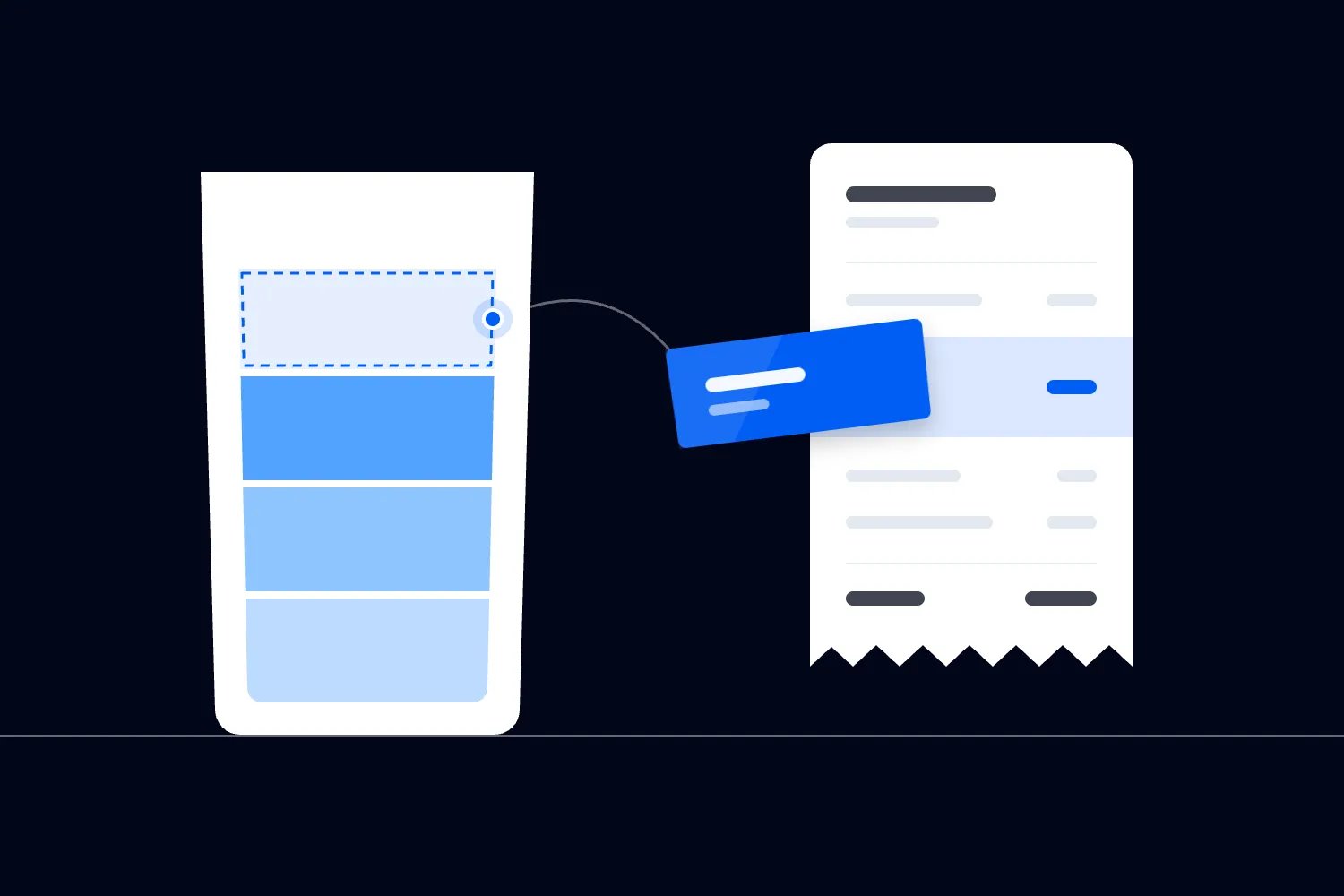
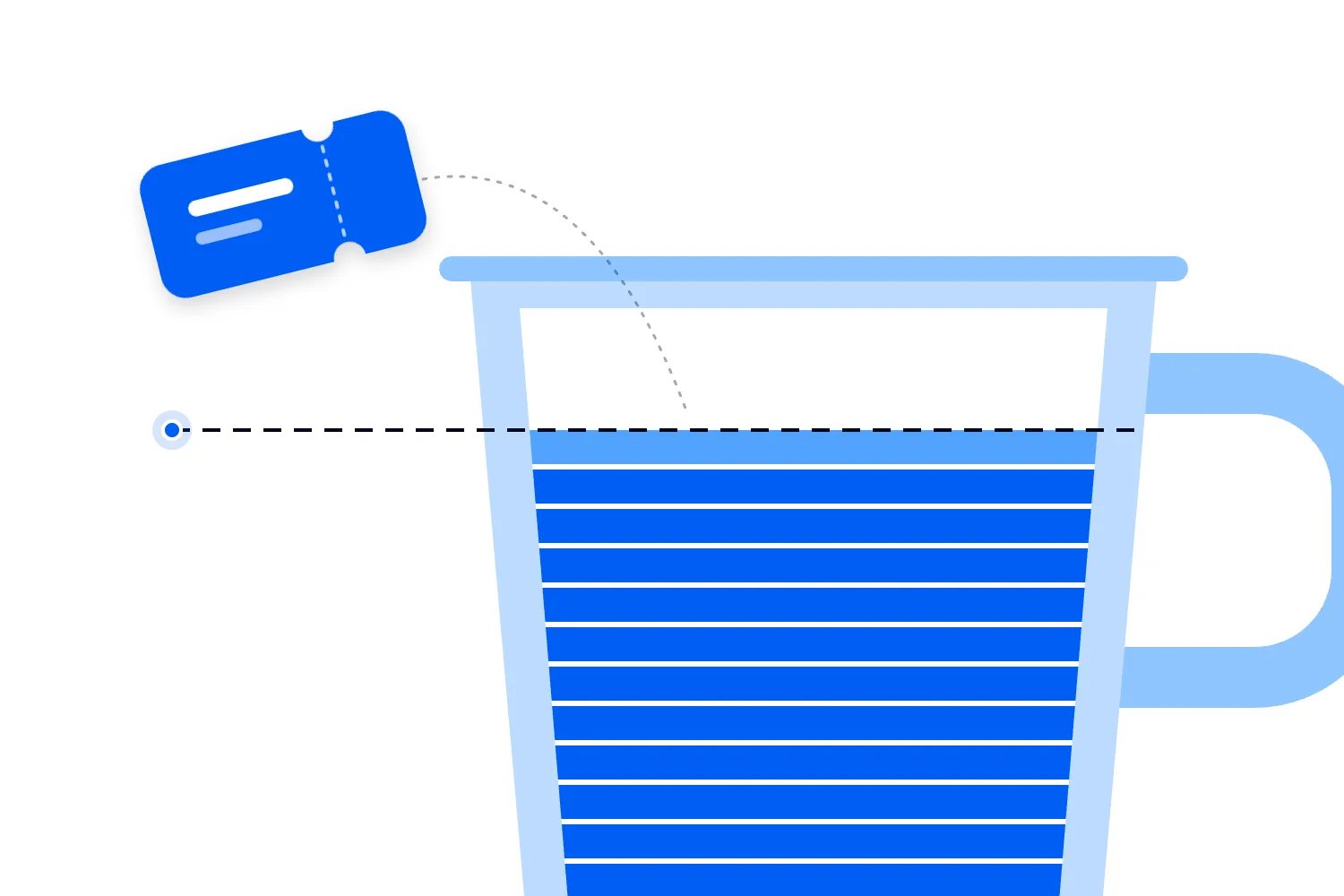
A bar minimum is an agreed amount of qualifying drink sales, with a stated consequence if those sales fall short. In the simple version, the venue keeps drink revenue and you pay the difference between the minimum and actual eligible sales. There may also be hire and other charges.
A venue buyout describes exclusive access to an agreed space and period. It doesn't, by itself, explain the price. A venue can offer exclusive access for a fixed hire fee, an agreed minimum spend, or a combination. Ask what the word means in this particular quotation before treating it as a fixed alternative.
That distinction matters. You're comparing a payment arrangement and an access arrangement, and they can overlap. A minimum spend might buy the whole venue. A buyout might include a large food and beverage commitment. You need the actual terms underneath each label to see which option your event can afford.
For a real example, Scout's private events FAQ describes full buyouts as exclusive use of the restaurant and separately lists food and beverage minimums. That's one venue's offer, rather than an industry rule. It shows why an exclusive booking doesn't automatically remove a minimum spending obligation.
Start by writing what each offer gives you. Which rooms are yours? Can other guests enter the building? Who controls the entrance? Is the bar shared? How early can your crew load in, and when must everything leave? These answers affect whether either offer can deliver the event you're selling.
Then write what you owe. Separate the fixed hire fee, minimum spend, shortfall calculation and compulsory extras. Put any organiser share of bar sales on its own line. If there's a revenue share, calculate it under its own terms rather than assuming it cancels the minimum dollar for dollar.
Our event venue contract guide covers the wider booking agreement. Here we're making a narrower decision: whether linking your venue bill to drink sales gives you an affordable advantage, or whether paying a defined price is worth the extra money. Keep that question visible as you compare quotes.
Find out whose spending counts
This is the question that can overturn the entire offer. Do drinks bought individually by ticket holders count towards your minimum, or does only food and drink paid for by your business count? Get a written answer. A busy bar doesn't help your minimum if those sales are excluded.
McMenamins' private event terms give a useful example. Only hosted, catered food and beverage served in the event space counts towards its minimum. Cash bar sales, service charges and sales tax don't count. When the qualifying spend falls short, the difference becomes a room rental fee.
For a paid show where guests buy their own drinks, that is very different from a minimum reduced by guest purchases. You might sell every ticket and still owe the full hosted commitment if you haven't bought qualifying hospitality. Don't use the venue's projected till total until you've checked that it measures qualifying sales.
Ask about every category your forecast includes. Alcohol-free drinks, food, coffee, drink tokens and sponsor purchases might have different treatment. A bar minimum and a food and beverage minimum aren't interchangeable. If food counts, use that fact in the budget. If it doesn't, remove it from the spending forecast.
Specify the time window and trading area too. Your audience might buy drinks downstairs before entering your ticketed room. They might stay after the performance. Those receipts only help if the agreement includes them. The venue needs a way to identify the included sales without guessing which customers came for your event.
Keep tax, service charges and tips separate until the agreement explains each. In the United States, the IRS distinguishes compulsory service charges from voluntary tips. That distinction concerns federal tax treatment; it doesn't tell you what your venue has agreed to count. Ask the commercial question as well as the accounting question.
Also check refunds and complimentary drinks. A refunded purchase may reduce qualifying sales. A drink given away by the venue may generate no qualifying revenue at all. Agree how both appear on the statement, especially if the venue can authorise discounts while you remain responsible for meeting the minimum.
Now ask for an example. Give the venue one invented event with guest purchases, hosted drinks, tax, tips and a refund. Have its finance person show exactly what counts and what you owe. You should reach the same answer from the written terms without needing the sales manager to interpret them.
If your business pays for qualifying hospitality, add that expense to your own total as well. Spending $1,000 on a hosted reception might reduce a shortfall by $1,000, but your business still paid the reception bill. It hasn't saved $1,000 overall under a dollar for dollar shortfall calculation. The purchase may give your guests something useful for money you would otherwise pay without receiving anything. That can be a sensible choice. Ask whether charges differ between hospitality and shortfalls, then compare the complete payment before deciding to buy extra food or drinks for everyone.
Compare the money your business pays
Here's a hypothetical comparison in US dollars. It is a worked example, not a price benchmark, tax calculation or prediction of guest behaviour. Both offers provide identical exclusive access, service and hours. Guests buy their own drinks, the venue keeps those receipts, and neither offer gives the organiser bar income.
Offer A charges $500 fixed hire and has a $6,000 minimum reduced by qualifying guest purchases. You pay any shortfall. Offer B charges $3,500 fixed hire with no minimum. Both add $1,000 of compulsory event services. These example amounts are complete organiser charges, with no further tax or service fee added.
Under Offer A, your total venue cost is $1,500 plus whatever is missing from the $6,000 minimum. Under Offer B, your total is $4,500 whatever guests spend. Drink purchases belong to the venue in both cases, so they aren't money you add to your event revenue.
If eligible guest spending reaches $6,000, Offer A costs you $1,500. Offer B still costs $4,500. The minimum arrangement saves your business $3,000. At $4,000 of eligible spending, Offer A adds a $2,000 shortfall and costs $3,500. It's still cheaper, but the saving falls to $1,000.
At $2,000 of eligible spending, the shortfall is $4,000. Offer A now costs $5,500, which is $1,000 more than the fixed buyout. At zero eligible spending, its total reaches $7,500. Offer B remains $4,500, assuming the event goes ahead under the stated terms. Cancellation has a separate calculation.
| Label | Minimum offer cost USD | Fixed buyout cost USD |
|---|---|---|
| 0 | 7500 | 4500 |
| 2000 | 5500 | 4500 |
| 4000 | 3500 | 4500 |
| 6000 | 1500 | 4500 |
The chart uses only the invented offers above. Offer A includes $500 hire, $1,000 services and the unpaid part of a $6,000 minimum. Offer B includes $3,500 hire and $1,000 services. Both keep all guest drink receipts, and no additional charges or organiser hospitality purchases enter these figures.
The offers cost the same when eligible spending is $3,000. Offer A then combines $1,500 fixed costs with a $3,000 shortfall. Above that spending level, A is cheaper. Below it, B is cheaper. That gives you a useful question: how confident are you that qualifying spending will exceed $3,000?
Notice what happens above the full minimum. If guest spending rises to $8,000 in this example, your Offer A cost stays $1,500. You don't receive the extra $2,000 because the venue keeps all drink revenue. This puts a limit on the organiser's saving while the venue can keep earning beyond its minimum. That's perfectly possible to agree, but it needs to be clear in your forecast. Don't keep reducing your venue expense once the shortfall reaches zero, and don't call the extra receipts your own profit.
The maximum payment in this example is also visible. Offer A can cost $7,500 if qualifying spending is zero; B costs $4,500. Those amounts aren't your whole event loss. Add artist fees, marketing, production and other costs, then subtract the revenue you actually keep. Use our event break-even guide for that wider calculation.
Forecast the crowd who will actually spend
Don't start with the venue's capacity. Start with the people you reasonably expect to attend, and distinguish them from tickets issued. Complimentary guests count towards attendance, while no-shows don't. Refunds may reduce both attendance and ticket revenue. Your previous check-in records are more useful than a room's maximum occupancy.
Then ask how your format affects purchases. An evening with a long interval gives guests different opportunities from a short talk ending just before dinner. A seated audience may have limited time at the counter. Guests arriving straight from work may want food. None of that justifies inventing an average spend.
Use records from comparable events where you have them. Divide qualifying sales by actual attendees, using the same sales definition your proposed agreement uses. Note the prices, duration and service conditions. If the old report includes tax but the new minimum excludes it, convert the figures before comparing them.
With Loopyah's ticketing and check-in tools, you can sell tickets and scan guests at the door. Those records help you understand how your sold audience translates into attendance. Ask the venue for the matching qualifying sales report. Ticket records alone cannot establish spending through the venue's separate tills.
For illustration, suppose the minimum offer above forecasts $20 of qualifying guest spending per attendee. This is another invented assumption, not a suggested target. Reaching its $3,000 comparison point would require 150 attendees at that spending level. Meeting the entire $6,000 minimum would require 300. You need to distinguish those two thresholds.
Now imagine 200 people attend but qualifying spending averages $12. The bar records $2,400. Offer A costs $5,100, because $1,500 fixed costs combine with a $3,600 shortfall. A forecast built around 200 people spending $20 would have predicted a $3,500 bill. Attendance alone didn't explain the difference.
Test lower attendance and lower spending together when that's credible. A quiet night might bring fewer people, shorter stays and fewer purchases. Ticket income then falls while your shortfall grows. Putting those movements in the same event budget shows whether you can carry the risk instead of checking each assumption separately.
If you don't have a spending history, say that. Ask the venue for relevant anonymised records and understand what they measured. You can still make a booking decision, but a forecast based mainly on assumptions needs more room for error. Don't guarantee a minimum that only works if those assumptions are unusually generous.
Separate the people buying tickets from the people buying hospitality. An organiser selling a ticket that includes a reception might have committed hosted spending before anyone arrives. An organiser selling admission only might have no control over guests' purchases. In the first case, the catering order can establish part of the qualifying amount, subject to the contract. In the second, attendance and voluntary spending remain uncertain. Use the right forecast for your offer rather than treating both events as the same bar opportunity.
Decide what exclusivity is worth
The cheaper payment arrangement only wins if it supports the event you promised. If one offer gives you a private room and the other gives you the entire building, you're buying different access. First ask the venue to price the same access under both payment arrangements. Then evaluate any genuine difference separately.
Exclusive access can matter for ticket control. A public entrance feeding a shared bar may make it hard to distinguish ticket holders from ordinary customers. Your team needs a workable entrance plan, wristband or ticket check, and clear routes between areas. Write who controls those checks and who pays for the people doing them.
Sound is another practical difference. A public restaurant operating next to your performance may limit volume, timing or the use of shared areas. A buyout won't automatically change licence conditions or sound restrictions. Ask what the venue actually permits for your programme and confirm any agreed limit before selling the experience.
Look at queues as well as floor space. More rooms don't always mean more usable audience capacity once bars, entrances and toilets are operating. The UK's Health and Safety Executive's crowd guidance says queuing should not block emergency access routes. Check your layout and service plan with the people responsible for the venue.
Put a money value on access where you can explain it. Suppose exclusive use requires an additional $1,200, and each extra ticket contributes $30 after its direct costs. You need 40 additional paid tickets just to cover that difference. These are invented figures. Confirm that the extra capacity and demand both exist.
Access may earn money another way. A sponsor might pay for an agreed activation area that a shared booking cannot provide. Count confirmed, permitted sponsorship income in your comparison, after delivery costs. Don't count a hoped-for sponsor contribution or sell rights the venue's existing supplier agreements prevent you from delivering.
Sometimes the access is essential even when it adds no measurable ticket income. A ticketed screening needs a suitable viewing space. A confidential paid workshop may need privacy. In that case, compare viable offers only. A cheap shared booking that cannot deliver the programme doesn't belong in the final shortlist.
Also ask when exclusivity starts and ends. Access from doors until the last guest leaves may exclude soundcheck, sponsor setup and load-out. Your crew still needs those hours. Include their price and availability in the comparison, so the fixed buyout doesn't become expensive through access charges discovered after you've chosen it.
Treat deposits as payments, then check the dates
A deposit can make an offer look more expensive than it is if you count it twice. If it's a payment credited against your final bill, include the total bill once in the event budget. Put the deposit and remaining balance on their separate dates in your cash forecast.
For a hypothetical $4,500 buyout total with a $1,500 credited booking deposit, you pay $1,500 earlier and $3,000 later. Your total remains $4,500. Calling the cost $6,000 adds the same deposit twice. A refundable damage deposit needs a separate cash entry because it may tie up money without becoming an event expense.
Under a minimum arrangement, ask what the deposit pays for. Is it credited towards fixed hire, organiser hospitality, the shortfall or the entire invoice? Is any unused part returned when guests meet the minimum? Write the order of crediting. A deposit described as a bar deposit can otherwise become surprisingly hard to recover.
Imagine Offer A ends at $3,500 and you previously paid a $1,000 deposit credited against that invoice. The balance is $2,500. Guest drink receipts have already reduced the shortfall in the calculation; the organiser deposit reduces the unpaid invoice. They're different amounts doing different jobs, and each gets counted once.
Ask for the settlement deadline and payment terms before signing. A venue may want the expected balance before doors, then reconcile actual sales afterwards. That requires more available cash than a promise to pay only the final shortfall. Establish when an overpayment comes back and what records support the adjustment.
Make the final statement easy to follow. It should identify qualifying sales first, calculate the remaining minimum, add the agreed hire and compulsory charges, then credit organiser payments already received. Require supporting event reports for the sales amount and invoices for extras you approved. If part of the bill is disputed, agree how the undisputed balance is handled and who reviews the difference. This is especially useful when a separate bar company runs the tills and the venue owner sends the final invoice.
Use your event cash flow forecast to put venue payments beside the dates money reaches your bank. Ticket orders aren't automatically available cash on the day a deposit falls due. Include other supplier deposits, refunds and any money reserved for payments you already owe. A profitable forecast can still run out of cash.
Cancellation changes this analysis. The maximum shortfall on an event that happens isn't necessarily the maximum amount due if you cancel. Ask for a separate cancellation statement showing retained deposits, additional charges and credits. Don't add every amount mentioned in the agreement without checking which obligations replace or overlap with others.
For a postponement, find out whether the credited deposit follows the new booking and whether the minimum changes with the date. A weekday offer may not transfer unchanged to Saturday. You need a written answer before deciding whether the flexible minimum or fixed buyout gives you the better practical option.
Price the extras before choosing
Now check everything the first quotation left out. Security, cleaning, technical staff, equipment, setup time and compulsory catering can change the result. Put the same required service into both options even if one venue includes it and another expects you to arrange it. Compare the complete cost of delivering your event.
Service charges deserve their own calculation. What percentage applies, to which amount, and does it also apply to a shortfall? Ask whether a shortfall is treated as hire or as food and beverage spending. The answer can change the charges around it. Get a sample invoice using the venue's actual treatment.
Keep tax local. A venue quote in one country doesn't establish treatment in another, and a venue's advertised percentage doesn't tell you the tax basis. Have the venue identify the applicable taxes and taxable items in writing. Your accountant should check recoverable taxes separately from the cash you must pay.
Consumption billing also needs a spending limit when your business hosts drinks. Suppose you agree a minimum and then guests order beyond it on your account. The minimum may be the floor, with the actual hosted bill rising above it. Agree an authorisation process and guest communication before opening a hosted tab.
A fixed hire buyout with guests buying their own drinks avoids that particular hosted bill, but only if the contract says so. If your ticket includes drinks, those drinks still need funding. Add the package or consumption cost and any minimum to the comparison. A fixed room fee isn't a fixed event cost.
For England and Wales, GOV.UK's alcohol licensing guidance explains the licensing framework and mandatory conditions, including drinking water and restrictions on irresponsible promotions. Confirm the permission for your event and who is responsible. Other jurisdictions have their own rules. A buyout doesn't itself grant permission to sell alcohol.
Keep the commercial minimum away from service decisions that protect guests. Don't tell staff to recover a shortfall by pushing alcohol purchases, delaying refusals or limiting water. Forecast the spending your audience chooses to make under responsible service. If that doesn't support the minimum, change the booking terms or the budget.
Finally, identify who can approve extra expenditure during the event. Your stage manager may authorise urgent technical help, while your finance contact approves a hosted tab increase. Send those limits to the venue. Otherwise one busy-night decision can change the bill you thought you had fixed when choosing the offer.
Ask for a better version of the deal
Once you've calculated both offers, you can make a precise request. Perhaps the minimum is cheaper at expected spending but too expensive on a quiet night. Ask the venue to cap your shortfall or reduce the minimum. Then rerun the calculation with any additional hire fee the venue wants in return.
Suppose Offer A keeps its $1,500 fixed costs but caps the shortfall at $2,000. Its maximum cost becomes $3,500 under that revised formula. That would beat the $4,500 buyout on cost at every spending level in our example. The venue may decline it or change other terms. Compare the actual counteroffer.
You might instead ask for fewer rooms, shorter exclusive access or a different date. Those changes can reduce the venue's displaced business and the price it needs. Check that your production and audience experience still work. A saving that forces you to cut an essential part of the programme isn't useful.
Where guest spending counts, agree the service conditions behind your forecast. Include opening hours, agreed service points and the menu basis. Ask what happens to the minimum if the venue cannot provide the agreed service. Have the final terms checked locally, particularly where reductions, cancellations or disputed responsibility affect payment.
Be specific about the commercial problem. "Our expected sales support the minimum, but the maximum shortfall exceeds the amount this event can carry" gives the venue something to respond to. "We need it cheaper" leaves the reason vague. Offer a credible booking rather than a promise that every ticket will sell.
For a series of events, ask whether each date settles separately. A good first night might not cover a quiet second night unless the agreement expressly pools their qualifying sales and minimums. Likewise, unused deposits may not carry forward automatically. Model each confirmed booking on its own terms before combining the series budget. You can discuss a pooled arrangement with the venue, but identify the dates, reporting period and settlement method. One successful show shouldn't conceal an obligation on the next booking that you cannot finance.
Also consider whether you need both quotes at all. If the buyout includes a hosted minimum you can't fund, ask for another structure. If shared access cannot support ticket control, remove that option. Narrowing the choice to agreements you can deliver makes the remaining financial comparison much easier to trust.
Make the booking decision
Before choosing, have someone who wasn't in the venue meeting calculate both offers from the written terms. Give them your attendance scenarios, qualifying spending assumptions and required access. If their total differs from yours, resolve the wording with the venue. You want one answer before anyone sends a deposit.
Keep that comparison after the event too. Record actual attendance, qualifying spending, the final venue bill and any service change that affected trading. Next time, you'll have evidence for the deal you can support. If you beat the minimum easily, you can discuss future dates using those records. If you missed it, understand whether attendance, spending or the counting rules caused the gap before accepting another guarantee. A repeat booking deserves a fresh calculation using what happened, alongside the changes planned for the next show.
Choose the minimum when its qualifying spending definition matches your event, its expected saving is meaningful, and the quiet-night payment fits your available budget. You also need the venue service and access that make your forecast plausible. Record which assumptions would change your decision, so you can revisit them before committing further money.
Choose the fixed buyout when the complete payment is affordable and the certainty or exclusive access justifies its price. Confirm every remaining variable cost and any separate minimum. You're paying for a particular agreement, so keep its schedule, inclusions and payment calculation with the signed booking instead of relying on the quotation heading.
If neither offer works after you include disappointing attendance, keep looking or change the event budget. The venue can be excellent and still be wrong for this show. Send the chosen calculation to the venue's finance team, confirm that they will settle it that way, and only then pay the agreed deposit.

Author: By the Loopyah Content Team
The Loopyah Content Team shares expert insights, practical guides, and industry updates to help event organizers create unforgettable experiences and stay ahead in the event planning world.