· 21 min read
Cash bar, hosted bar or open bar: which suits your event?

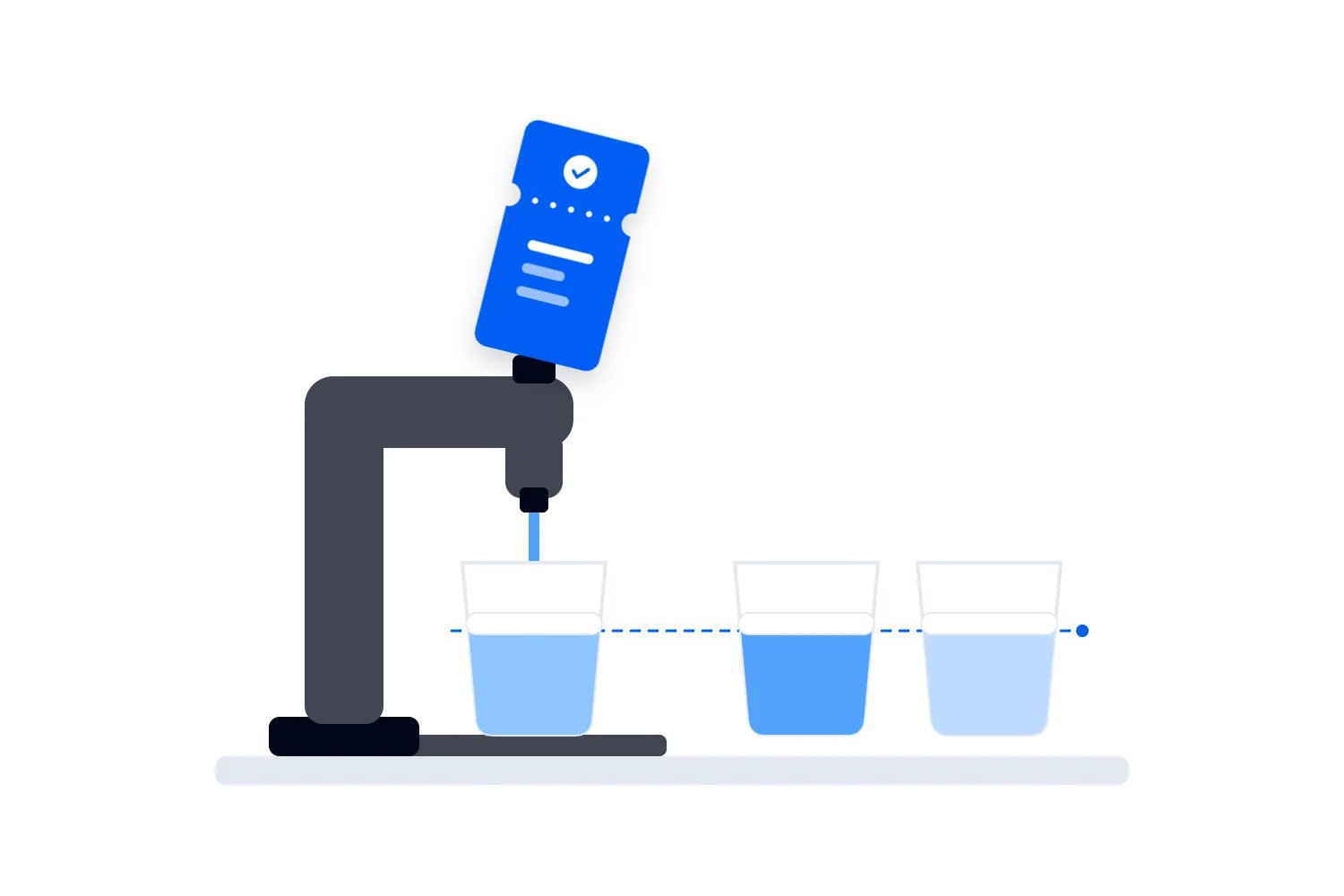
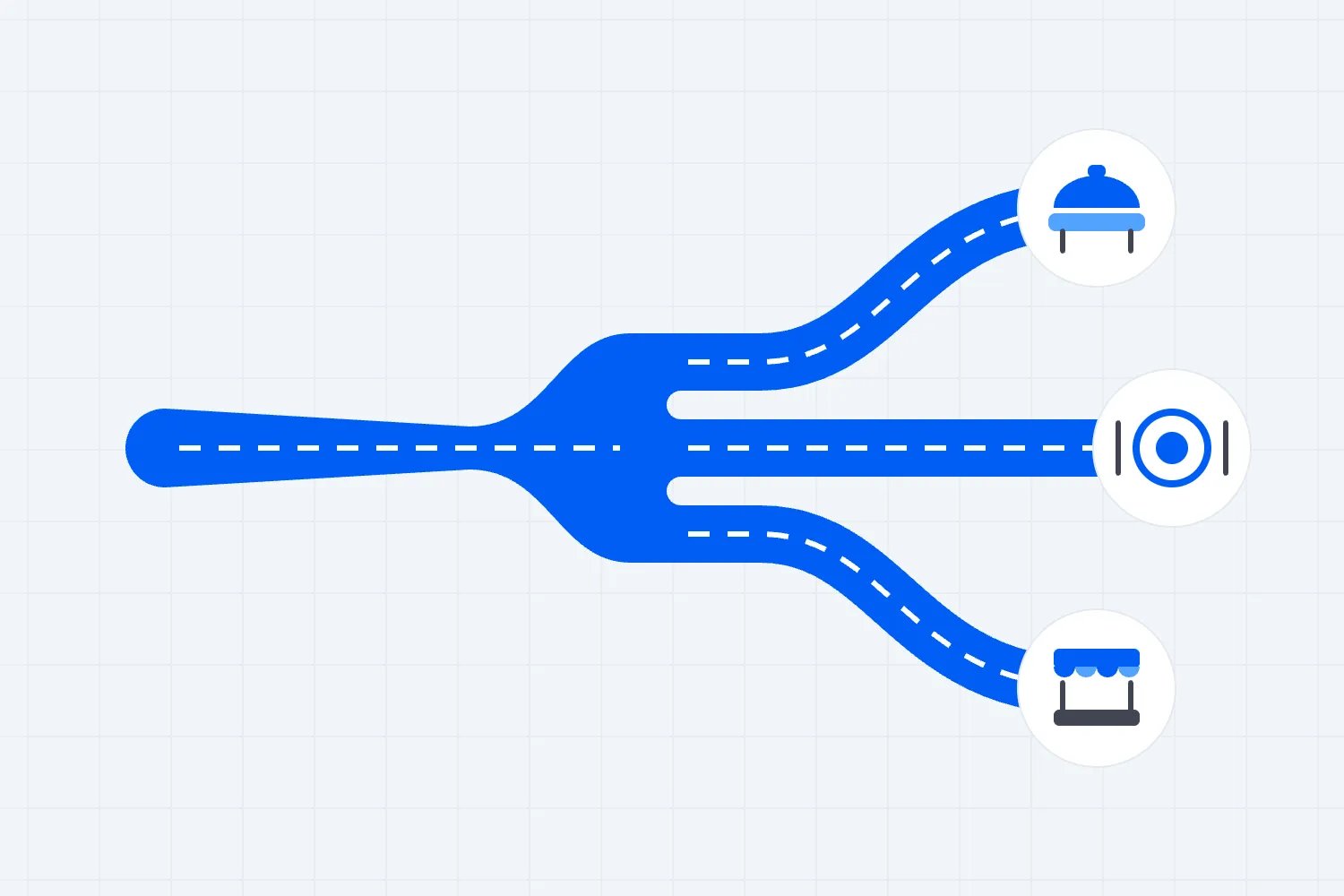
You've agreed the room, booked the entertainment and worked out your ticket price. Then the venue asks how you want to run the bar. Guests can buy their own drinks, you can pay for some of them, or you can include a bar package in admission. Each option changes what you're selling and how much money you might owe after the event.
For most paid events where drinks aren't the main attraction, a cash bar is the sensible starting point. A hosted bar works when you want to include a defined amount of hospitality without funding every order. An open bar can suit a premium ticket, but only when buyers value the inclusion enough to cover its full cost and you can deliver the promised service.
The interesting part is that the guest's experience and your supplier's invoice are separate decisions. Guests might never pay at the bar while you pay the venue for each drink. Or you might buy a fixed package for a defined period. Getting that distinction right is how you avoid selling one promise and budgeting for another.
What cash bar, hosted bar and open bar actually mean
At a cash bar, the guest pays for each purchase. Despite the name, payment might be by card or phone. Tell people which methods are accepted rather than assume "cash bar" explains it. The money usually goes to whoever operates the bar, which might be the venue, an outside concession or your own business.
A hosted bar means the organiser or another named host pays for drinks within agreed limits. You might cover a reception period, selected products, a fixed spending allowance or a drink included with admission. The useful question is what the host covers and what the guest pays for afterwards.
An open bar means eligible guests can order from the included menu without paying individually during the stated service period, subject to responsible service. It doesn't automatically mean every bottle on the shelf, every guest in the building or service until the venue closes. Those details need to be part of the offer.
Suppliers use these terms differently. Some call any organiser-paid bar a hosted bar, including a full open bar. Others use "hosted" specifically for a capped tab. You don't need to win an argument about terminology. Ask the supplier to describe the arrangement in ordinary words and put those words in the booking agreement.
For your buyers, the distinction should be equally clear. "Admission includes one selected drink" means something different from "selected drinks included throughout the evening". A broad hospitality phrase can sound attractive on the event page and still leave a bartender explaining exclusions to disappointed customers.
Choose the guest offer before choosing the billing method
Start with why people are buying your event. At a ticketed comedy show, they may be paying for the performance and expecting to buy refreshments separately. At a premium tasting, the included drinks may be the reason to attend. The same bar arrangement won't make sense for both.
Think about the whole audience, including people who don't drink alcohol. A ticket that costs more because it includes alcohol might be poor value for a driver or someone who wants a soft drink. Offer a worthwhile alcohol-free choice and make its inclusion clear. If you offer different tickets, explain the difference without making buyers decode package names.
Then consider the time guests have to use the offer. A short reception before a seated show creates a very different service requirement from an evening with several breaks. Guests who arrive late may miss a time-limited inclusion. State the service window before purchase, especially when the opening reception contributes to the advertised ticket value.
Ask whether the bar supports your programme or competes with it. A complex cocktail menu before a performance may keep customers queueing after the show begins. An included drink redeemed at any point may spread demand more evenly. That depends on your schedule and staff, so walk through the evening with the venue rather than borrowing another event's arrangement.
The best choice is the one you can price, explain and serve properly. A modest inclusion delivered well can be a better paid offer than an impressive package that leaves people waiting or paying extra for what they thought was covered.
When a cash bar makes commercial sense
Choose a cash bar when the programme already justifies the ticket price and buyers expect drinks to be a separate purchase. It lets people choose their own spending and avoids charging every attendee for an inclusion they may never use. It also gives you a clearer starting point for the admission price.
That doesn't make the bar free for you. The venue may charge for staffing, require a minimum spend or make room hire conditional on drink sales. If you're operating the bar yourself, stock, staff, equipment and payment costs still need funding. Write those obligations into your event budget before deciding that guests paying means the organiser carries no cost.
If the venue keeps the receipts, you cannot count all bar sales as event income. A promised percentage needs its own agreement about eligible sales, deductions and payment. Our guide to negotiating a bar revenue-share deal explains that separate decision. Cash bar describes who pays for the drink; revenue share describes who receives part of the proceeds.
A cash bar is harder to defend when the ticket description suggests comprehensive hospitality. "Premium reception" can create expectations even without the words "open bar". Say that drinks are available to purchase and provide the menu or a useful price range before the event. Make the offer attractive through the actual programme rather than leaving a material expense vague.
Also check whether customers can pay reliably. If the bar accepts only cards, say so. Ask what happens during a payment outage, who authorises the fallback and how sales are recorded. A customer who cannot buy water or refreshments because the payment system has stopped won't care that admission itself worked perfectly.
Read the ticket description as someone attending for the first time. Would they know whether they need to pay for refreshments, arrive early or choose a particular ticket? If you need several spoken qualifications to explain it, rewrite the offer. The important details shouldn't emerge only after someone has paid or reached the bar.
Ask the venue what its menu will cost on your event date, and whether it can change prices after you start selling tickets. If you publish a range, confirm what that range covers and keep it accurate. You don't control a customer's spending, but you do control whether you gave them useful information before they committed to the evening.
When a hosted bar gives you better control
A hosted bar suits an event where some hospitality improves the offer but an unlimited organiser-paid bill would be difficult to absorb. You can include a welcome drink, fund a defined reception or cover a selected menu up to an agreed allowance. The boundary needs to be understandable to staff and guests.
A per-person entitlement is often easier to explain than a shared spending pot. If admission includes a selected drink, each eligible guest knows what they receive. With a shared tab, early arrivals can use the allowance before later guests reach the bar. That may be acceptable for a clearly described hosted period, but it's a poor way to promise equal individual value.
Decide how the entitlement is issued and redeemed. A paper voucher, token or another agreed check can work if the team understands it. Set the eligible products, permitted substitutions and rule for lost vouchers. A voucher is evidence of a purchase entitlement, not permission to serve alcohol when responsible service requires refusal.
For a shared tab, give the bar a written cap and a named person who can approve changes. Ask for an alert before the allowance runs out. The cap should say whether tax, service charges and other agreed fees count towards it. Otherwise you can stop drink orders at the headline amount and still receive a larger invoice.
Then choose what happens when hosting ends. The bar might switch to guest payment, stop serving the included menu or continue only with specific approval. Explain the change in advance. Staff shouldn't have to invent the rule while customers hold drinks they've already ordered.
I would usually prefer a clear entitlement over a surprise switch halfway through the night. It gives you a defined promise to price and makes it easier to treat customers consistently, particularly when your arrival pattern is spread across several hours.
When an open bar can justify its cost
An open bar can work when the event sells a substantial hospitality experience and buyers are willing to pay for it. A premium entertainment package might include selected drinks during a defined reception and performance interval. The benefit is convenience and a clearer total purchase, provided the menu and timing are clear.
You still need to establish what buyers value. Don't assume an alcohol inclusion lets you raise admission by its supplier cost. Some customers may prefer a cheaper ticket and their own drink choices. Others may welcome a complete package. Use feedback from comparable events and actual ticket sales before making the whole audience fund an untested offer.
A smaller premium area can sometimes make more sense than an open bar for every attendee. You can set its capacity, service hours and ticket price separately. Keep the general ticket's experience worthwhile, and account for any staff or equipment dedicated to the premium area rather than spreading those costs invisibly across the event.
The included menu should be practical to serve. Name the drink categories, sizes and excluded products. Specify acceptable substitutes if something runs out. If the offer includes cocktails, ask which recipes the team can prepare at peak demand. A package becomes less valuable when the most advertised drink is unavailable or takes longer than the interval to receive.
Open bar also needs a firm end time. "Until midnight" should refer to the actual included service period, with the last-order arrangement explained where necessary. An event running late does not automatically extend the supplier package. Agree what an extension would cost and who can approve it before the first ticket goes on sale.
Make a limited inclusion feel worth buying
Suppose you're running a paid live music evening and want to include a welcome drink. Start by deciding what that drink adds for the buyer. If it simply raises admission by the menu price, customers may prefer choosing their own drink at the bar. If it helps them settle into a reception before the performance, the inclusion has a clearer purpose.
Make the choice useful. A selected beer, wine or alcohol-free drink can offer different guests a reasonable option without promising the entire menu. Ask the bar to confirm the actual alternatives before writing the ticket description. Don't advertise a category that the team has no agreed product or stock to serve.
Then check redemption against arrival. If tickets sell for a show starting at eight, but the included drink is available only before seven thirty, buyers need to know that before paying. You might instead allow redemption during the first interval. The best window depends on your programme, the queue and the reason for including hospitality.
A tasting needs a different explanation. When drinks are part of a guided programme, describe the planned servings and alcohol-free participation clearly. It isn't interchangeable with an open bar, and guests shouldn't have to assume that admission includes unrelated orders before or after the session. The programme can be generous without giving the supplier an undefined tab.
For a mixed audience, test whether an optional hospitality ticket is clearer than changing every admission. Some customers may want the reception while others only want the performance. Price the optional offer using its own expected sales and costs. Don't assume the general audience will cover a hospitality shortfall unless that subsidy is a deliberate budget decision.
Finally, consider what happens when you can't deliver an inclusion. If the agreed drink runs out, staff need an approved substitute or a clear way to direct the customer to your team. Let the ticket terms and applicable consumer rules guide the remedy. A bartender's improvised apology doesn't resolve a paid promise you made to the buyer.
Consumption billing and packages are different supplier deals
With consumption billing, the supplier charges for eligible drinks actually served at agreed prices. Your final bill changes with attendance, product choices and recorded orders. It can suit a limited hosted offer, but it needs reporting you can verify and controls on what staff may add to your tab.
With a per-person package, the supplier charges an agreed amount for each person counted under the contract. That may be based on guaranteed numbers, confirmed eligible tickets, actual attendance or another agreed measure. You must know which count applies. Paying for people who don't arrive can wipe out the saving you expected from a predictable package.
A package also needs a defined duration and menu. Staff, glassware, ice, mixers, cleaning and service charges might be included or billed separately. Ask for a complete quote using your date, attendance and schedule. Comparing a bare package price with a consumption estimate that already includes staffing gives you a misleading result.
Consumption billing can be capped without becoming a per-person package. A cap limits what the organiser authorises, while the supplier still records individual drinks. That cap may change the guest experience if hosting ends when it's reached. You therefore need to agree both the financial limit and the message buyers receive.
Ask how the supplier handles partially used stock. Billing by opened bottle can cost more than billing by measured serving, especially with a wide selection. Confirm whether the agreement charges for bottles opened, drinks poured or stock issued to the bar. There isn't one universal convention you can safely assume.
Get these terms into the same venue contract as the room and service obligations. A package described in an email is difficult to rely on if the signed booking terms give the supplier a different method of counting guests or charging extras.
Compare a consumption offer with a package in dollars
Here's a hypothetical comparison for a paid evening with 200 eligible guests. Every figure is invented in US dollars to show the calculation, not a market price, a spending benchmark or advice about alcohol consumption. The drink count includes all eligible menu orders, including alcohol-free drinks.
Offer A charges the organiser $8 per eligible drink plus $400 for staffing. It has a firm $4,000 cap including staffing, and the included service switches to guest payment when that cap is reached. No other charges apply in this simplified example. Offer B charges $18 per eligible guest plus the same $400 staffing fee for the full agreed service window.
At 200 guests, Offer B costs $4,000 whether the recorded eligible orders total 200, 400 or 600. Offer A costs $2,000 at 200 orders and $3,600 at 400 orders. At 600 orders, the uncapped calculation would be $5,200, but the contract stops the organiser's bill at $4,000.
That last result needs careful reading. Under Offer A, the cap covers 450 eligible orders because $3,600 remains after staffing and each order costs $8. If demand reaches 600 orders, the remaining 150 are guest purchases under the agreed switch. The equal organiser bill does not buy an equal guest offer.
| Label | Capped consumption bill | Per-person package bill |
|---|---|---|
| 200 orders | 2000 | 4000 |
| 400 orders | 3600 | 4000 |
| 600 orders | 4000 | 4000 |
Source: the hypothetical supplier offers calculated in this article. Replace the invented attendance, prices, staffing fee and cap with your written quotes before using this comparison to choose the bar arrangement for your own paid event.
The chart shows organiser cost under those exact assumptions. At 600 orders, only the package includes every eligible order within the stated service period. This isn't an argument that the package is better. It's a reminder to compare what each bill buys, including any expense transferred to your customers.
If attendance falls to 150 and Offer B still uses a 200-person guarantee, its bill remains $4,000. If the contract instead permits billing for 150 confirmed eligible guests, it falls to $3,100. That difference comes from the counting rule, not from the words "open bar". Ask the supplier to calculate both outcomes before signing.
Check whether the ticket can carry the inclusion
Use the expected bar cost to test your ticket price, then repeat the calculation for weaker sales. In the hypothetical package above, $4,000 spread across 200 paid tickets adds $20 per ticket before any admission payment costs. If only 150 paid tickets sell while the guarantee remains, that same bill requires about $26.67 per paid ticket.
Complimentary guests complicate the calculation. They may consume the inclusion and count towards a supplier guarantee while contributing no ticket revenue. Staff, performers and sponsors may also receive hospitality under separate terms. Identify who is eligible and who pays for those orders before dividing the invoice by the number of public tickets.
Now test the buyer's total price. A higher face value may also increase charges calculated as a percentage of ticket value. Include the actual ticket fee arrangement and applicable tax treatment in your own numbers. The simplified bar comparison leaves those costs out so the supplier offers remain easy to follow.
If you're offering admission and a premium hospitality ticket, use clearly named ticket types with the actual inclusions explained. Loopyah's ticket selling tools support ticket types and price releases, so you can sell defined offers without treating every attendee as the same purchase. You still need an agreed process at the venue for checking and serving each entitlement.
Don't base your viability on selling every hospitality ticket at the highest price. Early releases, discounts, refunds and complimentary admissions change what you collect. Use expected money received from the actual sales mix. Then ask whether the weaker-sales case still pays the supplier and leaves enough for the rest of the event.
Put minimums, fees and sponsor funding in writing
A minimum spend can apply to a cash bar, hosted tab or package deal. It is a separate promise about the supplier's income. Ask which purchases count towards it, what happens if spending falls short and whether your prepaid package counts in full. Guests paying individually doesn't automatically remove your obligation to cover a shortfall.
Avoid paying twice for the same requirement. If the supplier quotes both a package guarantee and a minimum, ask for a worked invoice showing how they interact. A credit towards the minimum is different from an additional charge. The contract should let you calculate the amount owed without guessing the supplier's intention.
Service charges need their own line. In the United States, the IRS distinguishes compulsory service charges from voluntary tips for reporting purposes. Don't assume a charge labelled "gratuity" is optional, or that paying it means guests won't encounter another tipping prompt. Ask the operator to explain the charge and how guests will see it.
For a sponsored bar, agree who contracts with the supplier and who pays. A sponsor promising reimbursement later doesn't fund your deposit today. Record the confirmed amount, payment deadline, permitted branding and what happens if the sponsor cancels. Only count money towards your event budget when the funding agreement supports that assumption.
A drinks sponsor may contribute stock rather than cash. That doesn't necessarily cover staff, licensing, storage, ice, glassware or serving costs. Check whether the venue permits outside stock and whether it charges corkage or another handling fee. Get the total cost before advertising a sponsored inclusion you still have to finance.
Keep individual guest purchases, organiser-paid drinks and sponsor-paid orders distinguishable in the records. You want to know what you owe and why, without a settlement that treats every drink served that evening as part of your tab.
Agree the service plan with the people running the bar
Tell the supplier when demand is likely to concentrate. Doors opening, a scheduled interval and a programme finish can send many people to the bar together. Ask how staffing, till positions, preparation and the menu will handle those periods. A price arrangement that works on paper still needs enough service capacity.
Walk the room with the venue. Bar queues shouldn't obstruct admission, accessible routes or emergency exits. The UK's Health and Safety Executive advises organisers to plan and manage crowd safety across arrival, circulation and departure. Apply that planning to your actual bar layout rather than treating queues as a separate catering problem.
Give staff a short written description of the offer. It should name eligible guests, products, service times and the handling of substitutions or exhausted allowances. Explain how staff identify a premium ticket or redeem a voucher. Include a named contact for a dispute, so a bartender isn't expected to renegotiate your admission promise.
Make alcohol-free drinks a proper part of the plan. Confirm their menu, price and eligibility under tokens or packages. Check access to drinking water separately. You don't want someone who avoids alcohol paying the same premium and finding that the only included alternative is whatever mixer happens to be available.
At a hosted bar, decide who receives spending updates and who can approve an increase. That person needs to be reachable during the event. Put any approval in the agreed written channel. If the cap changes, confirm the new total and whether fees count towards it before staff continue charging orders to the organiser.
Keep licensing and responsible service separate from the package
Who pays doesn't decide whether alcohol service is authorised. Confirm the venue, operator, permitted area, hours and relevant permissions before advertising the bar. Don't assume that including drinks in a ticket makes alcohol free for licensing purposes or removes the need to check the arrangement locally.
For England and Wales, the Home Office's alcohol licensing guidance explains the authorisations and licensing responsibilities. If an activity isn't covered by the existing licence, check the appropriate route with the council. Other jurisdictions have their own requirements, so use the authority responsible for your event rather than applying these rules worldwide.
For example, the government's Temporary Event Notice guidance for England and Wales sets limits and deadlines, including fewer than 500 people at any time, counting staff, and a maximum duration of 168 hours. A venue's audience capacity alone doesn't establish whether that route is available. Confirm the full conditions for the proposed event.
Under relevant premises licences in England and Wales, the Home Office's mandatory licensing conditions guidance addresses irresponsible promotions, age verification and free potable water on request where reasonably available. Fixed-price alcohol promotions can engage those rules. Ask the licence holder to check your specific offer rather than assuming every open bar is permitted or prohibited.
Your package should preserve responsible service, including refusal when necessary under the applicable rules. An inclusion is never a commitment to serve someone regardless of age, condition or behaviour. Agree how the team explains refusal and who handles escalation without encouraging guests to consume more to recover the ticket price.
Also distinguish menu servings from alcohol quantities. The US National Institute on Alcohol Abuse and Alcoholism explains that a standard drink contains about 14 grams of pure alcohol, while actual servings vary. A drink voucher isn't a health guideline, and your financial forecast should never become a consumption target.
Explain the offer before purchase and verify the final bill
Your event page should tell buyers what admission includes, the included menu, service period and what requires separate payment. Use the same description in confirmation information and at the venue. If the offer changes after tickets sell, address the actual change with customers rather than quietly replacing the wording for new buyers.
After the event, compare the invoice with the agreed guest count, prices, service hours and authorised changes. Consumption billing needs an event-specific record of eligible orders. Packages need the agreed counting evidence. Check organiser and sponsor tabs separately, along with guest-paid purchases where those affect a minimum or revenue-share settlement.
Record what happened before you book the next date. Look at eligible attendance, orders served, unused entitlements, service delays and complaints about inclusions. Those records won't tell you what every future audience will buy, but they give you better evidence than another supplier's confidence that guests always drink enough.
If buyers come for the programme and prefer choosing their own refreshments, keep admission focused and use a clearly communicated cash bar. If hospitality helps sell the experience, price a defined hosted inclusion first. Choose a full open bar when the ticket economics and service plan support that promise, with the supplier's billing terms agreed before you advertise it.

Author: By the Loopyah Content Team
The Loopyah Content Team shares expert insights, practical guides, and industry updates to help event organizers create unforgettable experiences and stay ahead in the event planning world.