· 21 min read
How to run a useful A/B test on an event ticket page
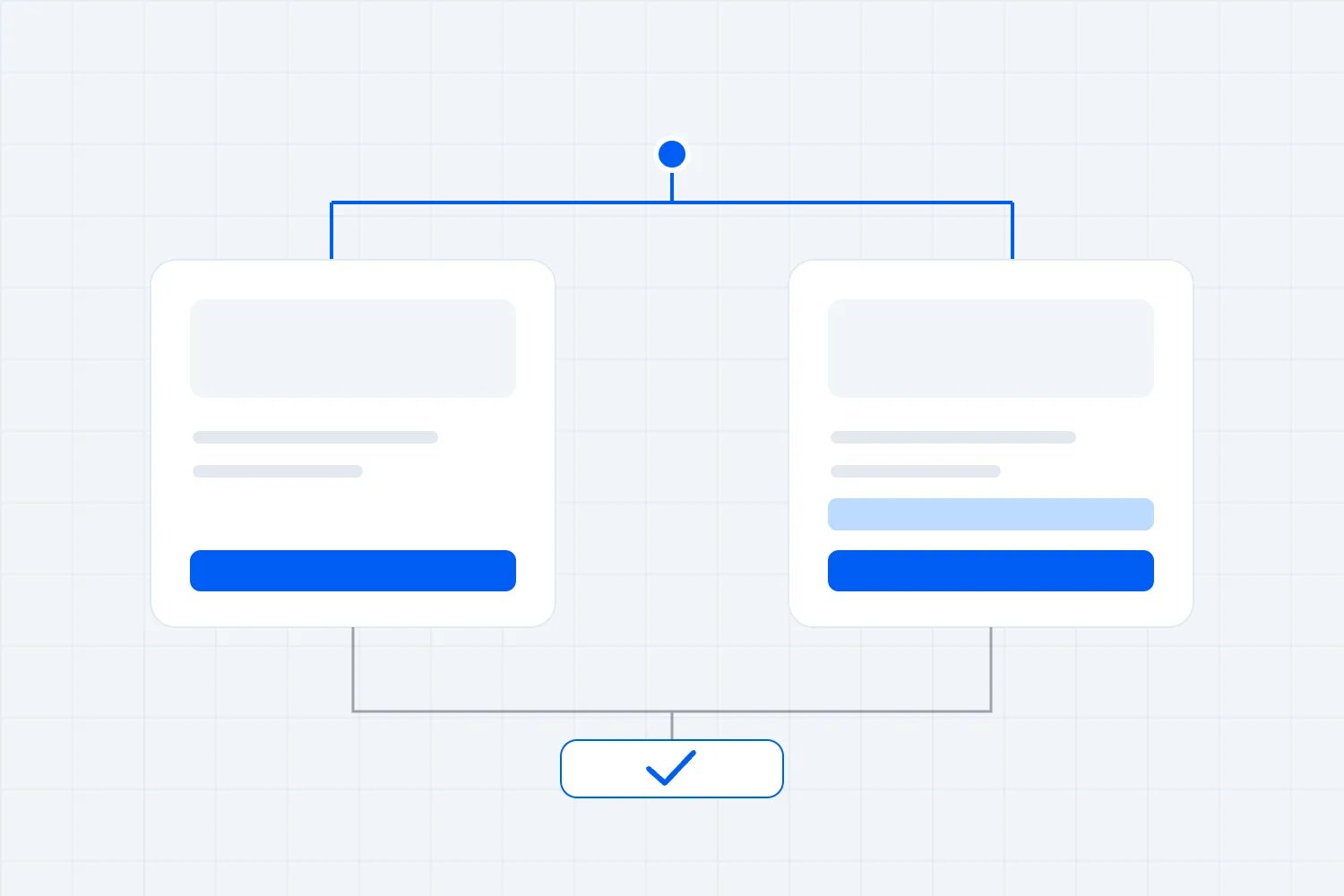
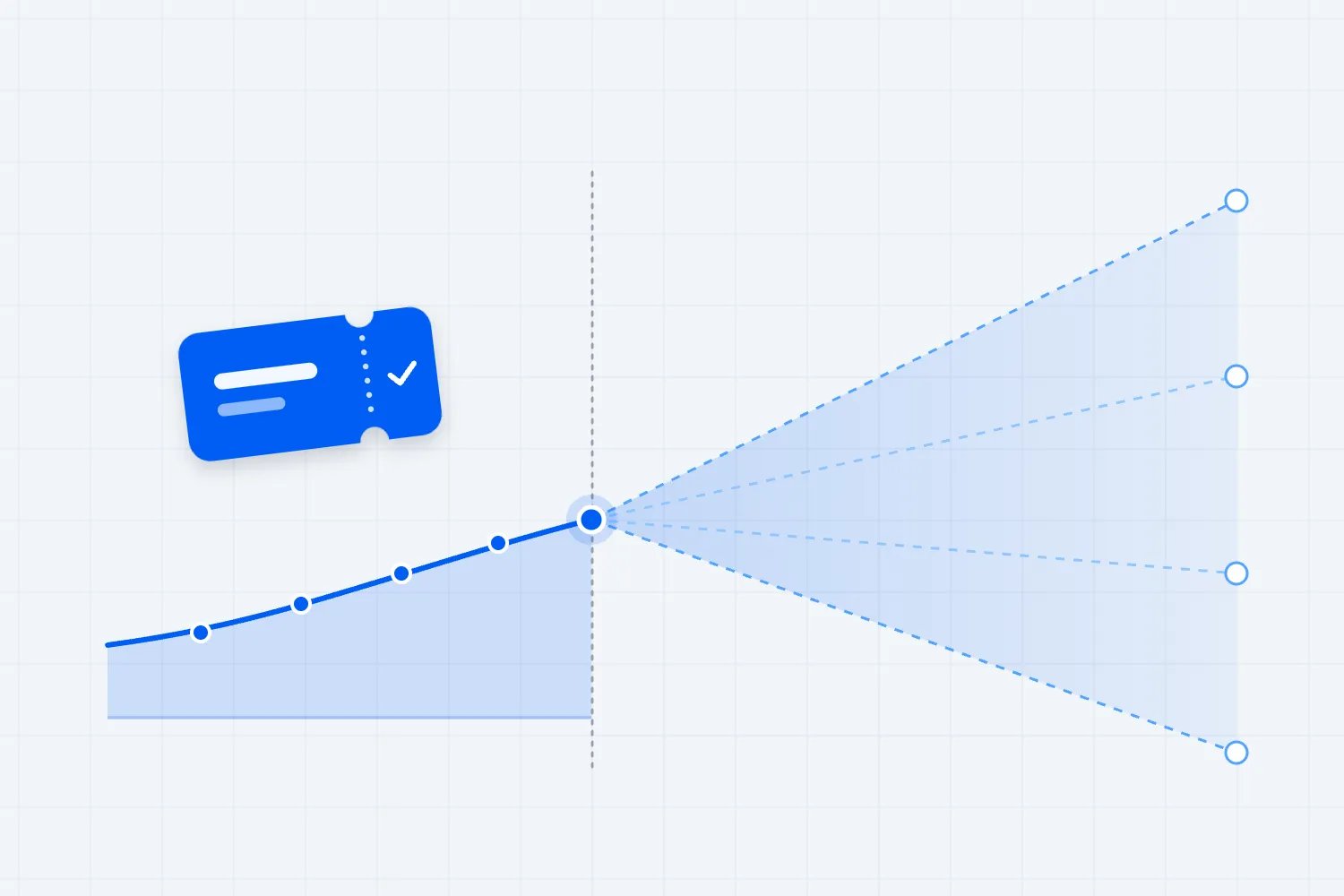
You've changed the headline on your ticket page, moved the programme higher and made the purchase button brighter. Sales picked up that afternoon. Did the page improve, or did the artist's announcement finally reach people who were ready to buy?
A useful A/B test helps separate those explanations. You randomly send eligible visitors to two versions at the same time, keep each visitor on their assigned version, and compare completed purchases. The versions should differ in the particular change you want to assess, while the ticket offer and buying conditions stay comparable.
The first decision is whether you can run that test properly before sales close. Some event pages have enough traffic. Others won't collect enough purchases to distinguish a useful improvement from ordinary variation. Both need better pages, but they need different ways of learning. This guide explains how to choose a change, measure purchases, plan the sales window and decide what the result actually supports.
Decide whether an A/B test fits your sales window
Imagine you're promoting a recurring workshop. People visit the page throughout the week, the ticket price stays steady, and you can run the comparison across several sessions of normal promotion. That's a more workable starting point than a festival announcement expected to sell out during a single morning.
Event pages change while you're measuring them. An early release sells out. A headliner joins the bill. A group discount expires. The audience arriving after payday may behave differently from the people who opened your announcement. A concurrent test puts both versions in front of those changing conditions together. A comparison between last week's old page and this week's rewrite doesn't.
Even a concurrent test needs enough opportunity to finish. If the event closes sales before you have the planned visitors and completed purchase window, the result may remain uncertain. You shouldn't keep a show on sale beyond its operational deadline just to complete an experiment, or run advertisements you can't afford simply to produce more observations.
Start with recent traffic and paid purchases from a comparable sales period. Use those figures to estimate the visitors you can realistically include before the next major price or availability change. Then ask the person handling the analysis how large an improvement that traffic could reliably distinguish. If the answer is far larger than anything you expect the page change to achieve, choose a different learning method.
Our event landing page guide covers the information a buyer needs before purchasing. Fix missing dates, broken buttons and inaccurate ticket inclusions directly. Leaving a known error in one version to prove that a correction helps puts buyers through an avoidable problem.
Choose a buyer question the page isn't answering
A test should begin with evidence of hesitation. Perhaps prospective workshop buyers keep asking whether they need experience, even though the answer appears near the bottom of the page. You could test moving that existing explanation beside the ticket selection. The idea is specific enough to explain what changed and why it might affect a purchase.
Look at support messages, questions in comments and the points where visitors abandon the purchase journey. Watch someone unfamiliar with the event try to choose a ticket. Ask them to explain what they think admission includes. Their confusion can identify a useful change, although a conversation alone won't tell you how much it will improve sales.
For the workshop, your hypothesis could be: "Showing the beginner requirements beside ticket selection will increase the share of eligible page visitors who complete a paid purchase, because they can confirm the session suits them before opening checkout."
That gives you a change, a reason and a purchase measure. "The new page will perform better" leaves all of them open. Microsoft's guidance on the pre-experiment stage recommends a clear hypothesis and measures chosen before the test. Apply that discipline to the buyer decision you're trying to improve.
Useful alternatives include clarifying the difference between passes, explaining the finish time near the programme, or making an included activity easier to find. Prioritise the uncertainty that could reasonably prevent this audience from buying. A different button colour may be simple to implement, but that doesn't make it the most useful question.
Be careful when the proposed change alters the event itself. Adding a meal, reducing the price or promising an extra session changes what people receive or pay. You can investigate those decisions, but the result answers a different commercial question. For a first ticket-page test, keep the event and ticket terms unchanged and test how clearly you explain them.
Keep the two versions comparable
Use your existing page as version A and the proposed change as version B. Keep the advertised price, fees, ticket availability, programme and purchase route consistent. If B clarifies beginner requirements, don't also replace the headline, reorder every section and introduce a new discount.
One change can involve several pieces of wording when they express the same idea. A clearer pass comparison may need a revised heading and descriptions. That's still a coherent intervention, provided you describe it as a comparison rewrite rather than claiming a single word caused the result. Record the full difference so the next person knows what was tested.
Save the exact versions before launch. A screenshot helps reviewers see the layout, while a copy of the wording and settings records details that may be difficult to read in the screenshot. Include the event date, purchase destination and ticket options. If someone edits a version during the run, you need to know what visitors actually saw.
Both versions should draw on the same real ticket inventory. Creating separate events with separately allocated early releases can give one group access to cheaper tickets for longer. Any resulting sales difference mixes the page change with availability. It also creates more places for your team to update when the programme changes.
Shared inventory also limits what a test can tell you near a sellout. Purchases by one group reduce what remains for everyone else. If the event would sell all available tickets either way, a faster purchase rate may change the timing of sales without increasing final attendance or revenue. Decide whether speed is the actual objective, and review the full event result before claiming extra demand. A test that ends at sold out cannot measure how many additional people would have purchased with unlimited availability.
On Loopyah's ticketing setup, ticket types can have releases with their own price and quantity, and the next release opens when the previous one sells out. That matters to the experiment plan. Check the release rules before starting, and ensure both page versions lead to the same current offer. Sales reporting by source can help you understand the traffic; it doesn't establish a random page comparison by itself.
If your setup cannot show two versions while preserving the same purchase conditions, deal with that limitation first. Sending B to a different checkout or manually holding back cheaper stock changes the comparison. You may still learn something about the complete alternatives, but you cannot reasonably attribute their difference to the explanation beside the button.
Randomly assign visitors and preserve their version
Ask your experiment tool or developer to randomly assign eligible visitors when they first enter the test. For a straightforward comparison, an equal allocation is the easiest starting point. Record the intended split and keep it fixed. Nobody should choose the version based on where a visitor came from or how likely they seem to buy.
Sending email subscribers to A and social advertising visitors to B compares audiences as well as pages. So does sending mobile visitors to one version and desktop visitors to the other. Include both traffic sources and device types through the same random assignment, unless the test deliberately concerns a narrower audience defined in advance.
Keep returning visitors on their original version using the identifier your setup supports. Someone may read the page on Monday, discuss it with friends and return to buy on Wednesday. Switching them between versions makes the exposure harder to interpret and can confuse the buyer if the wording or layout keeps changing.
A browser identifier isn't a perfect record of a person. Cookie deletion, privacy restrictions and changing devices can create new identifiers. Agree how you will handle those limits rather than pretending every visitor can be recognised across every visit. Don't collect extra personal information simply because a cleaner experiment would be convenient.
Direct links also deserve attention. A forwarded link to B shouldn't automatically put an otherwise eligible visitor outside the assignment process. Confirm how your tool handles shared URLs, return visits and links from the checkout confirmation. A test that works only when you enter through one particular advertisement may not cover the audience you think it does.
Before launching, define who qualifies. You might include new eligible browser visitors to this event page during a specified sales period and exclude staff test traffic using an existing rule. Avoid removing people afterwards because they left quickly, didn't scroll far enough or failed to buy. Those actions could be consequences of the page they're assigned to see.
Measure purchasers using the same visitor definition
For a visitor-level test, the main purchase measure is the number of assigned eligible visitors who complete at least one paid purchase, divided by all eligible visitors assigned to that version. Multiply by one hundred to express it as a percentage. The numerator and denominator must describe the same population and purchase window.
Count each assigned visitor once for this measure, even if they return repeatedly or make another order. Keep orders and tickets as separate commercial measures. A buyer purchasing tickets for friends is one purchasing visitor, possibly one order and several tickets. Treating all those tickets as separate purchasers can make the page appear to convert more people than it did.
Use completed paid purchases. Clicking a purchase button, choosing tickets and reaching payment are useful intermediate actions, but none proves the money was collected. A change might attract more clicks while making the next step less clear. That is why a click increase alone shouldn't decide whether the page is better at selling tickets.
Google's ecommerce measurement documentation distinguishes checkout actions, purchases and refunds. Ask whoever maintains the integration to confirm when the purchase is recorded and how duplicate transactions are prevented. A payment attempt or refreshed confirmation page mustn't become another paid sale in your analysis.
Choose the purchase window before launch. If buyers commonly return later, measuring only the first visit can miss purchases the page helped create. Allow the same follow-up period for each assigned visitor, and stop enrolling new visitors early enough for that follow-up to finish before your decision deadline. Late arrivals shouldn't have less time to buy simply because the report closes tomorrow.
Record other business checks alongside the main measure. These might include money retained per assigned visitor after known transaction costs, ticket mix, refunds and support complaints about misleading information. Decide which problems would stop you adopting the change.
Check the connection between the page and checkout
Follow both versions through a real supported test purchase. Confirm the event, date, quantity, total price, payment result and confirmation. Then check that the resulting order is associated with the original version and visitor identifier in the analysis. A correct page label without a matching purchase record cannot answer your question.
This matters when an event website sends buyers to checkout on another domain. Google's cross-domain measurement guidance explains how a journey can be split into separate users or sessions without the appropriate setup. Confirm the supported connection across your actual domains, including any redirects, rather than assuming an outbound ticket click completes the measurement.
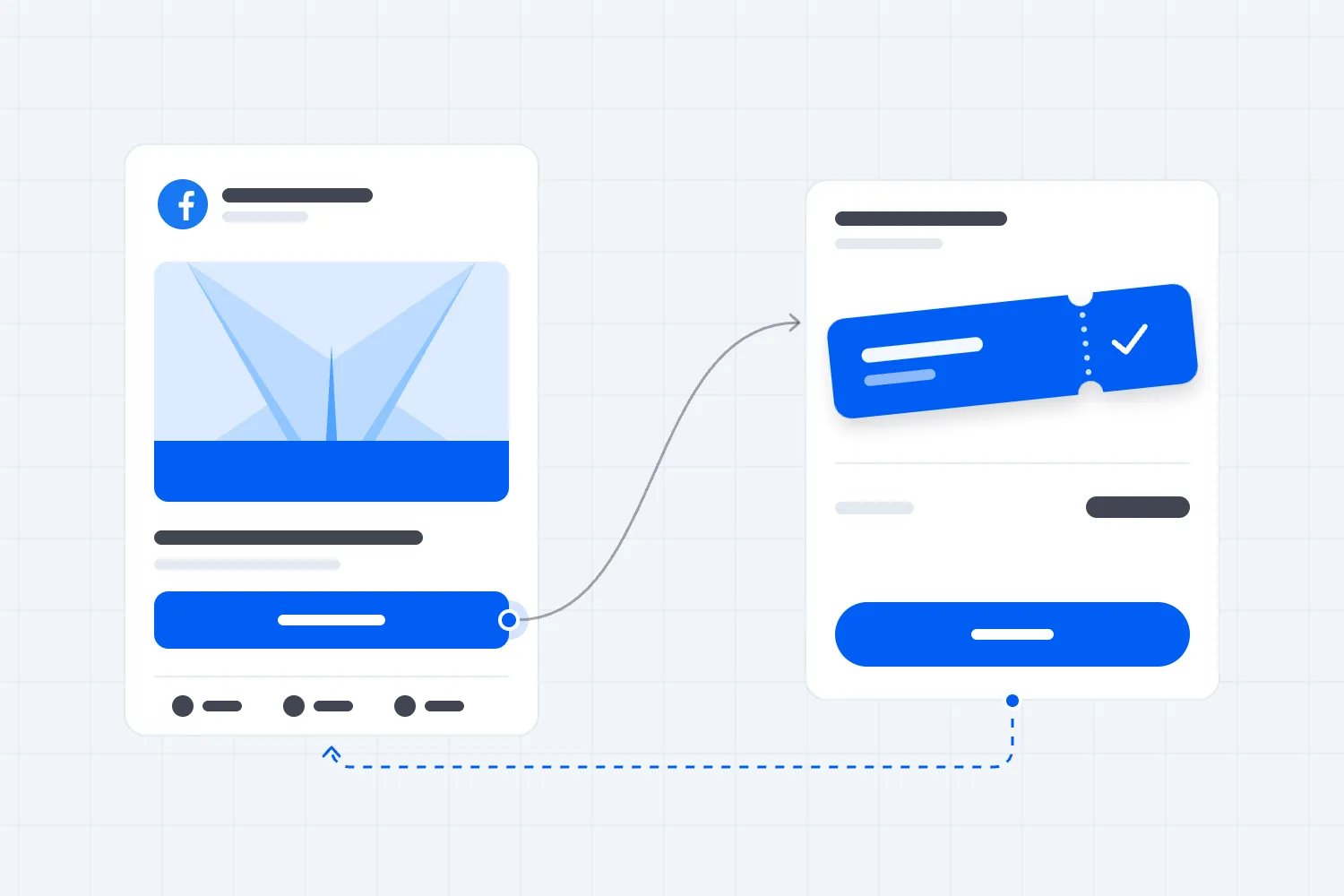
The variant assignment must travel through that journey too. Knowing that an email produced an order doesn't necessarily tell you which page version the buyer saw. Source tracking and experiment assignment answer different questions. Ask for a sample record that connects the original assignment to the paid transaction without exposing customer details to everyone reviewing the test.
Compare tracked purchases with the ticketing system's paid orders during a small pre-launch check. They may differ because analytics consent, browser settings and cross-device purchases limit what you can observe. Investigate unexpected differences between versions, particularly if one page records much less reliably than the other.
Our guide to GA4 ticket buyer journeys explains the broader measurement checks. For this experiment, the immediate requirement is narrower: both versions need a comparable, reliable path between assignment and paid purchase. Document which purchases you cannot connect and limit the conclusion to the population you can measure.
A report based only on visitors who consent to a particular measurement setup cannot automatically describe every ticket buyer. Equally, modelled totals aren't interchangeable with observed, assigned purchases. Have the analyst explain what the experiment actually counts before using a dashboard percentage in your decision.
Brief the test using one real purchase journey
Return to the beginner workshop example before handing this to a developer. The existing page says who can attend near the bottom. The proposed version repeats the relevant requirement beside ticket selection, with no new promise about instructor support or equipment. Both versions sell the same session through the same ticket options.
The assignment happens when an eligible visitor first opens the page during the enrolment period. That browser keeps its version on later visits. The main measure counts whether it completes a paid purchase within the agreed follow-up period, including a return visit. Your analyst records the limits when a person switches devices or cannot be recognised.
Write the exception rules at the same time. Staff purchases made through the supported testing process should be identified consistently. A failed payment remains a failed attempt until a paid order is confirmed. Someone who chooses two places is one purchasing visitor, while both places count towards tickets sold and the commercial review.
Then ask the developer to demonstrate the two routes. Open the page, leave it, return and buy. Repeat using the other version. Check that a visitor cannot get assigned again simply by moving between the event page and checkout. Confirm that the page's ordinary navigation still works and the explanation doesn't cover ticket controls on a small screen.
Finally, have the person responsible for delivering the workshop read the new wording. They may notice that "no experience needed" requires more qualification when a particular activity assumes prior knowledge. A version that sells more by overstating suitability creates a fulfilment problem. Resolve that before the first public visitor enters the test.
Plan the sample before choosing the end date
There isn't a universal number of days that makes an event-page test valid. The traffic required depends on your usual purchase rate, the improvement you want to distinguish and how much uncertainty you're prepared to accept. A longer calendar window helps only if it produces suitable additional visitors under comparable conditions.
Ask for a sample calculation using your own baseline and a commercially useful improvement. NIST's guidance on comparing two proportions describes the statistical comparison behind rates such as purchasing visitors divided by assigned visitors. The person analysing your test should choose a method suitable for the purchase counts and explain its assumptions in ordinary language.
For scale, consider a fictional planning calculation rather than a benchmark. Comparing a four percent baseline with a five percent alternative needs roughly six thousand seven hundred independent visitors in each group under a conventional two-sided, five percent significance test with eighty percent power. Power is the chance of detecting the specified difference when it really exists; the significance level controls the test's false positive rate under its assumptions. Your analyst should calculate the requirement for your own design, including any clustering or missing observations, rather than copy that approximate figure.
At five hundred eligible visitors a day across both groups, that fictional total would take about twenty-seven days just to enrol people. The purchase follow-up comes afterwards for the final arrivals. A campaign with a week remaining cannot answer the same question by calling seven days a standard test. This is a practical reason to calculate the sample first, before committing design and developer time.
The smallest improvement you want to detect should be useful to the business, rather than selected to make the test finish quickly. Moving an explanation may take little maintenance, so a modest improvement could be worth retaining. A custom page that requires regular developer support needs a stronger commercial case. Those decisions affect what you should try to learn.
If the traffic estimate doesn't support that question, say so before building the variations. You could test a more substantial explanation change, focus on a recurring event programme with a carefully planned design, or improve the page through observed buyer difficulties. You cannot turn an underpowered comparison into a dependable one by choosing an optimistic label for it.
Choose the minimum sample, calendar coverage and final enrolment date together. Cover the ordinary promotional pattern you intend the result to inform. A page tested entirely during a launch email may tell you little about unfamiliar visitors from search later in the campaign. More traffic from one unusual burst doesn't automatically represent the next sales period.
Write down what happens if the event sells out early, a release closes or a major announcement changes the offer. Sometimes the right response is to end the test and report an incomplete result. Keeping an old promise live or reopening inventory to finish the sample would create a larger problem than the unanswered experiment.
Use the numbers without overstating the result
Here's a fictional arithmetic example, not a customer result or an event conversion benchmark. Version A receives one thousand eligible assigned visitors and forty become paid purchasers. Version B receives one thousand and fifty become paid purchasers. Assume each purchaser makes one order, and every visitor has the same completed follow-up window.
A's purchase rate is four percent and B's is five percent. B has a one percentage point higher observed rate. Relative to A, that is a twenty-five percent observed increase. Those statements describe the same difference in different ways. Neither establishes that B caused a lasting improvement, and neither replaces an uncertainty calculation.
The chart shows only those fictional observed purchase rates. The rate calculation follows the proportions comparison linked above. It doesn't show confidence intervals or establish a winner.
| Label | Paid purchaser rate |
|---|---|
| A | 4 |
| B | 5 |
You can see why the larger percentage can become misleading in a meeting. "Twenty-five percent better" sounds decisive, although this example contains only ten additional purchasing visitors. Ask the analyst for the estimated difference and its uncertainty, including whether a meaningful loss or no improvement remains compatible with the observations.
Also compare the money those buyers leave after relevant costs. In another fictional calculation using the same visitors, suppose A's forty orders leave thirty dollars each after the costs included in your definition, while B's fifty leave twenty dollars each. A leaves twelve hundred dollars, or one dollar twenty per assigned visitor. B leaves one thousand dollars, or one dollar per visitor.
That second example deliberately changes order value to show why a purchase rate alone isn't a profit measure. It doesn't claim your explanation test will change costs this way. For your actual event, use one consistent definition of retained money, account for ticket mix and refunds, and distinguish an early estimate from the later settled result.
Monitor faults without stopping at the first promising result
Check the test while it runs for broken pages, payment failures, incorrect offers and missing data. You don't need to let an obvious purchase-blocking fault continue until the planned end. Stop the harmful version, fix the problem and record that the experiment ended because of a fault. Don't present that interrupted run as a completed comparison of the intended wording.
What you should avoid is checking the purchase-rate difference repeatedly and ending a conventional fixed-sample test the moment B looks convincingly ahead. That changes the chance of a misleading result. If you need a method that allows decisions during the run, ask the analyst to specify an appropriate sequential method before launch and follow its rules.
Check whether the observed allocation matches the intended allocation closely enough for the sample size. A random split won't produce exactly equal groups every day. But an unexpected imbalance can indicate a technical problem. Microsoft's explanation of sample ratio mismatch describes why an allocation problem needs investigation before results can be trusted.
For an event page, possible causes include one version loading unreliably, a redirect dropping assignments or one traffic route bypassing the experiment. Have the tool or analyst run the appropriate check. Don't simply discard visitors until the groups look equal or give the smaller group extra favourable traffic to balance the totals.
Check that neither version delays the event information while the test code loads. If visitors briefly see the original page before the variation appears, they may experience a jump in layout or read both explanations. Ask the developer how the version is applied and verify it on the devices your buyers actually use. A slower implementation can affect purchases alongside the wording change.
Review accessibility in both versions too. The revised explanation should remain readable when someone enlarges text, uses a keyboard or relies on a screen reader. If the ticket selector becomes difficult to use, fix it before the public test. You want to assess an explanation that your audience can access.
Have one person own the stop decision and the fallback page. They should know how to disable the variation without interrupting sales and whom to contact if payments fail without waiting for the next report. Agree this before a busy announcement, when the team may already be handling buyer questions.
Keep a dated record of major changes around the event. A publicity announcement reaching both groups doesn't automatically invalidate a concurrent test, but it affects what audience and sales conditions the result describes. A change reaching only one version is more serious. Investigate it before attributing any difference to the page.
Decide what to do when the result is uncertain
An uncertain result is a normal outcome. It means the comparison hasn't separated the possibilities enough to support the decision you wanted. It doesn't prove the pages are identical, and it doesn't justify choosing whichever percentage is larger while calling the choice evidence-based.
You can still make an editorial decision. If B states the same truthful information more clearly and is easier to maintain, you may prefer it. Record that as a judgement about clarity, with no proven purchase lift. That distinction keeps future teams from quoting a weak experiment as established evidence.
Don't rescue a disappointing overall result by searching through every device, channel and day until you find a favourable subgroup. If a particular audience mattered before launch, it should have been included in the analysis plan with an appropriate sample. An unexpected pattern can suggest a future question, provided you label it exploratory.
When traffic is too low, watch prospective buyers use the page, review support questions and test the entire checkout. You can learn that people misunderstand a pass name or can't find the finish time without estimating a conversion effect. Fix that specific issue, document the reason and observe what happens without claiming the change caused every later sale.
For recurring events, keep a record of page changes and buyer questions across editions. Don't simply add unlike events together to inflate the sample. Different prices, programmes and audiences need a planned comparison. Our guide to testing ticket-sales email offers covers a related experiment with a different assignment point: the recipient receives the variation before reaching the page.
Write the decision before planning another test
Finish with a short record someone can use next season. Include the buyer problem, exact versions, eligibility and assignment rules, dates, purchase window, visitor and purchaser counts, uncertainty and commercial checks. Say whether you adopted the change, kept the original or learned too little to decide. Preserve the reason alongside the numbers.
Then choose the next action according to what you learned. A trustworthy improvement supports using that version for the audience and conditions tested. A tracking failure calls for measurement work. Persistent buyer confusion calls for a clearer explanation. A low-traffic event may need another observed purchase session before another statistical experiment.
Before you brief the next page variation, write one sentence explaining what would change your decision. If your available traffic can't answer that question before sales close, spend the time making the buying journey clearer and more reliable instead.

Author: By the Loopyah Content Team
The Loopyah Content Team shares expert insights, practical guides, and industry updates to help event organizers create unforgettable experiences and stay ahead in the event planning world.