· 21 min read
How to segment event audiences using ticket and on-site spending data
Two people buy the same ticket. One comes every month and buys dinner at your event. The other paid for a group, hasn't attended before, and spends nothing at a till you can identify. Calling one a VIP and the other a low value customer would be a leap. You don't yet know enough about either person.
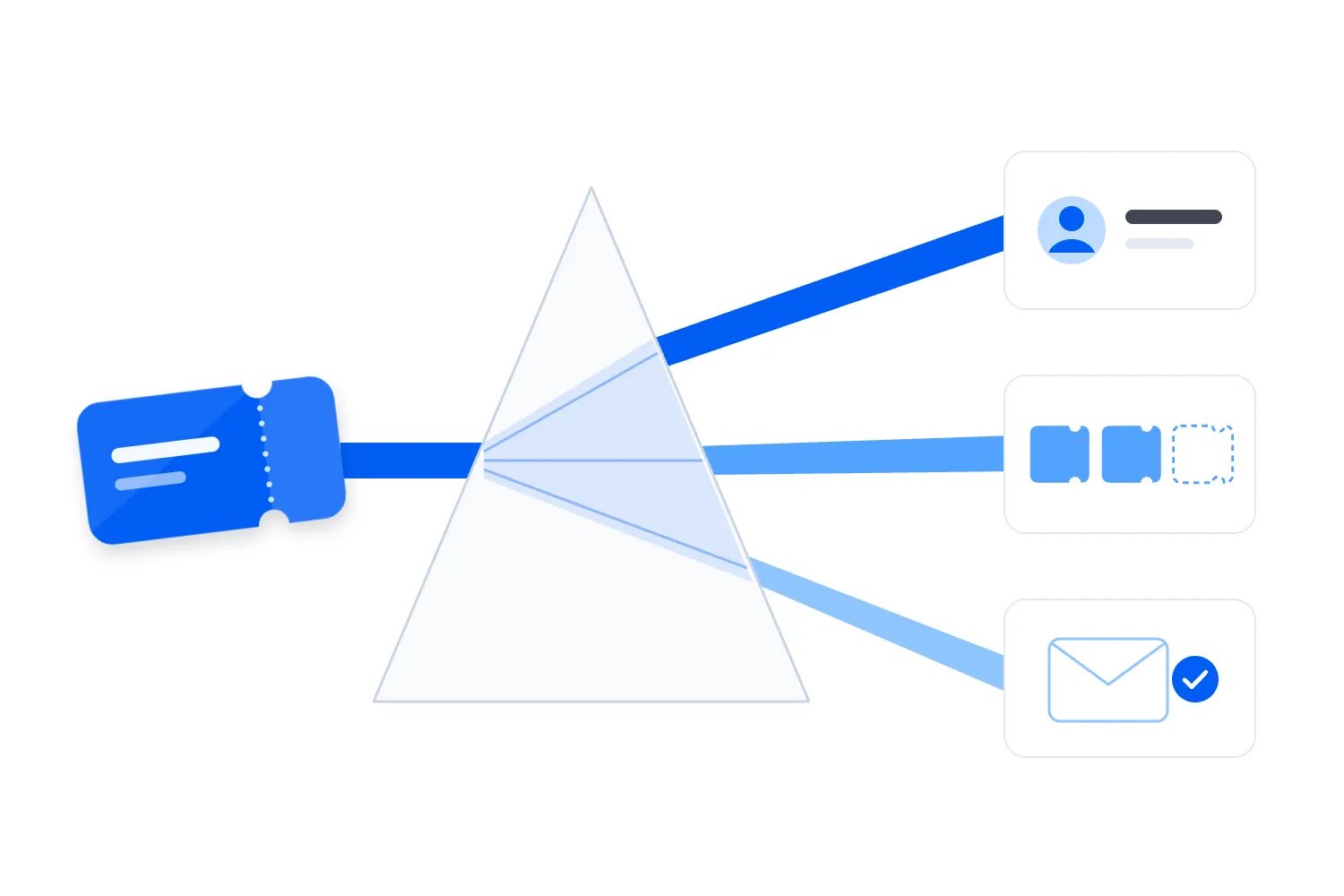
To build useful event audience spending segments, start with purchases you can reliably connect to a buyer or attendee. Compare ticket spending and recorded on-site spending separately, account for refunds and missing records, then group people around a decision you can actually make. That might be a presale invitation, a meal package or a reminder to someone who usually brings friends.
The interesting part is what happens after you create the group. A segment should change the offer, the timing or the information someone receives. If everyone still gets the same email, you've spent time sorting a database without improving the next sale.
Here's how to use the information you have, recognise what it doesn't tell you, and test whether your next invitation brings back more profitable business.
Start with the invitation you want to send
Before looking for your biggest spenders, decide what you're selling next. Imagine you run a paid monthly music series with optional meals, merchandise and a premium seating area. You want previous customers to buy the next date before you spend more on advertising. That's a practical starting point because you can identify the event, the audience and the purchase you're asking for.
Now consider the different reasons someone might return. A regular may want early access because their preferred seating sells quickly. A group organiser may need enough time to coordinate friends. Someone who bought a meal last time may appreciate knowing what's included in a new package. Each reason suggests a different invitation, even if those customers spent similar amounts.
Write down the proposed difference before building the segment. For example, you might invite previous premium ticket buyers to a presale for the same seating area. You're using a recorded purchase to make the invitation relevant. You aren't claiming they will always pay more or would accept any premium product you invent.
Avoid creating a long menu of groups because the software allows it. Each additional audience needs a worthwhile message, an offer you can fulfil and enough people to learn from. Start with the decision that's currently costing you money or delaying sales. Our event management CRM guide explains the wider software decision; here, the job is choosing how to use customer history once you have it.
Keep the buyer and attendee separate
Suppose Alex buys four tickets for friends. The order is worth $240 in USD, but you don't know who eventually attends unless tickets are named or transferred and you have reliable entry records. Alex is a group buyer. That doesn't establish that Alex attended four times, spent $60 personally or bought every drink their friends consumed.
Keep the original order value with the buyer for a buyer spending segment. Keep admission history with the person whose ticket was used, where that identity is known. You can calculate revenue per admission for event planning, but label it as an allocation. Dividing an order across tickets doesn't reveal each attendee's personal spending.
On-site payments add another complication. A person can pay for everyone's dinner while somebody else buys the tickets. If you attach both purchases to the ticket buyer without a reliable connection, you'll credit the wrong customer. If you copy the full amounts onto every guest, you'll inflate the totals.
For audience selection, use a description the evidence supports. "Bought several tickets in one order" is more useful than "community leader." "Purchased a meal package" is more defensible than "food enthusiast." Your team should be able to explain why a person belongs to the group by opening the underlying transactions.
Where ticketing, email and customer software are separate, resolve these relationships before importing spending totals. Different systems can mean different things by customer or attendee. A tidy spreadsheet doesn't fix an order that was attributed to the wrong person, and an elaborate segment will repeat that mistake whenever you use it.
Work out which on-site purchases you can actually identify
A total from the bar tells you what the bar sold. It doesn't necessarily identify who bought it. Linking on-site spending to an audience requires a legitimate connection between the transaction and a known customer, such as an account, an identified purchase or an assigned event payment credential. Confirm what your setup records rather than assuming every electronic payment provides this connection.
Ask whoever runs your payments to show one ordinary purchase and one refund. Can you trace the purchase to a person you already know? Does the record identify the payer or the person using the product? Does a shared wristband or group account mean several people could have made it? Those answers determine how narrowly you can describe the spending.
You may have good identity information for merchandise ordered through ticket checkout, but only anonymous totals for drinks bought at independent stalls. That's still useful. Use identified purchases for individual segments and anonymous totals for operational decisions such as stock and service capacity. There's no need to force both into a personal profile.
Don't collect payment credentials to solve an audience problem. Ask your payment provider for the customer references and transaction information it supports safely. The PCI Security Standards Council prohibits storing card verification codes after authorisation. A marketing file needs the relevant purchase facts and a supported identifier, rather than a copy of the information used to authorise payment.
Record the source of the match and keep uncertain cases out of personalised spending campaigns. If two transactions look similar but you can't establish they belong to the same person, separate records are preferable to a confident mistake. You can still sell someone a ticket without pretending to know everything they bought last time.
Define spending before deciding who spent most
Agree which amounts you're comparing. Ticket face value, the total paid at checkout and the money retained by your business are different measures. Taxes, buyer fees and refunds can explain why apparently similar customers have different totals. Choose a consistent definition and keep the original amounts available for anyone checking the result.
For a buyer segment, a workable starting measure is completed ticket purchases less completed ticket refunds, within a defined period and currency. State whether that measure includes optional extras. Keep recorded on-site purchases in a separate field so you can see whether a customer's history comes from admission, meals or merchandise.
Don't count a wallet top-up as a purchase and then count the spending from that wallet again. Loading funds and buying a meal are different transactions. An unused balance also doesn't show which products interested the customer. Use the actual purchases for product preferences and handle unused balances according to your payment and refund arrangements.
Keep refunds attached to their original activity. Someone who bought a premium ticket and later received a full refund shouldn't remain in a group defined as current premium purchasers for that event. A historical preference group could still record the original interest, but it needs a different name and purpose.
Use one currency within each comparison. If your business operates across markets, either compare customers within each currency or use a documented conversion method for the analysis. Don't display a mixed total with a dollar sign and assume it is meaningful. For campaign decisions, the local event and its actual ticket prices will usually be more helpful than an international spending leaderboard.
Your written definition should fit into a few sentences. If a colleague cannot explain what the figure includes, settle that before using it to decide who receives an offer.
Compare people who had a similar opportunity to spend
Lifetime totals favour customers who've known you longest. A returning buyer with several years of purchases will usually have more opportunities to accumulate spending than someone who discovered your events recently. That doesn't tell you which person would respond better to the next invitation.
Choose a period that matches the decision. For an annual event, the previous edition and comparable earlier editions may be relevant. For a monthly series, you might examine a recent season. These are choices for your business, rather than universal rules. Keep the same window when comparing people within one audience.
Also distinguish visits from elapsed time. Someone attending an entire weekend has more opportunities to buy food than someone attending an evening show. Higher total spending may reflect the event's duration. If you're evaluating on-site purchasing behaviour, compare similar admission types and visit opportunities before interpreting the difference as a customer preference.
Per-visit figures can help when attendance and spending are reliably linked. Divide the recorded spending by confirmed visits within the same period. Keep buyer spending and personal attendance separate, though. A group purchaser who didn't attend shouldn't acquire an apparent personal spending rate just because their order covered several admissions.
Price changes matter too. A higher total this year may come from more expensive tickets rather than stronger purchasing behaviour. Look at tickets, events and product choices alongside money. You may discover that a regular's spending rose while their attendance fell. That calls for a different response than assuming the relationship is becoming stronger.
The aim is a fair enough comparison to support your invitation. You don't need a complicated score when a clear rule such as recent buyers of this series, eligible for marketing, without a ticket for the next date will do the job.
Treat missing spending as unknown
This is where useful analysis often goes wrong. Your system shows no on-site purchase against a customer, so someone labels them a non-spender. But perhaps the customer paid cash, bought from an independent vendor, used a friend's account or attended a date when the payment connection wasn't working.
Separate a confirmed zero within complete records from an unknown amount. Even confirmed zero only describes the activity your system covers. If you capture merchandise purchases but not food, you can say there was no recorded merchandise purchase. You cannot conclude the customer spent nothing at the event.
Check how many relevant transactions can be matched before launching an individual campaign. Record which sales channels and dates are included, which are missing and whether the gaps affect certain customers more than others. A campaign based only on people who registered a payment account may overlook an audience that prefers another way to pay.
Don't automatically exclude unknown customers from an otherwise relevant invitation. They may qualify through their ticket history. You can use a broader message when you lack evidence for a narrower one. Uncertainty should reduce how much you claim to know, rather than become a permanent penalty against the customer.
Investigate sudden changes before celebrating them. If recorded on-site spending doubles after you connect another vendor, part of the increase may simply be better coverage. Compare a consistent set of sales sources when you're trying to understand behaviour. Record the date of the new connection so future reports don't mistake a measurement change for a successful campaign.
Use ticket and on-site spending together
Looking at both measures can reveal different opportunities that a combined total hides. Consider a hypothetical event where three individually identified customers each buy one $60 ticket and attend the same evening. Their recorded on-site purchases are $0, $30 and $80. Assume complete coverage for the purchases being compared and no refunds.
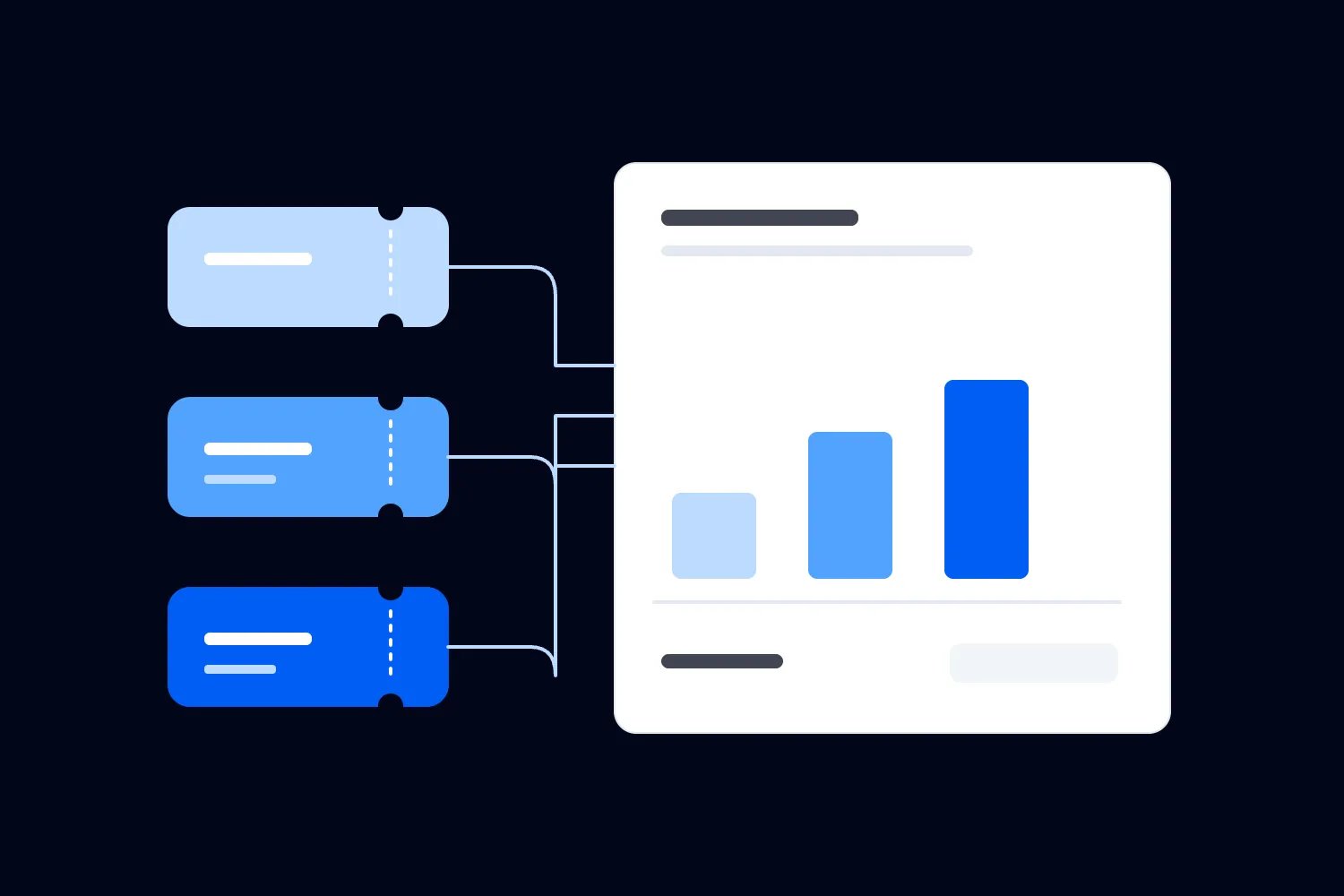
The chart shows those invented purchase totals. It is a worked example, not customer data, an industry benchmark or a claim that spending groups usually look this way.
| Label | Ticket purchase (USD) | On-site purchases (USD) |
|---|---|---|
| Customer A | 60 | 0 |
| Customer B | 60 | 30 |
| Customer C | 60 | 80 |
Example calculation by Loopyah. Each customer's total is their $60 ticket plus recorded on-site purchases, giving $60, $90 and $140 respectively. All amounts are fictional, and the chart shows customer spending rather than organiser profit.
Those customers bought the same admission product. Their on-site purchasing differs, but the numbers don't tell you why. Customer A may prefer the show without extras. Customer B may have bought a meal. Customer C may have purchased merchandise for friends. Check product categories before deciding what to promote.
A relevant next step might be offering previous meal purchasers a clearly priced meal package. Sending your most expensive ticket to Customer C would need a separate reason. Spending at a merchandise counter doesn't establish a preference for premium seating.
You can use broader patterns to plan the event too. If meal purchases concentrate among customers attending a longer session, investigate whether timing and availability explain it. Keep operational findings separate from personal campaigns. You may improve dinner service for everyone without needing to identify every customer who bought food.
Keep customer spending separate from your earnings
The customer who spends most isn't automatically the customer who contributes most to your business. An independent food trader may retain most of a sale. Merchandise may have a substantial production cost. A premium ticket may include expensive benefits. You need the commercial arrangement and the costs before making a profitability claim.
Here's a separate hypothetical calculation. Suppose one person spends $100 with an independent trader and your agreement pays you 10% of that sale. Your share is $10 before any related organiser costs. Another person buys a $40 organiser product that costs $15 to provide. That leaves $25 before other costs. The larger customer purchase produces the smaller amount for you under these assumptions.
Use this distinction when deciding what you can afford to offer. A complimentary benefit has a cost even when the invitation is free to send. Check the cost of fulfilling it, any capacity it consumes and whether the customer would otherwise have paid for it. Otherwise a campaign can raise reported sales while reducing what you keep.
You don't need to assign every venue expense to each customer to make a sensible decision. Start with the additional revenue you expect to retain and the additional costs the campaign creates. Our guide to event KPIs can help you choose the broader measures, but the immediate question is whether this particular offer makes commercial sense.
Avoid using contribution estimates to decide who deserves basic service. Every ticket holder should receive what they bought and the practical information needed to attend. Spending analysis helps you choose offers and allocate promotional effort. It doesn't justify neglecting customers whose recorded purchases are smaller.
Build a few groups with clear reasons to contact them
Start with returning buyers of the same series. Define the relevant events and period, then exclude people who already purchased the next date. Offer useful early information or access when you can genuinely provide it. Their previous purchase gives you a reasonable connection to the new event; a discount still needs its own commercial justification.
Create a separate group for previous group purchasers if their buying pattern matters. An invitation could explain current group availability, the booking deadline and how tickets can be distributed. Use an order-based rule, such as multiple tickets in a completed order, rather than guessing whether the person organises a friendship group or a company outing.
For customers who bought a particular extra, connect the invitation to that product. Explain the new menu, collection arrangement or package inclusions. Verify that the extra is available before sending. Someone's previous purchase is a useful starting point for relevance, but they should still be able to choose ordinary admission without pressure.
A lapsed customer group needs a comparable opportunity to return. Someone who last attended your annual festival hasn't necessarily lapsed because they skipped a monthly event in another city. Define the series and expected return opportunity. Then explain what's relevant about the new edition rather than writing a melodramatic message about how much you miss them.
Allow groups to overlap in your analysis, but control overlap when sending. A returning group buyer who also purchased dinner shouldn't receive several near-identical invitations on the same day. Choose the most relevant message, establish which campaign takes priority and keep the current purchaser exclusion up to date.
Give each group a plain name and a short definition. Include its period, purchase rules, exclusions and intended offer. If nobody can name the next action, leave the group out for now. More segments create more maintenance unless they improve a real decision.
Choose thresholds your team can explain
A rule such as spending above $200 sounds precise, but the number needs a reason. It could represent the price of the package you're inviting people to buy, a meaningful pattern in previous purchases or a practical way to create a manageable test audience. It shouldn't come from another organiser's definition of a valuable customer.
Look at the distribution before choosing the threshold. A handful of unusually large group orders can pull an average upwards and leave almost everyone classified below it. Check the actual purchases around your proposed boundary. If customers just above and below it bought much the same thing, a product or attendance rule may be more useful than the money cutoff.
Avoid treating a boundary as a permanent statement about the person. Someone just below your threshold might have received a partial refund, bought during a cheaper release or joined the series recently. Keep the rule tied to the campaign and period. You can revise it when the event, offer or available records change.
Before sending, open examples of included and excluded customers. Check a recent refund, a group order, a transferred ticket and someone whose on-site spending is unknown. Ask a colleague to explain the result using the written definition. When the definition and the records disagree, fix the rule before writing more persuasive copy.
Record when the audience was calculated and when the underlying transactions were last updated. Those times may differ if an outside payment provider sends information overnight. A customer buying during that delay could receive a reminder for a purchase they've already completed. Use current ticket-based exclusions wherever available, and account for the remaining delay in your timing.
Check the last practical detail too. Does the booking link lead to the right date and ticket type? Does the landing page explain the package promised in the email? A carefully chosen audience won't rescue an invitation that sends previous meal purchasers to a general page where nobody can find the meal.
Use your existing ticket history before adding another system
For ticket-based audiences, check what your platform already does. Loopyah's event CRM keeps buyers as contacts across events with their spend, event history and email permission. You can filter those records and save a segment that updates as people buy. That handles a relevant past-buyer invitation without rebuilding a customer spreadsheet before each send.
Loopyah's attendee email tools let you send to those audiences and report ticket purchases from people who clicked. The practical value is keeping the audience connected to ticket activity while you decide what to say and when to send it. Campaign attribution is useful reporting, although it doesn't establish that every recorded sale was caused by the email.
Treat external on-site spending as a separate question. The existence of a ticket spend filter doesn't establish that your bar, food traders or cashless provider feed purchases into it. Verify the actual connection, supported fields, refund treatment and customer matching before promising a segment that combines those records.
If a connection isn't available, use reliable ticket-based groups for campaigns and anonymous on-site totals for planning. That may answer your immediate question without another purchase. If the missing information would change a worthwhile decision, document that requirement and ask providers to demonstrate it using realistic transactions.
You still own the offer and its economics. Software can keep a rule current, but it cannot make an irrelevant package attractive or establish an unrecorded preference. Keep the first campaign simple enough that your team can explain who receives it and why.
Check permission before turning analysis into marketing
Being able to analyse a purchase and being allowed to send a promotion are separate questions. Keep current marketing preferences with the customer record, and check the requirements that apply to your audience and jurisdiction. An old checkout export doesn't establish that everyone in it can receive your next campaign.
The UK ICO's guidance on collecting information for direct marketing says organisations must explain profiling, establish a lawful basis and respect objections. In practice, describe how you use purchase history, collect only the information needed for that purpose and avoid making sensitive assumptions about people from what they bought. A spending segment isn't evidence of income, health or personal circumstances.
For US commercial email, the FTC's CAN-SPAM guide explains sender identification and opt-out requirements, among other obligations. Those rules aren't a substitute for the requirements elsewhere. Keep essential updates about an existing booking separate from offers for another event, and review mixed messages according to the applicable rules.
Limit who can export individual purchase histories. A vendor may need aggregate demand information to plan stock without receiving named customer profiles. Sharing data with another business requires its own consideration; buying a ticket doesn't automatically authorise every partner to contact the buyer.
Use your attendee data retention policy to decide how long identifiable history remains useful and justified. Keep a record of the campaign rules and aggregate results without retaining unnecessary personal copies indefinitely. The purpose is a relevant relationship with the customer, not collecting everything available because storage is cheap.
Test whether the segment improves the next sale
Decide what success means before sending. For a presale, you may care about additional completed purchases by a fixed date. For a meal package, you may care about the amount retained after refunds and fulfilment costs. Select the measure that matches the offer, rather than choosing whichever report looks strongest afterwards.
Where the audience is large enough, randomly reserve a comparison group from the same eligible segment. Send the proposed campaign to the other group, then compare purchasing over the same period. NIST's explanation of randomisation in experimental design explains how random allocation assigns participants to different experimental conditions. Agree the test before looking at results, and avoid treating small differences as reliable proof.
Don't compare your highest previous spenders with brand new customers and call the difference a campaign effect. Their histories already differ. Also record other contact during the test, because a public announcement or another email may reach both groups. A comparison can inform your decision without explaining every purchase perfectly.
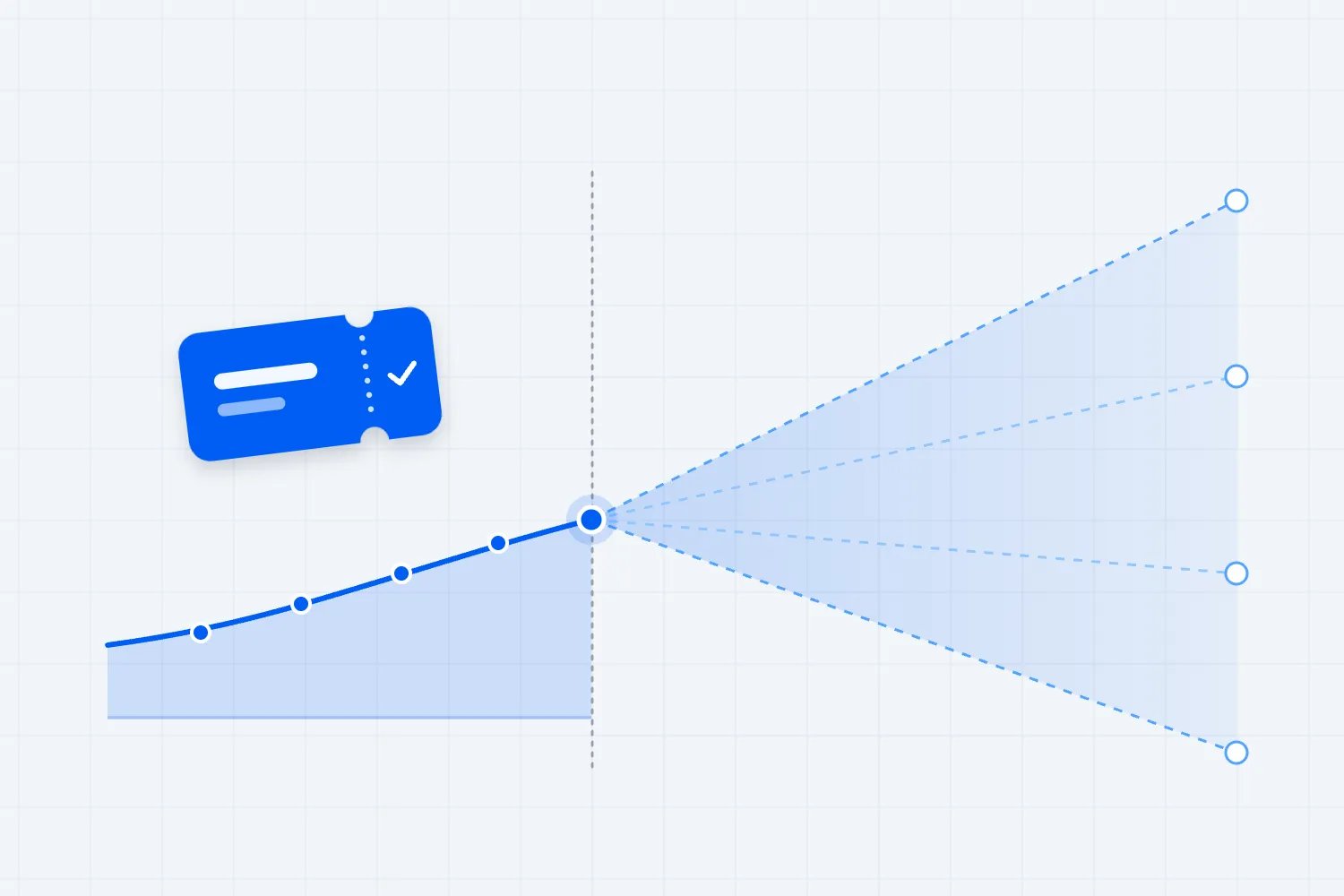
For a hypothetical test, imagine randomly assigning 500 eligible customers to receive an invitation and 500 to receive no additional invitation. Suppose 60 people in the contacted group and 50 in the comparison group buy by the agreed deadline. Those purchase rates are 12% and 10%, a difference of two percentage points. That is an observed result, not proof that the campaign caused ten extra purchases. Random variation, the test design and other activity still matter.
Now inspect the economics before deciding to repeat it. If the invitation included a benefit, its cost applies to everyone who redeemed it, including customers who might have bought anyway. Subtract the additional campaign and fulfilment costs from the revenue you reasonably attribute to the test. Don't multiply all contacted buyers by the ticket price and call the result extra profit.
Keep a note of the uncertainty when the audience is small. You may learn that the package was difficult to explain or that customers asked for a different collection time, even when the sales difference is inconclusive. Use that feedback to improve the offer, then decide whether another test is worthwhile. Repeating the same campaign until a favourable number appears won't make the original evidence stronger. Choose the review date before sending and compare both groups then. Checking results repeatedly and stopping the moment your preferred group looks better can produce a misleading conclusion. Keep the comparison intact until the deadline.
Treat opens cautiously. Apple's Mail Privacy Protection limits what senders can learn about email activity. Use completed purchases and the relevant financial result as your main commercial measures, alongside complaints and unsubscribes. A pleasing open rate isn't enough reason to repeat an offer that loses money.
After the campaign, inspect who actually bought, what they bought and what it cost to fulfil. Keep a useful group if it helps you make a better invitation. Change the rule when it mistakes an old purchase for a current preference, and stop sending when the customer buys or no longer wants promotions. Choose your next invitation using actual purchases, fulfilment costs and the latest customer permissions.

Author: By the Loopyah Content Team
The Loopyah Content Team shares expert insights, practical guides, and industry updates to help event organizers create unforgettable experiences and stay ahead in the event planning world.