· 28 min read
How to plan live machinery demonstrations at a trade show
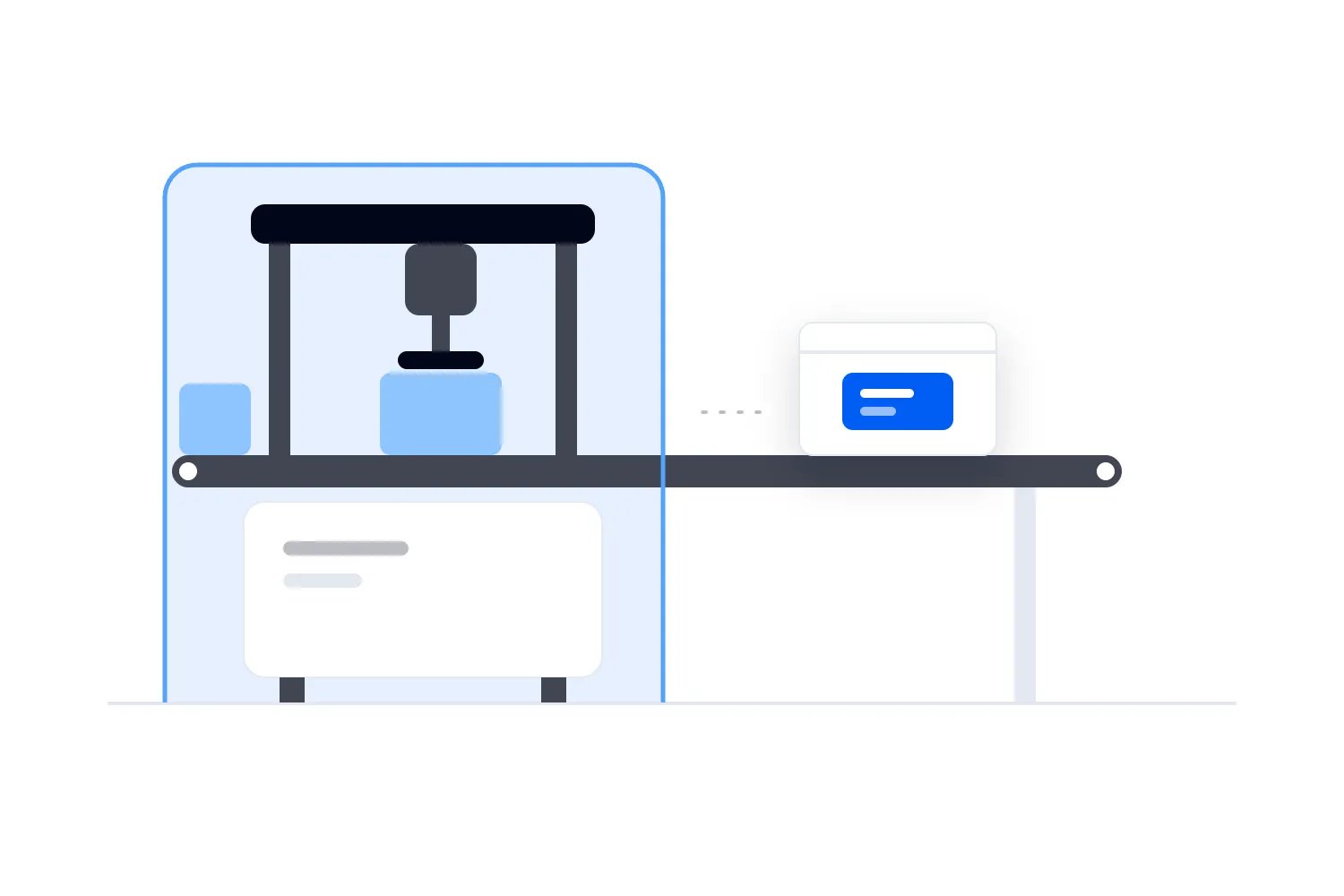
So an exhibitor wants to bring a working machine to your trade show. They say it fits the stand, their technician will run it, and buyers will love seeing it in action. Before you agree, find out what happens around the machine as well as inside it.
The equipment might fit perfectly while the audience blocks the aisle. The demonstration might take a few minutes while changing the material takes much longer. And the person who sold you the idea might have no authority to approve the installation.
Plan live machinery demonstrations as activities that need their own acceptance, technical review and operating arrangements. Agree the exact machine and process, the people responsible, the services and space required, and the conditions under which it can run. Then check the installed arrangement before the first demonstration. Paying for a stand doesn't settle any of those questions.
This guide is for organizers of paid trade shows and commercial exhibitions. It explains how to assess a proposal, protect the visitor experience, price the work and prepare for changes. The machine-specific safety decisions belong with people qualified for that equipment and your venue. You can coordinate those decisions without pretending to be the engineer.
Start with what the buyer needs to see
The first thing you want to ask is what a buyer will understand after watching the machine. An exhibitor might need to show the finish on a part, the change between two production jobs or how an operator loads a particular material. Those are useful reasons to arrange a demonstration.
Ask them to describe the result in ordinary language. "See the new production line" tells you very little. "Watch this machine make a sample, then compare that sample with the alternative" gives you something to plan. You can identify the process, the viewing requirement and the conversation that follows.
That distinction matters commercially. You're selling access to relevant suppliers and useful information. A noisy machine running continuously can make the room harder to use without helping anyone make a buying decision. Give exhibitors a way to demonstrate a real advantage without turning every stand into a competing performance.
Separate the proposal into what visitors watch, what they may handle and what only the operator does. Picking up a finished sample is different from loading material into machinery. If an exhibitor wants visitors to operate equipment, treat that as a separate proposal requiring its own assessment and permission. Don't let it emerge casually during a sales conversation.
Also consider whether the same buyer question could be answered with a static sample, a recorded close-up or a discussion with the technician. Those options have different costs and limitations. A recording may show a process clearly while leaving buyers unable to inspect the result themselves. Live operation may be worthwhile when seeing that result helps a buyer judge the machine.
Ask the exhibitor which parts of the experience they would keep if live operation were refused. This gives you a useful fallback before either party spends money promoting something that may not be possible. It also reveals whether the proposed stand has value beyond the machinery running.
Keep the demonstration brief connected to your wider trade show checklist. Give the specialist activity a named owner rather than assuming the general exhibition checklist covers it.
Find out what the venue will accept before selling the promise
Take the proposal to the venue early. Ask which activities require notification, written consent, specialist review or additional services, and who has authority to decide. A sales representative saying the hall hosts industrial exhibitions isn't approval for this machine, in this position, doing this job.
Venue conditions may restrict the equipment, process, materials, emissions or operating hours. They may also affect delivery, floor loading and installation. Get the current conditions for your tenancy rather than relying on an exhibitor's experience at another show.
There is a useful concrete example in the Association of Event Venues' August 2026 eGuide, working machinery section. Its UK venue guidance calls for notification at least 28 days before tenancy and demonstration areas on stand plans. It also says working machinery should be demonstrated to interested parties where necessary, rather than used as an attraction. Check whether your venue adopts the guide and what additional conditions apply. This isn't a worldwide deadline.
Set your exhibitor submission date early enough to allow questions, corrections and service orders before the venue's deadline. If you ask for documents on the day the venue needs a complete submission, you've allowed no time to review them. Complex proposals may need discussion well before the ordinary stand deadlines.
Explain the distinction between accepting a booking and permitting live operation in the offer and agreement. Identify what happens if a proposed activity cannot be accepted, including any agreed alternative, change in space or commercial remedy. Have those terms reviewed for your event rather than improvising a refund rule after a dispute.
Your sales team needs the same explanation. They can discuss the opportunity and collect the proposal. Technical permission must come through the agreed review. A large exhibitor payment doesn't make an unsuitable demonstration acceptable, and a promise made too early can leave your team paying to solve a problem it should have identified before sale.
Ask for a description of the process you can review
Give the exhibitor a short submission brief. It should identify the business, stand, exact machine and intended operating process. Ask for the model and configuration, the materials being used, what moves during the demonstration, what comes out, and what happens between runs.
Include photographs or drawings that help the reviewers understand the proposal, together with the relevant manufacturer's instructions and the assessments your venue and advisers require. A brochure can establish what the machine is. It rarely explains how the exhibitor intends to use it in your hall.
Describe all phases of the activity. Delivery, installation, testing, public operation, cleaning and removal may involve different people and arrangements. The attractive part buyers see can be only a small part of the work you need to coordinate.
In Great Britain, the Health and Safety Executive's overview of the Provision and Use of Work Equipment Regulations, usually called PUWER, explains that duties can apply to people who own, operate or control work equipment. Its description of equipment use includes activities such as setting, transporting, cleaning and maintaining it. That is a reason to review the whole proposed use, rather than only the public demonstration. Other jurisdictions have their own requirements.
Ask the exhibitor to nominate someone who can answer technical questions and authorize changes. Their exhibition booking contact may need to involve the manufacturer, installer or employer of the machine operator. Find that person while there is time to revise the proposal.
Keep a list of specific unanswered questions. "More information needed" creates another email exchange. "Confirm how the finished part is removed before visitors approach the sample table" tells the exhibitor what the reviewer needs. Record the reply against the relevant version of the proposal.
Use your exhibitor onboarding process to track submissions and reminders. Keep the technical decision visible as its own task. Receipt of a folder should never automatically change the activity to approved.
Agree who decides, who operates and who watches the audience
Name the organizer responsible for coordinating the demonstration. They should know who reviews the machinery proposal, who approves the relevant venue arrangements and who checks the installation. Some roles may be held by the same person, but their responsibilities should still be clear.
The exhibitor needs a person responsible for its demonstration and identified operators. Ask how the business establishes that those people can use this particular machine for the proposed work. Familiarity with the product range doesn't establish competence to operate every configuration or resolve a fault.
Separate operating from presenting where the work requires it. A technician concentrating on a process may not be able to explain it to visitors, handle questions and monitor the edge of a crowd at the same time. Discuss the actual tasks before agreeing the staffing plan.
The same applies to breaks. If only one person is authorized to operate the equipment, their lunch break is a period without live operation. Either provide another appropriately qualified and authorized operator or publish a schedule that accommodates the break. A sales colleague shouldn't become the substitute because the next group has arrived.
Give the person managing the audience a clear reporting route. They need to know whom to contact about an obstructed route, an unexpected visitor request or a departure from the agreed demonstration. They shouldn't need to negotiate with a salesperson who is trying to finish a conversation.
Agree authority to pause the activity and the route for emergency action in the site briefing. Also name who can permit a restart after the relevant checks. Those are separate decisions. A person who raises a problem shouldn't feel responsible for deciding that the machine is safe to resume.
Run a short conversation through those roles before opening. Ask what each person would do if the operator were absent, the audience area filled or a different material arrived. Any uncertainty you find in that conversation is easier to resolve before the hall is open.
Have the machinery precautions reviewed by qualified people
Your job is to get a suitable assessment and verify that its conditions are implemented. Ask the appropriate specialists to specify guards and separation distances for the machine, its process and the consequences of something going wrong. You need their decision before allocating the final space.
HSE's introduction to machinery safety discusses preventing access to dangerous parts and checking that safeguards are in place. It also identifies hazards such as ejected material, trapping and hot parts. Use that guidance to understand why a proposal needs competent review. A crowd barrier cannot be assumed to perform the job of a machine guard.
Ask the reviewer to explain the conditions that affect your show arrangement in plain words. Which areas must be kept clear? Which parts must visitors be unable to reach? What must remain in position throughout operation? Which changes require another assessment? Your floor team needs usable answers as well as the technical documents.
If the exhibitor says a safeguard hides the interesting part, ask them and their technical adviser to propose an acceptable way of showing it. A camera may help visitors see a close-up without changing the approved machine arrangement. The camera and its installation still need to fit the agreed conditions. Visibility isn't a reason for a sales team to authorize removal of protection.
Make clear whether the accepted proposal covers public observation only or any form of participation. An experienced buyer asking to try the machine doesn't alter the agreement. The operator needs a simple response that refers the request for review rather than deciding under pressure.
Keep the activity in the event's risk assessment record, with links or references to the specialist assessment. Record the actual approval conditions and who verifies them. Don't reduce that work to a green tick beside the exhibitor's name.
Confirm services against the exact demonstration
Send the technical requirements to the people providing the services. Ask the exhibitor for information the supplier can assess, including the machine's requirements, its intended operating times and any other equipment used during the process. "Standard stand power" is too vague to be a shared understanding.
HSE's event electrical safety guidance includes power requirements, operating timetables, supply access and cable routing among the planning considerations. Have your appointed electrical provider specify and verify the installation. The organizer's practical task is to make sure the provider has assessed the right equipment and confirmed the order.
Track each service separately. A demonstration may have an accepted plan while a necessary service is still awaiting supplier confirmation. It may also have paid orders while the operating proposal remains under review. Neither position means it is ready to run.
For compressed air, extraction, water, drainage or other specialist services, identify the provider, the information required and the permitted arrangement with the venue and relevant adviser. Don't assume a service used routinely in a factory can be connected in an exhibition hall without discussion.
Ask what the exhibitor brings in addition to the machine. Consumables, finished samples, waste containers, tools, packaging and spare parts all need an agreed location. If the plan shows only the main equipment, the items needed to operate it may appear later in the viewing area.
Confirm service availability during testing and after public closing as well. A supplier switching something off at the end of opening hours may affect the exhibitor's shutdown or cleaning arrangement. Agree the required sequence with the relevant specialists and put the times into the service order.
Keep costs visible at this stage. State which party orders and pays for each service and what evidence confirms acceptance. When a requirement changes, get the revised supplier confirmation before telling the exhibitor the change is accommodated. Otherwise you're selling certainty that your delivery team doesn't yet have.
Allocate space for the complete activity
Place the installed machine and every area needed to operate it on the current stand drawing. Add the agreed protected space, operator access, sample handling and visitor viewing arrangement. Then consider where visitors wait and how they leave. These uses compete for floor space even when they happen at different moments.
Review the drawing with neighbouring stands included. An audience can fit inside its own area while the arrival queue blocks another exhibitor. Noise or a crowd facing one direction can also make nearby sales conversations difficult. Ask affected exhibitors about their planned activities before finalizing positions.
Use the wider expo floor-plan review to check those interactions. The demonstration assessment establishes conditions for the activity. The floor-plan review tests whether the hall still works when that activity is operating.
Agree the actual viewing capacity with the people responsible for the layout and safety assessment. Don't calculate it by subtracting the machine's footprint from the stand area and applying a number found online. The arrangement must account for access, the particular activity and the venue's requirements.
Think through the experience for someone who cannot comfortably stand at the back or see over another visitor. Ask how they can reach the viewing position, understand the explanation and inspect the finished sample where that is offered. A useful alternative might involve a screen or a differently arranged viewing session, subject to the approved layout.
Test whether the presenter can be understood without raising sound across neighbouring stands. If the machine's operating conditions require specialist advice about noise or other exposure, obtain that advice. The commercial reason to resolve the issue is straightforward too. Buyers who can't follow the explanation have little reason to keep watching.
Keep the accepted drawing available to the onsite team. A last-minute counter, extra monitor or stock trolley can take space that the plan already assigned to another purpose. Check those additions before treating them as harmless decoration.
Build the schedule around the full cycle
Time a complete rehearsal before promising the number of demonstrations. Include admitting the audience, explaining the process, running the machine, answering the agreed questions, releasing visitors and preparing for the next group. Record anything that must happen while the public area is closed.
Here is a fictional scheduling example. Assume the accepted arrangement has 24 viewing places for each group. Admitting the group, explaining the process and demonstrating it take ten minutes. Questions and departure take five, and the approved reset, preparing for the next group, takes another five. The full cycle is twenty minutes. These are invented planning assumptions, not recommended operating times or safe capacities.
At that pace, a sixty-minute block can accommodate three complete cycles and 72 viewing visits if every place is used. The first group occupies the cycle beginning at 10:00, the second at 10:20 and the third at 10:40. The final reset ends at 11:00. That leaves no spare time within the block.
If your rehearsal shows that reset actually needs ten minutes, the cycle becomes twenty-five minutes. Only two complete cycles fit inside the same sixty-minute block, providing 48 viewing visits. A third cycle would finish at 11:15 if started immediately after the second. Don't preserve the old advertised schedule by telling the crew to hurry through reset.
You could allocate a longer block, reduce the number of groups or change the demonstration through the proper review. Which option works depends on the buyer value, staff availability and surrounding programme. The calculation helps you make that decision before visitors arrange their day around the listing.
Count viewing visits separately from unique visitors. A person watching twice takes two places. Nor does a total of 72 possible visits mean 72 people will attend, become leads or buy a machine. Your schedule establishes an operating limit under stated assumptions, not a sales forecast.
Leave realistic time for breaks and ordinary delays outside the example. Check the day as a whole rather than multiplying one ideal hour across all opening hours. The schedule should reflect what the accepted process can sustain, including the less interesting work between groups.
Check the programme across neighbouring demonstrations
Now put the demonstration schedule next to everything happening around it. Three exhibitors may each have a workable plan and still create a difficult half-hour if their groups arrive together. Look at the point when a session ends, the next one queues and buyers stop to discuss samples.
Ask whether demonstrations can run at different times without damaging the buyer experience. Staggering them may help visitors compare suppliers, but it also changes the time each exhibitor receives. Discuss those differences before you sell a premium slot. An agreement for an afternoon demonstration doesn't necessarily authorize you to move it into a quiet early-morning period.
Check the practical connections too. A shared presenter, technician or service provider can't be in two places simultaneously. Travel between stands, briefing and breaks belong in the timetable. If one activity overruns, your plan should identify which later commitment is affected and who decides the response.
For a show with several demonstrations, keep a public schedule and a fuller staff schedule. Visitors need the time, place, joining instructions and any relevant restrictions. Staff also need installation checks, resets, breaks and service times. Use the same confirmed session references in both so a change reaches the right listing.
Before publishing, ask an attendee-facing colleague to plan a realistic visit using the programme. Can a buyer watch the relevant demonstrations and still meet exhibitors? A schedule can be technically possible while forcing visitors to choose between the very activities you used to sell the day.
Decide how visitors join without turning the aisle into a waiting room
Choose a joining arrangement that fits demand and the approved space. Walk-up attendance may suit a demonstration with frequent availability. Reserved sessions may help when buyers need to plan around meetings. Either arrangement needs a way to stop admitting people when the agreed viewing area is full.
For walk-ups, explain where to wait, which session they are joining and when staff will stop accepting more people. For reservations, explain when to arrive, how attendance is checked and what happens to unclaimed places. Write an actual release rule before offering a waiting list.
HSE's crowd control guidance says queues need a safe way out and should not block emergency access. Use the venue's approved arrangements for this location. A reservation email doesn't create physical waiting space, and a small booked audience can still arrive all at once.
Give the audience steward a clear action when the waiting area reaches its agreed limit. They might stop joining, direct visitors to a later available session or explain an alternative. The response must use space and routes that have already been agreed. Moving a queue into the next aisle just relocates the problem.
Keep sales conversations and sample collection out of the next group's arrival where possible. If buyers want a detailed quote afterwards, offer a separate meeting point or appointment. Otherwise the most interested visitors can unintentionally prevent the next session from starting.
Make the public information accurate. A trade-show ticket may include the chance to watch a demonstration without guaranteeing a place at a particular time. If a separate reservation or charge is required, explain that before purchase and in the programme. Check that the wording matches what you can actually provide.
If a session changes before the event, contact the affected ticket holders through the appropriate channel. Loopyah's attendee email tools let you build the message and send yourself a test before sending it to attendees. Your team supplies the confirmed arrangements and still needs a separate onsite way to communicate urgent changes to people already in the hall.
Price the demonstration after you know what it requires
Work out what the activity adds to your event budget before setting the exhibitor charge. Include the agreed review, services, staff and equipment your event will provide. Compare that with confirmed income specifically attributable to the activity. Don't count the entire exhibitor booking again if the ordinary stand budget already includes it.
Consider a fictional example in USD, before tax. An organizer can sell a stand as a static display under an existing package. The exhibitor asks to add a live demonstration and agrees to pay an additional $2,000. Assume all ordinary stand costs and revenue remain unchanged, so this comparison includes only the extra work caused by live operation.
The organizer's additional costs are $300 for technical review coordination and specialist review, $500 for confirmed services, $250 for hired viewing-area equipment, and $600 for additional staff. Together those costs are $1,650. The additional charge leaves $350 before any other costs or tax. These are invented figures to explain the decision, not market rates.
Now suppose an approved revision requires another $250 of services and $200 of staff time that the organizer must pay. Additional costs become $2,100, leaving a $100 shortfall against the $2,000 charge. The exhibitor's attractive booking has become a more expensive activity than the organizer priced.
The choices are to agree a revised charge, find an acceptable cheaper arrangement, absorb the shortfall knowingly or use the agreed alternative. A cheaper arrangement still needs to meet the technical and venue conditions. Removing required staff to recover the margin isn't a commercial solution.
Ask who pays if the machine arrives late, needs a different service or cannot operate. The answer depends on the agreement and what caused the problem. Don't treat the example's shortfall as automatically recoverable from the exhibitor. Equally, don't promise to absorb every change merely because you have collected the booking fee.
Separate cash timing from the eventual result. A demonstration can show a positive contribution while requiring supplier payments before the exhibitor's balance is due. Put those dates into the event's cash plan. If you need a deposit or earlier payment for committed services, agree it before placing the orders.
Rehearse the installed arrangement before public operation
Allow time after installation for the required checks and a realistic rehearsal. A video from the exhibitor's factory may help explain the process, but it doesn't show whether this installation matches the accepted proposal or whether your audience arrangement works.
Compare what arrived with the agreed machine, configuration and materials. Confirm that the people assigned to the activity are present and the relevant suppliers have completed their work. Record discrepancies for the person authorized to assess them. Don't let a different model inherit permission because it looks similar.
In Great Britain, the PUWER guidance already linked explains that equipment whose safety depends on installation needs inspection after installation and before use. Arrange the checks applicable to your equipment and location with the competent people. An organizer's walkthrough of the public area is a separate check with a different purpose.
During the rehearsal, follow the visitor experience without interfering with the operator. Can the explanation be heard? Can the intended group see the relevant process? Where do questions happen? Does sample collection delay the next group? Watch the reset as carefully as the visible run.
Test the communication arrangements through a planned briefing exercise agreed with the technical team. Ask staff how they would report a problem and who would authorize resumption. Any technical testing must be directed by the people responsible for it. Don't improvise a failure or interrupt equipment to see what happens.
Record the decision to permit operation and the conditions that remain in force. Identify who completed each check and where the evidence is kept. If something remains unresolved, record the activity as held rather than calling it approved with a vague note to sort it later.
Then walk the surrounding area once the other stands are built. A display that wasn't there yesterday may obstruct a route or change visibility. Check the real setting the demonstration will operate in, and get any material change reviewed before the public arrives.
Treat a fault, a reset and a change as different situations
A routine reset follows the accepted process. A fault or unexpected interruption needs the agreed response for that problem. Staff should be able to distinguish them without deciding on machinery safety themselves. If the operator reports that something is wrong, the presenter can explain the delay while the responsible people assess it.
HSE's maintenance guidance explains that maintenance can create risks beyond normal operation and should be carried out by competent people. It also explains why equipment must be made safe before maintenance starts. Have the technical team define the appropriate fault and maintenance arrangements for this equipment. Pressing an emergency stop is not evidence that the machine is safe for someone to work on.
Give your audience team a response they can deliver immediately. Stop accepting the next group, keep people within the agreed public arrangements and tell them where to get an update. Avoid announcing a restart time until the people responsible can confirm it. An honest delay is easier to manage than a repeated promise of another five minutes.
When a repair or other intervention is needed, ask the responsible specialists whether it can take place in the current setting and what further permissions or separation are required. The presence of waiting buyers doesn't make the activity part of the ordinary demonstration. Your team may need to use the fallback for the rest of the block.
Apply the change process to a new machine, material, operator, software configuration or operating sequence when it affects the accepted conditions. The exhibitor should explain the change and its implications to the relevant reviewer. Permission for the original proposal doesn't answer the new question.
Keep a brief interruption record with the time, reported issue, action, responsible person and decision about further operation. Follow applicable incident reporting and evidence preservation arrangements when relevant. A tidy session timetable is less useful than an accurate account of why the machine stopped and who decided what happened next.
Plan delivery and removal as part of the same booking
Ask how the machine reaches its position, who handles it and what information the venue needs about the route and load. Confirm the specialist delivery or lifting arrangements through the approved providers. A machine that fits on the stand may still have a difficult journey through the loading entrance.
HSE's event transport guidance recommends keeping people and vehicles apart and completing work-vehicle tasks in public areas before admitting the audience. Discuss your build and breakdown arrangements with the venue, including how you will prevent visitor access during the relevant work. Machinery demonstrations involving vehicle movement need their own specialist assessment as well.
Put delivery appointments and installation time into the programme your production team actually uses. Leave the required time for checks before the first public slot. If a late arrival removes that time, revise the public plan instead of quietly dropping the checks.
Confirm where empty packaging, transport frames and spare materials go. They need to be available when required without occupying protected operating or visitor space. Agree who can retrieve them and when, rather than assuming the exhibitor can collect a crate whenever the hall is quiet.
Removal needs coordination too. Ask who confirms that the demonstration has finished, the equipment is ready for the agreed handling process and the route is available. Those decisions should reach the people directing the loading area. Public closing time alone doesn't establish that all visitors have left or that handling can begin.
Resolve collection failures through the event's agreed escalation route. Name the person who can speak to the carrier and the exhibitor about a missed appointment. Your venue contract and supplier terms may have consequences for late occupation or storage, so make those responsibilities clear before the truck arrives.
Use one operating record your floor team can understand
Keep the full technical evidence available to the people who need it. Alongside that, prepare a concise operating record for the organizer, exhibitor and relevant floor staff. Its purpose is to make the accepted activity recognizable and identify the decisions staff must refer elsewhere.
Start with the event, hall, stand, exhibitor and demonstration name. Add the approved machine identification, proposal revision and drawing reference. Name the responsible exhibitor contact, authorized operators and organizer contact, with a working way to reach each during the show.
Record the agreed public times, full cycle, viewing arrangement and joining instructions. Include the required service confirmations and the reference to the completed installation checks. Staff should be able to distinguish a booked public slot from one that has actually been released to operate.
Finish with the conditions staff need to recognize, the reporting route, who can hold the activity and who decides whether it may resume. Add the confirmed fallback and the visitor message if live operation is unavailable. Keep machine-specific operating instructions with the qualified team rather than compressing them into a generic organizer checklist.
Complete the record for a specific proposal
Here is a fictional example of the administrative part of that record. An exhibitor proposes to label empty cartons while a presenter explains how the label changes between jobs. The machine is described as enclosed. The technical reviewer still needs to establish whether the actual installation and process are suitable and what conditions apply.
Activity and location: carton-labelling demonstration at stand B12. The accepted proposal identifies the exact machine and configuration in its equipment schedule. The operating record points to that schedule rather than relying on the exhibitor's product nickname.
Public experience: visitors watch from the agreed viewing area, then discuss finished samples at a separate counter. Public operation of the machine isn't included in the proposal. A request to try it goes back through review.
Documents: proposal revision three and stand drawing revision five are the current references. The review record names the people who accepted the relevant arrangements and lists the conditions that must be verified after installation.
People: the exhibitor's demonstration lead nominates the authorized operator and cover arrangement. The organizer names the audience steward and duty manager. Actual names and onsite contact details must replace these role descriptions before the record is issued.
Operating status: the proposal is accepted subject to its recorded conditions. The installation check is still outstanding. Live operation stays on hold until the required checks are completed and the named decision-maker records permission to proceed.
Public alternative: if the machine cannot run, the agreed replacement is a discussion of prepared samples with a clearly identified recorded process video. Staff explain that live operation is unavailable and update the listing. They don't describe the recording as a live feed.
The useful part of this example is the outstanding installation check. Everything else can look organized while that one decision remains unresolved. Your record should make it easy for a floor supervisor to see that the demonstration cannot start yet, and to find the person who can deal with it.
Keep any additional review questions with that status. If a different machine arrives, record its identification and refer the substitution for assessment. If the approved operator is absent, use the agreed cover or alternative. The record helps your team follow the decision already made instead of inventing permission while buyers wait.
After the show, compare delivered sessions, interruptions, extra costs and visitor feedback with what you sold. Use your event debrief to record the changes needed before the next edition. Ask exhibitors whether buyers could see the useful part and have a relevant conversation afterwards, rather than judging success only by the crowd around the stand.
Before you confirm the next live demonstration, send that operating record to the exhibitor and venue contact. Ask them to resolve the unanswered items while the plan can still change. You'll have a much stronger booking when everyone understands what will run, what it needs and who must agree before the first buyer watches.

Author: By the Loopyah Content Team
The Loopyah Content Team shares expert insights, practical guides, and industry updates to help event organizers create unforgettable experiences and stay ahead in the event planning world.