· 21 min read
How to organise a ticketed fashion show
To organise a ticketed fashion show, first decide who will pay to watch it and what makes the experience worth their ticket price. Then build the show around an affordable venue, clear designer agreements, a workable runway and backstage plan, and enough paid seats to cover the costs you commit to.
The clothes might be the reason people come. Your job is to make everything around them work. A designer needs their collection presented properly. Models need enough time and space to change. Buyers need to understand what their ticket includes. And you need to know whether a busy room will actually leave any money after the invoices arrive.
This guide is for an independent organiser producing a public, paid fashion show. It covers the decisions that connect the collection, audience and production, with a fictional budget you can adapt. It isn't a guide to getting invited to fashion week or running an invitation-only trade presentation.
Decide what kind of fashion show people are buying
The first thing you want to do is describe the evening without relying on the words "fashion show" to explain everything. Are people paying to discover emerging local designers, see a specific label's new collection, shop after the runway, or attend a fashion event with a separate party afterwards?
Those are different offers. They need different audiences, schedules and budgets. A buyer who wants to examine garments and speak to designers may value a slower presentation and a shopping area. Someone buying an evening out may care more about the overall programme and whether their friends will enjoy it too.
Choose one main reason to attend. You can include other activities, but explain how they support that reason. Adding a DJ, a panel, retail stalls and a reception doesn't automatically make a weak show more attractive. Each addition needs time, people and space, and it may distract from the part buyers actually wanted.
Write a short brief before approaching suppliers. Include your intended audience, proposed date, location, designers, programme, likely ticket prices and the amount you can afford to lose. If the last number makes you uncomfortable, reduce the commitment while you still can.
Check demand through relevant evidence. Ask designers about previous public events and paid attendance in your area. Speak to potential buyers about the actual proposed offer and price. Social followers and enthusiastic comments can help you find people to ask, but they don't establish how many tickets you'll sell.
Be careful with the audience promised by participating designers. Several labels may share the same local followers. Ask who will promote the show, what they'll share and when, rather than adding everyone's follower counts together and treating the result as a sales forecast.
Set the budget before choosing the runway
Start with the full cost of delivering the show, including preparation and getting everything out of the venue afterwards. The room hire is only one part. Get quotes covering the runway, lighting, sound, technicians, models, styling, hair and makeup, dressers, security, front-of-house staff, insurance, rights and promotion.
Include equipment transport, garment storage, steaming, cleaning and overtime where they apply. Someone also needs to pay for fittings and rehearsals. A supplier offering a discounted show-day rate may still charge separately for preparation, travel and additional hours.
Separate confirmed prices from estimates. Record payment deadlines alongside the amounts so you can see whether deposits fall due before ticket income becomes available. Our event cash flow forecast guide explains why a profitable budget can still leave you short of cash at the wrong moment.
Here's a fictional example in USD, using invented planning assumptions rather than supplier rates. Your approved audience layout has 240 places. You allocate 20 to guests, leaving 220 paid tickets. The fixed show budget, including contingency, is $9,000. Each audience member also costs $4 in attendance-related supplies and services.
Assume you retain an average of $50 per paid ticket after applicable ticket taxes and ticketing or payment charges. Each paid attendee contributes $46 after their $4 attendance cost. The guests add $80 without ticket income, so you divide $9,080 by $46. You need 198 paid tickets to break even after rounding up.
At 180 paid tickets, retained ticket income is $9,000 and total show costs are $9,800. You lose $800. At 220 paid tickets, retained income is $11,000 and costs are $9,960, leaving $1,040 before business overhead or taxes outside this example.
| Label | Result after stated costs |
|---|---|
| 180 tickets | -800 |
| 220 tickets | 1040 |
That is a narrow margin for a show that needs most available tickets to sell. Before signing, look for a smaller production commitment, a better-supported price or confirmed additional income. Don't assume a sponsor will rescue the numbers later. Our event break-even guide walks through the calculation when your ticket mix is more complicated.
Put dates against the decisions that depend on each other
A fashion show has teams preparing separately, so a shared calendar needs more than a show date. Work backwards through collection delivery, fittings, rehearsals, technical installation and the point when you can open doors. Then ask what each team needs from someone else before it can finish its own work.
For an illustrative twelve-week preparation period, use the opening weeks to test the audience proposition, cost the format and agree the venue and designer terms. Move into casting, collection planning and ticket setup once the commitments support an offer you can announce. Keep the final weeks for confirmed assets, garment checks, fittings and rehearsal. This is an example sequence, not a promise that every show can be prepared in twelve weeks.
The useful part is deciding what happens at a missed deadline. If collection details arrive after the styling team needs them, who can approve an alternative? If a designer drops out after you've advertised them, who updates buyers and checks the implications for their tickets? Put a responsible person beside each decision and keep their contact details in the working plan.
Leave time between approval and production. A sponsor approving a logo placement doesn't mean the print supplier can manufacture it instantly. Ask each supplier for its final artwork deadline and the cost of changes after that point. The same applies to a revised seating plan, a new runway surface or another lighting request. Your calendar should reveal those consequences while you can still choose whether the change is worth paying for.
Agree what each designer contributes and receives
A multi-designer show needs more than verbal agreement about who is taking part. Confirm the collection, number of looks, delivery deadlines, fitting requirements and responsibility for models, accessories and styling. A look means the complete outfit shown on one runway appearance, including the items needed to present it.
Decide whether designers pay a participation fee, receive a fee, share revenue or join without a financial exchange. Put the actual arrangement in writing. Explain what it buys, which costs remain theirs and what happens if the designer withdraws or the organiser changes the date.
Be specific about presentation time. An agreement to show a collection should say how many looks are included and what approval the designer has over styling, music and running order. If every designer expects the final slot, you have a problem to resolve before selling tickets.
Confirm garment care and custody. Who receives the collection, checks it in, stores it, permits alterations and returns it? Record existing damage and agree who handles a missing accessory or damaged sample. Avoid promising that someone else's insurance covers the garments until the insurer or broker confirms the relevant cover.
Set realistic promotional obligations. A designer might supply approved images, introduce the collection on camera and send an announcement to their audience. Give them deadlines and one accurate booking link. If you promise promotional support in return, define the actual deliverables rather than offering vague "exposure".
Agree photography and recording permissions before commissioning coverage. Explain who can use the resulting material, for which purposes and subject to whose approval. A designer's permission doesn't automatically settle the photographer's rights, model usage or music clearance. Those are separate conversations with the people who control them.
Also decide what happens after the runway. If designers will sell garments or take orders, confirm space, staffing, payment arrangements, delivery responsibilities and any organiser commission. Buyers should know which business they are purchasing from. Record ticket revenue and garment sales separately so you can settle each party's share under the agreement.
Choose a venue that works behind the audience
A room can look perfect in photographs and still be unsuitable for a fashion show. Walk it with your production lead and whoever will manage backstage. Check where garments arrive, where people change and how models reach the runway without crossing public areas.
Work through the actual journey with a garment rail. Can it pass through the loading entrance and lifts? Is there secure storage? Will unpacking, steaming and electrical equipment fit without blocking routes? These questions are easier to solve during a site visit than while guests are queuing outside.
Ask for the venue's approved event layout and discuss your proposed runway, seating and technical positions. The brochure capacity may describe a different arrangement. Confirm the safe audience allocation and how staff, models and contractors count towards the building's overall occupancy limits.
Check sightlines at seated eye level. A seat near the runway can still have a poor view if a column, raised camera position or another guest blocks it. Test the angles where models turn and pause, not only the straight section of the walk.
Plan accessible routes and viewing with the venue before releasing seats. In the United States, the Department of Justice's ADA ticket sales guidance explains requirements for selling accessible seats, including equivalent purchase methods. Check the rules where your event takes place and describe verified arrangements accurately to buyers.
Compare venue quotes on the same basis. Confirm your access hours, rehearsal time, included furniture, power, equipment, technicians, cleaning and load-out deadline. A lower hire fee can become more expensive if the show needs extra rooms or a long equipment build. Ask what changes trigger overtime and who can approve it.
Build the collection order around real change times
Choose a production lead who understands the whole show and a backstage lead who manages collections, models and dressers. They need authority to resolve conflicts between what a designer would like and what the schedule can safely deliver.
Create a look list for every collection. Record the designer, outfit identifier, assigned model, accessories, footwear, dressing location and runway order. Use the same identifiers on garment rails and in the running order so staff aren't translating three different naming systems under pressure.
Work backwards from the models' appearances. If one person wears consecutive looks, they need enough time to leave the runway, reach the dresser, change and return ready. The available time depends on the route and clothes. A zipped dress and heels require different handling from a jacket slipped over an existing outfit.
Test the shortest changes during rehearsal with the actual items wherever possible. If a change doesn't work, move the looks, assign another model or simplify the styling with the designer's agreement. Telling the dresser to be faster doesn't create missing time.
Set a collection deadline that leaves room for checks and fittings. Confirm what happens when a garment arrives late, doesn't fit or differs from the agreed look. The backstage lead needs permission to use a replacement or remove a look, with a clear route to the designer for decisions.
Give hair and makeup teams the approved requirements before they quote. Dramatic changes between collections affect staffing and preparation. Agree which styles can remain throughout the show and which need separate models or additional time. This is another reason to settle the running order before everyone arrives.
Keep a practical repair kit and identify who may make repairs. Include the items your wardrobe team recommends for the actual clothes. A safety pin may fix one problem and damage another garment. Designers should know who to contact if they see something wrong before their collection goes on.
Make model welfare part of the production plan
Models need confirmed working hours, pay arrangements, fittings, breaks, food and water, private changing facilities and a named person they can approach with a concern. Put those arrangements into the booking process so nobody has to negotiate basic conditions in front of the rest of the team.
Ask agencies or individual models for the information needed to make the booking work, and explain who will receive it. Don't circulate personal details to every designer because it feels convenient. Share the operational information each person needs and keep sensitive information with the responsible contact.
Agree boundaries for backstage photography. Photographers need to know where they may work and where cameras are prohibited. A general event filming notice doesn't make a changing area appropriate for content capture. Brief everyone who receives backstage access, including designers' own teams and guests.
The British Fashion Council's code of conduct addresses harassment, discrimination and staff safety and welfare in its activities. Use that as a relevant industry reference while writing an event-specific reporting process, assigning a responsible person and checking your local obligations.
If children are involved, investigate requirements before confirming them. The UK government's child performance licensing guidance says a licence may be needed for children below school-leaving age in paid public performances or paid modelling, with approved supervision requirements in relevant circumstances. Ask the responsible local authority about your event.
Don't treat a parent signing a form as the answer to every safeguarding question. Confirm permissions, supervision, hours, changing arrangements and the responsible adults with the relevant authority and booking partners. If your first show doesn't have the capacity to manage those requirements, choosing an adult cast can simplify production.
Price the actual seats and control complimentary places
Once the venue and runway layout are agreed, decide what each ticket buys. You might offer reserved seating, general admission or a combination of seated and standing areas. Explain the difference clearly. "VIP" tells a buyer very little until you describe the seat, access and any included hospitality.
Price better viewing positions according to the value you can honestly demonstrate. Don't advertise every chair as front row or promise an unobstructed view without checking it. If a reception or afterparty requires a separate ticket, say so before purchase rather than leaving door staff to explain it later.
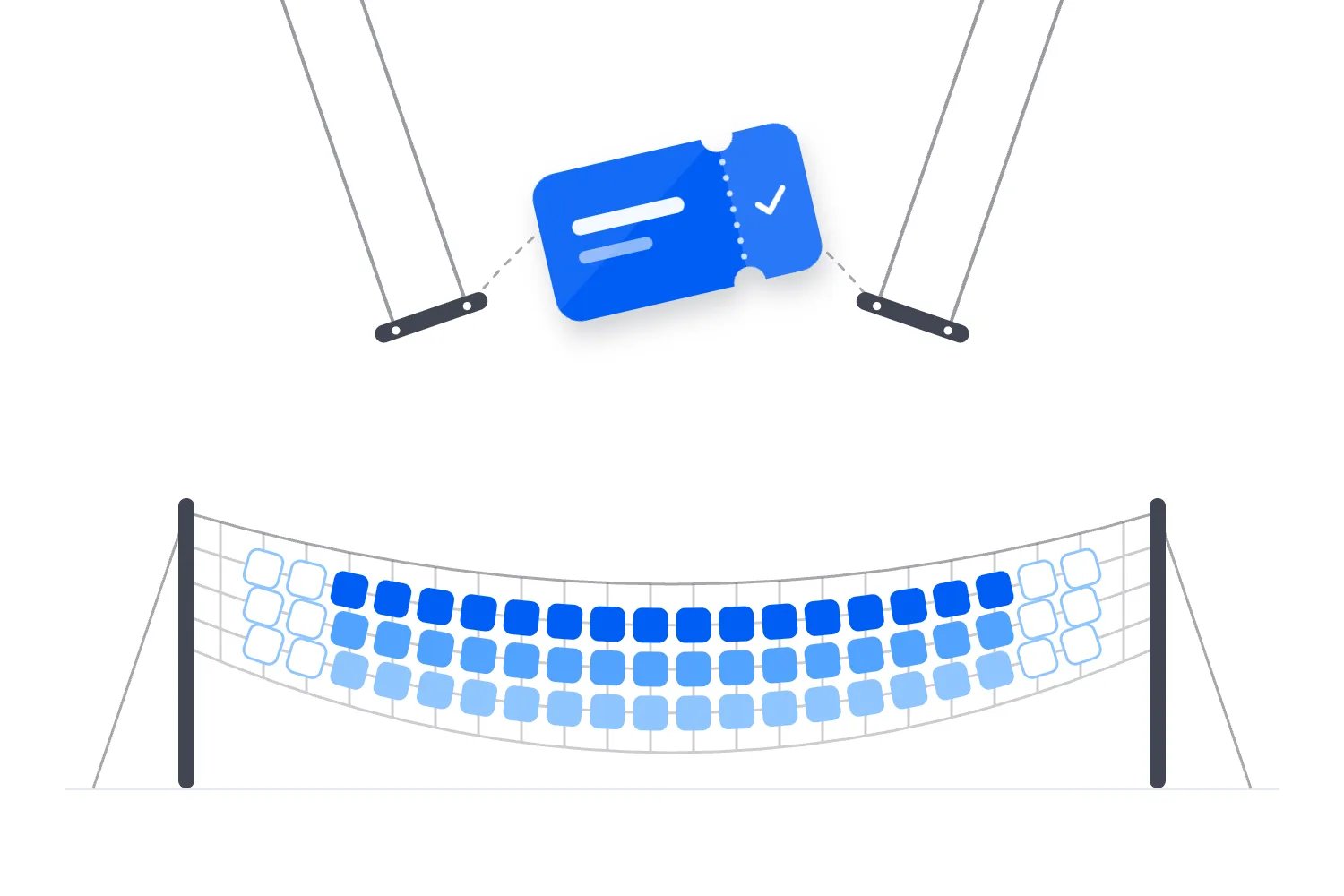
With Loopyah seat charts, you can draw a venue layout, name categories and price the corresponding ticket types. Buyers choose their seats on the map. That helps you sell the room as planned; you still need to confirm that the layout, accessible arrangements and inventory match the actual venue.
Record all approved complimentary places. Designers, sponsors, press and production guests may all request tickets. Agree who can approve them and how many each agreement includes. A complimentary front-row seat has an opportunity cost if someone would have paid for it, as well as any hospitality cost you provide.
Use deadlines for guest confirmations and a controlled process for releasing unused holds. Check contractual promises and applicable accessibility rules before releasing any restricted inventory. A designer forwarding an invitation should not accidentally create another guaranteed seat beyond their allocation.
Return to the fictional budget when setting prices and releases. The $50 retained average is an assumption across all paid tickets. If you sell a large cheap allocation early, the remaining seats must produce enough income to maintain that average, or you need to revise the forecast.
Clear the permissions and safety questions early
Ask the venue and local authority which permissions apply to your particular activities, hours and audience. Alcohol, food, entertainment and temporary structures can raise separate questions. Get written confirmation of what the venue already covers and what you must arrange yourself.
Music needs its own check. In the UK, PPL PRS explains event music permissions for new customers and existing licence holders adding an event. Confirm the appropriate coverage for your runway soundtrack, who reports the use and who pays. Check the equivalent rights organisations in other countries.
Filming the runway creates a separate music question. The rights needed to play a track in a room don't automatically give you permission to use it in promotional video. APRA AMCOS explains permission for music in video, including music captured during filming. Confirm the composition and recording rights with their owners. Tell your music supplier and video team what you intend to publish before choosing the soundtrack.
Have competent suppliers assess the runway, lighting, electrical work and any temporary structures. Models should rehearse the surface, level changes and turns in the footwear they will wear. Keep cables, garment rails and audience belongings clear of the agreed routes.
For audience movement, HSE's crowd risk assessment guidance covers arrival, entry, movement, exit and dispersal in Great Britain. Apply the relevant local requirements with your venue team. A shopping area or photo backdrop can create a queue across an exit even when the runway seating itself is well organised.
Agree emergency responsibilities, medical provision and how to stop the show. The backstage lead, door lead and person operating the microphone need a communication route that works during the performance. Test it before doors and brief staff on who gives instructions if normal communications fail.
Resolve cancellation and postponement arrangements before you announce. Compare the venue terms, designer bookings and supplier agreements, then check what you can accurately promise buyers. A refund you owe a ticket holder may still be payable when a supplier keeps its deposit. Your available cash needs to reflect that possibility.
Set a process for changes that affect the advertised experience. A replacement designer, a different venue or the removal of a promised reception may require more than quietly editing the page. Assign someone to check the applicable terms and consumer obligations, contact affected buyers and record the outcome. Ask a qualified adviser when the answer depends on local law or disputed contract wording.
Keep a contingency contact list for people who can approve a decision. The venue's booking salesperson may be unavailable during the event, and a designer's social media manager may have no authority over collection changes. Confirm the responsible names and the route for urgent messages before the final rehearsal. Decide before delays force a collection out of the programme. Record the last time a delayed collection can arrive and still be checked, fitted and rehearsed. After that deadline, use the agreed replacement plan.
Sell the experience with specific information
Your event page should explain the designers, programme, location, ticket options and practical arrangements in one place. Include doors and runway times separately. People need to know whether arriving at the advertised start means they can browse a reception or will miss the first collection.
Show what makes this edition worth attending. With permission, introduce the collections, explain a designer's approach and share a short preview of the presentation. A generic glamorous image tells buyers less than a clear explanation of the designers they'll actually see and what they'll be able to do afterwards.
Give participating designers useful material to share. Supply accurate copy, approved assets, the booking link and a small set of agreed dates. Explain which ticket options they should describe. You want their recommendation to feel personal while keeping the practical information consistent.
Build promotion around reachable buyers. A local boutique, design school or relevant cultural organisation may help you reach people already interested in the programme. Agree the actual contribution and any payment or commission. Don't budget as though a partner's goodwill is a confirmed ticket order.
Keep reviewing purchases against the remaining sales target. If people are visiting the page but not buying, ask what they don't understand about the offer, price or logistics. If very few relevant people are seeing it, changing the checkout wording won't solve the distribution problem.
Set a spending review before another large commitment falls due. Compare tickets sold, retained income, remaining seats and realistic sales pace. A discount needs a reason and a revised budget. It should not become the automatic response every time an expensive show makes you nervous.
Sell sponsorship you can deliver without disrupting the show
A fashion show may give a sponsor a relevant audience and a useful way to demonstrate its product. Start with the connection. A beauty partner might support an agreed backstage service, while a local retailer might sponsor the public reception. Explain the audience and activity honestly, including what remains an estimate before tickets have sold.
Write a package around specific deliverables. Name the location, quantity, timing and approvals for each item, whether that's programme credit, a reception display or an agreed guest allocation. Explain who supplies materials and who pays installation costs. If an activation needs more power, floor space or staff, include those costs before deciding what the sponsorship is worth to your budget.
Check the designer agreements before promising exclusivity. A sponsor's request to be the only beauty brand at the event might conflict with a designer's existing arrangement. Set the category boundaries and exceptions before taking payment. Likewise, a sponsor should not expect to enter changing areas or influence styling unless the relevant people have agreed that access and role.
Keep sponsor income separate from support supplied in goods or services. A partner providing refreshments may reduce a real expense, but it doesn't pay the venue deposit. Record the avoided cost you can verify and any additional fulfilment cost you incur. Count cash in your forecast according to the agreed payment date and terms, and keep pursuing ticket sales against the revised budget.
Rehearse the show people will actually attend
The rehearsal needs the sequence, runway route, changes, music cues and lighting cues you intend to use. A quick walk without garments can check the route, but it won't tell you whether a difficult change fits or whether an accessory catches on the outfit.
Create a running order with cue numbers, actions, owners and timing. Our event run-of-show template provides a starting structure. Add collection identifiers and backstage readiness checks so the person calling the show knows when the next group can genuinely begin.
For example, you might open doors at 18:30, seat guests by 19:15 and begin the runway at 19:30, followed by a designer reception at 20:15. Those invented times only work if your rehearsed programme fits and staff can move people safely between areas. Publish timings that your team has checked.
Walk the guest journey too. Test ticket checking, seat finding, access requests, late arrivals and the move into any shopping or reception space. Decide where late guests wait and when staff can seat them without walking into the runway or blocking another person's view.
Before opening, compare the physical seat labels with the ticket map. Check guest allocations and brief the door team on who can resolve a disputed seat. Keep a named person available for audience problems while the production lead concentrates on the performance.
Give the show caller a clear readiness signal from backstage. If a look is missing, they need a prepared choice, such as skipping it or holding the sequence while the audience receives an appropriate update. A designer shouldn't be able to change the running order independently once the team is working from it.
Finish the accounts and close the designer agreements
After the audience leaves, keep a responsible team in place for garment returns and equipment collection. Check collections against the receipt record, document any issues and confirm who takes custody. The last outfit leaving the runway isn't the end of your responsibility for it.
Reconcile ticket income, refunds, complimentary attendance, sponsorship payments and any agreed retail commission. Compare invoices with the quotes and approved changes. Separate deposits already paid from remaining balances so you don't count the same cost twice.
Send designers and sponsors the deliverables you agreed, with the relevant permissions. If someone bought a package that included photographs or an attendance report, confirm what you delivered and when. Don't replace a missed obligation with an unrelated social post and assume the account is closed.
Review the result by the questions that matter for the next show. Which ticket categories sold? Which designers brought paying buyers? Where did preparation run late? Which production changes cost money without improving the experience? Include welfare and access feedback alongside the sales report.
Use those answers before putting a new date on sale. If the event sold well but barely covered costs, you need a better budget or a stronger price before repeating it. If buyers loved the format but couldn't see properly, fix the layout before adding seats. Plan the next edition around what you can now prove.

Author: By the Loopyah Content Team
The Loopyah Content Team shares expert insights, practical guides, and industry updates to help event organizers create unforgettable experiences and stay ahead in the event planning world.