· 29 min read
How do you train event staff on non-visible disabilities?
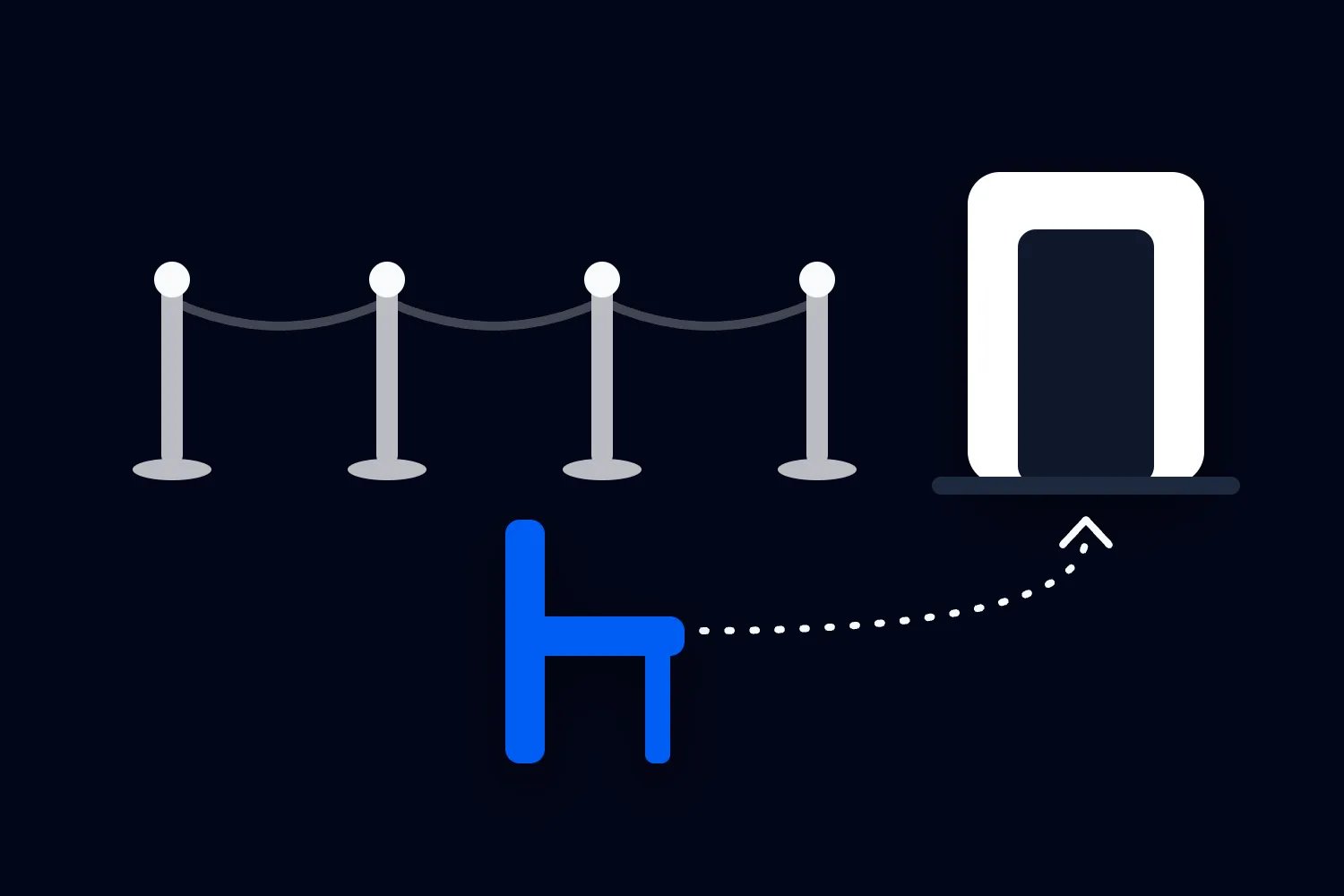
Someone reaches your entrance, looks at the queue and asks whether they can wait sitting down. Your steward wants to help, but the briefing only covered scanning tickets and keeping the line moving. They call a supervisor. The supervisor asks what's wrong. Now a paying attendee is explaining something personal in front of everyone, and nobody has actually found them a chair.
You can prepare your team for this. Train event staff to ask what would help, offer the arrangements you've confirmed and bring in the right colleague when the request needs a decision. They need to practise those conversations with the actual entrance, programme and facilities in mind. A presentation about disability awareness won't settle who brings the person back for admission.
For non-visible disabilities, the useful starting point is accepting that you won't necessarily know who needs support. You don't need to identify someone's condition to explain a quieter route, give them more time to answer or contact your access lead.
This guide is for operators running paid conferences, performances, festivals and other ticketed events. It explains what to teach, how to rehearse it and how to check that your team can deliver the help you've promised. The worked examples are fictional. Adapt them to the arrangements your event can actually deliver.
What staff need to understand about non-visible disabilities
A non-visible disability is a disability that isn't necessarily apparent when you meet someone. It can affect a person's visit even when they walk into the venue, hold a conversation or seem comfortable earlier in the day. Your staff should understand that appearance gives them very little information about the support somebody might need now.
The UK's Disabled Persons Transport Advisory Committee explains in its position statement on non-visible disabilities that visible and non-visible disabilities can overlap. Its examples include chronic pain, hearing loss and conditions affecting cognition or mental health. This is transport guidance, but the basic distinction helps an event team avoid treating walking ability as evidence that a person can stand in a long queue.
Use examples to explain barriers, rather than teaching staff to associate each condition with a fixed response. An attendee might need written directions because they can't follow spoken instructions in a noisy foyer. Another might need a seat because standing causes difficulty. Someone else may want to leave a session and return. Those requests tell you more about the immediate task than a list of diagnoses would.
People also use different language about themselves. Follow the attendee's wording where appropriate, and don't turn an ordinary conversation into a correction about terminology. The purpose of the interaction is to help them take part in the event they bought a ticket for.
Make this an explicit staff instruction: don't decide whether a request is genuine by looking at the person. Equally, don't assign a disability to someone because they avoid eye contact, repeat a question or communicate differently. Ask about help when appropriate and respond to what they tell you.
Someone may decline your offer. Respect that answer and explain where help is available if they want it later. Training should leave staff comfortable with giving people choice, including the choice to continue independently.
Your wider event accessibility checklist covers the physical arrangements and planning work behind this. Staff preparation has a narrower job. It makes those arrangements usable in a real conversation, including when the person hasn't contacted you before arrival.
Settle the event's support arrangements before teaching them
Before you book training, ask your access lead and venue contact to work through the help staff will actually be able to offer. An usher can't confidently explain a quieter space if nobody has confirmed whether it's open, how to reach it or what happens when it's full.
Begin with arrival. Agree how someone can ask for assistance, where a private conversation can happen and what alternatives exist if standing in the entrance queue is difficult. Follow the process through ticket checking and entry. If a person waits elsewhere, someone needs to know they're waiting and bring them into the admission process at the agreed point.
Then check the programme. Can an attendee step out of a talk and return? Are there points in a performance when re-entry is restricted? Can people take part in a workshop without moving between tables? Get the relevant programme and venue decisions before asking staff to explain them. A general welcome doesn't answer a specific question about a late seating hold.
Check facilities and routes in the installed event layout. Include toilets, places to sit, assistance points and any quieter room. Tell staff what the room provides in plain words. A room without background music may still receive sound from the hall, so don't teach them to call it silent or suitable for every sensory requirement.
Give the access lead authority to resolve requests that cross departmental boundaries. If the door supervisor controls entry and the programme manager controls re-entry, they need an agreed way to make a decision together. Name deputies for the times either person is unavailable. A contact list is useful only if somebody on it can answer and act.
Separate everyday assistance from arrangements that need individual confirmation. Offering time to read a programme is different from changing the conditions of an allocated seat or arranging specialist communication support. Teach staff which actions they can take themselves and which need the access lead. Don't ask an entrance volunteer to interpret eligibility rules or local law during a dispute.
Include contractors in these agreements. Security, catering and venue staff may have a different employer, but attendees experience their answers as part of your event. Ask each supervisor to confirm how their team's instructions fit the event's arrangements, including who joins the briefing and how late arrivals receive it.
Have disabled people and an appropriately experienced trainer review the practical content where you can. Pay for that work and offer accessible ways to contribute. You need relevant advice about your audience and setting, rather than expecting one person to represent every disability or recount personal experiences to the whole crew.
Teach a conversation staff can use under pressure
The first thing you want staff to practise is a straightforward offer of help. "Would anything make waiting easier?" gives someone room to explain. "What's wrong with you?" makes the conversation about their condition before you've understood the problem.
Address the attendee directly. A companion may help communicate if the attendee wants that, but don't automatically turn away from the person who asked. Ask before involving somebody else or moving the conversation. Staff should also introduce themselves and explain their role when that helps the person know who they're dealing with.
Keep the first question manageable, then wait for an answer. Avoid offering every facility at once or filling a pause with more instructions. If spoken communication isn't working, ask whether written information or another available method would help. Show staff where to get that support during training, rather than simply telling them to be flexible.
Here is an original practice exchange for the seated-waiting situation. The particular arrangement would need to be confirmed for your event before staff used it.
Attendee: "I can't stand in this queue. Is there somewhere I can sit?"
Steward: "Yes, we have a seated waiting place beside the entrance desk. Would you like directions, or would you prefer someone to show you?"
Attendee: "Directions are fine. Will I lose my place?"
Steward: "I'll let the entrance desk know where you are in the admission process. They'll call you forward under our seated-waiting arrangement. Let me confirm that with the desk before you move."
Notice what the steward has to know for that answer to be true. There must be a chair, a working arrangement with the desk and an agreed way to call the attendee forward. Train the practical task alongside the words, otherwise staff will give a reassuring answer they can't deliver.
When the answer isn't settled, say what you'll check. "I'll ask our access lead about a place where you can wait seated" is more useful than promising immediate entry. Give the attendee a realistic next step and an agreed place to wait if they choose. Don't send them on a search for a manager.
Avoid compulsory eye contact, unnecessary touch and language that treats an adult as a child. Ask before handling a person's belongings or offering physical assistance. Your training should show that a calm, ordinary conversation can be respectful without becoming formal, theatrical or full of apologies.
Practise the entry and queue decisions
At the door, staff often have two concerns at once. They want to help the attendee, and they've been told to preserve admission checks and control the crowd. Resolve the practical relationship between those duties before opening. Assistance can change how someone waits or receives instructions while the relevant checks still happen.
Take ticket retrieval. A person may need more time to find their booking or read an instruction on their phone. Agree a place where staff can assist without exposing the screen to the crowd or making the person feel hurried by everyone behind them. Keep a clear route back to admission, and arrange cover so the scanning position isn't abandoned.
For a queue adjustment, be specific about the action. Can someone wait sitting down and receive a call forward? Is there an agreed quieter arrival point? Who controls that arrangement when several people request it together? An instruction saying "give priority when necessary" leaves each steward inventing a different rule.
Prepare an answer for another attendee who challenges the arrangement. Staff can explain that the event provides assistance for people who need it and that the team is managing admission. They don't need to reveal why a particular person is receiving help, or invite the queue to decide whether the request is justified.
Some people choose to wear a Sunflower lanyard. The Hidden Disabilities Sunflower's own guidance describes it as a voluntary way to indicate that someone may need support, understanding or more time. Teach staff what the symbol means if you expect them to recognise it, and check the scheme's requirements before presenting your event as a participating organisation.
Your ordinary offer of assistance should also work for someone wearing no symbol. Don't invent a requirement to display a lanyard before staff can offer time, directions or a conversation with the access lead. If a specific booked service has an eligibility or confirmation process, the authorised team should handle that privately under the applicable rules.
The rehearsal should include a person who asks for help after reaching the front and another who asks before joining the line. Those entry points may need different actions. Staff should be able to explain both without making someone start the whole process again because they approached a different colleague.
Show ushers how to support participation
Inside the event, a person's difficulty may be about following the programme or moving through the room. Teach ushers to explain the choices your event actually offers. A seat near a door, a written timetable or clear instructions about leaving and returning can be useful, provided the arrangement suits the person and the room.
W3C's Making Events Accessible checklist asks organisers to respect participants' needs and prepare for requirements that can change. It also recommends clear information and accessible materials. Use that as support for reviewing the session experience, then agree the specific participation arrangements with your own programme team.
For a conference, staff should know how to find the current room and break times, whether questions can be submitted in writing and where accessible session materials are available. They don't need to guess why a participant asks. They do need to avoid promising a recording or transcript that the event hasn't arranged.
A performance needs different detail. Explain late entry, re-entry holds and any agreed alternative seating or viewing arrangements with the house manager. A steward shouldn't promise someone can return immediately if an assessed production restriction applies. Equally, a broad "no re-entry" instruction needs the appropriate management review before staff use it to dismiss an access request.
Practise announcing a programme change. "Your session has moved" still leaves someone needing to find the new room, understand the timing and decide whether the new arrangement works. Give the reason and the next useful direction where known. If you offer an escort, check that the person wants one and that another worker will cover the position you're leaving.
For interactive sessions, ask facilitators to explain options before the activity starts. A participant shouldn't have to disclose a disability to the room in order to ask whether they can stay seated. Training should help staff support the agreed alternative without drawing unnecessary attention to the person using it.
Respond to distress without trying to diagnose it
Your team may encounter someone who is overwhelmed, having difficulty responding or asking to get away from the crowd. Staff need a rehearsed way to offer support and bring in the appropriate colleague. They should not try to identify a condition or assume that an unfamiliar behaviour tells them whether medical help is needed.
The National Autistic Society's guidance on meltdowns explains that an autistic person may become overwhelmed and that this can include withdrawal. Its advice includes allowing time, making space and reducing sensory demands where possible. That guidance concerns autistic people; it doesn't make every distressed attendee autistic or establish the cause of an individual incident.
For ordinary assistance, practise having one staff member communicate while colleagues keep the surrounding area manageable. Ask whether the person wants help, allow time for a response and use their preferred communication method where available. Avoid surrounding them with several workers asking overlapping questions.
If the person wants a quieter place, explain the available option and ask before accompanying them. Check the route and room availability first. Do not pull someone towards a room, lock them in or treat leaving the public area as a condition of receiving support. A quieter room is an option the attendee can choose, within the event's agreed arrangements.
Staff should know the limits of that room. It may offer lower noise and a place to sit, but it isn't automatically a medical space or a supervised care service. If the advertised provision requires a trained worker, confirm that cover. Don't leave an attendee relying on supervision that nobody agreed to provide.
Urgent medical concerns, immediate danger and safeguarding issues need the event's established response. Train staff to contact the designated team promptly, give an accurate location and follow their role in the procedure. An apparent access request must not delay urgent help. A disability-awareness briefing doesn't qualify staff to give treatment, restrain someone or decide an emergency is only anxiety.
Security supervisors should rehearse the boundary with your access and safety leads. The team still responds to actual danger, while avoiding assumptions based on communication style or appearance. Where a situation needs intervention, appropriately trained people should lead it under the event's procedures. Don't create a separate improvised procedure during this training session.
Ask your trainer to use discussion, written cases and voluntary practice to teach these decisions. Don't make workers simulate a disability or recreate distress. The thing you're checking is their response to a request and their ability to reach the right support.
Keep the handover useful and private
Someone may be happy to explain a request to your access lead and still not want that conversation repeated across the event. Teach staff to pass on the arrangement and the action needed, using the approved private channel. The whole crew doesn't need a person's history to help them reach a confirmed waiting place.
For example, an entrance steward could tell the receiving colleague that an attendee is waiting at the entrance desk and wants to discuss an alternative to standing. They can explain what they've already offered and ask the colleague to accept the next action. An open radio announcement about the person's diagnosis adds exposure without necessarily helping anybody do their job.
Agree with the attendee what needs to be shared where practical, and explain who you're contacting. If the access lead has already confirmed an arrangement, use the approved reference or handover process. Don't make the person disclose the same details to every worker along the route just because the teams have separate employers.
In the UK, the Information Commissioner's Office explains data minimisation as holding information that is adequate, relevant and limited to the purpose. The page is marked as under review following legislative changes. Check the current rules that apply to your operation, especially before collecting information about health. A training note about discretion doesn't settle your legal basis, security or retention obligations.
For the operational record, decide what the next person actually needs. That might be a request reference, the agreed assistance, who accepted it and whether the action happened. Restrict access appropriately and agree how long records remain. Don't put diagnoses in a public shift sheet, use personal messaging groups for sensitive case details or keep copies just in case.
Urgent incidents may require a different reporting process. Show staff where that process starts and which authorised people need the information. They shouldn't omit necessary incident information because they've heard "don't collect details", nor duplicate a medical report in an ordinary customer-service note.
Practise a shift change with an unfinished request. The incoming colleague should understand the agreed next action without asking the attendee to begin again. Confirm who will update the person and through which method. Until the receiving colleague accepts the task, the outgoing team still needs a clear owner.
Give staff authority that matches their responsibility
An attendee asks an usher for something the usher cannot approve. That should start a decision, rather than end the conversation. Before training, decide which lead can resolve common requests and who covers them. Then let staff practise contacting that person from the place where they will actually work.
Your instructions might allow ushers to explain the confirmed re-entry arrangement and help someone find the quieter room. A change to allocated seating might need the seating lead. A concern about an unavailable promised service might need the access lead and event manager together. Write the boundary around the action, so people understand what they can finish themselves.
Avoid requiring manager approval for every ordinary courtesy. If a worker needs permission to slow down a conversation or show someone a written timetable, your process is making simple assistance unnecessarily difficult. Keep approval for the decisions that require it, with enough front-line authority to use the arrangements you've already agreed.
At the same time, goodwill doesn't create space in a full room or permission to use a restricted route. Staff should explain what they're checking and involve the right lead. Teach them to offer confirmed alternatives while a request is considered, without presenting those alternatives as a final answer the attendee has to accept.
Your event-day help desk can coordinate an unresolved request when that's how your event is staffed. Tell the desk team which access lead to reach and how urgent timing affects the handover. An attendee whose booked workshop is about to start needs that deadline included in the message, rather than an unqualified promise that someone will reply later.
If an access arrangement fails, staff also need a commercial decision route. An entrance worker shouldn't invent compensation, and the attendee shouldn't be dismissed because that worker can't approve it. Name the person who reviews the booking and applicable obligations. Let assistance continue while the authorised person considers the appropriate response.
Make training accessible and pay for the time
Your own staff may have non-visible disabilities. Offer accessible training materials and a private way to request support without requiring people to disclose a condition to colleagues. Give workers information about the room, format and activities in advance, and don't make standing role-play or speaking in front of everyone the only way to demonstrate understanding.
Include the people most likely to have the first conversation. That means door workers and ushers, but also information staff, relevant security workers, venue teams and contractor supervisors. Volunteers need the same event-specific instructions for the duties they perform. Ask suppliers how they will prepare replacement workers if the roster changes.
Treat the time as part of delivering the event. Get the applicable employment, volunteer and contractor arrangements right, and include preparation and attendance in your staffing plan. A briefing scheduled while people are meant to be serving a queue isn't a reliable training session.
Here's a fictional cost example to show the work involved. Suppose twelve front-line workers attend a paid one-hour session at an assumed USD25 per hour. That's USD300. A trainer spends three paid hours preparing and delivering it at an assumed USD80 per hour, adding USD240. The access lead and deputy have three combined paid hours for preparation and attendance at an assumed USD35 per hour, adding USD105. They are additional to the twelve front-line workers.
The team also budgets six paid hours of relief cover at an assumed USD25 per hour, adding USD150. Those selected labour costs total USD795. The rates and hours are invented, not market prices or recommended staffing levels. The figure excludes room costs, materials, tax, specialist services and the rest of the event's access provision. It doesn't establish how much training your team needs.
Use your actual quotes and contracts, then ask what would be lost if the session disappeared from the schedule. The team might still receive the document, but they'd lose the chance to practise the difficult conversation, test the contact route and correct an impossible promise before an attendee relies on it.
For a small event, the owner may also be the access lead. Keep the same practical checks and arrange a deputy who can act when you're occupied. For a large site, different teams may need local sessions and a shared minimum set of instructions. Scale the preparation to the work, rather than using attendance alone to choose a training duration.
Run a rehearsal that tests what people do
Use a short common briefing for the current event facts, then practise interactions in pairs or small groups. Ask workers to take the role they will perform on the day. Give the observer a small number of actions to watch, and let people use the actual brief and contact equipment. Memory isn't the skill you're trying to test.
A fictional one-hour refresher could give ten minutes to confirmed arrangements, fifteen to communication practice, twenty to two scenario rounds, ten to a route and contact check, and five to explaining responsibilities back. That adds up to sixty minutes. It's an example of allocating time, not evidence that one hour is sufficient or that somebody has gained a qualification. New workers or complex duties may need more preparation.
Choose two of the practice cases below for that example refresher, according to the team's duties. Cover the others in additional preparation where relevant, and allow more time when workers need to repeat an exercise.
For each scenario, ask the observer to record the first offer of help, whether the worker allowed the attendee to respond and whether the action offered was available. Then check any transfer. Did a named colleague accept the task? Did the attendee hear the next step? What happened to the worker's original position while they helped?
Scenario: someone cannot wait standing
Give the worker a request for seated waiting, then add that the usual waiting place is full. They should acknowledge the request, check the current alternative with the access lead and explain what is known. They should not demand a diagnosis, promise an empty chair without checking or send the person to an unstaffed area.
The observer should check whether the worker keeps the admission task connected to the assistance. If the alternative is confirmed, who tracks the attendee's place and calls them forward? If no suitable alternative is ready, does the lead understand that the person is still waiting for a workable arrangement? Finish the exercise with that operational question answered.
Scenario: a person communicates in writing
Have the practice attendee show a written request on their phone. The worker needs to read it, ask how the person would like to continue and use an available method that suits the exchange. They should avoid taking the phone without permission or insisting that the attendee explain the same thing aloud.
Add a noisy background in the discussion, rather than creating overwhelming conditions in the training room. Ask whether the conversation can move somewhere more suitable if the person wants. If specialist support is required, the observer should see the worker use the agreed contact route. A pen and paper should never become the mandatory answer to every communication need.
Scenario: a session changes rooms
Give the worker an old printed programme and a confirmed room-change message. The practice attendee says the new arrangement creates a difficulty for them. The worker should explain the confirmed change, ask what would help and involve the programme or access lead for the unresolved part. They should not assume that pointing at a new sign settles it.
Check that the staff member is using the approved update. If the change hasn't been verified, the right answer is to check it before giving directions. The exercise can reveal a communications problem as well as a training gap. Correct the source information if several workers have different room details.
Scenario: a colleague challenges a request
Ask a second worker to question why someone needs assistance when they appear able to walk. The first worker should avoid repeating that challenge to the attendee. They can refer the colleague to the agreed support arrangement and involve a supervisor privately if necessary. The attendee shouldn't become the subject of a debate between staff.
Use this case to check supervisor behaviour too. A supervisor who teaches respect but then asks someone to prove their pain in the queue will undermine the whole briefing. Agree how staff can report a concern about a colleague's response and who intervenes while the event is running.
After each round, discuss the observed action and let the worker try again. "Be more empathetic" gives them very little to practise. "Ask whether directions or an escort would help before you leave your position" gives them a specific change. Where the process itself failed, fix it and repeat that part with everyone affected.
Work through an event-day example
Imagine the fictional Craft Business Exchange, a paid conference with a main hall and a studio. Its team has confirmed seated waiting beside the entrance desk, a lower-stimulation room called Cedar and a monitored help point. The event permits leaving and returning to its talks, subject to the agreed door procedure and room capacity. These are invented arrangements for this example.
Before opening, the entrance supervisor checks the waiting chairs and the desk's call-forward method. The access lead checks Cedar and confirms who can advise if it is full. Ushers walk the route and practise the re-entry explanation. The deputy tests the private contact route from the studio. A missing chair or unanswered call is corrected before these arrangements appear in the live briefing.
During arrivals, an attendee asks to wait away from the crowd. The steward offers the confirmed seated-waiting arrangement and asks whether directions would help. The attendee says they would prefer an escort. The steward arranges cover before leaving, confirms the handover with the desk and explains how the attendee will be called forward. The conversation can finish without asking what condition they have.
Later, a studio attendee asks for a quieter place. The usher checks Cedar and learns that it is currently full. Instead of sending the person there anyway, they contact the access lead about a suitable alternative and explain the position. The lead checks what can be offered and discusses it with the attendee. Staff keep the request open until somebody has accepted the next action.
Meanwhile, an attendee leaves a main-hall talk and wants to return. The door worker follows the confirmed procedure and checks room capacity. They don't ask the person to explain why they stepped out. If a problem prevents re-entry, they contact the relevant lead, explain the problem privately and make sure the attendee hears the available options.
At shift change, the incoming supervisor receives the current facilities update and any unfinished actions through the approved process. They confirm which colleague owns the outstanding request. The team doesn't copy personal conversations into the general changeover message.
These aren't dramatic interventions. They're ordinary pieces of event work that need people, permissions and time. The rehearsal is useful because it exposes where a well-intended answer depends on a colleague who hasn't agreed to do the next task.
Give every shift a short, current briefing
Keep the working brief short enough to use while serving attendees. Use your event team briefing template for the wider event information, and add the access instructions relevant to each role. Keep personal arrangements in the approved restricted process, rather than attaching them to the general crew document.
For the fictional conference above, the access part could read as follows. It is an example to adapt after your own venue, programme and support arrangements are confirmed.
Ask what would help with the task. Give the attendee time to respond and ask about a preferred communication method if needed. Don't judge a request by appearance or require a diagnosis for ordinary assistance.
Seated waiting is beside the entrance desk. Confirm the handover and call-forward arrangement with the desk before directing someone there. If it is full, contact the access lead for the current alternative.
Cedar provides lower lighting, chairs and no background music. Some event sound may be audible. Check availability before directing someone there. It is not a treatment room or a supervised care service.
Main-hall and studio talks allow leaving and returning under the confirmed door procedure and capacity limits. The programme lead handles any unresolved participation or re-entry request.
The duty access lead coordinates requests, with the deputy covering breaks and other absences. Use the tested private contact route. The live roster names both people and records when cover changes.
Urgent medical, safety and safeguarding concerns follow the separate event procedures. Contact the designated team promptly. Don't diagnose a person or delay urgent help while completing an ordinary support request.
Share only the information needed with authorised colleagues through the approved channel. Confirm that the receiving colleague accepts the next action and tell the attendee what happens next.
Add the event-specific contact details, locations, opening hours and version time to your real brief. Test them from each work area. A line saying "contact the access lead" isn't finished until workers can reach that person and understand what to do if the call isn't answered.
Keep attendee information and staff answers consistent
Training also needs a connection to what buyers have read. Compare the live staff brief with your pre-arrival accessibility guide. If the guide says a quieter room is available throughout the event but the crew has been told to close it before the final session, resolve the operating decision and communicate it properly.
When a confirmed arrangement changes, the responsible lead should verify the new position, brief the affected teams and update attendees through the appropriate routes. Include group bookings and people who may already have downloaded an earlier guide. Don't rely on a silent website correction for a change that affects somebody's visit.
Loopyah's attendee email tools let you send event updates to ticket holders and test the message before sending it. That helps you communicate confirmed arrival or programme information through the ticketing audience. The venue and access team still need to verify the facts, handle personal requests and brief workers on the ground.
Ask staff to report recurring questions. If several attendees cannot find the assistance point, check the directions and signs. Repeating the same explanation all afternoon may reveal something you can correct during the event. Give workers a route to suggest that correction without changing the public instructions independently.
Check the result before the next event
Record whether staff demonstrated the task, then follow up on the parts they couldn't complete. Attendance at training is useful administration, but it doesn't show whether a worker can explain the waiting arrangement or reach the deputy. Keep an owner for each unresolved preparation issue and check it again before opening.
Afterwards, ask attendees about the interaction if they want to give feedback. Did they receive useful help? Did they have to explain the same request repeatedly? Was an agreed arrangement available? Offer an accessible, private response route and explain how you'll use the information. Don't require a diagnosis to accept a report about the service.
Review the actual operating failure with staff and contractors. Perhaps the worker knew what to say, but the desk didn't know it was responsible for calling people forward. Perhaps a late replacement never received the brief. Those call for different changes. More awareness training won't repair an unstaffed waiting arrangement.
Be careful with the numbers you collect. Fewer requests might mean clearer information, fewer attendees needing that support or people finding it harder to ask. A small number of complaints doesn't establish that everyone could participate. Use the accounts and operating records to investigate, without turning them into a claim that one briefing improved ticket sales.
Before your next doors-open briefing, give a worker a realistic request and ask them to show you what happens. Follow their answer through the actual route, colleague and decision. If the return to admission depends on a colleague who doesn't know they're responsible, agree that handover now and run it again before the queue forms.

Author: By the Loopyah Content Team
The Loopyah Content Team shares expert insights, practical guides, and industry updates to help event organizers create unforgettable experiences and stay ahead in the event planning world.