· 21 min read
How to manage event access for crew, speakers and attendees
A speaker arrives at the loading door because that's where their driver dropped them. A supplier needs to replace something backstage. A paying attendee has a premium ticket, but the person checking the lounge entrance can't tell whether it includes the reception happening inside. Everyone has a reason to be there. They don't all have permission to enter the same places.
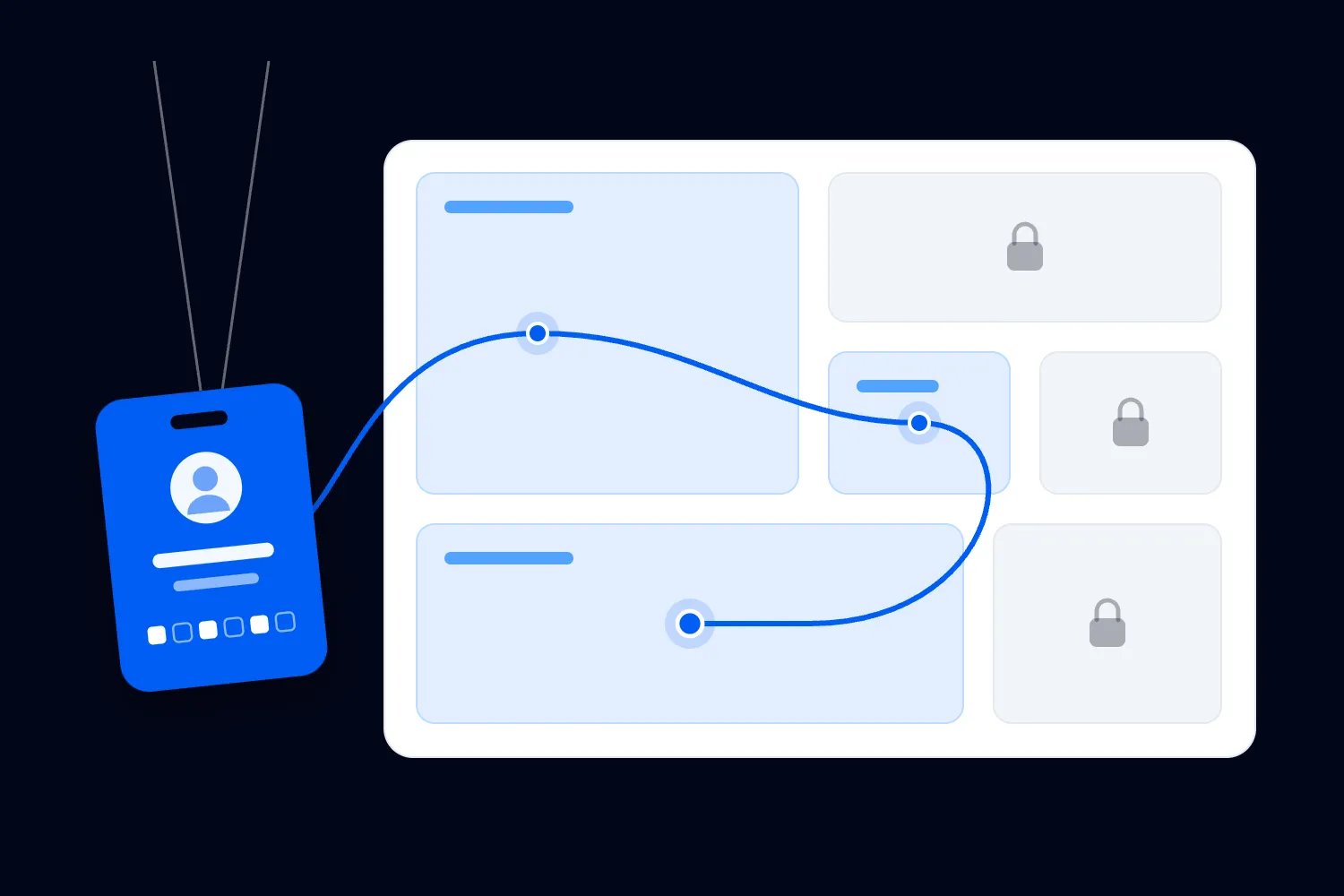
To manage event access rights, decide which areas each person needs, when they need them and whether someone must accompany them. Record those permissions against an identifiable person, issue a pass staff can check and agree who can approve changes. Start with the work and the ticket promise, then choose the technology that can support your rules.
That takes more thought than ordering different coloured lanyards. It also saves you from spending the event answering the same question over the radio while speakers wait, contractors argue and staff abandon their actual jobs to find you.
This guide covers physical access for a paid event, including crew, speakers, suppliers and attendees. Your venue and relevant specialists still need to approve arrangements that affect safety, security and emergency escape. The practical question here is how to turn those arrangements into everyday decisions people can apply at an entrance.
Start with the places people need to reach
The first thing you want to do is walk the venue with the person who runs it. Bring the production lead and whoever is responsible for event security. Take the current floor plan and describe what happens in each space during setup, the public programme and pack-down.
Avoid calling every room behind the auditorium "backstage". The speaker preparation room, equipment store, stage access corridor and production office serve different purposes. Someone who needs a microphone fitted doesn't automatically need to enter the room where laptops, radios and production records are kept.
Name areas as people will hear them on the day. If a door says "Speaker room", use that name in the pass rules and briefing. Staff shouldn't have to remember that "green room", "holding room" and "Zone C" all mean the same place, particularly when they join halfway through the programme.
For each area, establish who uses it, who controls access and where people can wait without blocking circulation. Some boundaries need a staffed checkpoint. Others may use the venue's existing controlled doors. Agree the method with the venue rather than assuming every restriction requires another member of your team standing outside.
Review the routes between areas as well. A speaker might have permission to use the preparation room and stage but no approved way to travel between them. A catering team might need a delivery route that avoids the audience queue. Permissions have to work along the journey, including lifts and connecting corridors.
HSE's guidance on crowd controls inside venues says pedestrian routes should remain clear and warns about congestion where people move around attractions and facilities. Use that guidance when you place waiting points and checkpoints. A well organised pass desk can still cause trouble if its queue blocks a route people need.
Separate a person's role from their permissions
"Crew" tells you somebody is working. It doesn't tell you where they should go. A ticketing assistant, sound engineer and photographer may all be crew, yet each needs a different set of permissions. An unrestricted crew pass is convenient to issue and difficult to justify once you look at the actual jobs.
Start with a small set of role templates based on real tasks. Ticketing staff might need the public entrance, ticket support area and staff facilities. Stage crew might need production routes and stage working areas. A speaker might need public sessions, their preparation room and an escorted route to the stage during their appearance.
Then assign those templates to named people. Make an individual adjustment when the job requires it, with an approver and an end time. The adjustment should explain the need clearly enough that someone else can understand it during a shift change.
This is where event access management differs from simply recognising a badge. The pass identifies the person and communicates the relevant permissions. The rule determines whether those permissions cover this place at this moment. Someone may hold a valid pass and still be at the wrong entrance or outside their approved period.
ProtectUK's guidance on staff identification and access control recommends limiting people to the areas they need and stresses that a system depends on active management and trained staff. That supports a practical starting point: grant the access required for the job, then handle extra needs through an agreed process.
Be especially careful with "all access". If your event genuinely needs that category, name the people who receive it and define any areas it still excludes. A senior title, sponsor relationship or familiar face shouldn't silently create permission that the venue and event team never agreed.
Build a permission record staff can actually use
Your access record needs to answer a simple question without sending the checker through several documents. Can this named person enter this named area now, and under what conditions? Choose a format your team can maintain and your checkpoints can use reliably.
For each person, record their name, organisation, role, approved areas, valid dates or operating periods, escort conditions, pass reference and current status. Include the person authorised to approve exceptions. Add an alternative identifier only when it solves a real identification problem, such as several workers with the same name.
Keep the main categories consistent. "Speaker room" should be a selectable permission or a clearly agreed entry, rather than something one supplier calls "talent" and another calls "VIP". If your software supports structured permissions, use them instead of maintaining an independent spreadsheet with conflicting rules. Check the actual capabilities before relying on them.
A useful hypothetical entry would read in ordinary language like this: Alex, speaker, may enter public conference areas and the speaker room on the event day. Stage access is permitted with the stage manager during the scheduled appearance. The production office and equipment store are excluded. The speaker coordinator handles requested changes.
That record gives the person at the stage entrance something concrete to check. "Speaker pass" alone leaves them deciding whether every speaker may walk onto the stage at any time, which isn't a reasonable decision to hand over without instructions.
Avoid putting every operational detail on the badge. It should communicate what the checker needs, while the controlled record holds the information required to issue, amend and withdraw permission. People shouldn't need access to an entire attendee database to decide whether someone belongs in a preparation room.
Give speakers access that matches their programme
A speaker invitation creates several separate arrangements. There's arrival, preparation, the appearance itself, any hospitality you've promised and whatever public programme the speaker may attend. Agree those details when you confirm the booking, particularly if the invitation includes a colleague or assistant.
Send the speaker a usable arrival instruction. Name the entrance, the reporting point and a contact who will actually be available during their arrival period. Explain where they collect their pass and whether they need to allow time for a briefing or technical check. Don't expect them to infer the process from a general attendee email.
For stage access, connect permission to the person running the programme. The stage manager needs to know who is due, who is ready and when they should move. Being a speaker shouldn't create permission to interrupt another session or cross a working area during a changeover.
Our event run-of-show template explains how to connect scheduled activity with the people delivering it. Use the current programme to confirm access periods, but keep the event's agreed access rules clear enough to survive a running order change. A delayed session needs a controlled adjustment, rather than a speaker whose pass becomes invalid while they're waiting to appear.
Ask about assistants, interpreters and other support when you make arrangements. Give each person the access their role needs. Don't make the speaker lend someone a badge or negotiate an exception at the door. Share private support information only with the people who need it to deliver the arrangement.
Once the appearance ends, apply whatever continuing access you've agreed. Some speakers may attend the rest of the event as guests. Others may leave through a collection point. Neither situation requires an indefinite right to use production spaces after their work there has finished.
Treat supplier and contractor access as a working arrangement
A supplier booking doesn't tell the gate team which people will arrive. Ask the supplier for the workers who need access, the task, expected arrival period, site contact and any vehicle or equipment arrangements the venue requires. Confirm who can submit replacements when the original person becomes unavailable.
Connect the approved list to the people doing the work. "The catering company is allowed in" is too broad when several deliveries, temporary workers and supervisors arrive separately. The supplier's contact should be able to verify a replacement worker without the gate team making assumptions about a uniform or branded vehicle.
Decide where delivery access ends. A driver may need the receiving point while the supplier's working crew needs a preparation area. Giving both the same permission removes a useful distinction. Equally, forcing a working technician to be escorted repeatedly for a task that was already approved can create unnecessary labour and delay.
Use an escort when the route, task or restricted area requires one, and name who provides it. "Escort required" fails as an instruction if nobody has been assigned to meet the visitor. Include a waiting location and a contact route so the delivery doesn't stop at the narrowest point of the building.
The wider timings belong in your event logistics plan. Align access periods with those timings, including early setup and collection after the public programme. Confirm who remains responsible when the audience has gone and your normal reception team has finished its shift.
Keep permission to enter separate from permission to start hazardous or specialist work. A pass doesn't replace the venue's work controls, required induction, competence checks or task approval. The contractor and venue should confirm those requirements before the worker arrives, with a clear referral when something hasn't been completed.
Make attendee access match what you sold
For attendees, start with the ticket description and any later promises you've made. If a ticket includes a lounge, workshop or evening reception, the access process needs to recognise that inclusion. If something requires a separate booking, explain it before the attendee reaches the entrance.
Avoid using "VIP" as a complete instruction. It might mean better seating, priority admission, hospitality or a separate event. Write down the actual entitlements and use the same wording in booking information, staff instructions and the access record. A premium customer shouldn't have to persuade the lounge host that your marketing email meant what it said.
Separate entry to the event from entry to a particular activity. A valid conference ticket may not include a limited workshop place. A workshop booking may cover a particular session rather than every repeat. If you allow session transfers, agree how the original reservation changes so the same booking doesn't remain valid in conflicting places.
Permission also doesn't remove a room's capacity limit. Decide with the venue how capacity is monitored and who manages waiting or alternative arrangements. Selling access to a space is a promise you need to deliver within its actual operating constraints. An eligible pass shouldn't become an instruction to admit someone into an already full room.
Crowding is also what attendees notice. In Loopyah's survey of 500 US event-goers, 63% named overcrowding among their biggest frustrations at events and 57% named long lines.
| Label | Attendees (%) |
|---|---|
| Overcrowding | 63 |
| Long lines or waiting times | 57 |
| Expensive food and drinks | 56 |
| Poor sound or visibility | 37 |
| Safety concerns | 14 |
| Poor communication or unclear information | 11 |
Explain re-entry as part of the ticket conditions. Staff need to know whether leaving changes the attendee's ability to return and how the approved process checks that. A mark showing somebody entered earlier may support a re-entry process, but it doesn't tell you their present location or automatically prove an additional entitlement.
When an attendee disputes the rule, move the enquiry to someone who can inspect the booking and resolve it. Keep the checkpoint operating and avoid discussing purchase details in front of the queue. A genuine booking error deserves a correction through the approved process, followed by an access record staff can recognise.
Choose passes and scanning around the decision you need
The useful question isn't whether a badge, wristband or phone pass looks more professional. It's whether the method lets staff check the permission you have defined under the conditions at that location. Lighting, noise, connectivity, pass sharing and the number of entrances all affect that choice.
A printed pass can communicate a role and named areas without needing a network connection. It may also be copied, transferred or difficult to update. An electronic check can consult a current record if the system supports it, but you need to understand what it actually validates and what happens when devices lose contact with that record.
Ask a supplier to demonstrate your real use case. Show a valid attendee ticket at a restricted production entrance. Try a speaker arriving outside the agreed period. Withdraw a pass and check it on each relevant device. A successful scan is only useful when staff understand whether it confirms event admission, a specific area or something else.
If you already use a platform, investigate its supported settings and operational process before creating another manual list. Don't assume a ticket category or account permission controls physical doors. Some permissions describe what staff may do inside software, which is a different question from where a person may walk within the venue.
Colour can help people recognise pass categories, but pair it with readable words or symbols whose meaning staff know. W3C's explanation of using colour accessibly applies to web content. The same practical principle is useful for physical passes: don't make colour the only way someone can distinguish a permission.
Test passes at the actual checking distance and light level. A beautiful badge that requires someone to lean in and read tiny text creates repeated hesitation. Show staff the genuine pass formats, the event date and the feature they should inspect, with a clear route for anything they cannot verify.
Control issuing, replacements and withdrawn permissions
Decide who may create an access record and who may approve its permissions. Those jobs can belong to the same person at a smaller event, but the authority still needs to be clear. A department should request access for its people through a process the central issuing team can verify.
Before issuing a pass, check the recipient against the approved record using the identity process agreed for your event. ProtectUK's guidance includes verifying contractor identity and making expiry visible. Match your own checks to the venue's requirements and the risk involved, rather than collecting extra identity documents simply because other events do.
Tell recipients the pass belongs to them and explain what to do if they lose it. A replacement needs more than another printout. Check the person's identity and status, record the replacement and withdraw the original wherever your chosen system allows. Otherwise both credentials may continue circulating as apparently valid permission.
If your physical pass system cannot cancel an individual badge electronically, agree a workable response with the security lead before the event. Relevant checkpoints need current instructions about the lost or withdrawn pass. Consider whether a different credential method is necessary for areas where a copied or shared pass would create an unacceptable risk.
Withdraw permission when the approved need ends or an authorised lead changes it. That might follow a cancelled shift, a supplier replacement or a decision about a person's conduct. Record who made the decision and the access affected. Keep sensitive reasons restricted to the people responsible for handling them.
Make sure the change reaches every entrance that matters. Updating a master list achieves little if a remote checkpoint still admits people against an earlier printout. Know how each checkpoint receives changes, who acknowledges them and what the checker does when the current status cannot be established.
Check temporary workers with their department lead before finalising the list. Someone added for a short task still needs arrival instructions, the relevant permissions and a contact. Forwarding a badge file without that explanation leaves the worker guessing and gives the entrance team another exception to resolve during a busy period.
Give staff a way to handle exceptions without guessing
Even a careful plan will meet situations that don't match the original list. A replacement technician arrives. A speaker brings an assistant you haven't recorded. Someone is standing in the right uniform with the wrong pass. Staff need a consistent response that protects access while getting a legitimate problem resolved.
Start by checking the person's name, intended destination and reason for being there. If permission isn't clear, refer the request to the named approver. Give the person a safe place to wait and explain what happens next. Avoid sending them around the building asking different staff until someone eventually agrees.
The approver should decide the specific request. An assistant who needs the speaker room doesn't therefore need production office access. A supplier fixing equipment in one room doesn't need a permanent upgrade for the whole venue. Record the area, valid period and any escort requirement so the temporary decision has a clear end.
A useful staff response is, "This pass doesn't show access to the speaker room. I'll contact the speaker coordinator to check your permission." It explains the issue without accusing the person of wrongdoing or promising entry before the decision has been made.
Agree who handles refusal or concerning behaviour. Ticketing volunteers and reception staff shouldn't improvise physical interventions beyond their training and authority. The event's security plan should define the reporting route and the qualified support available. Urgent danger follows the venue's emergency arrangements, without waiting for a routine access approval.
Keep a short factual exception record. Note what was requested, who decided, what changed and when it expires. After the event, repeated exceptions can show that a role template was wrong or instructions never reached a supplier. Fix that cause instead of congratulating the team for repeatedly solving an avoidable problem.
Rehearse changes, handovers and failed equipment
Try the process before the first person relies on it. Walk a speaker through arrival and preparation. Ask a supplier to describe how a replacement worker gets approved. Put an attendee with a genuine session reservation at the wrong entrance and see whether the checker can redirect them without inventing an answer.
Include people joining later shifts. They need the current pass examples, permission rules, contact names and unresolved changes. A verbal instruction given to the morning team doesn't automatically reach the person covering the evening reception. Confirm who accepts the handover and how they know which record is current.
Test equipment failure at a restricted entrance, including loss of connectivity and a device that cannot retrieve current permissions. Agree the fallback with the venue and relevant security lead. If a fallback cannot verify withdrawal or time restrictions, understand that limitation before deciding where it may be used.
Don't allow a technical outage to become an automatic instruction to admit everyone. The authorised lead may need to use an agreed manual process, provide controlled assistance or pause entry to that area. Staff should know who makes the decision and how they communicate its effect to people waiting.
Keep routine access restrictions separate from emergency escape. Your venue and appropriate safety specialists must confirm that doors, barriers and checking arrangements allow the emergency procedures to work. A person's permission to enter an office has no place in deciding whether they can use an approved escape route during an emergency.
HSE's guidance on event safety responsibilities, written for Great Britain, stresses clearly assigned duties and coordination, including emergency situations. Use the rehearsal to expose any decision that currently belongs to "someone from management". Replace that phrase with a named role, a reachable person and cover for their absence.
Handle people who have more than one role
Some of the most awkward access decisions involve people who legitimately belong to several groups. A sponsor representative might also be speaking. A production worker might have bought a ticket for a friend and want to join them after their shift. A photographer might cover the main event and then attend the reception as a guest.
Keep one person record wherever your system permits, with the relevant permissions and conditions attached. Issuing unrelated identities for the same person can make withdrawal and replacement harder, especially when staff cannot see that several passes belong together. Check how your chosen system handles this before you import separate supplier and speaker lists.
Don't assume the broadest role should apply all day. Someone working a morning shift may need production access while they work and public admission afterwards. Agree where that change happens and whether they return equipment or exchange credentials. Explain the arrangement to the person before they plan their evening around it.
Where separate passes are unavoidable, document which one governs each activity and how you manage a lost pass. The person at the entrance needs an answer they can verify. Asking them to combine several badges and interpret the organiser's intention creates a decision the issuing team should already have settled.
Change the programme without losing control of access
A programme change can affect more people than the speaker appearing later. It may move a preparation period, extend a contractor's shift or change when a room becomes available to attendees. Review the affected permissions when the programme changes, alongside the staff and venue arrangements needed to deliver it.
Assign one person to coordinate the change with the relevant leads. That doesn't give them authority to approve every restricted area. It means someone checks that the programme, access record and checkpoint instructions agree before the new arrangement takes effect.
For example, imagine a workshop moving into a room normally used for speaker preparation. The organiser needs to confirm when preparation ends, where speakers go next, when staff change the room's use and how workshop guests enter. Simply adding workshop attendees to the room's access list leaves the earlier activity unresolved.
Communicate the change to the affected people as well as the checking team. A speaker who follows the original arrival email shouldn't have to discover the new arrangement through a refusal at the door. Keep the message specific to what they need to do differently, with the current reporting point and contact.
Check the cost of the rules you choose
Every additional checkpoint needs a reason. It can require staffing, equipment, briefing and cover during breaks. Repeated escorts also take someone away from another job. When you review the plan, ask whether each restriction protects a real requirement and whether its operating method is proportionate to that requirement.
This doesn't mean removing a necessary boundary to save a shift. It means noticing where your own layout creates avoidable work. Moving a collection point to an approved receiving area might prevent repeated escorted journeys through production space. Clear arrival instructions might stop suppliers reporting to the public ticket queue.
Ask the venue and provider to identify costs that depend on operating hours or access arrangements before you approve the plan. Then keep authorised changes visible. If an extended reception also extends supplier and checkpoint coverage, the person approving the programme change should understand that cost before the team stays late.
Keep personal information limited and useful
Access management involves personal information, but most checkpoints need a narrow view of it. A checker may need a name, pass status and permitted area. They usually don't need someone's home address, full booking history, payment details or the private explanation behind a support arrangement.
The ICO's guidance on data minimisation explains the UK principle that personal information should be adequate, relevant and limited to the purpose. Its guidance is under review following legislative changes. The practical discipline remains useful here: decide why each field is necessary before collecting or circulating it.
Tell people how their details will support event access and who needs to receive them. Agree secure sharing with suppliers and restrict record editing to authorised people. A printed list needs an owner and a return or disposal process, just as a digital export needs controlled access and an agreed retention period.
When the event ends, review the access problems with the people who handled them. Check whether speakers reached preparation on time, workers got to their tasks and attendees received the access they bought. Look for the specific rule or handover that failed. Before the next event, correct that problem, test it with the team and confirm the new permissions against the new venue and programme.

Author: By the Loopyah Content Team
The Loopyah Content Team shares expert insights, practical guides, and industry updates to help event organizers create unforgettable experiences and stay ahead in the event planning world.