· 21 min read
How to make a paid conference work for neurodivergent attendees

You've booked the speakers, sold the tickets and found a venue that looks great. Then someone asks whether they can arrive before the crowd, see the workshop instructions beforehand or take lunch somewhere quiet. If your answer depends on finding a spare room on the morning of the event, you have some planning left to do.
A conference works better for neurodivergent attendees when people can understand what to expect and choose how they participate. Publish useful information before they buy, reduce avoidable sensory demands and make support available without a public explanation of someone's diagnosis. Then check that your speakers, suppliers and door team can deliver what you promised.
This matters when you're selling a professional experience. Someone may be paying for admission, travel and time away from work because they need to learn something or meet particular people. If the only route to those benefits involves a noisy reception, an unexpected group exercise or instructions they can't follow, your event is harder to use than the ticket page suggested.
You don't need to guess which attendees are neurodivergent. You need to ask better questions about the experience you're building. This guide focuses on the sensory, information and participation decisions behind a paid conference. Use our broader event accessibility checklist alongside it for physical access and other requirements that still need their own planning.
Start with people, rather than a diagnosis checklist
Neurodivergent attendees won't all want the same conference. Someone may welcome a lively discussion while needing written instructions. Someone else may follow a talk comfortably but find the crowded arrival difficult. A person can also have several access needs that your team must consider together. Avoid designing a single imaginary attendee and declaring the job finished.
The National Autistic Society's guidance on accessible environments describes individual sensory differences and suggests practical adjustments to noise, lighting, crowds and advance information. It also stresses that autistic people have individual needs and preferences. That gives you useful questions to ask; it doesn't tell you what every neurodivergent ticket holder will need.
Invite neurodivergent people to review the experience while you can still change it. Pay contributors for substantial planning work, agree what you're asking them to review and offer a way to respond in writing. A rushed call in which someone must comment immediately on an unfamiliar floor plan won't give you their considered view.
Show reviewers the proposed arrival route, programme, access information and participation formats. Ask where they would need another option and which details are missing. You might discover that the quiet room sounds fine, but nobody can reach it without crossing the exhibition floor. That's a venue problem you can fix before signage goes to print.
Keep the decisions with an accountable organizer. Contributors shouldn't have to negotiate with your caterer or persuade your headline speaker to provide instructions. Record what you agreed, who will deliver it and what remains unresolved. Tell contributors when their advice changes the plan, and explain any limits honestly. Consultation becomes useful when someone acts on it.
Put the arrangements in the budget
Before you approve the venue, ask for the costs of the spaces and services you intend to offer. A quiet room may affect room hire. An earlier arrival may require staff hours and agreement about when setup stops. Accessible materials need preparation time. Include those requirements in the relevant quotes so they don't become optional extras when the budget gets tight.
Some improvements are changes to decisions you're already making. Removing unnecessary background music doesn't require a new programme. Writing a clearer session description belongs in the content work you already planned. Other arrangements need money, specialist input or a different venue. Separate those decisions so the team can see what each commitment requires.
Don't invent a return on investment for the changes. You can understand their cost without claiming that a quiet room will sell a particular number of tickets. You're deciding how to deliver the experience responsibly and how to explain it accurately. Check that the event budget supports those commitments before you advertise them to paying attendees.
Describe the experience before someone pays
Look at your ticket page as a buyer deciding whether the day is manageable. A statement that everyone is welcome gives them very little information. Tell them what arrival involves, how sessions work, where they can take a break and how to discuss a requirement privately. Separate confirmed arrangements from things you're still exploring.
For a conference with an exhibition and evening reception, explain that those spaces may be louder and busier than the talks. Say whether the reception is optional and whether missing it means missing any promised part of the programme. If useful introductions happen only at that reception, you need to consider another way to make those introductions available.
Publish the practical limits too. A venue might allow adjustable lighting in the quiet room while the main auditorium has fixed lighting. A workshop might require a booked place because facilitators can support only the stated capacity. Buyers can make a more informed decision with a precise description than with a sweeping claim that the entire event suits everyone.
Make it easy to find the information from the ticket page. Give it a clear heading and keep the essential details in readable text. Don't make someone open an unfamiliar app or read text embedded in a promotional graphic to discover whether they can leave and return during a session.
Before sales open, ask someone outside the planning team to explain the experience back to you. Can they distinguish doors opening from the first talk? Do they know where lunch happens and whom to contact? If they're filling gaps with assumptions, revise the page. Those assumptions become more expensive to correct after someone has booked a train and hotel.
Watch the photographs and promotional wording as well. If the campaign promises continuous high energy but the programme includes quieter participation, explain both accurately. You don't have to make every attendee want every activity. You do have to show enough of the event for someone to judge whether the parts they value are available to them.
Ask what would help, and explain what happens next
You need a private route for requests alongside the information available to everyone. Ask what would help the person take part. For routine planning, a description such as needing a quieter arrival or written workshop instructions is more actionable than collecting a diagnosis your registration team doesn't need to interpret.
Explain who reads the request and when the attendee can expect a reply. If you ask people to contact you before a particular date for arrangements that require suppliers, say why. Keep considering later requests and explain what you can arrange; don't let a planning deadline become an excuse to stop answering people.
An acknowledgement isn't confirmation. If someone requests an early arrival, your reply needs to state whether that's agreed, the entrance to use, the arrival time and what will actually be ready. Check this with the venue first. Letting someone in early while technicians test alarms and staff move furniture could make their arrival harder.
Give the relevant staff the practical instruction they need. The registration lead may need to know that a ticket holder can collect a badge before the main queue opens. They rarely need the person's full message or medical history. Keep sensitive information out of public run sheets, sponsor lists and casual team conversations.
Keep a record of commitments and review it with the person responsible for each one. If you can't provide something, explain the specific limitation and discuss possible alternatives before the event. The attendee needs time to decide whether those alternatives work. Avoid presenting your preferred substitute as equivalent when it changes how they can use the conference.
Check requests from people whose employer or colleague bought their ticket. The buyer and attendee may be different people, and the person attending needs their own clear route to discuss support. Don't send private correspondence back to a company contact merely because that contact paid. Establish the appropriate attendee contact and confirm where practical information should go before sharing anything sensitive.
Send an arrival guide people can actually use
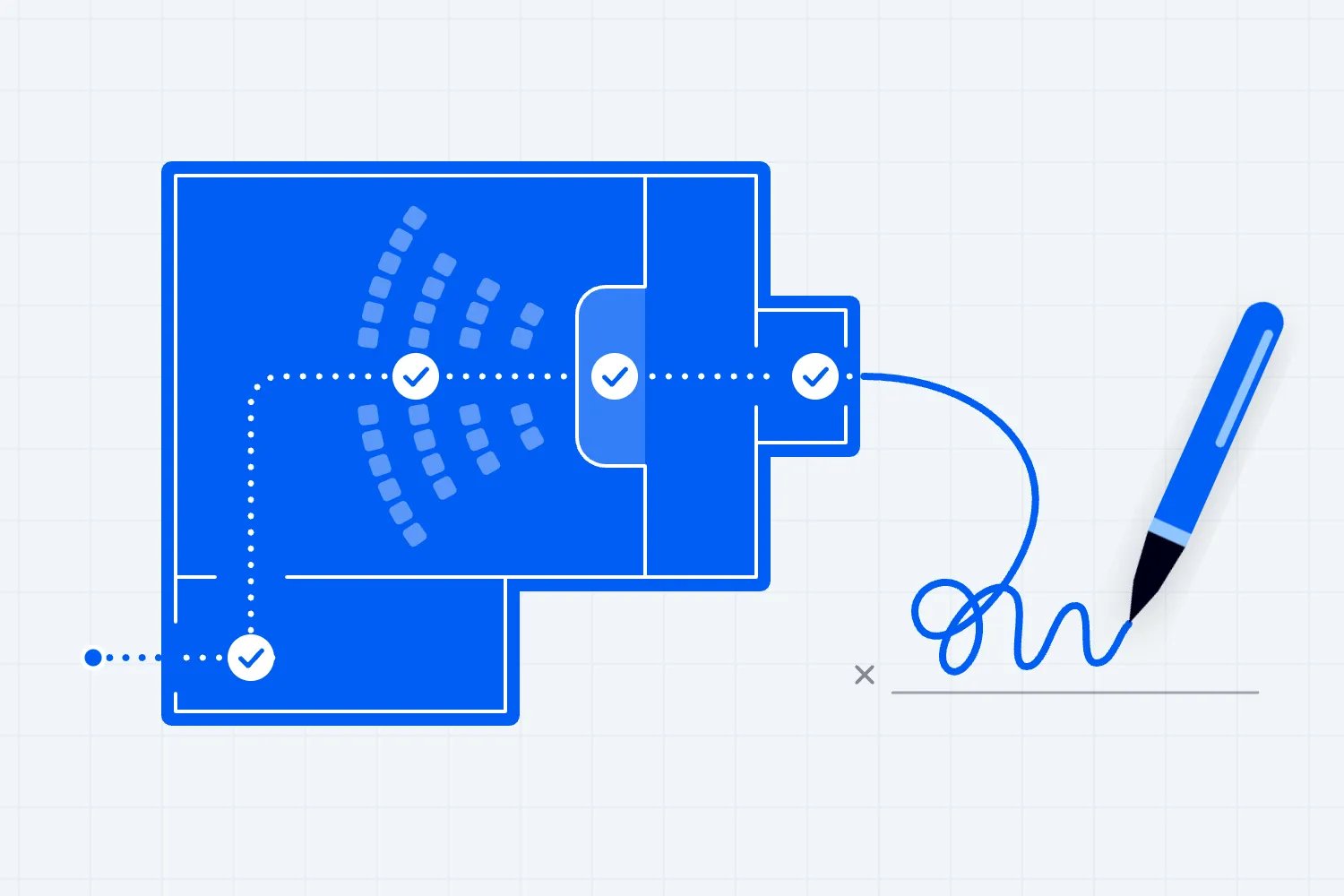
A useful arrival guide follows the attendee's journey. Start with the entrance and explain the route to registration, the main rooms, toilets and quiet space. Include door names that match the signs they'll see. If the venue has several entrances, explain which one is open for your event and how someone can get help from outside.
Describe what happens at check-in. Will staff scan a ticket, check a name or ask for identification? Will the person receive a badge immediately? Can they use a printed ticket? These details may feel obvious to your operations team, but a first-time visitor doesn't know the process and shouldn't have to discover every step in a crowd.
Share enough about the environment to help people prepare. Identify busy areas, known noise and any scheduled activity that changes the atmosphere. Check the description during a realistic visit. An empty lobby on a venue tour tells you little about a lobby shared with another conference during your arrival window.
Send the guide when arrangements are confirmed, then point attendees to one current version. Keep the same room names across the guide, programme and signs. When a detail changes, explain the change directly. Don't expect someone who read the original guide carefully to notice a quiet correction halfway down a page.
W3C's guidance on reminders recommends giving users control over reminders for time sensitive tasks. Apply that principle thoughtfully to any optional programme alerts. Explain what the alert does and avoid filling the day with notifications people didn't request. Essential event changes still need a clear communication plan that doesn't depend on someone enabling every app notification.
Loopyah's attendee email tools support event updates to ticket holders and scheduled sends. That can help you distribute confirmed arrival information without maintaining a separate export for every message. Your team still needs to write and check the instructions, monitor replies and update the source information when the venue changes something.
Check the sensory environment while it is operating
Walk the route with the people who control sound, lighting and room setup. Ask what will be different once doors open. Background music, badge printers, catering equipment and exhibition demonstrations can combine in ways that aren't apparent during a quiet site visit. Include the venue's other activity in that conversation, especially where you share corridors or entrances.
Start with the demands you can remove without losing the purpose of the event. Does the registration desk need music? Does a sponsor demonstration need amplified audio all day? Can staff prepare refreshments outside the session room? These are production choices. Decide them before suppliers arrive with equipment and assume their usual setup has been approved.
Keep choices available where needs differ. Some people will want to sit near an exit; others will need a clear view of the speaker or captions. Check the room layout against those requests and physical access needs together. Lower lighting that helps one person mustn't prevent another from reading, navigating safely or seeing an interpreter.
Brief exhibitors on sound, lighting, demonstrations and keeping routes clear. Put the agreed limits in the supplier brief and assign someone to check them. If a sponsor adds a loud competition after opening, your floor manager needs authority to intervene. An organizer who has sold the space still controls how it operates.
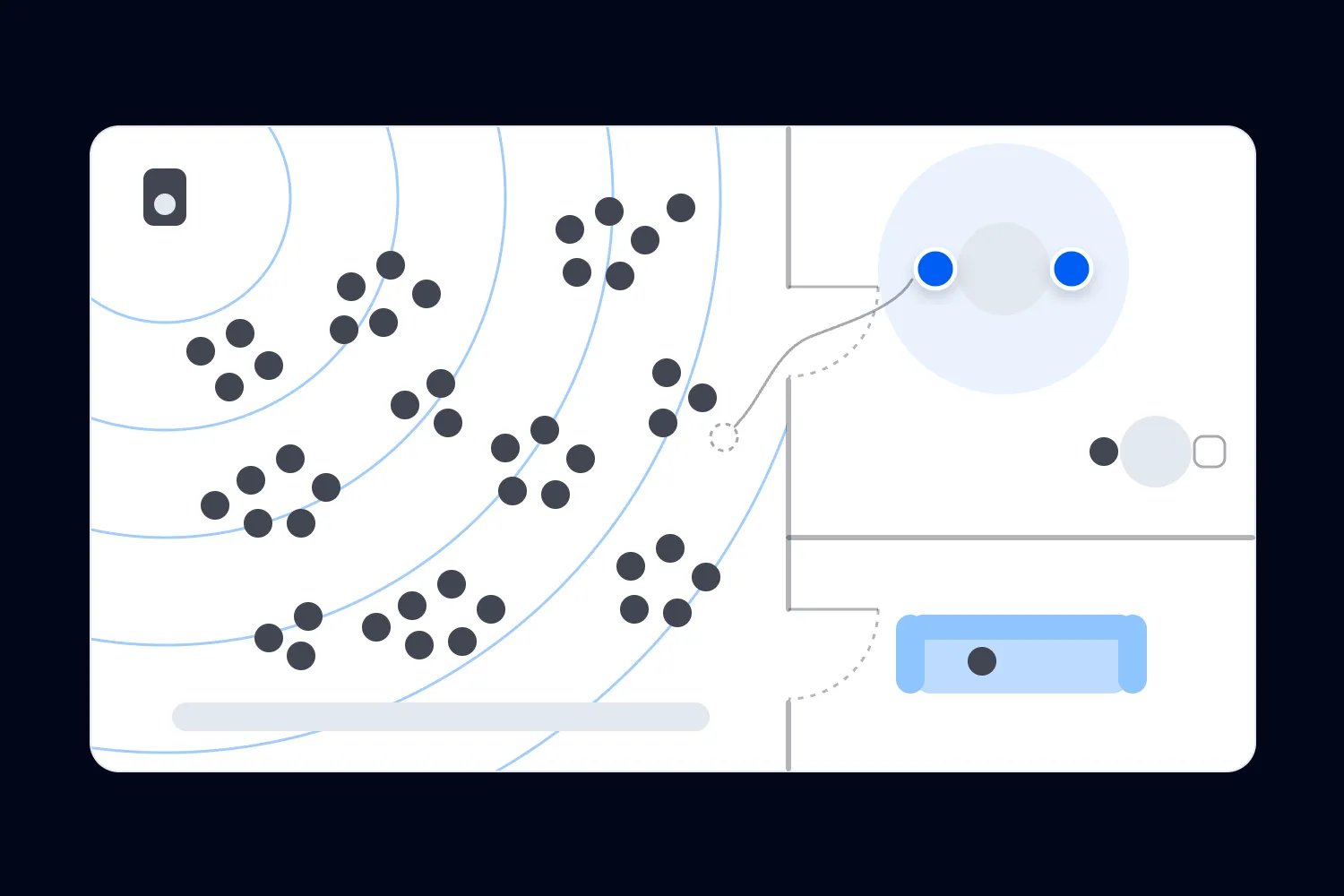
You won't be able to make every room quiet all the time. Explain where the busier areas are, offer practical alternatives and check whether people can reach the programme without spending unnecessary time there. A quieter route is only useful if it is open, clearly marked and available during the hours attendees need it.
Check the lunch experience too
Food service deserves the same review as the auditorium. Explain where people collect meals, whether there is seating and which alternatives you have confirmed. A person who avoids the crowded dining area still needs a practical way to eat. Discuss collection arrangements with catering, including how staff will answer questions without asking someone to return repeatedly to a busy counter.
Keep dietary requirements distinct from sensory preferences while considering how both affect the meal. Describe available food accurately and use the caterer's verified ingredient and allergen information. Don't let staff improvise assurances about safety. If someone brings food by agreement, confirm the venue's storage and eating arrangements before promising access to a fridge or another facility.
Protect the quiet room throughout the day
A quiet room needs a confirmed location and an operating plan. Choose a space away from the loudest activity, check its accessible route and agree how lighting will work. Walk in, close the door and listen. A small meeting room beside a sound system or service corridor may fail at the exact moment people need it.
The Autistic Self Advocacy Network's planning guidance for inclusive trainings recommends a clearly labelled break room available throughout the event, with no other programming taking place inside it. For your conference, reserve the room properly so a sales meeting or speaker interview cannot displace its purpose.
Explain the room's purpose before arrival and on the door. Keep it available without asking people to justify themselves publicly. Agree sensible use rules with your advisers, including keeping conversation and calls elsewhere. Have a way for someone to contact support without putting a staff member in the room who tries to start a conversation with every visitor.
Plan for capacity and cleaning. Ask what happens if the room is full and where someone can wait or go instead. Check whether the venue can provide another suitable space if demand requires it. Keep the room separate from storage, staff meals and medical treatment so those activities don't interrupt people using it.
Don't judge success by how many people you see inside. A room might be lightly used because people don't know it exists, can't find it or feel uncomfortable entering. Ask about those barriers afterwards. Equally, someone knowing they can take a quiet break may help them plan their day even if they never use the room.
Build a programme that leaves people choices
Publish session descriptions that explain participation. Say whether a workshop involves individual work, paired discussion, moving around the room or presenting to others. Make optional elements explicit. Someone who bought a practical course should be able to understand the work involved before arriving with a laptop and discovering that it requires an unrehearsed pitch.
Use our event agenda guide to check the full timetable, then review what each transition asks of attendees. A break that barely allows time to leave the auditorium and queue for lunch doesn't provide much opportunity to rest. Walk the routes, check service arrangements and allow time based on the event you will actually run.
Keep published breaks intact when a session overruns. Agree in advance what the chair can shorten and who approves larger changes. If you repeatedly take time from breaks to rescue speakers, the public timetable becomes unreliable. People who planned meals, travel or support around it have to solve the consequences themselves.
Don't assume a recording makes a missed session equivalent to attending. The recording may lack discussion, demonstrations or a chance to ask questions. If recordings are part of your offer, explain which sessions are included, when they will be available and any limits. Check permissions and delivery arrangements before relying on them as an alternative.
Review how someone can leave and return. Brief room staff to allow movement in line with safety and session requirements, and explain any genuine restrictions beforehand. An attendee taking a break shouldn't have to argue with a door steward who has been told, without explanation, to keep every door closed until the talk finishes.
Work through an ordinary change
Imagine your afternoon workshop moves to another floor because equipment fails. This is a planning example. The replacement room is available, but its route passes the exhibition and its layout differs from the description you sent. Simply changing the room name on the app leaves several decisions unanswered.
Ask the venue lead to check the replacement route and the session owner to check the layout against agreed requirements. Confirm where the facilitator will meet attendees and how anyone at the original room will find them. Keep someone at that room during the transition rather than leaving a handwritten note as the entire response.
Then update the public schedule, tell affected attendees directly through the channels you've planned and brief the support team. State the new room, start time and help location. If the move delays the session, explain what happens to its finish and the following break. A person waiting somewhere quieter needs the same usable information as someone already in the corridor.
Afterwards, record why the first room failed and whether the alternative worked. That lets the next team improve the contingency plan instead of depending on whoever happened to solve the problem this time.
Let people contribute without performing on demand
Conference participation often rewards the person who can speak immediately in a crowded room. That can miss useful contributions from people who need time to process a question or prefer another way to respond. Give attendees the question in writing, allow thinking time and offer a written route alongside the microphone where you can staff it properly.
W3C's accessible events checklist recommends clear language, advance materials and time to process information. Turn that into a speaker brief with specific responsibilities. Ask speakers to explain unfamiliar terms and provide the essential instructions in an accessible format, rather than expecting everyone to remember a rapid spoken explanation.
For a workshop, show the task before asking people to start. Explain what they're making, how much time they have and how to ask for help. If discussion is optional, state what someone can do individually instead. Check that the individual option still lets them practise the skill the ticket promised.
Make question submission manageable for the moderator. An unmonitored inbox creates another false promise. Assign someone to read questions, explain which ones can be answered during the session and say what happens to the rest. Avoid promising a personal reply from every speaker unless you've agreed and staffed that service.
Give speakers the same consideration. Ask about their access requirements and preferred preparation, share stage arrangements and explain the session sequence in advance. A speaker who wants written questions or a quieter waiting area shouldn't have to negotiate for those details while the audience is entering. Build them into the production briefing and check them before soundcheck.
Make networking useful without making it compulsory
If your conference sells access to a professional community, consider how people will make a useful connection. Open mingling can suit some attendees while giving others very little structure. Offer an alternative such as a hosted topic discussion with a clear start, finish and explanation of how introductions work. Let people choose whether to join.
You can ask which topics people want to discuss without assigning them a diagnosis or personality label. Make participation preferences voluntary and explain how you will use them. Don't publish a list of attendees who requested support. Access information should never become a shortcut for deciding whom a sponsor or recruiter approaches.
If you use communication preference badges, teach the system and get agreement from the people involved. ASAN's accessibility resources describe colour communication badges as a way for people to indicate preferences about social interaction. At a general conference, add readable words or symbols and explain the meaning so colour alone carries no essential instruction.
A badge doesn't remove the need to ask and listen. Staff and attendees must respect someone changing their mind, declining a conversation or leaving a group. Avoid activities that require personal disclosure, physical contact or public introductions without an alternative. Describe any hosted activity in advance so people can decide whether it will be useful.
Give hosts permission to end an introduction politely when someone wants to leave. A useful conversation can be short, and neither attendee owes the other a detailed explanation for ending the exchange.
Check the quieter option against your commercial offer. If the main reception includes the only opportunity to ask an important speaker a question, a separate empty room doesn't provide comparable access. Discuss a small moderated conversation, a written question route or another arrangement the speaker can genuinely deliver. Make the available options clear without promising identical experiences.
Brief the people who will answer the question onsite
Your accessibility lead can't personally handle every interaction. Registration staff, stewards, security, caterers and room hosts need short practical instructions relevant to their work. They should know the quiet room location, the support contact, agreed arrival arrangements and where current programme changes appear. Give them a way to check rather than encouraging confident guesses.
Practise a few ordinary requests during the briefing. Someone asks for a quieter place to wait. Someone wants written instructions. Someone needs to leave a session and return. Ask staff to describe the action they would take and whom they would contact. You'll hear quickly where your plan relies on information they haven't received.
Separate access support from medical response and security decisions. A staff member shouldn't diagnose why someone is distressed or decide that unfamiliar movement means danger. Tell them to communicate calmly, allow processing time and involve the designated lead. Your qualified medical and safety teams should agree how actual emergencies are handled within the venue's procedures.
The US government's accessible meetings guidance emphasises planning access across meetings and events. Use it as a practical reference for the digital parts of your conference, while checking the requirements that apply to your own event and location separately. A useful operational checklist isn't a universal legal ruling.
Review vendor handovers too. If a catering supervisor changes shifts, the new supervisor needs the relevant arrangements. If security moves an entrance, someone must update attendee information and signs. Name who can approve those changes and who checks their effect on access. Otherwise a small operational decision can undo something you agreed with a buyer weeks earlier.
Respond to problems, then change the next plan
Agree how attendees can report a problem in person and in writing. Monitor those channels during the event and state when they are staffed. Someone who finds the quiet room locked needs a response while the conference is happening. A helpful apology in the survey follow-up won't recover the session they missed.
When something fails, address the immediate problem first. Find the person who can open the room, reduce the sound or explain the changed entrance. Ask what would help and avoid making the attendee repeat their account to several staff members. Record the operational issue without adding speculation about their health or behaviour.
Afterwards, ask specific questions about using the event. Could people find the information they needed? Were participation choices real? Could they take a break and return? Offer a private way to add detail and allow feedback after the immediate rush of departure. People shouldn't need to disclose a diagnosis to explain that the instructions were confusing.
Read feedback alongside staff observations and delivery records. If nobody used the written question route, check whether the host mentioned it and whether the form worked before deciding attendees didn't want it. If the quiet room filled, check capacity and duration without tracking individuals unnecessarily. A count explains very little unless you understand what happened around it.
Look for the effect on the activities people paid to attend. Could someone follow the workshop after taking a break? Could they ask a question using the route you offered? Those answers help you judge whether the arrangement supported participation. Avoid treating attendance, a satisfied comment or a repeat purchase as proof that every access need was met. People can value your conference while still having had a difficult day. Keep that distinction when you report results to your team, especially if the event was commercially successful. A profitable edition still needs an honest review of the experience buyers received and the commitments you made before accepting their money.
For your next planning meeting, bring the unresolved decisions and the people who can fix them. Confirm the room, revise the supplier brief, allow the longer transition or rewrite the arrival instructions. Keep the reason with each change. When ticket sales reopen, describe what you can now deliver and make sure the team has the time and budget to deliver it.

Author: By the Loopyah Content Team
The Loopyah Content Team shares expert insights, practical guides, and industry updates to help event organizers create unforgettable experiences and stay ahead in the event planning world.