· 21 min read
How to offer quiet networking events alongside busy mixers
You've sold a conference ticket partly on the opportunity to meet other people in the industry. Then the talks finish, the music starts and everyone is expected to walk into a crowded reception and introduce themselves. Some delegates enjoy that. Others would like the conversation, but would happily skip almost everything you've put around it.
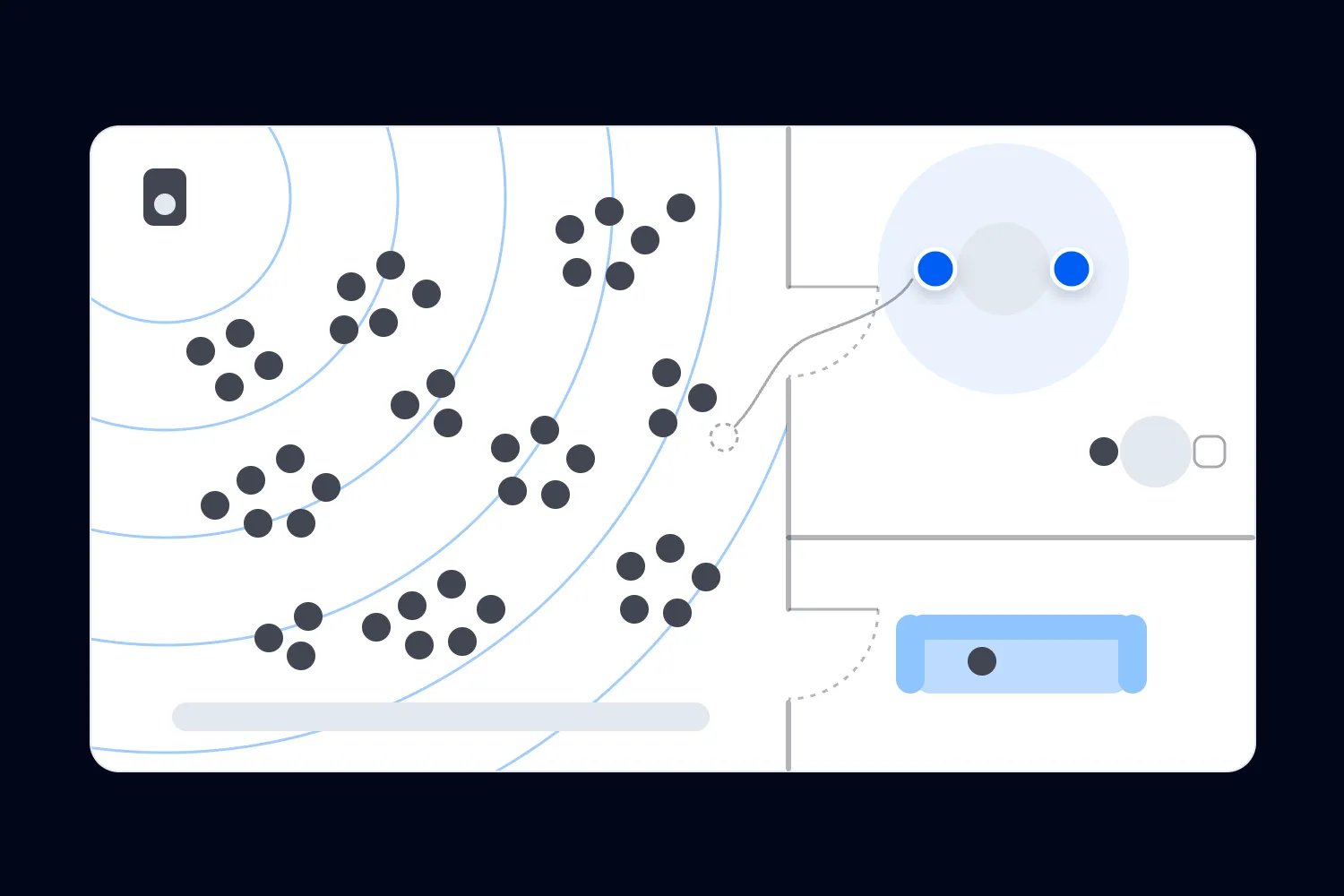
Quiet networking events give those people another way to take part. Offer a room where conversation is easy to hear, a small number of willing participants and enough information to know what happens next. Keep introductions optional, allow people to leave, and protect a separate place where nobody is expected to talk at all.
You can do this alongside an existing mixer, or make quieter conversation the main networking offer at a paid professional event. The decisions are similar. What can people choose? What does the room actually feel like when the conference is running? And can your team deliver what you describe before someone buys a ticket?
Start with the part of the mixer people want to avoid
The first thing you want to do is stop treating everyone who dislikes mixers as the same person. Someone may enjoy meeting strangers but struggle to hear them over music. Another may hear perfectly well and hate having to interrupt a group. A delegate travelling alone might want an introduction, while a colleague attending with friends just wants somewhere to continue a conversation.
Ask about those situations directly. You could ask prospective attendees what makes the usual reception difficult, whether they'd prefer a planned introduction or an open conversation space, and what information would help them decide. Leave room for an answer you haven't anticipated. A list of networking formats only tells you which of your ideas people recognise.
You don't need to diagnose anybody. Introversion, unfamiliarity with the industry and disability are different things, and a preference for quieter conversation tells you little about a person's health. Ask what would make participation workable. Provide a separate, private contact for access requests so people can discuss something specific without putting personal details into a general programme survey.
The National Autistic Society's explanation of sensory processing differences describes how experiences of sound, light and other sensations can vary between people and over time. That is a reason to ask and offer choices. It doesn't justify assuming that every autistic attendee wants the same environment, or that a quiet room meets every access requirement.
For an existing conference, start by reviewing last year's comments and speaking with people who left the reception early or didn't attend it. Ask what they did instead. If they met peers elsewhere, you might need better conversation space. If they went home because they couldn't work out how to join in, a clearly offered introduction may matter more than another room.
Describe the choice before people buy
"Inclusive networking" sounds reassuring, but buyers still need to know what they'll encounter. Describe the features you can deliver. Will there be background music? Will a host introduce people? Is seating available? Can someone listen before joining? How do they reserve a place, and what happens if they change their mind?
A useful description might say, "Alongside the evening reception, we offer a quieter conversation room with seated places, no background music and optional introductions from a host. You can stay for a short conversation or leave when you wish. A separate quiet room is available for rest, with no networking activities."
That is example wording, so adjust it to your actual arrangements. If the conversation room closes before the reception ends, publish its hours. If places require a reservation, say so near the ticket offer. If there is sound from the main hall, describe it honestly rather than promising silence because your own room has no speakers.
Our event landing page guide covers presenting the wider offer. For this decision, the useful detail is the relationship between the ticket and the quieter option. A buyer should understand whether it is included, limited, guaranteed or a request that still needs confirmation. Those words have different consequences when the room fills up.
Avoid labels that ask people to identify themselves publicly as shy, anxious or bad at networking. "Quieter conversations" explains the experience without telling a person who they are. Keep the main reception available to someone who changes their mind, too. Choosing a smaller conversation now shouldn't put them into a separate category for the rest of the conference.
You can explain limitations without making the page feel forbidding. A named contact and a concrete answer are more useful than a claim that the event suits everyone. Answer requests while there's still time for the buyer and your team to make an informed decision.
Separate conversation from a room for rest
A quieter networking room still contains talking. People enter and leave, chairs move and a host may help two strangers meet. That can work very well for someone who dislikes a busy mixer. It may be exactly what another person needs a break from.
Keep a quiet room for rest separate from the conversation offer wherever possible. Don't recruit people resting there into a discussion, hold introductions at the door or let sponsors use the room for private meetings. Explain its purpose to staff and attendees. Someone should be able to find it without describing why they need to be alone.
ACM SIGACCESS's accessible conference guide asks planners to consider a place to rest or decompress when choosing the venue. Use that question before contracting the space. A spare room that becomes available only after the final talk may not help someone who needs a break during the afternoon.
If space is tight, be honest about what you can provide. A screened corner of an active hall is unlikely to offer the same conditions as a separate room. You might move the quieter conversations to a suitable meeting room and reserve another room for rest, or reduce the activity so both uses have somewhere appropriate. Check the arrangement with people who will use it.
Time sharing also needs care. If a room is for rest until the networking starts, people using it need a reliable alternative before the change. Don't ask them to move at the last minute because the host has arrived. Put opening hours and any changes into the published information, and assign a person to keep the arrangements working.
Brief cleaners, catering teams and venue staff as well. Otherwise, a carefully protected room can become the convenient place to stack equipment or take a phone call. Include it in the final venue walk through and the handover between daytime and evening teams.
Test the room during the event conditions
A room can sound wonderfully calm during a venue visit and completely different during a reception. The wall may be a moveable partition. The door might open onto a bar queue. A neighbouring event may start its soundcheck just as your first conversations begin.
Ask the venue what will be running nearby, including service activity and other bookings. Sit where attendees will sit, close and open the doors, and listen. Check ventilation with the doors in their intended position. If keeping noise out makes the room too warm, you haven't finished solving the room problem.
The American Speech-Language-Hearing Association's communication guidance for hearing loss recommends quieter places, reduced background noise and good lighting that helps people see the speaker. Apply that to your setup. Turning the lights down for atmosphere may make a conversation harder for someone who needs to see faces clearly.
Keep coffee machines, bottle collection and catering replenishment outside the conversation room when the venue can support it. Ask about furniture and surfaces that affect echo. Then test the actual layout with several conversations happening at once. The limit that works for a presentation may be far too crowded for the experience you're advertising.
You don't need to publish an invented sound target or call the room acoustically certified. Agree the operating conditions you can control, test them and tell people what remains uncertain. Bring an appropriate specialist into the planning when the venue or requested adjustments require expertise your team doesn't have.
Check the journey as well. Can someone reach the room without squeezing through the busiest part of the reception? Are toilets nearby? Is the accessible route clearly described? A room at the end of an unfamiliar service corridor may be technically available while being difficult to find and unpleasant to use. Walk the route with the same directions attendees will receive.
Offer a few ways to meet, with room to choose
I'd start with optional introductions and an open conversation area. That gives a delegate help getting started while leaving another person free to sit down with someone they've already met. You can add a small hosted conversation if people ask for one, but you don't need a timetable full of activities to make the room useful.
For an introduction, let the delegate tell a host the kind of conversation they want. "I'd like to meet another independent publisher" is enough to begin checking whether someone else is interested. The host should ask both people before bringing them together. A person who is sitting alone may be resting between conversations rather than waiting to be rescued.
For a small discussion, publish the subject and explain how it will work. Let people read the prompt before answering. A host can invite contributions without going around the table requiring everyone to speak. Someone should be able to pass, listen or leave without receiving a motivational speech about getting outside their comfort zone.
A shared activity can also help, provided the activity suits the audience. At a paid publishing conference, people could look through production samples or compare a nonconfidential workflow. They have something concrete to discuss and can choose how much of their own work to share. Keep the materials accessible and provide another way to participate if handling the objects is difficult.
Be careful with walking conversations. Moving can feel comfortable for some attendees, but a walk is a poor default for people who need to sit, use a different pace or manage difficult terrain. If you offer it, explain the route and provide a comparable seated option. The person choosing a seat should still have a willing conversation partner.
Our guide to structured conference networking goes further into hosted groups and programme timing. Here, choose the smallest amount of structure that removes the difficulty your audience described. Frequent partner rotations and bells can recreate the pressure someone was trying to avoid, even when you have lowered the music.
Make communication choices easy to understand
People shouldn't have to interpret every glance to know whether conversation is welcome. You can make the room's expectations clearer before anyone arrives, then let attendees decide how they want to participate. Explain that introductions are available, interruptions aren't required and nobody owes anyone their contact details.
Communication badges are one possible tool. The Autistic Self Advocacy Network describes colour communication badges that let people display their current communication preference. In its system, green signals a wish to be approached, yellow limits approaches to people already known in person, and red generally signals that the wearer doesn't want interaction. Read the full guidance before choosing to use it.
If you adopt that system, teach its meanings clearly and make using it optional. Include words so colour isn't the only way to understand the message. Don't quietly repurpose a familiar colour for a different meaning. Staff, sponsors and photographers need the explanation, and attendees need a way to change their preference during the event.
You may decide a badge system adds more explanation than your small event needs. Hosts can still ask, "Would you like an introduction, or would you prefer some space?" Accept the answer. Nobody wearing an ordinary badge should be treated as automatically available for a sales pitch, a photograph or a conversation.
Offer written instructions alongside spoken welcomes. A person arriving late shouldn't need to stop the whole room to find out whether they can join. If you use a shared online noticeboard, make participation optional and check that people can use it with the devices and access arrangements they have. Provide a staff contact for someone who can't use that channel.
Written participation can be useful, but it also creates records. Explain who sees a posted question and let people choose what identifying information to share. A private question to a host shouldn't appear on a public board simply because staff find it an interesting discussion starter.
Tell attendees what happens from arrival to departure
Imagine arriving alone after a day of talks. You've read that quieter networking is available, but the door is closed and you can hear people inside. Do you walk in? Are they halfway through an activity? Is there a seat? Those are small uncertainties your team can remove before they become a reason to leave.
Send a practical note before the event. Name the room, its hours, how to find it and whether a reservation is needed. Explain the arrival process, the kinds of conversation available and how someone can leave and return. Include a private route for discussing adjustments. Keep the essential information in readable text rather than only inside an attachment.
W3C's accessible events checklist recommends asking about accessibility requirements, providing accessible materials and allowing for access needs in the schedule. Use it to check the networking information as part of the whole conference. Someone may need communication support during the reception as well as during presentations.
Loopyah's attendee email tools let you send event communications to your attendees. Use those updates to explain the quieter option and any confirmed changes. Your team still needs to decide the room arrangements and answer individual requests; an email telling people what to expect is only useful when the experience matches it.
At the door, make the welcome discreet. A host can show someone the room and ask whether they'd like help joining a conversation. Don't announce their name across the room or invite applause for a new arrival. Keep the host available without positioning them so that every person entering feels questioned.
Explain departure with the same care. Leaving early doesn't require a reason. Tell people how to find the next session and whether returning is possible under the reservation arrangement. Where places are limited, decide how a temporary break differs from releasing a seat, then communicate that before people need to choose.
Brief hosts to help without putting people on display
A friendly host can accidentally create pressure by trying too hard. They notice someone alone, gather a group around them and insist on hearing their introduction. Everyone means well, but the attendee has lost the choice the programme promised.
Brief hosts to ask before intervening. They can offer a seat, explain a prompt or check whether someone wants an introduction. Once a conversation begins, they should allow it to develop. They don't need to monitor how interesting everyone is, fill every pause or persuade a listener to speak.
Practise the awkward moments together. One delegate starts a long product pitch. Another keeps interrupting. Someone says they would rather communicate in writing. A participant leaves halfway through a discussion. Ask hosts to respond using the actual room arrangements and support routes, so they know what they can offer without making a promise on the spot.
For a pitch, a host can say, "I'm going to pause the product explanation. Let's hear what the others wanted to discuss." For an unwanted introduction, "That's fine. I'm nearby if you'd like help later" is enough. The wording should sound natural, but the boundary must be consistent regardless of the person's job title or sponsorship agreement.
Name the person responsible for problems a host can't resolve. Staff need to know how to report a conduct concern, find access support or arrange help in an emergency. They should know the route without asking a participant to repeat a sensitive story to several people in public. Keep ordinary hosting and specialist support distinct in the briefing.
Plan breaks and cover for hosts. If the only person who understands the quieter offer is pulled away to the main reception, everyone else may improvise different rules. Write a short handover covering current capacity, expected arrivals and unresolved operational issues. Share only personal information the replacement actually needs to provide agreed support.
Set capacity around the experience you promised
The venue's approved occupancy is a limit you must respect. Within that, your quieter conversation offer may need fewer people to work comfortably. Agree the layout with the venue, include staff and support people in the count, and test whether several simultaneous conversations remain workable.
Publish the reservation arrangement before opening bookings. If a place is confirmed, tell the attendee what is being held and for how long. If it's a request, don't use confirmation language. Give people a simple way to cancel so someone else can use the place without waiting outside an apparently half empty room.
Plan what happens when demand exceeds the available space. You might repeat a hosted option at another suitable time, use another tested room or offer a waiting list. Each choice has a cost and changes the attendee's day. Moving the session against a headline talk may make a nominal extra place unusable for the person who requested it.
Don't solve overcrowding by adding chairs until the atmosphere matches the mixer. A room advertised as quieter needs someone authorised to pause admissions and explain the alternatives. Keep any queue away from the entrance, and give people a way to check availability without standing there throughout the reception.
An empty place doesn't automatically mean a failed session. Someone may have had the conversation they wanted and left. Another may be taking a break under the arrangement you offered. Record enough to manage the room, then look at the reasons afterwards. Filling every seat continuously is a poor target if it encourages staff to pressure people into staying.
Think about late arrivals before the first one appears. If an introduction activity has started, a host can explain it quietly and ask whether the newcomer wants to join now or wait. Preserve other participants' conversation time, and don't announce a newcomer's access request to justify an adjustment you've already agreed privately.
Budget for the quieter offer and protect it from sales pressure
Some changes cost little, such as removing background music from a room you already control. Others need another room, more staff time or paid communication support. Get actual quotes and include preparation, coverage and cleanup in your event budget. A volunteer's time still needs scheduling even when it doesn't create a supplier invoice.
Look carefully at what you're trading. Moving a conversation area away from the bar may improve the experience while changing catering service. Using a smaller room may require reservations and repeat sessions. A sponsor may ask for that same room for hospitality. Settle those decisions before your ticket description relies on the space remaining available.
I'd normally include a basic quieter alternative within conference admission where networking is part of the conference offer. A separately priced expert session can have a distinct purpose and cost. Paying extra simply to escape the noise you've created is a difficult offer to explain to someone who bought a ticket expecting usable networking.
Sponsorship can help cover the room, provided the agreement fits its purpose. Acknowledgement outside the room or in programme information may be appropriate. Unscheduled demonstrations, roaming lead capture and a sponsor's music playlist change the experience. Tell the commercial team which requests they can accept before a package is sold.
Keep photography equally deliberate. An attendee may choose a quieter room to avoid attention. Explain the photography arrangements, provide a practical way to decline and brief the photographer before the event. Don't promise a private, relaxed conversation and then use a close photograph of it as the main promotional asset without the person's agreement.
Review costs against what the offer actually delivered. You may decide it deserves a better room next year, or that a smaller optional introduction service meets the need. Keep the access arrangements people require in that decision. A short attendance count cannot tell you whether removing an option would prevent someone from participating in the conference.
Keep the quieter choice useful when plans change
Suppose your conference has confirmed a separate conversation room and then a speaker's delayed arrival pushes the afternoon programme back. It's tempting to move everything later and send a quick announcement. Check what that does to people who planned their evening around the published quieter session. Their transport, support or energy for another conversation may leave less flexibility than your running order suggests.
Name someone who can protect the agreed arrangements when other teams request changes. They need to know which room commitments, staffing times and participant arrangements are already confirmed. If a change is unavoidable, explain the practical difference promptly, contact affected participants where needed and offer a workable alternative. A general announcement over the reception sound system will miss some of the very people who need the information.
Think through a room failure with the venue before the doors open. If the neighbouring event becomes much louder than expected, who can speak to its manager? Is there another suitable space, and can attendees reach it? If the host becomes unavailable, who is briefed to take over? You don't need an elaborate emergency production plan for ordinary conversations, but you do need someone who can decide and communicate.
Check food and drink arrangements during that discussion. People choosing the quieter offer shouldn't discover that the refreshments included with their ticket are only available through a crowded reception they've chosen to avoid. Agree how they can get the same included service, accounting for dietary requests and venue rules. Don't solve this by placing noisy catering equipment back beside the conversation tables.
Keep essential conference information available there as well. If the main reception includes an announcement about tomorrow's start time, share the update through the same written event channel and tell the quieter room's host. Otherwise, an optional social choice can leave someone missing information they need to use their ticket.
For a small team, this can be a short discussion with the venue manager and reception lead, followed by a clear handover. The useful test is whether the person covering the room knows what to do when the original arrangement stops working. Rehearse the answer in ordinary words, including what attendees will hear. That often exposes the missing decision before it becomes an uncomfortable conversation at the door.
Check the closing arrangements too. Someone who stays until the room closes needs clear directions to the exit, access to their belongings and any agreed support, especially when venue staff are already preparing for the next booking.
Ask whether people could participate in the way they wanted
After the event, separate the room's use from its usefulness. Ask whether attendees could find it, understood what was offered and could choose how to join. Ask whether noise, lighting, crowding or host behaviour made a conversation difficult. These answers identify changes you can make; a general satisfaction score often leaves you guessing.
Use your post-event survey questions to include feedback from people who didn't participate. They may have been happy elsewhere, unable to find the room or disappointed that no place was available. Those explanations lead to different decisions about next year. Make answering optional and avoid asking people to disclose a diagnosis to explain a preference.
Speak with hosts and venue staff while the details are fresh. Check when the room became busier, whether neighbouring noise changed and how staff handled full capacity. Compare their account with attendee feedback. A host may remember a lively group positively while a participant remembers having no chance to speak.
Keep feedback reporting honest about who answered. Positive comments can support a decision to repeat the offer, but they don't prove it increased ticket sales or that every attendee preferred it. If someone says the quieter option affected their decision to attend, preserve that as their account, with permission for any public use.
Before you open sales for the next edition, settle the changes that affect the promise. Confirm the room and its hours, who will host it and how people get a place. Then rewrite the description using what you now know. The next buyer should be able to decide whether your networking arrangements let them have the conversations they came for.

Author: By the Loopyah Content Team
The Loopyah Content Team shares expert insights, practical guides, and industry updates to help event organizers create unforgettable experiences and stay ahead in the event planning world.