· 21 min read
How to run an unconference session within a paid event
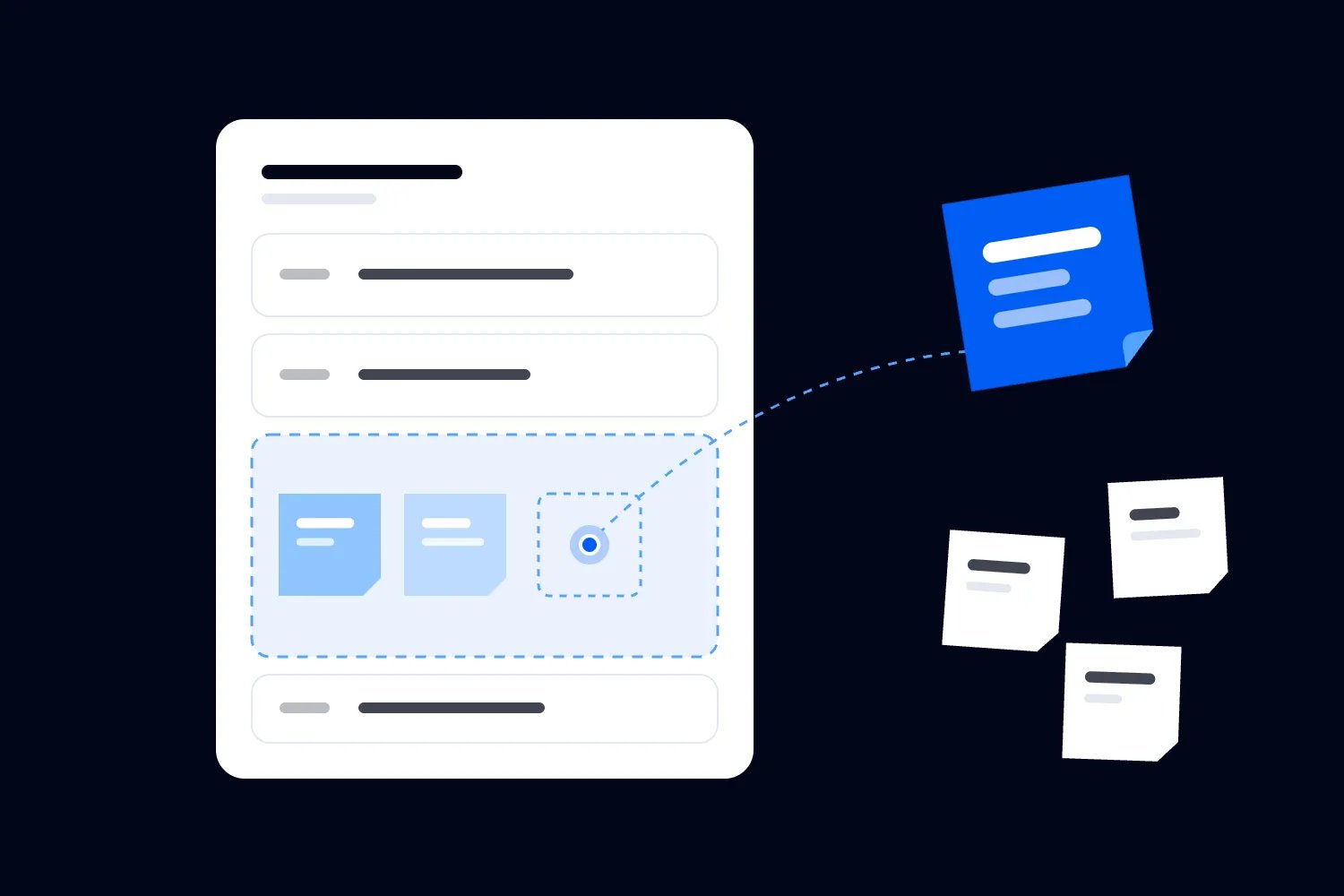
You've booked the speakers, built the agenda and sold tickets. Then buyers start asking about problems your programme barely touches. They want to compare how other people handle them, and a question at the end of a presentation won't be enough. An unconference session lets those attendees propose the conversations they need and choose which ones to join.
You can run that session inside a conventional paid conference without handing over the whole programme. Reserve a defined block, explain the format before people arrive, and let participants create the discussion agenda within a clear theme. You still organise the rooms, access, facilitation and finish time. The participants decide what they want to work through together.
I'd start with a limited block at an established event. That gives buyers a familiar programme and an opportunity to influence part of their experience. You can then assess whether the conversations were useful enough to repeat, expand or charge for differently. The work begins with deciding what attendees should be able to do afterwards.
Decide what participants should get from the session
An unconference is a participant shaped meeting. People attending can propose topics, host conversations and move between discussions. A host might know a subject well, or simply have a problem they want to explore with others. You don't need to turn every ticket buyer into a speaker. Listening can be a useful way to participate too.
Harrison Owen's brief guide to Open Space Technology describes a method built around a compelling theme, participant proposed topics and freedom to move between conversations. Open Space is a specific approach you can learn from. A short block inside a conference will usually need more fixed timing and room arrangements than a full Open Space gathering.
For a paid event, start with the decision your buyers face. Imagine a hypothetical conference for independent venue operators. After the morning programme, participants might want to discuss handling late ticket demand, scheduling casual staff or negotiating supplier changes. Those are different conversations, but they relate to work people in that room actually do.
Now make the intended result specific. You might want each participant to leave with an approach they can test and a peer they can contact afterwards. That helps you choose discussion length, capture useful notes and ask better feedback questions. A vague promise of connection leaves you guessing whether the session justified its place in the programme.
Check whether your audience can help one another
The format works best when attendees bring relevant experience, questions or observations. They don't all need equal seniority. Someone running a small venue may have solved a problem that a larger operator still struggles with. What matters is whether the group has enough shared context to understand the questions and enough different experience to discuss useful options.
Look at why people bought tickets. If they mainly want introductory teaching, they may struggle when asked to create a discussion with no preparation. You could put a taught session first, then invite participants to discuss how the ideas apply to their own events. Explain which parts provide instruction and which depend on peer contributions.
Think about sensitive subjects too. People might discuss staffing processes openly while avoiding current commercial negotiations. A mixed room of suppliers and buyers can change what participants feel comfortable saying. Set expectations for the topics and the room's composition. Don't promise candid discussion while selling unrestricted access to people participants expected to speak about privately.
If you already know the question and want the same participants to examine it throughout, consider a conference roundtable discussion. That format lets you select relevant contributors and prepare them around a defined problem. An unconference is more useful when you want attendees to propose the questions and choose between conversations. Both can involve peer learning; they offer different control over the agenda.
Keep another programmed option available when the event structure allows it. A buyer who wants a presentation shouldn't feel trapped in an unfamiliar activity. Equally, don't describe the unconference as an empty interval people can fill if the main programme disappoints them. Explain the distinct reason to attend and who will find that reason relevant.
Write a theme that helps people propose useful topics
A theme should help participants recognise whether their question belongs. For the hypothetical venue conference, you could use improving the decisions that affect show profitability. That leaves room for discussion about staffing, ticket demand and supplier costs. A theme such as the future of events is harder to use because almost anything might fit.
Test it against questions buyers already ask. Can somebody propose a discussion about a problem they need to solve soon? Can another participant understand that proposal without an explanation of the organiser's strategy? If both answers are yes, you've probably written something usable. You can make the language more precise after hearing how attendees describe their own work.
Ask for suggested questions before the event, but explain how you will use them. Early suggestions can reveal confusion, identify overlapping interests and help you plan the room. They can also reassure a nervous first time host. Keep space for questions that emerge during the conference, especially after people hear something they want to examine further.
Avoid quietly fixing the entire discussion agenda in advance and calling it participant led. If you need to approve every topic, promise a curated discussion programme. That's a perfectly reasonable format. Buyers deserve an accurate description of how much influence they have, and your facilitators need to know which decisions participants can actually make.
Explain the format before someone buys a ticket
The event page should state that this block contains participant proposed conversations. Describe the theme, the duration and how people can join. Say whether hosting is optional, whether the discussions will be recorded and how the final agenda will become available. That information helps someone judge the experience against the price and the rest of the programme.
You don't have to sell uncertainty as an adventure. A practical description can explain that attendees will suggest current challenges, choose a discussion and compare approaches with peers. Include a few possible questions and label them as examples. Avoid presenting those examples as confirmed sessions unless you've already made that promise to the people buying tickets.
Explain preparation in the confirmation and reminder messages. Invite attendees to arrive with a problem they can describe without disclosing confidential details. They can think about what they've tried, what constraint remains and what kind of help would be useful. Make clear that a slide deck, polished speech or established professional profile isn't required to propose a discussion.
A real event shows how precise this explanation can be. WordCamp Pune's 2025 unconference instructions described short talks, a whiteboard schedule, first come proposals and no recordings. Your format may be different, especially if you want discussions rather than talks. The useful lesson is to describe the actual participation rules before people arrive.
Reserve enough time for creating the agenda
A participant led agenda takes time to create. If you book a room for a discussion and use most of the slot explaining the activity, participants get very little time to explore their questions. Include the introduction, topic proposals, room changes and closing work in the schedule. They all use the same time your attendees have paid for.
Here's a hypothetical ninety minute block you can adapt. Use ten minutes to explain the process, followed by fifteen minutes for proposing topics and arranging discussions. Allow five minutes to move into groups. Run a forty minute discussion, leave five minutes for each group to finish its notes, and use the final fifteen minutes for shared observations and the close.
Those timings are an example, rather than a researched standard. They add up to ninety minutes, and they assume one discussion round. That matters because participants can explore a subject in some depth. If you add another round without extending the block, you'll need shorter conversations or less time for proposals. Decide which tradeoff suits the questions people bring.
| Label | Minutes |
|---|---|
| Explain the process | 10 |
| Propose topics and arrange discussions | 15 |
| Move into groups | 5 |
| Discussion | 40 |
| Finish group notes | 5 |
| Shared observations and close | 15 |
In your event agenda, place the block where people can reach it without missing another commitment you have advertised as essential. Allow for lunch queues, room changes and any access requirements. The programme may show a clear start time while the building takes longer to navigate. Walk the route yourself and plan the transition around what attendees will actually need to do.
Plan the room around conversation and access
Start with the venue's approved capacity and the furniture arrangement you intend to use. A room that accommodates a seated presentation may support a different number of people in small discussion groups. Confirm the usable layout with the venue. Keep routes clear and check how someone reaches a group after the conversations have already started.
Choose enough separation for people to hear one another. Several discussions in a reverberant hall can become exhausting, particularly when participants speak quietly or rely on hearing support. Test sound with people talking in the positions you plan to use. If separate rooms are necessary, account for staffing, signage and the extra time required to move between them.
The W3C checklist for accessible events recommends planning for varied communication and access needs, sharing materials accessibly and considering barriers in activities. Apply that thinking to the agenda creation process too. Someone should be able to suggest a topic without reaching a wall, reading small handwriting or speaking unexpectedly into a crowded room.
Offer a spoken explanation and a readable written version. Let attendees submit a question through a staff member as well as writing it themselves. Plan how captioning or interpretation will follow discussions, and ask participants about requirements early enough to arrange support. Freedom to move between sessions only means something when the available spaces and information are accessible.
Assign clear jobs to your team
Appoint a lead facilitator who can explain the process and make decisions when it stalls. That person needs to understand the audience, the theme and the boundaries you've promised. Ask them to rehearse the opening with your team. You'll quickly notice instructions that sound straightforward in a planning meeting but need too much explanation in a room full of attendees.
Your opening can be straightforward. "This session is for the questions you want to explore with other venue operators. You can propose a discussion, join one, or listen. A host starts the question and helps people contribute; they don't need to have the answer. We'll build the agenda together, then move into groups. You can change groups quietly if another discussion would help you more. Please follow the sharing rules we've described and ask a member of the team if you need support." Adapt that wording to the arrangements you've actually made. Check that late arrivals receive the same instructions before they enter any of the discussions. Read the room's access information aloud too, including how someone can suggest a question or ask for help without speaking publicly.
Use a separate person for practical room issues when your scale requires it. They can help with access, redirect late arrivals and find a replacement marker without interrupting the facilitator. At a small event, existing staff may combine jobs. Check those assignments against the main programme so the person responsible for the unconference isn't simultaneously needed at registration.
Discussion hosts also need a short briefing. Their job is to start the question, invite contributions and help the group finish with something useful. They can acknowledge when they don't know an answer. If hosts believe they must teach the topic, you may lose the very participants who have worthwhile questions but don't think of themselves as experts.
Tell everyone who can handle a conduct problem and how to contact them. A participant shouldn't have to decide whether an uncomfortable interaction counts as serious enough to interrupt a public discussion. Your event's conduct policy still applies inside participant led sessions. The organiser remains responsible for responding, even when the conversation itself belongs to the group.
Build the agenda with the people in the room
Begin by restating the theme and the available time. Explain what a proposal needs to contain, where people can submit it and what happens next. A short title and a question are usually enough to start. Ask proposers whether they can host or whether they need someone else to help lead the conversation.
Read the proposals aloud and keep them visible in an accessible format. A title such as late sales needs clarification. A question about deciding staffing before final ticket demand is known tells participants much more. Help the proposer make that distinction without rewriting the problem into language only your programme team would use.
For the venue example, compare two hypothetical proposals. "Let's talk about staffing" names a subject but leaves the discussion open to almost anything. "How do you confirm show staff when most sales arrive after the staffing deadline?" describes a decision other operators can recognise. The proposer could add that they want to compare which information people use before committing. That explanation is enough to attract relevant peers without revealing their own staffing bill or implying that the group will solve the problem for them. Keep the title short on the agenda and retain the fuller question in the discussion notes so people arriving later can understand what the host originally intended to examine together.
When proposals overlap, ask their hosts whether combining them would improve the discussion. Similar words can hide different problems. Predicting ticket demand and deciding when to release another ticket allocation might attract different participants. Don't merge them simply to make the schedule look tidier. Explain your space limits and let proposers help find a workable arrangement.
Decide in advance what happens if proposals exceed the rooms or time available. You might open another space, reserve an additional round or ask participants to indicate interest before choosing a limited set. Those are real constraints on participation. Publish the selection method and describe the session as an adapted format if it differs from a fully open agenda.
Help conversations become useful without taking them over
Ask each host to begin with a concrete question and enough context to make it understandable. In the venue example, the host could explain when staffing must be confirmed and what demand information is available then. People can offer relevant experience once they understand the decision. A long introduction about the host's company will use time without helping the group.
Encourage a brief pause for people to think before inviting contributions. If the conversation keeps returning to the same speakers, use a simple participation method. Liberating Structures' 1-2-4-All starts with individual reflection, then pairs, then small groups before sharing more widely. You can use that sequence when a topic benefits from hearing beyond the quickest responses.
Make space for disagreement about conditions. One operator's approach may depend on a flexible supplier contract that another person cannot obtain. Ask what made the approach possible and where it failed. That extra explanation helps participants judge whether an idea applies to their own event. It also avoids treating the most confident person's experience as general advice.
Bring a conversation back to the question if it turns into a sales presentation. A supplier can contribute useful experience, but buying a ticket or sponsorship shouldn't guarantee control of a discussion. The host can ask for the practical approach without a product demonstration. Your facilitator should support that boundary so participants aren't left to challenge a commercial relationship themselves.
Make it comfortable to change discussions
Explain that participants can move when another conversation would be more useful. Owen's Open Space approach includes this freedom as a central principle. In your adapted block, make the practical version clear. People can leave quietly, check the current discussion list and join another group without asking the host to justify their decision.
Prepare hosts for that movement. Someone leaving isn't automatically a judgment on the conversation. They may have answered their question or need a break. Hosts should avoid calling attention to arrivals and departures. If every movement requires an introduction or an explanation, participants will stay in the wrong group to avoid interrupting everyone else.
Mobility needs more thought when rooms are far apart or discussions require interpretation and captioning. Check what support a participant needs to change groups, and explain any limits honestly. You can also make notes available so someone can learn from another conversation without physically relocating. Discuss these arrangements with affected attendees rather than assuming one solution suits everyone.
If a topic becomes especially popular, check room capacity before inviting more people in. You could move the whole discussion to a suitable space or arrange a later continuation with agreement from the host. Don't split an active group without explaining the choices. A participant shaped agenda still needs someone watching the practical consequences of its popularity.
Agree what can be recorded and shared
Decide the note taking policy before the discussions begin. Participants may be willing to share an approach but unwilling to have their name attached to a description of a business problem. Explain who will receive the notes, whether they will become public and how someone can flag a detail that shouldn't be included.
If you choose the Chatham House Rule, explain what it actually allows. Participants may use information they receive, but they must not reveal a speaker's identity or affiliation, or those of other participants. It is a rule about attribution. Avoid describing it as complete confidentiality or a promise that nothing discussed can be repeated.
For the hypothetical venue discussion, notes might capture the staffing decision, the information people use and the conditions that change their answer. Leave out company names and identifiable commercial details unless the people concerned have agreed to their inclusion. Ask the group to check its summary before the session ends, while everyone can still clarify what they meant.
Assign someone to collect and review the notes afterwards. Recording a full conversation creates more material to check and can change how openly people speak. Choose it only when you have a clear reason and appropriate permission. A short, accurate summary may serve your buyers better than an unreviewed transcript containing names, unfinished thoughts and advice nobody has qualified.
Budget for the work the format still requires
An unconference block can use fewer prepared presentations, but you still need to budget for its delivery. Include facilitation, room hire, sound, accessibility support and the work of reviewing notes. Check whether rearranging furniture triggers a venue charge or requires a longer hire. Those details can affect whether the session fits the event's commercial plan.
Consider what the block replaces. Removing a popular workshop to make space changes the offer existing buyers expected. Adding it to a quiet part of the programme may require staff to stay longer. Work through those effects in the event budget guide before treating the format as a saving. The relevant cost is the complete change you plan to make.
Sponsors need an accurate description of their involvement as well. They might support the overall block, contribute staff expertise or fund access support. Define what recognition they receive and whether they can host a proposal under the same rules as everyone else. Protect the participant experience when discussing the package, rather than trying to correct expectations after the agreement is signed.
Think about ticket access before the agenda goes live. Is the session included for every attendee, restricted to a ticket tier or available through a separate reservation? Your conference session registration arrangements should match the room's capacity and the freedom to change discussions. A booking process that locks people into one small group can undermine the experience you've described.
Prepare for the session to change on the day
What happens if nobody proposes anything? First check whether people understood the invitation. They may think hosting requires expertise, or assume the topics have already been chosen. Ask them to write a current question quietly, then discuss it with someone nearby. Invite volunteers to suggest those questions, and offer a staff host where someone wants help starting.
You can keep a few genuine questions from the advance submissions available as a fallback. Tell participants where they came from and ask whether anyone wants to discuss them. If the room still wants a guided session, acknowledge that and use the alternative you prepared. Calling on reluctant individuals until someone speaks can make the activity uncomfortable without improving the conversation.
A sparse discussion needs judgment too. A small group can examine a problem well if its members want to continue. Ask them before moving anyone. They may prefer joining a related conversation, or they may value the chance to work closely together. Headcount alone doesn't tell you whether the discussion is worth their time.
When a host fails to arrive, ask whether the group wants another person to start the question. A staff facilitator can help participants introduce what they hoped to discuss. If nobody wants that role and the interest has disappeared, close the discussion and help people find another option. Keep the current agenda accurate so later arrivals don't search for a session that has ended.
Late arrivals need a way into the activity that doesn't stop every group. Leave the short instructions and current topic list at the entrance, with someone available to explain them. Ask newcomers to listen before adding their own case. They can then understand the question already under discussion and decide whether that group suits them.
If a keynote overruns, use the timing decision you agreed with the programme team. Protect the opening explanation and the sharing rules. Then decide whether to reduce discussion time, move the block or use a shorter alternative. Tell participants what changed. People need enough information to choose whether the revised session is still useful to them.
Follow up with something participants can use
Close by asking groups to report the most useful observation they want others to hear. Avoid requiring every group to repeat its whole discussion. Participants already chose where to spend their time, and the closing shouldn't become another round of presentations. Explain when they can expect the notes and where to send a correction or follow up question.
Check the summaries before distributing them. Remove identifying details that conflict with the agreed sharing rules and clarify advice that reads as universal when it depends on particular conditions. Keep unresolved questions visible. A discussion can be valuable even when the group identifies what still needs research, rather than pretending everyone reached an answer.
Send the material through your normal attendee communications. Loopyah's attendee email tools support sending messages to ticket buyers, which can help you deliver the promised follow up to the relevant audience. The organiser still needs to prepare and check the discussion summaries. Sending a message doesn't resolve unclear consent or turn rough notes into reliable advice.
Offer an optional way for participants to continue talking without publishing everyone's contact details. Ask people to choose whether they want an introduction or to join a follow up discussion. Some attendees will want to act immediately; others only need the notes. Respect that difference when planning what happens after the event and deciding what staff must maintain.
Decide whether to run it again
Evaluate the session against the result you intended. Ask which decision participants feel better able to make, what they still need and whether the format helped them meet relevant peers. A general satisfaction question can be useful alongside those answers, but it won't explain why a busy discussion did or didn't help someone with their actual work.
Review participation with care. A quiet attendee may have learned something important. A crowded room may have disappointed people who couldn't hear. Look at topic demand, room constraints and specific feedback together. If you track attendance, explain the purpose and use an approach consistent with the expectations you set for participant information.
Talk to the facilitator and hosts while the details are fresh. Find out where proposals needed clarification, which conversations struggled and what changed when participants arrived. Compare the delivery costs with your plan. You can use those observations to improve the next block without claiming a commercial return you haven't measured or attributing future ticket sales to one session.
Before announcing the next edition, decide what you will keep and what you need to change. Perhaps the theme needs narrowing, the room needs better sound separation or participants need longer to discuss fewer topics. Make those changes visible in the next programme description. Buyers should understand the experience they're choosing, and your team should know exactly how they will deliver it.

Author: By the Loopyah Content Team
The Loopyah Content Team shares expert insights, practical guides, and industry updates to help event organizers create unforgettable experiences and stay ahead in the event planning world.