· 28 min read
How to organise a ticketed car show for enthusiasts and spectators
You've found a venue, a few owners have said they'd bring their cars, and the local clubs seem interested. Now you're working out whether people will pay to come and look. Before you spend more, check that you're building a show people will pay to attend. The vehicles are the attraction, but the people bringing them and the people buying admission need different things from you.
Good car show event planning starts with a defined static display, an agreed site layout and a budget that works at a believable level of spectator sales. Then build the vehicle-entry offer and public admission together. Owners need to understand what you're asking them to commit to. Spectators need a clear reason to spend their afternoon and money with you.
I would keep a first show deliberately focused. A well selected collection, owners who enjoy talking about their cars and a programme people can follow are a better starting point than adding driving demonstrations you aren't equipped to deliver. You can make a static show worth paying for without turning it into a motorsport event.
This guide walks through that decision using a fictional show called Cedar Yard Motors. The name, timetable, prices and budget are invented planning examples, not results from a real event. Replace them with your own site assessment, quotes and evidence of demand before committing money.
Decide what kind of car show you're selling
"Car show" can mean a judged collection, an open club gathering, a modified-car display or a trade exhibition. Those experiences attract different owners and paying audiences. Choose the version you can describe clearly before asking clubs to fill the field.
For Cedar Yard, the offer is a one-day static display of restored and modified road cars, with owner conversations, short restoration talks and an afternoon awards presentation. There are no passenger rides, public driving sessions, burnouts or engine-revving competitions. The cars arrive before public opening and remain in place during the advertised display.
That definition makes the production job easier to price. You need display space, suitable access, knowledgeable hosts and a comfortable visitor experience. You aren't quietly assuming that a normal venue booking or ordinary event insurance covers vehicle demonstrations. If you want to add those activities later, review the permissions, expertise, controls and insurance as a different proposal.
Be equally clear about the audience. A restoration enthusiast might pay for detailed access to unusual builds and their owners. A family choosing an afternoon out may care more about how long there's something to do, where they can sit and what children can actually enjoy. You can serve both, but each promise needs something behind it.
Write a short description you could put on the event page today. Explain which cars visitors will see, what happens during the day, whether owners will be present and what admission includes. If the description depends on words such as "incredible" and "unmissable", keep working on the actual offer.
Test interest with owners and spectators separately
The first thing you want to do is talk to the people whose cars would make the show interesting. Ask about their vehicles, the commitment they're prepared to make and the conditions that would stop them attending. An owner happy to join a casual morning meet may not want to remain on display until late afternoon.
Speak to club organisers about a specific proposal. Give them the date, location, arrival window, display hours and likely owner fee. Ask whether they'd bring individual entries or coordinate a club group. "Our members would love this" is useful encouragement, but it isn't a confirmed allocation or money you can spend.
Then test the spectator offer with people who aren't bringing a vehicle. Show them the actual description and proposed admission price. Find out what they would expect to see and what would make them choose another event. Owners' enthusiasm can't substitute for evidence that a separate audience wants to buy tickets.
Avoid treating social followers, interested responses and paid bookings as interchangeable. Keep those figures separate when forecasting sales. For an established event, your own previous conversion and attendance records are more useful than a generic claim about how popular car culture is. For a first show, keep spending commitments small enough to survive uncertainty.
Set a decision date before the largest non-refundable payments. At that point, review accepted vehicles, paid entries, spectator presales and the costs still available to change. Decide what level of evidence justifies proceeding. If the numbers don't support the original plan, reduce the scale, renegotiate or stop while the loss is manageable.
Choose the site around cars and people
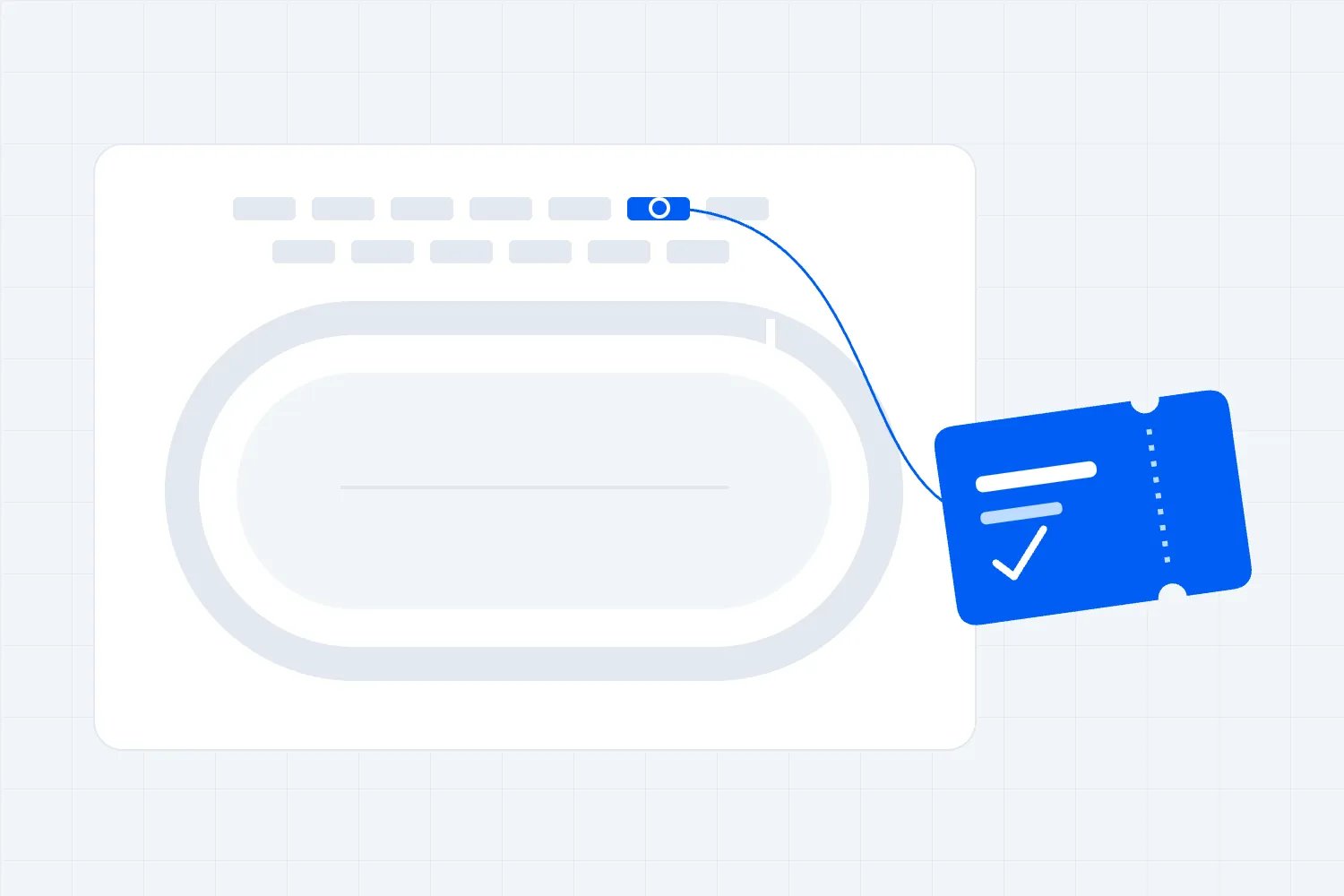
A field that can hold a lot of parked cars isn't automatically a good car-show venue. Visitors need room to walk around the displays, owners need practical access and the event needs routes that continue to work when people gather around a popular vehicle.
Walk the site with the venue and the people responsible for its layout and traffic arrangements. Check the approach, gates, surface, drainage, gradients, turning areas and restrictions affecting low vehicles. Ask how transporters and trailers would enter, unload and leave. Don't discover on arrival that an accepted car can't negotiate the entrance.
The Health and Safety Executive's venue and site design guidance explains the planning responsibilities for events in Great Britain, including assessing site suitability and agreeing responsibilities where control is shared. Use the appropriate local requirements for your location. The useful question for the venue meeting is who is responsible for each part of the site you intend to sell to the public.
Get written confirmation of the land you can use, operating hours, commercial rights and restoration obligations. Establish whether spectator parking is included or separately operated. Check food trading, amplified sound, temporary structures and any restrictions on vehicles, fuel or charging with the relevant specialists and authorities.
Our guide to outdoor event permits goes through the permission questions to resolve before opening sales. For a car show, describe the vehicle activity accurately when making those enquiries. Permission for static display doesn't tell you whether driving demonstrations would be acceptable.
Set display capacity without borrowing visitor space
Build the display allocation from an agreed layout. Show the vehicles in the positions they will actually occupy, together with circulation, access, facilities and operational areas. A photograph of an empty site won't tell you how many display entries you can responsibly accept.
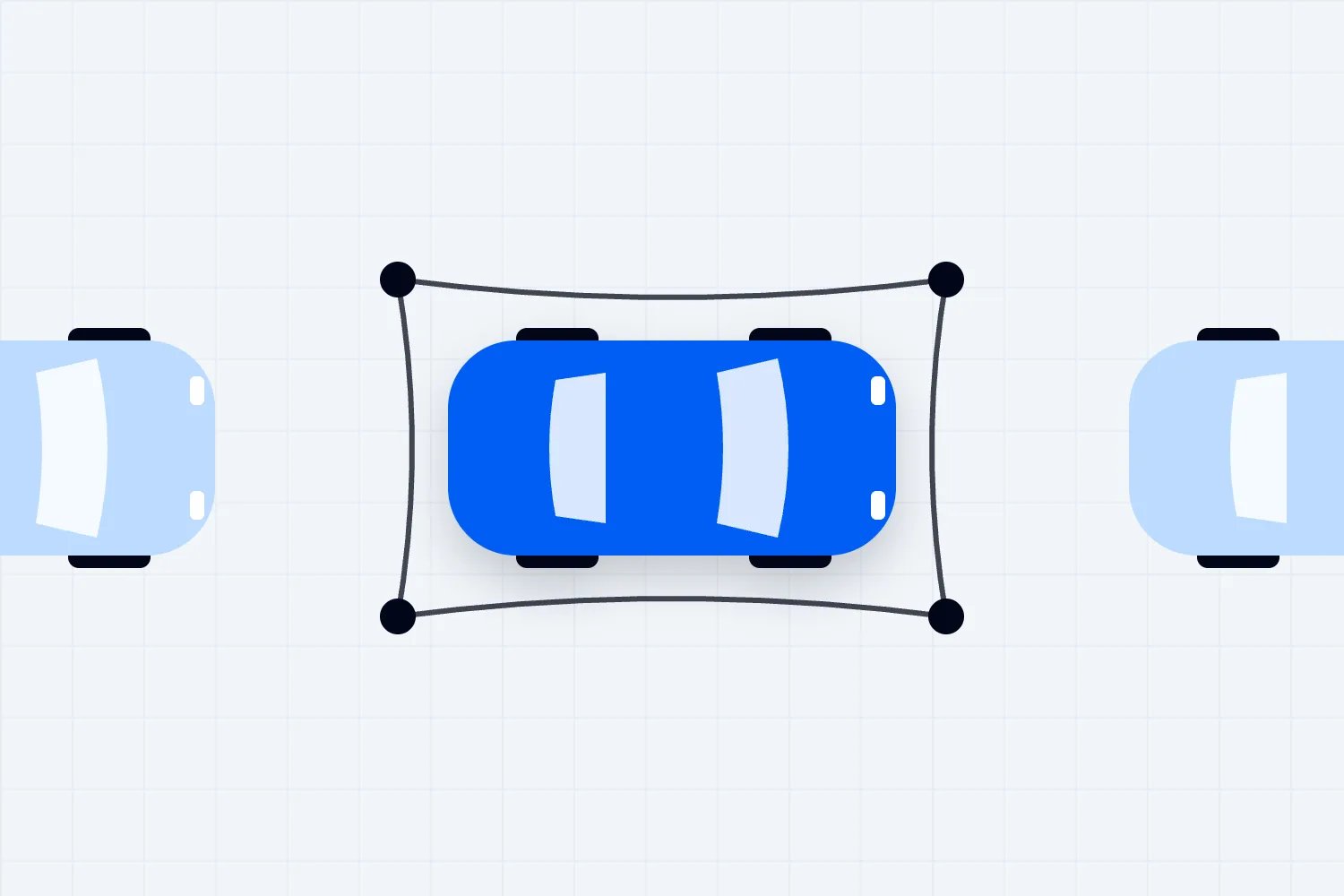
Cars need more consideration than an ordinary row of parked vehicles. Doors and bonnets may open, owners may stand beside them and visitors may stop to talk. Unusually long or wide vehicles need to be declared. Ask the site team to account for those activities rather than squeezing entries into every remaining gap.
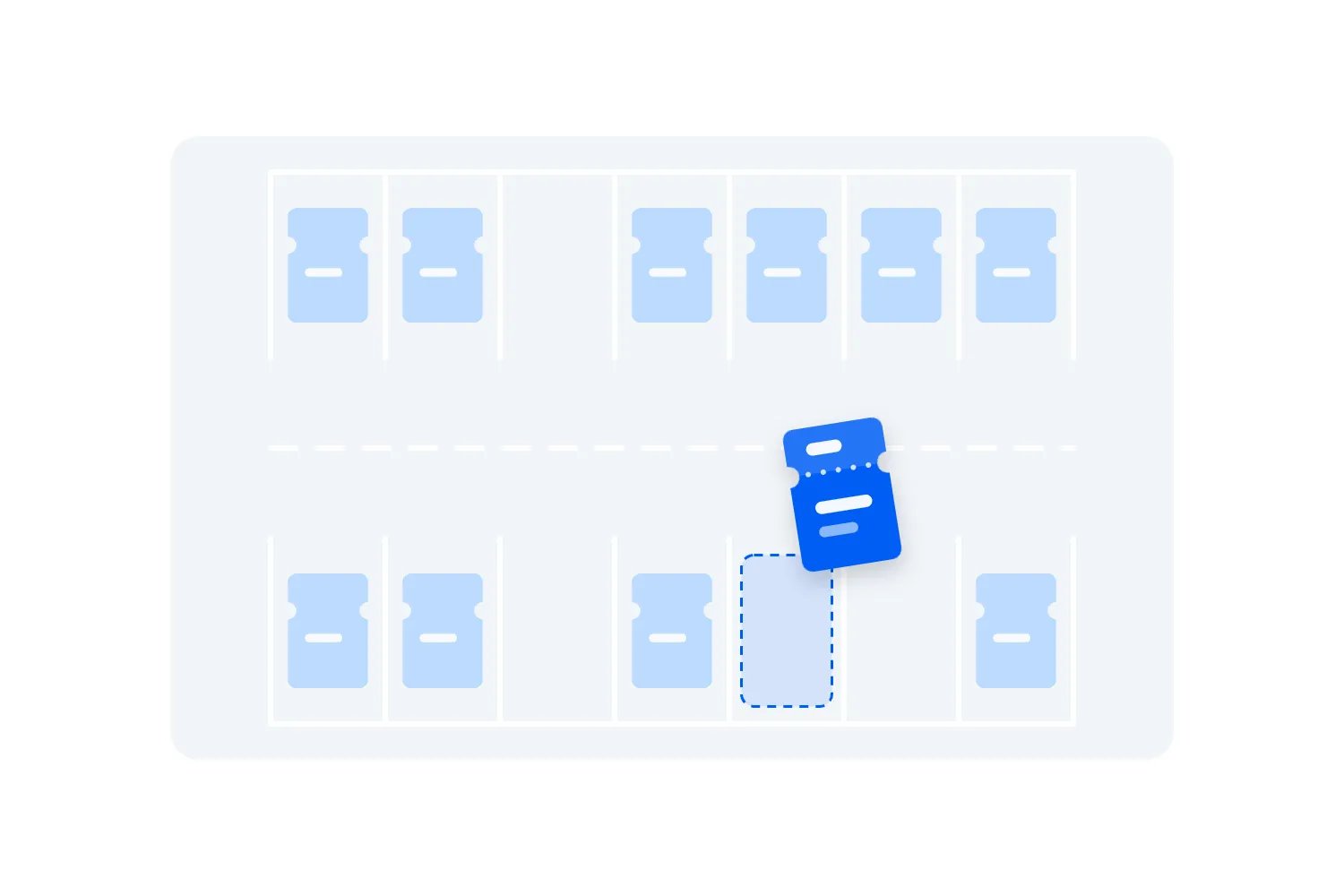
Suppose Cedar Yard's reviewed fictional plan allows 90 display vehicles after all other uses have been accounted for. Ten places are committed to invited vehicles that won't pay an entry fee. That leaves 80 paid vehicle entries. These are example allocations, not recommended densities, spacing rules or a capacity assessment.
Keep the invited allocation visible. A sponsor car, a club organiser's vehicle and a late addition from a partner still occupy space. If one team promises places while another keeps selling them, the plan stops matching the actual show. Put one person in charge of accepting changes to the vehicle list.
Count people separately. A vehicle entry may include a driver, but passengers, children, traders and staff also affect attendance. The limit on cars and the limit on people answer different questions. Increasing one doesn't automatically increase the other, and neither should be estimated from the number of orders in your ticketing account.
Make the vehicle-entry offer unambiguous
Decide whether owners apply for selection or buy an available display place directly. A curated show needs a way to review vehicles before you promise acceptance. An open-entry format still needs eligibility rules and a process for rejecting unsuitable or incorrectly described vehicles.
For Cedar Yard, owners submit the vehicle details first and pay only after acceptance. One accepted entry covers one declared vehicle and admission for its named driver. Additional adult passengers need spectator admission. Children use the show's separate free registration arrangement, and every person still counts towards the attendance plan.
State that an application isn't an acceptance. Tell applicants when they'll receive an answer and how long an accepted place remains available for payment. If you take money before selection, define the refund process for unsuccessful applications. Choose an approach your team and selling tools can carry out reliably.
The Royal Automobile Club Concours provides a useful real example of separating offers. Its published participation information distinguishes applications for judged and feature displays from paddock options, and describes arrival and vehicle-movement conditions. Those are that event's arrangements. The lesson is to define the particular display commitment rather than treating every car and person as general admission.
Put the essential conditions where owners see them before paying. Include the vehicle accepted, people included, arrival window, display period, departure arrangements and what to do if the car becomes unavailable. "Vehicle entry" alone doesn't explain any of those things, and an email sent afterwards is too late to resolve a purchase misunderstanding.
Ask for the information you'll use
Collect enough information to select and receive the vehicle. That normally means the owner's contact details, make and model, approximate dimensions where relevant, registration or another practical identifier and a short description of the car. Ask about trailer delivery or unusual access needs before acceptance.
Let owners flag operational requirements without having to diagnose the entire site themselves. A low-clearance vehicle, a non-running exhibit or a car arriving on a transporter creates a different arrival job. The team needs those facts early enough to agree a workable arrangement or explain why it can't accept the entry.
Keep an agreed vehicle record linked to the booking reference. If an owner proposes a substitution, review it before confirming. Swapping a compact road car for a large display vehicle could change the allocated space, vehicle route or eligibility for an award. Buying a place shouldn't become permission to bring anything that fits through the gate.
Prepare a short owner agreement in language people will read. Cover display behaviour, vehicle movement, touching and access, commercial activity, cancellation and incident reporting. Have local advisers review the terms and your insurance arrangements. A waiver isn't a substitute for assessing the activity or providing a properly managed site.
Give the arrival team a concise operational version. They need the accepted list, booking references, arrival groups, assigned areas and a contact for exceptions. Avoid circulating unnecessary personal details to everyone helping at the gate. Keep any sensitive access information with the people who need it to provide the agreed assistance.
Agree what happens when an accepted owner withdraws. Keep a reserve list of eligible vehicles if it suits your format, but review replacements before confirming them. Don't promise a refund only if somebody else buys the place unless your reviewed terms support that arrangement. Explain what happens to any separately purchased spectator tickets too. A vehicle problem may change the whole party's plans, and a clear answer is better than having different staff invent different exceptions.
Separate arrival from public opening
The easiest time to place display cars is before spectators are walking between them. Plan backwards from the point when the site must be ready for public admission. Include unloading, parking in position, owner briefing, checks and time to recover from an arrival problem.
For the fictional Cedar Yard schedule, accepted display vehicles arrive between 07:30 and 09:15. The site team aims to finish positioning by 09:30 and complete the opening inspection before public admission at 10:00. The display stays open until 16:00. Departure begins only after public clearance and the site lead's release, planned for no earlier than 16:30.
Those times illustrate the sequence, not a safe timetable for another site. Check your actual arrival process with the people running it. Divide bookings into arrival groups if that helps the entrance and layout team. Make sure a group can be received before sending the next vehicles into the same constrained area.
A delay at check-in shouldn't turn into an improvised queue on a public road. Agree the approach and any holding provision with the venue and appropriate traffic professionals. Give drivers instructions they can follow before reaching the entrance. Your staff need authority and training appropriate to the work they're doing.
Set a late-arrival rule. A vehicle arriving after the display closes to movement needs a safe alternative, such as spectator parking with no display entry, if available. Tell owners the consequences beforehand, including whether they retain their included admission and how any refund request will be handled under the agreed terms. A marshal under pressure at 10:10 shouldn't have to choose between disappointing someone and driving through the paying audience.
Keep moving vehicles out of the visitor experience
The HSE's event transport guidance recommends assessing vehicle movements, separating people and vehicles, minimising reversing and planning emergency access. It also advises completing work-vehicle tasks in public areas before the audience is admitted. This is Great Britain guidance; apply your own local duties and competent advice to the show you're organising.
For the static format described here, build the operating plan around vehicles staying parked during public hours. Owners need a contact if they have an urgent reason to leave. They shouldn't assume that starting an engine or finding a helpful friend gives them permission to move through the display.
Agree how the site lead handles an exceptional departure. The method depends on the layout and circumstances, including whether an area must close and pedestrians must be cleared. Don't publish a casual promise that marshals will "escort any car out" without confirming how that can be done safely.
Make behaviour rules specific. Explain your position on engine starting, noise, vehicle access and demonstrations. Check those rules with the venue and specialists responsible for fire, traffic and event safety. A popular online car-meet convention isn't evidence that an activity is appropriate for your insured, ticketed event.
Brief the team on incidents involving a vehicle, including a leak, damage or a person becoming unwell near a display. Identify who assesses the situation and who can close the area. The public host, judging team and sponsor representative all need to know how to call the same operational lead.
Give spectators a day they can understand
A visitor should be able to see why your show is worth the admission price before learning anything about your vehicle-entry process. Describe the collection, the public hours, the activities included and any limits on access to the cars. Don't assume the owner's reasons for attending explain the spectator's purchase.
Build the programme around the vehicles you've secured. For Cedar Yard, that could mean a restoration conversation with an accepted owner, a discussion of a particular build and a judged awards presentation. Confirm contributors and content before advertising them as part of the offer. A willingness to park a car doesn't automatically include public speaking.
Allow visitors to enjoy the display without following every scheduled activity. Put clear information beside cars where owners agree, explain the areas and help people find food, toilets and seating. Someone arriving halfway through the day should still understand what's happening and how much remains to see.
Talk to owners about interaction. Are visitors allowed to sit in any vehicles? Can they touch the bodywork or open a door? If a supervised opportunity is offered, agree who manages it and what is permitted. Keep the general rule clear so an exception at one car doesn't become assumed permission everywhere.
Pay attention to comfort. An enthusiast may happily discuss a restoration for a long time while their companion wants shade and a seat. Catering, drinking water, suitable toilets and understandable signage affect whether the whole party enjoys the day. Include the cost of providing those basics before spending more on decorative production.
Plan access across the whole site
Start with the journey from arrival to the display, then follow the routes to talks, catering, toilets and the exit. Review surfaces and gradients, and check where crowds could reduce the available route. An accessible entrance is only useful if people can continue through the experience they've paid for.
In the United States, the US Access Board's parking accessibility guidance explains that relevant ADA requirements also apply to temporary and unpaved parking facilities. It covers matters including accessible routes and surface conditions. Use the rules and access advice applicable to your location rather than copying dimensions or allocations from another country's guide.
Make access information available before purchase. Describe the actual terrain, distances where you can verify them, seating, toilets and arrival arrangements. Give customers a contact for questions you haven't answered. "Fully accessible" is a broad promise if nobody has checked how the experience works across the site.
Include owners in this work. A driver displaying a car may also need accessible facilities or assistance with the arrival arrangements. Don't assume that bringing a vehicle means someone can stand all day or walk the full site without support. Agree a practical arrangement before accepting a commitment the owner can't comfortably meet.
Check what changes in poor weather. A route that works when dry may become difficult after rain, and a relocated activity may lose its accessible approach. Build those possibilities into the operating decisions. Access provision belongs in the plan you will actually deliver, including the alternative arrangement.
Price the show using two kinds of customer
You can charge vehicle owners, spectators or both, depending on the offer. There's no reason to copy another show's balance without understanding what owners receive and what spectators value. An owner paying to exhibit helps provide the attraction, so the fee needs to make sense alongside the commitment you're asking for.
For the fictional Cedar Yard budget, a paid vehicle entry costs $30 and includes one driver. A standard adult spectator ticket costs $18. All money figures in this example are US dollars. Assume no sales tax for the calculation and replace that assumption with the correct treatment for your event.
Suppose the business retains $27 from each vehicle payment after assumed selling costs, then spends another $3 per displayed vehicle on direct provision. Each paid vehicle therefore contributes $24 towards the wider show costs. Assume that $3 covers the direct provision for the vehicle and its included driver, so the driver does not also incur the adult spectator cost below. The ten invited vehicles still cost $3 each even though their owners aren't paying the entry fee.
For an adult spectator, assume $16 remains after selling costs and another $1 is spent per person. That leaves $15 towards the wider budget. These deductions are invented assumptions, not Loopyah's prices or a benchmark. Use your actual fees, tax treatment and variable costs when rebuilding the calculation.
Children admitted free still cost money to serve and still need to be counted. Cedar Yard caps free child registrations at 50 for this example at an assumed direct cost of $1 each. Define the age rules, supervision and registration clearly. If you introduce concessions or family offers, calculate their contribution separately instead of pretending every attendee pays the standard adult price.
Work out how many spectators you need
Cedar Yard's invented fixed budget is $10,800. It comprises $2,500 for the venue, $2,400 for paid staffing, $1,200 for safety and medical provision, $1,100 for facilities, $1,200 for marketing, $900 for production, $700 for insurance and permissions, and an $800 reserve for uncertain costs. These aren't suggested quotes or adequate provision for another event.
Put your own preparation and management time into the appropriate cost line, along with actual paid hours, rates and employer costs where applicable. Confirm whether supplier figures include setup and removal. Our event budget guide helps organise the wider costs, including expenses that become payable before ticket income is available.
Assume Cedar Yard also has a signed $3,000 sponsorship with $600 of delivery costs, leaving $2,400 towards the fixed budget. Ten confirmed trade pitches pay $100 each and require another $200 in total provision, leaving $800. Deducting those two contributions leaves $7,600 for vehicle entries and spectators to cover.
If all 80 paid vehicle places sell, their $24 contribution produces $1,920. Add $30 for the invited vehicles and $50 for registered children to the remaining requirement. The adult spectator sales must therefore provide $5,760, calculated as $7,600 plus $80 minus $1,920. At $15 each, that requires 384 paying adult spectators to break even under these assumptions.
At 400 adult spectator sales, the example leaves $240 after all those costs and the budgeted reserve. At 300, it loses $1,260. That small positive result at 400 should make you cautious. A show that looks busy can still leave very little for the business, especially when one important cost or income assumption changes.
There's a useful cross-check at 400 adult sales. Retained income is $2,160 from paid vehicles, $6,400 from adult tickets, $3,000 from the sponsor and $1,000 from traders, totalling $12,560. Costs are $10,800 fixed, $600 sponsor delivery, $200 trade provision, $240 for paid vehicles, $30 for invited vehicles, $400 for adults and $50 for children. That totals $12,320 and leaves the same $240. If your two calculations disagree, find the missing or double-counted item before relying on the result.
Check the weak points before setting the target
The example assumes every paid vehicle place sells. If only 60 sell, you lose $480 of contribution compared with the 80-entry plan. You would need another 32 adult spectators at $15 contribution each to replace it, assuming those extra people fit the approved operating plan and don't create additional fixed costs.
Sponsorship also needs a realistic treatment. Without the assumed $2,400 net sponsor contribution, break-even rises by 160 adult tickets. The original requirement of 384 becomes 544 under otherwise unchanged assumptions. Don't use an unsigned sponsor conversation to make a ticket target look achievable.
Capacity puts a limit on that response. For a separate fictional attendance check, suppose the site team has established an 800-person simultaneous limit for the agreed layout, and the show sets a conservative one-admission allocation with no general re-entry. Ninety drivers, 50 children and 45 people across staff, trader and sponsor teams leave room for at most 615 additional adults on those assumptions.
That subtraction isn't a method for establishing the site's safe capacity. It shows how a reviewed limit constrains the commercial plan. Extra invited guests, additional children or more trader staff reduce the adult allowance. At 400 spectators, the example's combined attendance would be 585 people, assuming everyone attends together and each display has only its included driver.
You can't solve every shortfall by selling more tickets. If sponsorship falls through and only 60 paid vehicle places sell, the required adult sales rise to 576 in this example. Even where that fits the provisional allocation, you still need evidence people will buy. Compare a smaller show, different costs and a stronger paid offer before deciding that a larger audience is the answer.
Also check when you have to pay. A show can cover its eventual costs and still run short of money before opening. Put venue deposits, staffing payments, insurance and supplier balances against their due dates. Compare them with the date ticket funds and sponsor payments will actually reach you. Money promised for after the show can't fund an invoice due next week.
Keep refundable damage bonds separate from expenses while allowing for the cash they tie up. Set aside a realistic amount for refunds and the consequences of cancellation. Ask the broker what cover applies rather than treating a possible claim as cash in the bank. That conversation may change how much you can responsibly commit before spectator sales are established.
Sell sponsorship and trade space you can deliver
A car show can offer relevant commercial partners access to a well defined audience. Start with what you can provide in the actual layout and programme. A named display area, an agreed trade pitch or a clearly described sponsor acknowledgement is easier to fulfil than a vague promise of "exposure".
Keep the sponsor's vehicle allowance and people in the same allocation records as everyone else. An activation needing a large vehicle, power, queue space or samples may cost more than a straightforward logo placement. Price the delivery work before counting the fee as money available for the rest of the show.
Our guide to pricing event sponsorship packages explains that calculation in more detail. For this show, the question is what the agreement leaves after staffing, space, production and any displaced sales. A payment that requires expensive additions may contribute less than the headline amount suggests.
Give traders a defined pitch, permitted activity, arrival arrangement and closing time. Confirm utilities and any documents the event requires. Distinguish a vehicle entered for display from a commercial stand. Owners selling products or services may need a different agreement from someone sharing the story of their restoration.
Avoid forecasting a food commission unless the arrangement is agreed and the sales assumption is credible. A fixed pitch fee and a share of actual sales create different risks. Track amounts contracted, paid and still dependent on event-day trade separately so the budget doesn't treat uncertain income as secured cash.
Build ticketing around the promises you've made
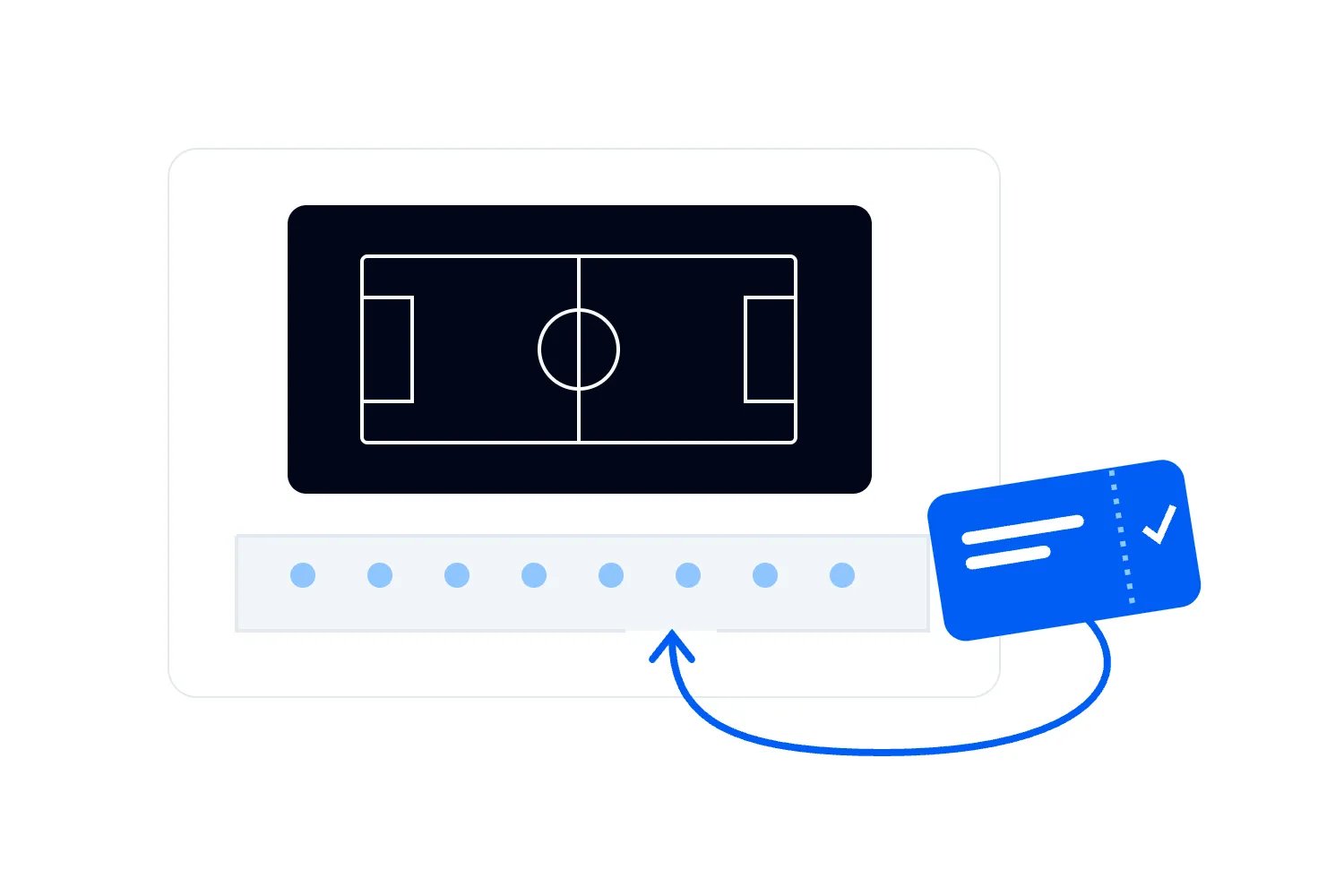
Keep vehicle acceptance separate from payment unless you've verified a selling process that manages both. A public spectator ticket shouldn't accidentally become permission to bring a display car. Likewise, an accepted vehicle shouldn't lead the driver to buy admission again when you've already included it.
Test the journeys using real examples. Try an accepted driver arriving alone, a driver bringing an adult passenger and a child, and a spectator group arriving in one ordinary car. Check what each group buys, what confirmations they receive and what the gate team sees. Resolve the confusing cases before launch.
Loopyah's ticketing and check-in tools provide ticket types, confirmation emails linking to QR tickets and phone-based QR check-in for door staff. That helps you take payment and validate admission. Your show team still needs to define which people each offer includes and confirm the accepted vehicle against the display list.
Don't infer that an admission scan verifies the car's selection, arrival slot or physical position. Confirm the exact configuration you need before selling vehicle entries through any system. A simple, tested setup is better than advertising linked entitlements your team can't consistently recognise at arrival.
For ordinary spectator parking, decide whether the venue provides it or whether customers need a separate purchase. Our parking pass guide explains why a vehicle space and a person's admission need separate quantities. Keep spectator parking instructions distinct from the entrance used by accepted display vehicles.
Imagine one accepted owner arriving with a partner and a child. The vehicle list confirms the car and its allocated area. The included driver admission covers the owner; the partner presents their adult ticket, and the child has the required free registration. All three people enter the attendance count, while the car uses one display place. Check that your configured tickets, lists and staff instructions produce that outcome without selling the driver a second admission.
Now change the example. The partner bought the spectator tickets but arrives on foot later. Can admissions find the right entitlement without calling the vehicle gate? Or the owner arrives with an unannounced trailer. Who decides whether the delivery can be received? Walk these cases through with the actual team. They reveal different problems from testing whether a payment succeeds.
Promote the collection you've actually secured
Lead with confirmed reasons to attend. Show the range of accepted cars, explain what owners will discuss and make the day's programme easy to understand. Get permission to use submitted photos, descriptions and owner names. Credit contributors as agreed and check the details before publishing a vehicle story.
Give clubs something specific to share. An accepted club display, a contributor conversation or a confirmed award category gives members a clearer reason to promote the event than a generic request for support. Agree who supplies the material and when it needs approval so promotion doesn't become a last-minute chain of messages.
Be careful with rare or headline vehicles. If one car is central to the sales promise, discuss what happens if it can't attend. Avoid promoting a tentative conversation as a confirmed appearance. When something material changes, assess what you've promised customers and explain the change promptly.
Make the spectator information easy to find alongside the exciting material. People need public hours, location, travel details, admission inclusions, access information and the rules about interacting with vehicles. Answer the purchase questions on the page, then use arrival communications for the more detailed instructions.
Loopyah's attendee email tools let you build messages and send yourself a test. Use that to check how the instructions read on a phone before sending them. Keep the owner arrival message and spectator arrival message clearly different, and verify the recipient selection rather than assuming every buyer needs the same gate and time.
Prepare for weather and changes to the offer
Weather affects the cars, the ground and the paying audience in different ways. Owners may be reluctant to travel, spectator demand may fall and a usable route may deteriorate. Agree the decision process before the forecast becomes the main topic in every club conversation.
For lightning planning, the US National Weather Service's organised outdoor activity guidance calls for a defined plan covering when activities stop, where people go, who monitors conditions and when activities resume. It explains that small rain shelters aren't safe lightning shelter. Get site-specific advice and identify shelter that can actually accommodate your audience; display cars aren't automatically available to shelter spectators.
Other weather limits need their own evidence. Take wind limits from the relevant structure and equipment arrangements, and assess ground and vehicle access with the responsible team. Our outdoor weather decision guide helps organise those decisions. Don't copy a single threshold and assume it covers every part of your site.
Separate the decision to stop activity from the financial response afterwards. In Australia, the ACCC's event ticket guidance explains that cancellation and significant changes can create refund rights, with the reason, nature of the change and ticket terms affecting the position. Check the law applying to your event and have the terms reviewed. A sentence saying "rain or shine" doesn't settle every cancellation scenario.
Write customer messages in advance for a delayed opening, a partial closure, postponement and cancellation. Decide who approves each message and how owners, ticket holders, traders and suppliers will hear. Include a support route and a clear time for the next information. People should be able to make travel decisions without piecing together replies on social media.
Run the opening, awards and departure as one plan
Before public admission, bring the site lead, admissions lead and vehicle team together. Confirm that the accepted cars are positioned, routes are clear, facilities are ready and the agreed opening checks are complete. A scheduled opening time doesn't remove the need to decide whether the site is ready.
Publish judging criteria before owners pay if awards are part of their offer. Explain who judges, which entries are eligible and whether judging is optional. Give the judges enough time to see the vehicles without interrupting arrival work. If you're using a visitor vote, decide how you will prevent repeated voting and resolve a tie before announcing it.
Schedule awards while the display is still available to the public. For Cedar Yard, an invented 15:00 presentation leaves an hour before the advertised 16:00 close. Tell owners that an early award finish doesn't release vehicles. The public bought the advertised display period, and the vehicle team still controls departure.
At closing, clear the public areas using the agreed plan before releasing cars. Coordinate the display exit with spectator traffic and keep required emergency routes available. Give owners a way to report a starting problem or request assistance without blocking the whole departure. Trailer collection and non-running vehicles need their own agreed arrangements.
Afterwards, reconcile accepted vehicles, actual arrivals, paid entries, included drivers, spectator admissions and complimentary access. Compare the final costs and income with the budget, including extra staff time and refunds. Ask owners what would improve participation and spectators what made admission worthwhile. Before booking the next show, decide which parts attracted paying demand, which created avoidable work and what you would change while the details are still fresh.

Author: By the Loopyah Content Team
The Loopyah Content Team shares expert insights, practical guides, and industry updates to help event organizers create unforgettable experiences and stay ahead in the event planning world.