· 27 min read
What should you do when a sponsor pays late before an event?

Your sponsor says the payment is with finance. Meanwhile, your printer wants approval this afternoon, the activation supplier needs a deposit, and somebody on your team has already put the sponsor's logo on the event page. You can keep asking when the money will arrive. You also need to decide what happens before it does.
Start by confirming what is actually overdue and getting the invoice to the person who can release payment. At the same time, check your next spending commitments and the agreement's rules for delayed payment. Keep the event deliverable without treating an unpaid sponsorship as cash, and agree any change to benefits before your team promises or produces it.
That doesn't mean every late payer should lose its package. An invoice stuck behind a missing purchase order is a different problem from a sponsor disputing the deal or admitting it cannot pay. The response should fit the cause, the money at risk and the time left to act. Here's how to work through those decisions without financing the sponsor's campaign by accident.
Confirm the debt before you chase it
Open the signed agreement, accepted changes and invoice together. Check the legal business that owes you, the amount, currency, tax treatment, payment trigger and due date. If the deal has instalments, identify which instalment is outstanding. The full package price and the amount currently due may be different.
A sponsor's marketing contact may have approved the creative without having authority to place an order. An agency may have negotiated the package while the brand is the contracting buyer. Work out who actually undertook to pay. Sending reminders to everyone involved can create a busy thread without reaching the business responsible for the invoice.
Check your own records too. Was the invoice sent to the right address or supplier portal? Does it have the required purchase-order reference? Was a credit or deposit recorded? Did the sponsor ask for a correction you haven't made? Search the payment records before telling a reliable partner that it hasn't paid. A payment with an unfamiliar reference may be sitting there waiting to be matched.
The British Business Bank's late-payment guidance recommends checking invoice accuracy and contacting the appropriate accounts-payable team. That's a useful starting point because the person who bought the sponsorship may have very little visibility of the payment queue. Ask that person to make the introduction, then discuss the invoice with the team processing it.
Keep a short factual record. For example, the package is USD 8,000, a USD 2,000 deposit has arrived, the remaining USD 6,000 was due on 8 March 2027, and finance confirmed receipt of the correct invoice on 1 March. Those are invented details, but notice what they resolve. The conversation is about one overdue balance against an accepted document, rather than an argument about whether sponsorship has been confirmed.
If the sponsor says its standard terms allow payment after the event, compare that claim with the terms you accepted. A date on your invoice does not necessarily settle a conflict between the signed agreement, a purchase order and supplier terms. Equally, a buyer's internal process should not simply replace the agreement without discussion. Get advice on the actual documents if that conflict matters to your next decision.
Our event sponsorship agreement guide covers the payment and notice provisions worth settling at the outset. For a live delay, use the agreement you already have. You cannot repair a weak payment clause by writing a stronger one into the reminder.
Find out what is stopping payment
Ask a question the sponsor can answer with something more useful than reassurance. Has the invoice been accepted? Who must approve it? Is the payment scheduled, and on what date should it reach you? If it has been sent, what reference can your finance person use to trace it?
The answers usually point to a particular action. Missing vendor registration needs someone to complete the registration. A missing order number needs the sponsor's buyer to issue or correct it. An invoice sent to a former employee needs routing. A disputed benefit needs a commercial conversation. Repeating the same reminder will not solve all of those problems.
Be careful with the phrase "approved for payment." It may mean that marketing approved the budget, procurement accepted the invoice, or treasury scheduled the transfer. Ask which step is complete and which one remains. You are trying to establish the expected receipt date, not audit the sponsor's entire finance operation.
If your contact says the next payment run is after your production deadline, ask whether an authorised exception is possible. Explain the deadline and the affected benefit. Don't assume the sponsor can accelerate payment, and don't tell production it has done so until somebody responsible confirms the arrangement. A request for an exception and an accepted exception belong in different parts of your forecast.
Where the sponsor disputes the invoice, ask it to identify the specific amount and reason in writing. Is it challenging tax, a duplicate charge, the agreed scope or a benefit it believes you missed? Separate the disputed amount from anything both sides accept is payable. Request payment of the undisputed amount without implying that accepting it resolves the rest of the dispute.
Australian Government agency Creative Workplaces recommends clear, professional follow-up and keeping records in its guidance on getting invoices paid. Its legal routes are Australian, but the operational point travels well. You want a record of the issue, the person dealing with it and the agreed next action. You don't need an increasingly annoyed version of the same email.
Set one owner on your team for the chase. That person should know the commercial context and have access to payment records, with another person available to confirm receipts. Let the sponsor relationship lead handle a sensitive discussion, but keep finance in the loop. Otherwise marketing may promise another week while finance has already issued a final reminder.
After a call, send a brief written record. State what was confirmed, what remains unresolved and when each side will act. Invite a correction if your understanding is wrong. This protects the working relationship because neither side has to remember exactly what was said under pressure.
Write a reminder that makes the next action obvious
A useful payment reminder is easy to forward to finance. Include the invoice number, amount outstanding, agreed due date and original invoice. Name the action you need and the date you need an answer. Keep bank details consistent with the verified invoice or agreed payment route.
You don't need to apologise for asking for money already due. You also don't need to make the sponsor feel accused before you've established the cause. Start with the facts, then explain any real production dependency. A deadline is more credible when it belongs to an actual supplier decision than when it is an arbitrary threat added to make the email sound firm.
Here's an example you can adapt. All names, amounts and dates in the example are fictional. The event takes place on 26 March 2027. Its contract requires an overdue-payment notice and a correction period before specified suspension rights can be used. Your own agreement may work differently.
First reminder to the sponsor and finance contact
Subject: Invoice SP-027, USD 6,000 balance due 8 March
Hi Maya,
Our records show that the USD 6,000 balance for the conference sponsorship remains outstanding. Invoice SP-027 was due on 8 March 2027. I've attached the invoice and included the purchase-order reference you supplied.
Could you confirm that finance has accepted it and tell us the expected payment date? If anything is missing or disputed, please identify it so we can address that today. Please reply by 12:00 UTC on 10 March.
The custom-sign production decision is due at 16:00 UTC on 12 March. We need to confirm the payment position before that commitment. We'll discuss any effect on delivery under our agreement separately rather than assume a change.
Thanks, Alex
Follow-up after the payment call
The second message should record the outcome, rather than start the conversation again. Suppose finance confirms that an internal approval caused the delay, that approval is now complete, and the sponsor expects payment to reach you on 11 March. Record that exact understanding and ask who will confirm release. Keep the original due date in your record unless an authorised change has actually been agreed.
A simple note might say that the invoice has been accepted, finance expects receipt on 11 March, and you will check it before confirming the next production step. If payment has not arrived by the agreed check time, the relationship lead will speak to the sponsor before the print decision. That is much easier for the rest of the team to use than "Maya says it's sorted."
For a further escalation, ask the sponsor to involve the person who owns the budget and the person who can authorise payment. Explain the delivery deadline once, accurately. Copy only the people needed to resolve it. Public pressure, unrelated executives and a long list of accusations rarely help the production decision you need to make today.
Rebuild the cash plan without the unpaid balance
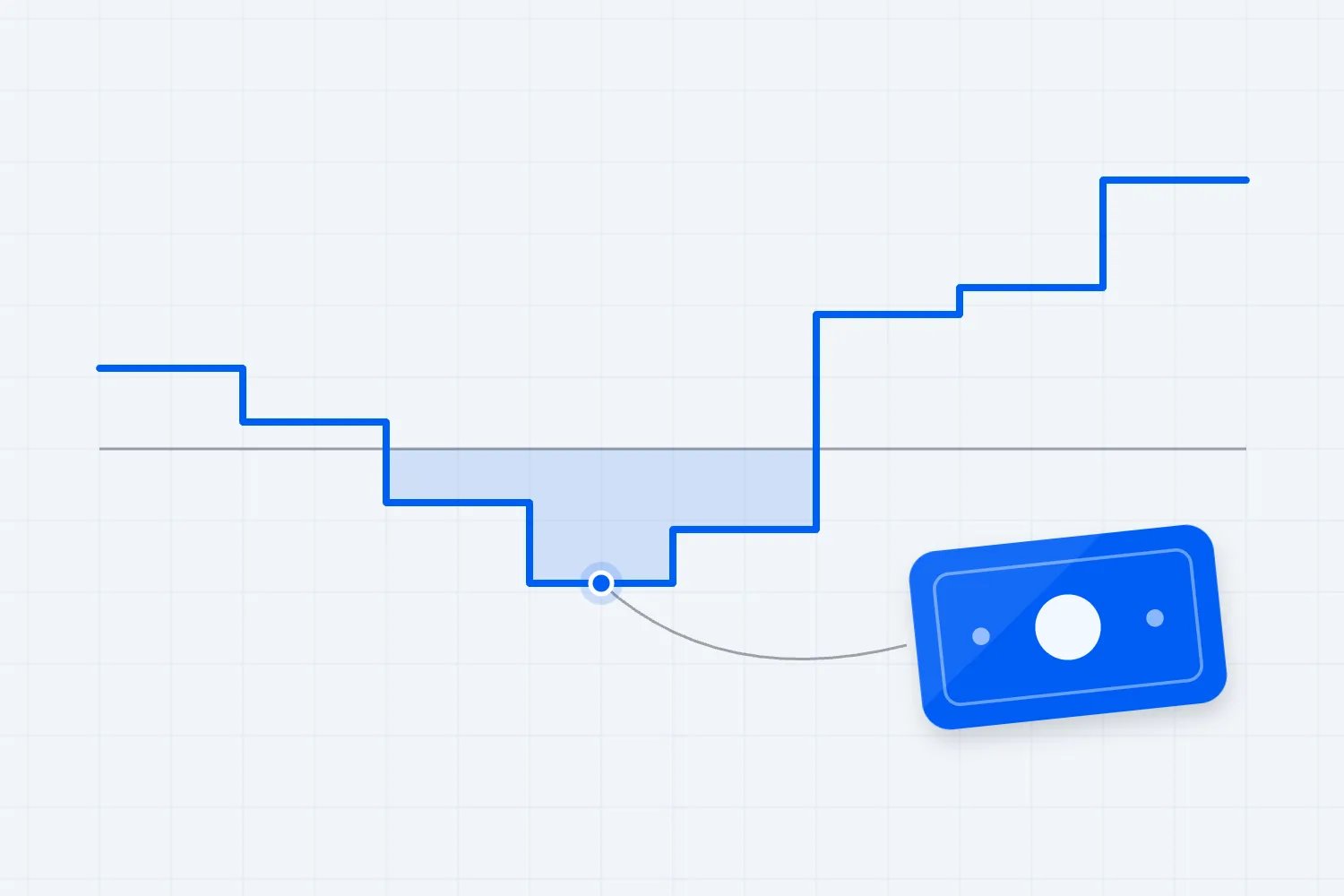
You can be confident the sponsor will eventually pay and still be unable to fund next week's bills. Take the overdue amount out of the receipts available before the next decision. Then check what money the event can use and what it must pay before another dependable receipt arrives.
Use your event cash-flow forecast for the full picture. For the immediate decision, a short list of dated bank receipts and payments may be enough. Include venue balances, crew, supplier deposits and sponsor-specific production. Exclude money already reserved for taxes, refunds or another event. Keep those reserves visible so the bank balance can still be reconciled.
Consider this fictional USD example. It is a planning calculation, not a customer result, industry benchmark or statement of Loopyah fees. On 10 March, the event has USD 9,000 available after its existing reserves. That already includes the sponsor's USD 2,000 deposit. The USD 6,000 balance is still unpaid. Before the next dependable bank receipt, the event owes USD 7,000 for essential delivery and is considering USD 3,000 of additional sponsor production.
If you commit to everything now, the event needs USD 10,000 and has USD 9,000. It is USD 1,000 short before any extra headroom. If the USD 6,000 balance arrives in time, the same payments leave USD 5,000. The package may be worth delivering, but its payment timing changes whether you can afford to make those commitments today.
Suppose the owner has chosen to retain USD 2,000 of additional operating headroom beyond the reserves already excluded. That is an invented planning choice, not a recommended universal reserve. With no sponsor balance received, the event needs USD 3,000 more to pay the full USD 10,000 and retain that headroom. Deferring the genuinely uncommitted USD 3,000 production would leave USD 2,000 after the essential payments.
That comparison does not give you permission to withhold the production. It tells you what decision needs resolving before you order it. If the contract obliges you to proceed, the funding problem remains yours until an agreed change or applicable contractual remedy says otherwise. A supplier may also charge for cancellation or for a booking you thought was only provisional. Check that before calling a cost avoidable.
Keep the deposit out of the calculation a second time. It is already in the USD 9,000 opening cash. Adding it again creates money you don't have. Likewise, do not describe the unpaid USD 6,000 as a loss simply because it is late. It remains an amount owed, subject to the actual dispute and recovery position. The cash shortage and the eventual profit or loss require separate assessments.
Check each day that can change the answer
If the venue payment is due in the morning and the sponsor transfer arrives in the afternoon, the day still has a funding gap. Use the actual times where a deadline is tight, with the relevant time zone. A forecast that ends the week comfortably can conceal a missed payment earlier in it.
Test the promised date and a later date. Include transfer charges or currency differences if they apply, and use the amount you expect to receive after deductions. A remittance advice can help trace a payment. It does not confirm that the money is available in your account. Ask finance to verify receipt through the actual payment records.
If you consider borrowing or an owner contribution, record the source, availability date, cost and repayment. Decide whether the deal still makes commercial sense after those costs. An unapproved loan is another uncertain receipt, and using cash allocated to your next event can simply move the shortage into a different production calendar.
Decide which commitments can still change
Make a delivery list for this sponsorship with the people responsible for doing the work. Identify benefits already delivered, costs already committed and work that has not yet been commissioned. Record the last practical change date for the remaining items. This is more useful than one broad label saying "sponsor activation pending."
For the fictional conference, the website listing is already live, an initial design fee has already been paid, and the custom sign has not yet been ordered. The sign supplier's final decision is 12 March at 16:00 UTC. A hosted session needs an agreed room and production plan. Staff passes have been allocated but not issued. Each item has a different practical position, even though one sponsorship agreement covers them all.
Ask what genuinely stops more spending without undoing something you owe. A supplier quote may still be open, an accepted booking may carry a cancellation fee, and a finished sign may cost money to remove. The earlier design fee does not disappear if you stop printing. Keep incurred costs in the event accounts and assess only the additional costs you can actually avoid.
Your sponsorship package should make those dependencies visible before selling. During a late-payment incident, check them against the supplier's current position. Production people need a clear instruction about the next order, not a sales conversation they are expected to interpret.
Where the agreement gives you a right to pause specified benefits after notice, follow its notice and correction process. Check who receives formal notice, how it must be sent, when the period ends and which benefits the right covers. Ordinary reminders may not satisfy that process. Get legal advice before relying on a disputed right or making an irreversible change.
Where there is no clear right, seek an agreed variation. You can propose a smaller activation, a different delivery date or another workable arrangement. Do not assume an unpaid invoice automatically cancels exclusivity, releases naming rights or makes the package available to resell. Selling the same rights again can turn a payment problem into a second dispute.
The team should also know what continues. An unpaid sponsor does not justify cutting an attendee service you have already promised without considering the consequences. If the sponsor was funding a workshop included in admission, the event still has a buyer-facing commitment to assess. Keep accessibility, safety and the advertised experience in the delivery decision.
Protect the experience ticket buyers paid for
A sponsor delay is usually a private commercial issue. Ticket buyers don't need an update about an overdue invoice if the event they bought remains the same. They do need accurate information when a changed arrangement affects admission, a named activity, access, timing or something else material to their booking.
Before removing a benefit, ask whether it was sold to the sponsor, promised to attendees, or both. A logo on a sponsor board may have little effect on the ticket offer. A tasting included with admission, an advertised shuttle or a programme session can be a different matter. Identify the people affected and the practical alternative before editing the event page.
Loopyah's Worth It Event Index offers useful context here. In its Pollfish survey of 500 US consumers on 11 February 2026, 41% selected unclear details and 36.6% selected a weak lineup or programme when asked what most makes an event not feel worth it before buying. Refund concerns were selected by 15.6%. Respondents could select more than one answer. The chart shows selected options, not the full ranking, and the survey did not ask about late-paying sponsors.
| Label | Respondents % |
|---|---|
| Unclear details | 41 |
| Weak lineup or programme | 36.6 |
| Refund concerns | 15.6 |
For Australian events, the ACCC's guidance on event changes explains that cancellation or significant changes can give buyers refund rights, depending on the circumstances. Check the position that applies to your event before treating a replacement activity as the complete answer.
Those figures don't tell you how many tickets a changed activation will cost. They do support taking the buyer's understanding seriously. Keep the event description accurate, explain meaningful changes to affected buyers, and decide the appropriate response under your terms and applicable consumer law. Don't replace a detailed advertised benefit with "something exciting" because the sponsor conversation is uncomfortable.
Keep the message about the event. Explain what has changed, what remains available and how an affected buyer can contact you. Avoid blaming the sponsor or disclosing confidential discussions. If a replacement activity is still being negotiated, don't advertise it as confirmed. It is better to state the decision you have made than create another promise dependent on someone who hasn't agreed.
For the fictional conference, suppose the sponsored hosted session was advertised as an optional extra with a separate booking. The team needs to check those registrations and the description, then decide whether it can deliver the session independently or must change that offer. The fact that general admission continues does not answer the separate-session question.
Also check printed and partner material. Removing a claim from your own page doesn't change an email already sent or a listing maintained by a venue. Identify the channels that affect buyers' understanding and update the people controlling them. Keep a record of the correction and the version it replaces so staff answer the same question consistently.
Accept staged payment only when the revised deal works
A sponsor might offer part now and the rest after the event. That can be sensible if it solves the cash problem and the remaining exposure is acceptable. It can also mean you fund the expensive benefits immediately while the least certain money moves to the end. Work through the proposed amounts before saying yes.
Return to the fictional conference. The USD 6,000 balance is overdue. The sponsor proposes USD 3,000 now and USD 3,000 after the event. If the first part is received before the commitments, available cash rises from USD 9,000 to USD 12,000. Paying USD 7,000 of essential bills and USD 3,000 of sponsor production leaves USD 2,000. That meets the illustrative headroom chosen earlier.
It still leaves USD 3,000 unpaid after delivery. The offer solves the immediate cash shortfall under those assumptions. It does not remove the risk of non-payment or establish that the final instalment will be easy to collect. Decide who is authorised to accept that exposure, what evidence supports confidence in payment and whether the event can absorb the outcome if the balance never arrives.
If only USD 2,000 arrives now, the same plan leaves USD 1,000 after payments. That's above zero but below the chosen USD 2,000 headroom. You would still need another USD 1,000 or an agreed change to the plan to meet it. "They've paid something" isn't enough information to approve all the work.
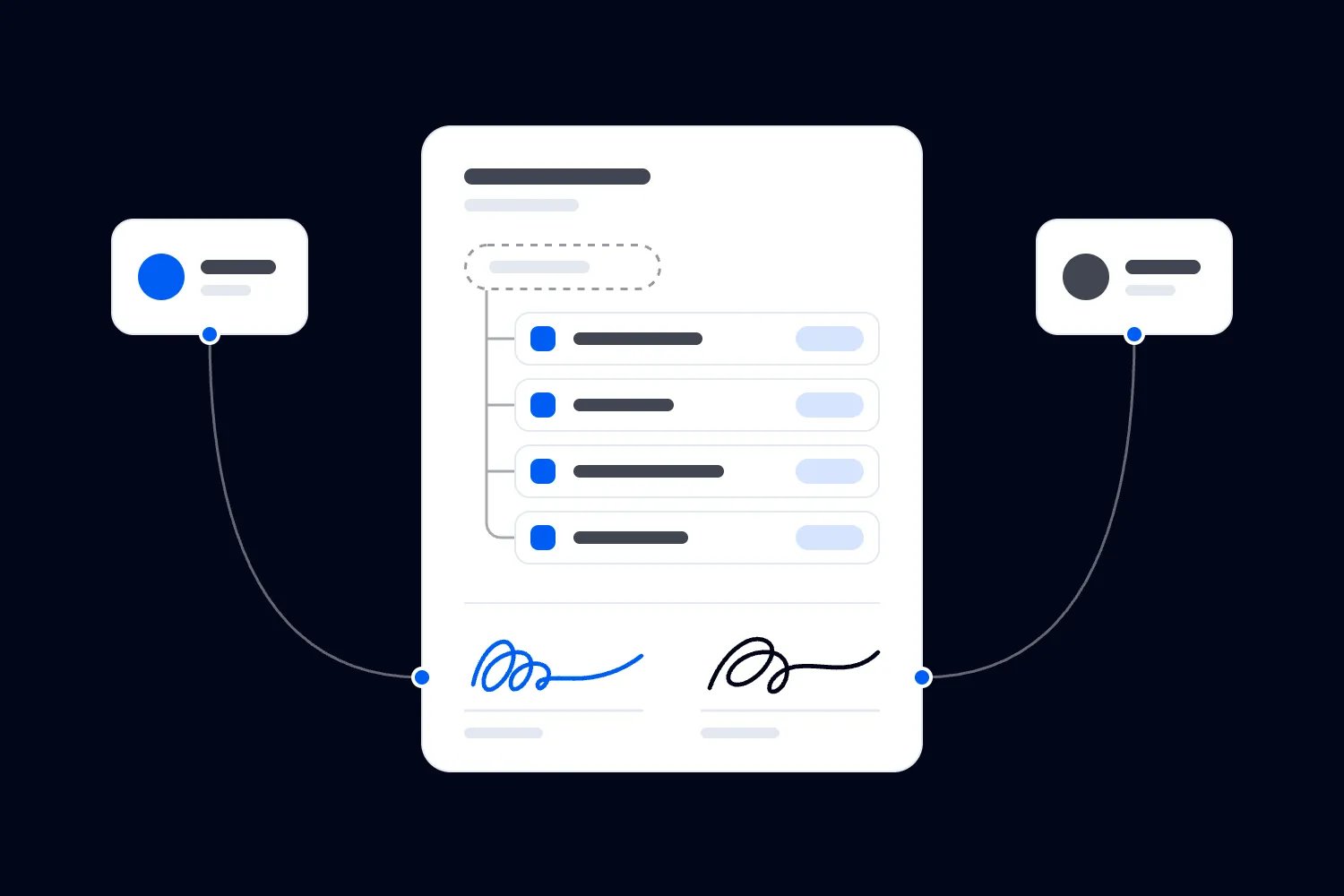
Any revised arrangement needs the people with authority on both sides. Record the amount being paid, when it should arrive, the remaining balance and its due date. Specify which benefits continue, change or depend on that payment. Address any existing late-payment charges and dispute without casually waiving them or pretending they have disappeared. An accountant or adviser can help keep invoicing and tax records consistent.
For example, the parties might agree that USD 3,000 reaches the organiser by 11 March, the outstanding USD 3,000 is due on 2 April, and the originally specified benefits remain unchanged. Record what happens if the first payment misses the print decision and what notice is required. This is an illustration of the information to settle, not ready-to-sign wording for your jurisdiction.
If you reduce the scope instead, describe the new package precisely and agree any price adjustment. Removing a USD 3,000 production cost does not automatically mean the sponsor should receive a USD 3,000 price reduction. Cost to you, value to the sponsor and the parties' legal rights are separate questions. Negotiate the revised offer rather than assume a cost spreadsheet establishes its fair price.
Use the same discipline with a replacement benefit. A post-event email, a future booth or a credit against next year's package consumes something the event business must deliver later. Check availability, permissions and cost before agreeing. Don't solve today's shortage by issuing a vague promise the next event manager will have to untangle.
Keep payment methods and receipt checks consistent
If the sponsor proposes a different payment method, confirm that your collection process can support it and what it changes about timing, fees and reconciliation. Never ask it to pay the same balance by two routes without a clear instruction. If a transfer is already in progress, coordinate any alternative to avoid collecting twice.
Payment changes also create an opportunity for fraud. The FBI's Internet Crime Complaint Center recommends using a separate channel to verify changed account information. Apply that to an urgent request to change bank details or send a repayment elsewhere. Call a contact through details you already trust. A convincing message in the existing email thread is not sufficient verification.
Keep sensitive banking information within the people who need it. A production manager needs confirmation that the next commitment is approved, not a forwarded bank statement containing unrelated transactions. Finance can trace and confirm the receipt, then send the operational decision to the team. That keeps the check useful without circulating more information than necessary.
Make a clear decision when the deadline arrives
Set the review before the irreversible supplier commitment. Bring together the payment record, the sponsor's latest response, the cash calculation and the agreement. You should be able to say what has arrived, what remains due and what the event can afford to do next. If a fact is missing, identify who must resolve it before the decision time.
Avoid a meeting that ends with "we'll give them a little longer" without changing anything else. Does the supplier agree to hold the price or production slot? Does the delay reduce the chance of delivering the benefit? Who accepts that risk? An extra day can be a reasonable decision, but its practical consequences need an owner.
For the fictional print deadline, there are several possible outcomes. Payment arrives and finance confirms the available funds, so production proceeds subject to the ordinary approvals. An authorised variation is accepted and its first payment arrives, so production proceeds on that revised basis. Or payment remains missing and the team uses an agreed or legally available pause, change or termination process. The documents decide which of those options is open.
Write the decision in a form the delivery team can act on. "Do not place the custom-sign order until Alex confirms release" is clearer than "sponsorship on hold." Add the time of the next review and the person who can release the order. Keep any continuing obligations explicit so a broad hold does not accidentally stop required work.
If a sponsor has set up on site before the issue is resolved, avoid improvising a confrontation at the entrance. Check the agreement, venue rules and authorised response with the relevant manager. Event staff should not have to decide legal rights while managing arrivals. Keep people safe and preserve the evidence needed to address the debt through the right process.
A payment that arrives after the supplier cutoff deserves another feasibility check. The original production slot may have gone. Rush production may carry extra cost or be impossible. Confirm what can still be delivered before telling the sponsor that payment has restored everything exactly as planned. If the deliverables need changing, agree that in writing.
This is also where the unpaid balance can outgrow the sponsorship conversation. If the event cannot fund essential services without it, reassess the event's overall cash position immediately. Involve the person responsible for the business and get professional advice when it cannot meet obligations. Asking the sponsor more forcefully is not a substitute for making that wider decision.
Escalate unpaid debt through the proper route
Once practical corrections and commercial discussions have failed, decide how to pursue the money. Keep the signed agreement, invoice, accepted changes, delivery evidence and correspondence together. A clear file lets an adviser assess what is owed and what has happened without reconstructing the deal from scattered messages.
Check the governing law, notice requirements and dispute procedure. Mediation, a formal demand, debt recovery or a court claim may be relevant, but the available route depends on the parties and the contract. Overseas sponsors introduce further questions about jurisdiction and enforcement. Consider likely recovery, cost and the effect on ongoing delivery before selecting an action.
For UK business transactions, GOV.UK's guidance on late commercial payments explains when statutory late-payment rules can apply. It distinguishes agreed payment dates from the default position where no date was agreed. Those rules do not create a universal worldwide right to add a penalty, and they do not by themselves establish a right to remove event benefits.
Have the applicable position checked before adding interest or recovery charges. A fee copied from another organiser's template can be inappropriate for your jurisdiction or terms. Keep any formal notice accurate and have an adviser check it where the consequences are significant. State the route you are prepared to use rather than threaten every possible action at once.
Where the sponsor raises a genuine delivery dispute, address its evidence as well as the debt. If your team omitted an agreed promotion, understand that failure and its contractual consequence. You can request payment of an undisputed amount while discussing the remainder. Don't describe every complaint as a tactic simply because the timing is inconvenient.
If you agree a settlement, record exactly what it resolves and what continues. Identify the amount, payment date, treatment of the remaining balance, benefits, materials and any future rights. A message saying "let's call it even" can leave finance and sales with very different interpretations. Have appropriate advice on releases or waivers rather than assume casual wording gives the protection intended.
Keep the debt decision separate from public event communication. Naming the sponsor in an angry post can disclose confidential material and create further risk without recovering the money. Your buyer communications should explain the event arrangements. The commercial dispute should go to the people and process responsible for resolving it.
After the event, keep following the agreed collection and reporting process. Delivery evidence matters even when you are unhappy with the payment history. Send the report you owe, record what was supplied and distinguish completed benefits from disputed ones. Accurate evidence supports both a fair conversation and a properly assessed recovery claim.
Prevent the next delay before the package goes on sale
The best time to discover a sponsor's purchasing process is before you promise a production deadline. Ask who signs, which business pays, whether it needs vendor registration and how long approval normally takes. Establish the invoice destination and order requirements while the buyer still has time to complete them.
Then compare that process with the benefits you are selling. If custom production must be ordered before the sponsor can pay, the event is extending credit. That may be an accepted commercial choice. Price and approve it deliberately, including the cash needed to fund delivery, rather than letting sales assume finance can make it work.
Agree a payment timetable that fits the commitments. A deposit can cover early work, with another payment before expensive production and any later balance tied to a clearly defined milestone. The amounts should follow your costs, the sponsor's process and your assessment of the deal. There is no universal percentage that makes every sponsorship safe.
Our guide to pricing event sponsorship packages helps you examine what the event retains after delivery. Add the payment dates to that review. Two packages can leave the same eventual contribution while requiring very different amounts of your own money before the event. That difference deserves attention when you accept the deal.
Set the notice, correction and delivery provisions with legal advice at the same time. The contract should explain the consequence of delayed payment before a late invoice forces the discussion. Make the supplier deadlines visible in the delivery schedule, and distinguish operational contacts from formal notice recipients. Both sides should know which person can agree a commercial change.
For repeatable packages, a clear purchase route can remove avoidable invoice chasing. With Loopyah's event sponsorship tools, you publish priced packages on a private page. Brands can buy directly or apply for approval where you've enabled it. The dashboard distinguishes awaiting payment from paid, and the platform sends payment-related emails. That helps the team see whether approval has actually become a paid sponsorship.
Use that supported record rather than creating another list that calls an approved application paid. The product's purchase flow does not make bespoke staged payments or debt enforcement automatic. Verify the collection method before agreeing custom terms, and keep legal and production decisions with the people responsible for them.
Payment and fulfilment also need separate checks. Loopyah lets you mark a deal fulfilled after delivery. A paid status does not establish that the sponsor's signage was installed, just as a delivered activation doesn't establish that every external invoice was collected. Keep the evidence for each job accurate and make the final report match what happened.
Train the team to use the same status language. "Prospect," "agreement signed," "awaiting payment," "paid" and "fulfilled" describe different things. Use the system's actual records where it provides them, and keep any separate contract or invoice record linked to the right deal. A handover should tell production what it can commission and on whose authority.
Review the delay while the details are still available
After collection or closure, identify the cause. Was the invoice wrong, was a registration step missed, did the sponsor change its process or did the event accept terms it could not fund? Record the actual cause rather than labelling the whole company a bad payer. A corrected billing contact needs a different response next time from repeated broken payment commitments.
Look at your own decision dates too. Did sales notify finance early enough? Did a supplier order proceed after the team knew cash was missing? Did someone issue sponsor passes without checking the agreed release condition? Those are process changes you can make before the next edition, without adding another complicated approval step to every ordinary sale.
For a renewal, use the record to propose terms the business can support. That might mean earlier payment, a smaller initial commitment, a verified purchase order before acceptance or choosing not to extend credit again. Explain the requirement in the offer. Don't leave it until the sponsor has planned its activation and expects the previous arrangement to continue.
If your event has an overdue sponsorship today, start with the invoice and the next irreversible order. Confirm who can release payment, check the cash available before that order is due, and tell the delivery team the authorised decision. Set the next review before the supplier's cutoff. That gives you something concrete to manage while the payment conversation continues.

Author: By the Loopyah Content Team
The Loopyah Content Team shares expert insights, practical guides, and industry updates to help event organizers create unforgettable experiences and stay ahead in the event planning world.