· 21 min read
Should you accept bank transfers for high-value event bookings?

A company wants twenty places at your conference. The booking is worth keeping, but its finance team doesn't want to put the whole amount on a card. Can they pay by bank transfer instead?
Usually, yes, if you can identify the payment, control how long you reserve the places and release tickets only when your payment checks are complete. I'd offer it for selected high-value bookings where the buyer has a real reason to use it. I wouldn't make every attendee leave checkout to arrange a transfer.
The amount matters, but the work around the payment matters just as much. A large booking can justify a conversation with finance. A small order that needs several emails, a missing reference investigation and a refund to an unfamiliar account can cost more to manage than you expected to save.
Here's how to decide whether event bank transfer payments make sense for your business, then handle the booking without confusing a promise to pay with a paid order. We'll use invented booking amounts where a calculation helps. They illustrate the decision rather than describe bank fees or customer results.
Offer transfers where they help the buyer complete a real booking
Start by asking why the buyer needs a transfer. A company might pay conference suppliers through its accounts department. A hospitality buyer might have a card limit below the booking total. An overseas group might need an invoice and approval before anyone can send money. Those reasons deserve different conversations.
If the issue is procurement approval, a transfer option won't remove it. The company still needs to approve your business and invoice. Our guide to accepting purchase orders for conference tickets covers that earlier process. This article starts with the next decision, how to receive and match the money once the booking is agreed.
You don't need a public transfer button for everyone to accommodate a handful of valuable group buyers. You can offer an invoice route on request, provided your ticketing agreement allows the arrangement and you can keep its orders accurate. Check the agreement before assuming an external payment removes any platform charges or reporting responsibilities.
For ordinary individual purchases, keep the supported checkout easy to finish. Sending someone away to open their banking app, copy account details and wait for confirmation adds work. If the buyer can already pay comfortably at checkout, a manual transfer needs a clear advantage to justify that interruption.
Compare the whole cost, including your team's time
The bank's receiving charge is only one part of the comparison. Consider the sending fee, any currency conversion, the work required to match the transfer, the cost of issuing tickets and what happens if the booking changes. Ask your own bank for its current charges and receiving requirements.
Suppose, as an example, a booking totals $8,000 in USD. Your quoted card arrangement would cost your business $240, while the transfer route has a $15 receiving charge. The apparent difference is $225. If your team spends two hours administering it at an internal cost of $40 an hour, the remaining saving is $145 before any other costs.
Those amounts are invented. Replace every input with your actual arrangement, including any ticketing fee that still applies. Don't compare a complete card service with a bank charge alone, then assume the difference is profit. The card route may already connect payment, order confirmation and ticket delivery without someone doing those jobs separately.
| Label | Quoted card charge | Transfer receiving charge | Transfer administration |
|---|---|---|---|
| Card quote | 240 | 0 | 0 |
| Transfer example | 0 | 15 | 80 |
You should also consider whether a hold stops other buyers purchasing places. A group booking that pays reliably can be valuable. A request that blocks a scarce ticket allocation and never pays can leave you worse off, even when the transfer itself would have been cheap. Set your acceptance rules around completed bookings and actual work.
One more question is worth asking before you introduce a minimum booking amount. Who benefits from the lower cost? If your standard arrangement passes a permitted booking fee to the buyer, the saving may belong mainly to them. Your business could still take on more administration without receiving enough extra revenue to cover it.
That doesn't make the transfer a bad choice. Helping a company complete an order it otherwise couldn't place can justify the work. But explain the benefit honestly when you compare methods internally. Separate a booking you would have lost without an invoice from one that would have completed through the normal checkout anyway.
You can also ask whether a company needs one payment for the whole group or merely wants its attendees grouped together. If ordinary checkout can meet the real requirement, keep the payment there. If it can't, document the missing requirement before designing a separate process. This makes the first conversation useful even when you ultimately decline the transfer request.
Review any minimum amount after you have actual handling records. A threshold chosen before launch is provisional policy, and your completed bookings can show whether it needs changing as your business develops.
Find out which transfer the buyer intends to send
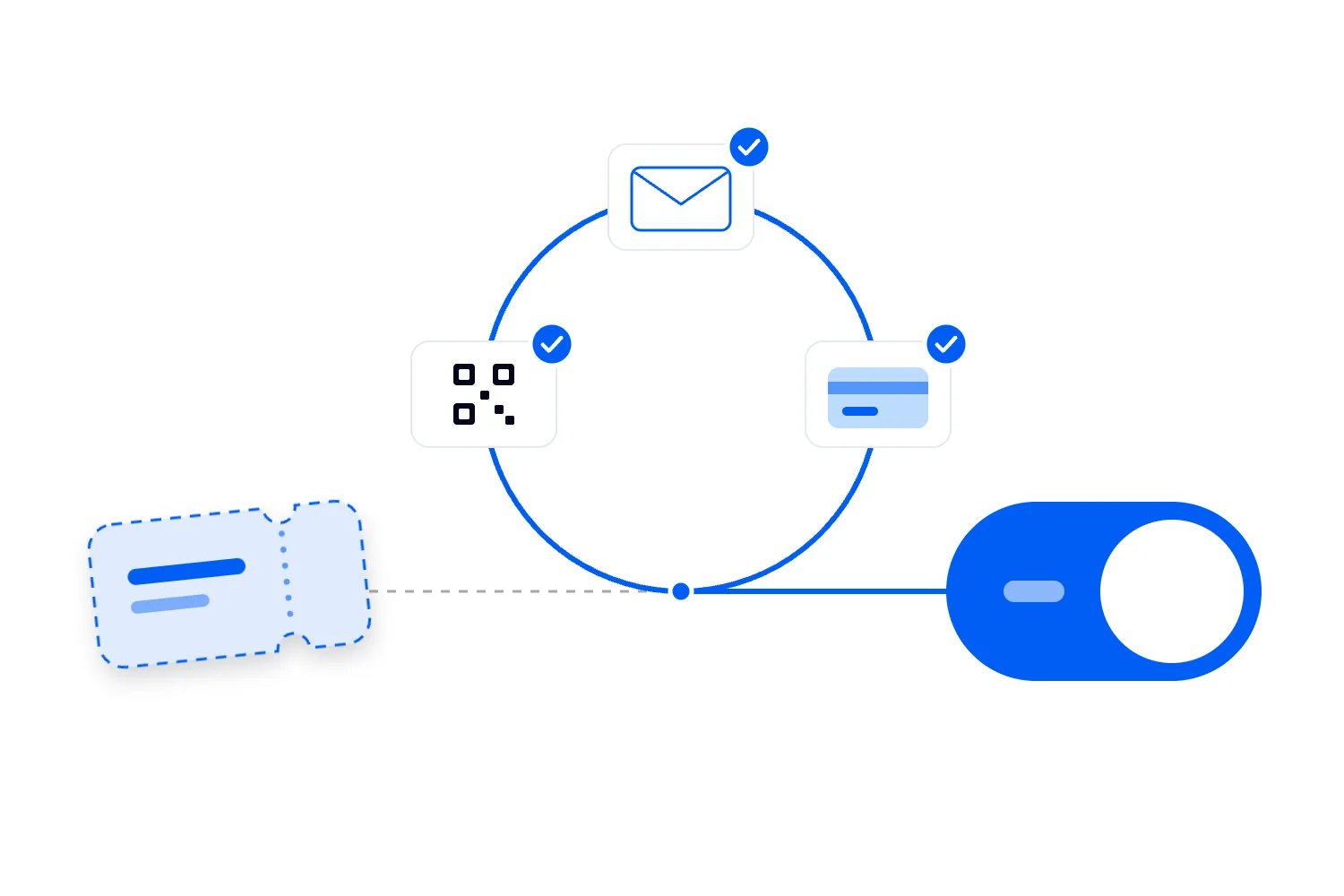
Bank transfer describes several different payment systems. A domestic account transfer, an international wire and a payment collected from an account under a direct debit arrangement don't follow identical rules. Ask the buyer which method and currency they intend to use, then confirm your account can receive it.
Timing varies too. Pay.UK explains that Faster Payments between direct participants are usually available almost immediately, although they can sometimes take up to two hours. That's a description of a particular UK system, not a deadline you can apply to every buyer in every country.
For a transfer arriving from abroad, ask your bank about the account details the sender needs, possible intermediary deductions and the information available to trace a missing payment. Get the receiving instructions from your bank. Copying an account number from an old invoice can leave out information that matters for this transaction.
The practical question is whether you can verify receipt before you need to release the tickets. If the event starts soon, a transfer with uncertain arrival timing may be a poor fit. Explain the supported alternatives before accepting the booking, while the buyer still has time to choose another method.
Decide what you are reserving while payment is pending
A request for twenty tickets isn't a paid sale. Decide whether you're offering a quote, holding an allocation temporarily or approving attendance before payment. Make that decision visible to the buyer and the people managing ticket availability. Otherwise, everyone can read the same email and believe something different has been agreed.
For most new buyers using a manual transfer, I'd use a limited hold with payment required before ticket release. State the number and type of places, total price, currency and exact expiry. Include the time zone. Choose a deadline your team can actually check, rather than promising a decision when nobody has access to the bank account.
A hold also has to reduce what remains available for sale. If you're holding twenty places while leaving the full allocation open online, you haven't reserved those places in a meaningful way. Use a supported reservation process where your system provides one, or establish an approved way to prevent the same capacity being sold twice.
As the event fills, shorten or stop new transfer holds where the lost selling opportunity becomes too expensive. You can still help an established buyer, but record who approved the exception. Don't let a buyer's slow internal process silently decide how much of your event remains unavailable to everyone else.
Write payment instructions that answer the buyer's next question
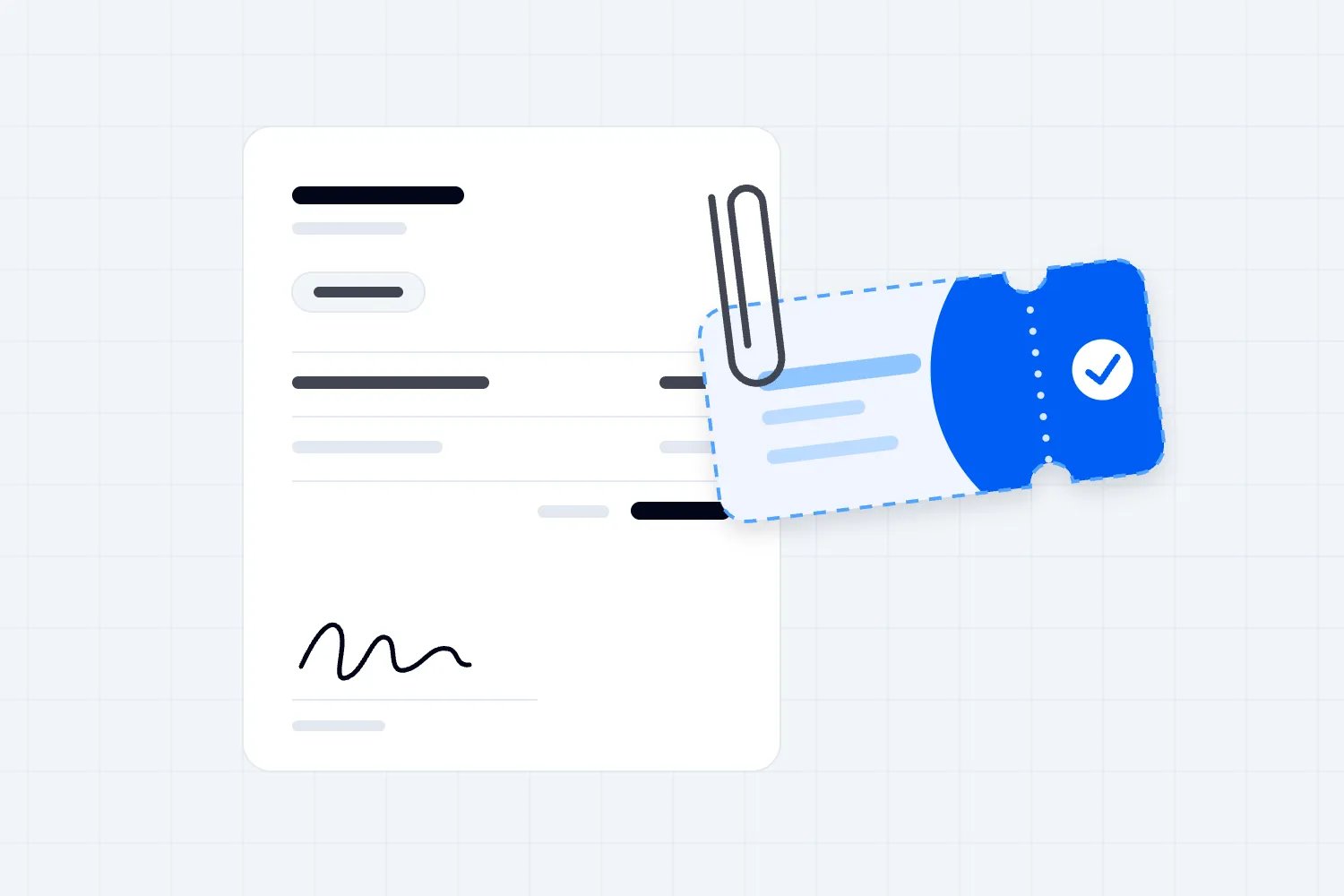
Your invoice should connect the payment to a specific booking. Include the legal seller, buyer, event, ticket quantity, ticket type, amount, currency and reference to use. Add the account details supplied by your bank and a contact for questions about payment. Have your accountant confirm the invoice and tax requirements that apply to your business.
Keep the payment reference short enough for the sender's system and unique enough to distinguish this booking. An event name alone is weak when several companies are paying for the same conference. An attendee's surname can be equally unhelpful when the money arrives under a parent company's legal name.
Ask the buyer to preserve the reference exactly and tell you if its bank cannot include it. If the accounts team will combine several invoices in one payment, agree how it will send the breakdown. You need to know which invoice each amount belongs to before marking any of them paid.
Explain the next step in ordinary language. For example, say that you'll confirm the booking after verifying the transfer against the invoice, and that a remittance notice helps identify it but doesn't confirm receipt. Tell the buyer when to contact you if confirmation hasn't arrived. That saves a chase from both sides.
A useful invoice message might read, "We've reserved twenty full conference passes until the expiry shown on your invoice. Please send the invoiced amount in the stated currency and include the booking reference. We'll confirm receipt and release the tickets after matching the payment. Contact us before sending payment if the reservation has expired or your bank can't include the reference."
That's sample wording for a payment-before-release arrangement, not a substitute for the actual invoice or booking terms. Add your real confirmation hours and trusted contact method. If you agree different treatment for an established company, write that agreement explicitly rather than sending the standard message and expecting the buyer to remember a separate phone conversation.
Protect the instructions before anyone sends money
A correct invoice can still be followed by a fraudulent message claiming your bank details have changed. The FBI's guidance on business email compromise recommends independently checking contact details and verifying changes to payment procedures or account numbers. Build that check into your transfer instructions before an urgent message arrives.
Tell the buyer how to verify your account information through a trusted contact route. If you change bank accounts, arrange the check separately rather than relying on a replacement invoice in the same email conversation. Inside your business, limit who can edit the approved instructions and require another authorized person to check a change.
Where the buyer's bank offers an account name check, provide the account holder's name accurately. Pay.UK describes Confirmation of Payee as a UK account name checking service designed to reduce misdirected payments. An account name check helps with the destination; it doesn't tell your team that the booking has been paid.
If a buyer reports an unexpected account change, pause the payment conversation and investigate. Contact your bank promptly if money may have gone to the wrong destination. Keep the original messages and transaction information. An event deadline is a reason to respond quickly, not a reason to skip the verification.
Keep payment updates separate from payment confirmation
A buyer may email a remittance notice, a bank screenshot or a message saying its finance team has released the payment. Acknowledge it and record the information. Keep the booking pending until your authorized finance person verifies the credit and matches it to the order under your receiving policy.
There are several perfectly ordinary reasons why the information might not match immediately. The sender may use a different company name. It may have scheduled the transfer for a future date. The reference might be cut short. None of those situations becomes easier if someone sends tickets first and asks finance to investigate later.
Your reply can stay helpful without claiming the money has arrived. Tell the buyer you've received its payment information, explain what you're checking and confirm whether the hold deadline still applies. If the payment needs tracing, ask for the information your bank actually needs rather than repeatedly requesting the same screenshot.
Avoid suggesting that a bank credit makes every transfer impossible to reverse. Nacha's ACH reversal rules allow reversals for specified errors under US ACH rules. Ask your bank what receipt, availability and possible recovery mean for the particular payment method you're accepting. Your ticket release policy should reflect that answer.
Match the transfer before you mark the booking paid
Check the receiving account's transaction record. Match the amount and currency, sender information, booking reference and the invoice still outstanding. Record the bank's transaction identifier where available. The person issuing tickets should be able to see that someone with the appropriate access completed the check, without needing the business's banking login.
When the reference is missing, use the other information to investigate rather than guessing. Ask the buyer's accounts contact which legal entity sent the money and which invoices it covers. Where several credits look possible, leave the payment unmatched until you can explain the connection. Matching by amount alone can assign one buyer's payment to somebody else's booking.
For combined payments, allocate the total across the actual invoices and keep the buyer's breakdown with the record. For split payments, record what has arrived and what remains due. Don't call a booking fully paid because one transfer arrived if the agreed total hasn't been satisfied or an authorized adjustment hasn't been recorded.
Keep this process proportionate. You don't need a complicated internal system to handle occasional transfers, but you do need one reliable record. If several staff members use separate spreadsheets and inboxes, decide which record controls payment status and who can change it. Otherwise, a helpful second person can accidentally issue the booking twice.
Decide who covers the process when your usual finance person is away. A transfer route that works on Tuesday can fail on Friday if only one person can view incoming credits. Arrange appropriate access through your bank's own controls. Sharing a password in a group chat creates another problem without making the booking record more reliable.
Set a regular check appropriate to your booking volume and promise buyers a confirmation period you can meet. Where your bank or booking system offers supported notifications or matching tools, use them and investigate exceptions. Manual handling should cover the parts the tools don't resolve, rather than having someone retype information the system already provides accurately.
Resolve shortages and overpayments before making promises
Suppose the invoice is for $8,000 and the credit is $7,980. The $20 difference might be a deduction, an exchange issue or simply an incorrect amount. These are invented figures. Check the transfer information and your agreement before deciding who owes the difference. Don't silently lower the invoice because the amount is nearly right.
You can agree to accept the shortage if an authorized person decides the commercial cost of pursuing it is greater than the amount. Record the adjustment properly and tell the buyer what remains due, if anything. That keeps a goodwill decision from becoming an unexplained discrepancy when your accounts team closes the event.
An overpayment needs the same care. Confirm which booking it belongs to, whether the credit is genuine and why the buyer sent too much. If someone requests a refund to another person's account or asks you to forward part of the money, stop and verify the request with your bank and the known buyer contact.
Don't treat excess money as additional ticket revenue. Record it as an amount requiring resolution until the correct treatment is agreed. Keep any refund approval connected to the original payment. That way your team can explain both the amount received and the amount returned without reconstructing the story from messages after the conference.
Release the right tickets and close the hold
Once the payment satisfies your checks, update the booking through the supported process. Confirm the quantity, ticket type, attendee delivery details and any names still outstanding. Release the held allocation into the paid booking and make sure the same places aren't also left in a separate reservation. Confirm payment to the buyer and explain how attendees receive their tickets.
Use the platform's existing ticket and check-in process wherever it supports the arrangement. Don't replace valid ticket records with an email saying a company has paid. Door staff need to know which people or tickets have permission to enter, particularly when a company coordinator bought the places but won't attend personally.
Check whether entering an externally paid booking triggers a confirmation, changes capacity or creates a financial entry. Ask support to demonstrate the supported workflow before your first live transfer order. A free ticket workaround can make the guest list look right while misrepresenting paid revenue, so don't invent one to get around a missing payment status.
Loopyah's ticket checkout lets buyers pay as guests using its supported card and wallet options, and the confirmation email links to QR tickets. Keep those purchases in that connected flow. For an externally paid group booking, confirm the supported recording and ticket issue process with us before offering it to the buyer.
Follow one booking through a delayed payment
Imagine a training company wants twenty conference passes at $400 each, an invented total of $8,000. Your event is several weeks away and enough places remain. You agree a hold until Thursday at noon in your event's time zone, with the full payment required before ticket release.
On Wednesday, the coordinator sends a remittance notice showing that the accounts department has requested payment. Your team acknowledges it but keeps the booking pending. Finance checks the bank record and finds no matching credit. The coordinator knows the hold hasn't turned into an indefinite reservation, because the invoice explained what the deadline means.
Thursday morning, the credit arrives under the company's parent business name with a shortened reference. Finance compares the invoice and remittance breakdown, confirms the sender with the accounts contact and records the match. Your ticketing person checks the twenty places, completes the supported booking process and sends confirmation. The buyer doesn't need another account approval conversation.
Now change one detail. The credit hasn't arrived by Thursday noon. Check the bank and any evidence of an active transfer, then follow your stated hold terms. You might approve a short extension while the bank traces it, or release the allocation. Record the decision and tell the buyer whether it should still send payment before accepting another booking request.
Make late payments and sold-out events manageable
A transfer can arrive after its reservation has expired. You may already have sold the places elsewhere. Don't issue extra tickets just because the money arrived, and don't ignore the credit because the original hold ended. Contact the buyer, explain availability and resolve the payment under the agreed terms and applicable obligations.
Your instructions should already say what happens after expiry. Ask the buyer to contact you before paying an expired invoice, and send a clear cancellation or expiry notice when you release the hold. That reduces the chance that an accounts department pays an old document while your sales team assumes the booking is finished.
If the buyer says the payment was sent before expiry but arrived later, refer to the condition you actually agreed. Did the deadline require receipt or sending? Avoid retroactively changing it to whichever interpretation helps your team. If your wording was unclear, address the booking fairly and fix the wording for future orders.
Near the event, close the transfer route early enough to investigate problems while banks and your finance contact are available. Keep the standard checkout open where appropriate. A buyer who needs an immediate ticket should hear the quickest supported payment route, not be encouraged to send money you won't be able to verify before doors open.
Keep currencies and separate events identifiable
If you sell several events through one business bank account, make the event identifiable in your booking record as well as the payment reference. A company's accounts department might pay for places at two conferences in one transfer. Your finance team needs to allocate the credit to the right orders before either event treats the money as its own.
Keep the original currency alongside every amount. An invoice issued in dollars and a bank account credited in pounds cannot be matched by comparing the two numbers directly. Agree the payment currency before issuing the invoice, then use the actual bank information and your accountant's guidance to record conversion and any remaining amount due.
For an overseas buyer, explain whether the price requires a particular amount to reach your receiving account and how any charges will be handled. Check that the arrangement is permitted and clear before payment. A buyer who followed your instructions shouldn't discover an unexpected extra demand only when you refuse to release the tickets.
Be careful when someone asks to move an existing payment between events or legal businesses. A transfer received for one booking doesn't automatically settle another invoice. Confirm the buyer's request, the refund or transfer terms and the accounting treatment, then record what changed. Your team should still be able to trace the original credit to its final use.
Plan refunds before the first buyer asks
Accepting a transfer doesn't remove your refund or cancellation responsibilities. Explain the applicable booking terms before payment, then agree how your team will authorize and send a refund when one is due. Confirm the relevant requirements for your market rather than assuming a business buyer, event ticket or bank payment always has the same treatment.
Payment system finality also needs careful language. The Federal Reserve describes Fedwire payments between participants as immediate, final and irrevocable once processed. That describes settlement within that system. It doesn't decide whether your business owes a buyer a refund under its agreement or applicable law.
Before returning money, check the original booking, credit and any earlier refund action. Verify the destination using the bank's recommended process and your known buyer contact. If the original account cannot receive the refund, ask your bank how to handle the exception and retain the approval. A new account supplied by email needs investigation, even when the request looks routine.
Budget for these refunds while you're selling. A large company booking can create a concentrated repayment obligation if the event is cancelled. Your event cash-flow forecast should distinguish the money received from the money you can commit to production after allowing for obligations your business still needs to meet.
Tell the door team what the payment decision means
Decide who handles an unresolved transfer on event day. It should be someone who can inspect the booking, contact finance and approve the available options. The person scanning tickets shouldn't be asked to decide whether an unfamiliar bank screenshot proves a company paid for twenty attendees. That conversation also shouldn't block the main entry queue.
Give the decision contact access to the booking status, hold terms, payment checks and the buyer's authorized coordinator. Limit the financial information shared with ordinary check-in staff. They need an admission decision and valid tickets, rather than account details or a copy of the company's entire payment history.
If you allow the company to attend before payment, record who approved that credit and how collection will continue. That's a separate commercial decision. Don't mark the booking paid just to get everyone through the door. You still need an accurate outstanding balance after the event, even if the customer relationship justifies the exception.
Where the buyer can make a replacement payment through a supported method, agree how you'll prevent or resolve a duplicate if the original transfer later arrives. Record both payments against the booking and tell finance immediately. Taking money twice can be easy in a busy queue; returning it correctly still needs someone to finish the work.
Keep transfers if the completed bookings justify the work
After the first few bookings, review what happened. Which buyers needed the route? How many requests became paid orders? How long did matching and ticket delivery take? Record the reasons for exceptions so you can distinguish a genuine procurement requirement from a payment option your team offered without needing to.
Include expired holds in that review. A transfer process can look successful if you only count the companies that eventually paid. The unanswered invoices and unavailable tickets also affected the event. Ask whether you could have sold those places through the ordinary checkout and whether your deadlines gave your team enough time to act.
I would keep bank transfers for buyers whose booking value and payment process justify a managed invoice route. I'd tighten or remove the option where repeated chasing and uncertain holds outweigh the benefit. You can make that choice by ticket type or booking situation, provided the terms are clear and your team applies the decision consistently.
Before you offer the next company a transfer, confirm the receiving method, reservation expiry, matching responsibility and ticket release process. Then send instructions your buyer can actually follow. The useful outcome is a valuable booking paid and recorded correctly, with the right people admitted and no unexplained money left for your team to sort out afterwards.

Author: By the Loopyah Content Team
The Loopyah Content Team shares expert insights, practical guides, and industry updates to help event organizers create unforgettable experiences and stay ahead in the event planning world.