· 21 min read
How to run a ticketed neighbourhood street festival

So you've found a street with good food, independent shops and enough character to make people want to spend an afternoon there. You can picture the performances already. Then someone asks how you're going to charge admission when people live above the shops, customers need to reach those shops and the pavement is normally public.
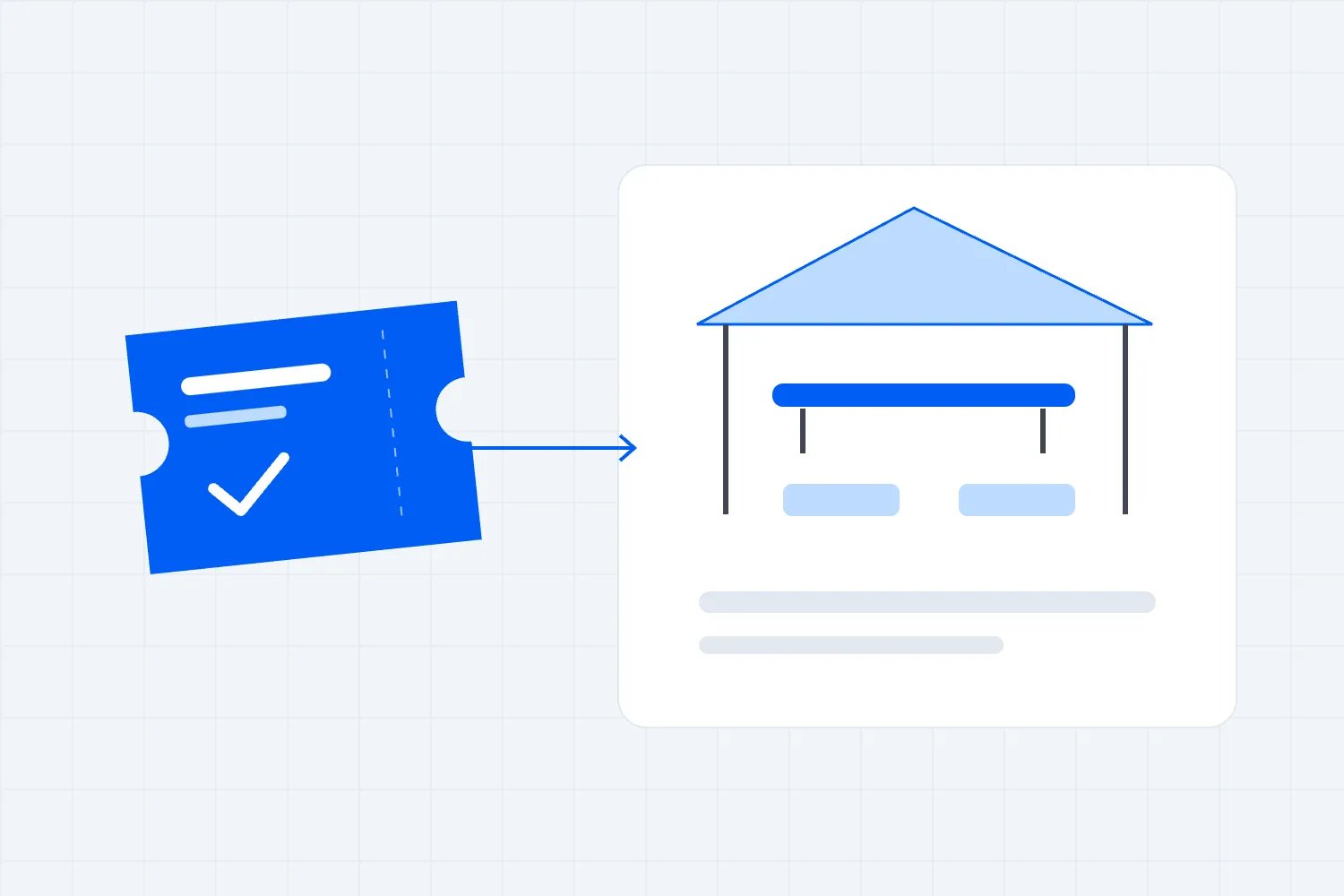
That's the first problem to solve. A ticketed street festival needs permission to use the space commercially and an admission plan that works around the neighbourhood. Establish both before selling tickets or committing to a programme that depends on ticket income.
You can charge for the whole festival where that arrangement is authorised, or keep the street open and sell admission to clearly defined experiences within it. The better choice depends on what you can legally control, what buyers will pay for and what the site costs to operate. A beautiful street is a promising location. It still needs a workable business behind it.
Decide what the ticket actually buys
Start by writing the offer in ordinary language. A buyer should understand which areas they can enter, what entertainment is included and which purchases cost extra. If you're charging for entry to a food festival where every meal is another purchase, explain the programme and services that make admission worth paying for.
The neighbourhood's usual atmosphere cannot do all that work. People already walk past those restaurants for free. Your event needs a reason to book, whether that's a coherent music programme, tastings included in the price, workshops with limited places or an experience those businesses have created together.
There are two useful ways to organise the offer. An enclosed festival has an authorised boundary with controlled public entrances. Everyone entering as a festival guest needs the appropriate admission, while residents and people with legitimate access needs follow separately agreed arrangements. This can make the ticket proposition straightforward, but the boundary creates staffing and infrastructure costs.
An open street festival keeps agreed public routes available and charges for specific spaces or sessions. A courtyard performance, restaurant tasting or workshop can be ticketed without pretending a wristband gives you exclusive use of the entire neighbourhood. Each paid activity still needs its own permissions, operating arrangements and capacity controls.
I would choose the smaller, clearly defined paid experience if the street cannot support a reliable perimeter. Chasing unpaid visitors around an open road is a poor use of your team, and telling paying customers that everyone else should have bought a ticket won't improve their afternoon.
Write the offer before you price it. You'll use the same description in permission discussions, supplier briefs, the ticket page and the entrance briefing. If those versions describe different events, fix the disagreement while changing the plan is still affordable.
Confirm that you can charge in the proposed space
Ask the landowner and relevant local authority whether the proposed area can host a publicly advertised commercial event with paid admission. Include a marked plan, operating hours, expected activities and the way you propose to manage access. A conversation about closing a road is not enough to establish the right to sell entry.
Requirements depend on the location. In England, GOV.UK's street-party licensing guidance describes a music exemption for private residents' parties where music has not been advertised to attract people or make money. A promoted ticketed festival should not assume that exemption applies. Ask the licensing authority about your actual programme and commercial arrangement.
Keep the questions separate when you speak to officials. Who authorises occupation of the land? Who approves road restrictions? What permits or licences apply to entertainment, food, alcohol, temporary structures and trading? Who must approve the way you preserve access to properties? One approval may depend on another without replacing it.
Our outdoor event permits guide helps you organise those conversations. For this format, be particularly explicit about charging, barriers and the status of the pavement. Ask for written confirmation of the approved arrangement and conditions. Record who gave the answer and which drawing they reviewed.
Also check the setup and removal period. You might be allowed to hold an event during the afternoon without being allowed to park supplier vehicles on the street that morning. Those restrictions can change delivery costs, labour requirements and the timetable you have promised performers.
Create an approvals register with a named owner for each outstanding item. Put decision dates before the payments that depend on them. If permission to charge remains unresolved, you do not yet have a ticket business you can budget confidently. Choose another site or redesign the paid element before taking on commitments that require those sales.
Walk the street with the people who use it
The first site walk should include people who know how the street operates on an ordinary day. Speak to the businesses, residents and property managers affected, alongside your production and access leads. Ask about deliveries, care visits, refuse collection, building entrances and customers who need vehicle access.
Be specific about the inconvenience. A restaurant might like the prospect of extra customers while needing its delivery entrance clear during setup. A resident might support live music but need a reliable way home. Saying the festival will benefit everyone doesn't answer either concern.
Map every doorway within the proposed boundary. Agree how authorised access works without selling an unnecessary festival ticket, and where someone checks a query without blocking the public entrance. Keep the information you collect proportionate. Staff need a reliable access procedure, not a public list of residents' private circumstances.
Decide whether residents can bring visitors, how tradespeople are handled and what happens when someone arrives without the document you expected. These are planning questions for the relevant stakeholders and authorities. Your entrance team should apply an agreed process rather than negotiate property access with a queue behind them.
Give affected businesses a practical briefing. Show the approved footprint, closure times, delivery arrangements, customer routes and contact for problems. Explain whether their usual trading area falls inside or outside the paid event and whether they have agreed to participate. Being located on the street does not automatically make a business your vendor.
Then revisit the drawing. If maintaining legitimate access means cutting a corridor through your proposed audience area, work with that constraint. Moving a stage now is easier than discovering during the festival that the route to someone's front door runs through the crowd watching your headline performance.
Design the boundary around movement
Get a competent event safety and traffic team to develop the layout for this street and programme. A public road has junctions, side streets and building entrances that a conventional venue may not have. Fencing every visible gap can create new problems if it removes a necessary route or directs people into traffic.
Great Britain's Health and Safety Executive advises organisers to assess crowd risks in outdoor spaces by zone. Its guidance specifically covers arrival points, exits and areas around attractions. Use that as a reason to assess the street's different spaces individually, with the people responsible for the safety plan.
Look at where people will stand as well as where they can walk. A popular food stall opposite a performance area can create intersecting queues. A sponsor installation can attract people to the narrowest section. Shop displays and parked equipment can reduce space after the approved plan was drawn.
Keep emergency arrangements, authorised property access and pedestrian movement visible when deciding where revenue-generating activities go. A stall's fee is not worth accepting if its operation compromises the agreed layout. Build contracts around the approved footprint so relocating a vendor isn't a surprise you have no right to request.
Arrange the entrance so ticket problems can be resolved away from the moving line. Decide where people wait before opening and how they reach the correct gate from transport stops. A street event can attract curious passersby who haven't read your event page. Signs need to explain the paid boundary before those people join the wrong queue.
Your safety team should determine the attendance limits and how everyone is accounted for. Do not calculate ticket inventory by multiplying the road's length by a guessed crowd density. Usable space, routes, activities and operating conditions all affect the plan. Once that plan is agreed, assign responsibility for keeping sales and admissions within it.
Build the street-specific costs into the budget
A street may have no conventional venue-hire invoice and still be an expensive place to produce a festival. Price the actual operation before deciding the ticket is affordable. Include your planning and delivery time, traffic management, approved barriers, stewarding, power distribution, toilets, cleaning, waste collection, communications and restoring the space after removal.
Get written quotes against the same timetable. Ask whether deliveries, collections, operators and out-of-hours work are included. If the street must reopen by an agreed time, a cheap supplier who cannot collect equipment before then may create an expensive second problem.
Separate the cost of producing the programme from the cost of controlling admission. Compare an enclosed festival with an open street and paid activity areas using real quotes. The enclosed version might earn more ticket income but spend more to collect it. The open version may need stronger sponsorship or vendor income to cover shared services.
Treat that as a financial choice rather than a preference for a particular atmosphere. Put the income each model can reasonably produce beside the costs it creates. Our event break-even guide explains how to calculate the sales required once fees and attendance-related expenses are included.
Build a cautious case using fewer paid admissions and realistic spending. Do not assume every passerby becomes a buyer, every restaurant contributes a fee or every sponsor prospect signs. If the event only pays its bills when every available ticket sells, you need enough committed funding to carry the downside or a smaller plan.
Track cash timing separately. Traffic management and equipment deposits may be due before ticket receipts reach your bank. Keep refund exposure and remaining delivery costs in view when deciding what you can spend. Money collected for an event you still have to deliver is not spare cash for another project.
Check what changes when the boundary changes
Take a simple planning exercise before you request final quotes. Compare the enclosed street with a ticketed courtyard and an open shopping route. Keep the same core programme in both versions so you can see which differences come from the admission arrangement rather than a completely different event.
In the enclosed version, list every point that needs staffing and every property that needs an access procedure. Include the cost of explaining the boundary to people who arrive without tickets. In the courtyard version, check whether the smaller paid area can generate enough income after its own production and staffing costs.
Then ask what you would remove if sales were weaker than expected. Some programme spending may still be optional before contracts are signed. Approved safety services and access arrangements cannot simply disappear because the forecast disappointed you. Mark which decisions remain available at each payment date.
This comparison can reveal that the cheaper-looking site is the more expensive operation. It can also show that a modest paid programme works better when local businesses keep trading normally around it. Use the quotes and confirmed permissions to choose, then rebuild the forecast around that choice. Keeping both models half alive makes it too easy to count one version's income against the other version's lower costs.
Make vendor and sponsorship agreements precise
Agree what a vendor is buying. That might be permission to trade from an allocated pitch, access to a known ticketed audience or participation in an included tasting. Those are different offers, with different costs and expectations. Do not sell a vendor a guaranteed queue unless you can actually substantiate that promise.
Specify the trading hours, access windows, equipment responsibilities and approved footprint. Ask what the operation needs in power, water, storage and waste handling. A stall that looks compact on a drawing may need a substantial service area behind it, and that space must be accounted for before you accept payment.
If a restaurant provides a tasting included in admission, agree the serving entitlement and redemption procedure. Who supplies the ingredients? Who checks the entitlement? What happens when a ticket holder arrives late or asks for a dietary alternative? Price the obligation before advertising it as included.
Check vendor documentation with the responsible authorities and specialists for your location. Keep the commercial contract and operating checks connected. Taking a pitch fee should not put a vendor beyond your ability to enforce the agreed safety arrangements or trading conditions.
For sponsors, sell benefits the layout can deliver. A sampling stand near the entrance might seem valuable commercially while obstructing admission. Agree the position with operations before it appears in a proposal. Cost any extra staffing, power, signage and hospitality required to fulfil the deal.
Keep cash sponsorship separate from donated services. A supplier covering something you would otherwise purchase can reduce a genuine expense. It cannot pay an invoice for a different supplier. Our music festival sponsorship guide develops the commercial planning; use the street's actual operating constraints when adapting the package.
Ask your insurance broker to review the event description and proposed use of the street. Confirm the required cover, evidence, exclusions and reporting conditions before relying on a policy. A business participating from its usual premises may have different responsibilities from a trader operating a temporary pitch.
Discuss cancellation terms with vendors before collecting fees. State what happens if permission is refused, access arrangements change or the festival cannot open. Keep those terms consistent with the agreements you can honour. If your refund obligation depends on recovering money from suppliers, investigate that dependency now. A supplier refusing repayment does not automatically remove whatever you owe your own customers under the applicable rules.
Programme the whole visit, including quieter periods
Choose a programme that justifies the trip and works within the street's operating limits. Start with the audience you can reach. Families arriving during the afternoon may want a different experience from adults buying an evening music ticket. Trying to promise both simultaneously can make the site and staffing harder to manage.
Look at the movement each activity creates. If every attraction finishes together, people may leave one area and join food queues at the same moment. Discuss timings with the crowd and production leads, then make sure the published schedule reflects the agreed plan.
Use the local businesses for more than a row of logos. A bookshop could host a paid author conversation in an approved space. A restaurant could create a tasting that suits its kitchen capacity. The value comes from a specific experience the business can deliver, with a clear agreement about money and responsibilities.
Keep some flexibility for ordinary delays without promising an indefinite running time. Confirm changeovers, soundchecks, deliveries and breaks with the people doing them. If road reopening determines the end of your event, the programme needs to finish early enough for the agreed clearing and removal process.
Noise deserves a conversation before the announcement. Confirm the applicable conditions with the relevant authority and ask the sound team how the proposed positions and equipment meet them. Brief performers on the agreed limits and who can require an adjustment. A neighbour's complaint should reach someone who can act, not circulate among volunteers.
The music festival planning guide covers bookings and wider production decisions. Here, pay particular attention to the space between attractions. An impressive programme becomes frustrating when people cannot reach the activity their ticket promised, or have to miss it while waiting for something else.
Make accessibility part of the site decision
Walk the journey from the nearest practical arrival points to admission, toilets, viewing areas and the activities you sell. Include people with relevant access expertise early enough to influence the layout. Publishing an accessibility email address is useful, but it cannot repair a route that the event has already blocked.
The US Access Board's guidance on accessible routes explains requirements for routes connecting accessible spaces in its jurisdiction. Check the rules that apply locally with your access adviser. Avoid copying a measurement from another country and calling the whole festival accessible because one path meets it.
Discuss surfaces, kerbs, gradients, cables, resting places and usable facilities. Think about the event as it will operate, with queues and customers, rather than an empty drawing. A nominal route through the middle of a vendor queue may be difficult to use during the busiest part of the day.
Describe the confirmed arrangements on the ticket page in concrete terms. Tell buyers how to request information they need before booking. If an activity has a material access limitation, explain it accurately and work on an alternative with the relevant people. Vague reassurance makes it harder for someone to decide whether the event suits them.
Train the entrance team on the agreed procedure for access requests and any companion arrangements. Check that residents and ordinary customers also retain the access agreed for the event. An admission boundary should not make an already difficult journey harder because nobody told the gate team how to help.
Set up tickets that match the admission plan
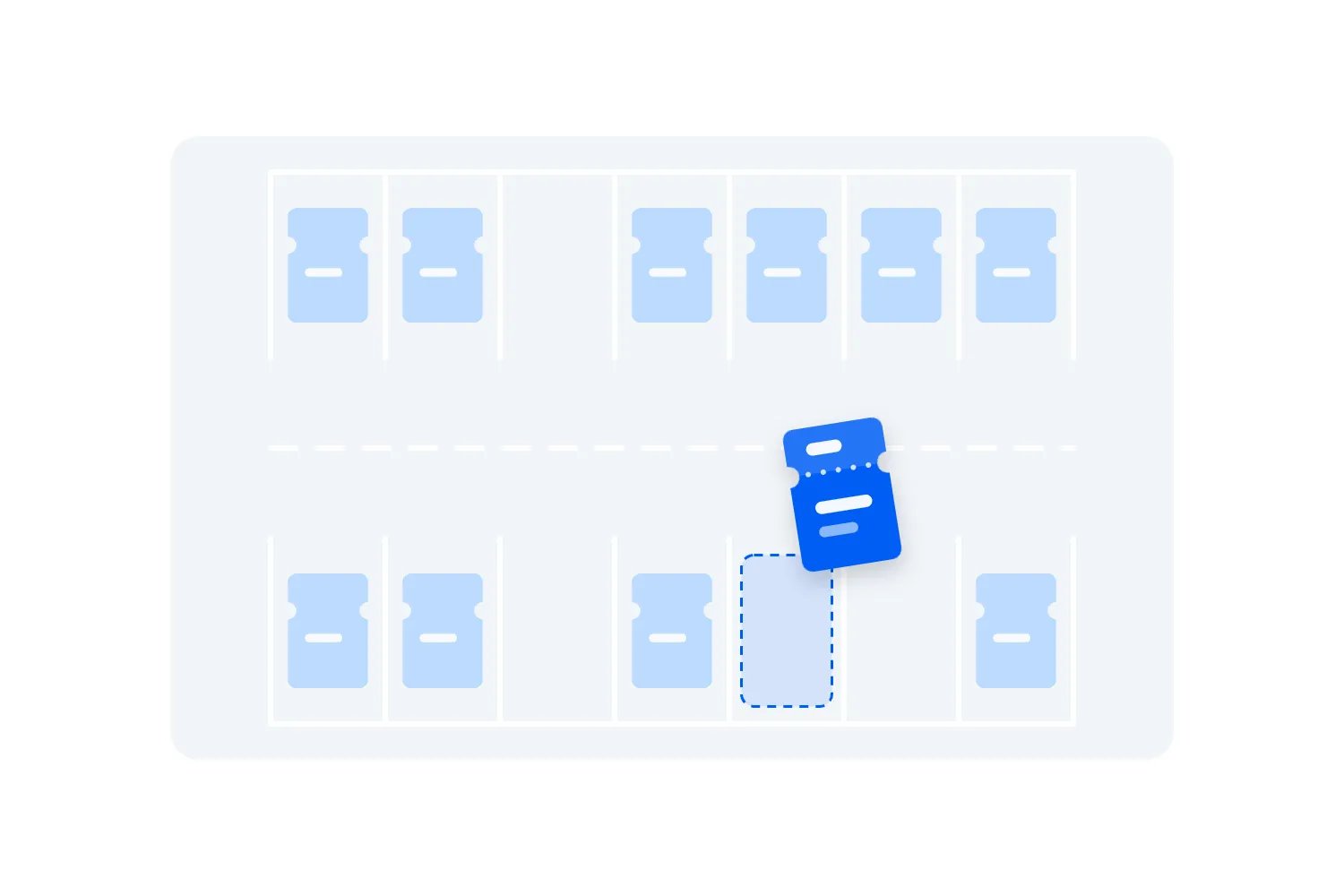
Keep the ticket structure simple enough for staff to recognise at the gate. Every category needs a clear entitlement. If a ticket buys an evening session, make that time visible before checkout and in the confirmation. Explain whether food, tastings, workshops or reserved areas require another purchase.
Decide how complimentary admissions work before partners start making promises. Sponsor guests, participating businesses and performers' guests need agreed allocations. Resident access belongs in its own agreed procedure. Mixing these arrangements into an informal guest list makes it harder to know who has entered and why.
Document the re-entry policy and how it will be administered. A wristband may identify a category of access, but it doesn't tell you how many people are currently inside. If people can leave and return, your operations team needs an approved counting method that handles those movements.
Loopyah's ticketing tools support ticket types and releases with their own prices and quantities. Door staff can receive check-in access and scan QR tickets from their phones. Use those capabilities to carry out the admission plan you have agreed, and test the setup before selling the first release.
Keep a separate plan for connectivity and equipment problems. Check actual conditions at the proposed entrances and confirm how the team will handle a failed device, an unreadable ticket or an order query. Do not assume a software feature solves live occupancy counting, property access or an emergency admission decision unless you've verified that specific workflow.
Test the purchase and arrival journey together
Run a test order for each type of admission and read it as a customer. Can you tell which entrance to use, when to arrive and what the ticket includes without asking the organiser? Check the confirmation on a phone, because that is likely to be what someone shows your entrance team.
Have someone unfamiliar with the layout follow those instructions on the street. They may spot an ambiguous shop name, a gate hidden by a parked vehicle or a route that sends people to the wrong side of a closure. Correct the information before it is copied into partner announcements and printed signs.
Test the exception process as well. Give the entrance team a sample of an order with a question that requires a supervisor. The person scanning tickets should know where to send that buyer and how the supervisor contacts the authorised person who can resolve it. Nobody should need to share an organiser login to answer a routine query.
Explain the paid boundary before people travel
The ticket page should show the exact entrance, the paid area and what remains outside it. Name the street and gate in a way someone arriving on foot can recognise. The address of a participating shop may be a useful landmark without being the entrance customers should queue at.
Tell people whether tickets will be available on arrival and how they will hear about a sell-out. Keep partners' posts consistent with that message. A business promoting a free street celebration while your page sells festival admission creates an argument your entrance staff will have to resolve.
HSE's guidance on crowd controls recommends making ticket-only arrangements clear in publicity and planning how excess arrivals are redirected. Its entrance guidance also says queues should not block emergency access. Apply those points with the agencies responsible for your site, including where people should go if they arrive without admission.
Ask participating businesses to explain the event to their existing customers using the agreed description. A short announcement about a confirmed tasting or performance is more useful than asking every partner to repeat a generic festival poster. Include the correct booking destination and clarify whether the business remains accessible without festival admission.
Watch the questions those announcements produce. If several customers ask whether meals are included, revise that explanation before buying more advertising. Confusion about the offer can look like weak demand when people are actually hesitating because they cannot work out what they would receive. Keep a note of the repeated questions for the entrance briefing too.
Send buyers a reminder with entry details, travel advice, the published re-entry policy and relevant changes. Keep instructions concise enough to use while someone is approaching the street. Link to the full event information for detail, and make sure the people answering questions use the version.
Communicate with residents separately about access and disruption. They should not need to buy a ticket or follow your marketing channels to find out when their street reopens. Maintain a contact route during the event and tell the team who can respond to an access problem immediately.
Rehearse decisions before the street fills up
Bring the entrance, production, safety and traffic leads together before opening. Walk through the operating plan using the actual site. Confirm the route for urgent messages and who can pause entry, stop an activity or make the decision to close. Give deputies the same information.
Try a few situations that test different parts of the operation. A resident needs access during a busy arrival period. A food queue begins obstructing a route. A supplier arrives outside its agreed delivery window. Ask who acts and where the people involved go while the problem is resolved.
For weather, agree actions with the specialists responsible for the site and structures. The US National Weather Service's outdoor activity guidance recommends a lightning plan identifying when activities stop, where people go and who monitors conditions. Establish locally appropriate arrangements rather than relying on the person with the most optimistic forecast.
Work through the commercial consequences too. If you cancel, shorten or postpone the event, who updates buyers, handles refunds and tells vendors? Check the contracts and applicable consumer obligations before publishing the policy. Keep enough access to orders and contact details for the authorised team to carry out those decisions.
Record readiness checks before opening. The plan should be usable by the team on duty, with current contacts and an agreed version of the layout. Resolve conflicting instructions while the street is quiet and you can still change a sign, move equipment or brief someone properly.
Close the event and decide whether to repeat it
Closing starts before the final performance ends. Brief the team on departures, property access and the transition into removal. Keep customers and moving vehicles separated under the agreed plan. Ask the responsible traffic team to confirm the conditions for reopening; a finished programme does not mean the road is ready.
Check the street with the relevant owner or authority as agreed. Record damage, missing equipment and cleaning issues while suppliers are still reachable. Retain the evidence needed for settlements and handle personal information under your applicable retention arrangements.
Reconcile ticket receipts, refunds, vendor fees and sponsorship against actual delivery costs. Review the cost of admission control separately. If enclosing the street absorbed much of the extra income, compare a smaller paid area for the next edition rather than assuming more attendance will fix the economics.
Ask affected businesses and residents what happened in practice. Did the promised access work? Did customers reach the shops? Which issues required repeated intervention? Then compare that feedback with your entrance records, incidents and buyer questions.
Before reserving another date, identify the changes the next budget must fund. Keep the parts people valued, correct the access problems and confirm that the revised offer still pays for the street you need to operate.

Author: By the Loopyah Content Team
The Loopyah Content Team shares expert insights, practical guides, and industry updates to help event organizers create unforgettable experiences and stay ahead in the event planning world.